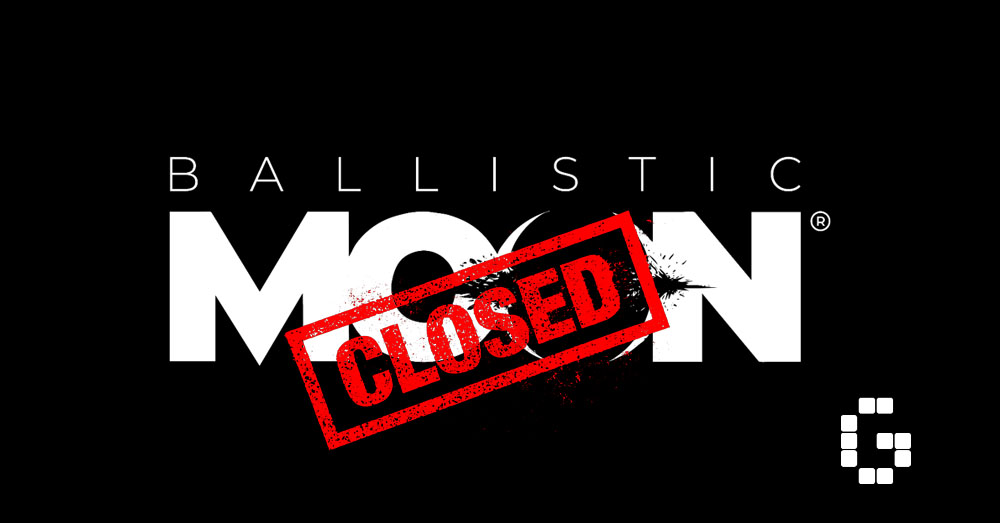
The studio behind the modern remake of Until Dawn has officially shut down. Ballistic Moon, which developed the 2024 remake of the popular cinematic horror title, has been legally dissolved, marking a quiet end for a studio that once aimed to push narrative-driven horror experiences forward.
Despite its ambitions and the pedigree of its founders, the developer’s closure appears to have happened without any formal public statement or farewell message from leadership. The news effectively ends the short lifespan of a studio that had hoped to refine the genre of choice-driven horror games.
A Studio Built by Horror Veterans
Image Credit: Ballistic Moon
Ballistic Moon was founded in 2019 by industry veterans Duncan Kershaw, Neil McEwan, and Chris Lamb. Before forming the studio, the trio held senior roles at Supermassive Games, the team responsible for creating the original Until Dawn.
Their goal with Ballistic Moon was to expand upon the cinematic “butterfly effect” storytelling style that made Until Dawn famous. The concept allows player choices to significantly alter the narrative and determine which characters survive the story’s many twists and dangers. With advances in modern game technology, the team hoped to deliver even more immersive and visually striking horror experiences.
In 2023, the studio was acquired by Sony Interactive Entertainment, positioning Ballistic Moon as part of Sony’s broader effort to support narrative-focused titles across platforms.
The Reception of the Until Dawn Remake
Image Credit: Ballistic Moon
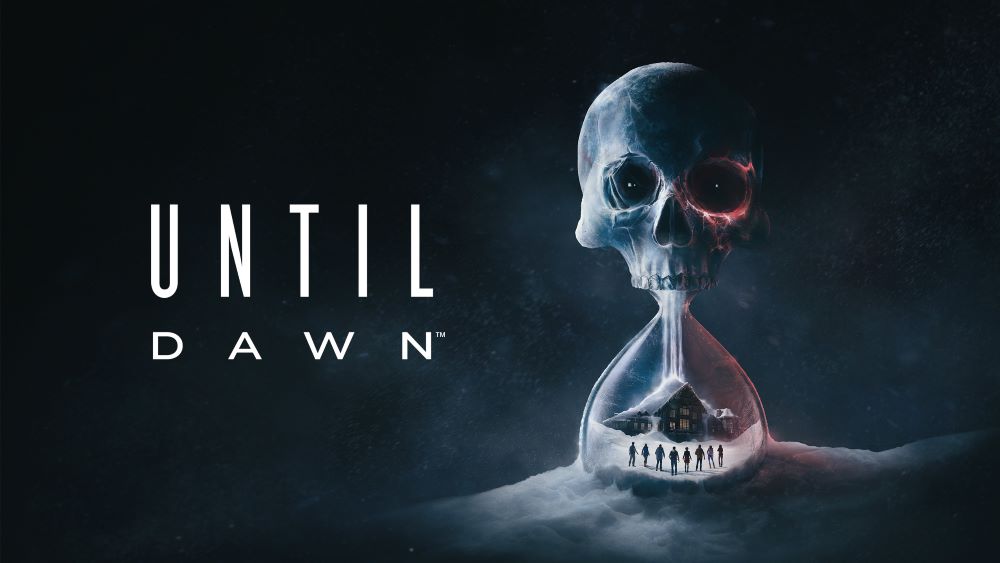
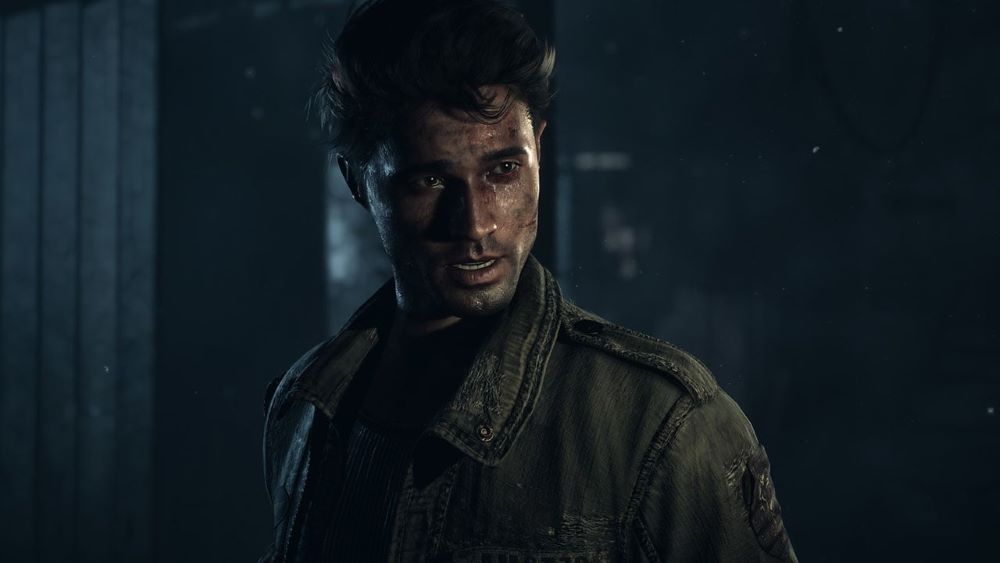
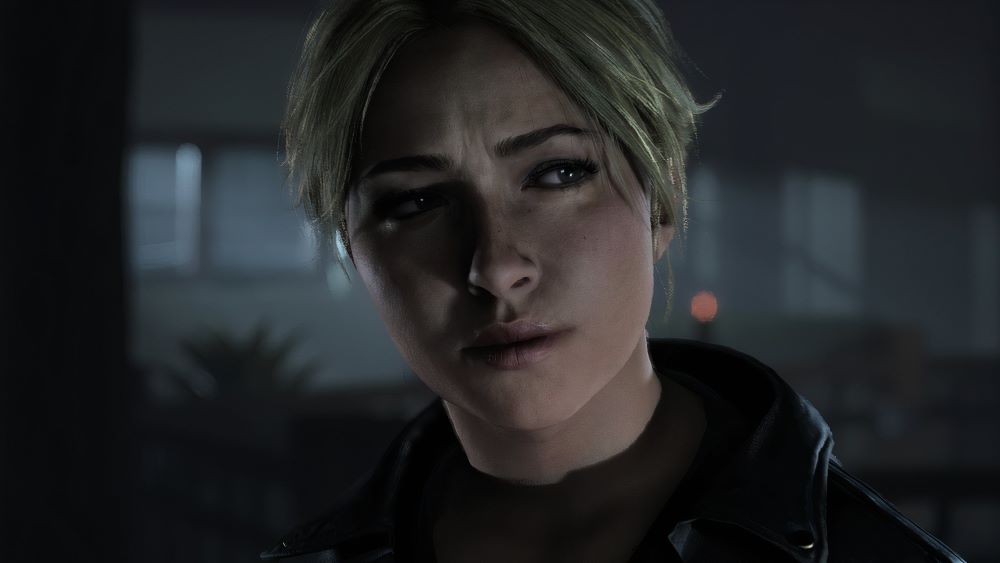
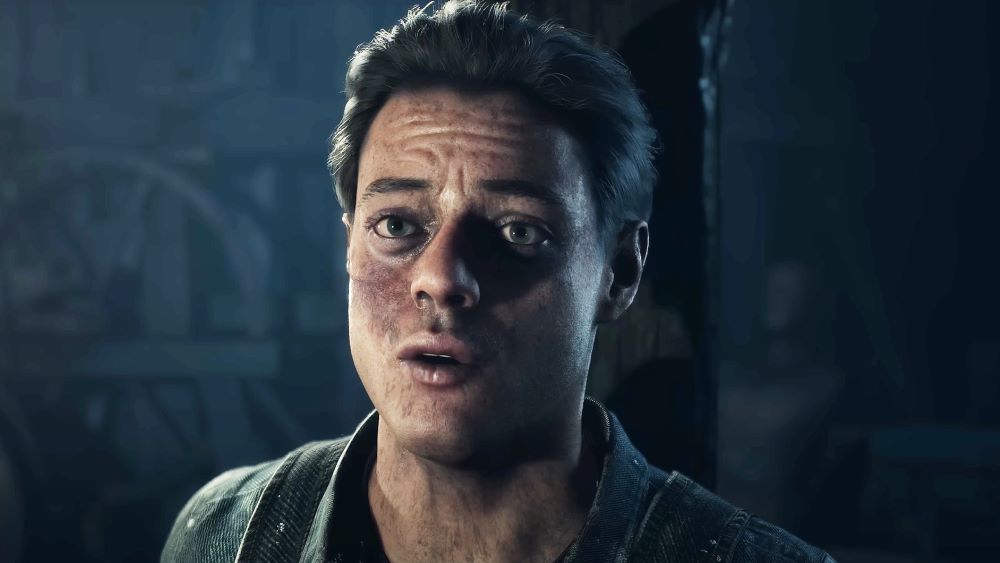
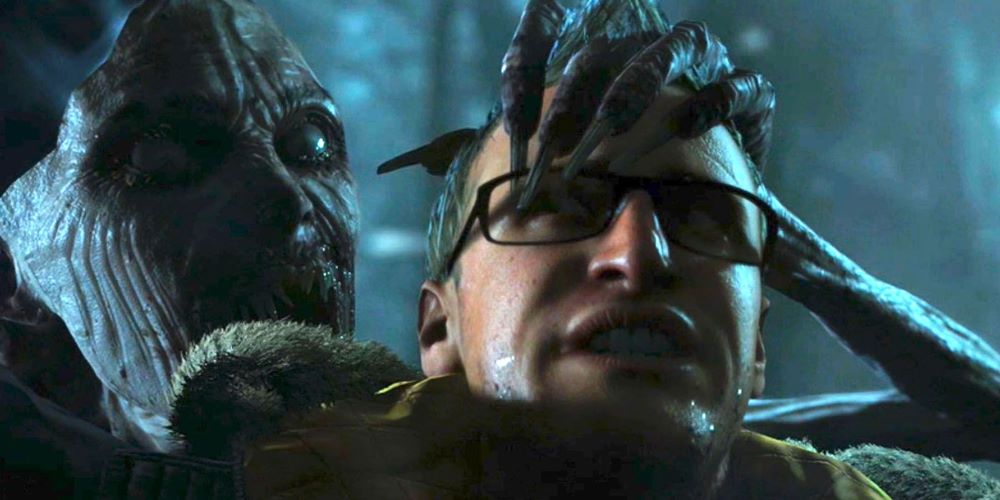
Ballistic Moon’s biggest project became the remake of Until Dawn (2024), which launched on October 4, 2024 for PlayStation 5 and PC. The remake rebuilt the original game using the Frostbite engine and introduced visual upgrades such as enhanced lighting systems and updated character models.
However, the reception to these changes was mixed. While the core narrative remained largely intact, critics and players questioned whether the technical upgrades improved the overall experience. The game currently holds an OpenCritic average of 69, reflecting generally lukewarm reviews.
One of the most controversial changes was the shift away from the original’s fixed cinematic camera angles. The remake instead adopted a modern third-person perspective. While this approach is common in contemporary games, many fans felt it reduced the tension and claustrophobic atmosphere that defined the original mountain lodge setting.
Some players also argued that the attempt at hyper-realistic visuals diminished the eerie tone that made the original memorable. What once felt like a stylized horror film began to feel less atmospheric, according to certain critics.
Sales Struggles and Launch Issues
Image Credit: Ballistic Moon
Beyond critical reception, the remake struggled commercially. The $59.99 price tag became a major point of criticism, especially since the original version of the game remained widely available at a significantly lower cost.
Early player engagement numbers reflected this hesitation. According to data from TrueTrophies, the PlayStation 5 player count during the game’s first week was reportedly 28 percent lower than the launch numbers for Concord, a multiplayer shooter that itself was famously shut down only two weeks after release.
On PC, the situation was similarly underwhelming. The game reached a peak of just 2,607 concurrent players on Steam, indicating limited interest compared to other major releases of the year.
These disappointing numbers quickly raised concerns about the future of Ballistic Moon and whether the studio would receive further investment to continue development.
Layoffs and the Gradual Collapse
Image Credit: Ballistic Moon
Trouble began inside the studio shortly before the remake’s release. In September 2024, Ballistic Moon laid off approximately 40 employees as the company attempted to manage rising costs and uncertain sales projections.
The situation worsened just a few months later. Following the game’s launch in October, another round of layoffs hit the company in December 2024, cutting an additional 20 employees.
There were reportedly discussions with Sony about securing additional funding to maintain the studio and continue supporting the remake with updates and patches. However, that funding never materialized.
By March 2025, industry reports suggested that Ballistic Moon had effectively shut down operations. Only the studio’s founders and a small number of remaining staff members were believed to still be technically employed.
Legal Dissolution Confirms the End
Image Credit: Ballistic Moon
The final confirmation of the studio’s closure came through official legal filings in the United Kingdom. A Final Gazette notice dated February 3, 2026 confirmed that Ballistic Moon had been formally dissolved.
With the company no longer existing as a legal entity, there is effectively no development team left to maintain or update Until Dawn (2024). This also likely eliminates any possibility of a direct sequel or further remake projects from this specific team.
The future of the Until Dawn franchise itself remains unclear. Although the series received a film adaptation directed by David F. Sandberg in 2025, the movie told a separate story involving a time-loop scenario in a remote valley rather than adapting the events of the original game.
For now, the closure of Ballistic Moon represents another example of the volatility within the modern video game industry, where even experienced developers with major publisher backing can struggle to survive if a major release fails to meet expectations.
An elite Society agent and contractor of the seal weapon Embrasque, Beatrix's ferocity when facing primal beasts is rivaled only by her insatiable hunger for glory.
Eustace
Earthrending Thunder
An elite Society marksman and contractor of the seal weapon Flamek Thunder, Eustace is efficient, laconic, and longs to live in a world of peace and quiet.
Fraux
Striking Strength
Pactbearer to The Devil, a primal seeking to create a new world order, Fraux is otherwise an ordinary skydweller whose heart, character, and temperament are filled with love and compassion.
Fediel
Darkness Personified
One of the Six Dragons, entities who exist beyond the confines of the natural world. Having dominion over darkness, she influences the very laws of nature.
A gamer through and through. I grew up playing all kinds of games and consoles, and even worked as a Game Designer and Game Artist for awhile. Now I venture into another path of gaming where I will pass all gaming knowledge to everyone, no matter how far or treacherous the journey is.




![[EXCLUSIVE] Dragon’s Dogma 2: Dark Arisen Team Opens Up About the Expansion’s Name, New Norgan Region, and Performance Goals](https://cdn.gamerbraves.com/2026/07/Dragons-Dogma-2-Dark-Arisen_Interview_FI-360x180.jpg)