

![[EXCLUSIVE] Dragon’s Dogma 2: Dark Arisen Team Opens Up About the Expansion’s Name, New Norgan Region, and Performance Goals](https://cdn.gamerbraves.com/2026/07/Dragons-Dogma-2-Dark-Arisen_Interview_FI-360x180.jpg)





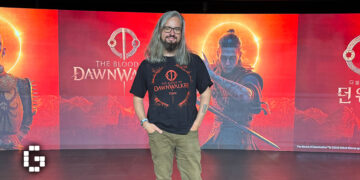





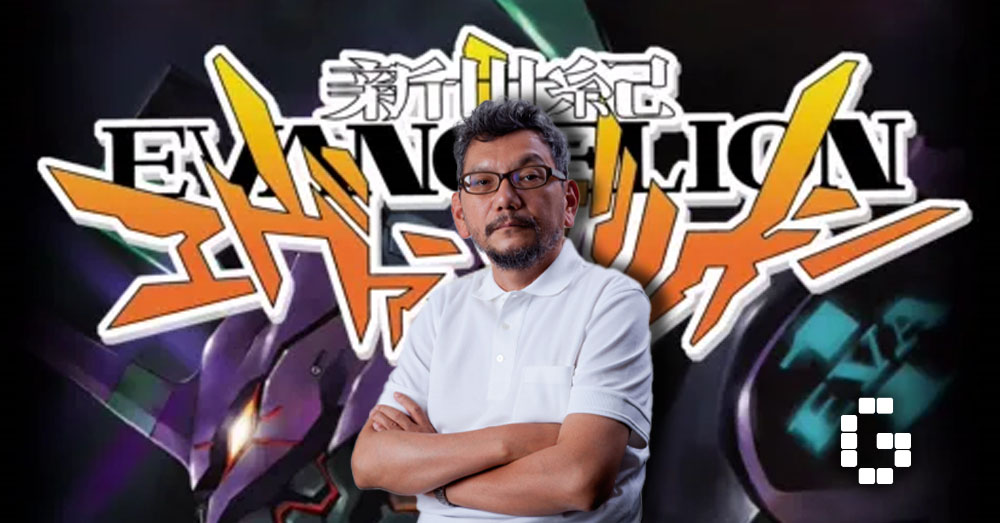
Neon Genesis Evangelion director Hideaki Anno recently shared his thoughts on the internationalization of Japanese content, emphasizing that creators should prioritize their domestic audience over trying to appeal to global markets. In an interview with Forbes Japan, Anno reflected on the Japanese content industry’s expanding presence overseas, noting that despite increased government support and strategic growth, the focus of creators has largely remained domestic.
Domestic Focus Over Global Appeal

When asked about adapting content for foreign audiences, Anno stated, “I personally never made anything with the overseas audience in mind. I can only make domestic stuff.” He explained that while production companies often encourage creators to consider the international market, this has never been his approach. For Anno, the goal is simple: produce works that resonate with Japanese audiences, and if they are appreciated abroad, that is a bonus. He cited his work on Evangelion: 3.0+1.0 Thrice Upon a Time as an example, explaining that he chose to produce it independently to maintain full creative control without concern for overseas reception.
Challenges of Cross-Cultural Creation
Anno highlighted the inherent difficulties of making content for non-Japanese audiences, particularly the language barrier. “Works made through a Japanese thought process can only be fully understood in Japanese,” he said. While the visual and auditory elements of film can translate, the subtleties of dialogue and character emotions rely heavily on the Japanese language. As such, he believes that audiences overseas must adapt to the work, rather than expecting creators to alter it.
Film vs. Interactive Media
Comparing film to video games, Anno noted that film is a “one-way road,” meaning creators cannot adjust their work based on audience feedback in real-time. This contrasts with interactive media, where player input can influence the experience. He praised other Japanese creators, including Studio Ghibli and Hayao Miyazaki, for maintaining a domestic focus, arguing that overseas promotion can follow organically through effective distribution and marketing.
Community Reactions

Fans and commentators largely supported Anno’s perspective, emphasizing that Japanese media’s appeal lies in its distinct cultural identity. Many noted that tailoring content to a global audience risks homogenizing creative works, stripping them of their unique qualities. Enthusiasts highlighted that anime, like other forms of Japanese media, reflects the society in which it is produced, and its value comes from staying true to that origin.
Anno’s comments underscore a broader conversation about globalization in creative industries. While international audiences are increasingly important, his stance reinforces that authenticity and domestic resonance remain central to the success of Japanese content.
Conclusion
Hideaki Anno’s approach serves as a reminder that creators should prioritize their artistic vision and core audience over attempting to satisfy global expectations. For him, and many fans, this focus is what makes Japanese anime and media distinctive, preserving its cultural depth while still allowing overseas audiences to discover and appreciate it on its own terms.