


![[EXCLUSIVE] Dragon’s Dogma 2: Dark Arisen Team Opens Up About the Expansion’s Name, New Norgan Region, and Performance Goals](https://cdn.gamerbraves.com/2026/07/Dragons-Dogma-2-Dark-Arisen_Interview_FI-360x180.jpg)










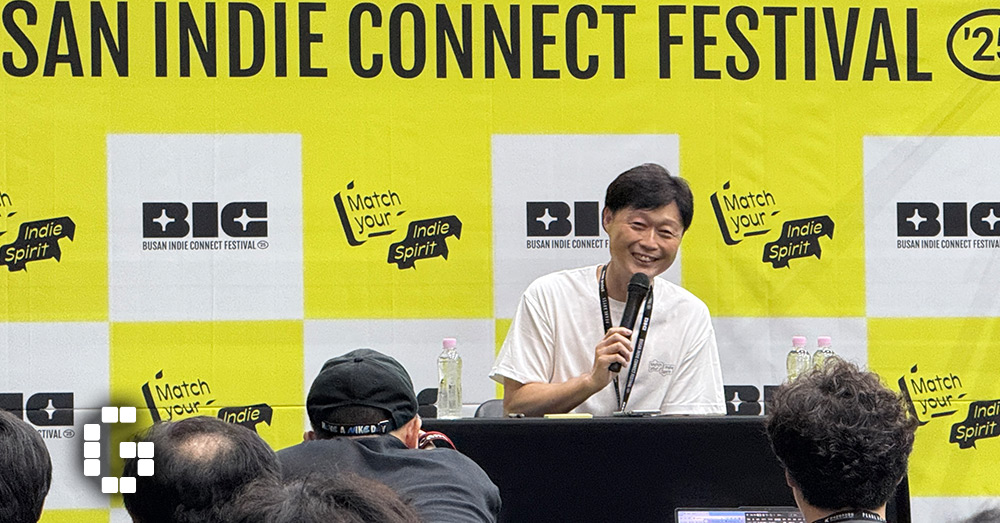
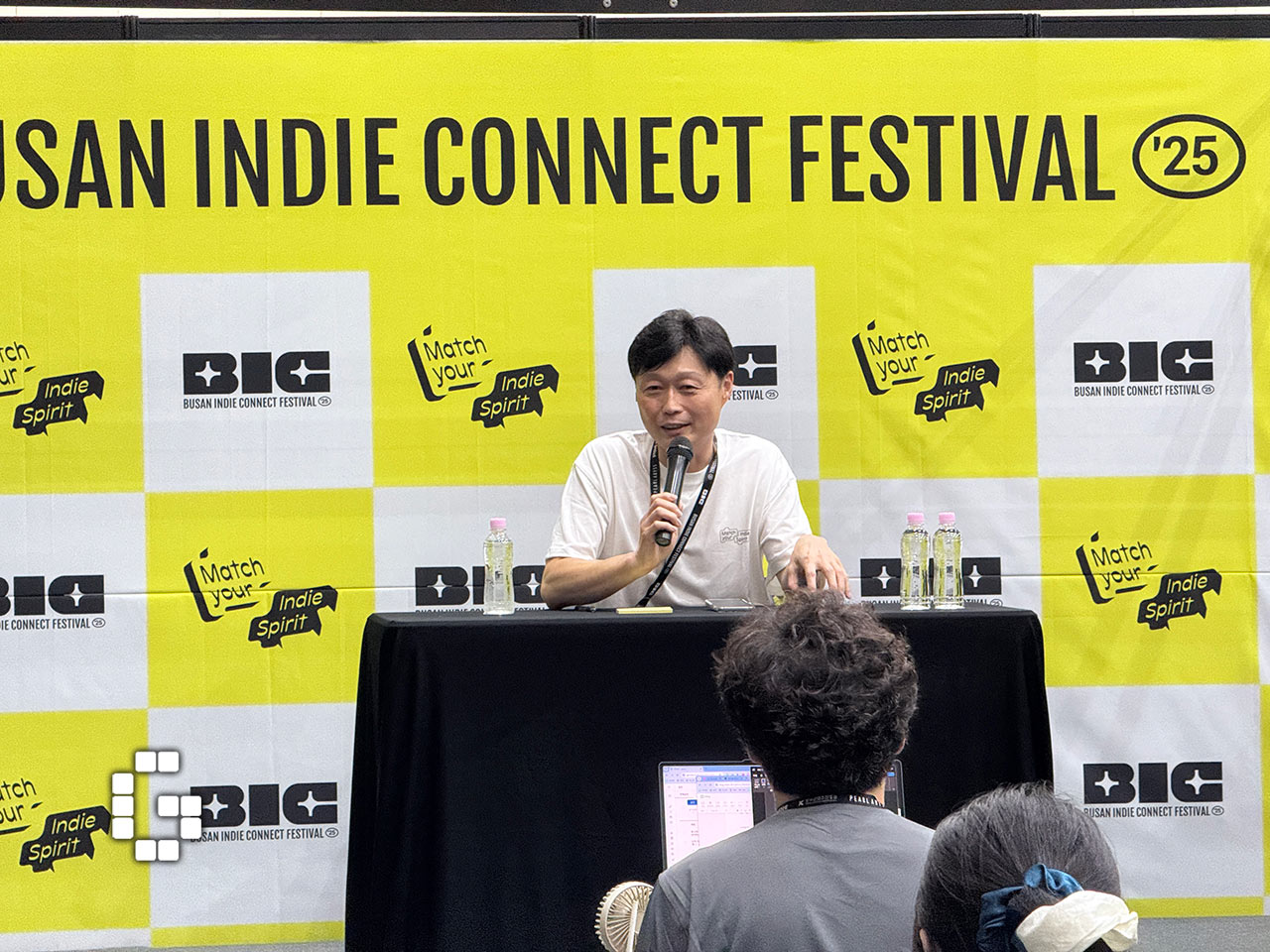
The Busan Indie Connect Festival (BIC) has grown significantly since its humble beginnings in 2015. Now in its 11th year, this indie game event has become a key gathering point for developers across Asia and beyond. Leading this growth is Soung-pil Joo, the newly appointed Chairman of the BIC Organizing Committee, who took over after former Chairman Seo Tae-geon moved to the Game Rating and Administration Committee.
Joo brings years of experience to the role, having worked in the gaming industry since his time at the Busan IT Industry Promotion Agency. He has been involved with BIC since its inception and now heads what has become Busan’s premier indie game event. We had the opportunity to hear from Chairman Joo during this year’s festival to discuss his vision for BIC’s future and his thoughts on the current state of Korea’s indie game scene.
Expanding BIC’s Role Beyond Exhibitions
When asked about his plans for the future, Joo emphasized that BIC will maintain its core functions while exploring new possibilities. “Many people have helped me, and fortunately, we’ve developed it into a beloved event in the indie scene,” he said. However, he’s looking beyond traditional exhibition formats.
“The organizing committee supports the awards and exhibitions, but we plan to focus on enhancing BIC’s global brand and authority,” Joo explained. He sees potential for BIC to serve as more than just a showcase. “While the platform only offers awards and exhibitions, developers are likely to need more, and we’re actively seeking feedback.”
One ambitious concept under consideration is “BIC X,” which would expand the event’s scope while maintaining its indie game focus. “We’re currently exploring the possibility of opening up the event to developers and users, if we can provide the remaining services they need,” Joo said. This could include connections to marketing, publishing, and other forms of support that developers require.
Reviving Developer-Focused Content
This year marked the return of a dedicated conference component. The “Indie Wave” conference was revived after recognizing a gap in the market. “We recognized the needs of developers and felt that conferences for indie developers were lacking,” Joo noted. Despite budget constraints, the organizing committee invested in bringing talented speakers and creating educational content.
The conference appears to be here to stay. When asked about future plans, Joo confirmed: “The conference will be held on a permanent basis. The location will be determined based on feedback on a more appropriate venue.”
Growing Global Reach and User Access
BIC’s international appeal continues to expand, with this year’s event receiving 592 submissions from 41 countries, ultimately featuring works from 32 countries. The reach now extends well beyond Asia to include regions like Lithuania and Argentina.
However, Joo acknowledged that Western partnerships remain limited. “We pride ourselves on being well-established in East Asia, with organizations and networks like BitSummit, China, Thailand, and Malaysia engaged in various business activities,” he said. “However, in the West, there are virtually no organizations that hold events solely for indie events like ours.”
The challenge, according to Joo, is financial. “This is because the indie portion itself is financially challenging.” Instead, BIC is exploring cooperation with larger events like Gamescom to secure indie talent through various channels.
Adapting to User and Developer Needs
One significant change this year was extending the public portion of the event from two days to three. Previously, Friday was reserved for business-to-business activities, while weekends were open to the public. This year, all three days welcome general visitors.
“Developers wanted to hear more user feedback, and visitors felt two days weren’t enough to enjoy the many games,” Joo explained. “Therefore, extending the experience by running three days in BTC will benefit everyone.”
Despite wanting to offer more convenience, budget constraints remain a factor. When asked about the limited first-day hours, Joo was candid: “BIC is not a commercial event, but rather a support structure. While we’d like to allow setup the day before, financial constraints mean we’re operating within our means.”
Observing Industry Trends
Joo has noticed shifts in the types of games being submitted and selected for BIC. “The shift from mobile to PC is already underway, with games being developed that expand beyond PC,” he observed. He sees this as part of broader global indie game trends rather than something specific to the Korean market.
Artificial intelligence is another trend on his radar. “The use of AI is expected to significantly impact future trends,” Joo said. “AI will significantly reduce developer workload and significantly impact originality. Furthermore, lowering the barriers to entry for indie game development will expand the developer pool, ultimately leading to a larger number of games in development.”
Supporting Ecosystem Diversity
When asked why BIC focuses specifically on supporting indie games, Joo’s answer centered on ecosystem health. “It’s an ecosystem. I believe diversity is essential for the continued survival of any ecosystem,” he explained. “I firmly believe that the gaming industry cannot thrive if genres or devices are concentrated in one area. I believe indie games are the key to a healthier and more vibrant Korean gaming ecosystem.”
This philosophy extends to practical decisions, such as organizing booths by genre rather than category. “The reason we grouped them by genre was because we thought it would provide an opportunity for communication between companies developing similar genres,” Joo said. The arrangement also helps visitors with specific preferences find games that match their interests.
Building Authority, Not Just Scale
Joo’s vision for BIC’s future draws inspiration from another major Busan cultural event. His predecessor had expressed hopes of growing BIC to match the scale of the Busan International Film Festival, but Joo takes a different approach.
“In the abstract, we can’t expand the scale of the Busan International Film Festival,” he acknowledged. “However, we will aim to elevate BIC’s authority to the level of prestige the Busan International Film Festival holds in the film industry.”
This focus on authority over size reflects a mature understanding of BIC’s role in the gaming ecosystem. Rather than simply growing bigger, Joo wants BIC to become more influential and respected within the indie game community globally.
As BIC continues to evolve under his leadership, Joo remains committed to its founding principles while exploring new ways to serve developers and strengthen Korea’s position in the global indie game market. With strong regional networks already established and growing international recognition, BIC appears well-positioned to achieve the kind of industry authority that Joo envisions.