

![[EXCLUSIVE] Dragon’s Dogma 2: Dark Arisen Team Opens Up About the Expansion’s Name, New Norgan Region, and Performance Goals](https://cdn.gamerbraves.com/2026/07/Dragons-Dogma-2-Dark-Arisen_Interview_FI-360x180.jpg)












At Tokyo Game Show 2025, we spoke with Manu Mikael Oehler, Senior 2D/3D Artist at Urban Games, about Transport Fever 3 — the latest evolution of the beloved transport simulation series. Known for its intricate networks and deep player-driven creativity, the new title pushes realism, accessibility, and world-building further than ever before.
A New Chapter for the Fever Series
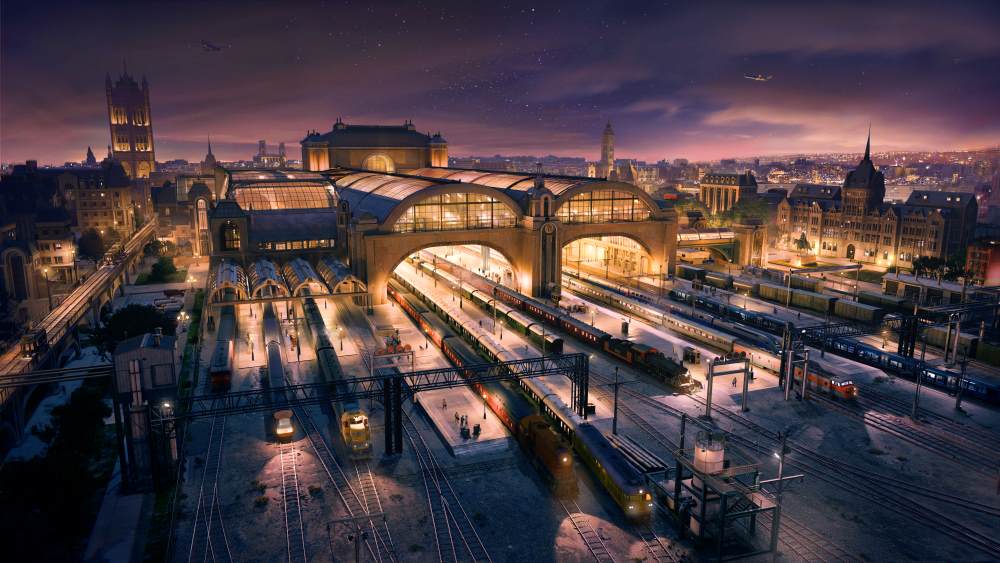
Oehler, one of the earliest members of Urban Games, described Transport Fever 3 as a project born out of passion and refinement. “Transport Fever 3 is our newest game in the series, and we’ve made a lot of improvements that we’re really happy to share with the world,” he said. The game is set to launch next year on PC, PlayStation, and Xbox platforms — marking the series’ first major step into modern consoles.
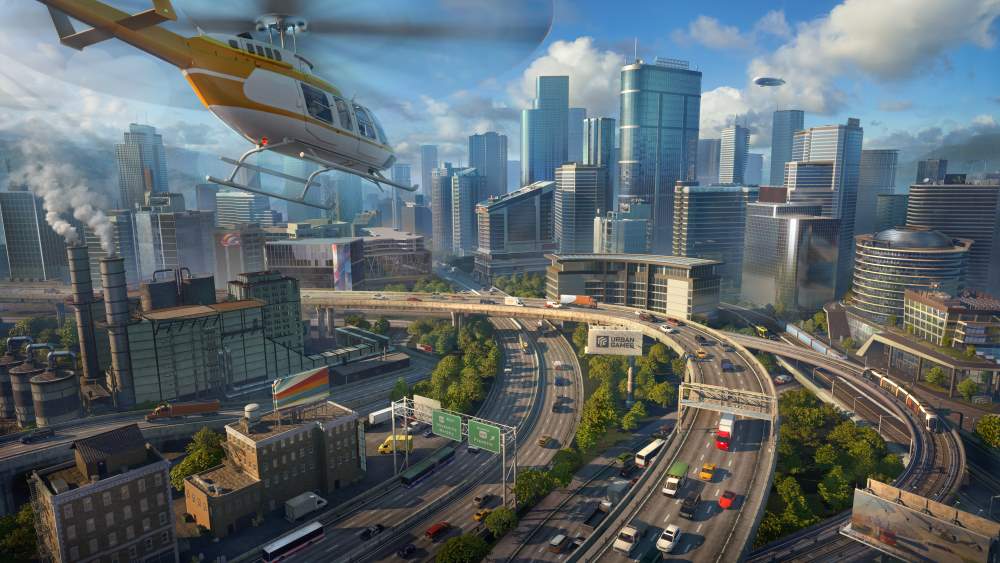
While the previous entry began in 1850, the new game moves its starting point to the early 1900s. “The early part of Transport Fever 2 was a bit slow-paced,” Oehler explained. “By starting in the 1900s, players get access to better trains and technology much sooner, making the early game more engaging.” The timeline stretches into the modern era and slightly into the future — though Oehler laughed, “We’re not bringing in flying cars just yet!”
Streamlined Simulation and Smarter Citizens
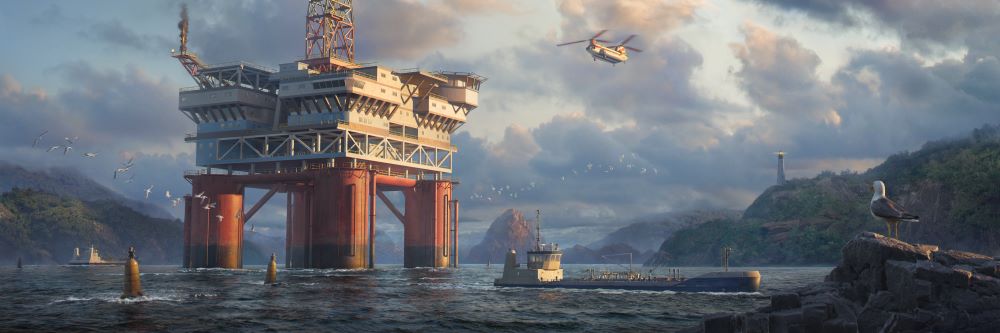
Beyond its sweeping timeline, Transport Fever 3 adds new life to its cities and citizens. Players can now track happiness levels, offering more feedback as transport networks expand.
“The city simulation is abstracted — it’s not life-size,” Oehler clarified. “Citizens go to work, shop, and return home. It’s simplified to support the transport gameplay rather than simulate full city life.” This streamlined system keeps focus on the game’s tycoon elements while making every connection feel meaningful.
A Global Vision — and a Growing Asian Influence
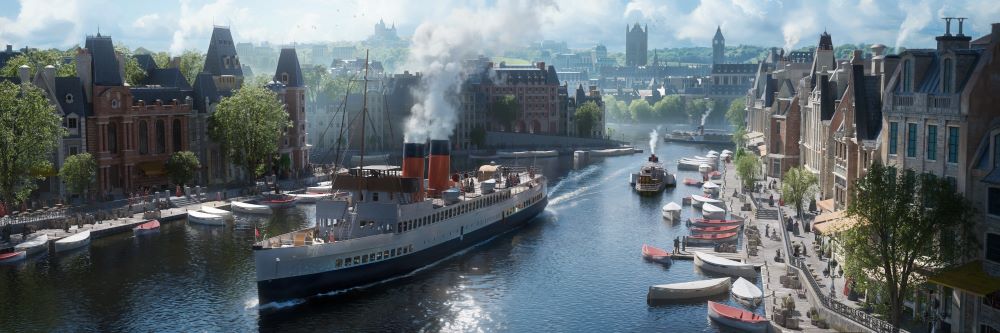
Traditionally, the Transport Fever series has focused on Europe and the United States. But Transport Fever 3 takes a global step forward. “For this game, we’ve extended into the Asian market by introducing Chinese and Japanese trains,” Oehler shared. “Right now, we’re featuring a Nordic theme, but we’re seeing a growing player base in China — and that might influence our future plans.”
He hinted that future updates could include regional themes or maps inspired by Asia, depending on community demand. “Personally, I love the trains in China and Japan,” he said with a smile. “I even took a photo of one yesterday because it looked so good.”
The Art and Challenge of Historical Design
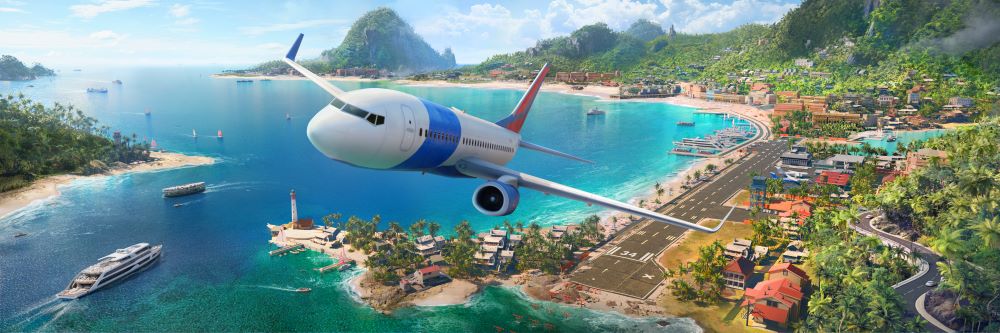
Creating historically accurate vehicles has always been one of Urban Games’ trademarks, but it doesn’t come easy. “Some of the older vehicles are tricky because it’s hard to find accurate references,” Oehler admitted. “But our artist team has worked on trains, trucks, and other vehicles for a long time — we already know how many of these parts look and function.”
While accuracy matters, the studio also allows room for artistic interpretation. “It’s not as hyper-realistic as a simulator game,” he said. “We have a bit of creative freedom to make sure the designs fit our overall style.”
Ships, Skies, and the Challenges of Scale
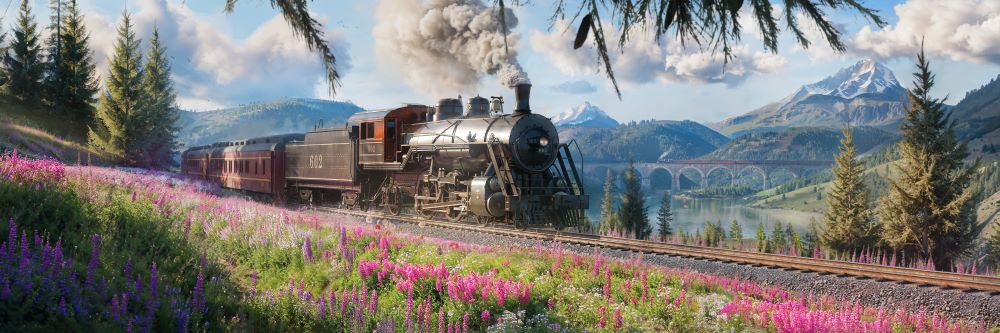
With four main transport types — trucks, ships, trains, and aircraft — Transport Fever 3 demanded careful balancing between realism and visual appeal.
Oehler pointed out that airplanes and ships are especially difficult to design. “Ships are massive in real life, but our world isn’t built to real scale,” he explained. “We have to find the right balance when scaling them down, making sure they fit visually while keeping the simulation accurate.”
That balancing act ensures each vehicle feels authentic without breaking the game’s scale or flow.
Modding, Community, and Player Creativity
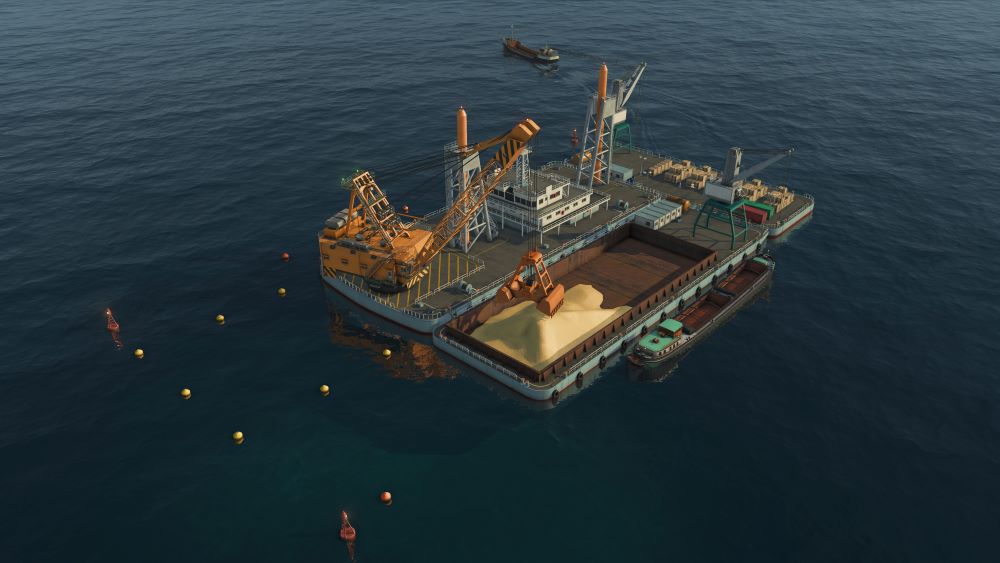
The Transport Fever community has long been one of the most active modding scenes in simulation gaming — something Oehler and his team deeply appreciate. “Our release trailer was very well-received by the community,” he said. “One of my colleagues, who used to work at bigger studios, told me he’d never seen a project welcomed so warmly by players.”
Urban Games continues to nurture that relationship by giving players powerful tools to create their own content. “We try to support modders as much as possible by giving them resources to shape the game however they like,” he said. “We listen closely to our community — that’s a big reason why so many players are excited for this release.”
A Message to Asian Fans
Before wrapping up, Oehler had a special message for players in Malaysia and across Asia. “We’d love to see more fans from Malaysia,” he said. “We interact a lot through Discord and email, and we’d really like to hear more voices from Asian players. Sometimes people suggest, ‘Hey, why don’t you add this train?’ — and that helps us discover new vehicles from around the world.”
That openness, Oehler emphasized, is what drives Transport Fever 3 forward — a collaborative relationship between developers and players.
“We’re always excited to see new ideas and include them in our games,” he said with a grin. “That’s what keeps the world of Transport Fever alive.”
If you want to know more about Transport Fever 3, you can visit their official website.