






![[EXCLUSIVE] Dragon’s Dogma 2: Dark Arisen Team Opens Up About the Expansion’s Name, New Norgan Region, and Performance Goals](https://cdn.gamerbraves.com/2026/07/Dragons-Dogma-2-Dark-Arisen_Interview_FI-360x180.jpg)




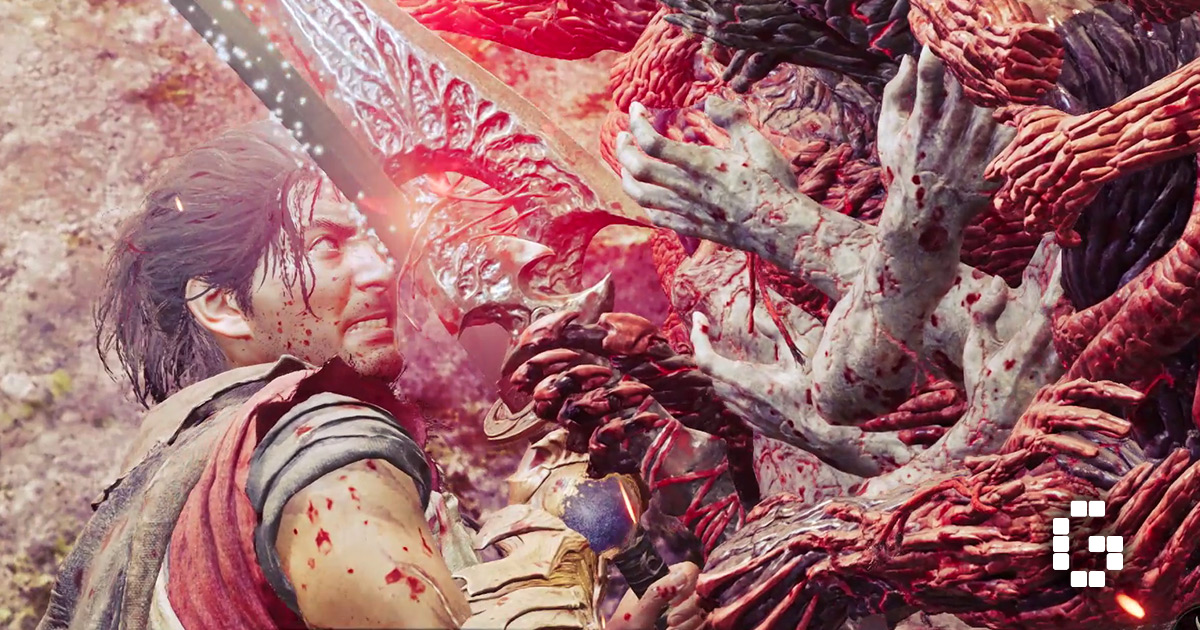
Onimusha is finally making its comeback, and after getting some time with a hands-on preview build, we got to hear from director Satoru Nihei and producer Akihito Kadowaki to talk about what fans can expect from Way of the Sword. From combat design to exploration and even a bit about the story, the pair answered a wide range of questions about how the game is shaping up ahead of release.
Exploring Kyoto
The hands-on session for Way of the Sword included a wide, open area set in Kyoto, and the topic of whether this town would grow in importance as the story progresses came up. Nihei described the space and what it holds. “You’ll notice it’s a wide, non-linear area. There will be bosses that aren’t part of the main linear, story-based experience, and there will be NPCs you can converse with who will eventually give you quests and missions you can take on,” he said.
He noted that the explorable area is fairly limited at the start of the game, but it opens up over time. “The scope of the explorable area at the beginning of the game will actually be quite limited, but as you progress through the story, it will open up, allowing you to access new places, meet new NPCs, and get new items you wouldn’t have been able to earlier in the game,” he said.
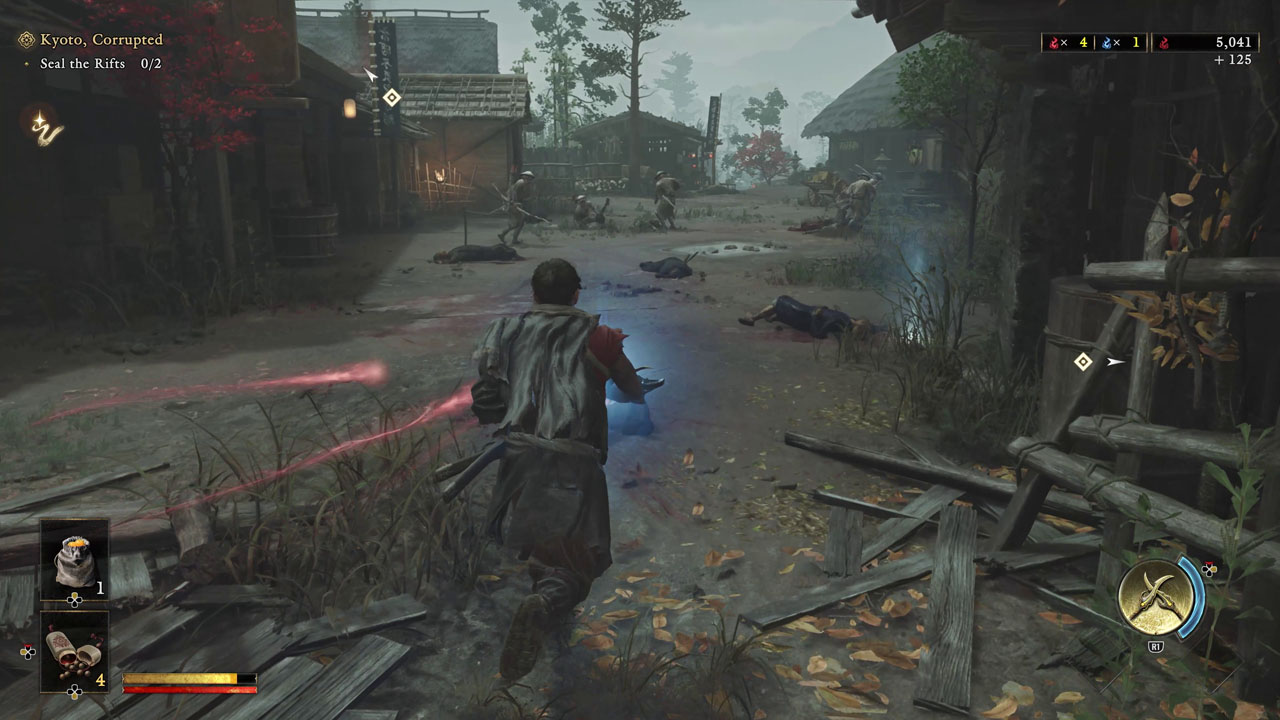
The preview also included small real time moments where NPCs around town needed to be rescued from enemies, though some players noticed these starting to repeat. Nihei said the final game will offer more variety than what was shown.
“There will be some variation in the types of NPCs and their interactions. We also have NPCs with background missions and requests you can take part in around town.”
He also clarified that these moments are optional. “We want these real-time interactions and events to add to the immersion, but they’re not compulsory — you don’t have to do them to progress the game — though there will be rewards for taking part in those events and rescuing those people. There should be some variation to find when the game comes out,” he added.
Why the Katana Is the Only Blade and the Oni Strength Ability
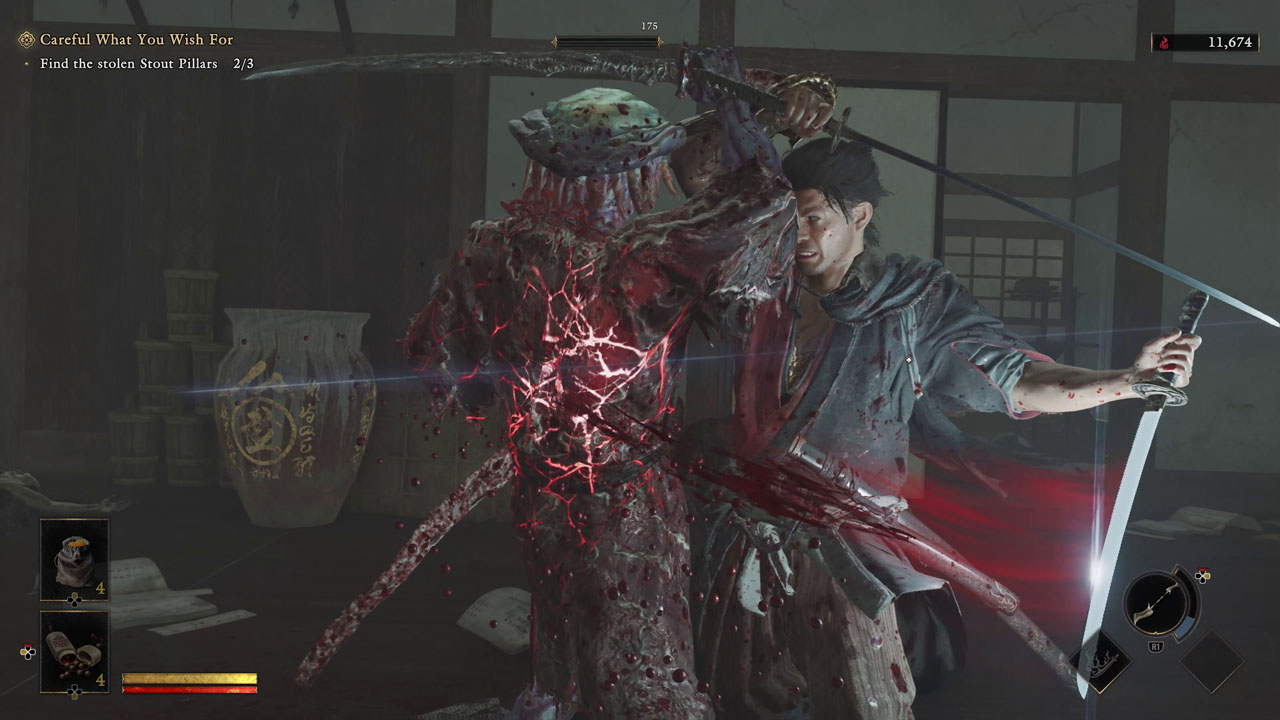
Longtime fans of the series are used to switching between different types of weapons, so the topic of what led to Way of the Sword narrowing its focus mostly to the Katana came up. Nihei explained the reasoning behind the choice. “One of the reasons for focusing on the Katana as the main weapon is that we wanted to really expand the range of expression of swordplay in this title — for instance the concept of blades clashing in sword fights, the parry mechanics, and deflection,” he said. That said, the game still includes the Oni Armaments, which players can use to adapt to different situations.
“That said, we still wanted some elements of other weapons, so we have the Oni Armaments, which you can use in different situations to adapt to different challenges you’ll face.”
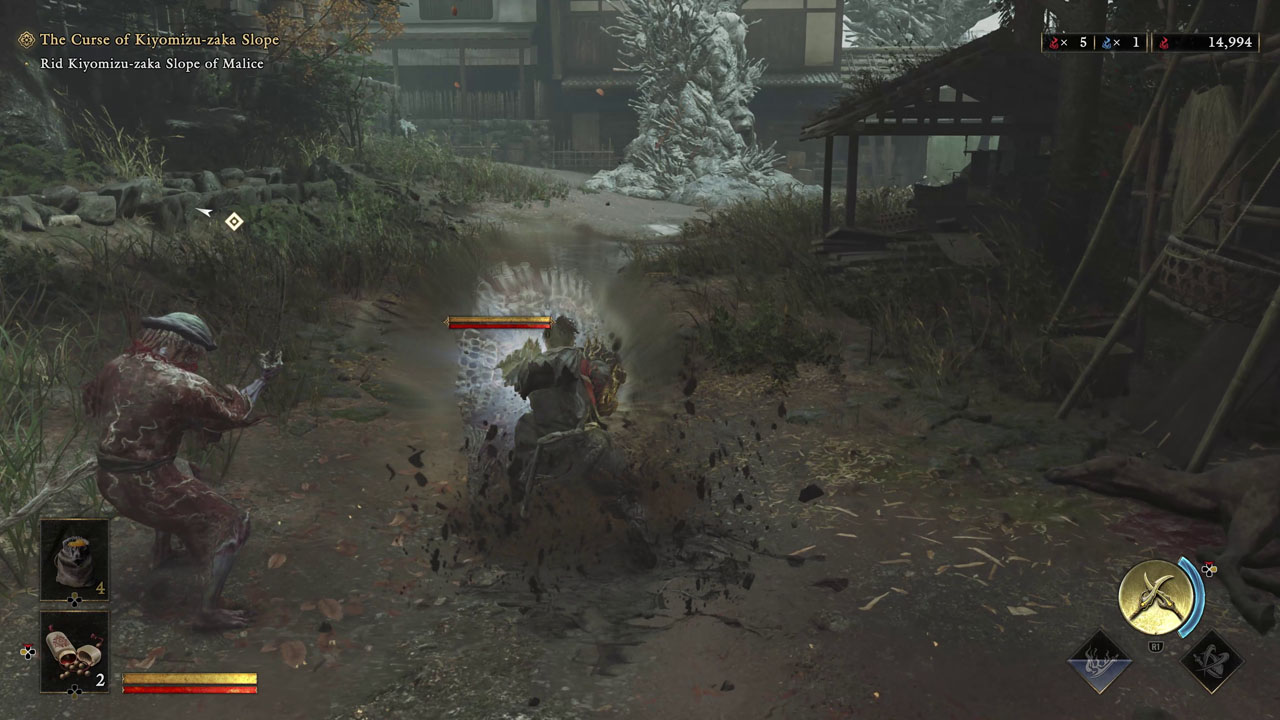
During the preview, players got access to an ability called Oni Strength, which opened up areas that were previously blocked off. The question of whether the game encourages backtracking through an interconnected world came up. Nihei confirmed that reaching those newly opened areas comes with a payoff. “That ability gives you access to areas you couldn’t access before, and if you do go to those areas, you’ll find rewards and items you can use to strengthen your character,” he said.
He also explained that the main story doesn’t require this extra exploration. “We designed the game so you can progress through the main story in a fairly linear fashion if you want — there’s no necessary need to go back to those areas if you don’t want to. But we do want to reward players who explore and take the time to venture back, so there will be items and rewards for doing that,” he added.
Skill Trees and Accessibility
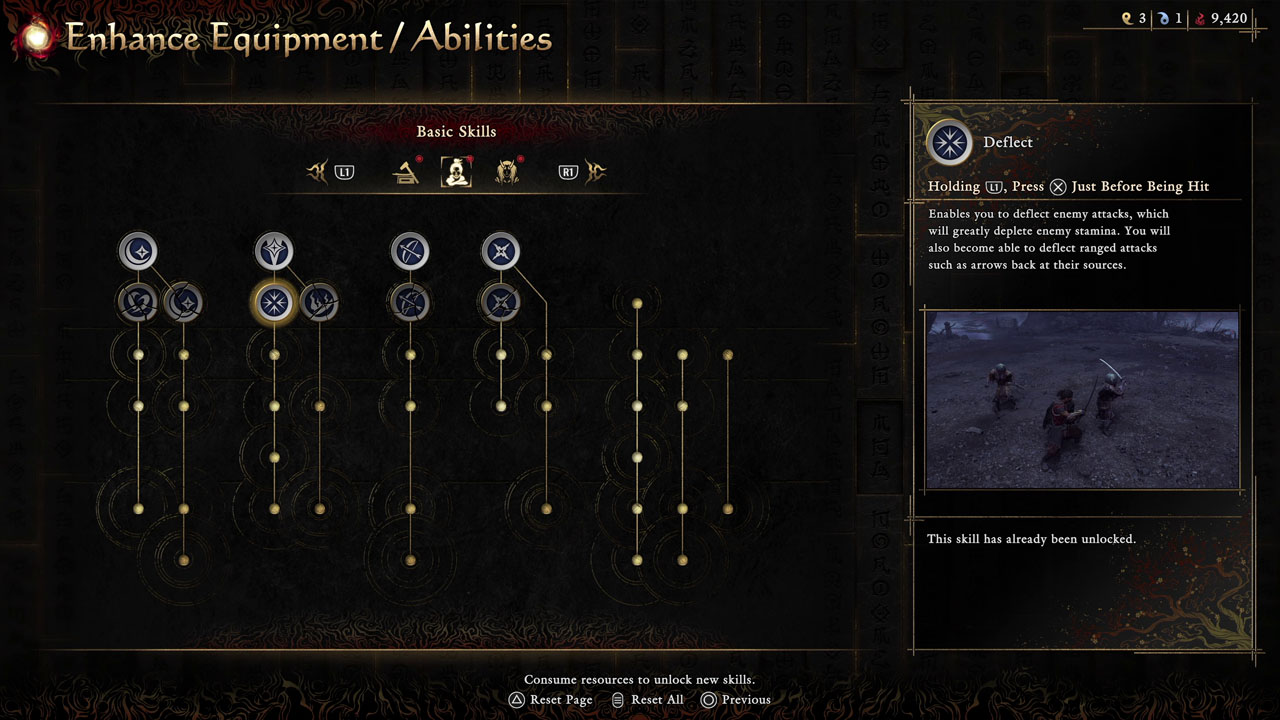
Questions were raised about the skill tree system, since players got a small taste of it during the preview. According to Nihei, resetting skills is something that was planned from the start. “You definitely can, and that’s something that’s been built into the game design and tested from the start, so you don’t have to worry about being locked into any particular skill choices,” he said. As for where to start, he recommends the deflect skill along with abilities tied to the blazing state. “They’re very core to the gameplay and action gameplay, so we’d recommend picking those up first,” he added.
The team was also clear that Way of the Sword is meant to be approachable even for players who aren’t used to timing based combat. There’s a story difficulty for players who want an easier time, along with a guide prompt system that shows the correct button and timing for things like evading or parrying specific attacks. Nihei explained the design philosophy behind boss encounters. “We don’t design the bosses to be insurmountable challenges that you have to throw yourself at for hours — as long as players use the features available to them, they should be able to overcome those challenges,” he said.
Boss Design and Options
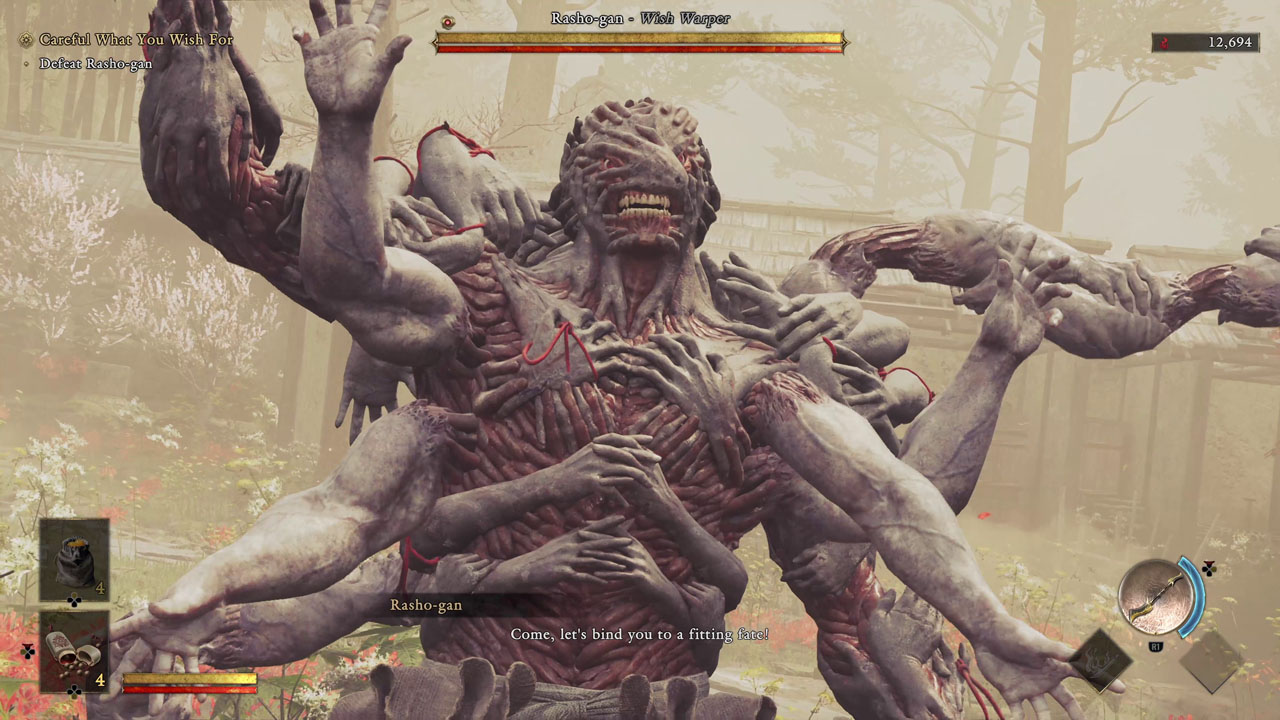
Boss design was another topic worth digging into, especially since some of the enemy designs seem to draw from Japanese folklore. One question focused on Rasho-gan, whose animations include a finger crossing gesture that looks like it references lying. Nihei explained where the design actually came from. “Rasho-gan in particular isn’t based on a specific yokai in Japanese mythology — he’s designed to be more influenced by the location he’s tied to. We have the shrine, which is famous for binding and severing fates, and that influenced a lot of his design — this concept of binding and severing, the giant shears, and harvesting/cutting the limbs of people who come to make wishes,” he said.
As for the finger crossing motion specifically, Nihei tied it back to a cultural reference.
“In Japan, that is more tied to fate, to different people’s fates, so that’s where the inspiration for that particular motion came from for this boss.”
Some of the standout moments from the preview involved using different tools in boss fights, like knocking an enemy into a wall with a decoy or interrupting an attack with an arrow. Nihei confirmed this was intentional. “In terms of using different mechanics, including the parry and deflect mechanics, we put a lot of effort into really selling the believability of those abilities and their impact in boss fights,” he said. He also spoke about the work that went into making those moments visually striking.
“We spent a lot of time recording and creating many different animation patterns so we could animate attacks from different angles and elevations, and handle blade-to-blade interactions in a way that’s visually appealing and exciting. That was definitely something we intentionally focused on when designing combat.”
The Issen Counter and Combat Depth
The Issen counter is a mechanic longtime fans of the series will recognize, and the discussion turned to how newer players are encouraged to try it instead of sticking to safer options. Nihei said the team wanted the mechanic to feel rewarding without being mandatory. “We also didn’t want to make it necessary to be able to play the game or beat bosses — it’s not something you need to master to complete the game, but something we wanted to add as a nice, challenging aspect of combat for people who want to try it and reap the rewards of doing so,” he said. He added that the mechanic is still meant to be accessible.
“If you play on story difficulty, the timing windows for the Issen are a bit looser, so we wanted this to be an aspect of the game that even players new to Onimusha and to action games can get into and enjoy.”
On the topic of cancelling attacks, Nihei explained why players can’t freely cancel out of an attack. “We felt that if it was possible to cancel into, say, defensive maneuvers in the middle of an attack at any time, it would diminish the risk factor of combat, so that’s something we didn’t want to introduce,” he said. Kadowaki added some clarity on how the system actually works. “Cancelling isn’t impossible altogether — it’s just tied to very specific abilities. You can cancel into a parry, you can cancel into a deflect, but you can’t cancel from one attack directly into a different attack. We just wanted to point that out for clarity,” he said.
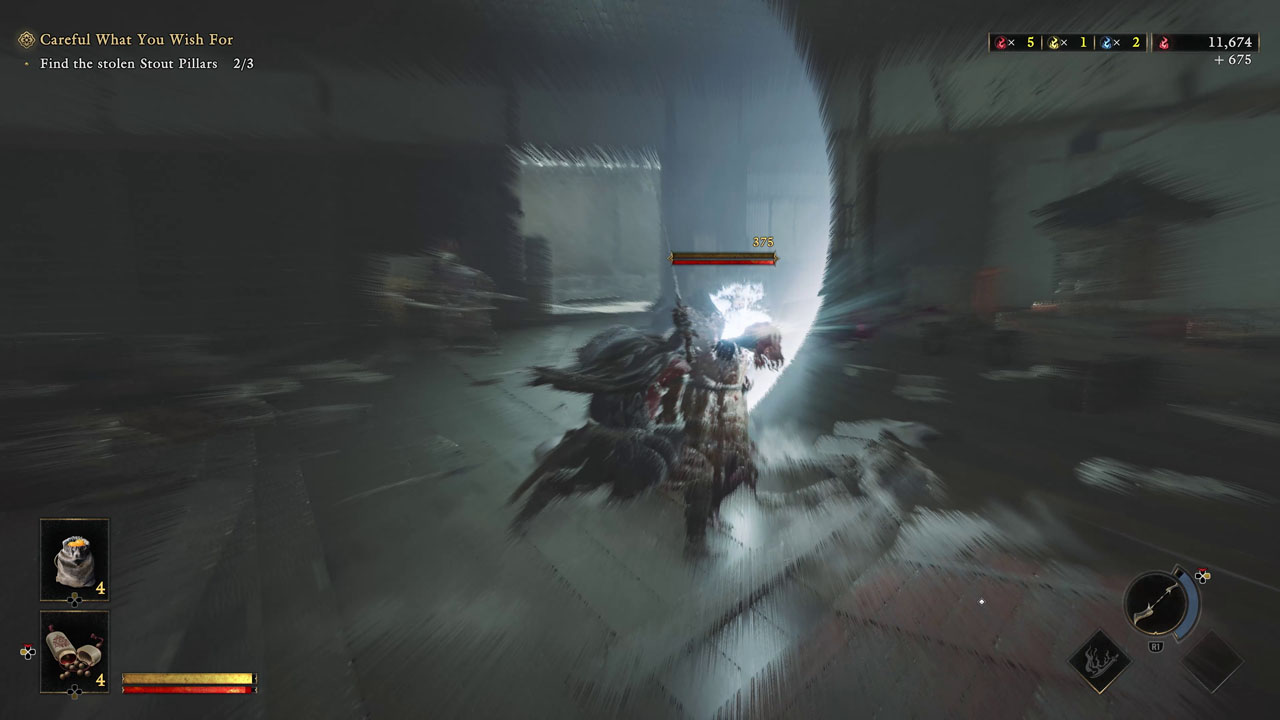
During the interview it was also brought up how deliberate combat feels, since attacks can’t be cancelled freely and missing a swing means committing to the consequences. Nihei said the goal was to make swordplay in Way of the Sword feel believable. “For instance, if you’re fighting a larger enemy and you block their giant club, you’ll feel yourself sinking into the ground as you block, rather than just deflecting it cleanly and immediately countering. We wanted to sell that sense of immersion like of playing as a Samurai and that’s where a lot of the weight in the motions and animations comes from,” he said. He noted this wasn’t a rigid design goal from day one.
“It’s not something we specifically set out to design as a rule, but it evolved from wanting this to feel very believable and grounded.”
With cross-parries, deflects, grab reversals, and Issen all available, the team discussed how they avoid overwhelming players with options in Way of the Sword. Nihei explained that the full release will pace things differently than the demo did. “In the final game release you’ll find that a lot of these abilities and options are introduced gradually as you play through the game. We’re hoping that with that design in mind, it’ll be easier for players to pick up and master these abilities gradually over the course of the game. In the demo, you were given all of these abilities at once, which could feel overwhelming — but in the retail version, they’ll be meted out at a more measured pace, so you can get used to them and learn how to use them gradually,” he said.
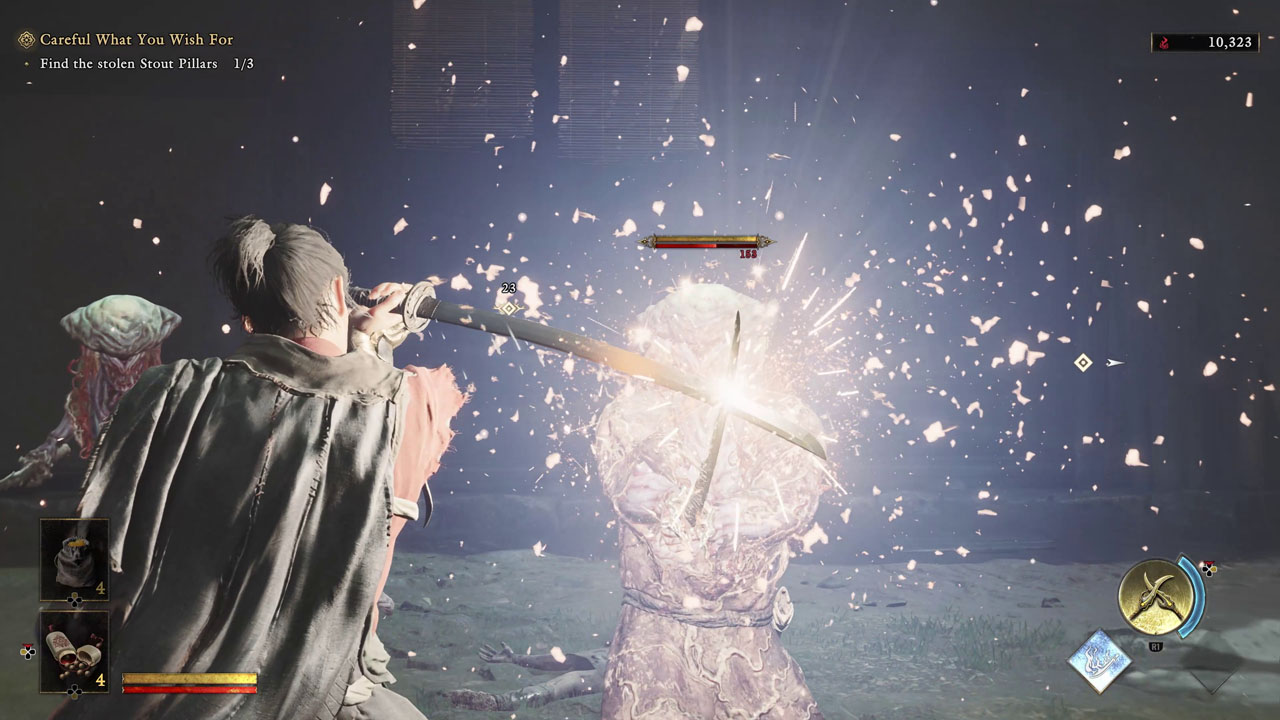
He also mentioned tools built specifically to help players practice. “The game will also have a practice ground where you can go and try out these techniques in different situations, and a button-guide/button compass that you can enable during combat to show you what action to take — for example, when to evade or when to parry a specific attack — to help you learn how to use these abilities,” he added.
Enemy Difficulty and Progression
While the bosses in the preview stood out for their difficulty, some players felt the regular enemies weren’t as aggressive. Nihei explained the purpose behind that early pacing. “The basic enemies early on are mostly there to help players enjoy the feel of the action and feel a bit like a hero. But as you progress through the story, you’ll find that a lot of those basic enemies become more challenging, stronger, and more aggressive. In terms of game balance, the difficulty of basic enemies definitely scales with your progression,” he said.
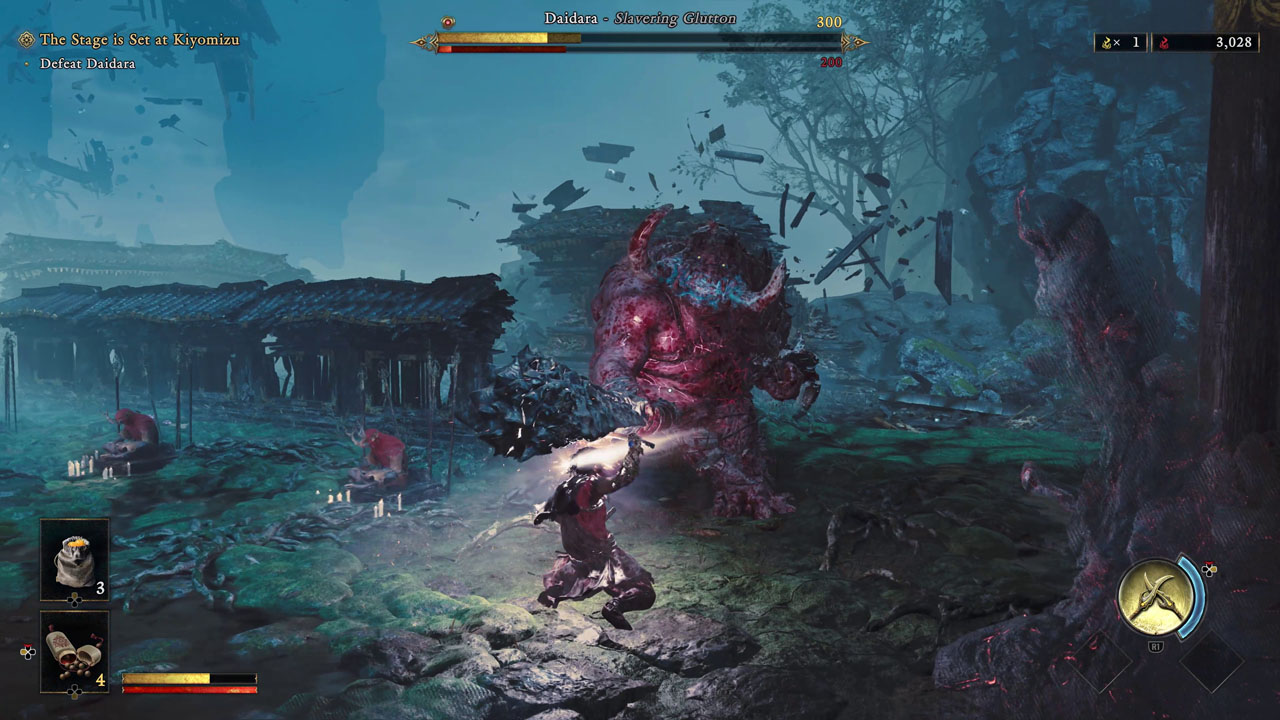
Kadowaki added context on how early the preview build of Onimusha: Way of the Sword actually was. “The section you played in the demo is still quite early in the game — maybe about a quarter of the way through — so the difficulty there is deliberately a bit lower. As you progress, you’ll face new enemy variants, and even the base variants you fought earlier will get stronger. The groups you face will also get bigger and more varied/mixed, so you’ll really have to think carefully about how you approach each combat encounter, factoring in these combinations of enemies and larger group sizes,” he said.
A New Era for the Series
Way of the Sword shifts the timeline to the era of Miyamoto Musashi, and the discussion turned to the figures behind the Genma this time around and how their motivations might differ from past entries. Nihei spoke generally about the new direction without revealing specifics. “This is an unusual title set in an unusual world, with some connections to the original titles from Onimusha 1 through 4. In creating this title and its new setting and world, we wanted to create something that would appeal to a wide range of players, so there are some new elements to the storytelling this time,” he said.
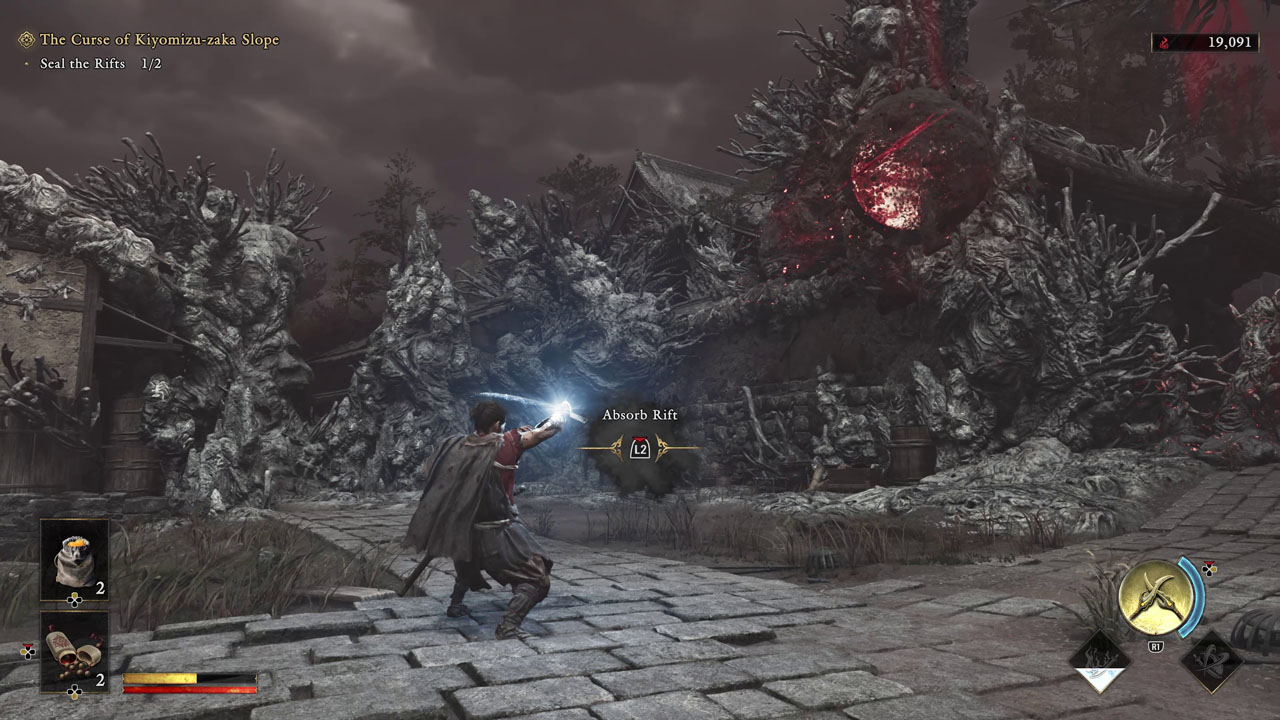
As for the antagonists themselves, Nihei kept those details under wraps. “Unfortunately we can’t go into that right now, but we hope you’ll look forward to finding out when it releases,” he said.
Onimusha: Way of the Sword looks to be balancing its roots in classic samurai action with a handful of new ideas, from its accessibility options to its emphasis on believable, weighty combat. With more still to be revealed about its story and antagonists, fans of the series have plenty to look forward to as release gets closer.