![[EXCLUSIVE] Dragon’s Dogma 2: Dark Arisen Team Opens Up About the Expansion’s Name, New Norgan Region, and Performance Goals](https://cdn.gamerbraves.com/2026/07/Dragons-Dogma-2-Dark-Arisen_Interview_FI-360x180.jpg)





![[TGS2025] Director Naoki Hamaguchi Discusses Final Fantasy VII Remake Intergrade Coming to the Nintendo Switch 2](https://cdn.gamerbraves.com/2025/09/FF7-Switch-2-TGS2025_Interview_FI-1.jpg)
During the Tokyo Game Show 2025, we had the opportunity to sit down with Naoki Hamaguchi, Director of Final Fantasy VII Remake Intergrade, to discuss the highly anticipated Nintendo Switch 2 port. With the game making its debut on Nintendo’s latest console, Hamaguchi shared insights about the technical challenges, new features, and what this means for the future of the Final Fantasy franchise on Nintendo platforms.
New Streamlined Progression Feature
One of the most notable additions to the Switch 2 version of Final Fantasy VII Remake Intergrade is the new streamlined progression setting, which joins the existing easy and hard-start modes to provide players with more accessibility options. “We wanted to look towards players who may want perhaps no HP damage specifically, or HP damage is fine as they progress through the game, but then they want infinite MP and so on, to really reflect the various play styles and user preferences that they may have,” Hamaguchi explained.

This feature allows players to customize their experience based on their preferences, whether they want to focus purely on the story or adjust specific gameplay elements. “In that way, perhaps the users can play as they wish while also being able to focus on the story,” he added.
The streamlined progression feature will eventually come to other platforms as well. “Yes, we do have plan to include that feature on PS5 and PC version,” Hamaguchi confirmed, though he noted that the team is currently focused on Remake Part 3, and timing for other platforms remains unclear.
Technical Performance and Optimization
When it comes to performance targets, Hamaguchi and his team set ambitious goals for the Switch 2 version. “Our ultimate goal as development was to make sure that even on the handheld mode, we’re able to ensure a smooth-moving game visually as well at 30 FPS,” he stated.
The director expressed confidence in their work, noting that after showcasing the game at events like Gamescom in Germany and PAX West in North America, “I’m confident that Switch 2 is the most well-ported title at the moment.” He believes they achieved “nearly the same gaming experience and graphic experience as compared to both of these consoles, especially due to the graphic optimization that we have done.”
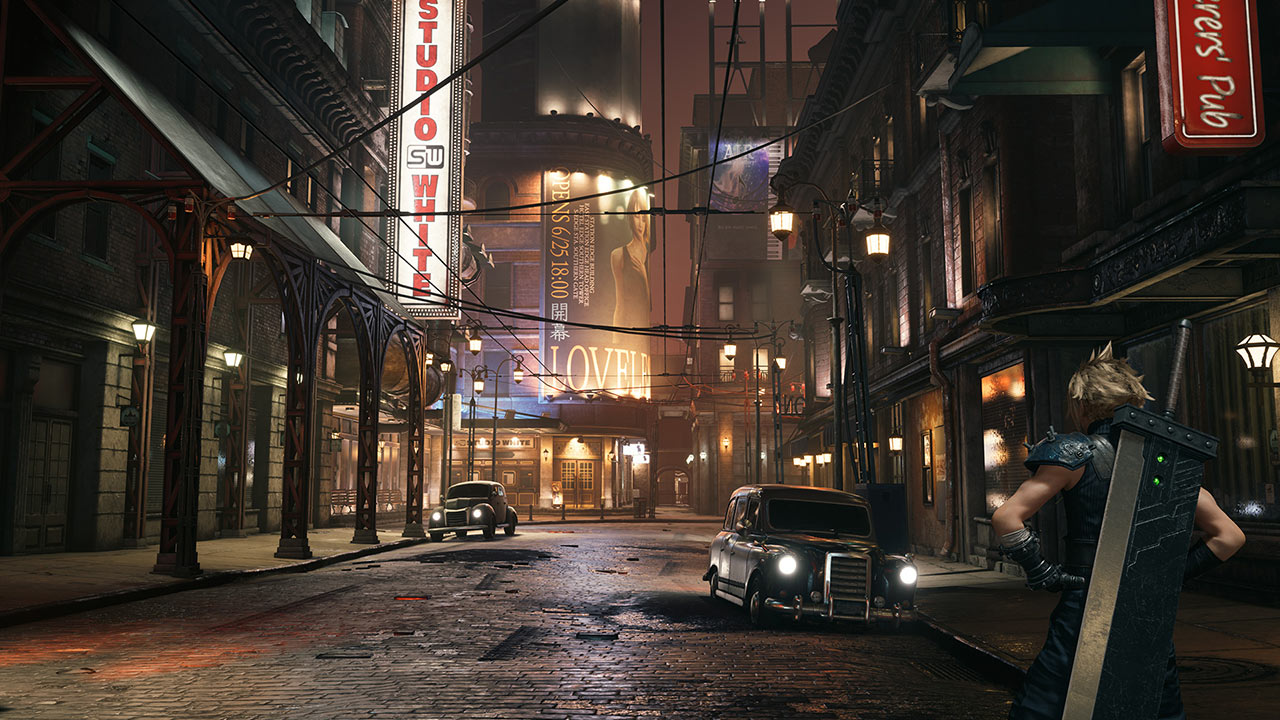
However, bringing a high-end game to a handheld platform wasn’t without its challenges. “Something that I think is a common challenge for many developers when developing a high-end game for the Switch 2 is in terms of storage and memory and such,” Hamaguchi acknowledged.
Preserving Visual Details and Character Expressions
Fans of the series are known for paying close attention to visual details, particularly character designs and expressions. Hamaguchi revealed that lighting was crucial to maintaining these important elements. “When we’re thinking about character expressions, what primarily kind of determines them is the lighting is the core factor to this,” he explained.
The team faced a balancing act when optimizing for handheld mode. “If we were to apply the modes for PS5 as is, the frame rate itself won’t be able to catch up. So there was a need for us to optimize,” Hamaguchi said. Rather than compromise on character expressions, they chose to maintain the lighting quality while making adjustments elsewhere.
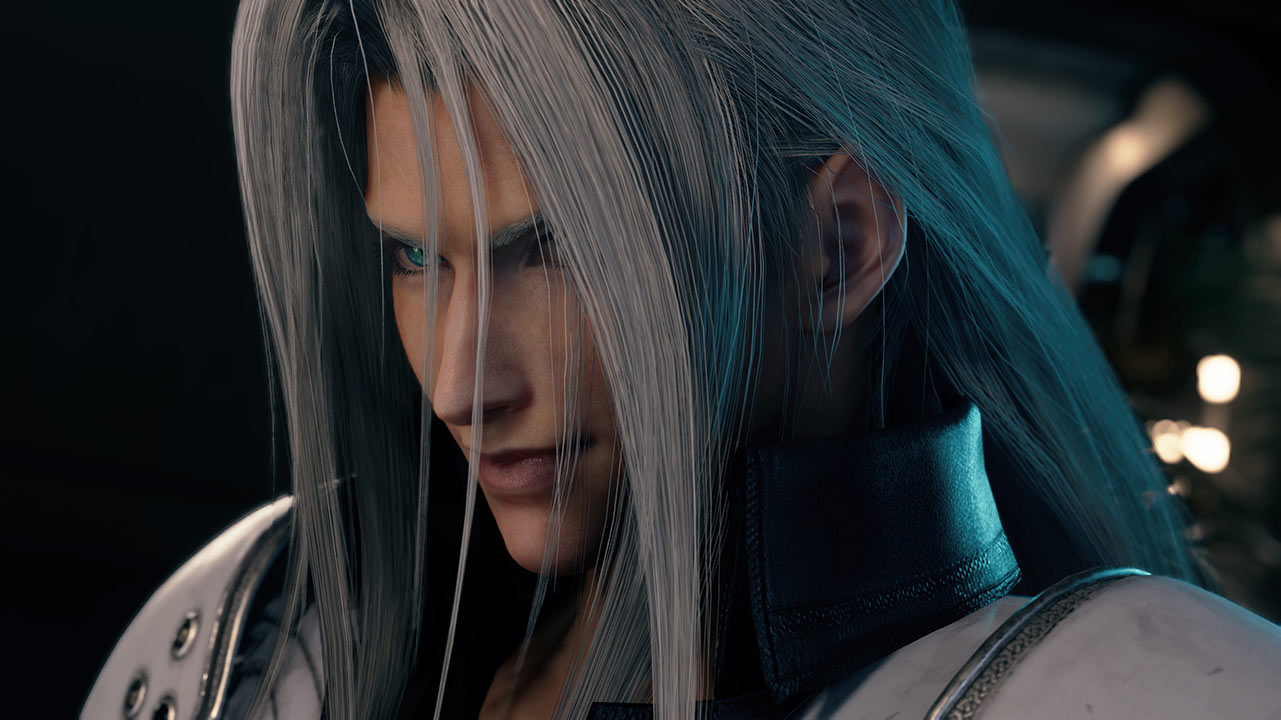
“We took the route of making sure that in terms of lighting and ensuring that these character expressions are intact this is going to be aligned to be quite the same as the PlayStation versions. However, we balanced this by optimizing in terms of fog and post effect towards the Switch 2 console.”
The Key Card Controversy
One aspect that has generated discussion among fans is the use of a key card system instead of traditional cartridges. Hamaguchi addressed this directly, clarifying the reasoning behind the decision. “Instead of more so the storage size of the cartridge, it was actually more around like the loading speed, in that when working with a more high-end or high-spec game such as this one, the cartridge did not allow for the loading speed to, the loading speed was not sufficient for a game such as this one.”

While acknowledging player concerns about the extra installation step, Hamaguchi remains optimistic about the format’s future acceptance. “I do believe that the keycard format will continue to be kind of accepted later on as we go on. As this Nintendo hardware has now come out that has the capability to support these higher spec games.”
Joy-Con and HD Rumble Integration
The Switch 2 version supports HD rumble features, though the team didn’t implement specific Joy-Con controls for this release. Hamaguchi shared his personal experience with the handheld mode: “When I first held this and tried playing it in my hands, I thought that usually up until then with the prior consoles, there’s a distance between the controller and the TV screen between the players, but this time the controller and screen for the Switch 2 is together as one.”
He particularly recommends trying the handheld experience: “Feeling that right at your fingertips and almost at your face is a completely new and really thrilling experience that I would love for players to try as well.”
Looking Toward the Future
The Switch 2 port represents more than just a technical achievement for Square Enix. It’s part of a broader strategy to reach new audiences. “The player base for Nintendo games themselves is still quite a younger audience and younger crowd. So, we wanted to reach out to these players as well,” Hamaguchi explained.
He sees this as building on previous Nintendo collaborations: “In the past, with Sephiroth and Cloud entering the Smash Bros roster and such, I think a lot of users were quite familiar with this character and the franchise. So, I hope to also continue supporting this in the way so that players can not only get to know Final Fantasy VII, but then will be an entryway into the rest of the Final Fantasy franchise as well.”

Importantly, the Switch 2 development hasn’t impacted the main project timeline. “It hasn’t stalled or halted or changed anything in terms of development for part 3 or the rest of the remake series,” Hamaguchi confirmed.
A Homecoming for Final Fantasy
For Hamaguchi, who has worked on the Final Fantasy series for over 20 years, bringing the game to Nintendo platforms feels significant. “This is only the beginning, and this is certainly not the end in terms of partnerships for Nintendo and for this title. I’m very much hopeful and wanting to strive towards a much continuous, stronger partnership in order for users to get to know the Final Fantasy franchise even more throughout the world.”
As Final Fantasy VII Remake Intergrade prepares for its Switch 2 debut, Hamaguchi’s message to fans is clear: “Maybe some players already play on PlayStation or PC, but for players who may be curious and haven’t yet done so, I would greatly encourage you to do so on Switch 2 and Xbox, which are going to be released later on. It would be great if we can stay tuned and feel very excited for the trilogy and its conclusion to arrive.”