




![[EXCLUSIVE] Dragon’s Dogma 2: Dark Arisen Team Opens Up About the Expansion’s Name, New Norgan Region, and Performance Goals](https://cdn.gamerbraves.com/2026/07/Dragons-Dogma-2-Dark-Arisen_Interview_FI-360x180.jpg)


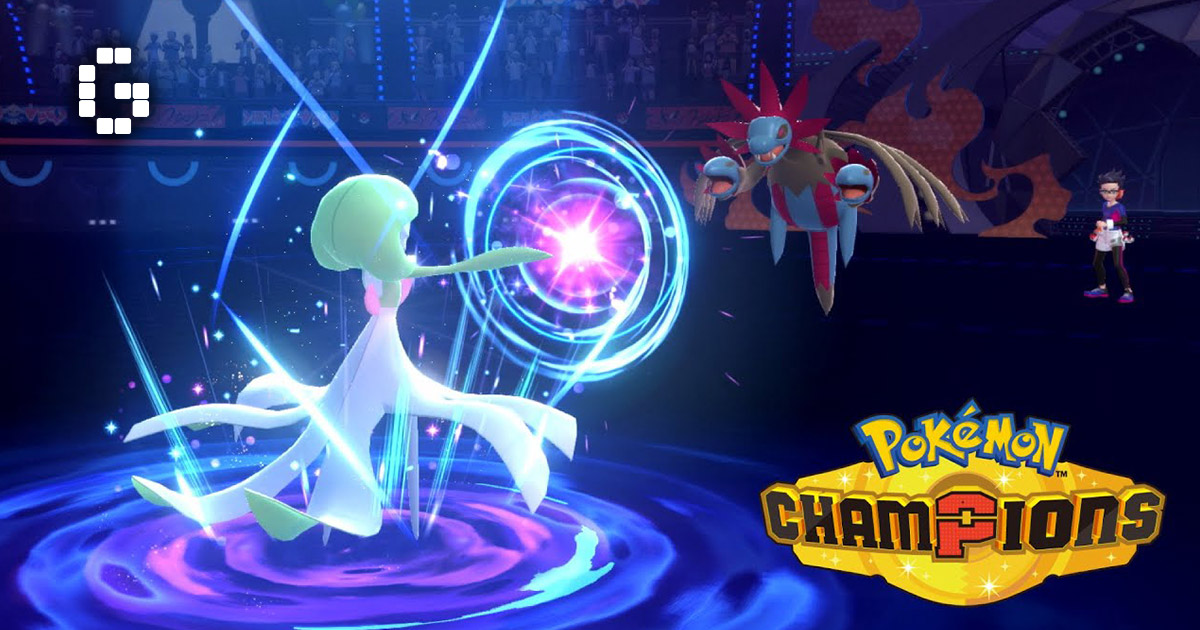
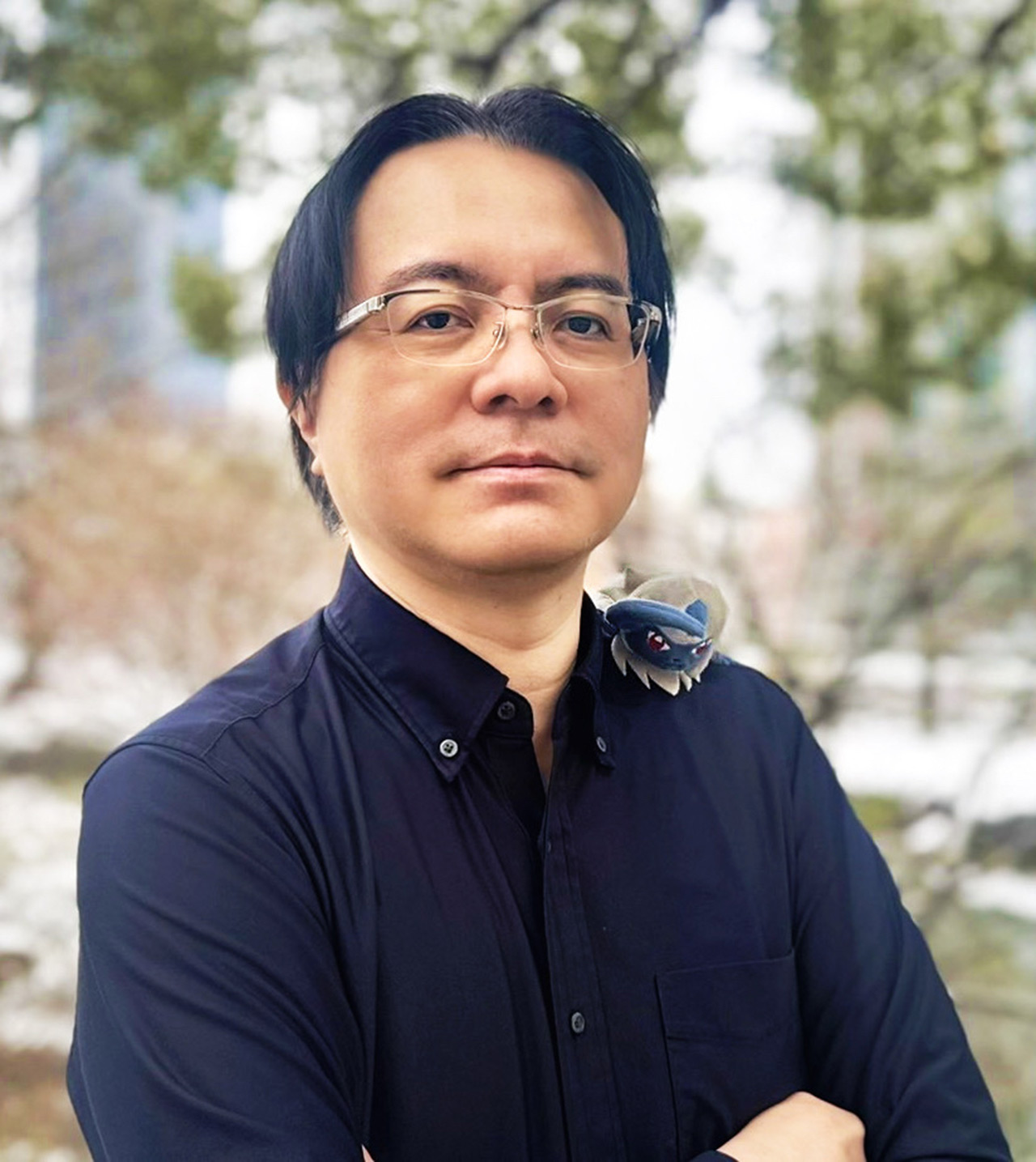
Masaaki Hoshino has had a career that spans some of the most recognizable names in competitive gaming. He started at Bandai Namco Studios as the lead programmer for the SOULCALIBUR series before producing Pokkén Tournament. After joining The Pokémon Company, he led the development of Pokémon UNITE, and he now serves as producer of Pokémon Champions. Through an exclusive email interview, we got to ask him directly about the game’s direction, its growing player base, and the decisions that shaped it.
Why VGC Got Its Own Platform
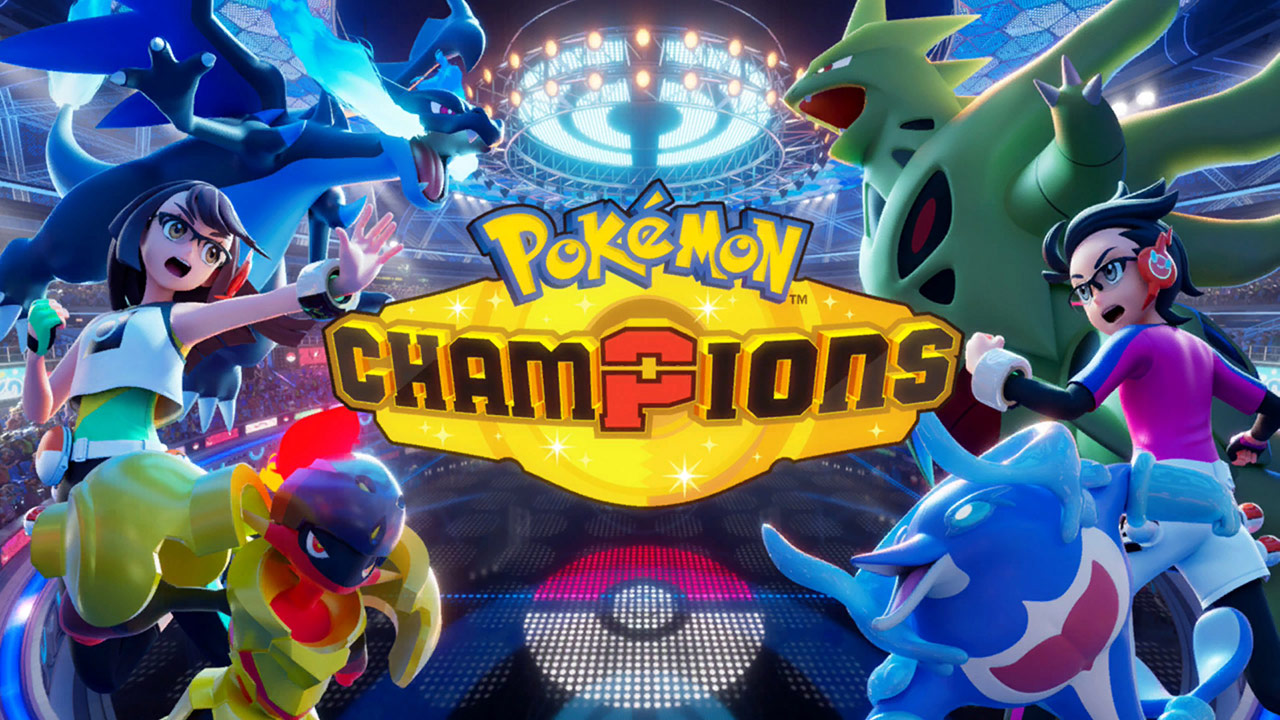
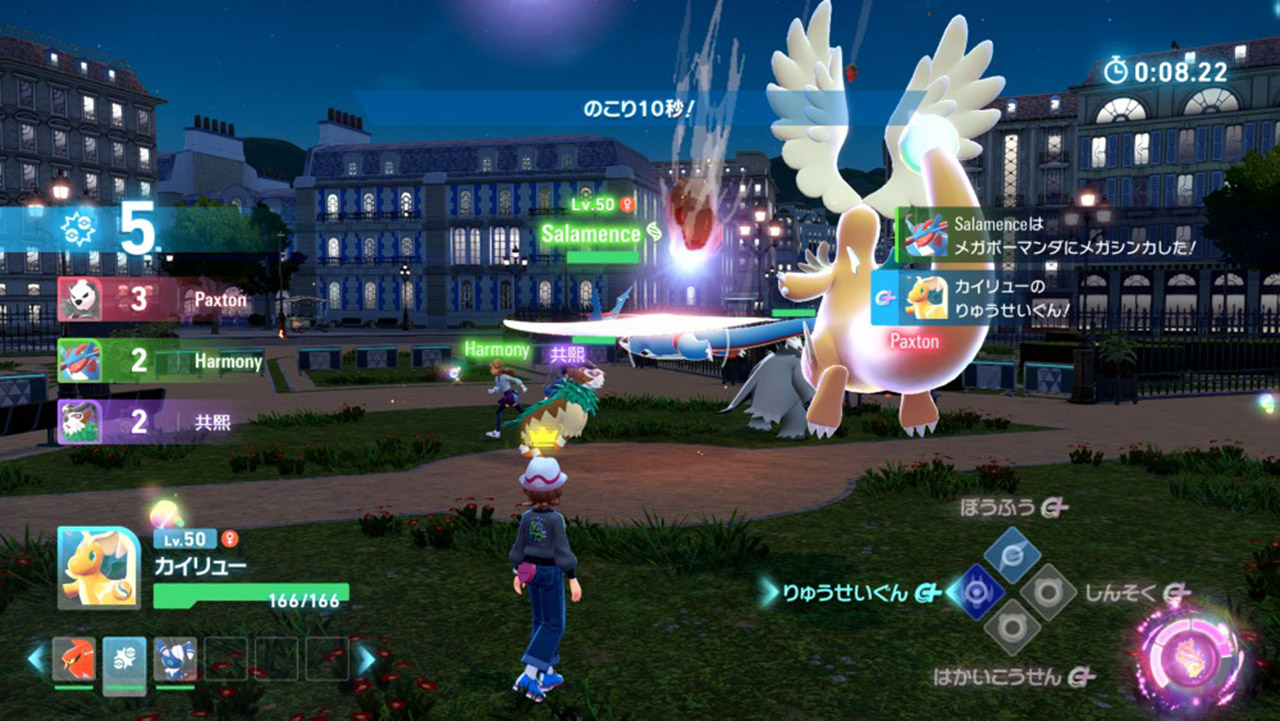
For years, competitive Pokémon, specifically the Video Game Championship format, was tied to whatever mainline game was current. Sword and Shield, Scarlet and Violet, the format moved with the series. Pokémon Champions changes that, and Hoshino explained why the team felt that separation was necessary.
“The Pokémon video game series titles are constantly exploring new forms of battle,” he said.
“Within this evolution, we felt that by intentionally separating the ‘turn-based battle’ core into an independent platform, we could deliver new experiences to fans through more creative and flexible ideas.”
He was clear that this was not about leaving the main series behind, but about giving the turn-based battle system its own space to grow. As for whether future mainline games will still include online Ranked Battles, Hoshino acknowledged that titles like Pokémon Legends: Arceus and Pokémon Legends: Z-A are always looking for new battle formats, but did not give a direct yes or no on Ranked Battles continuing in those games.
Coming to Mobile
One of the bigger shifts with Pokémon Champions is that it is no longer exclusive to Nintendo hardware. The game launched as a free-to-start title on both Nintendo Switch and smartphones, and Hoshino pointed to his experience on Pokémon UNITE as a key reason for that decision.
“Having also served as a producer for Pokémon UNITE, I have witnessed firsthand how providing a mobile version dramatically improves accessibility and creates more opportunities for players to engage with the game,” he said.
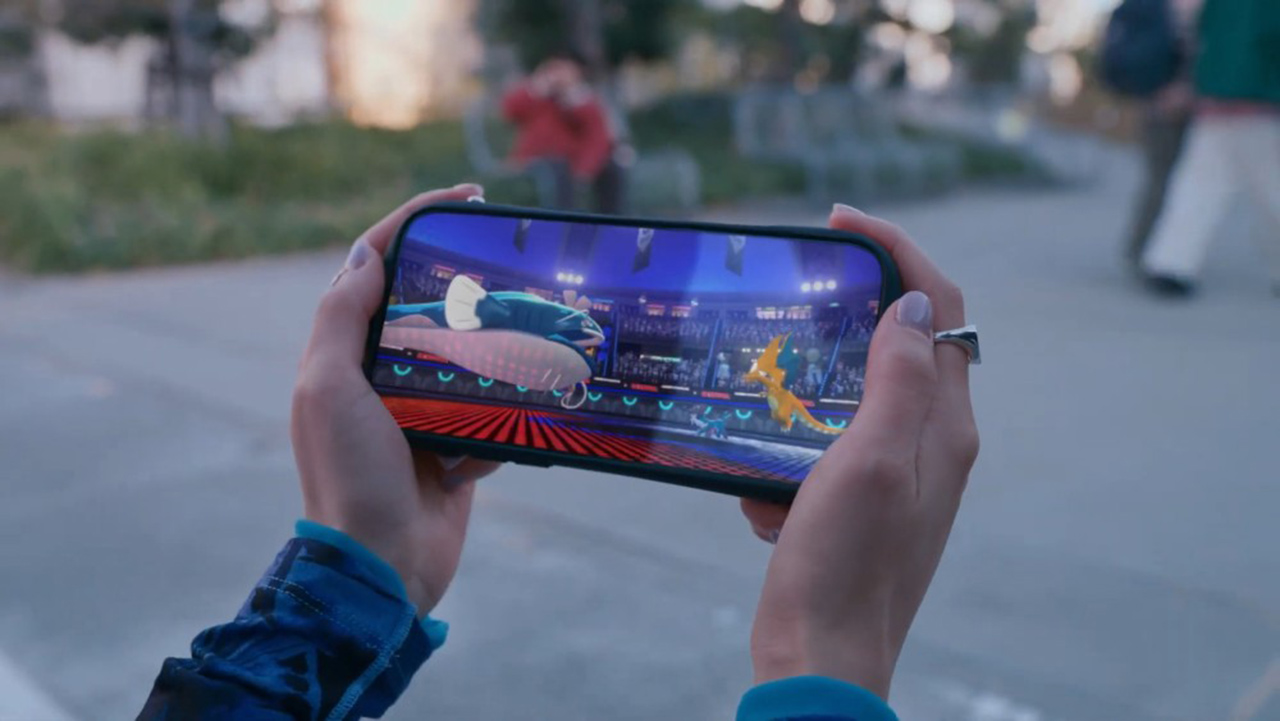
“To ensure that as many people as possible can experience the true essence of these wonderful Pokémon battles, we decided to release the game as a free-to-start title on both Nintendo Switch and smartphones.”
Starting Small on Purpose
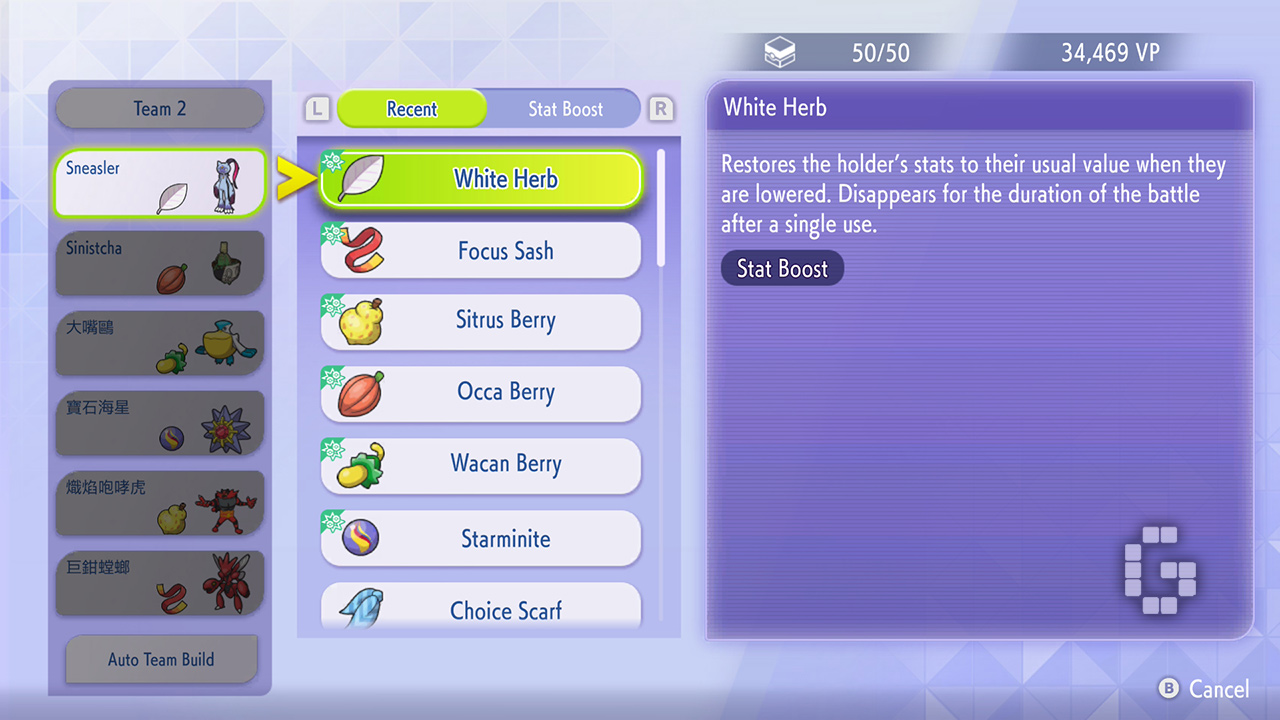
When Pokémon Champions launched, it came with a limited selection of Pokémon and items. Some players questioned this, but Hoshino said the restrictions were very much intentional, and the feedback has supported that thinking.
“I am delighted to see a significant number of new players starting their Pokémon battle journey with Pokémon Champions,” he said.
“From a newcomer’s point of view, having a pool of over 1,000 Pokémon and a massive array of items from the start would not only bring confusion in team-building but also create an overwhelming burden, in terms of knowledge required, when trying to understand their opponent’s strategy.”
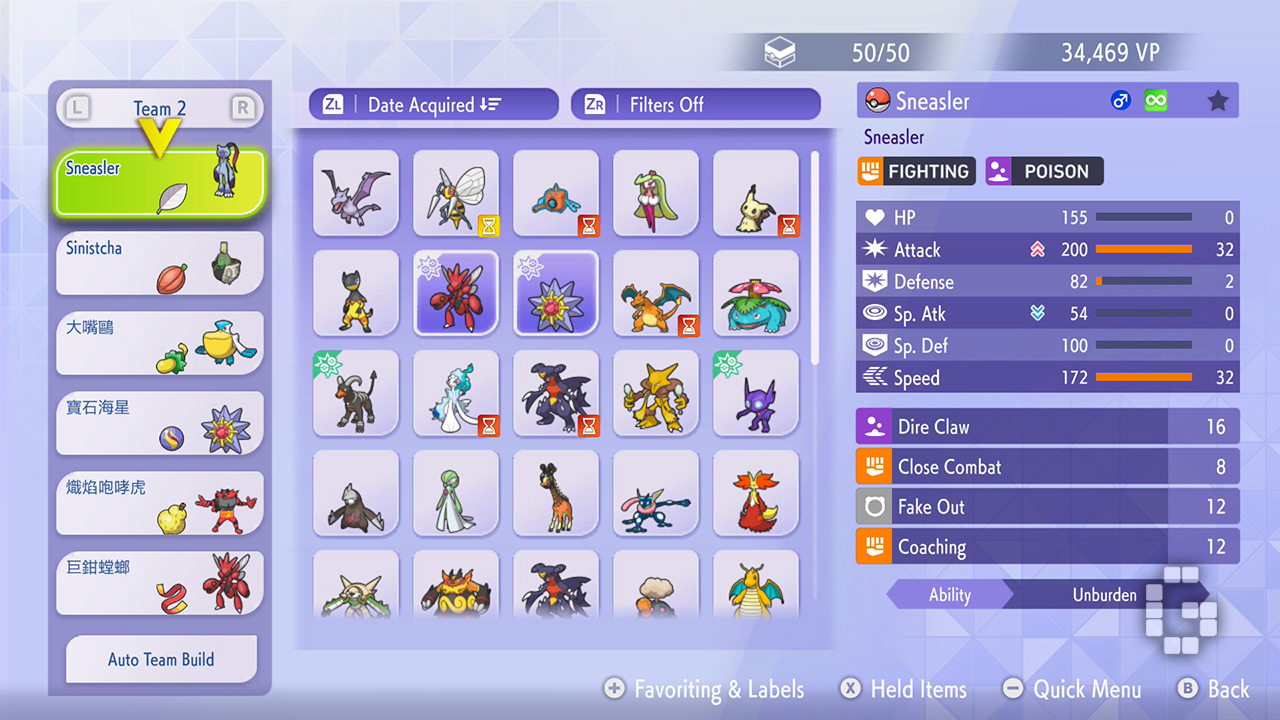
He also noted that working within limits is part of what makes the game interesting. “We believe that seeking ‘optimal solutions’ within a limited environment is part of the fundamental fun of battling, which is why we decided to release the game in its current format.”
No Unevolved Pokémon Yet, But the Door Is Open
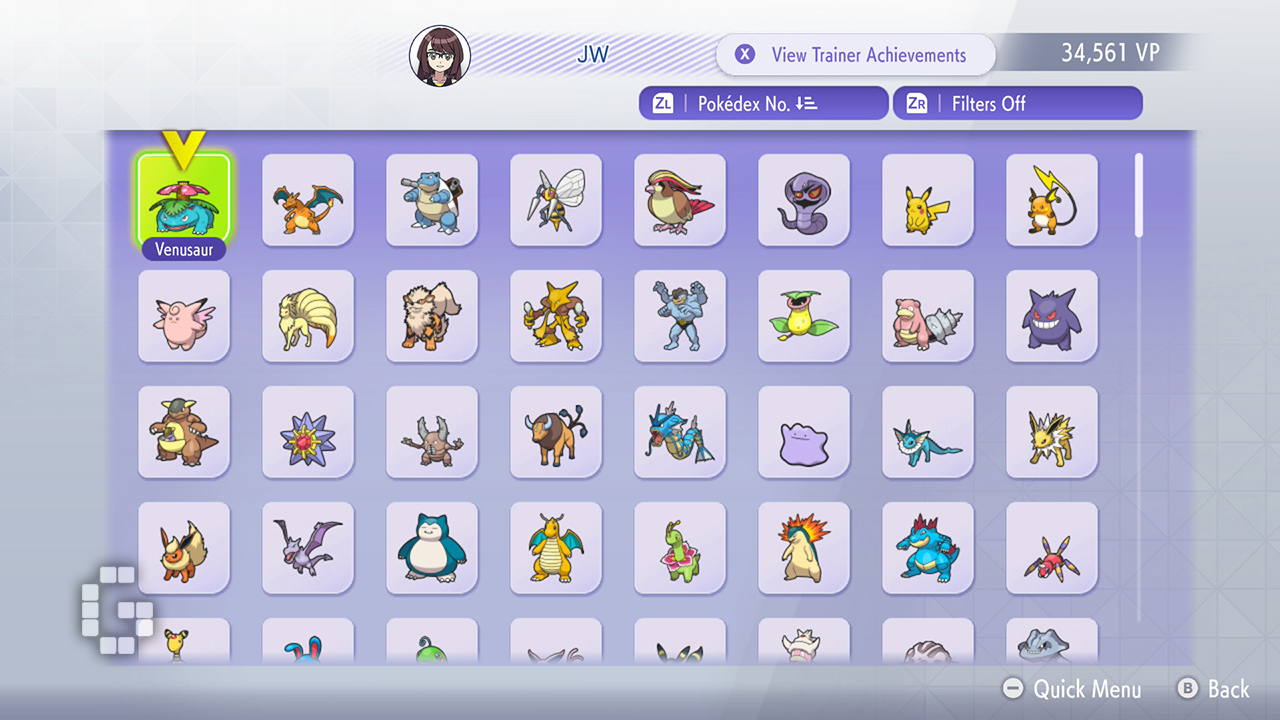
Veteran VGC players will know that Pokémon like Dusclops and Clefairy have had notable impacts on past competitive metas, largely because of the Eviolite item, which boosts the defenses of Pokémon that can still evolve. Currently, Pokémon Champions does not include unevolved Pokémon, and Hoshino confirmed this was again tied to keeping things simple for newcomers.
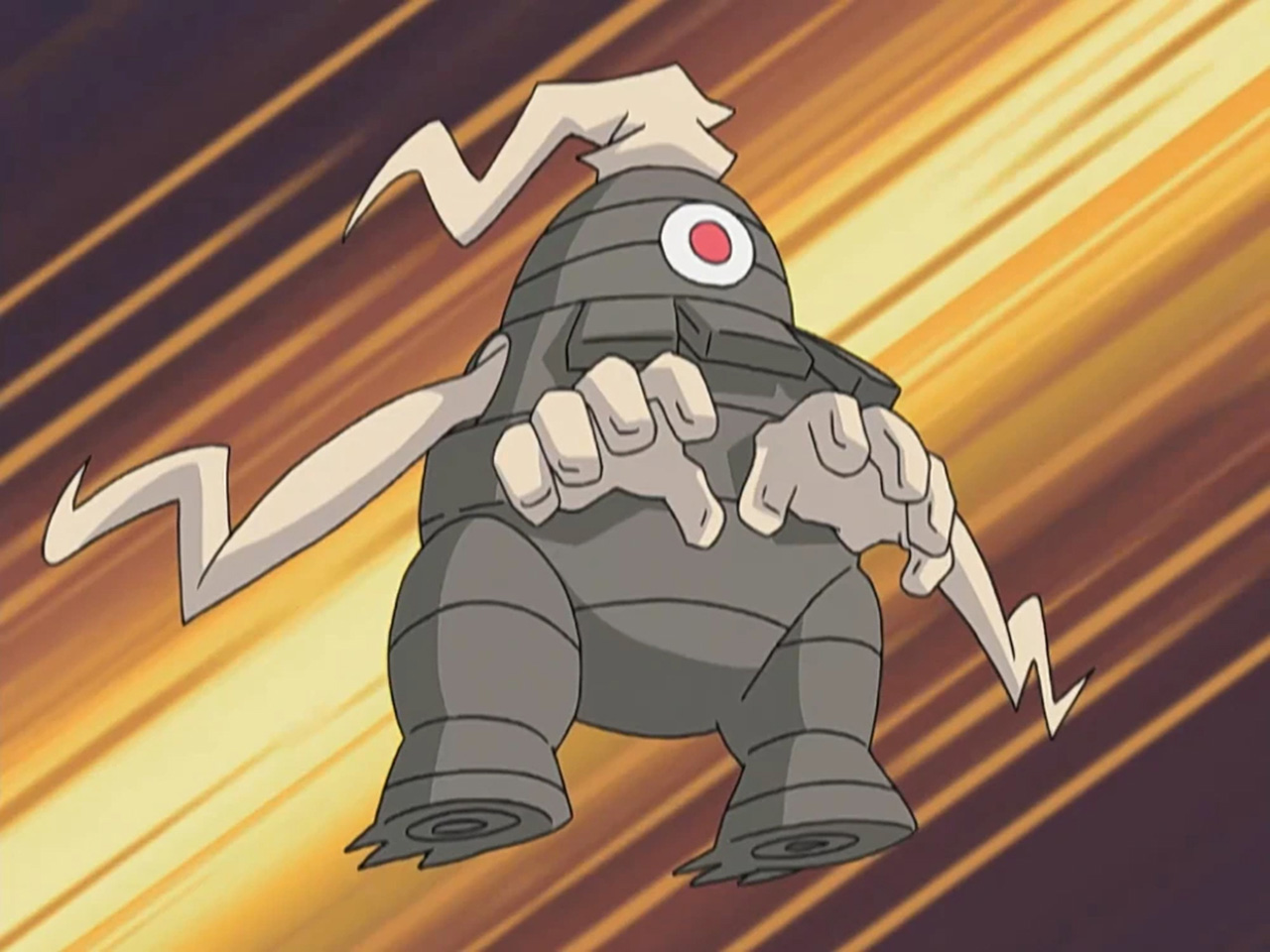
“For this first season, we prioritized clarity for new players. We felt it would be easier for them to understand the current environment if battles focused primarily on final-evolution Pokémon,” he said. He added that unevolved Pokémon could come in the future, but that the team wants to be careful about it.
“We intend to proceed cautiously to ensure the environment doesn’t become over-saturated or overly complex.”
Keeping the Game Fresh
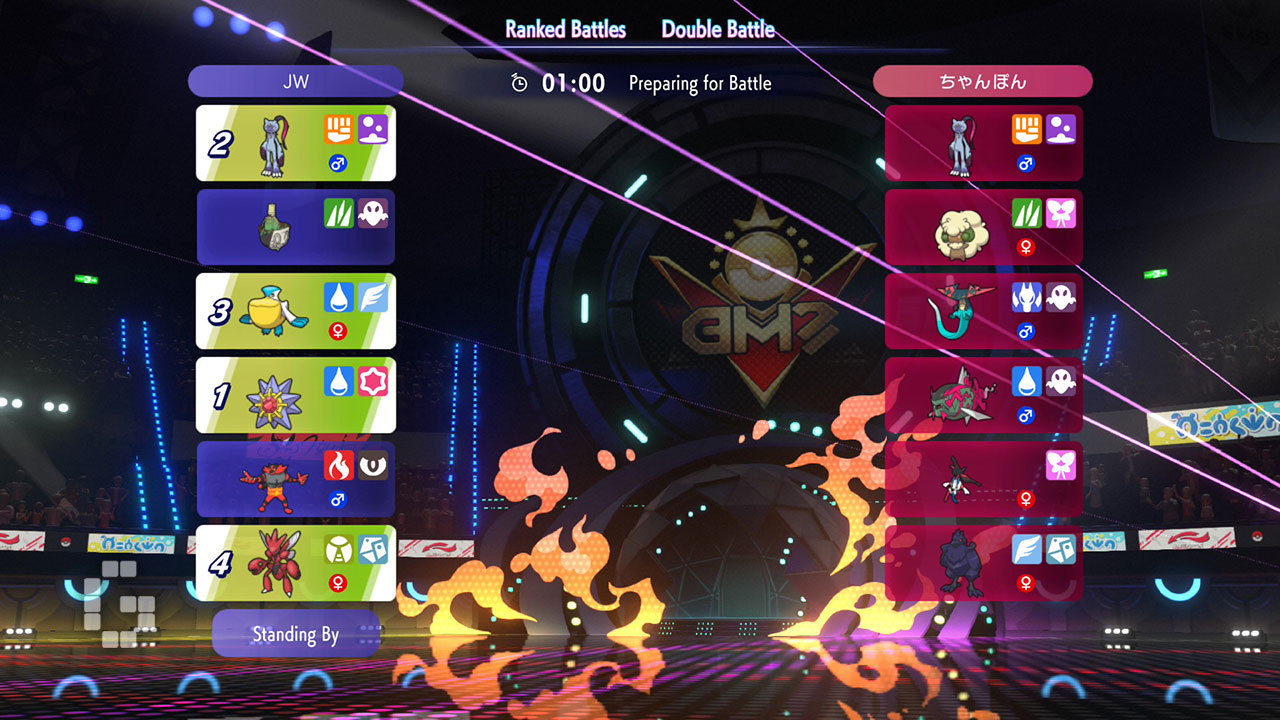
Currently, battles in Pokémon Champions take place in what Hoshino called a “Sphere-type” arena. He said he is personally happy with that design, but confirmed that more varied arenas are on the way.
“We certainly plan to introduce a wider variety of battle arenas in the future. We will be providing environments that are even more visually engaging, so please look forward to it.”
With a large wave of new players coming in, Hoshino said the team is focused on making sure the excitement continues. The immediate priority is the smartphone release, but after that, the plan is to keep adding new Pokémon and items on a regular basis. “We have received a lot of positive feedback from new players, which gives us great confidence,” he said. “Our goal is to sustain this energy and continue growing the community.”
Features That Are Still in the Works
A few commonly requested features came up in the interview. On the topic of custom player-run tournaments, Hoshino said the idea is something the team wants to build toward. “We believe that it is ideal to include a system that allows players to host their own competitions,” he said, though he noted the team needs to finish polishing the core game first. “We are moving forward with preparations to make this a reality, so we would appreciate your patience for a little while longer.”
As for replays, Hoshino explained that the technical side makes it difficult. Since battle logic and data structures are continuously updated, keeping old replays compatible with newer versions of the game is a significant challenge.
“Therefore, we have no plans to implement a replay function at this time.”
On the question of cosmetic Pokémon skins similar to the Holowear system in Pokémon UNITE, Hoshino shut that down cleanly. He explained that Holowear exists because of the fictional energy unique to Aeos Island in UNITE’s story, and that concept does not carry over into Champions. “We have no plans to implement such features in Pokémon Champions at this time.”
The Push for Shorter Matches
One of the more interesting details Hoshino shared was about how match length shaped the design of the game. He traced a clear line from Pokémon UNITE to Pokémon Champions in terms of how the team thought about player time.
“In Pokémon UNITE, we condensed the typical 20 to 30 minute MOBA playtime into a 10-minute limit,” he said. “Even so, we found that many people in modern lifestyles still feel a 10-minute play is quite a commitment.” For Champions, the target became under 5 minutes per match. The team added a forfeit option and sped up battle animations and text to hit that goal.
“As a result, we managed to bring the average match time down to the 3 to 4 minute range, creating a much more accessible battle experience.”
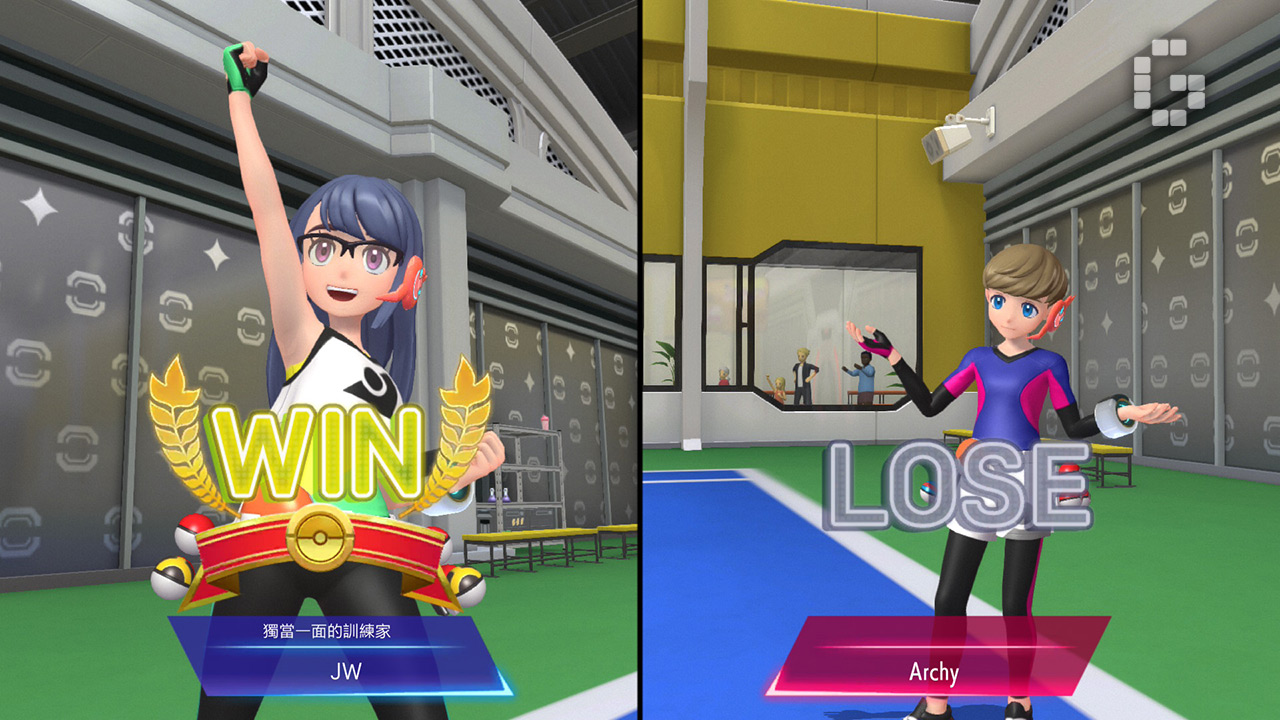
A First for Asia
The Malaysia Master Ball League became the first major event in the world to use Pokémon Champions as its official VGC platform. Hoshino said he was honored by that milestone and expressed regret that he could not attend in person.
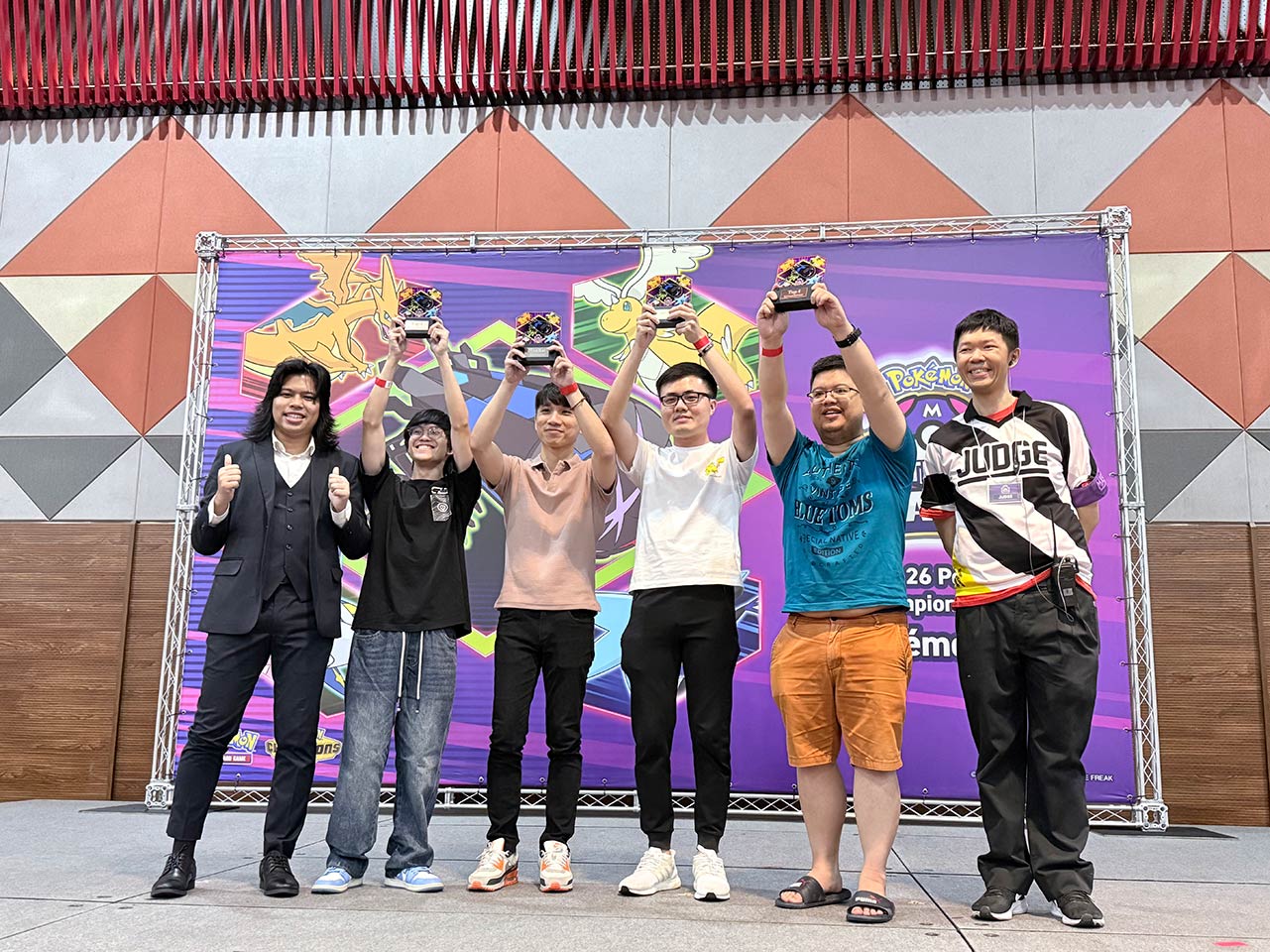
“The passion of Pokémon fans in Asia reaches me even in Japan, and I truly wanted to feel that energy firsthand at the MBL,” he said.
“It is a real shame that I couldn’t visit Malaysia this time to experience the excitement firsthand. From Japan, I am sincerely rooting for all the participating players. I wish you all the very best of luck.”