

![[EXCLUSIVE] Brendan Gan Delivers One of Malaysia’s Best-Ever Worlds Results, Shares Thoughts on Pressure and the Local Scene](https://cdn.gamerbraves.com/2026/08/Brendan-Gan_Interview_FI-360x180.jpg)





![[BIC2026] Hiroaki Nagashima from Toei Games Talks New IPs, Indie Roots, and Asia-First Strategy](https://cdn.gamerbraves.com/2026/08/Toei-Games-BIC-2026_Interview_FI-360x180.jpg)
![[BIC2026] From Outsider to Organizer: How Isabella Seo Jungsook Helped Build Busan’s Indie Game Scene through BIC](https://cdn.gamerbraves.com/2026/08/Isabella-BIC-2026_Interview_FI-360x180.jpg)
![[BIC2026] CanOpener’s Logan Moon Opens Up About Dungeon Settlers Ahead of Its September Early Access Launch](https://cdn.gamerbraves.com/2026/08/Logan-Moon-BIC-2026_Interview_FI-360x180.jpg)


Thirty years is a long time for any franchise to stay relevant, and Ace Combat has managed to do exactly that. With the announcement of ACE COMBAT 8: WINGS OF THEVE, the series is stepping back into the spotlight after a seven-year gap since Ace Combat 7. We had the opportunity to hear from Brand Director Kazuto Kono and Producer Manabu Shimomoto, and the conversation that followed covered a lot of ground, from rebuilt combat mechanics and a brand new cloud system, to long-standing lore finally getting its moment, and what the next thirty years of the franchise might look like. What came through clearly is that this is a team that knows exactly what makes Ace Combat work, and they are not interested in fixing what is not broken. Instead, they are going deeper.
Next-Gen Aircraft, Built With Obsession
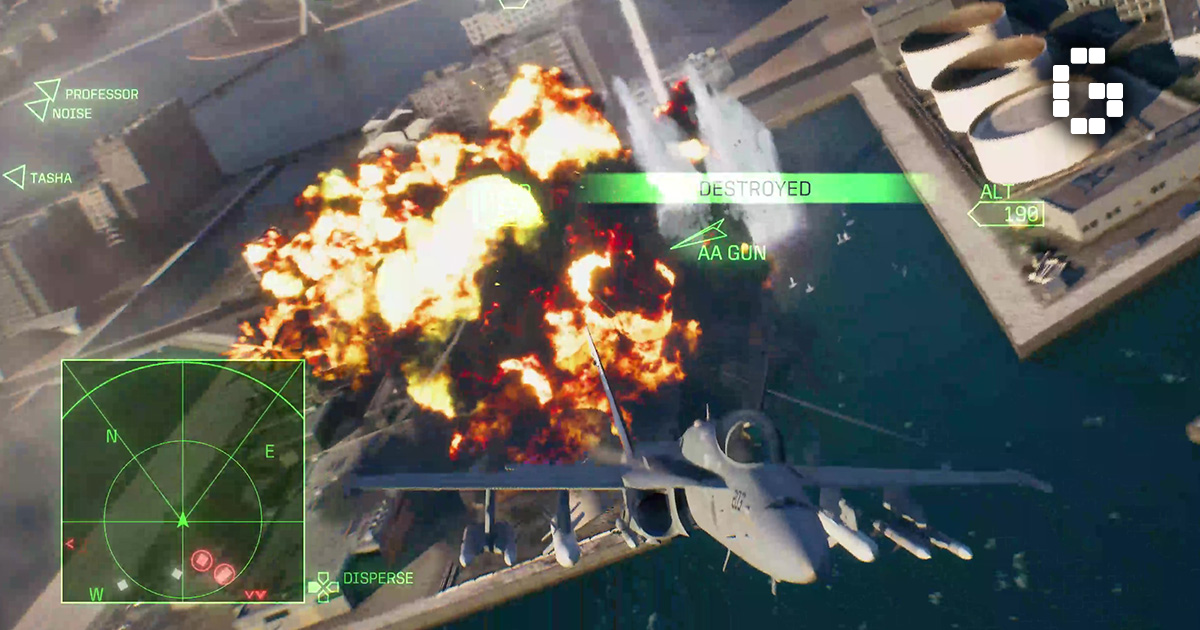
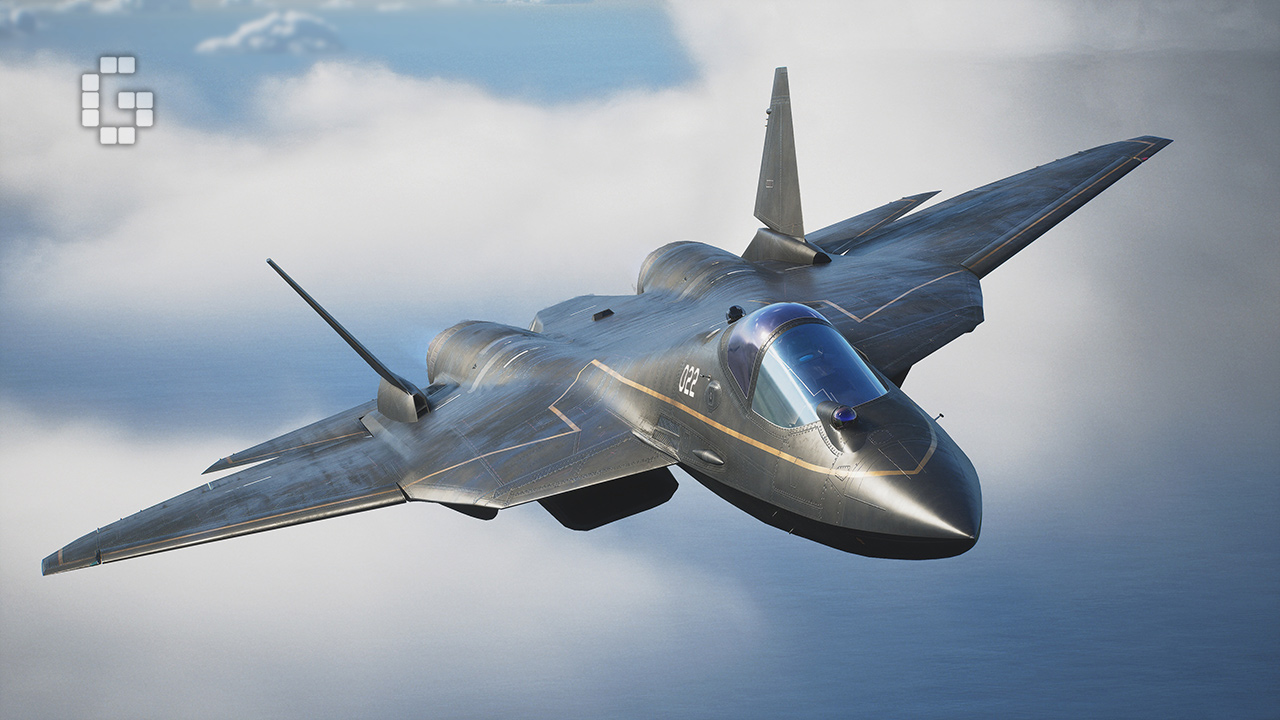
One of the first things longtime fans will notice is how the planes look. Built on Unreal Engine 5, the aircraft models in ACE COMBAT 8: WINGS OF THEVE are the most detailed the series has ever produced. Kono and Shimomoto were quick to credit the artists behind the work, noting that crafting each fighter jet is an incredibly time-intensive process. “All the people who have developed this fighter jet aircraft stuff just put in lots of effort, and they spent so much time and effort to create that,” they shared.
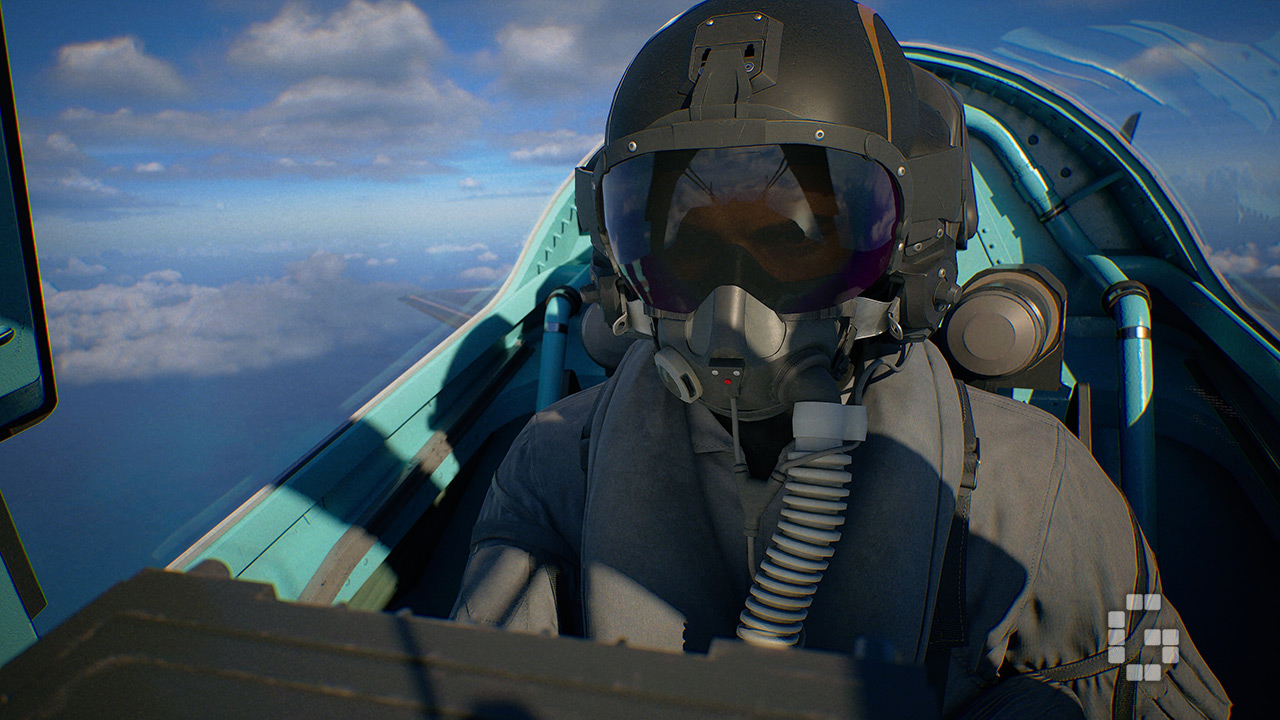
What makes the process particularly interesting is the attention to surface-level detail. The team puts emphasis on a concept called Yogore, a Japanese word meaning to smudge or dirty a surface. Applying this kind of weathering to the aircraft is something the creative team takes genuine pride in. “Creating the fighter jet is very, very time-consuming and tough, but the creative team enjoy all the process, and they realise they can recreate in detail,” the team noted, adding that the Yogore process is something they really enjoy and put serious effort into. It is a small detail that contributes to the grounded, tactile feel of each plane in the game.
Deepening Rather Than Evolving
The team has been deliberate about how they describe this entry. Rather than calling it an evolution of the formula, they use the word “deepening,” and the distinction matters. The core feel of flying is still there, but the rules underneath have changed in meaningful ways.
The most notable mechanical shift involves how damage works. In previous games, including Ace Combat 7, only direct hits on a target counted. ACE COMBAT 8: WINGS OF THEVE changes this so that attacks landing near a target can still accumulate damage over time. Once that damage crosses a threshold, the target breaks apart and the resulting debris can trigger chain reactions with surrounding objects. “The feel of the game is the same, but the rules of the game are different,” Kono and Shimomoto explained.
“When the machine gun or missile attack was landed outside the container, this damage was accumulated. And when this accumulation hits a certain level, this container can break or explode.”
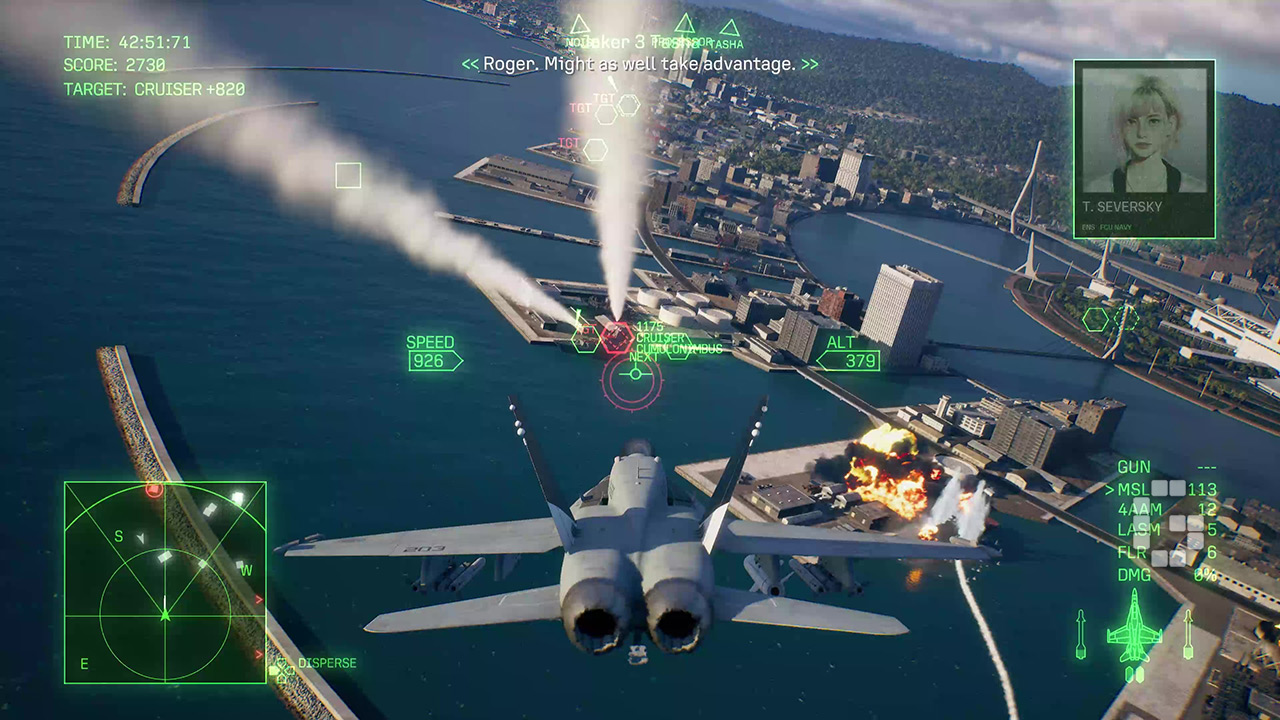
This adds a layer of unpredictability and tactics to combat that was not there before, without making the game feel alien to returning players.
The Sky as a Battlefield
The game’s new cloud system is one of the more striking additions to the experience. The playable airspace in ACE COMBAT 8: WINGS OF THEVE spans roughly 100 kilometers by 100 kilometers, and different cloud formations appear depending on altitude, with low-altitude rain clouds behaving visually differently from thinner, higher-altitude formations.
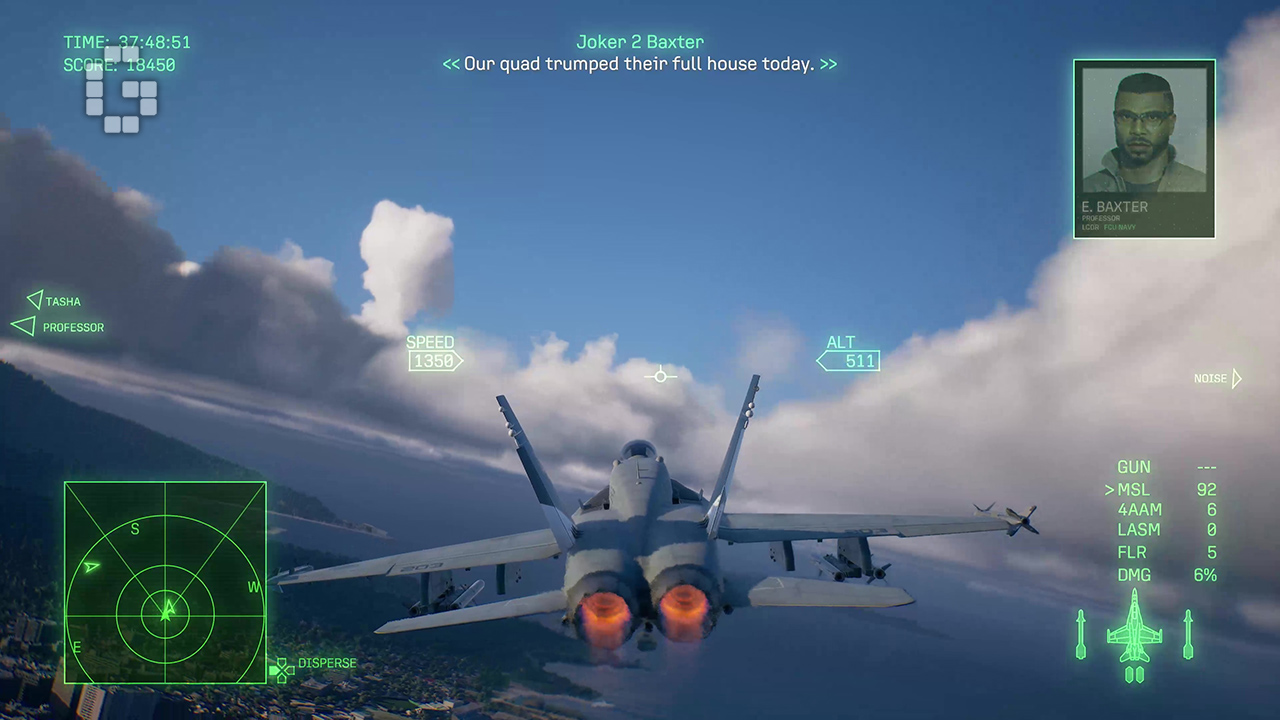
More importantly, these clouds are not just decoration. Players can follow traces left in clouds to track opponents, and catching the glint of sunlight reflecting off an enemy aircraft’s canopy can reveal their position. The environment now plays an active role in how combat unfolds. “Players can track traces left in the clouds to locate opponents, or use the sunlight reflecting off an enemy aircraft’s canopy to identify their position,” the team noted.
“In this way, the environment is no longer just a background element, but something that can influence how players approach and engage in aerial battles.”
Keeping the Arcade-Sim Balance
Ace Combat has long occupied a comfortable space between full simulation and pure arcade action, and the team is clear that this was never the result of chasing a specific balance point. Instead, it came from focusing on what they wanted players to feel.
“What I wanted to create through this series is two things. One, the players can freely fly this expanse of the blue sky without any limit. And the second, you can shoot down your enemy after the dogfight and then you get quite satisfied,” Kono and Shimomoto said. The arcade-style controls exist to support those two goals, not to hit a genre target.
“We didn’t aim to balance between the arcade-like game or simulator. We wanted something that the players do with this game. As a result, we ended up with this balance.”
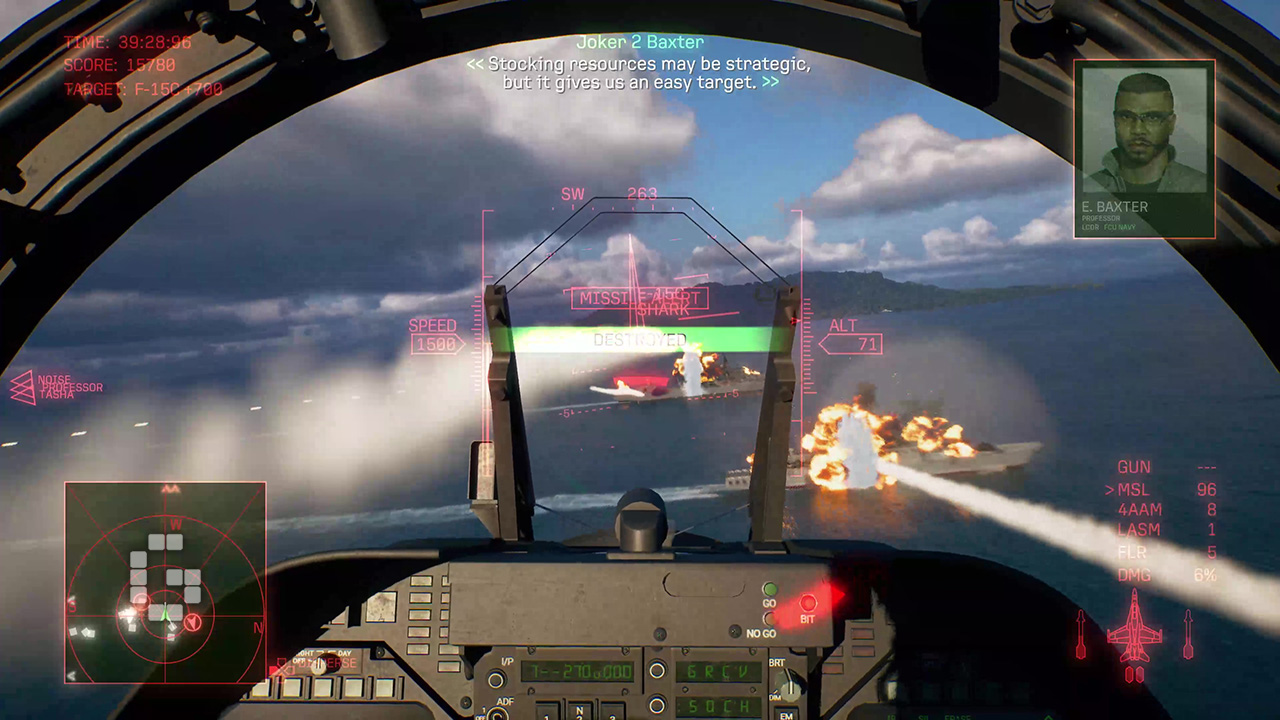
On the question of whether ACE COMBAT 8: WINGS OF THEVE leans slightly more toward simulation than its predecessor, the team clarified that the preview build was intentionally tuned to be more accessible for first-time players. Each aircraft also has its own individual feel built in, giving the roster of planes a sense of personality. “We don’t intend to make it a simulator at all. We wanted to add a little bit of each aircraft’s individuality to the game,” they explained, without pushing the experience into simulator territory.
Telling the FCU’s Story
On the story side, ACE COMBAT 8: WINGS OF THEVE brings the FCU, a geopolitical faction that has existed in the franchise’s lore for years, into the spotlight for the first time. The decision came from two directions. The team wanted to explore a new culture and country within the world of the series, and the regions of Yujiya and Sotawa, while familiar names to longtime fans, had never been fleshed out in any meaningful way.
“We wanted to bring in a new culture, or new country to this series, which we have not elaborated in the past,” the team said.
“Sotawa was there, but we didn’t specify or describe what kind of people reside there, or what kind of belief they had, or what kind of culture there was.”
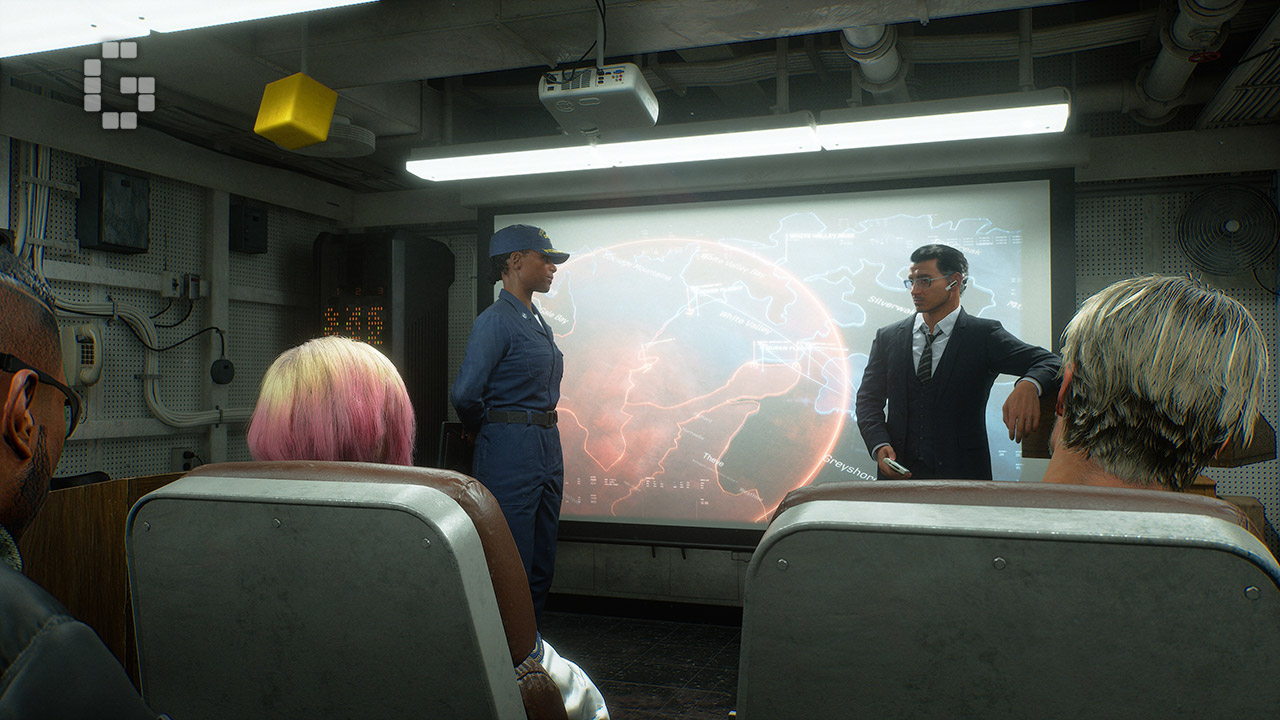
Putting the FCU at the center of this entry gave the team room to define what those places actually look like, who lives there, and what they believe in.
Three Pillars of the Experience
Beyond mechanics and story, the team spoke about a broader vision for what ACE COMBAT 8: WINGS OF THEVE is trying to accomplish. They described it as three pillars. The first is flying freely through the sky. The second is the satisfaction of taking down opponents in a dogfight. The third is something more personal: the idea that the player themselves becomes the ace pilot.
“The player, you yourself, becomes the ace pilot to enjoy. So in order for the players to go beyond the screen and then feel the existence of yourself behind the monitor, and be with your friends, and then stand on the same turf as your friends stand, and then you look at the same views where your friends are viewing, that kind of immersive experience I wanted the players to feel,” Kono and Shimomoto shared.
To support this, the game uses a first-person viewpoint in specific moments, particularly in ground-level scenes, to put players directly inside the experience. “We try to use the most effective viewpoint,” the team said.
“I didn’t want the first-person perspective to feel forced, so we landed on this formula.”
Third-person perspectives are used during transitions and scenes involving movement or interaction, to keep the pacing from feeling stiff.
Looking Back at 30 Years
With 2025 marking the 30th anniversary of the franchise, questions about rereleasing older entries naturally came up. The team acknowledged the demand from fans, but also pointed to a real challenge: older games were built around real-world aircraft licensing, and those agreements make straightforward remasters complicated.
“When I think about remastering the past series, that part hinders doing it,” they admitted. That said, the door is not fully closed.
“We are quite well aware that some of the fans would like to play the past games, and there is a certain need. And I appreciate that. That is the reason why we try to incorporate this, so that they can play some of the games in this current format.”
There are no concrete plans at the moment, but the team expressed a clear intention to keep listening to what fans are asking for.
Voice Commands and What Comes Next
One more forward-looking topic came up during the conversation: voice commands. Right now there are no plans to include the feature in ACE COMBAT 8: WINGS OF THEVE, but the team spoke about it more openly than a flat no. They recalled that during the earlier days of the series, a request came in to support voice commands for firing weapons, which the team declined. This time, the context is different. The use case being considered is calling on teammates for support rather than triggering weapons, which the team seemed far more open to exploring.
“I think the times are changing,” they said. “In our generation, people in their 40s and 50s still have a sense of resistance to using voice commands while playing video games. However, today’s kids are playing video games because they are watching a game streamer, so they don’t have a sense of resistance.” They went on to say that as that younger generation becomes the core gaming audience, implementing the feature feels less like a novelty and more like a natural fit.
“I think it’s a matter of time.”
ACE COMBAT 8: WINGS OF THEVE does not have a confirmed release date yet, but based on what Kono and Shimomoto shared, it is shaping up to be the most layered entry the series has produced.