







![[EXCLUSIVE] Brendan Gan Delivers One of Malaysia’s Best-Ever Worlds Results, Shares Thoughts on Pressure and the Local Scene](https://cdn.gamerbraves.com/2026/08/Brendan-Gan_Interview_FI-360x180.jpg)





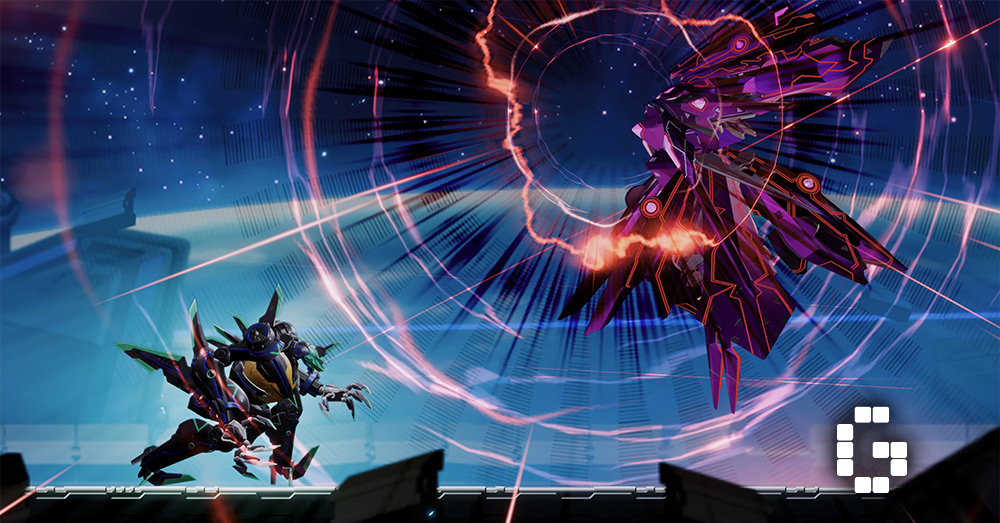
Shadow Labyrinth takes the classic Pac-Man formula and throws it into a dark, challenging world that’s more Dark Souls than arcade fun. This review covers everything you need to know about this unforgiving metroidvania – from its punishing combat system to its rewarding exploration, along with who should (and shouldn’t) consider picking it up.
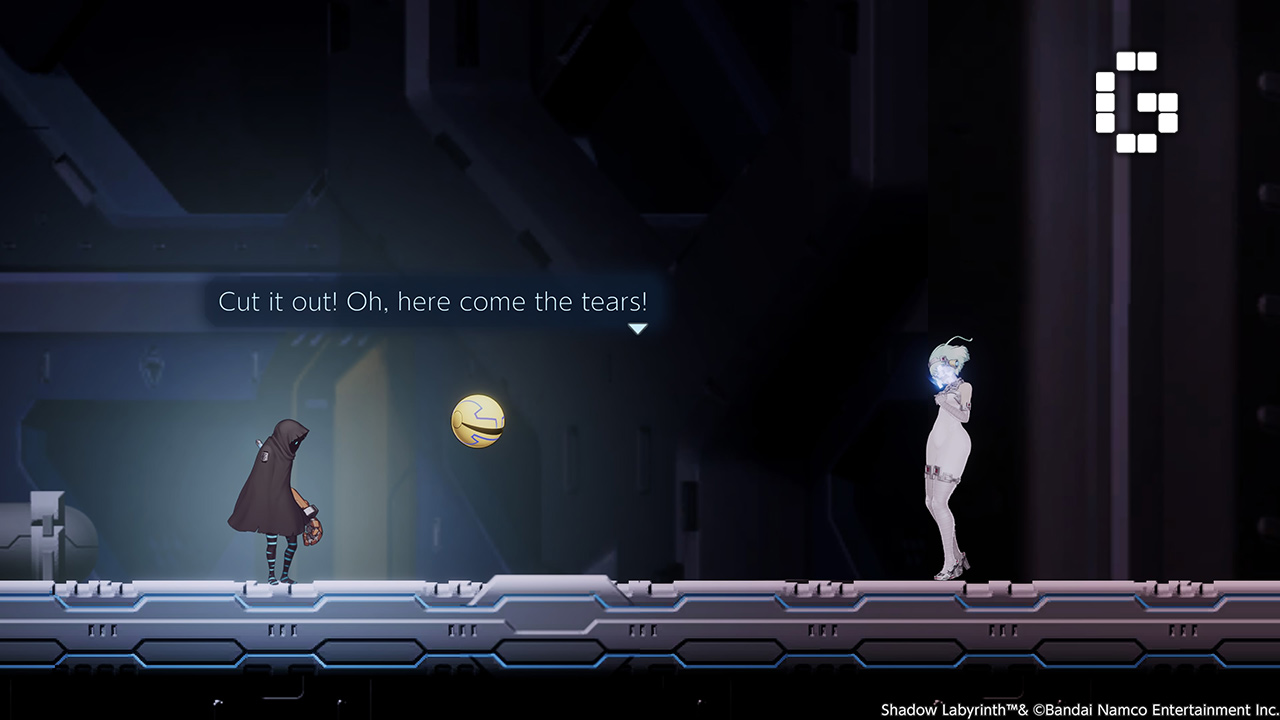
Following the events of Pac-Man: Circle, Shadow Labyrinth puts you in the role of Swordsman No. 8, a silent warrior called upon by PUCK – a robotic orb who’s been stuck on a dying alien world for over ten years. PUCK just wants to escape, but the labyrinth standing in the way is far from simple.
The story unfolds through conversations with NPCs and environmental details rather than cutscenes. Fans of classic Namco games will spot plenty of references throughout, though these never take over the main story. PUCK’s personality stands out here – switching between cold, robotic analysis and sharp sarcasm in ways that feel genuinely entertaining.
Combat That Demands Respect
The fighting system in Shadow Labyrinth is built around precision and resource management. Swordsman No. 8 uses a blade for quick combo attacks, backed up by ESP-powered special abilities. Timing your dodges perfectly lets you avoid devastating enemy attacks, but everything comes with a price.
Your ESP gauge powers almost every action – dashing, special moves, and defensive maneuvers all drain it. Use it carelessly, and you’ll be left helpless while waiting several tense seconds for it to recharge. It’s a smart system that forces you to think before acting, though newcomers might find it frustrating when one wrong move leaves them completely vulnerable.
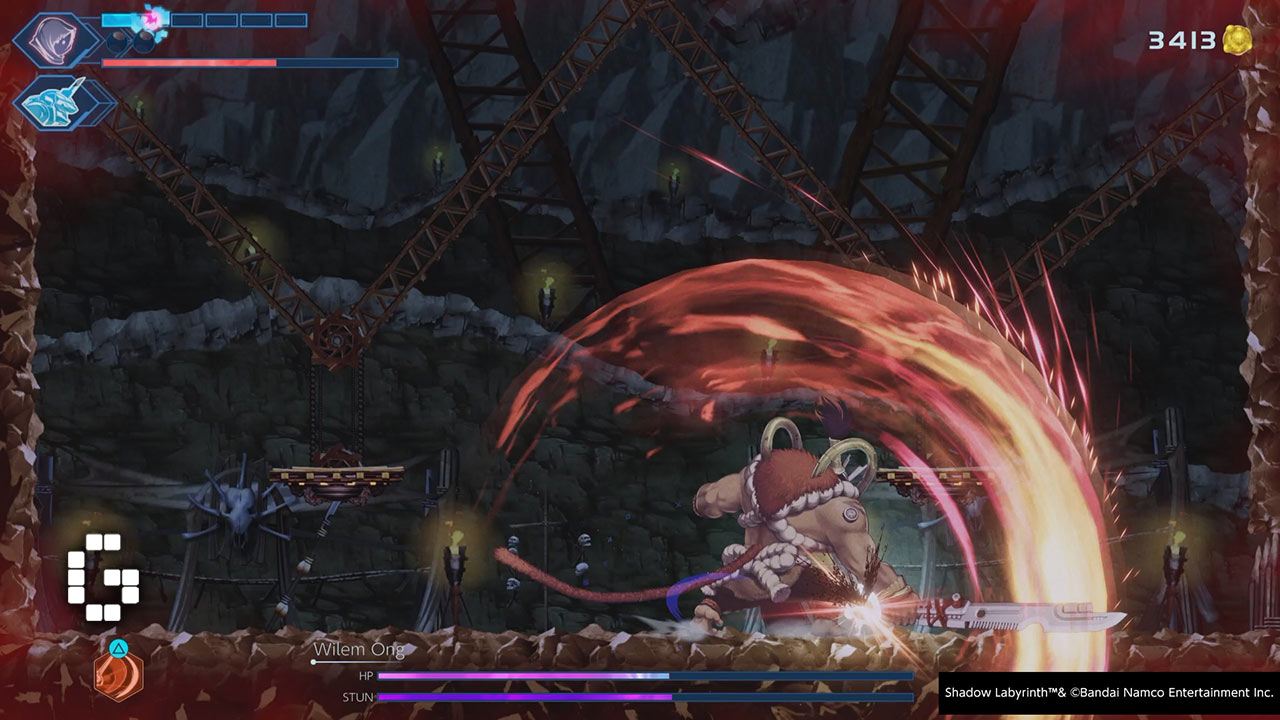
The GAIA transformation adds a satisfying power boost. By consuming defeated enemies, you fill a meter that lets you summon a massive mech for brief periods of destruction. It’s a welcome relief in an otherwise tense experience.
Boss fights are serious skill tests that require patience and pattern memorization. The ESP recharge rate can feel painfully slow – if your gauge is empty, you can’t dodge or use abilities at all, forcing you to wait. Learning attack sequences is essential, and even then, mistakes hit hard. One poorly timed dodge can end your run.
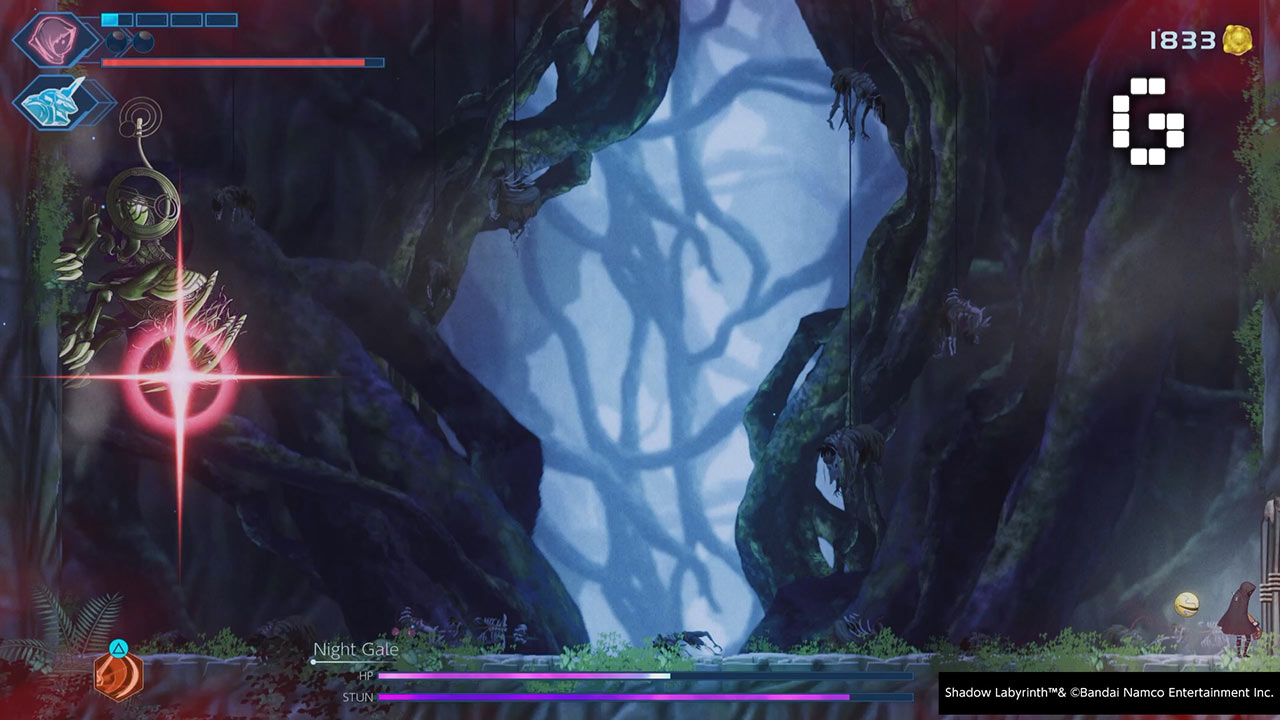
Regular enemies are just as dangerous. Basic foes can kill you in a few hits if you’re not careful, making every encounter feel important but potentially frustrating for less experienced players.
Exploration That Rewards and Punishes
The world of Shadow Labyrinth is huge and packed with secrets, but it’s also a major source of frustration. The map is dense with overlapping paths, hidden shortcuts, and environmental dangers. Many areas stay locked until you gain new abilities – like the Air Dash, which doesn’t appear until four hours in. Once you get it, early areas suddenly open up with new paths you couldn’t reach before.
This cycle of exploration and backtracking feels true to metroidvania games, but it also shows how punishing movement can be. Some areas feature deadly obstacles like spikes, poison clouds, and narrow platforms that demand near-perfect timing. One mistake sends you back to the start of the section.
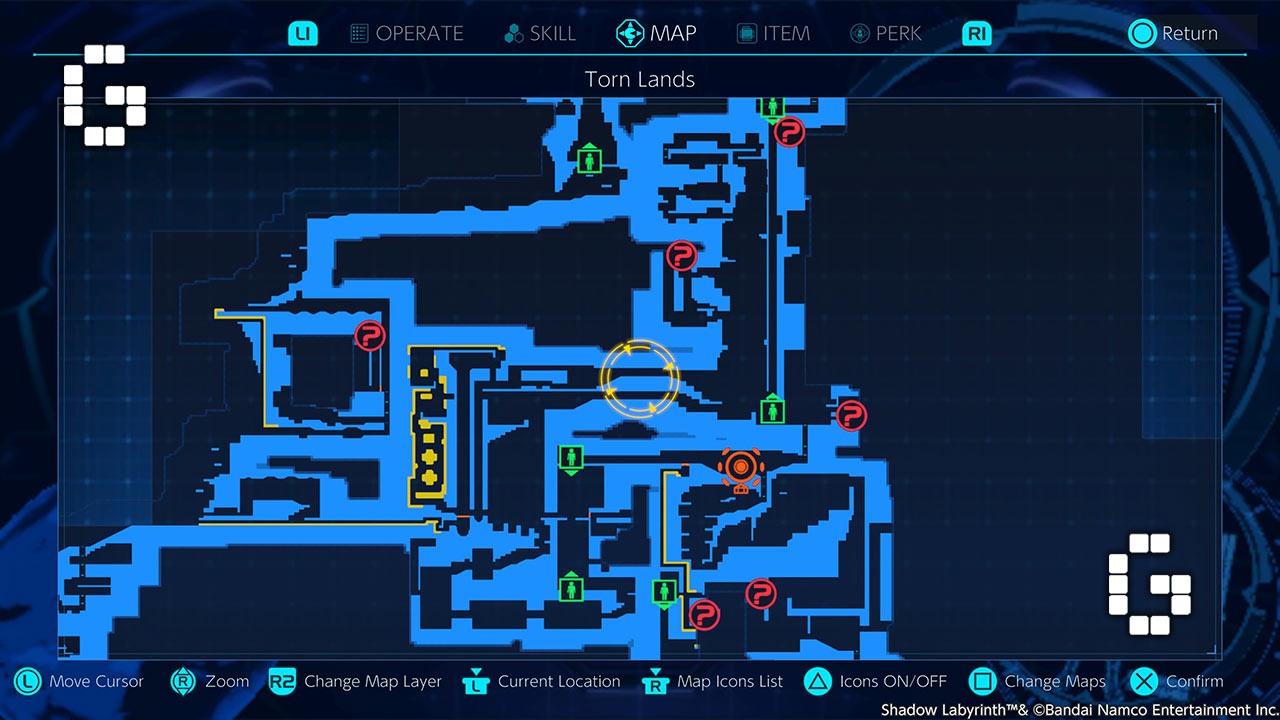
Finding the right path is a puzzle in itself. The game gives minimal guidance, which hardcore fans will appreciate but might leave newcomers wandering for long periods. Multiple times, players can find themselves stuck for hours, searching the map for the next way forward. Breaking through feels great, but getting there can be exhausting.
For players who aren’t metroidvania fans, this can be particularly frustrating and time-consuming, especially when progress stops completely until you find the correct route.
No Easy Mode Here
Shadow Labyrinth is hard, plain and simple. There’s no difficulty option, and the game shares more with Soulslike titles than traditional metroidvania games. Every element – combat, exploration, platforming – is designed to test your focus and punish overconfidence.
Bosses require careful observation of attack patterns, and victory often takes dozens of attempts. The difficulty extends beyond fighting, too. Platforming sections are merciless, with tight time limits, precise jumps, and environmental hazards that punish mistakes instantly.
This level of challenge isn’t for everyone. Players who aren’t used to high-difficulty games may find themselves overwhelmed or outright frustrated. Shadow Labyrinth expects you to learn, adapt, and endure without any help.
Growth That Feels Earned and Overall Experience
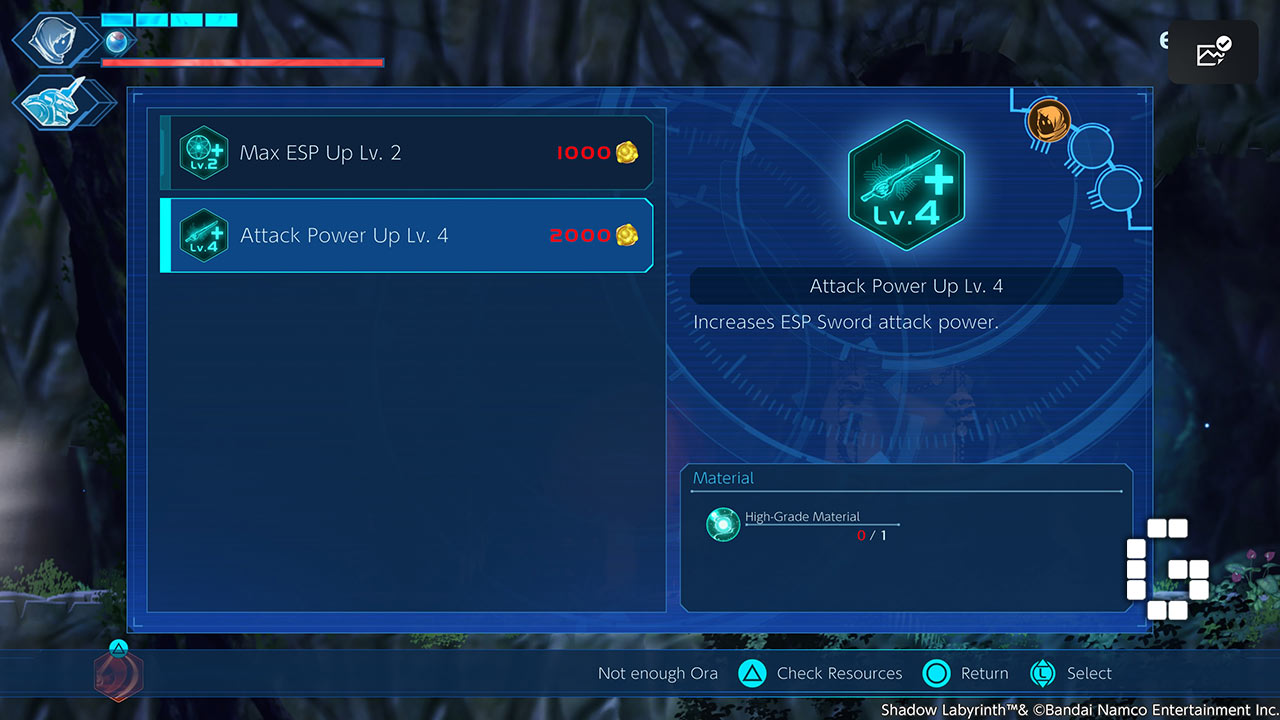
Despite the brutal early game, progression in Shadow Labyrinth feels meaningful and rewarding. Defeated enemies drop materials that can be consumed in GAIA mode, plus Pac-dots for upgrading your ESP gauge or attack power. Expanding your ESP bar means more dashes, more specials, and better survivability – transforming you from a fragile beginner into a capable warrior.
New movement abilities like the grappling hook and Mini-PUCK rail grind constantly change how you approach older areas, keeping exploration fresh and encouraging return visits. The sense of growth is satisfying, though it means the first few hours can feel like an uphill battle until you’ve gathered enough upgrades.
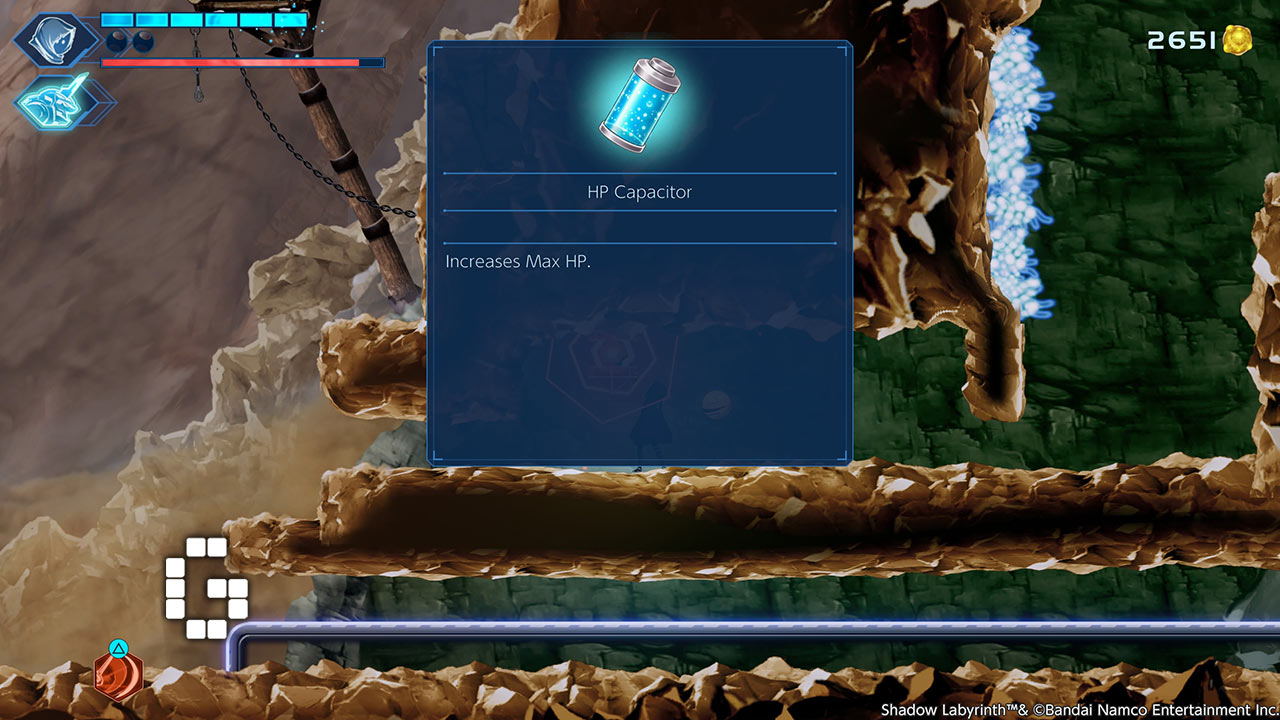
However, some upgrades like increased HP or potion capacity can only be found while exploring. If you miss them, you won’t get those crucial improvements. This is great for players who love high difficulty, but annoying for those who just want to enjoy the game.
The art style mixes detailed, grotesque enemy designs with colorful, almost playful environments. This contrast can feel jarring at first but fits the game’s strange identity. Boss designs are particularly impressive, with animations that really sell their threatening nature.
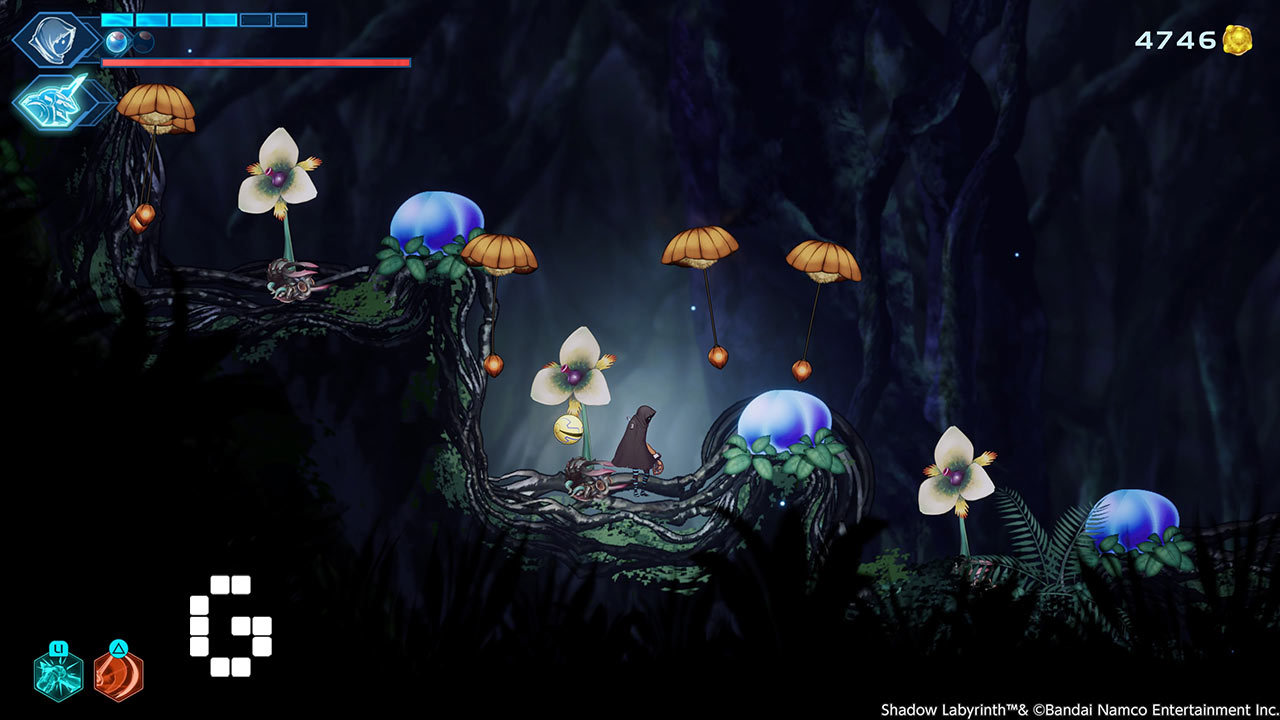
The sound design adds to the atmosphere effectively. Classic Pac-Man sound effects, like the iconic pellet chomp, are cleverly reused, creating an eerie contrast with the game’s darker tone. The soundtrack ranges from haunting ambient tracks to high-energy boss themes that amplify tension during key fights.
Verdict
Shadow Labyrinth honestly isn’t for everyone. If you don’t enjoy difficult games or get frustrated easily, this one might drive you crazy. The combat is tough, bosses demand patience and pattern memorization, and even exploring can feel like solving a puzzle that refuses to give you hints.
But if you’re someone who enjoys a good challenge and loves metroidvania games, there’s a lot to appreciate here. Slowly unlocking new powers, revisiting old areas to find hidden paths, and finally defeating a boss after dying repeatedly feels incredibly satisfying.
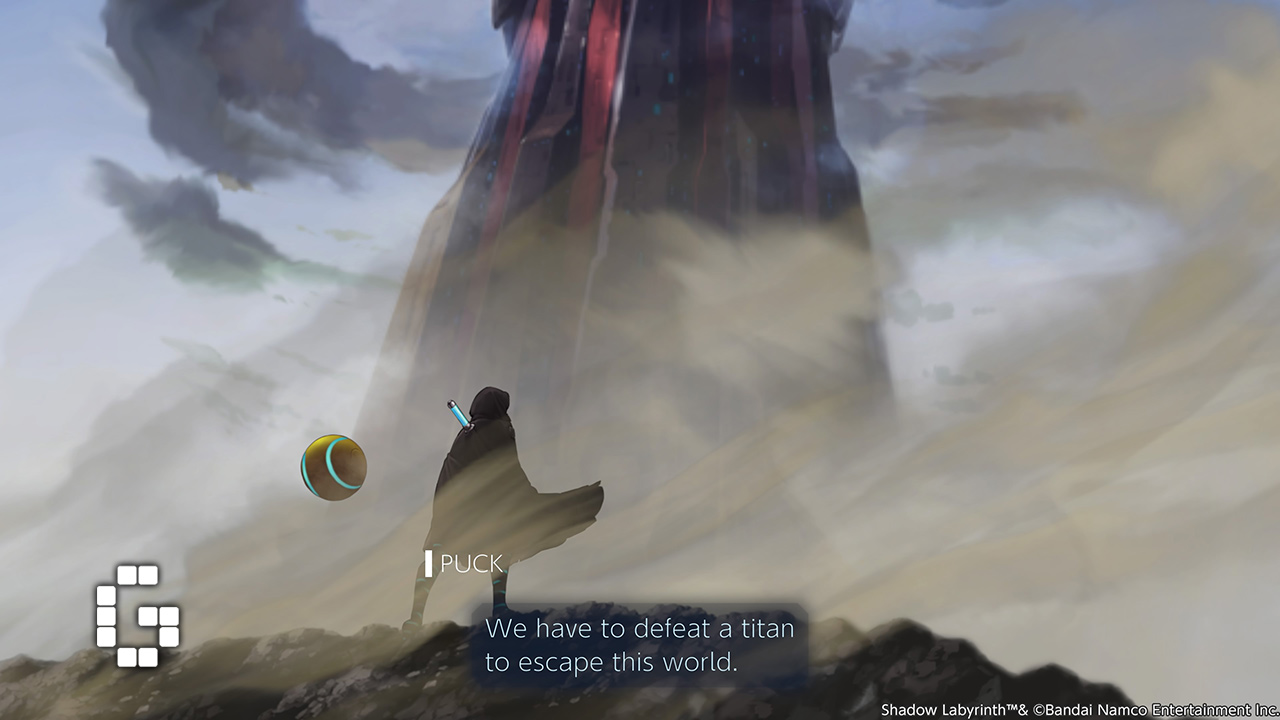
It’s a dark, strange, and surprisingly deep take on Pac-Man that works much better than expected. It’s not perfect – the platforming can feel awkward, and the difficulty spikes will scare off casual players – but when everything comes together, it’s genuinely fun.
Played on PS5, Code provided by Bandai Namco
The Review
PROS
- Deep and rewarding combat system
- Satisfying rewarding exploration with clever metroidvania design
- Awarding replayability and backtracking
- Gorgeous boss designs and animations
- Innovative mechanics like GAIA mode and Mini-PUCK traversal
CONS
- Harsh difficulty spikes will frustrate casual players
- Awkward controls during precise platforming
- Slow ESP recharge can feel punishing
- Exploration can become frustrating without clear direction