



![[EXCLUSIVE] Dragon’s Dogma 2: Dark Arisen Team Opens Up About the Expansion’s Name, New Norgan Region, and Performance Goals](https://cdn.gamerbraves.com/2026/07/Dragons-Dogma-2-Dark-Arisen_Interview_FI-360x180.jpg)












After spending time with Resident Evil Requiem, it’s clear that Capcom is attempting something ambitious with this entry. The game offers two completely different experiences through its dual protagonists, Leon and Grace, who navigate the same infected facility in fundamentally different ways. Leon brings the high-octane action fans loved in Resident Evil 4 and 6, while Grace returns to the tense, resource-starved survival horror that defined Resident Evil 2 and 7. This preview for Resident Evil Requiem took about 30 minutes spent as Leon and roughly two and a half hours as Grace, revealing how these contrasting approaches blend tension, horror, and action into a cohesive experience.
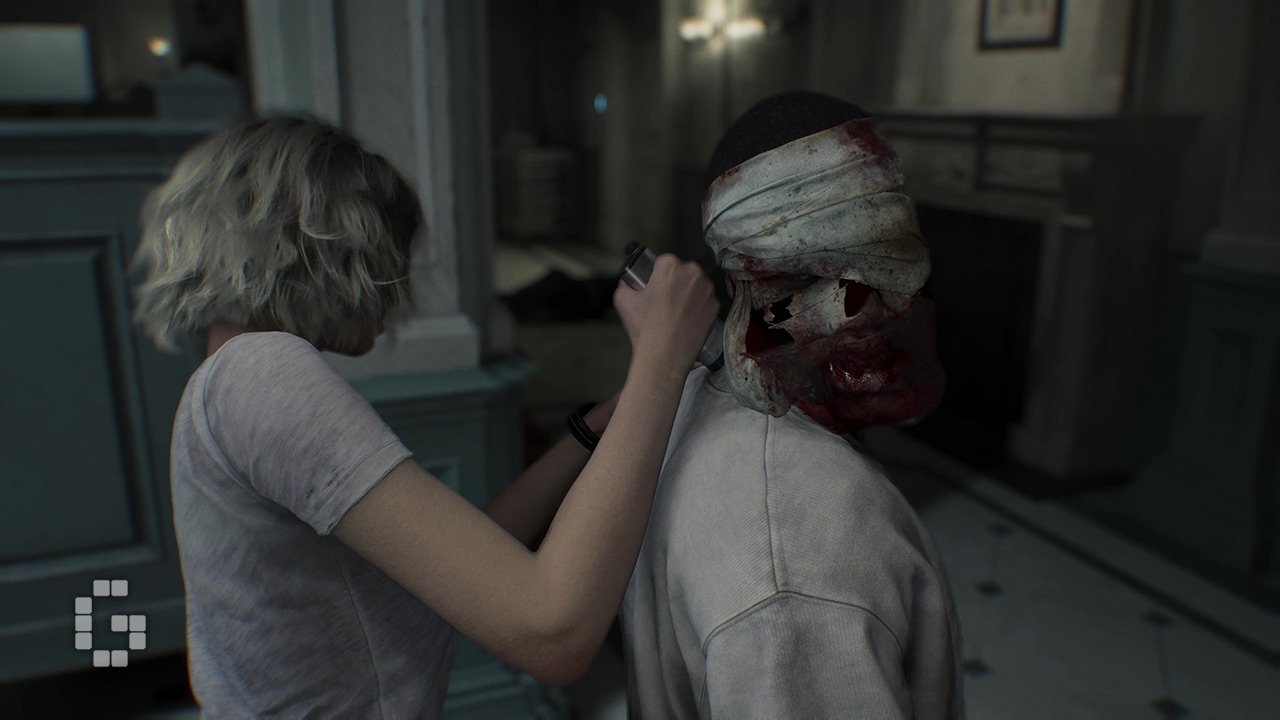
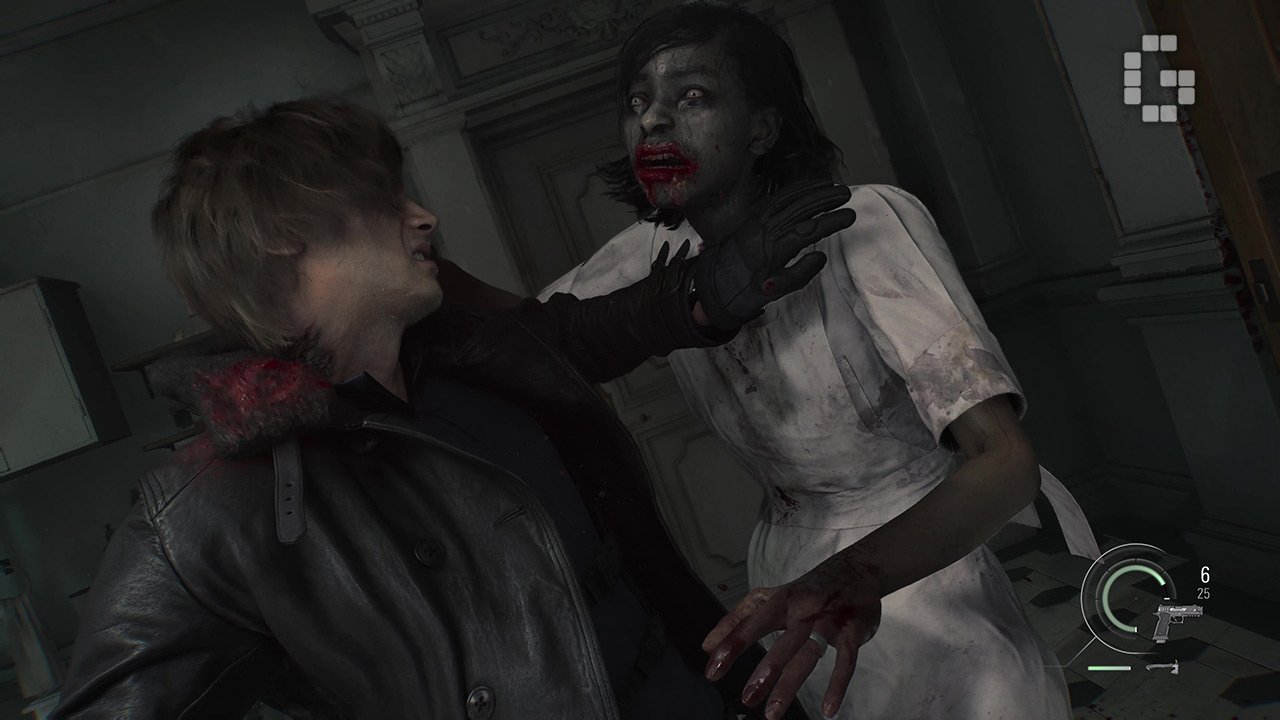
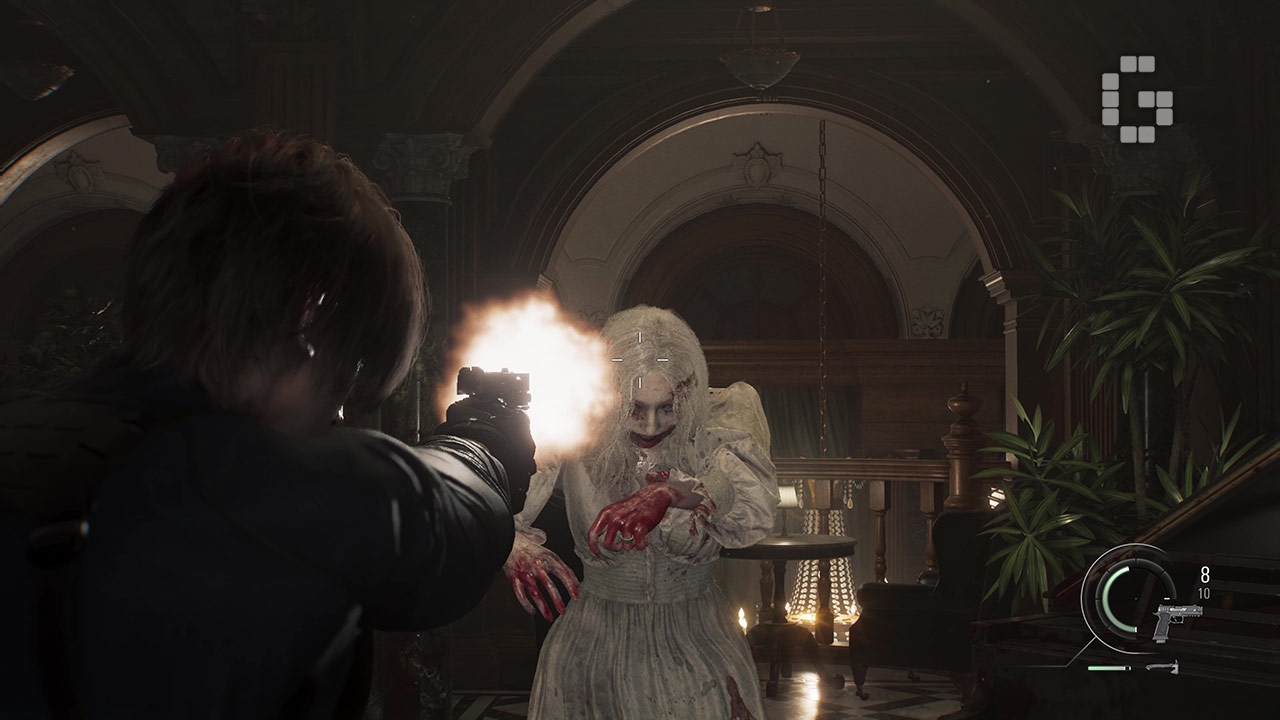
The entire preview takes place in the Rhodes Hill Chronic Care Center, so most zombies are doctors, nurses, cleaners, and patients. This setting introduces new zombie types with unique behaviors. Some zombies can talk and even argue with each other.
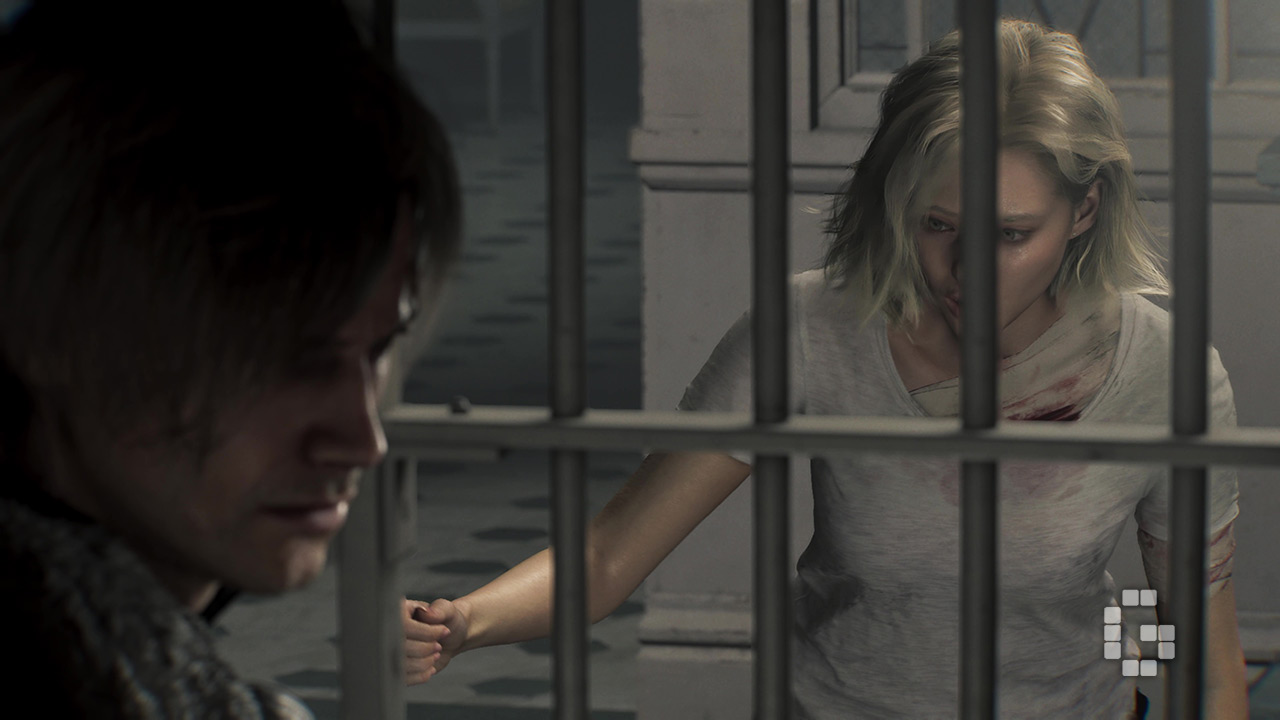
These zombies act in ways that tie directly into puzzles and enemy luring. If a zombie turns off the lights in one area, players can switch on another light to attract it and clear a path forward. Different zombie types like chefs, singers, and cleaners each have their own behaviors and special moves, requiring players to observe them carefully and find the right approach. They feel similar to elite enemies that require more thought to handle.
The map isn’t very large and strongly resembles the police station from Resident Evil 2. It’s divided into areas like the east wing, west wing, and a central hall, with many smaller sections connected together. Players progress step by step, unlocking new areas as they move forward. Grace’s sections especially follow a classic structure. Players often need to reach one area, find it locked, then explore another area to locate a key item before returning to unlock new paths. This loop reinforces the survival horror feel and encourages careful exploration.
Leon: Action and Aggression
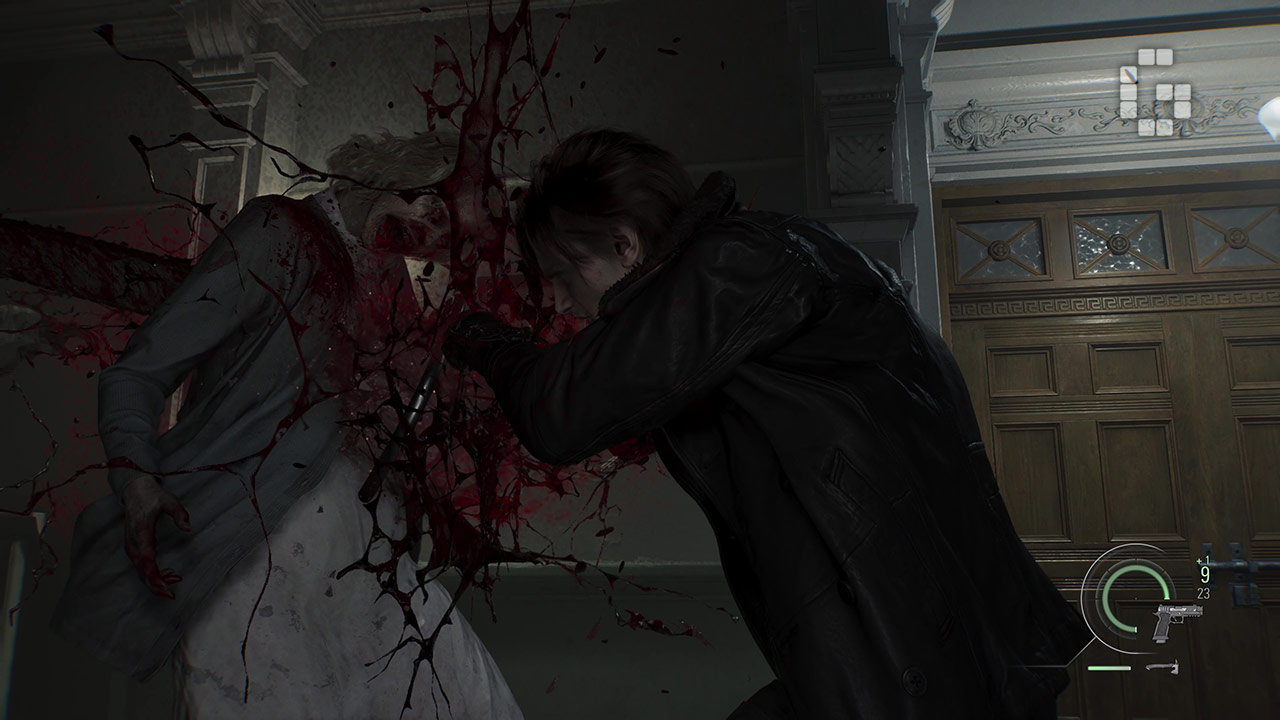
Leon’s sections throw players straight into combat. He arrives at the Rhodes Hill Chronic Care Center equipped with three weapons: the Requiem revolver, a pistol, and a hatchet. An unknown woman guides him over the radio throughout his mission. His inventory uses an attaché case system similar to Resident Evil 4, letting players arrange items however they want.
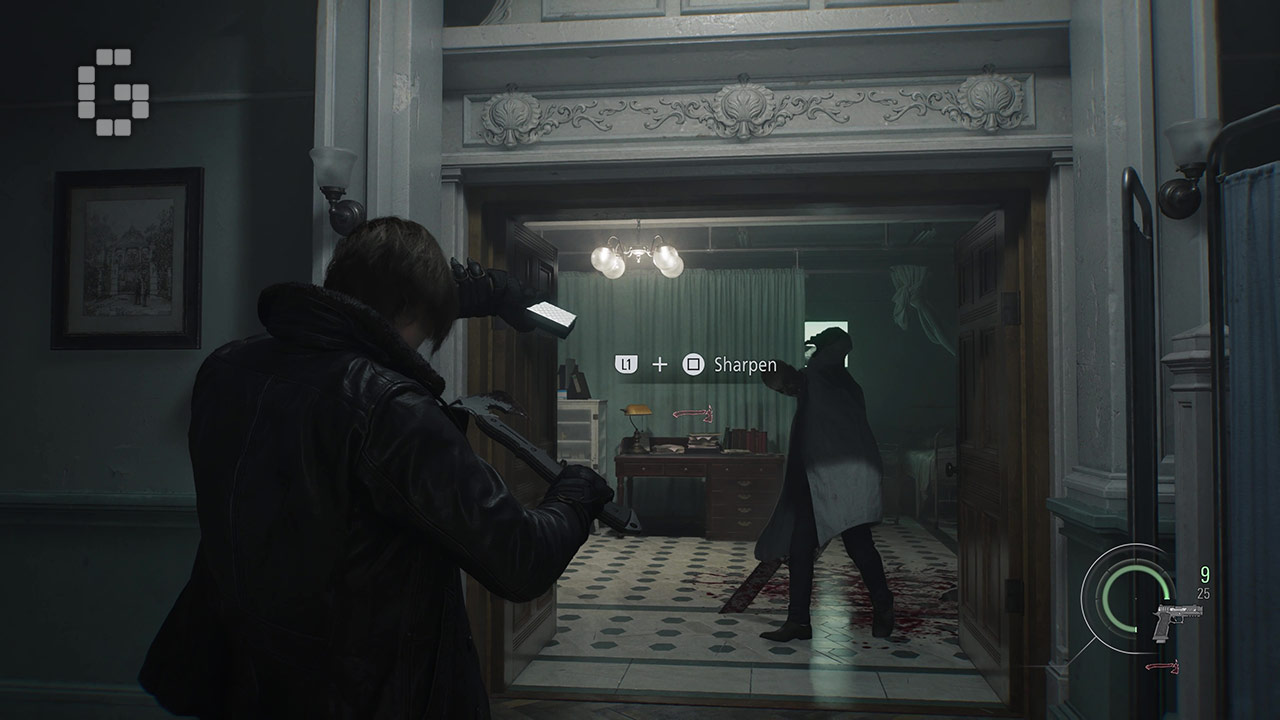
The hatchet works much like the knife from RE4, complete with a durability system. When it wears down, players can sharpen it using sharpening stones by pressing L1 + Square on PS5. The hatchet also functions as a defensive tool, allowing Leon to parry enemy attacks with L1. Parrying a chainsaw attack drops the hatchet’s durability to zero immediately, requiring another sharpening. During the demo, the hatchet was sharpened multiple times without breaking completely, though it’s unclear if certain enemies can destroy it permanently or if some attacks simply can’t be parried.
The chainsaw mechanic adds a layer of chaos to combat. Enemies can drop chainsaws, and players can pick them up. However, grabbing a running chainsaw damages Leon unless you shoot it first or wait for it to stop. Other zombies can also grab chainsaws or throw them at the player, creating constant danger. The chainsaw itself feels brutal and wild rather than precise, emphasizing raw power over control.
Missing a parry or running out of hatchet durability against a chainsaw attack means almost instant death. Zombies sometimes attack each other with chainsaws, leaving the weapon stuck in another enemy. If that enemy approaches the player, it can still cause a sudden death. The level design encourages circular movement while managing multiple threats, making the chainsaw a persistent concern rather than a single enemy type to avoid. After this opening section, Leon hands the Requiem revolver to Grace, and the perspective shifts to her gameplay.
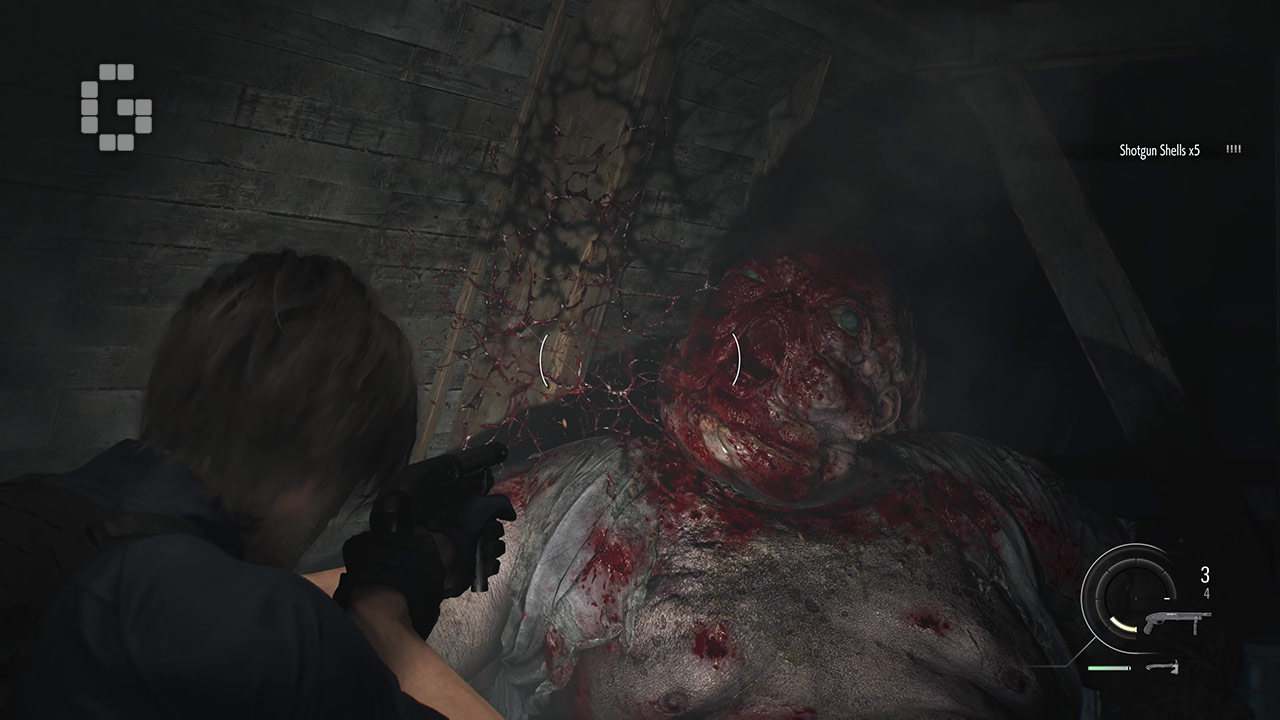
A later Leon segment lasts about 15 minutes and features similar enemies to Grace’s sections but with heavier gunplay. This section leads into a boss fight against the giant baby-like creature shown in the trailer. The first-person mode available during this fight feels very similar to Ethan’s perspective in Resident Evil Village, though kick and execution animations still switch back to third-person.
Leon gains access to a shotgun with limited ammo during this section. The boss fight follows a familiar pattern: lure the boss, deal damage while moving, collect ammo, and wait for the right moment to attack. After defeating the boss, Leon returns to the main area where Grace’s gameplay took place. While it’s the same map, Leon can unlock certain areas or items that Grace cannot access.
According to the producer, Leon and Grace share the same map and enemies. Any enemies not defeated during Grace’s gameplay remain when playing as Leon. Some elite enemies drop rare items like charms or coins.
Leon’s gameplay moves quickly and focuses on action. Ammo is fairly generous, and players can conserve bullets by shooting enemies’ legs and using execution moves. His playstyle feels satisfying, with the hatchet and chainsaw mechanics adding fresh depth to combat.
Grace: Survival and Stealth
Grace’s gameplay feels much closer to Resident Evil 2. Her inventory starts with only eight slots, forcing players to carefully manage items and store extras in item boxes. Key items also take up inventory space. Finding a small pouch unlocks two additional slots, working exactly like the system in RE2.
Grace can collect glass bottles, small knives, lockpicks, injectors, herbs, scrap materials, and more. The main focus is crafting rather than simply finding items. Players need to locate specific key item tubes and use computers to solve molecular modeling puzzles that unlock crafting recipes. Once unlocked, players can craft items like ammo, recovery items, and stealth weapons using blood collected through a blood collection mechanic.
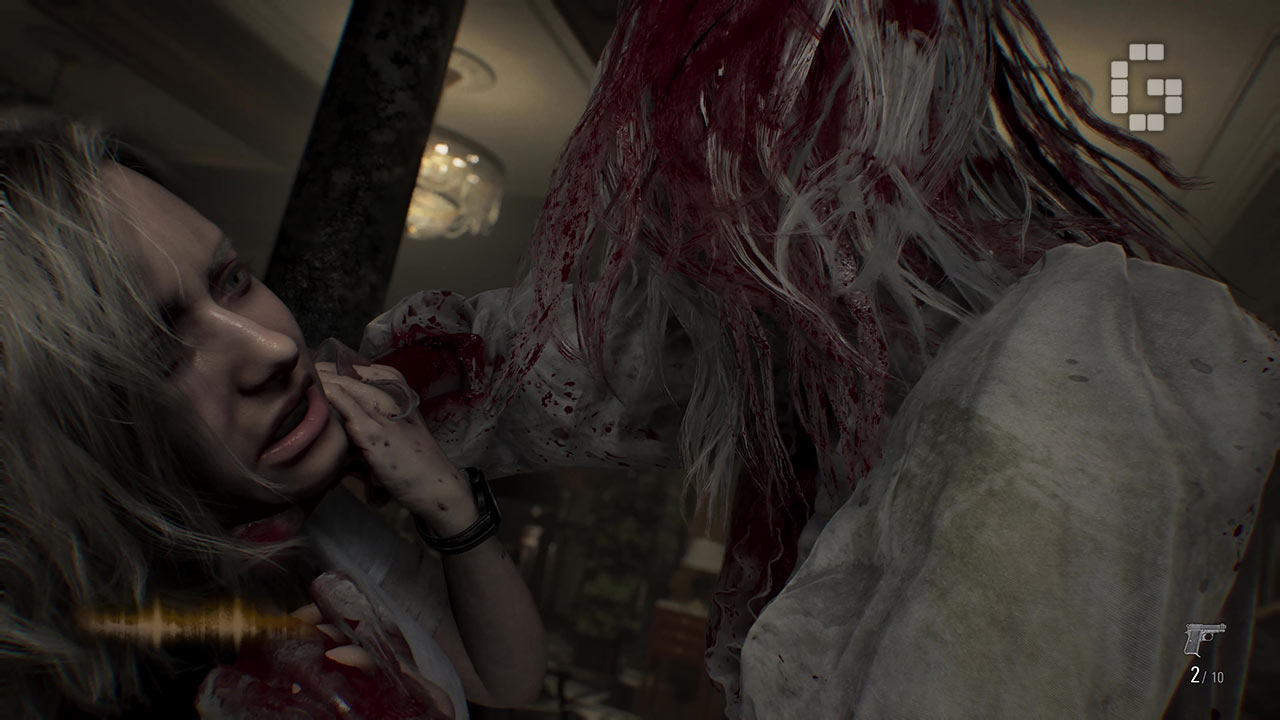
Grace relies heavily on stealth. Players are encouraged to conserve ammo, avoid enemies, and move carefully through environments. While Leon plays as an attacker, Grace feels like a survivor trying to stay alive while solving puzzles. The puzzles themselves resemble those in RE2 and RE7, often requiring players to read documents, examine images, and return to puzzle locations to apply clues. Some puzzles require detective-style thinking, and players can access collected documents while solving them to search for hints.
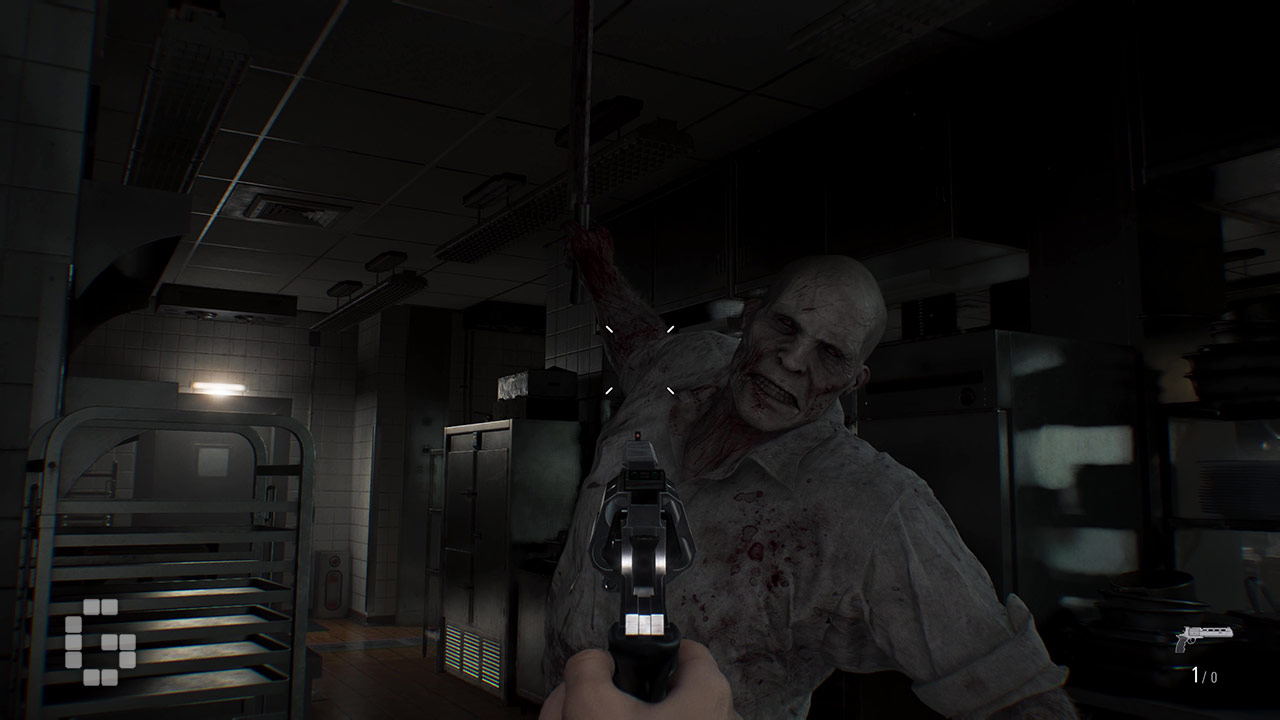
Grace fights far less than Leon. Her reactions greatly enhance the horror atmosphere. Her heavy breathing, panicked movements, and screams when killing zombies make encounters feel more intense and personal. In third-person view, the horror feels slightly reduced. While you can clearly see Grace running and almost falling over, the overall experience doesn’t feel very different compared to first-person.
Final Thoughts
Resident Evil Requiem blends action and horror through two very distinct playstyles. Leon’s action-heavy gameplay brings back the fast-paced combat of RE4 and RE6, while Grace’s slower, more horror-focused approach clearly reflects the atmosphere of RE2 and RE7. Switching between these two perspectives helps keep the experience fresh and well-balanced.

The new ideas stand out. The smarter zombie behaviors, the ability for certain zombies to talk and interact with each other, and the emphasis on stealth and environmental manipulation make the game feel different from past titles. These elements don’t just add variety but also push players to think more carefully about how they approach each situation.
Based on this preview, Resident Evil Requiem respects the series’ legacy while introducing new mechanics and ideas. It successfully offers two different perspectives and playstyles within the same location, giving players the chance to experience both intense action and tense survival horror in one game.