

![[EXCLUSIVE] Dragon’s Dogma 2: Dark Arisen Team Opens Up About the Expansion’s Name, New Norgan Region, and Performance Goals](https://cdn.gamerbraves.com/2026/07/Dragons-Dogma-2-Dark-Arisen_Interview_FI-360x180.jpg)










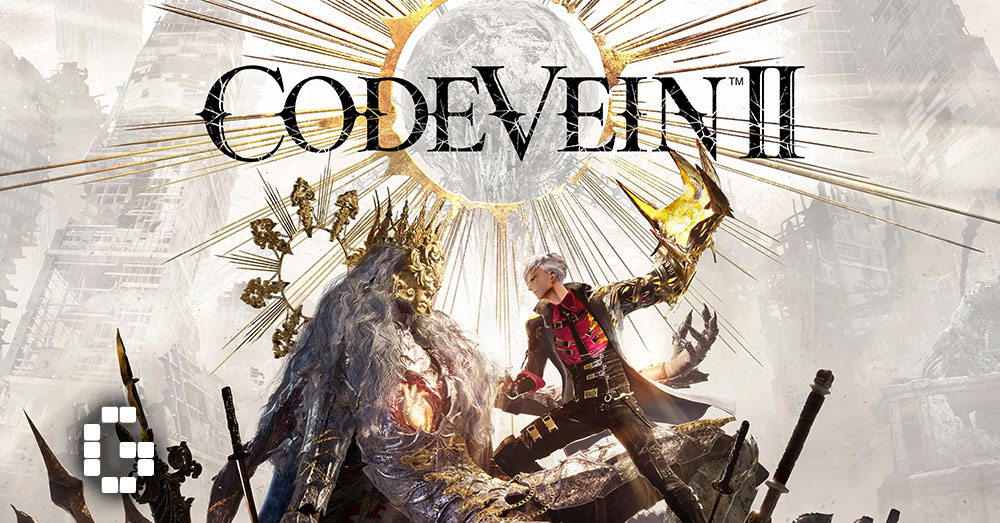
After nearly seven years since the original game launched, CODE VEIN II brings significant changes to the anime soulslike formula. This sequel swaps vampiric Revenants for Revenant Hunters, introduces time travel mechanics, and makes the leap to open-world design. It’s an ambitious expansion that mostly succeeds in delivering a bigger, more refined experience, though serious technical issues on PlayStation 5 prevent it from reaching its full potential. Our review of CODE VEIN II will cover the story, open-world implementation, combat improvements, progression systems, and the unfortunate performance problems that plague the console version.
A Fresh Start with Familiar Emotional Beats
CODE VEIN II tells a completely new story with its own cast of characters, so newcomers can jump in without playing the first game. The world faces destruction from Luna Rapacis, a monstrous threat born from a phenomenon called The Resurgence. This time you play as a Revenant Hunter rather than a Revenant, creating an interesting dynamic where you protect humanity while some peaceful Revenants see you as a threat.
The story kicks into gear when your protagonist is revived with half the heart of Lou Magmell, a Revenant girl who possesses the power to travel through time. This shared soul links you together on a mission to journey into the past and strengthen Lou’s abilities to save the world. The character dynamics show real improvement over the first game, with Lou proving more compelling than her predecessor Io.
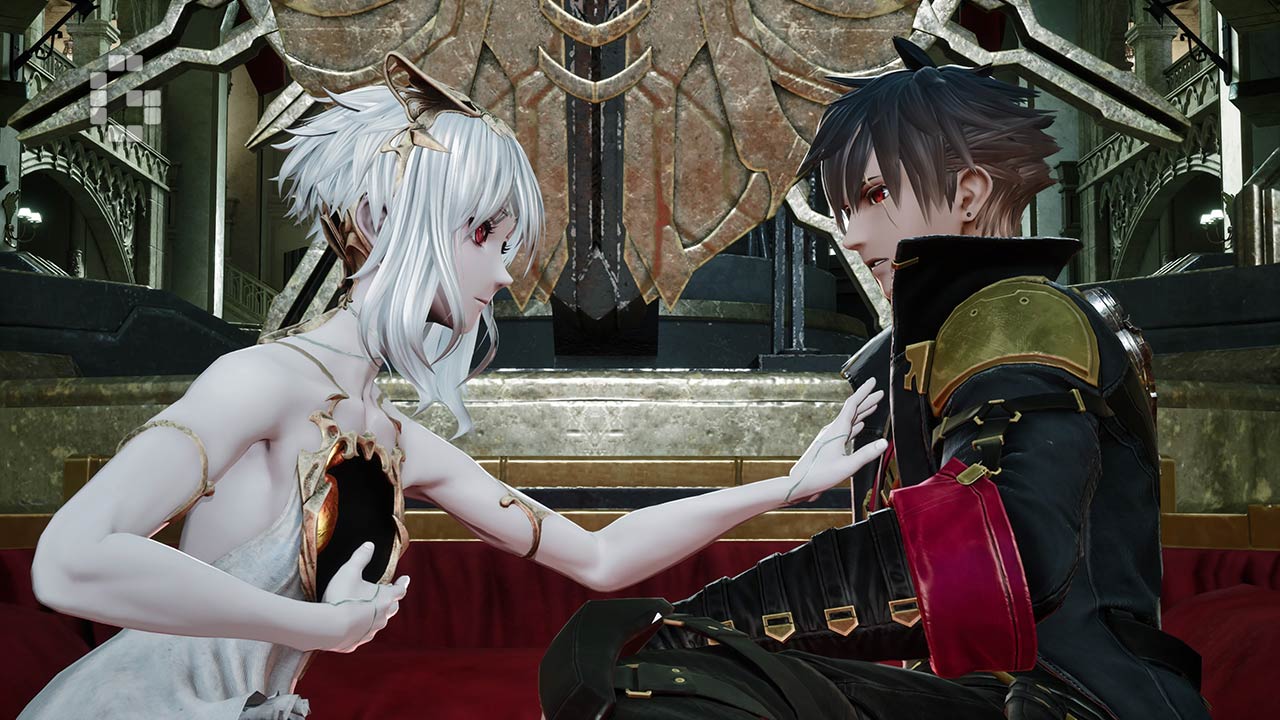
However, the pacing moves too quickly for relationships to feel natural. Characters you just met suddenly act like close friends or romantic partners without proper buildup. Iris, for example, appears almost like a random NPC despite being an available partner for your journey. These rushed introductions hurt what is otherwise a strong, emotionally charged story. The return of the iconic track “Memory of the Lost” during flashback scenes delivers the emotional punch that fans of the series expect.
Open-World Exploration That Mostly Delivers
The shift to open-world design is the biggest change in CODE VEIN II and likely the main reason for the lengthy development time. The scale is genuinely impressive, especially considering how few soulslike games attempt this structure outside of Elden Ring. The execution is solid overall, though exploration starts small on Magmell Island before opening up dramatically once you reach the mainland.
The world encourages discovery through side quests, optional dungeons, and hidden secrets scattered throughout the environment. Dynamic weather changes add to the immersion, and the time travel theme creates the feeling of exploring two different worlds set in different eras. This keeps exploration fresh even when revisiting the same locations. The developers clearly learned from level design mistakes in the first game, like the frustrating Cathedral of the Sacred Blood, as areas here are less likely to cause annoyance.
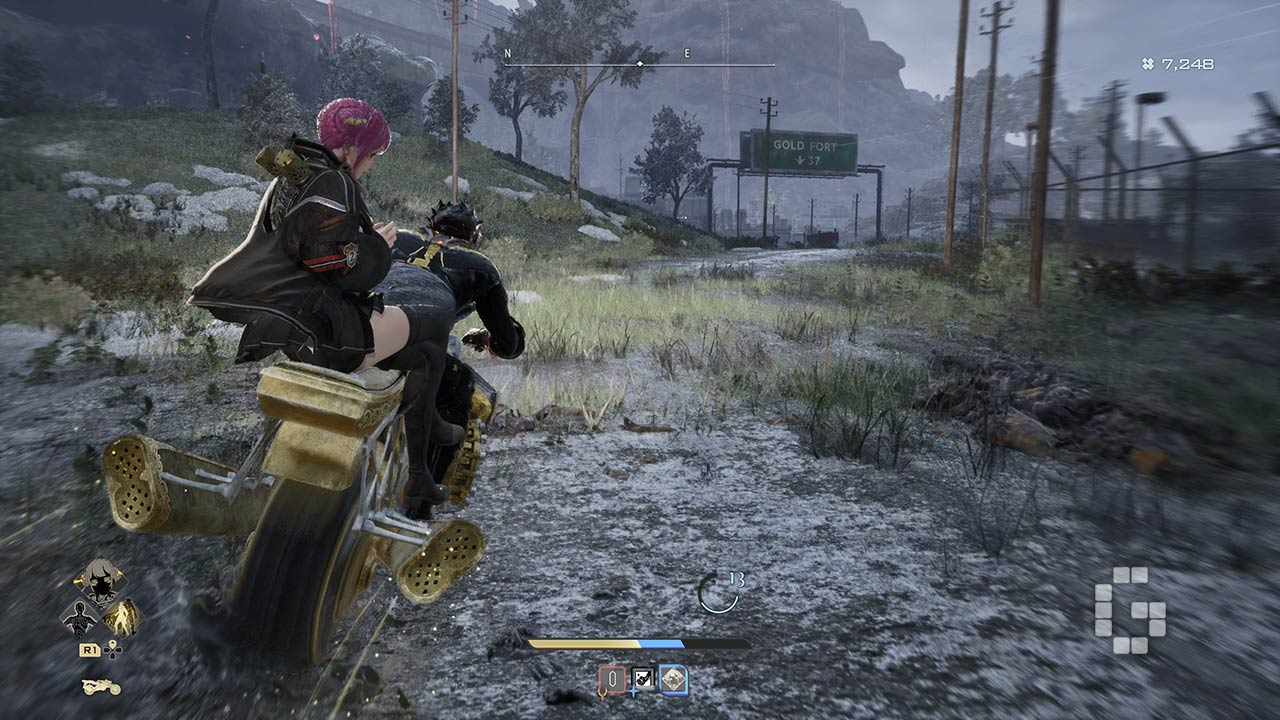
Getting around is made easier with a motorcycle that your character can ride, with specific routes designed for vehicle travel. Mistle points serve as checkpoint locations where you can fast travel, level up, customize weapons, upgrade healing abilities (called Regeneration), and swap partners. To reveal hidden map sections, you need to defeat weak purple-marked enemies called Map Jammers.
Your main hub is MagMell, which houses important facilities for character strengthening, training grounds, and places to interact with allies for advancing missions. It functions similarly to the first game’s hub but feels larger and more alive. The hot spring returns and even appears in outdoor areas, sometimes providing new item synthesis recipes.
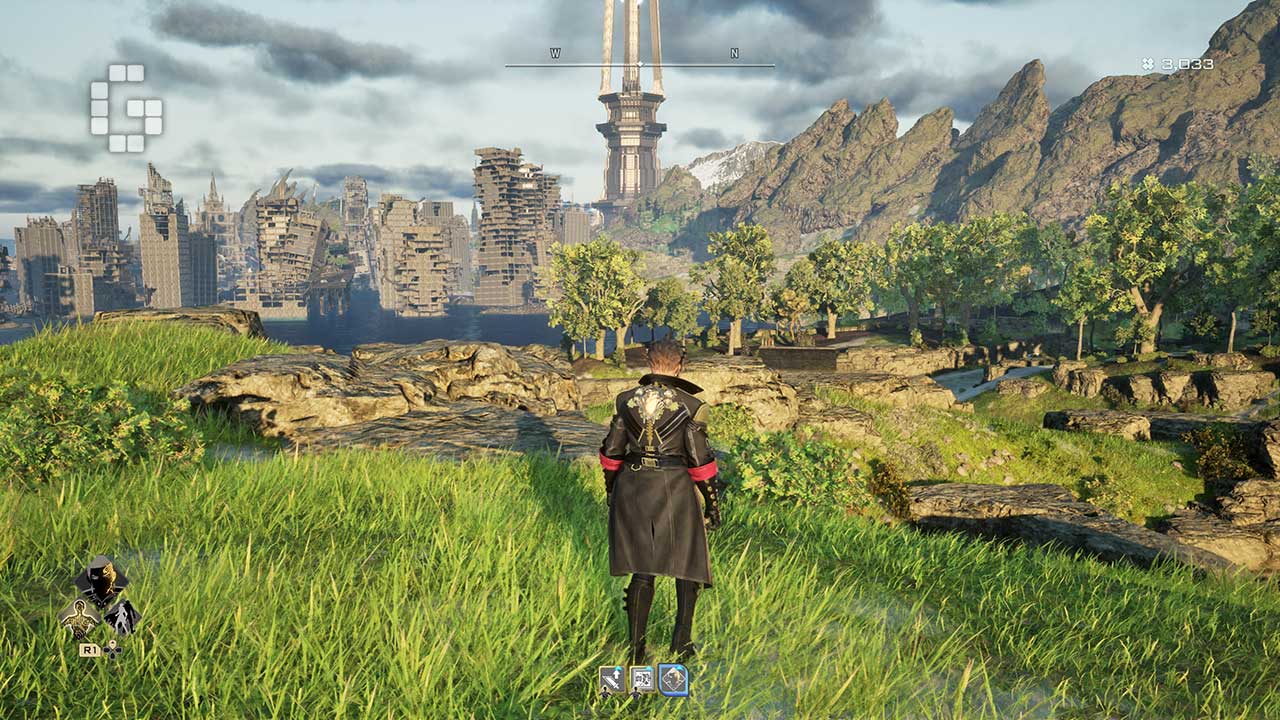
Despite these positives, the open-world approach highlights some shortcomings. Enemy variety remains limited, with frequent repetition of the same types with minor variations. This problem extends to bosses, where many feel recycled except for main story encounters. World and area design also suffers from similarity between locations, though the time travel mechanic helps offset this issue by showing how the same places change across different eras.
Refined Combat with New Partner Systems
The core combat maintains its familiar feel while introducing several reworks and expansions. The terminology has changed (Gifts are now called Formae, Drain attacks are tied to new equipment called Jail), but the fundamentals remain recognizable. You have four main skill slots with more options than before, including weapon-specific abilities. Blood Codes still function as a class system that influences stats and grants special traits.
The Partner system now plays a much more important role in combat. Summoning companions to the field provides bonus traits, and you can even merge your power into a single body for fusion attacks. Partners are strong fighters capable of defeating enemies almost as fast as you can, which does impact difficulty. The fusion option offers flexibility to switch between solo and duo play as needed.
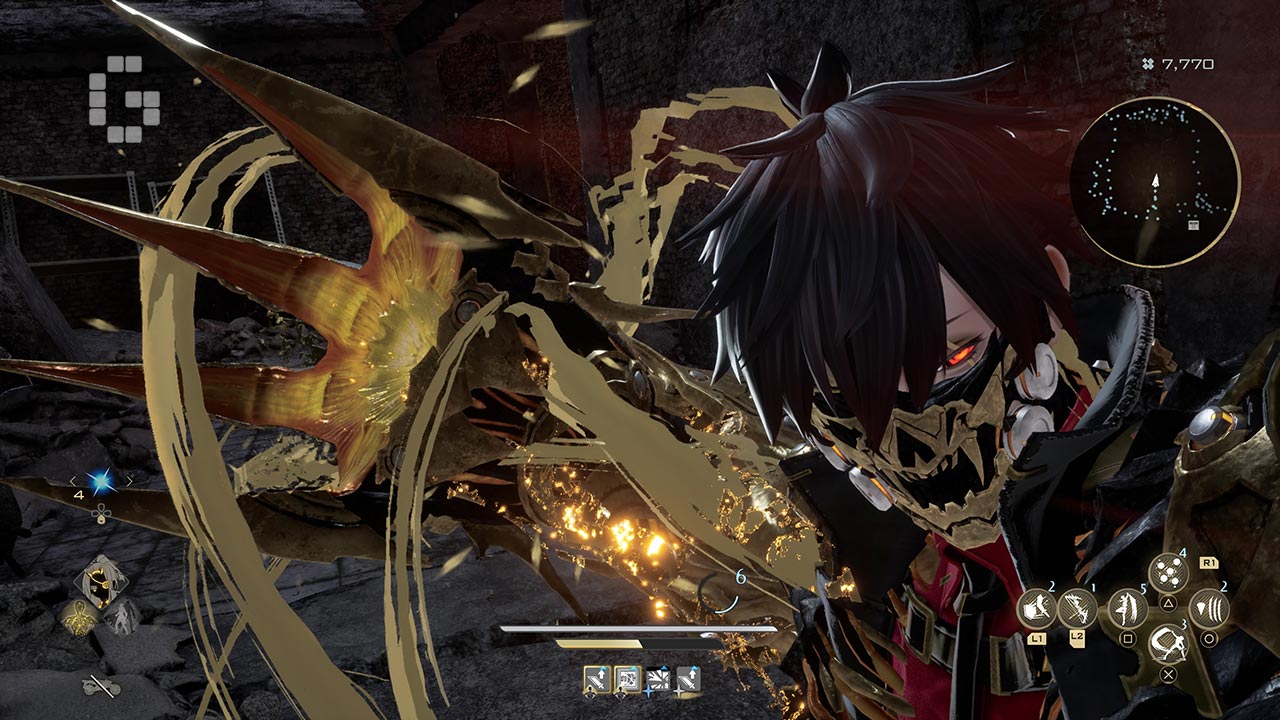
You cannot play completely alone since choosing a partner is mandatory. Beyond story reasons involving your shared soul, this requirement exists because the HP system now combines with LP, which acts as armor provided by your partner. Your character will always revive after falling, regardless of which partner you choose, even if they cannot directly fight alongside you like Jadwiga. A cooldown indicator on the partner icon means you can fall and revive multiple times in a single battle as long as you have the resource available.
This mechanic makes the game easier overall, but the expanded combat systems create a more enjoyable experience. Solo play can still provide decent challenge if you accept the revive system, and controlling enemy aggro becomes more manageable without partner interference. However, encounters with large groups clearly favor bringing a partner along.
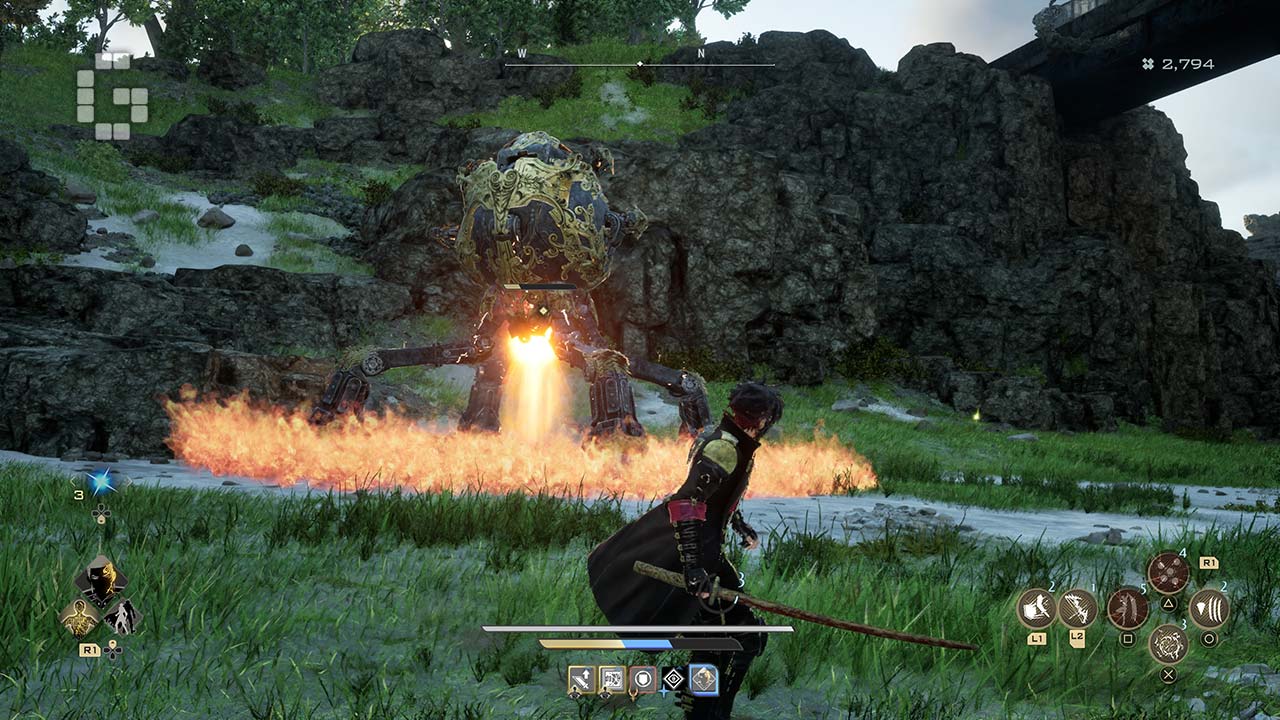
The Ichor rotation system returns unchanged, which is good news. Ichor works like mana for skills, but instead of consuming limited items, you refill it through Drain attacks during combat. Since these attacks also function as finishing moves when enemies are staggered, you can deal maximum damage while restoring Ichor simultaneously.
The best combat improvement is how attacks feel. Hitstop and sound effects now make strikes feel far more impactful instead of hitting weightless targets. Character animations are smoother with better control responsiveness. Even though the Partner system reduces difficulty, the overall combat experience feels more polished.
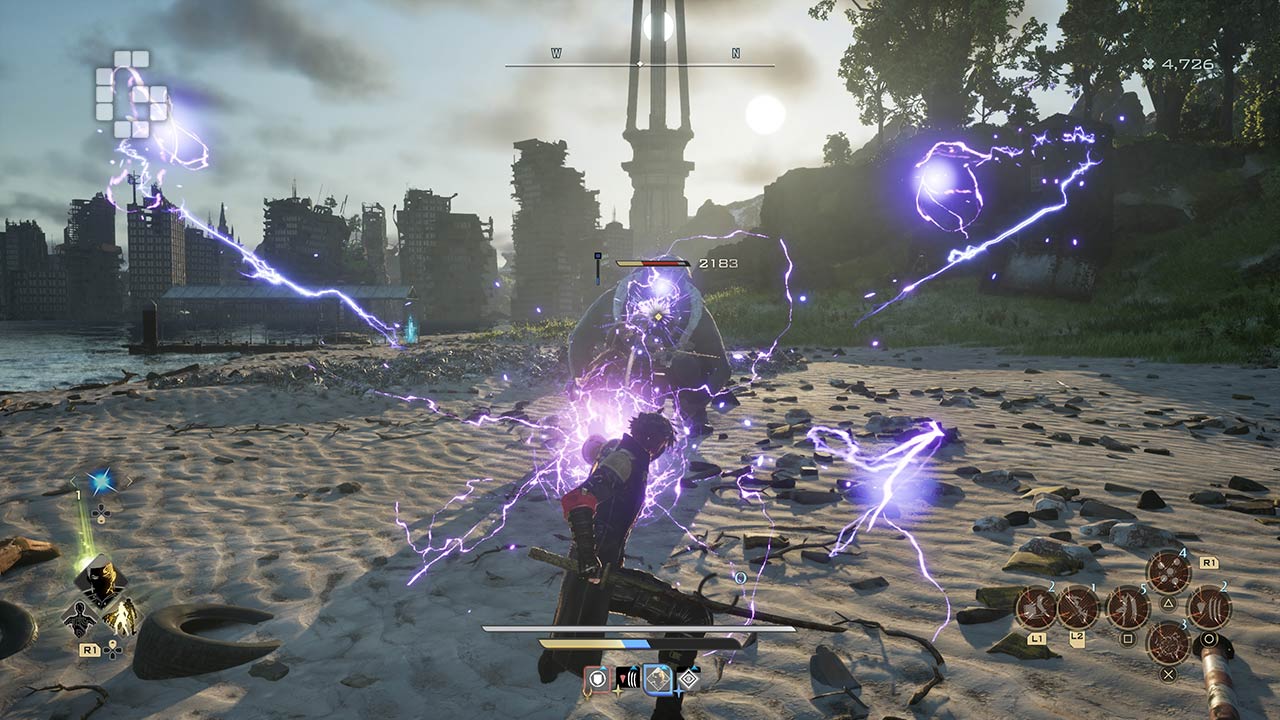
Flexible Progression and Character Building
The open-world structure gives you freedom to choose between advancing the main story, completing character-focused side quests, or exploring to grind and find secrets. Even story missions allow flexibility, with some completable at your own pace and others presenting choices about whether to change the past.
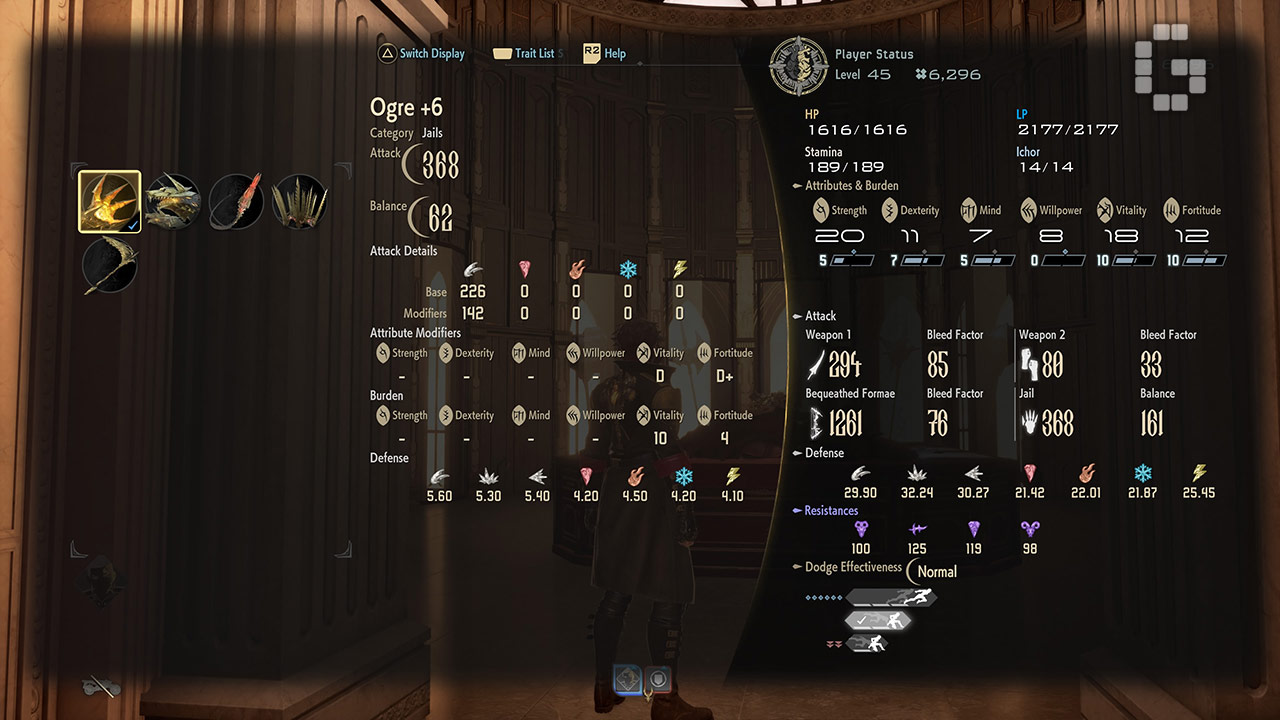
Character progression extends beyond simple leveling. Important elements include Blood Code choice, weapons, Formae skills, Jail equipment, and the new Booster system that enhances stats. Many weapons and Formae skills can be discovered in optional locations, rewarding thorough exploration.
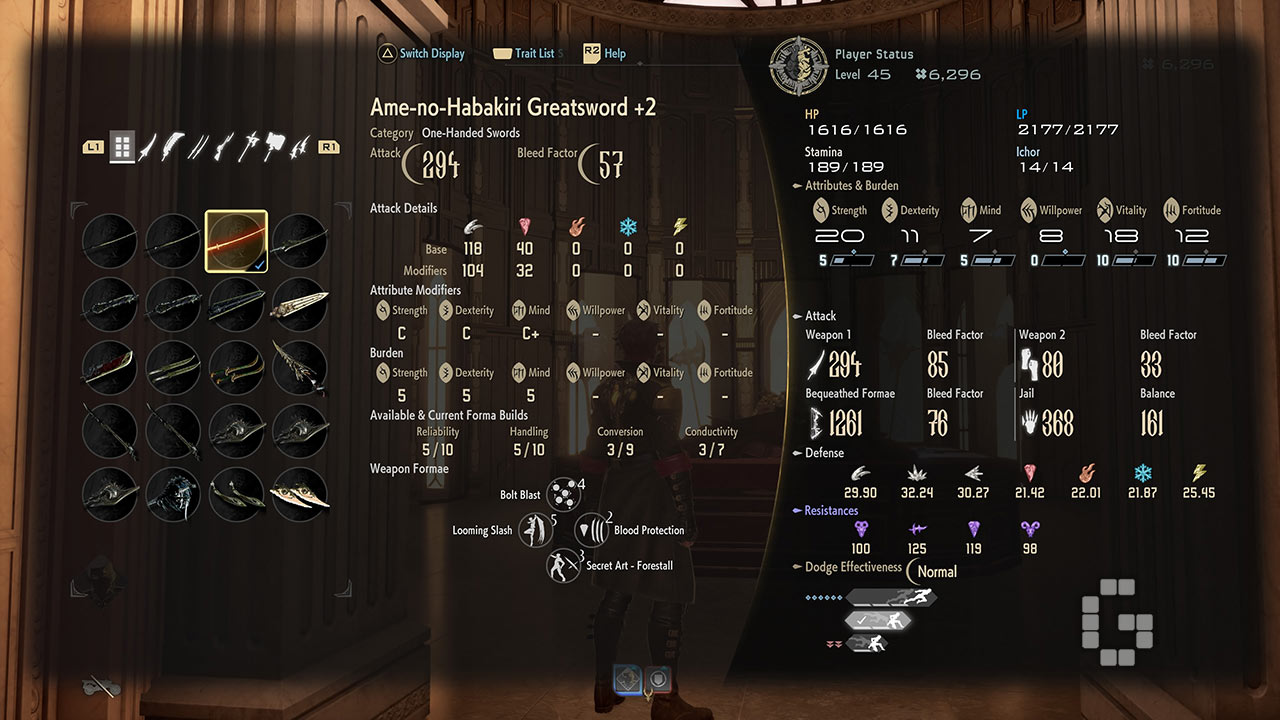
The most important system to manage is Burden, which applies penalties based on how heavy your character’s attributes become from equipped gear and Blood Code. Each attribute applies different penalties when overloaded. For example, excessive Fortitude causes the Inhibit status when you run out of stamina, limiting Formae skill access and even preventing motorcycle use. This creative system adds meaningful consequences to build choices instead of just slowing movement like most soulslike games.
Extensive Customization Options and Standout Photo Mode
Character customization has always been a series strength, and CODE VEIN II expands it significantly with more options than before, including areas that seem unexpectedly customizable. However, the new 3D character style based on Kurumi Kobayashi’s designs makes recreating characters from the first game fairly difficult. Some limitations exist, like restricted facial structure options and a default-only mouth shape.
Body shape is also restricted since both male and female models fit default proportions. Players wanting younger or older appearances, or thinner or heavier builds, may find the proportions do not match their vision. The absence of online co-op this time might reduce motivation for perfecting character appearance.
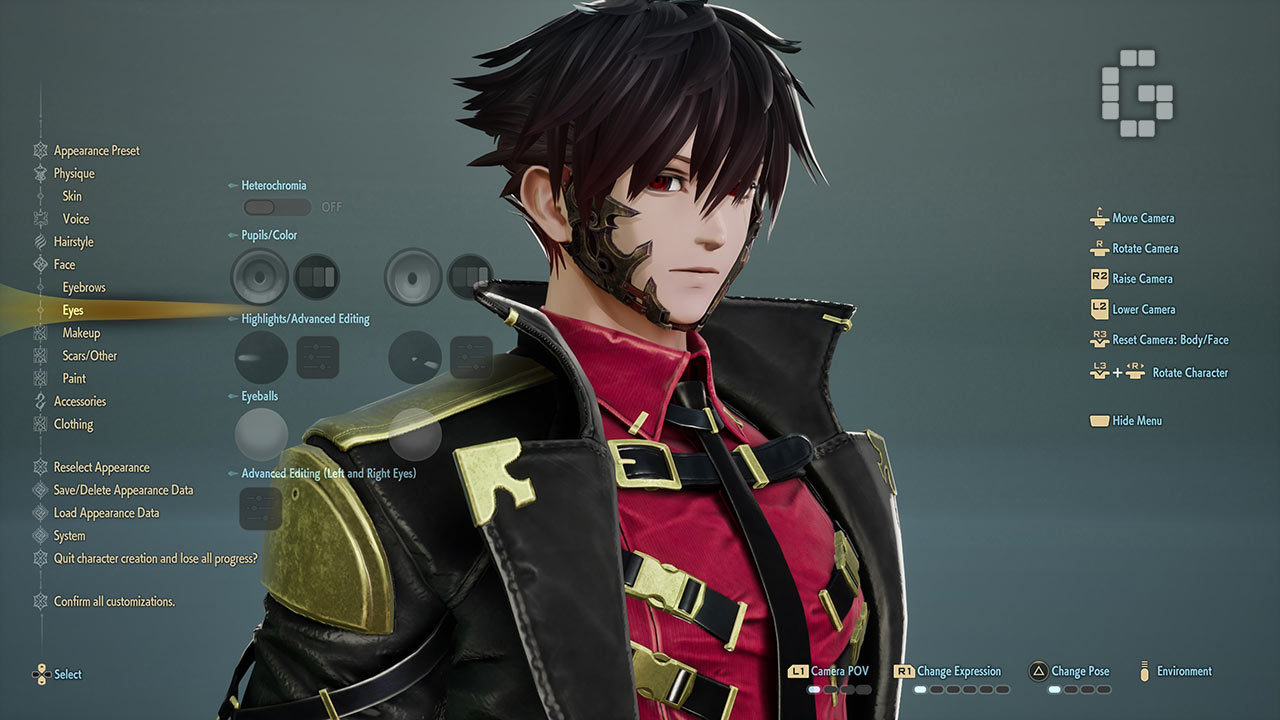
The Photo Mode deserves special recognition for going far beyond expectations. Real-Time mode stands out by keeping the game running, preserving animations and allowing frame movement adjustments. This means you can record videos of your character’s actions from any angle while changing expressions and emotes, not just take static photos.
The game provides over 140 emotes, and expression and emote settings even apply to nearby important NPCs like Jadwiga or Lavinia, despite them not being playable. A dedicated settings menu for Photo Mode controls shows the special attention given to this feature.
Serious Performance Problems on PlayStation 5
CODE VEIN II performs very poorly on PlayStation 5 from a technical standpoint. The biggest problem is drastic FPS differences between outdoor and indoor areas. Options to prioritize smoother action or better visual quality show no real difference between modes.
Graphics Priority mode still suffers in areas that should have been optimized. Issues include low-quality textures with frequent pop-in during story cutscenes, aggressive blur effects, poor draw distance where enemies suddenly appear at close range, and inconsistent lighting.
Technical problems extend beyond performance. Audio frequently disappears, especially during fights with giant monsters, leaving them completely silent and making attack patterns harder to read. Multiple crashes occurred, almost all when accessing Real-Time mode in Photo Mode.
Verdict
CODE VEIN II shows real ambition by expanding into a larger, more daring game rather than playing it safe with familiar formulas. The open-world soulslike approach succeeds in delivering solid execution while refining what fans already enjoyed. Open-world implementation works well with freer progression, time-travel elements that keep exploration engaging, and rewarding discovery that avoids feeling dull. Combat improvements through new systems create a more polished experience, though the Partner system may feel overpowered to some players since even solo runs grant automatic revives.
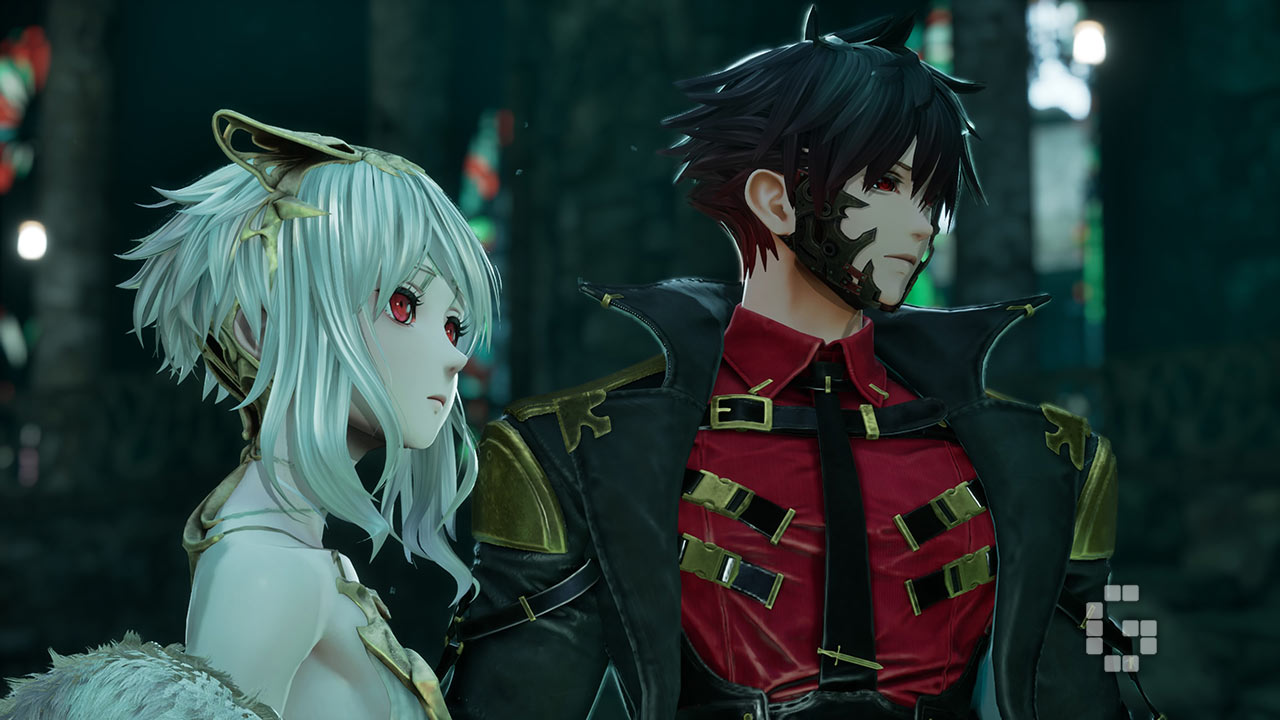
Various shortcomings exist, but none prove more critical than the technical problems on PlayStation 5, which seriously impact enjoyment. If you are interested in CODE VEIN II, waiting for future patches or considering the PC version makes sense, as it may offer better optimization than the current console release.
Played on PS5





The Review
CODE VEIN II
PROS
- An engaging story filled with emotional moments, even if the pacing feels too fast in some parts
- A successful evolution into an open-world format, with large-scale content, freer progression, and rewarding exploration
- No more frustrating or tedious level design like the Cathedral of the Sacred Blood from the first game
- The time-travel theme that feels meaningful rather than just a gimmick
- Well-executed gameplay reworks with expanded skill and weapon variety
- A richer Partner system, even if it can make the game easier.
- Outstanding character customization and an excellent Photo Mode.
CONS
- Limited enemy variety with recycled bosses here and there
- No online co-op mode, despite the strong emphasis on partner relationships
- The PS5 version is plagued by technical issues and poor performance