









![[EXCLUSIVE] Brendan Gan Delivers One of Malaysia’s Best-Ever Worlds Results, Shares Thoughts on Pressure and the Local Scene](https://cdn.gamerbraves.com/2026/08/Brendan-Gan_Interview_FI-360x180.jpg)





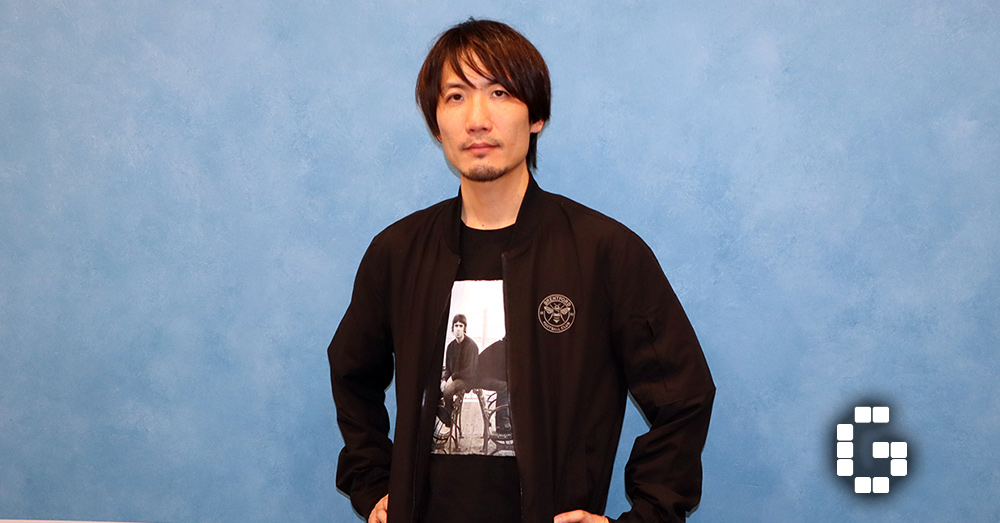
When SEGA announced it would bring its long-running Sakatsuku (SEGA Football Club Championship) series to international markets, many wondered how a franchise with 30 years of history in Japan would translate for global audiences. We sat down with Katsuya Hisai, producer of SEGA FOOTBALL CLUB CHAMPIONS 2026, to discuss the challenges of adapting a beloved domestic title for the world stage, and what players can expect when the game launches on January 22, 2026.
Starting From Scratch in Global Markets
The biggest hurdle facing the development team isn’t about gameplay or features—it’s about recognition. While Sakatsuku enjoys strong brand awareness in Japan, that familiarity doesn’t exist elsewhere.
“In Japan, everyone already knows what kind of game Sakatsuku is and what kind of gameplay you can expect,” Hisai explains.
“However, that is not something that is available globally. People do not know what kind of game it is. So for us, the biggest challenge has been that it is basically like launching a new game and not a game with an already existing brand.”
The lack of brand recognition creates ongoing challenges for the team. “This is actually something that we are still kind of struggling with when bringing this specific game into the global market, because we need to find the right positioning and the right explanation to get fans excited,” Hisai adds.
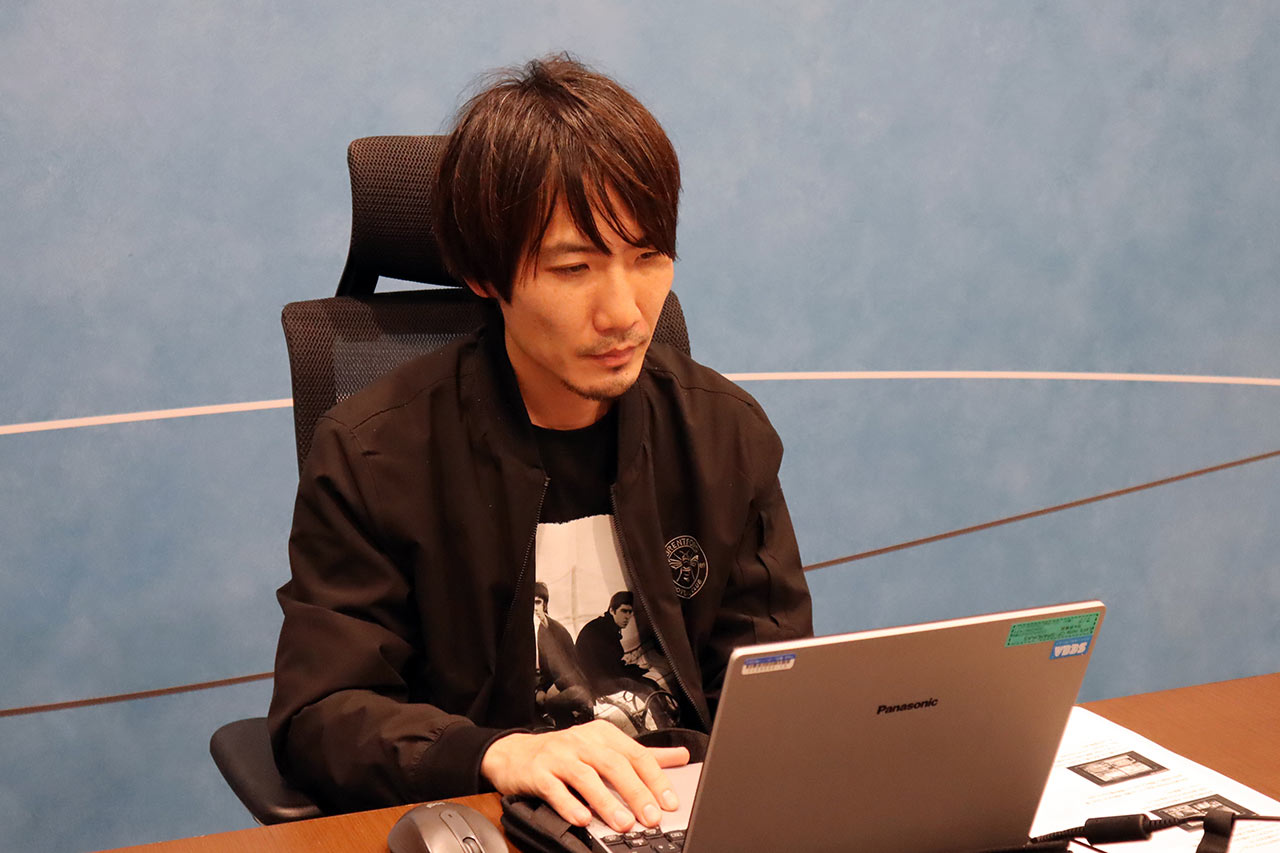
To tackle this challenge, SEGA has partnered with various platform holders beyond the standard Google and iOS distribution. “We have also reached out to more local partners as well. For example, Huawei and their AppGallery system. We are working closely with them,” Hisai says.
“And throughout the globe, there are other big partners that we have collaborated with to bring this game into local regions.”
Your Club, Your Way
What sets SEGA Football Club Champions apart from competitors like eFootball or other mobile soccer titles? According to Hisai, it’s about shifting focus from collecting star players to developing your own managerial identity.
“One of the biggest selling points that we want to showcase for our game this time around is that you will be the club manager and owner yourself. You will be bringing a club from a local hometown to global glory, worldwide,” Hisai explains.
“And that process is something that we hope works with the global audience. We are hoping that this feature, this type of gameplay of bringing local to global, is something that is popular with users abroad.”
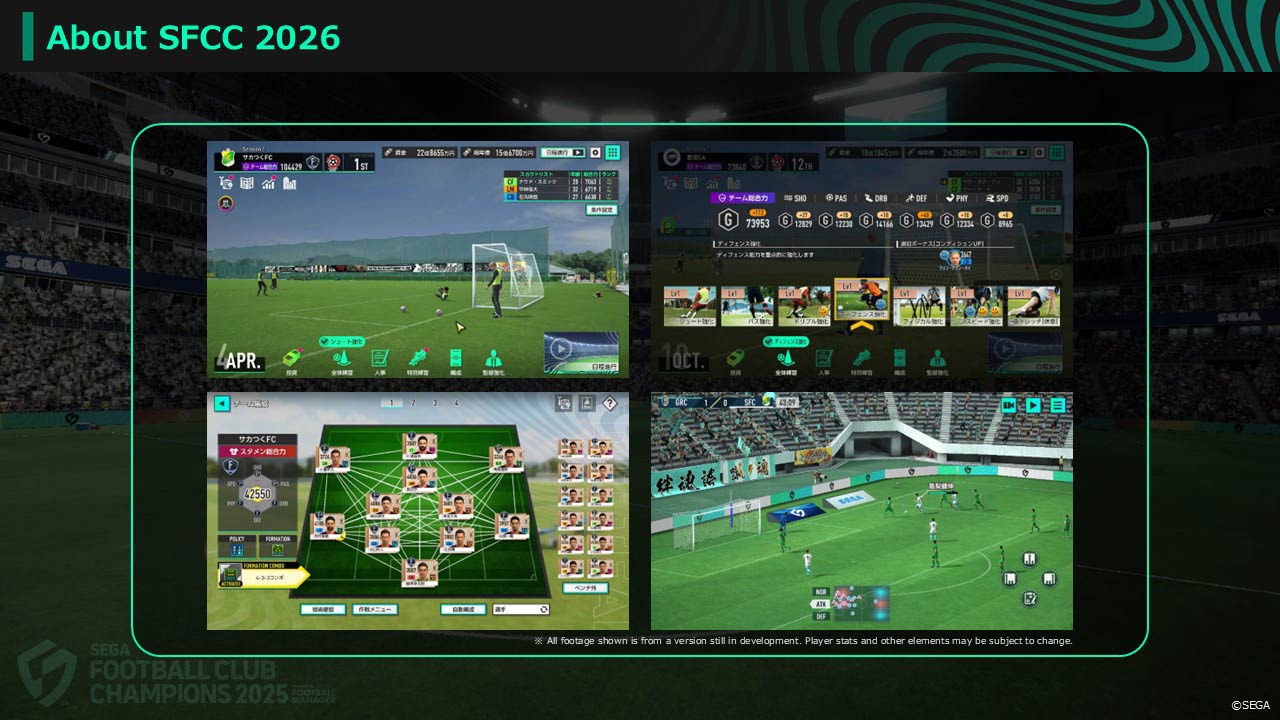
The distinction from other mobile soccer games is clear in the approach to team building. “In other soccer titles, specifically free-to-play soccer games that are our competitors, it is mostly about getting players from the gacha, getting stronger players into your team, and then using those players to play the game. That is kind of how the gameplay looks,” Hisai says. “However, for us, we wanted to divert from that a little bit and make it about you and your managerial skills.”
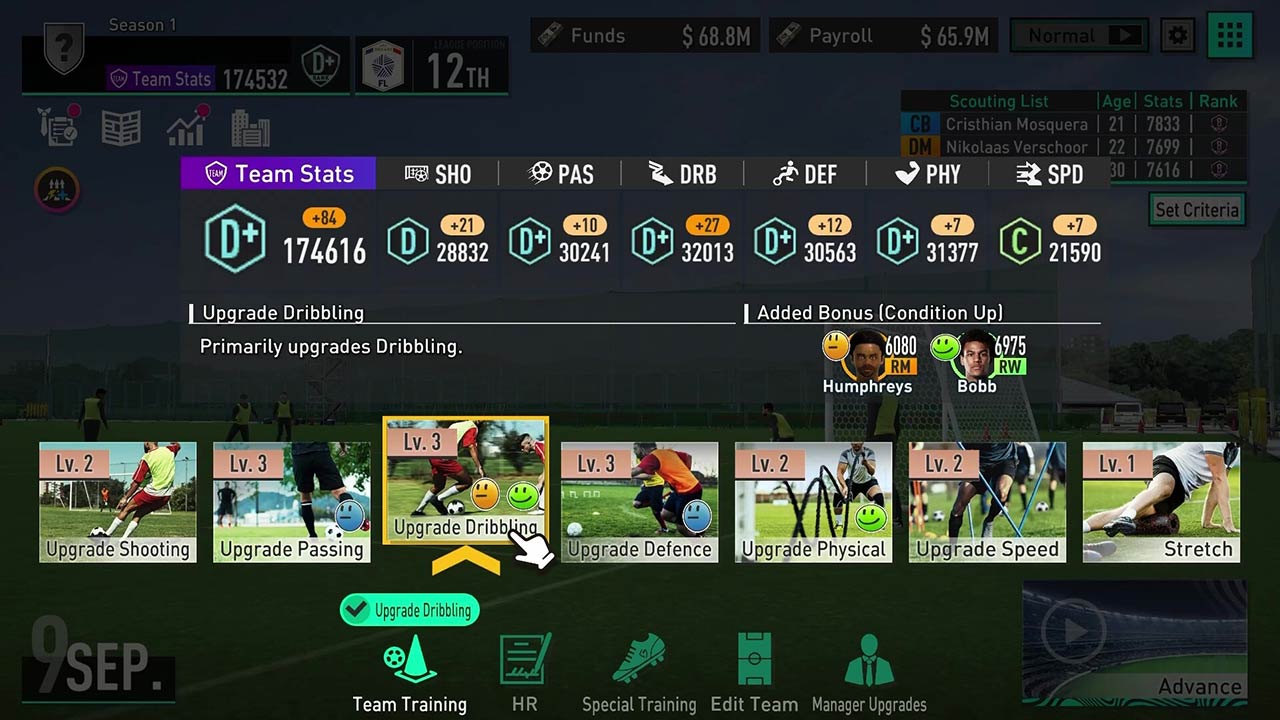
He continues: “Yes, while you can get players from the gacha here, you will also get them at the base level, and then you will have to train them. Based on your training and how they end up at the end of the season, you will then be able to bring that player and their stats into the PvP mode. So it will all depend on your training style, your management style, how you manage the team. That is how we want to differentiate ourselves from other games.”
Balancing Realism and Accessibility
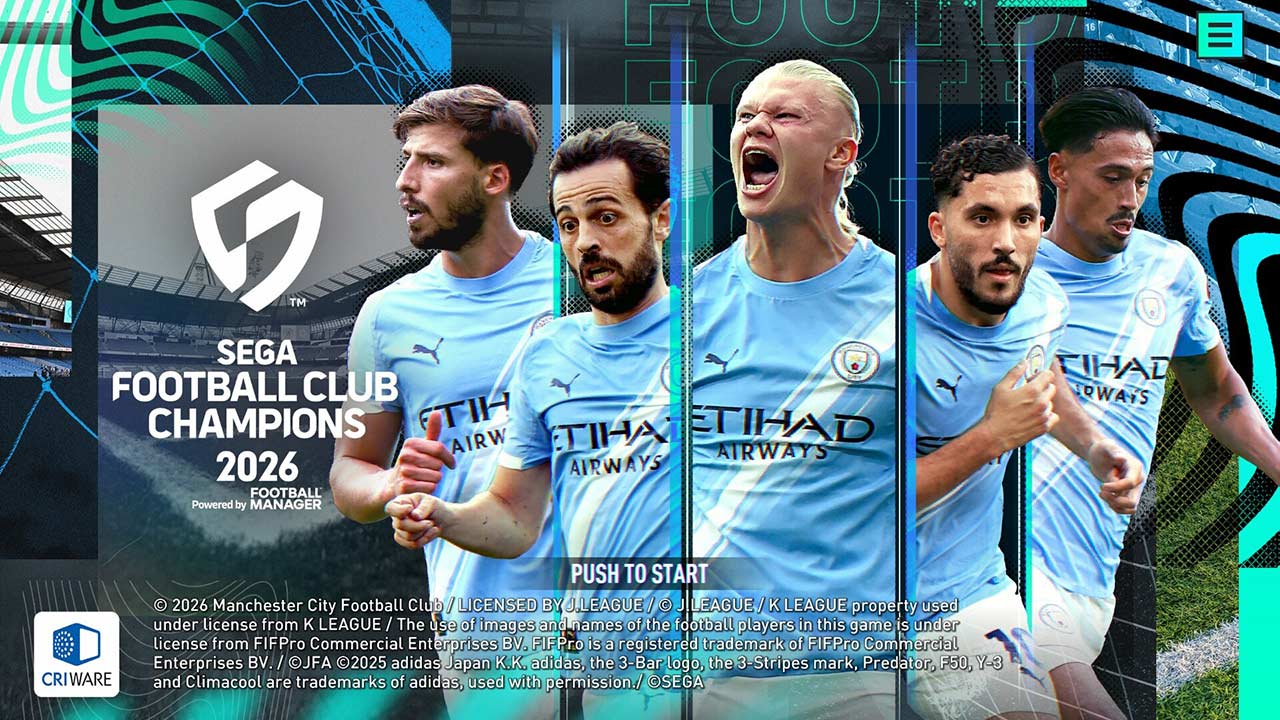
SEGA Football Club Champions 2026 features over 5,000 real-world players, partnering with the Football Manager team to use their player dataset as a foundation. The collaboration runs deep in the game’s structure.
“The base of everything we have for player data and player stats is that we are working with the Football Manager team. They provide a dataset that they use for their games for all of the players,” Hisai explains.
“We bring that data into SEGA Football Club Champions 2026 and use it for all of the leagues, separating it into Tier 1, Tier 2, Tier 3, and so on.”
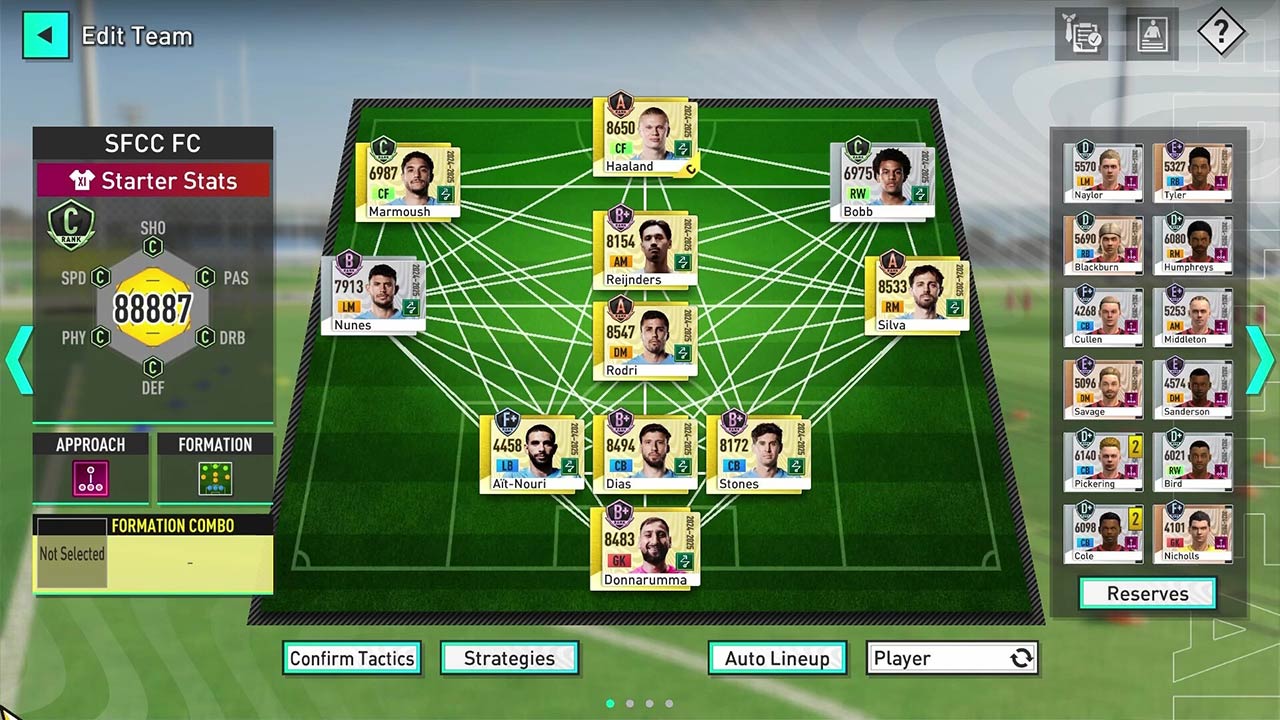
The game divides players across multiple tiers, from third-division leagues to superstars like Erling Haaland, who players receive for free. But having one elite player won’t guarantee success.
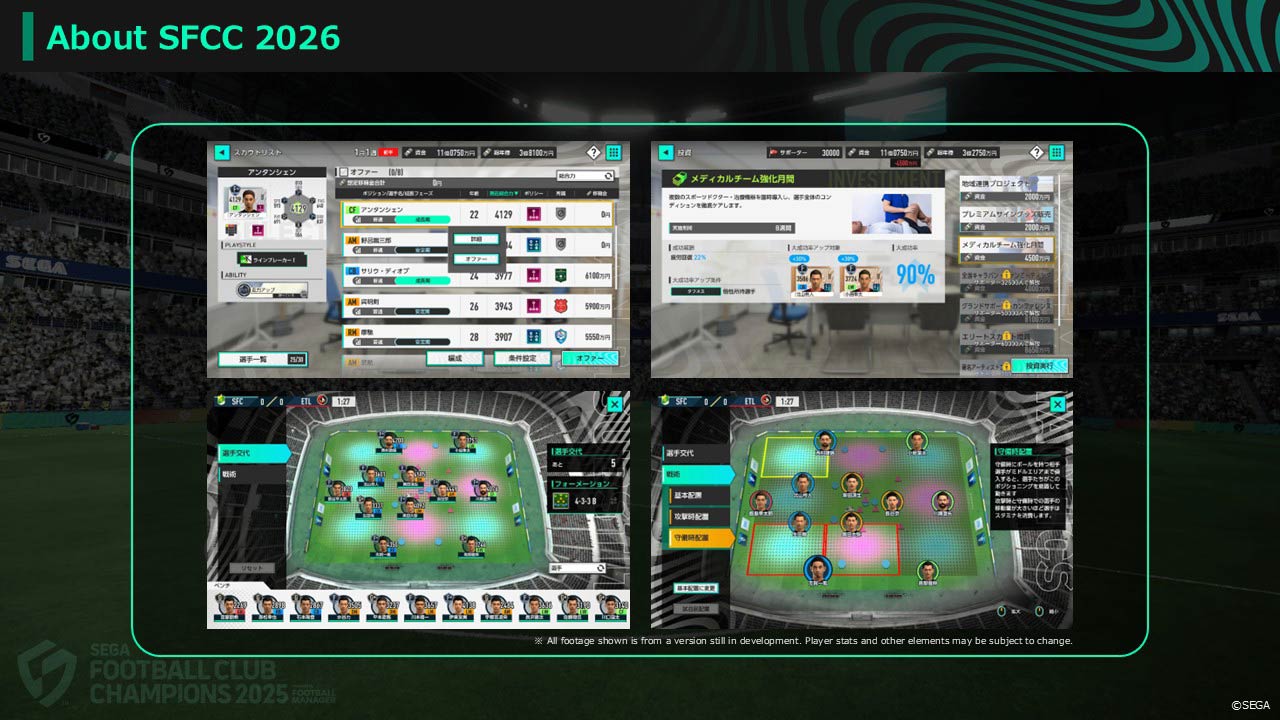
“In soccer, you have a starting eleven. There are eleven players on the team. In our game, because it is a combined score of all eleven players, having just one strong player, for example Haaland, is of course good, but having him alone is not as impactful as you might think,” Hisai notes.
“There are ten other players on the team. One of the ways we balance this is that it is a combination of everyone. You need the right players working together as a whole to bring your team to victory, rather than relying on one strong player. One player will not be able to carry ten other players.”
The balance philosophy differs between game modes. “Career mode and PvP are very different. Career mode is single player, so the philosophy is different. In career mode, the dream is to get high-tier players and grow your team from the bottom of the league to the top. That experience is fine in single player, because you are simply growing your team,” Hisai says.
For competitive play, additional systems come into effect. “In PvP, the balance philosophy changes. First of all, there is matchmaking. We match players based on overall team stats to keep games fair,” he explains. “Another PvP-specific system is player policy, or playstyle. Each player has their own preferred playstyle. To put it simply, it works like RPG-type systems where one type counters another. One playstyle counters a different playstyle.”
The team also plans to keep the competitive scene dynamic. “As we move forward with the service, we want to introduce trends. For example, if a certain playstyle is trending for a month, players will need to readjust their teams to match that trend. That is where we see players actively managing and balancing their teams based on the players they have and the trends of the time,” Hisai reveals.
Beyond player management, the game includes systems that mirror real club operations. “We do have an investment system where you can spend some budget on creating merchandise, then selling that merchandise and bringing that revenue back into your club and your team,” Hisai says.
“Of course, that system is not as detailed as it would be in real life, but we simplified it and wanted to give you a taste of how it would feel if you were running a club. This investment system is close enough to reality.”
The approach reflects Japanese game design philosophy. “This might be a little bit of the Japanese culture side of our game, but we wanted to bring the type of campaigns or events that real clubs in Japan or across the world actually do, and the things they invest in. We wanted to give you an opportunity to get a feel for that in the game,” Hisai notes.
The Southeast Asian Push
SEGA has specifically targeted Southeast Asian markets including Thailand, Indonesia, Malaysia, and Singapore for the game’s launch. The response has been encouraging.
“Right now, Indonesia and Thailand have been really good for us so far. The pre-registration numbers in those regions and Southeast Asia as a whole are very positive, and we have received a lot of positive feedback from players there,” Hisai shares.
However, the team faced disappointment in one area. “For the game launch, we wanted to bring local clubs and local licenses into the game, but unfortunately that did not work out on our side and we were unable to secure those licenses. However, we do have a Southeast Asian league in the game that is not licensed, where you can start locally,” Hisai admits. Despite the setback, the team remains committed to delivering a regional experience.
“From a fan perspective, you will still be able to play within your region, pick your region in the game, start a club there, and then go global from there.”
The team acknowledges the licensing gap and has plans to address it. “We feel sorry that we were unable to secure the licenses and give a more local approach because we only have the overarching Southeast Asian league. However, in future updates, as we develop the game more, we would like to break that league into more local areas, for example an Indonesia league and a Thailand league,” Hisai explains.
Negotiations are ongoing. “We are also currently working with some clubs and trying to bring individual clubs from Indonesia or Thailand into the game. If that happens, we will separate the Southeast Asian league, and players will be able to play in local regions with maybe one licensed club. This is still ongoing, so there is no confirmation yet. That is our stance on realism and licensing,” he adds.
From Premium to Free-to-Play
Perhaps the most significant change from previous Sakatsuku titles is the shift to a free-to-play model. This wasn’t an easy decision for the development team.
“During the initial phase of thinking about the game, how we wanted to release it and create it, I really struggled between making it a consumer premium title or a free-to-play title,” Hisai reveals. After researching global markets and finding limited brand awareness, the team concluded that free-to-play would allow more players to experience what SEGA Football Club Champions offers.
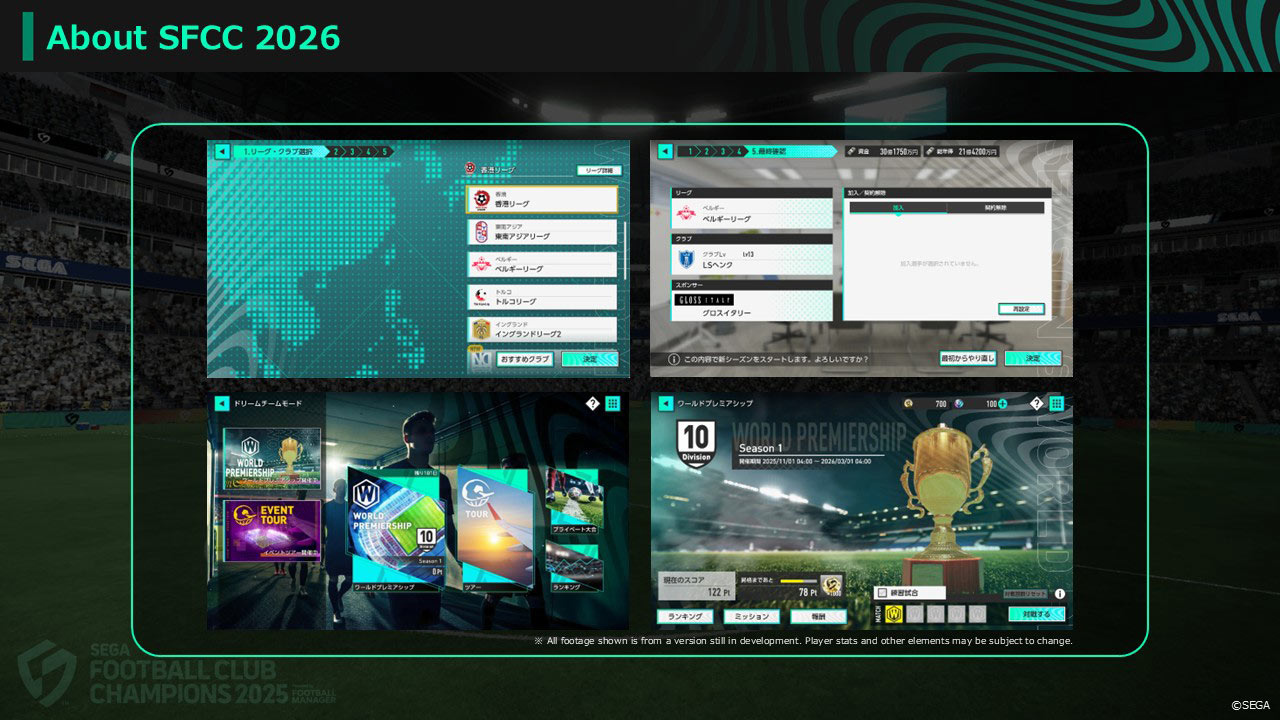
The live service model also provides practical benefits. “Soccer changes every season. Players, teams, and numbers change. By running the game as a live service, we can update teams and stats without re-releasing the title,” Hisai explains.
Importantly, the game avoids common free-to-play restrictions. There’s no stamina system, no energy meters, and no time limiters. The career mode is fully accessible without payment, comparable to or exceeding what the old premium versions offered. Gacha elements primarily serve players who want to compete at the highest levels of PvP.
“We wanted to put gameplay first. The philosophy is that players enjoy the game first, then feel motivated to spend because the game is fun.”
Managing Without Being a Soccer Expert
One concern for any sports management game is whether it requires deep knowledge of the sport. SEGA Football Club Champions takes a different approach than simulation-heavy titles like Football Manager.
“SEGA Football Club Champions as a brand has been around for thirty years in Japan. You do not need strong soccer knowledge to enjoy the game,” Hisai assures. The game’s accessible design has roots in its original launch context. “When the game first launched, even the J-League was just starting. Baseball was the dominant sport in Japan. Soccer was still new. From the beginning, the philosophy was that the game is not just about soccer, but about running a club,” Hisai recalls.
“The club owner and team management aspects were fun for players, and that is why the game became successful domestically. We want to bring that same feeling into SEGA Football Club Champions 2026.”
The difference from other management games is intentional. “Compared to Football Manager, which focuses on very detailed decisions, our approach is different. We want to give players the feeling of managing a club without overwhelming them,” Hisai explains. Systems are designed for clarity and ease of understanding.
“For example, the investment system lets you invest in merchandise and earn revenue, without forcing you to manage suppliers, logistics, or sales channels. We simplified these systems so players can enjoy the experience.”
Communication systems help players make informed decisions. “We also introduced the player drama system, where players communicate important information through conversations. You always know what will happen when you choose an option,” Hisai notes.
The learning curve is designed to feel natural. “As you progress, your club grows, your players grow stronger, and your understanding of the game grows with it. Even players with no soccer knowledge can quickly feel the impact of their decisions,” he adds.
PvP and Regional Play
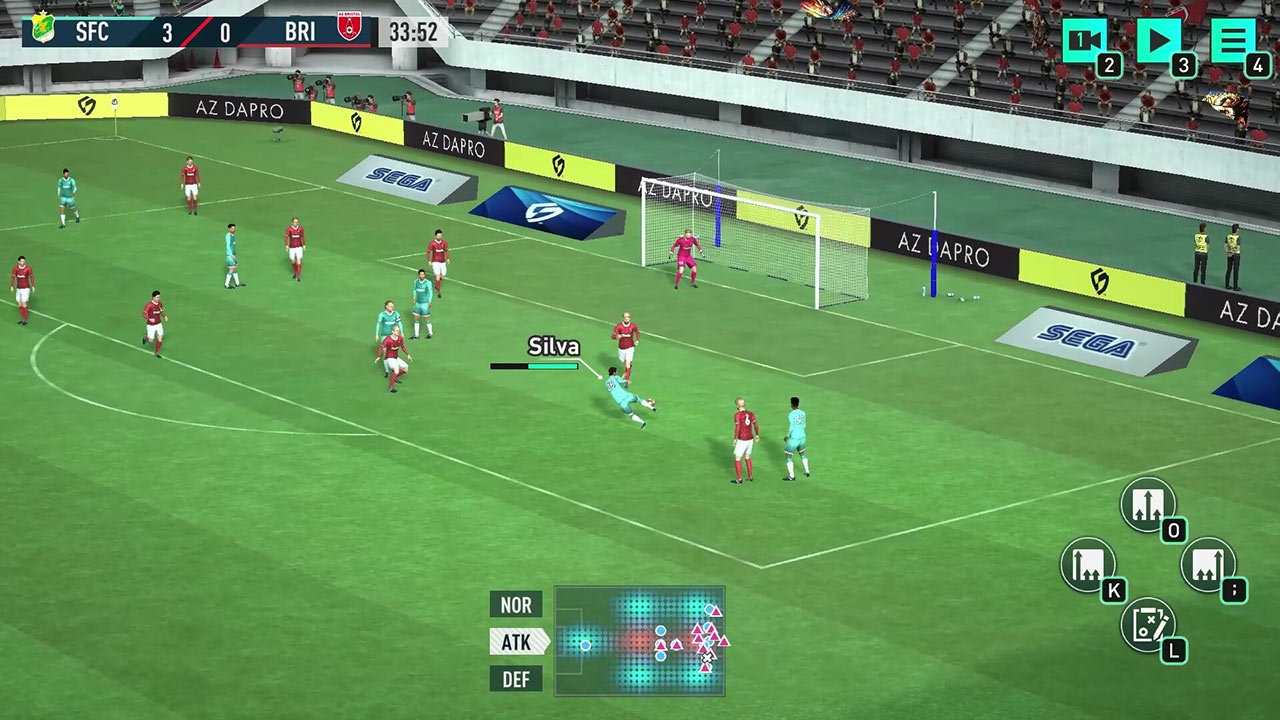
For competitive players, SEGA Football Club Champions offers global matchmaking based on overall team statistics. Unlike action-focused soccer games, the management-based gameplay means network lag has minimal impact on matches.
“This game is different from action sports games like eFootball. It is not about second-to-second player control. It is about managing your team,” Hisai explains. “There is a lot of preparation before the match, and that is what matters most. During matchmaking, teams are matched based on overall team stats. If your team has a similar stat level, that is who you will face.”
The matchmaking system operates on a global scale. “Matchmaking is global. If you are in Southeast Asia, you may still be matched with players from other regions,” he notes.
Technical concerns are minimal given the game’s design. “Regarding lag, because this is not an action game, small delays do not heavily impact gameplay. You have enough time to make decisions, adjust players, and manage substitutions. Even a one or two second delay does not significantly affect the result,” Hisai says.
The game features multiple ways to track progress and compete. “There is no local ranking system specifically. However, we do have multiple ranking systems in the game. There are rankings for PvP, career mode, and guilds. In the guild system, you can see your ranking within your guild and also where your guild ranks globally,” he explains. “So while there is no local league ranking, there are multiple ranking systems across career mode, guilds, and PvP.”
The Biggest Challenge in SEGA FOOTBALL CLUB CHAMPIONS 2026: Monetization
When asked about the most difficult aspect of development, Hisai’s answer was direct: monetization.
“The biggest challenge for us was monetization. How do we monetize a title that was originally a premium consumer game and is now free-to-play? For our producer, delivering the single-player experience to players was the top priority,” he says.
The team wanted to avoid creating just another gacha-focused mobile game. “We did not want to turn it into a pure gacha game where you just pull and get strong players. We wanted to give everyone a proper single-player experience. Player cards are important, but we focused their impact more on PvP,” Hisai explains.
Uncertainty about player response remains. “For the overall game cycle, how players play, pay, and continue playing, we are honestly not sure yet how players will react. Because this game is very gameplay-focused and free-to-play first, we are nervous about how monetization will work out after launch. That was the biggest challenge for us,” he admits candidly.
Looking Ahead
While the 2026 FIFA World Cup happens to align with the game’s release window, Hisai clarifies it wasn’t the driving factor behind the timing. Development issues and the need to implement player feedback determined the schedule. However, the team sees the timing as fortunate and is considering a major update during the World Cup season, potentially including a national team management mode.
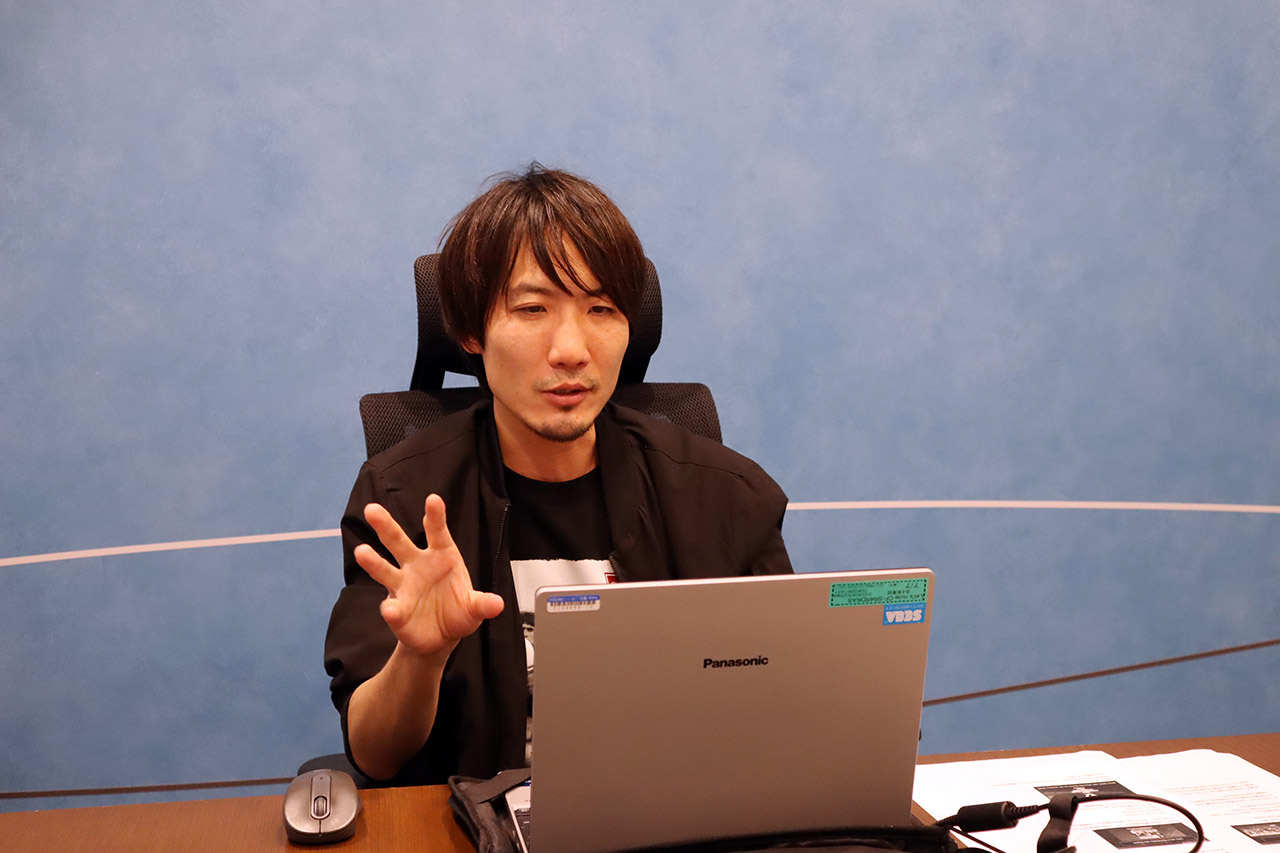
As SEGA prepares for the January 22nd launch of SEGA FOOTBALL CLUB CHAMPIONS 2026, Hisai’s message is straightforward: “We believe the game is fun at its core, not just for Japanese fans, but for players around the world, including those with only a passing interest in soccer. We want everyone to try the game for free, make their own opinion, and experience it themselves.”
![[GUIDE] JoJo’s Bizarre Adventure: Golden Spirit Codes and How to Redeem Them](https://cdn.gamerbraves.com/2026/09/JoJos-Bizzare-Adventure-Golden-Spirit-Redeem-Codes_News_FI-350x250.jpg)

![[GUIDE] The Seven Deadly Sins: Origin Codes & How to Redeem Them](https://cdn.gamerbraves.com/2026/09/Seven-Deadly-Sins_-Origin-Tier-and-Codes_News_FI-1-350x250.jpg)