
![[EXCLUSIVE] Dragon’s Dogma 2: Dark Arisen Team Opens Up About the Expansion’s Name, New Norgan Region, and Performance Goals](https://cdn.gamerbraves.com/2026/07/Dragons-Dogma-2-Dark-Arisen_Interview_FI-360x180.jpg)











At a glance, Pokémon Pokopia immediately sets itself apart from traditional Pokémon experiences. Rather than centering on battles or badges, the game leans fully into a slow life and sandbox gameplay built around crafting, building, and restoring a world long abandoned by humans. Playing as a Ditto who awakens in a withered land alongside a lone Tangrowth (affectionately called Professor Tangrowth), players are tasked with slowly cultivating a cozy utopia with the help of Pokémon companions. Based on hands-on impressions, Pokémon Pokopia feels designed to be quietly addictive, offering a steady flow of activities without ever pressuring players to rush forward.
Building a World That Feels Grounded
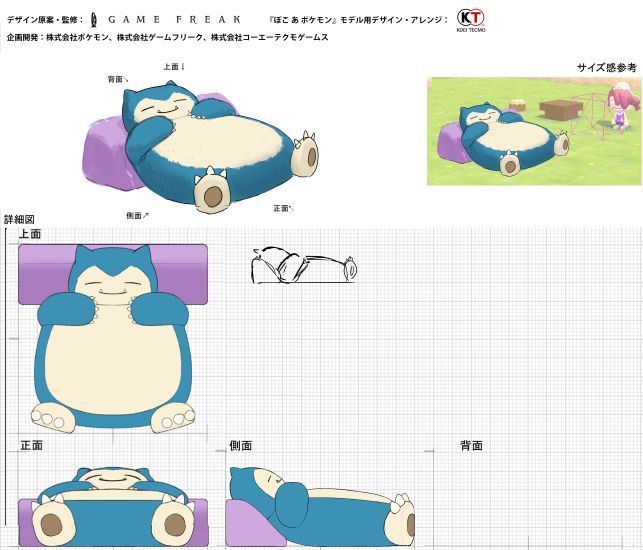
One of Pokémon Pokopia’s most interesting design choices is how it handles construction and space. Buildings come in different types, and while many structures have interiors that match their exterior size, there are also special case buildings that appear small from the outside but open up into much larger interior spaces. In these cases, construction typically requires the help of Pokémon like Machamp or Timburr, reinforcing the idea that larger, more complex buildings can’t be built alone.
Each structure clearly lists the materials needed to construct it, creating a progression loop where exploration, resource gathering, and crafting are closely linked. This material-driven approach gives building a satisfying sense of scale, making both smaller personal spaces and larger communal structures feel earned.
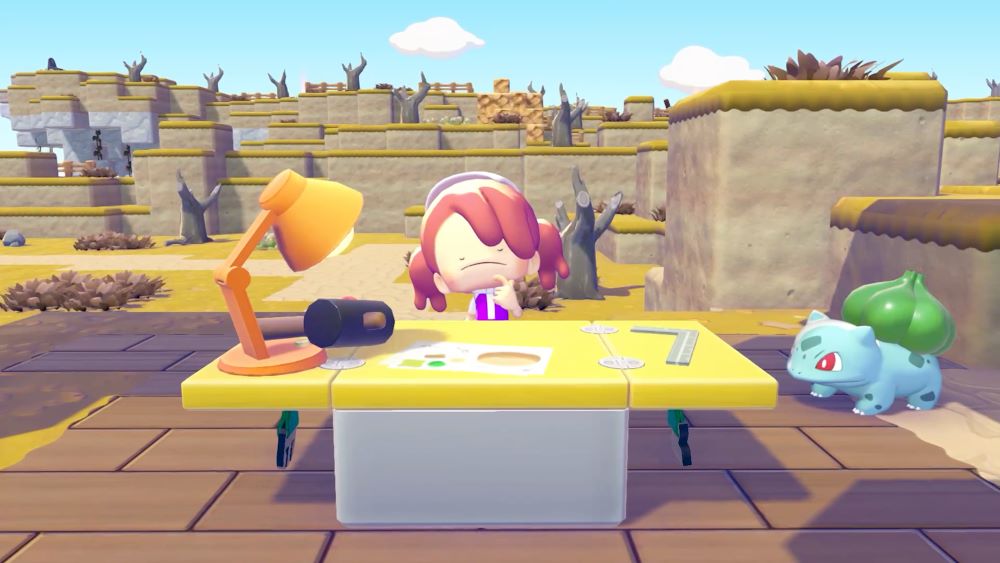
A dedicated workbench serves as the heart of crafting, allowing players to turn raw materials into furniture, decorations, and functional items. Meanwhile, the Pokémon Center takes on a more active role than usual. Its PC offers daily quests that refresh regularly, alongside longer-term tasks that gradually scale over time. These objectives act as gentle guidance rather than strict demands, giving players something to work toward at their own pace. Completing them rewards points that can be exchanged for useful items, creating a steady loop of small goals and meaningful progress.
Pokémon That Truly Lend a Helping Hand
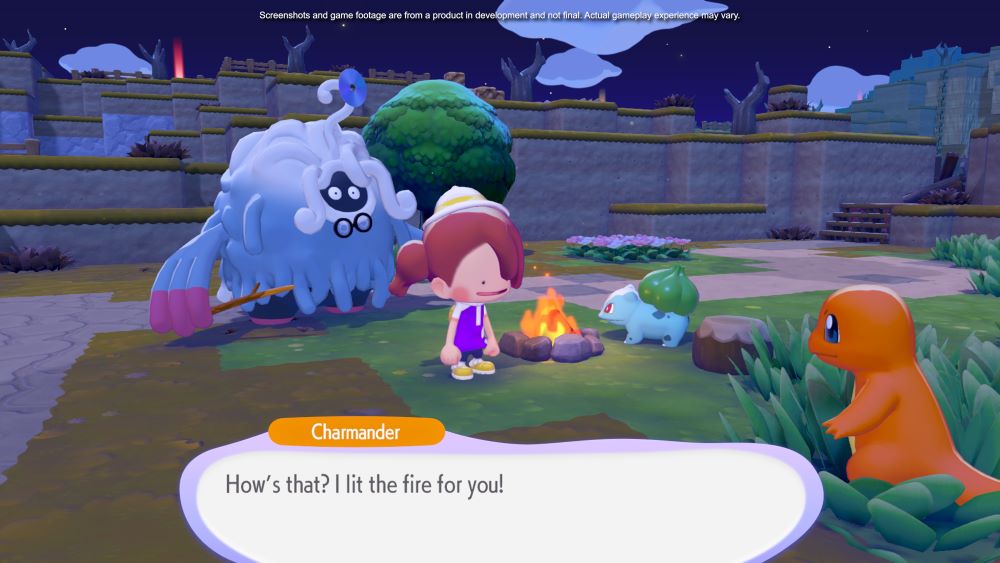
Pokémon Pokopia shines brightest in how it integrates Pokémon into everyday tasks. Players can ask a Pokémon to follow them, and if that Pokémon is suited to a nearby activity, it will automatically assist. For example, having a Charmander tag along means nearby campfires will be lit without manual input. Fighting-type Pokémon such as Machamp and Timburr can actively help with construction, speeding up building tasks in a way that feels both logical and charming.
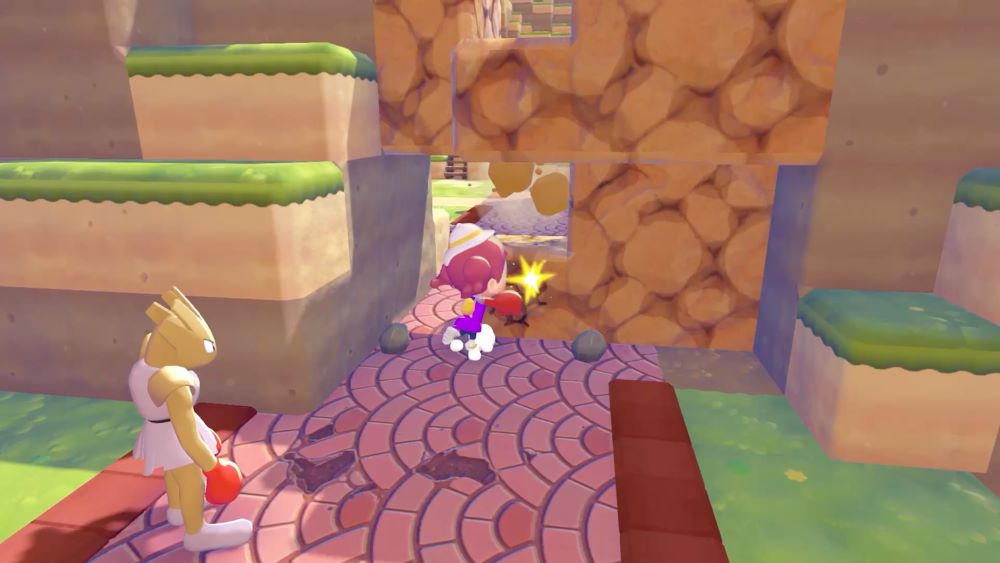
Not every Pokémon contributes in the same way, which adds personality to the system. Hitmonchan, for instance, cannot assist with building but instead teaches Rock Smash, reinforcing the idea that each Pokémon has a distinct role. Once Pokémon are settled into their habitats, players can speak to them to learn how to increase their comfort. Some prefer furniture like beds or decorations, while others want toys, further encouraging creative expression and thoughtful town planning.
As of now, it’s unclear whether shiny Pokémon will appear in Pokémon Pokopia. Kanako Murata, producer of the game, noted in our interview, “Unfortunately, I will not comment on anything about shiny Pokémon today,” leaving discovery up to players.
Pokémon Habitats: Letting Pokémon Come to You
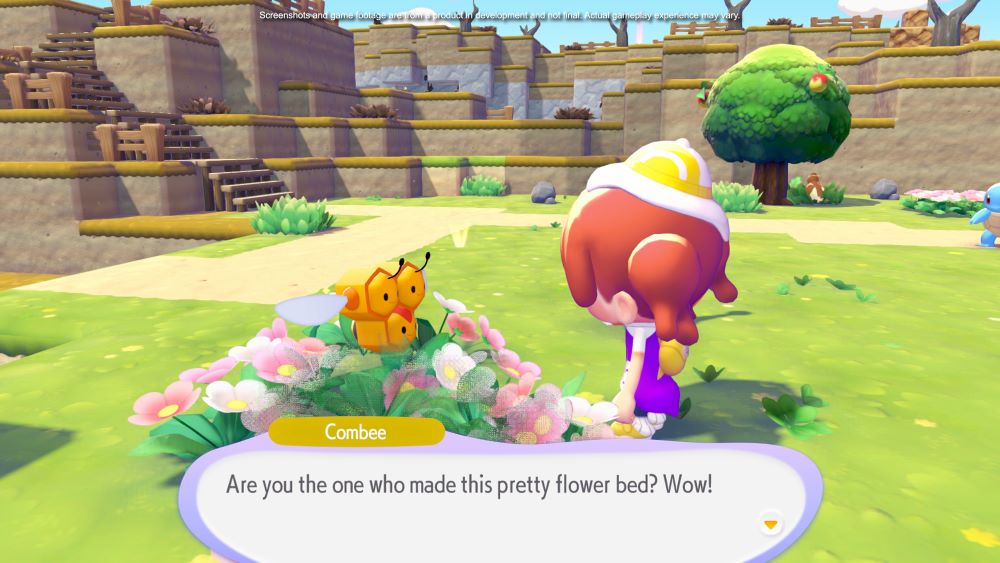
One of Pokémon Pokopia’s most charming systems is how it handles Pokémon habitats. Instead of directly recruiting Pokémon, players create habitats and wait to see who might be interested in moving in. When a Pokémon appears, it’s often signaled by gently shaking tall grass nearby, prompting players to investigate and interact with them. The Pokédex not only serves as an entry log for the Pokémon you meet, but also provides hints about habitat preferences, revealing only part of what certain Pokémon are looking for rather than spelling out every requirement. This encourages exploration and careful observation, as players slowly learn which features attract which Pokémon in Pokémon Pokopia.
Habitats in Pokémon Pokopia can incorporate a wide variety of environmental elements, including flowerbeds, berry-bearing trees, boulders, patches of grass, and other decorative or functional features. These elements influence Pokémon appearances in subtle ways, and some habitats can be shared by multiple Pokémon, while others are highly specific and only attract certain species. Placement is a meaningful consideration: once a habitat is built, it becomes a permanent part of the environment, so players must balance aesthetics with functionality. For example, Drilbur prefers to live underground, which means creating a visible hole in the terrain. Players then face a choice—should this hole be near existing, carefully designed habitats, potentially disrupting the visual harmony of the area, or should it be placed elsewhere, preserving the layout but using additional space? These decisions give habitat creation weight and make town planning a thoughtful process in Pokémon Pokopia.
Creating habitats in Pokémon Pokopia also connects directly to the game’s progression and resource systems. Basic elements, like a simple patch of grass, can often be produced using Pokémon abilities—for instance, Bulbasaur can generate a patch of grass on demand. Higher-tier elements, such as flowerbeds, decorative shrubs, or other special items, must be acquired through the Pokémon Center’s PC, requiring players to complete tasks or quests to unlock them. This system creates a layered progression where early habitats are simpler and functional, and later habitats become more complex and visually expressive, encouraging players to experiment as they gain access to more advanced resources.
Habitat requirements themselves in Pokémon Pokopia can vary widely in complexity. Some Pokémon may only need a single element, while others require multiple components in a combined area. The game provides flexibility in how these components are arranged: for example, if a habitat requires a boulder and several patches of grass, players can decide whether the boulder is surrounded by grass or placed off to the side, as long as the elements remain in the same effective area. This allows players to preserve creativity and maintain the aesthetic of their environment without being constrained by rigid layouts.
The system also promotes attentive observation and experimentation in Pokémon Pokopia. Pokémon preferences range from broad environmental features to highly specific conditions: Exeggutor, for example, enjoys living by the beach, while Hitmonchan prefers a habitat with a punching bag. Others may be drawn to specific plants, like berry trees, or arrangements of multiple features, rewarding careful placement and thoughtful habitat design. Some habitats are shared, so introducing a new Pokémon may require negotiating space with others, while exclusive habitats demand careful planning to satisfy individual preferences.
Together, these mechanics create a habitat system in Pokémon Pokopia that is simultaneously structured and freeform. Players can anticipate some Pokémon behaviors, but much of the appeal comes from unpredictability and discovery, turning habitat creation into an ongoing puzzle and creative exercise. The process encourages slow, deliberate gameplay, rewarding those who pay attention to the environment, experiment with layouts, and thoughtfully consider where Pokémon might feel at home. From simple grass patches to complex habitats featuring boulders, flowerbeds, and underground burrows, every habitat becomes a small story within the larger sandbox world of Pokémon Pokopia, emphasizing creativity, strategy, and patience over rushed progression.
A Relaxing Experience, Alone or Together
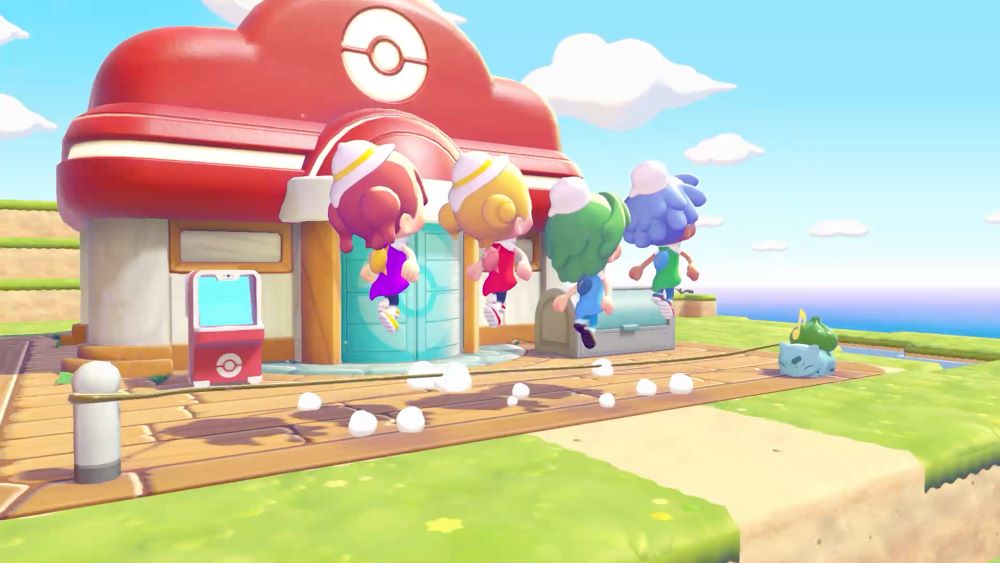
Pokémon Pokopia places a strong emphasis on relaxation. There are no aggressive time limits, no urgent objectives, and no pressure to optimize progression. Success is defined almost entirely by creativity. Multiplayer exists primarily to make gathering materials easier and to encourage visiting other players’ worlds, rather than drastically altering gameplay systems. In fact, pre-built areas created by the developers showcase just how expansive and decorative a town can become, hinting at Pokopia’s potential as a long-term creative playground.
Traversal also reflects this gentle design philosophy. Dragonite allows players to glide rather than fly freely, slowly descending instead of soaring upward, reinforcing the game’s grounded, tranquil pace.
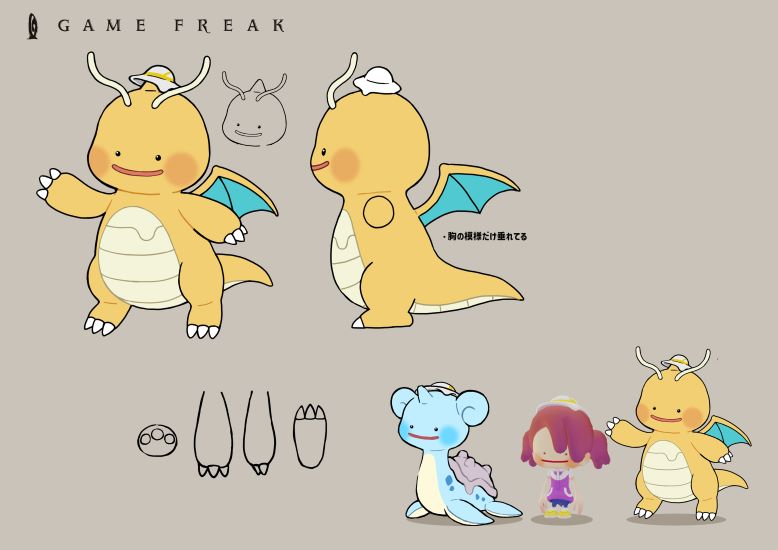
Even the photo and selfie feature, reminiscent of Pokémon Scarlet and Violet and Pokémon Legends: Z-A, feels more playful here, with the protagonist adorably holding up the Pokédex to snap pictures.
Music also plays a subtle role in reinforcing progression. When Ditto learns new moves, Pokémon Pokopia uses the familiar evolution theme, which chief director Takuto Edagawa said was chosen for the “anticipation… and the surprise” it creates—mirroring the feeling of discovering new abilities. As players restore the world, background music gradually shifts closer to classic Pokémon melodies, blending nostalgia with Pokopia’s slower, life-simulation pace.
A Promising Cozy Spin on Pokémon
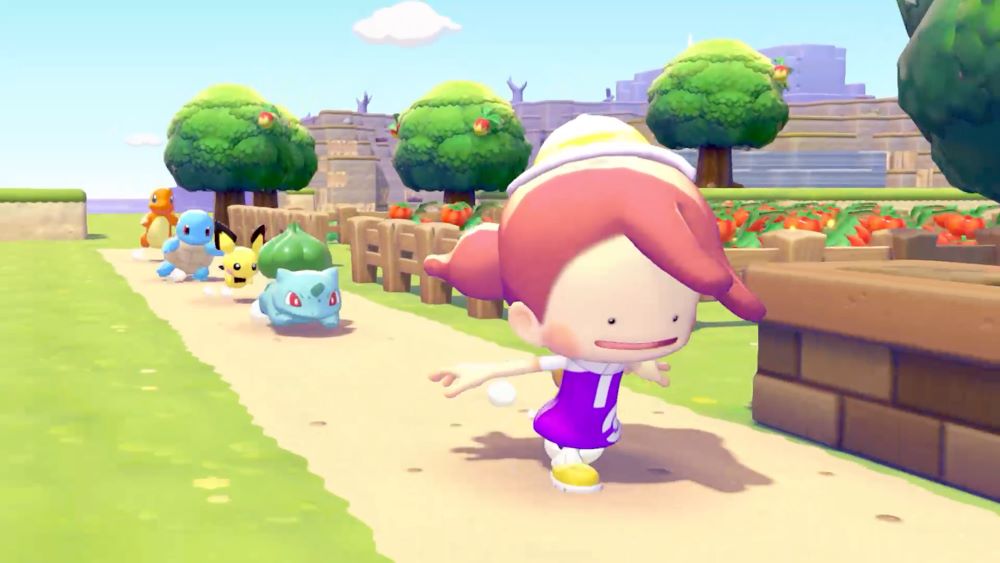
Pokémon Pokopia feels well positioned to appeal to a wide range of players thanks to its sandbox-like design. The game doesn’t push strict objectives, instead letting players decide how they want to spend their time, whether that’s expanding settlements, restoring multiple areas, or simply shaping a single town into something personal and cozy. That freedom makes it easy to imagine different playstyles coexisting without friction.
Creativity is the main driving force here. Pokémon Pokopia provides the tools—building, crafting, habitats, and Pokémon interactions—but how they’re used is entirely up to the player. From carefully designing towns to experimenting with habitats to see which Pokémon appear, the experience feels limited only by imagination rather than rigid systems.
This open-ended structure also makes Pokémon Pokopia an easy game to sink hours into. Small goals naturally lead into bigger projects, and progress feels steady without ever becoming demanding. It’s the kind of relaxed, creative experience that’s easy to return to, and just as easy to lose track of time with.
※Game screens are from a version currently under development.
This title is planned and co-developed by The Pokémon Company, GAME FREAK inc., and KOEI TECMO GAMES.
©2026 Pokémon. ©1995-2026 Nintendo/Creatures Inc./GAME FREAK inc.
©2026 KOEI TECMO GAMES
Pokémon and Nintendo Switch are trademarks of Nintendo.