
![[EXCLUSIVE] Dragon’s Dogma 2: Dark Arisen Team Opens Up About the Expansion’s Name, New Norgan Region, and Performance Goals](https://cdn.gamerbraves.com/2026/07/Dragons-Dogma-2-Dark-Arisen_Interview_FI-360x180.jpg)







S-GAME, the studio behind the upcoming action game Phantom Blade Zero, has shared a detailed statement on their official X account giving fans a closer look at how the game is being made and where it currently stands in development. According to the post, the game is now in its final stages, with the team putting all available resources into polishing every part of the project. CEO and creator Soulframe confirmed that a release is expected “in just a few months.”
Phantom Blade Zero is currently in the intense, final stages of development. With the time we have left, we are pouring every available resource into pushing every aspect of the game to the absolute limit of our capabilities.
We are fully aware that a profound technological… pic.twitter.com/UVfWL0pLqr
— Phantom Blade Zero (@pbzero_official) April 10, 2026
One of the biggest points in the statement is S-GAME’s firm stance against using AI visual tools. The studio says that every piece of content in the game has been created by real artists, and they have no plans to change that. The reason given is that using AI could alter the original creative intent of their artists which is something the team is clearly not willing to compromise on.
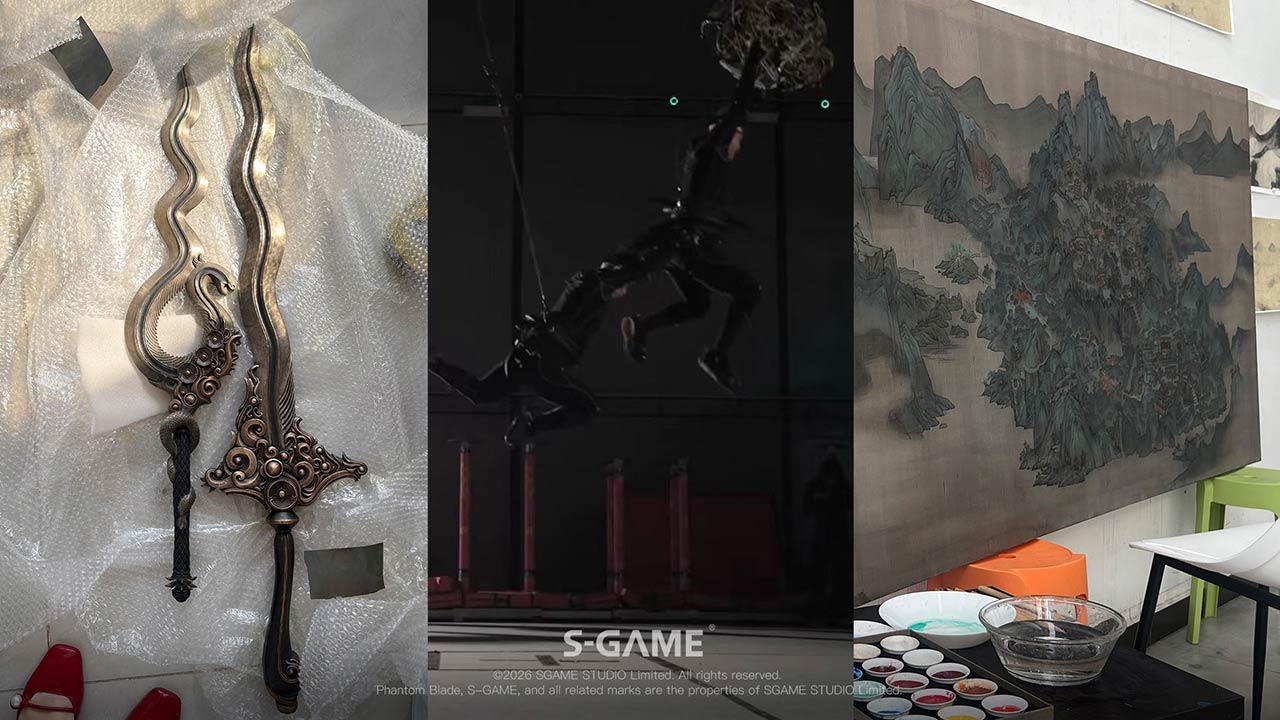
The in-game maps are a good example of this. Rather than being digitally painted or AI-generated, they were hand-drawn on traditional Xuan paper using Chinese brushes by young artists from the Chinese Painting department at the Central Academy of Fine Arts (CAFA). The game’s character models are built from 3D scans of an actual cast, who also performed the facial capture. Voice acting in both Chinese and English has been fully recorded with lip-sync for both languages, directed and refined by dedicated actors and directors.
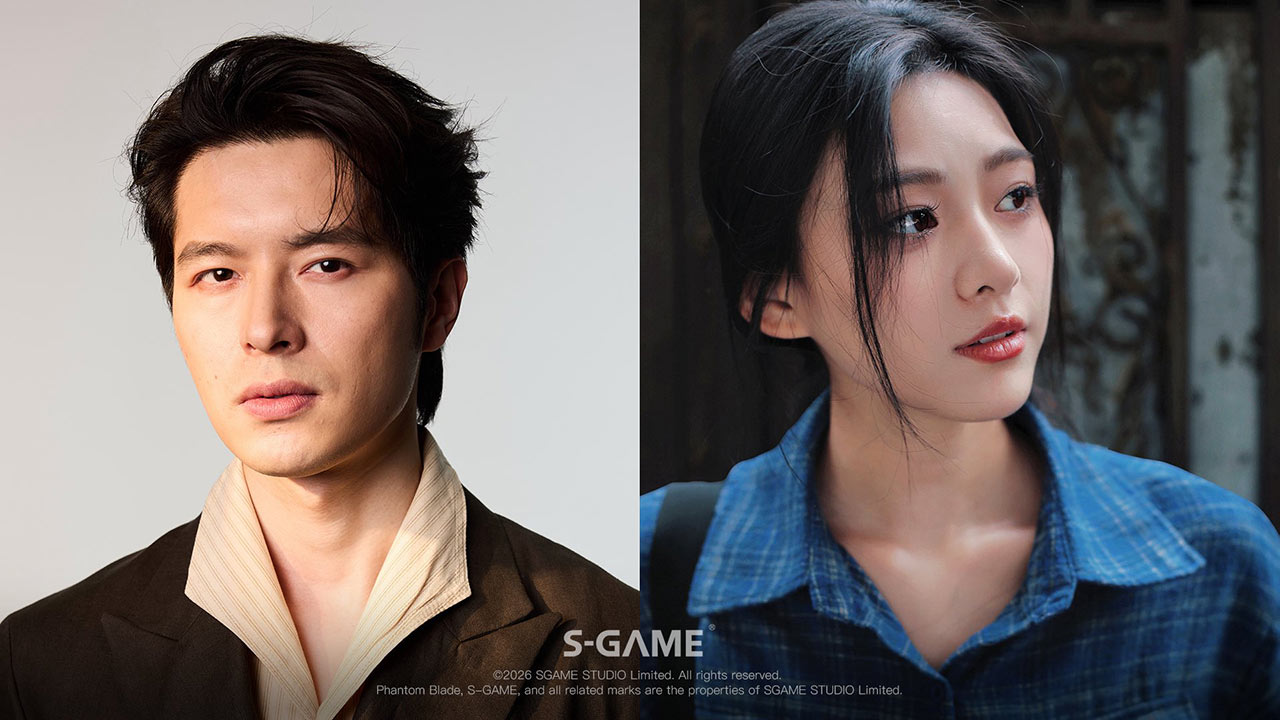
Combat in Phantom Blade Zero was motion-captured by more than twenty martial artists. To make sure the kung fu techniques were as authentic as possible, the team consulted directly with masters and inheritors of traditional martial arts schools. Sword masters from Mount Emei were brought in for swordplay sequences, and lion dance masters from Guangdong were invited to handle the lion dance choreography.
The studio also traveled across China to scan real locations including ancestral halls in Fujian, ancient towns in Zhejiang, and old steel factories in Beijing. These scans were then used as building blocks to create the game’s distinct visual style, which S-GAME calls “Kungfupunk.”
The statement closes on a personal note from Soulframe, who says S-GAME didn’t set out to just build a team of developers but built a team of passionate people making a game they could all be proud of.