












![[EXCLUSIVE] Dragon’s Dogma 2: Dark Arisen Team Opens Up About the Expansion’s Name, New Norgan Region, and Performance Goals](https://cdn.gamerbraves.com/2026/07/Dragons-Dogma-2-Dark-Arisen_Interview_FI-360x180.jpg)





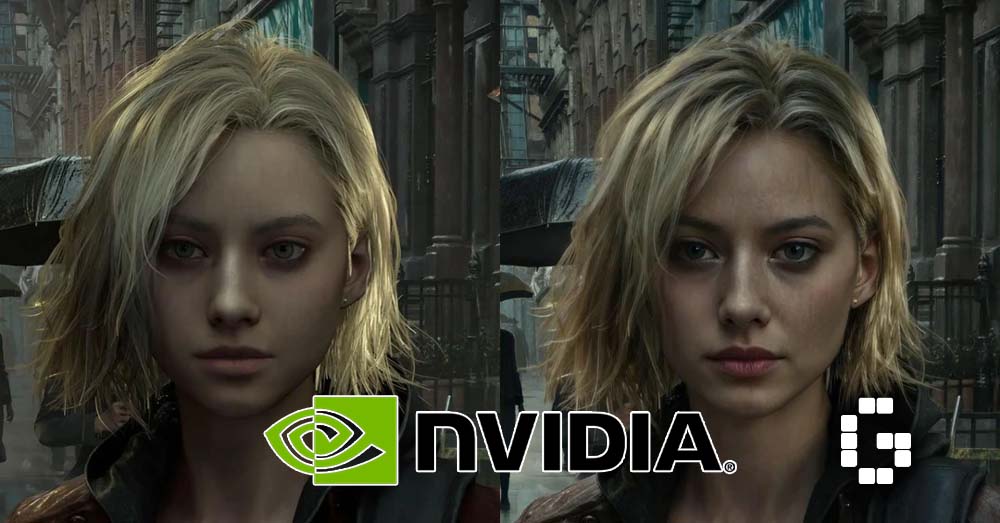
Tech giant NVIDIA recently unveiled DLSS 5 at GTC 2026, promoting it as the next major leap in AI-powered game graphics — a so-called “GPT moment for graphics.” The new system uses generative AI to reconstruct in-game visuals in real time, adding photorealistic lighting, enhanced materials, and fine environmental details. While the technology promises unprecedented realism, gamers have quickly expressed their displeasure online, particularly over the unsettling “AI slop” look it creates on characters.
What DLSS 5 Does
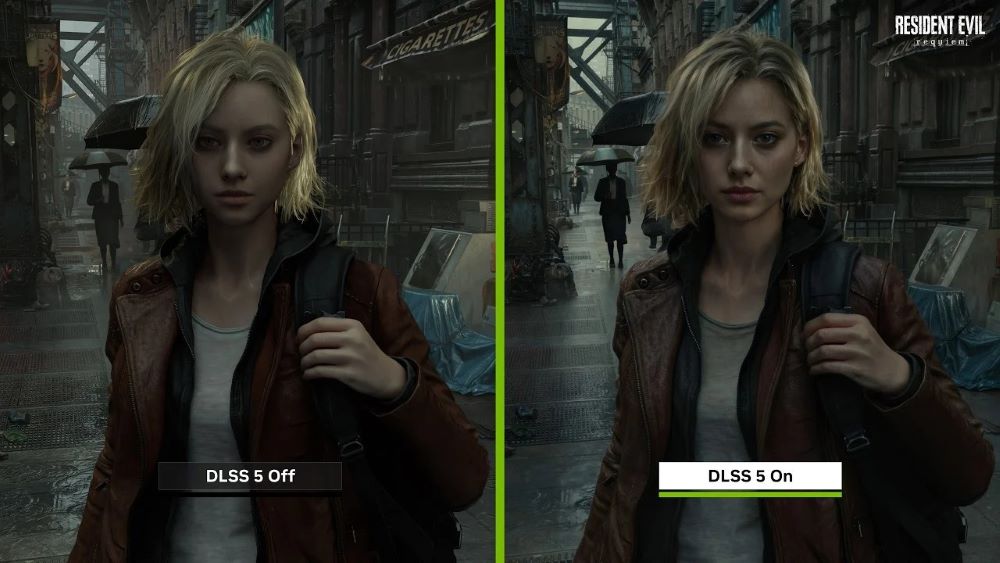
DLSS, or Deep Learning Super Sampling, has been part of NVIDIA GPUs since 2018, initially designed to render games at lower resolutions and upscale them using AI. Over the years, it has evolved to include features like Frame Generation and Reflex. DLSS 5 pushes the technology further, using generative AI to reinterpret every frame based on factors such as lighting, color, motion data, and scene complexity.
The system is trained to handle intricate visual elements such as hair, skin, sheer fabrics, and their interaction with lighting. It can process these elements at up to 4K resolution, with NVIDIA claiming the AI can make scenes appear far more lifelike than standard rendering techniques. According to NVIDIA CEO Jensen Huang, DLSS 5 “blends hand-crafted rendering with generative AI to deliver a dramatic leap in visual realism.”
The Backlash: AI Slop on Screen
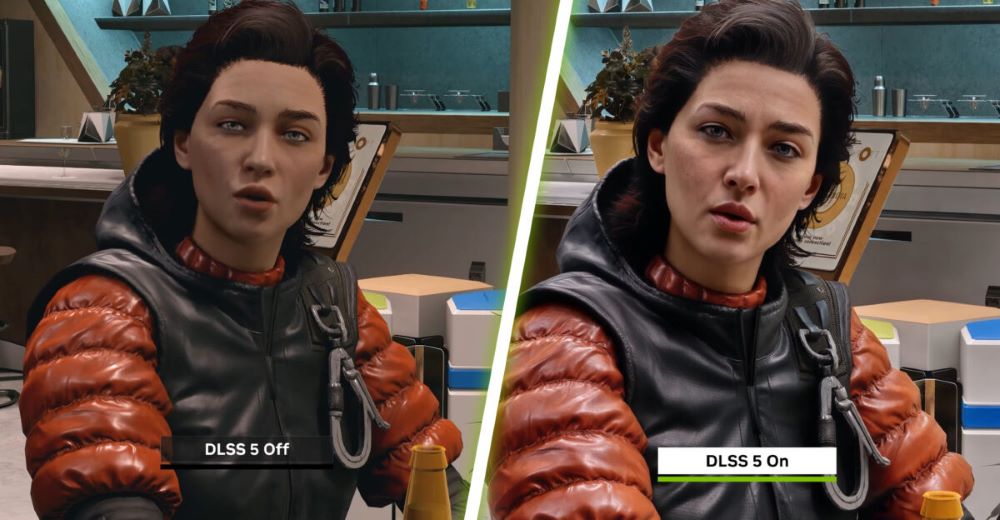
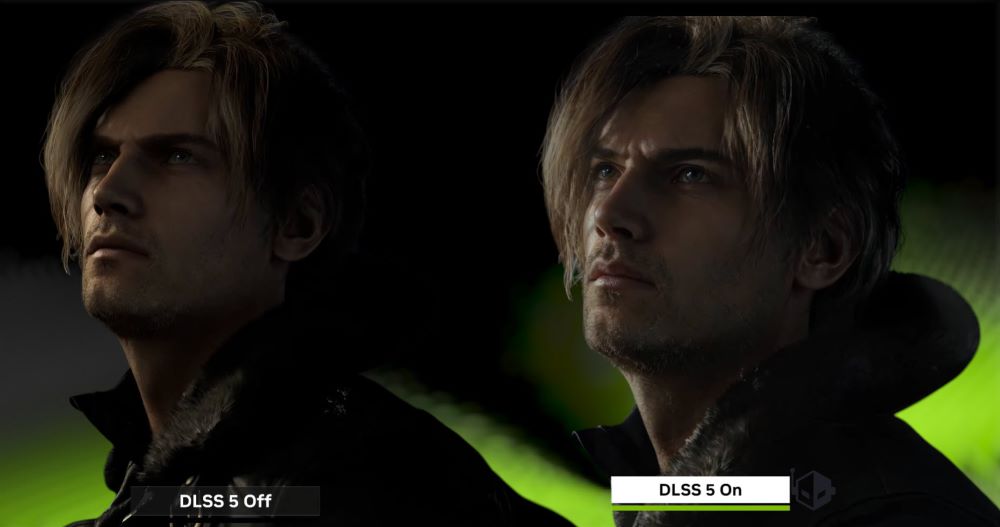
Despite the ambitious pitch, the public reaction has been overwhelmingly negative. Footage released by NVIDIA, including clips from Resident Evil Requiem, sparked criticism that DLSS 5 overhauls game visuals in ways players find unappealing. Character models appeared altered, with exaggerated facial features, brighter or unnaturally smooth skin, and over-saturated colors — reminiscent of AI “glamour filters.” Many fans claim the result strips away the original artistic intent, making the visuals feel uncanny and inauthentic.
Even though NVIDIA clarified that developers maintain full control over how DLSS 5 is applied — including color grading, intensity, and masking specific areas — the early showcase footage has already sparked widespread meme-making and criticism.
Where DLSS 5 Will Appear
DLSS 5 is scheduled for release in Fall 2026, with support from major publishers like Bethesda and Capcom. Games confirmed to implement the new technology include Where Winds Meet, Assassin’s Creed Shadows, Delta Force, and NTE: Neverness to Everness, among others. NVIDIA has yet to confirm which graphics cards will fully support DLSS 5, though it is expected to be limited to the latest high-end GPUs, such as the RTX 5090.
Looking Ahead
While NVIDIA positions DLSS 5 as a groundbreaking advancement in game graphics, the generative AI approach has already sparked controversy. Fans argue that replacing hand-crafted visuals with AI interpretations risks undermining artistic intent, even if it does create technically impressive effects. Whether DLSS 5 will win over players upon launch or continue to face backlash remains to be seen, but the conversation around AI-generated visuals in gaming is only getting louder.