

![[EXCLUSIVE] Dragon’s Dogma 2: Dark Arisen Team Opens Up About the Expansion’s Name, New Norgan Region, and Performance Goals](https://cdn.gamerbraves.com/2026/07/Dragons-Dogma-2-Dark-Arisen_Interview_FI-360x180.jpg)











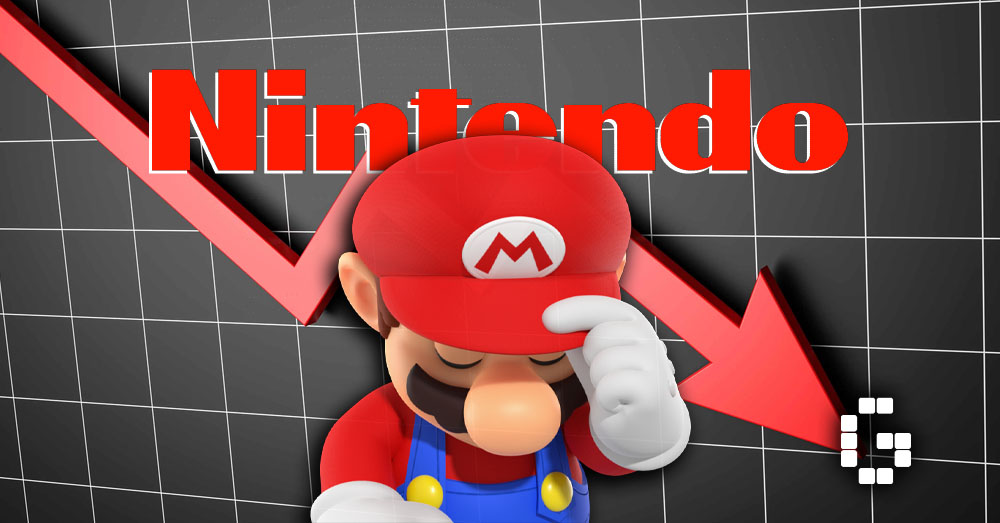
Nintendo’s stock price took a sharp hit on February 4, 2026, falling nearly 11% shortly after the company released a strong earnings report. The decline surprised many observers, especially following the successful launch of the Nintendo Switch 2 and its strong software sales. However, wider industry concerns appear to have outweighed Nintendo’s recent momentum.
Hardware Cost Concerns Shake Investor Confidence
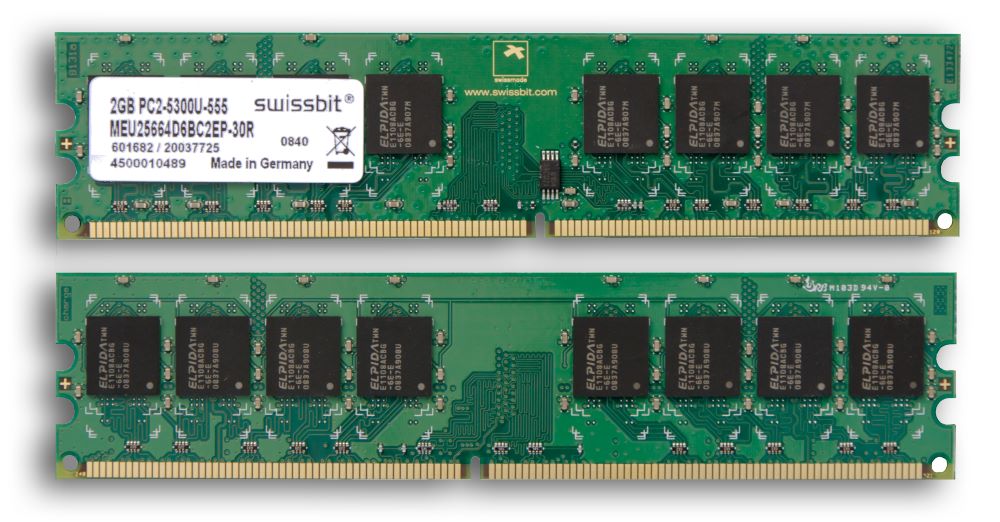
The drop reflects growing anxiety surrounding video game hardware costs. Rising prices for key components such as memory and storage have unsettled investors across the industry. These concerns intensified after Micron, one of the world’s largest manufacturers of RAM and SSDs, announced plans to exit the consumer market and shift its focus to AI data centers and enterprise clients.
This move leaves only two major suppliers producing essential components used in consoles and PCs. As a result, investors now fear significant price increases across the industry.
Console Price Increases Add to Market Pressure
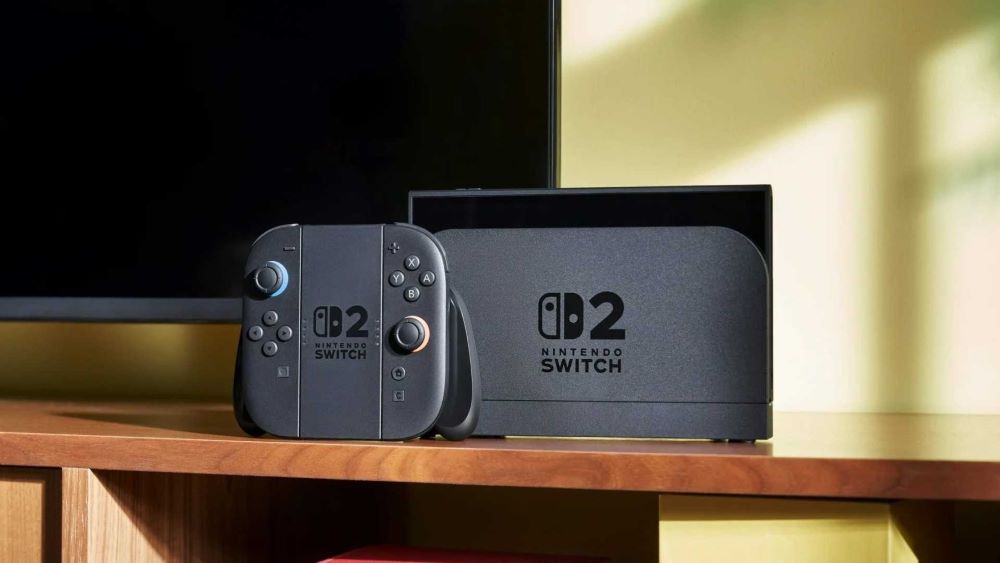
Both Microsoft and Sony have already raised prices for Xbox Series X|S systems and PlayStation 5 hardware. Although Nintendo has stated that it has no immediate plans to increase the price of the Nintendo Switch 2, uncertainty continues to weigh on investor sentiment.
Even without a confirmed price hike, concerns about future manufacturing costs have made investors cautious about Nintendo’s short-term outlook.
Strong Sales Fail to Calm Shareholders

Nintendo’s latest earnings report showed strong performance. Sales of the Nintendo Switch 2 remained high, supported by exclusive titles such as Mario Kart World and Donkey Kong Bananza. Despite these results, shareholders reacted conservatively.
Nintendo’s stock closed at 8,973 Japanese yen (approximately MYR 280) on February 4, marking a 10.98% decline from the previous trading day.
Market Volatility and Future Uncertainty
This reaction follows a common market pattern. Investors often prioritize future risk over current success. In Nintendo’s case, concerns include hardware market volatility, potential component shortages, and uncertainty surrounding upcoming first-party game announcements.
The decline also comes after a period of strong growth. Nintendo shares reached an all-time high following the reveal of the Nintendo Switch 2, making a short-term correction almost inevitable.
What Comes Next for Nintendo
With expectations building around upcoming Nintendo Direct presentations, major announcements could still influence investor confidence in the coming weeks. For now, the stock movement highlights how quickly market sentiment can shift, even when a company delivers solid financial results.