
![[EXCLUSIVE] Dragon’s Dogma 2: Dark Arisen Team Opens Up About the Expansion’s Name, New Norgan Region, and Performance Goals](https://cdn.gamerbraves.com/2026/07/Dragons-Dogma-2-Dark-Arisen_Interview_FI-360x180.jpg)










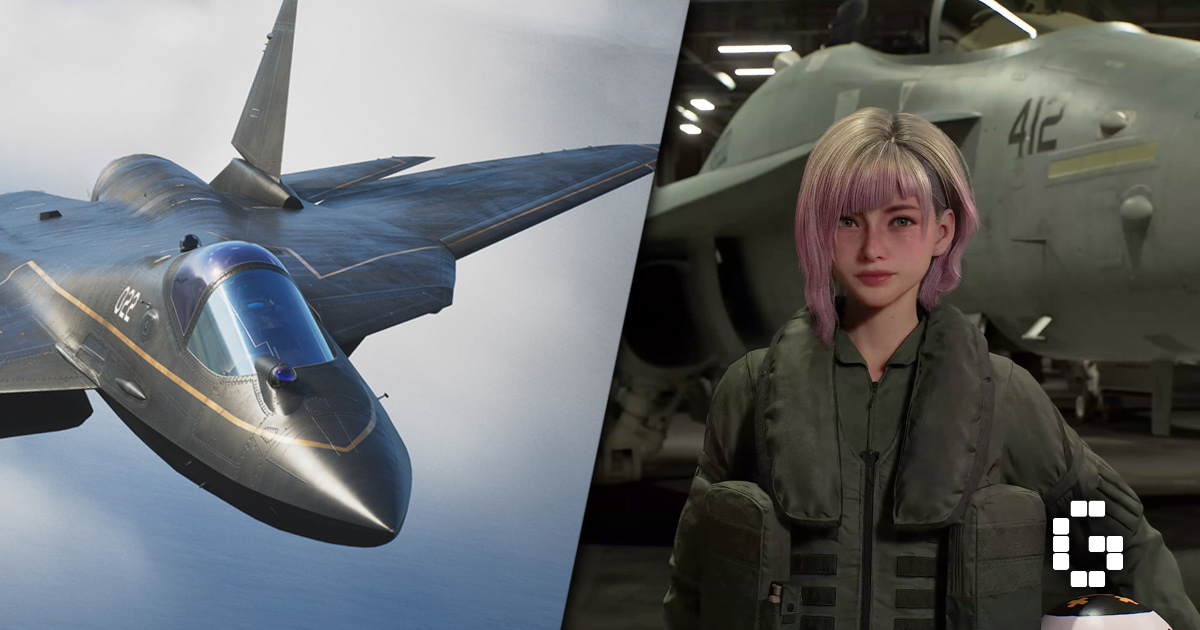
Few flight combat series carry the weight and legacy that Ace Combat does. Fast jets, big explosions, tense radio chatter, and dramatic storytelling have kept fans coming back for decades. So when a hands-on preview session for ACE COMBAT 8: WINGS OF THEVE opened up, expectations were already sky-high. After getting time with the prologue, Missions 1 through 5, and Missions 9 and 11, it is clear this is not just a visual upgrade or a bigger map. The game is quietly reworking how aerial combat feels and plays, and there is quite a bit to unpack.
A New Front, A New Story
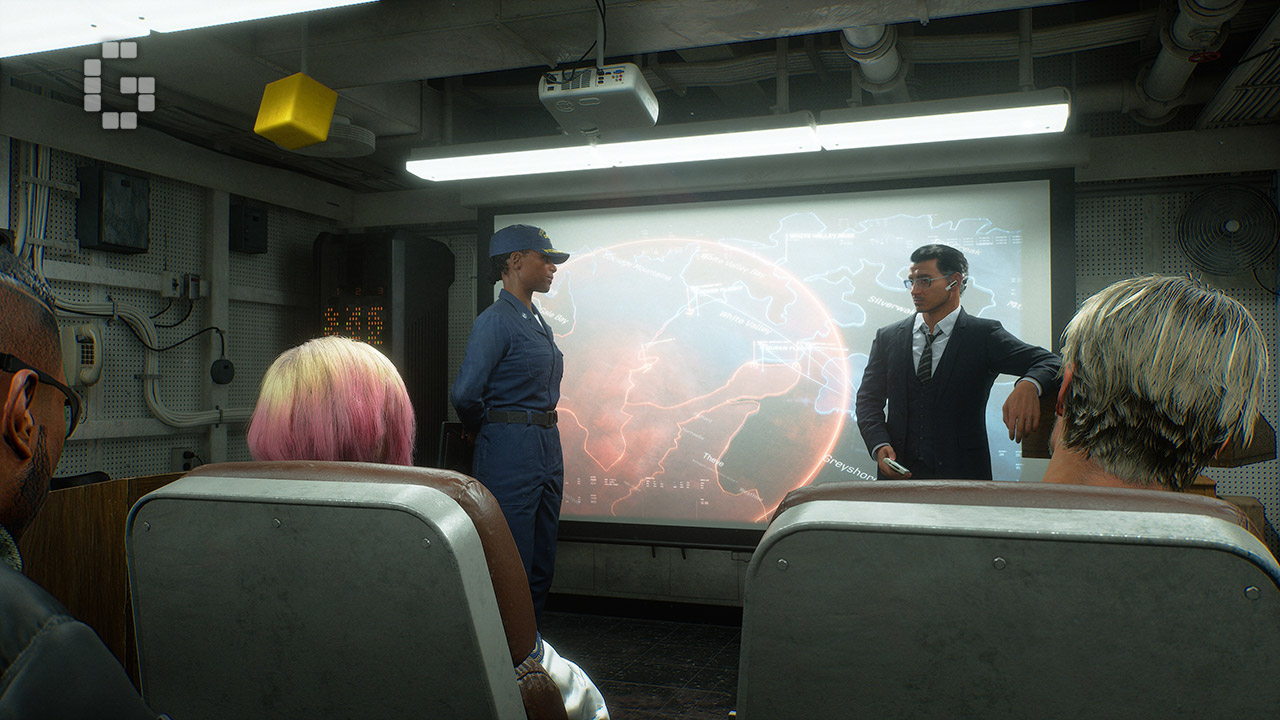
The story puts players inside the cockpit of an ace pilot from Joker Flight, a squadron serving the FCU (Federation of Central Usea), as they get pulled into an escalating war. The FCU has existed in the Ace Combat universe before but has never really been given the spotlight. WINGS OF THEVE changes that, digging deeper into this region and expanding the world in ways that long-time fans will appreciate.
The preview missions for ACE COMBAT 8 cover a solid range of objectives including air combat, interception operations, maritime strikes, and large-scale target engagements, giving a good early look at the variety the game has to offer.
A Familiar Feel With a Heavier Touch
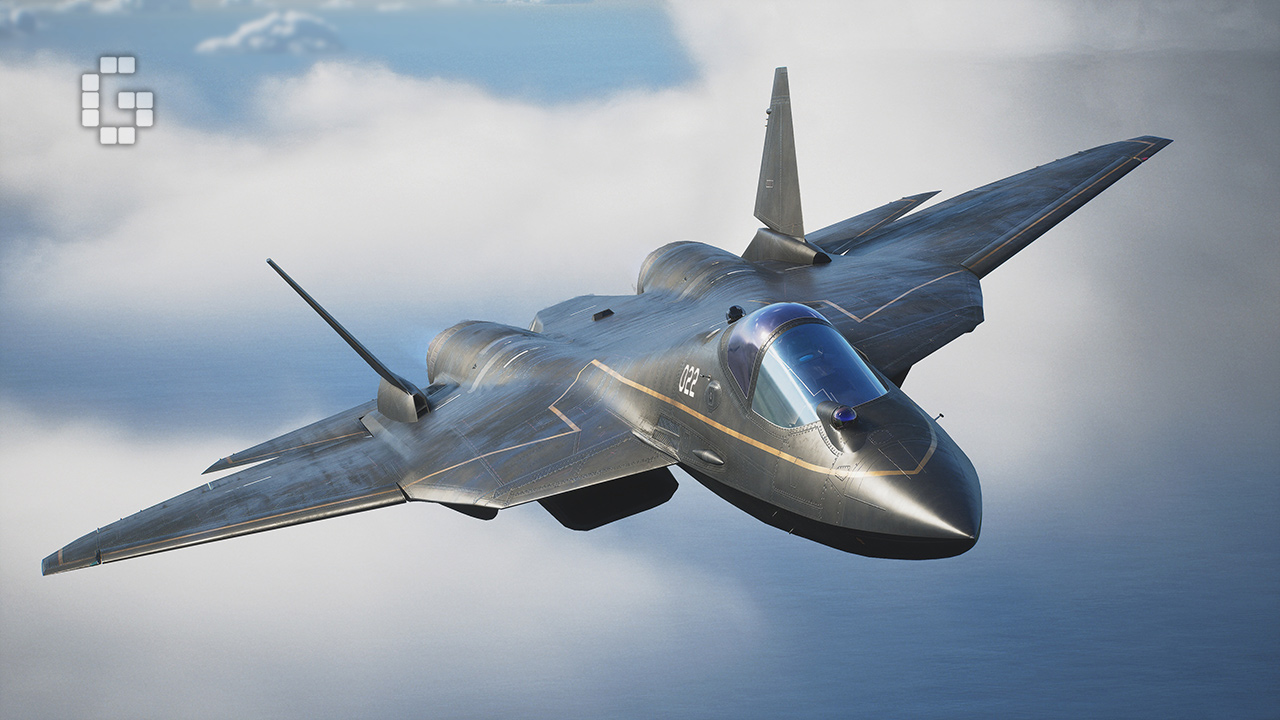
The aircraft lineup in the build includes the F/A-18C, A-10C, EA-6B, F-2A, F-14D, F/A-18E/F, Mirage 2000-5, Typhoon, MiG-29A, and Su-33. The selection leans toward modern and carrier-based aircraft, and the presence of the EA-6B in particular points toward a bigger focus on electronic warfare and more grounded air force compositions.
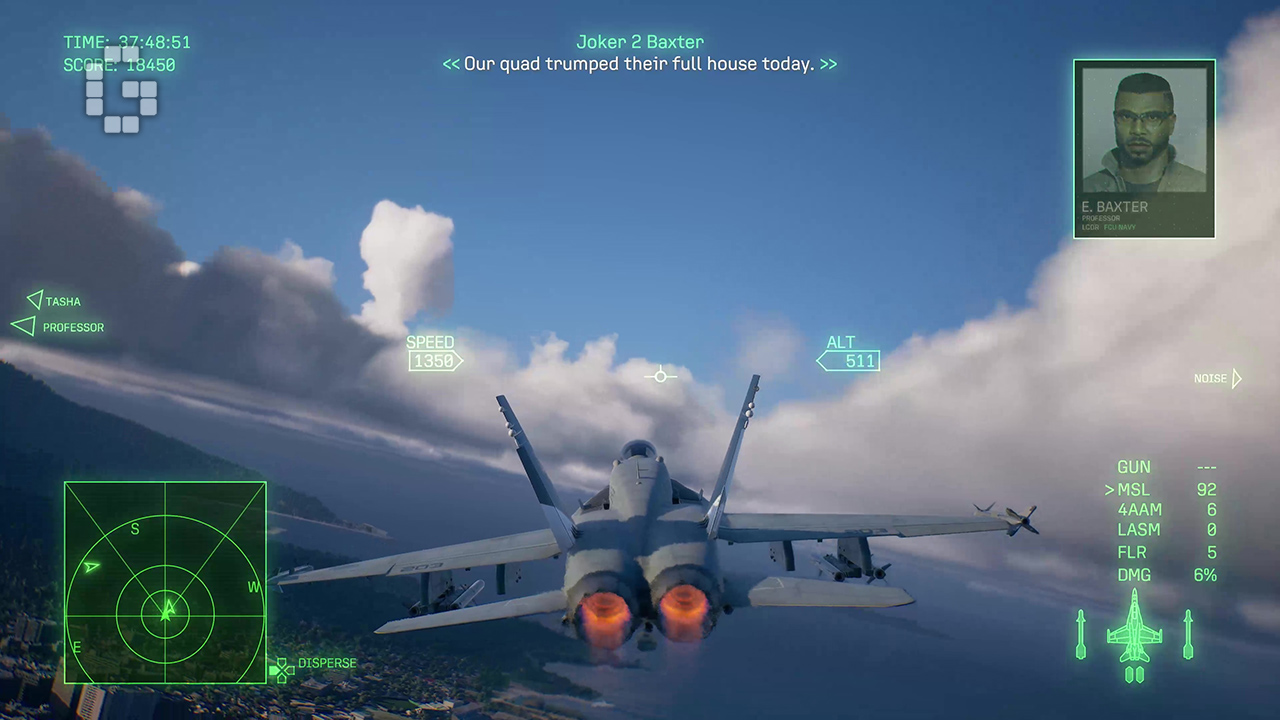
Ace Combat has always lived in that comfortable middle ground between arcade and simulation, and WINGS OF THEVE keeps that balance. However, flying feels noticeably heavier this time around. Each aircraft has a more defined sense of weight and momentum. During hard turns, climbs, and quick attitude changes, you can feel the inertia more clearly. Planes no longer snap to your inputs instantly. They feel like actual machines with mass, and different aircraft handle in noticeably distinct ways.
Combat That Rewards More Than Just Precision
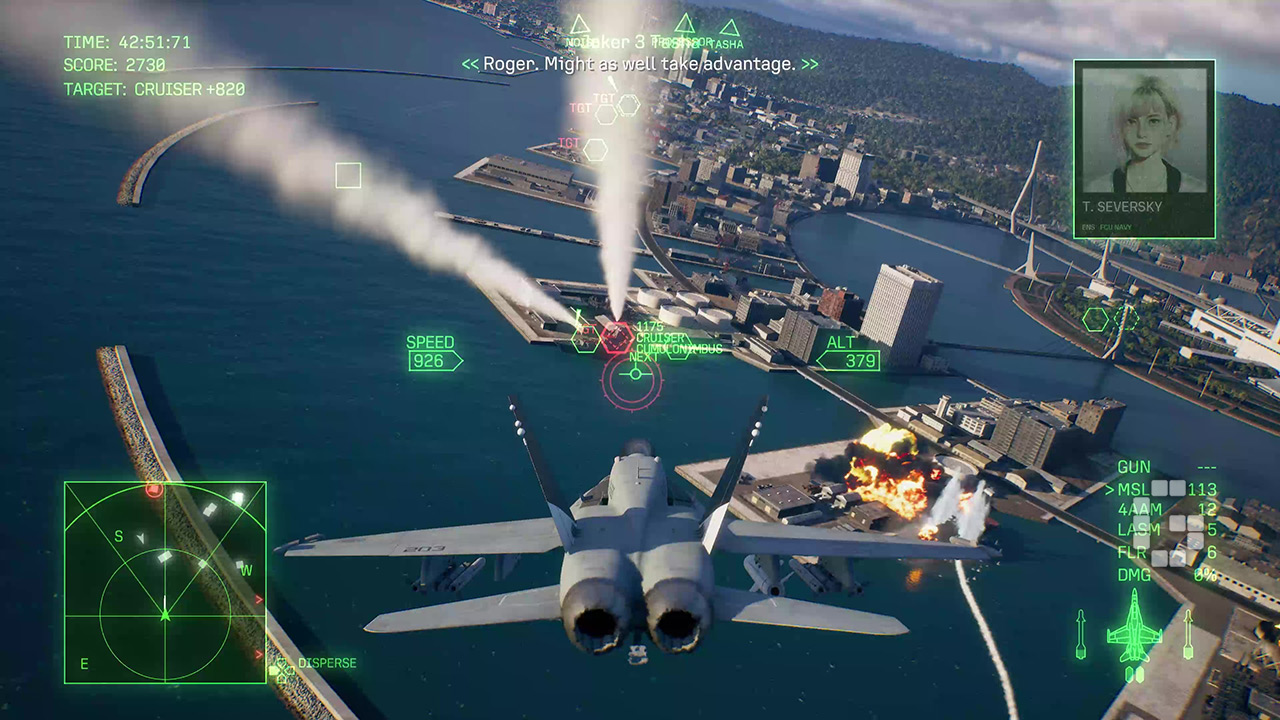
One of the biggest changes in WINGS OF THEVE is how damage works. In past entries, you needed a direct hit from a missile or gunfire to deal damage. Here, near-misses and blast proximity can also chip away at a target. Once enough damage builds up, enemies can be disabled or destroyed, and that destruction can trigger chain reactions that spread to nearby units.
This Chain Reaction system changes the rhythm of combat in a real way. Pure precision is still valuable, but there is now more room for strategy around positioning and environmental impact. Engagements feel less like a checklist of clean hits and more like a dynamic, unfolding situation.
WINGS OF THEVE also introduces a dual Special Weapon loadout. Instead of picking a single special weapon before a mission, players can now bring two. This opens up more flexibility depending on what a mission demands. Going into a mission with heavy aerial resistance calls for a different setup than a naval strike or a ground assault. Pre-mission planning now feels more like putting together a combat strategy rather than just picking the strongest option.
The Sky Itself Is Now Part of the Fight
Low-altitude flying has always been one of the most exciting parts of Ace Combat, and that holds true here. Screaming past buildings, cliffs, and ocean surfaces at top speed keeps the tension constant and the sense of speed feels very much alive.
What is new is how the clouds and atmosphere factor into combat. Different altitude layers now have distinct cloud formations. Dense storm clouds sit lower, while thinner formations spread out higher up. More importantly, clouds are no longer just decorative. Players can read enemy movement through cloud disturbances, and sunlight reflecting off cockpit glass can give away enemy positions. The sky has gone from being a backdrop to being an active part of how you fight and navigate.
Radio Chatter and the Feel of Being an Ace
The radio communication system, one of the series’ most beloved features, continues to do a lot of heavy lifting when it comes to atmosphere. Allied pilots constantly feed you updates, warnings, and commentary throughout missions, making it feel like you are part of a living squadron rather than flying solo. Enemy pilots also talk back, throwing out taunts and engaging in back-and-forth exchanges that give the combat a personal edge.
Combined with the first-person cockpit perspective, all of this works together to put you squarely in the role of an ace pilot rather than just a player moving a jet around a map.
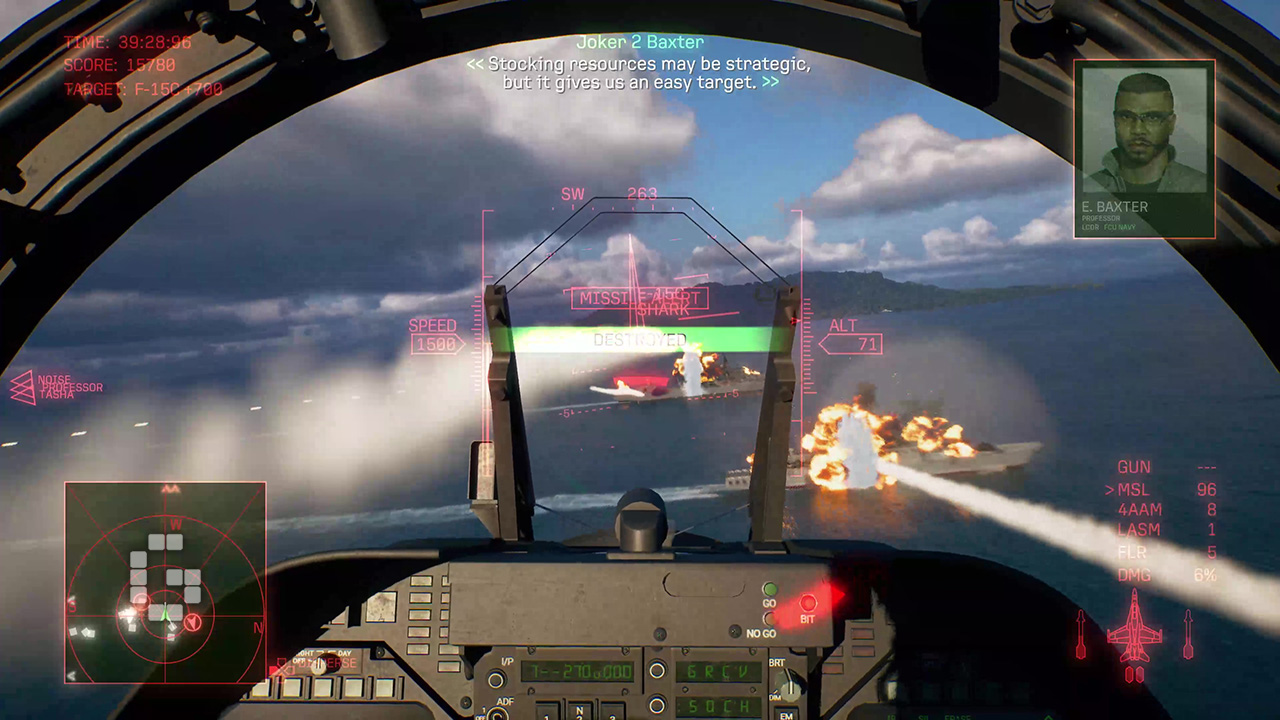
The squadron command system returns and continues to give players real influence over how missions play out. You can order allies to focus fire on specific targets, provide cover, or use their special weapons in support roles. In practice, these orders make a tangible difference. Directing teammates to clear out enemy aircraft speeds things up considerably, while positioning them in support during strike missions takes meaningful pressure off the player. It reinforces the idea that you are both a pilot and a battlefield coordinator.
Conclusion
Based on what the preview build offers, ACE COMBAT 8: WINGS OF THEVE holds onto the things that have always made the series work while quietly rethinking some of its core systems. The chain damage mechanic, the dual weapon loadout, the reactive cloud system, and the heavier aircraft handling all point toward a game that wants to add depth without losing accessibility. It is still early, but the direction is clear, and for fans of the series, the sky ahead looks promising.