
![[EXCLUSIVE] Dragon’s Dogma 2: Dark Arisen Team Opens Up About the Expansion’s Name, New Norgan Region, and Performance Goals](https://cdn.gamerbraves.com/2026/07/Dragons-Dogma-2-Dark-Arisen_Interview_FI-360x180.jpg)








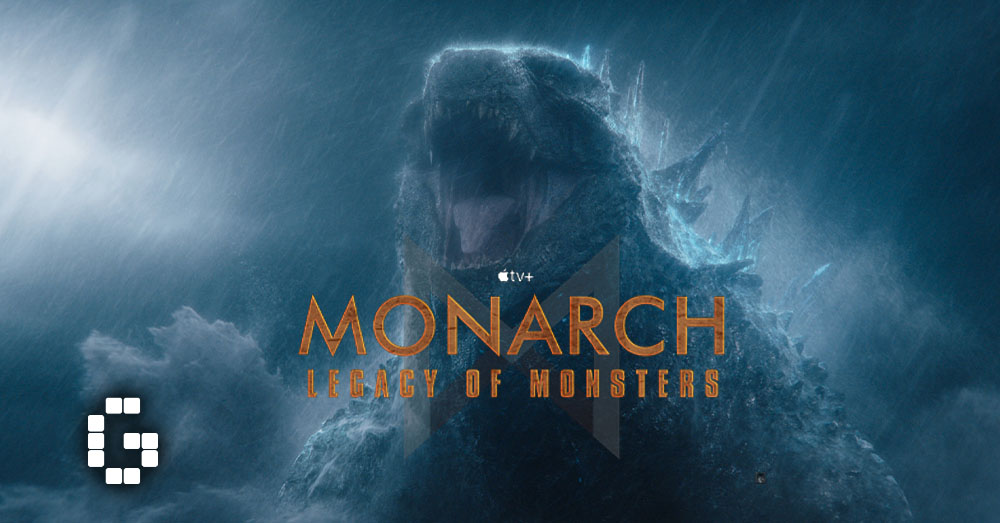
Monarch: Legacy of Monsters is set within the Monsterverse, taking place between Godzilla (2014) and Godzilla: King of the Monsters (2019). The series weaves a dual-timeline story, spanning the 1950s and the present day, showing how past decisions echo into the modern world. Season 2 expands this narrative with higher stakes, new Titans, and broader Monarch operations, while keeping the focus on the human drama at the heart of the story. By balancing blockbuster spectacle with character-driven storytelling, the show emphasizes that the humans are just as vital to the Monsterverse as the Titans themselves. This is our spoiler-free review of Season 2 of Monarch: Legacy of Monsters.
A Bigger Vision
Season 2 of Monarch: Legacy of Monsters feels bigger — not just in spectacle, but in emotional and narrative ambition. Without revisiting specific outcomes from Season 1, it’s clear that this follow-up operates with more confidence. The scale expands across oceans, territories, and larger set pieces, but what stands out most is the sense that the stakes are more immediate and compressed. Much of the season unfolds within a tight time frame, creating urgency. The characters are rarely given space to breathe, and that constant forward motion makes everything feel consequential.
We see more of everything: deeper backstories, more nuanced motivations, larger sequences, and yes — more monsters. But the escalation never feels hollow. There’s purpose behind it.
The generational theme continues to be one of the show’s strongest pillars. Seeing how decisions made decades ago ripple into the present gains even more weight this season, especially now that the scale of the time gap is clearer. Meanwhile, the tension around secrecy evolves. In Season 1, the primary friction often existed between individuals and the institution of Monarch. Here, secrecy becomes more personal — embedded between characters themselves. That shift makes the drama feel more intimate and layered.
Story & Structure
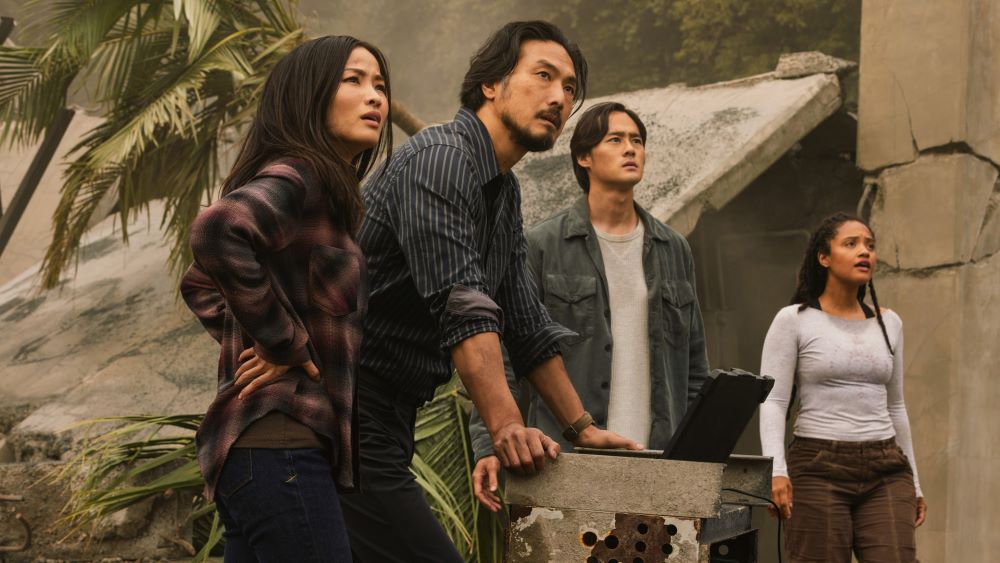
The dual-timeline format — 1950s and present day — remains one of the series’ defining strengths. Season 2 refined it.
The 1950s storyline feels more polished this time, with expanded character focus and stronger connective tissue to the present. The interweaving of timelines is tighter, often revealing how past choices directly shape present consequences. Rather than feeling like parallel tracks, the narratives feel deliberately interlocked.
A major emotional throughline comes from Keiko, whose presence across timelines sharpens the thematic focus. Watching her story unfold in both eras creates a compelling perspective shift: were past decisions the right ones? And what does living with those consequences actually look like? The structure allows those questions to linger without spelling out answers.
In terms of pacing, the season integrates human drama and Titan spectacle more fluidly than before. This is still a character-first series — there are fewer monster moments than some viewers might expect — but the human drama feels essential rather than filler. The emotional grounding makes the larger-than-life elements resonate more.
Character & Performance
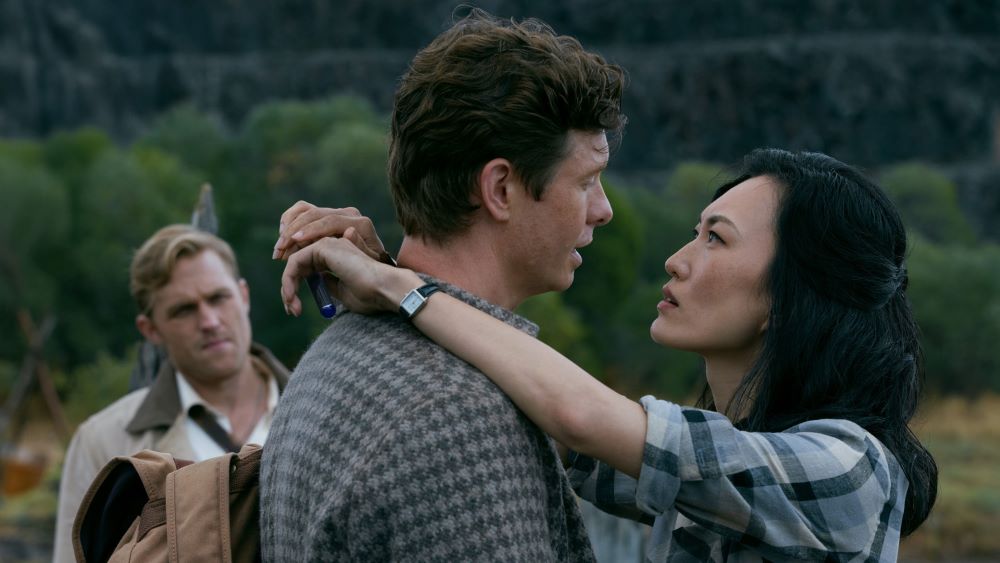
Despite its blockbuster framework, Season 2 is driven by its characters.
Mari Yamamoto’s portrayal of Keiko is arguably the emotional anchor of the season. Seeing her navigate two vastly different eras — while maintaining continuity in performance — adds real depth. The contrast between her past idealism and present reality strengthens the generational themes at the heart of the series.
Anna Sawai (Cate Randa) continues to ground the present-day storyline with vulnerability and conviction, while Kurt Russell and Wyatt Russell (Lee Shaw) maintain the layered dynamic that made their shared character work so well. Their presence reinforces the legacy motif without overplaying it.
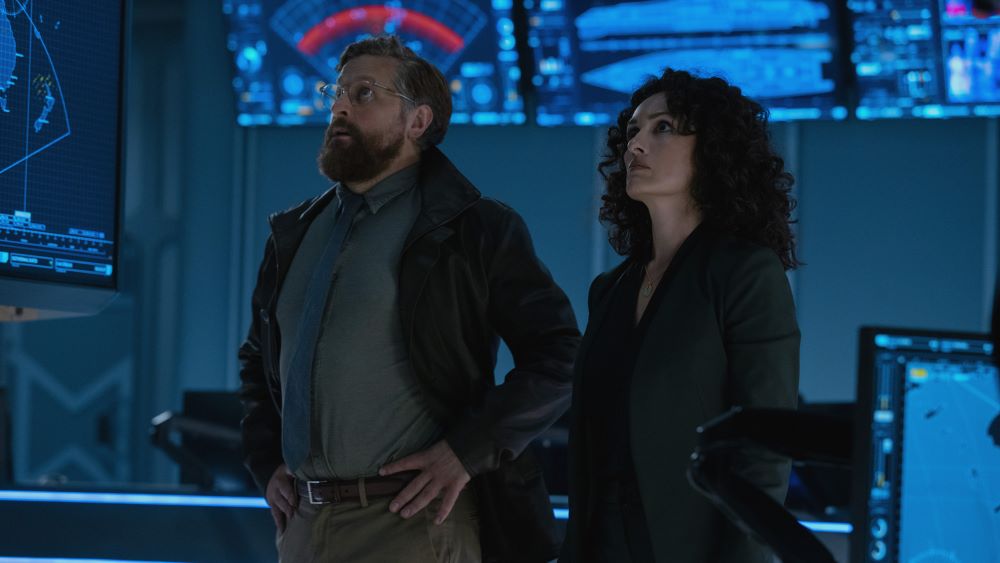
Notably, supporting characters feel stronger this season. Where Season 1 occasionally rendered some figures abrasive or underdeveloped, Season 2 gives everyone clearer motivations and backstory. Even when characters clash ideologically, their perspectives feel understandable.
Tim, played by Joe Tippet really steps into the spotlight this season. What felt like a side role in Season 1 is now expanded into something much more substantial. He has moments that show his importance to the story and the ensemble, and his growth helps anchor some of the season’s emotional beats. It’s satisfying to see him evolve from a peripheral presence into a character who truly matters in the bigger picture.
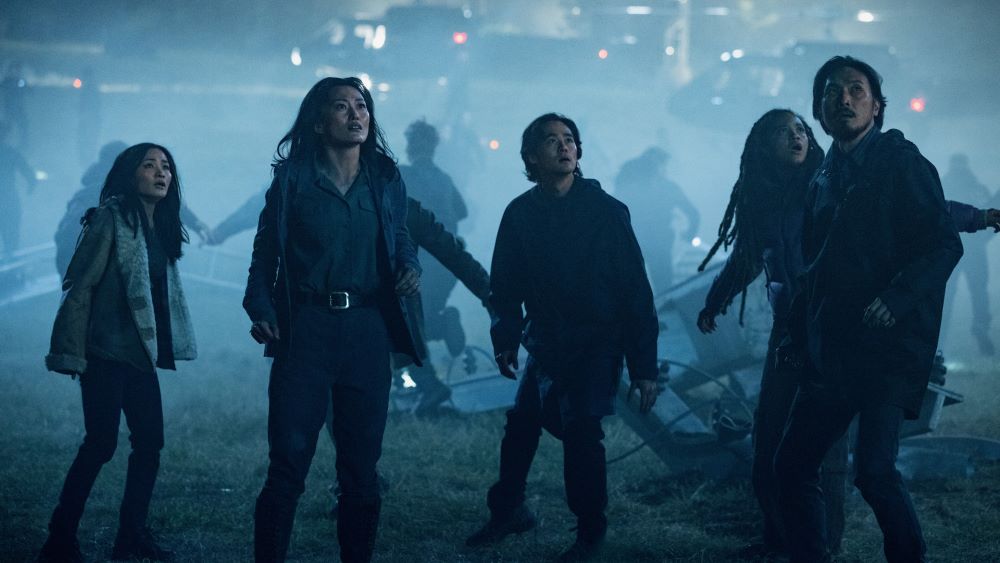
Thematically, the show continues to explore generational trauma, moral ambiguity within Monarch, and ideological conflict around Titan control — without reducing anyone to a caricature.
Titans & Spectacle
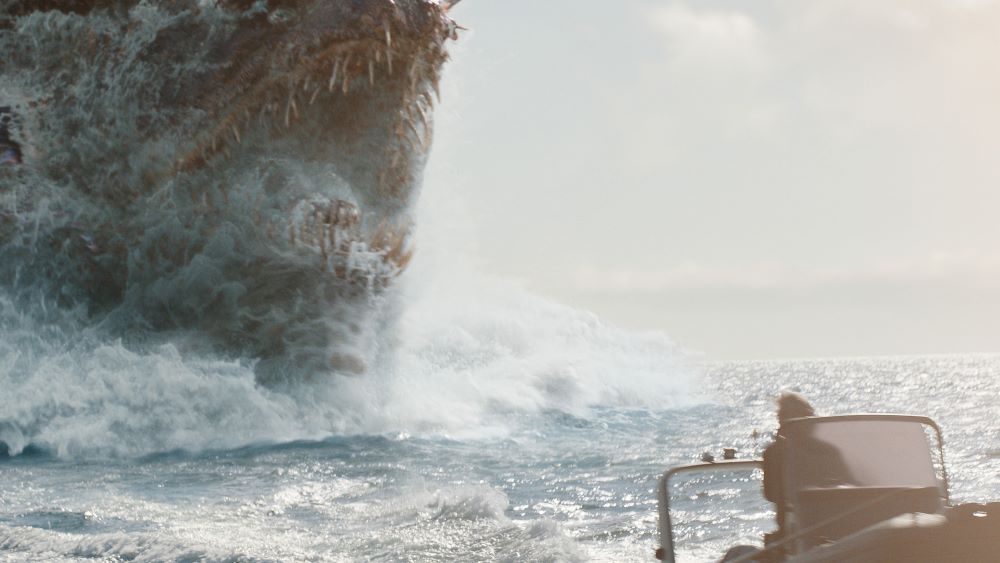
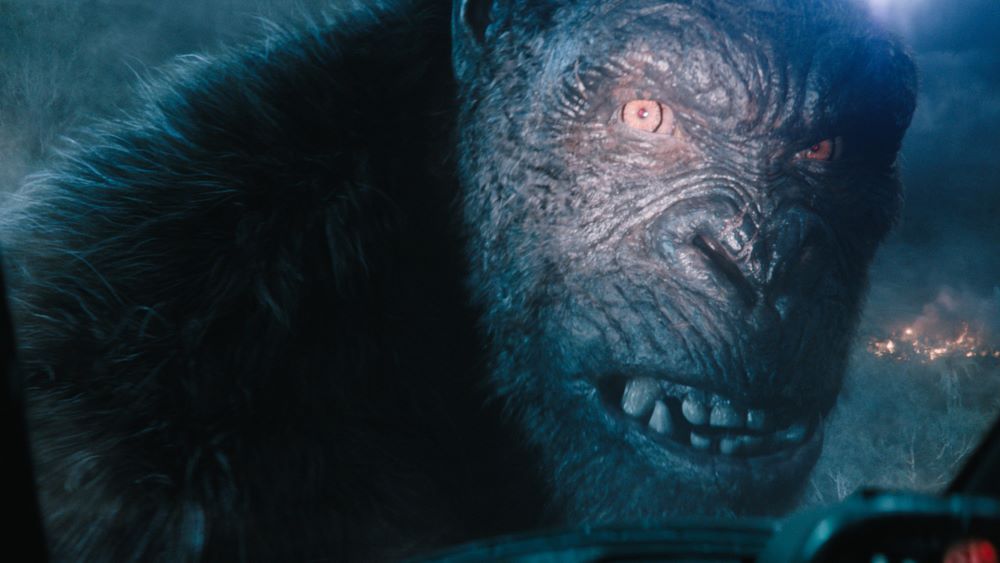
One of the most promoted elements of Season 2 is Titan X. Without revealing specifics, it’s safe to say the creature may not align with initial expectations. First impressions shift as the season unfolds, and that unpredictability adds intrigue.
Importantly, focusing on a Titan beyond Godzilla allows the world to feel broader. Godzilla’s presence still carries weight, but expanding attention reinforces that this universe is larger than any single monster.
Creature design remains strong, with scale conveyed effectively. Encounters are framed with emotional weight rather than just visual excess. The spectacle enhances the stakes instead of overwhelming them — and that balance is key.
Themes: Control vs. Coexistence
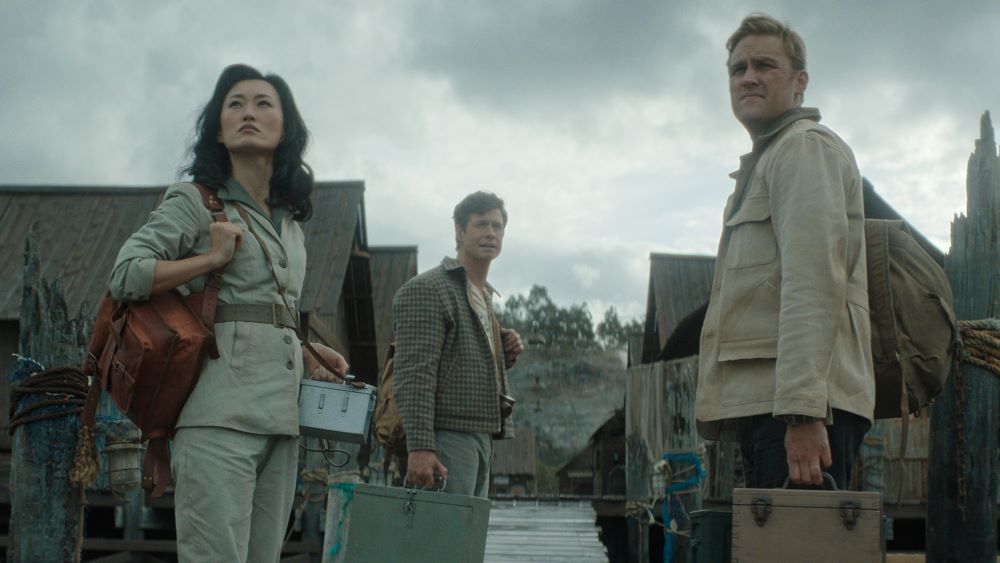
At its core, Season 2 wrestles with the tension between control and coexistence.
Three dominant mindsets emerge: those who want to control the Titans, those who advocate coexistence, and those who simply want to be left alone. The ideological clash between control and coexistence carries the most weight, raising questions about scientific ethics, institutional secrecy, and humanity’s instinct to dominate what it doesn’t understand.
The series avoids simplistic answers. Instead, it frames the debate as ongoing and complicated — which elevates it beyond standard monster-drama territory.
Final Verdict
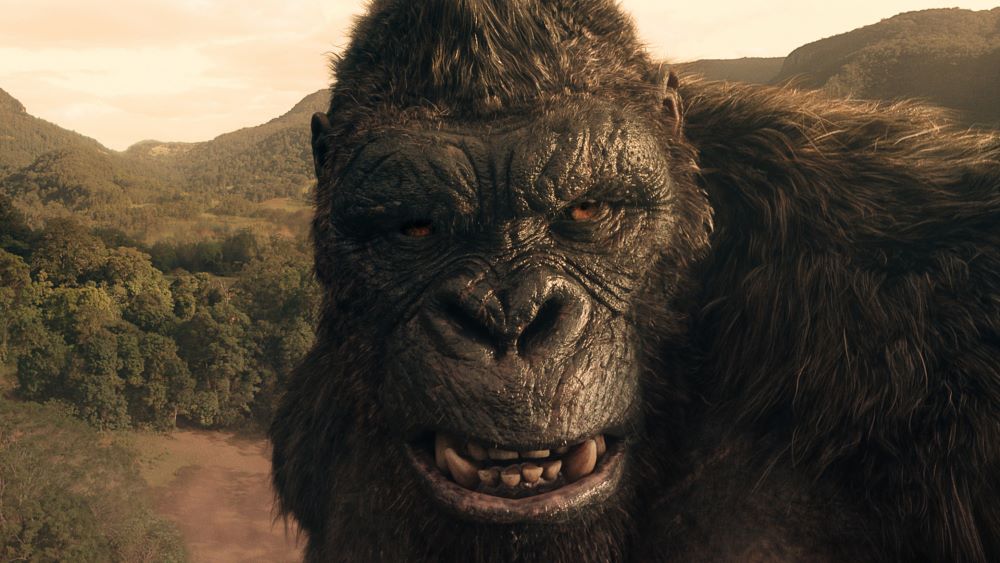
Season 2 of Monarch: Legacy of Monsters successfully balances human drama with Monsterverse spectacle. It feels bigger, more emotionally grounded, and more confident in its identity.
If you enjoyed the first season, this is a clear step up. Interestingly, while prior knowledge enhances the experience, the season remains accessible enough for newcomers to follow along.
It’s a thoughtful expansion of the Monsterverse — one that understands that giant monsters matter most when the humans beneath them do.
You can check out the show on the official Apple TV streaming site here.
The Review
PROS
- The past and present storylines feel more connected and easier to follow.
- The story feels more urgent and keeps you hooked.
- Keiko and Cate give the season a lot of emotional depth.
- The main themes of the show are clearer and feel more focused.
- The action and stakes feel bigger and more confident than before.
CONS
- Some Titans don’t get as much screen time as you might expect.
- With so many characters, it can sometimes be hard to keep track of everyone.