













![[EXCLUSIVE] Dragon’s Dogma 2: Dark Arisen Team Opens Up About the Expansion’s Name, New Norgan Region, and Performance Goals](https://cdn.gamerbraves.com/2026/07/Dragons-Dogma-2-Dark-Arisen_Interview_FI-360x180.jpg)



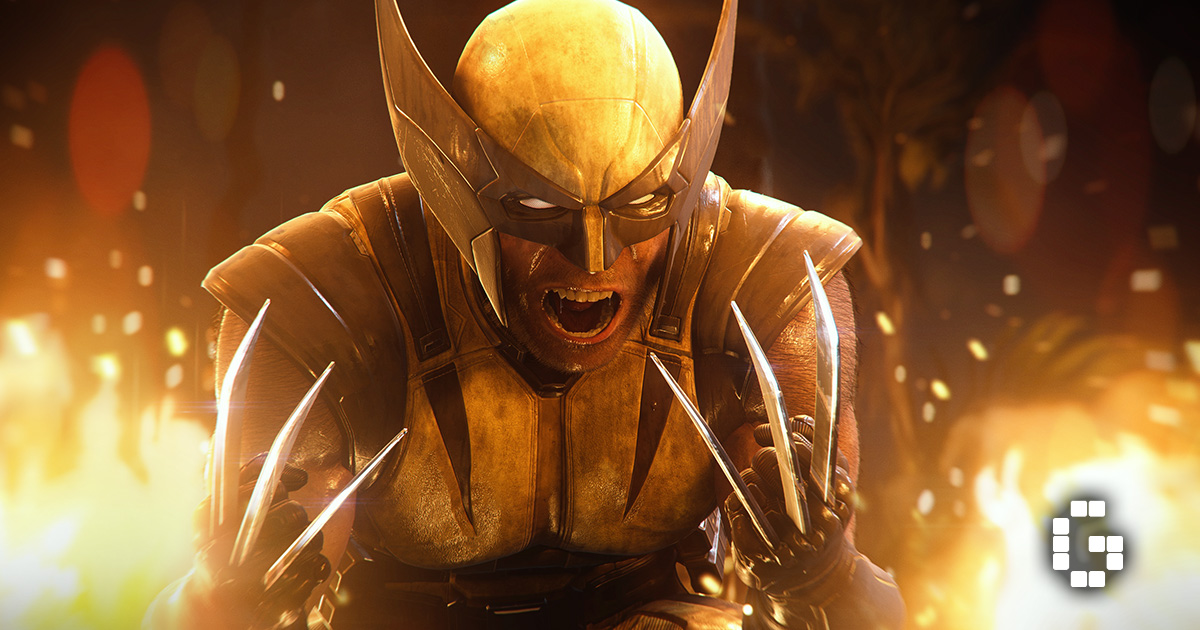
Marvel’s Wolverine carries the same DNA that made Insomniac Games’ previous titles stand out fast, fluid combat, big action moments, solid accessibility options, and a story that leans into what makes Wolverine such a beloved comic book character. A recent two hour hands on session with the game gave a good look at what players can expect when it eventually releases, covering both a story driven rescue mission and a chance to freely explore Lowtown, a district in Madripoor. The build offered five difficulty levels, with Normal chosen for this playthrough. From the moment Wolverine pops his claws, the game moves straight into its tutorials, and from there the session left a strong impression, with both combat and exploration feeling well put together. Here is a full breakdown of what stood out.
Combat System
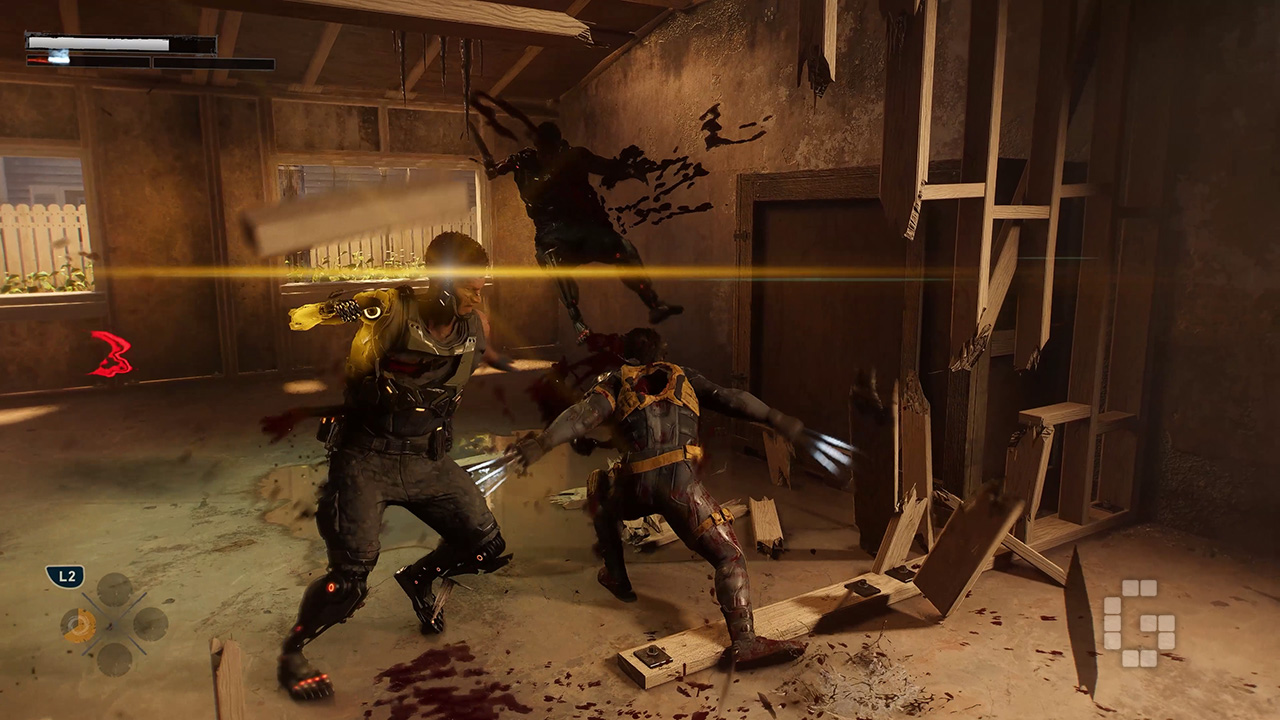
Combat feels smooth from the very start, and it does not take long to understand how everything connects. Alongside light and heavy attacks, players get parry, dodge, and a leaping attack, and these options combine in flexible ways, with parry timing acting as the core of the whole system. When facing a crowd, ranged attacks are marked with a red warning that gives enough time to move away, while yellow attacks can be punished with a counter if timed well. On top of regular claw strikes, there are area attacks and stronger kicks to deal with different situations, making the toolkit deeper than expected. Wolverine does not get a ranged option like Spider-Man does. Instead, he closes distance by leaping directly onto enemies further away, which stops ranged fighters from attacking from a safe spot and helps sell his feral, fast moving nature.
The healing and revive systems also feel different from what players might expect, though that does not make the game easy. If health drops to zero, players can still revive by mashing the square button, but only if they have Rage banked. Without Rage, it is game over. There is also a perception system similar to a Spider-Sense that helps spot ranged attacks or useful environmental details ahead of time. This pairs with a fairly complete skill tree that slowly unlocks more claw combos, along with multiple outfits that can be swapped, showing that the progression system is already taking shape. Importantly, this is not a game where simply mashing attack buttons gets the job done. Players need to constantly read the fight, track enemy numbers, and decide when to dodge, parry, use a skill, or focus a specific target. Ignoring this and just attacking will get players taken down quickly.
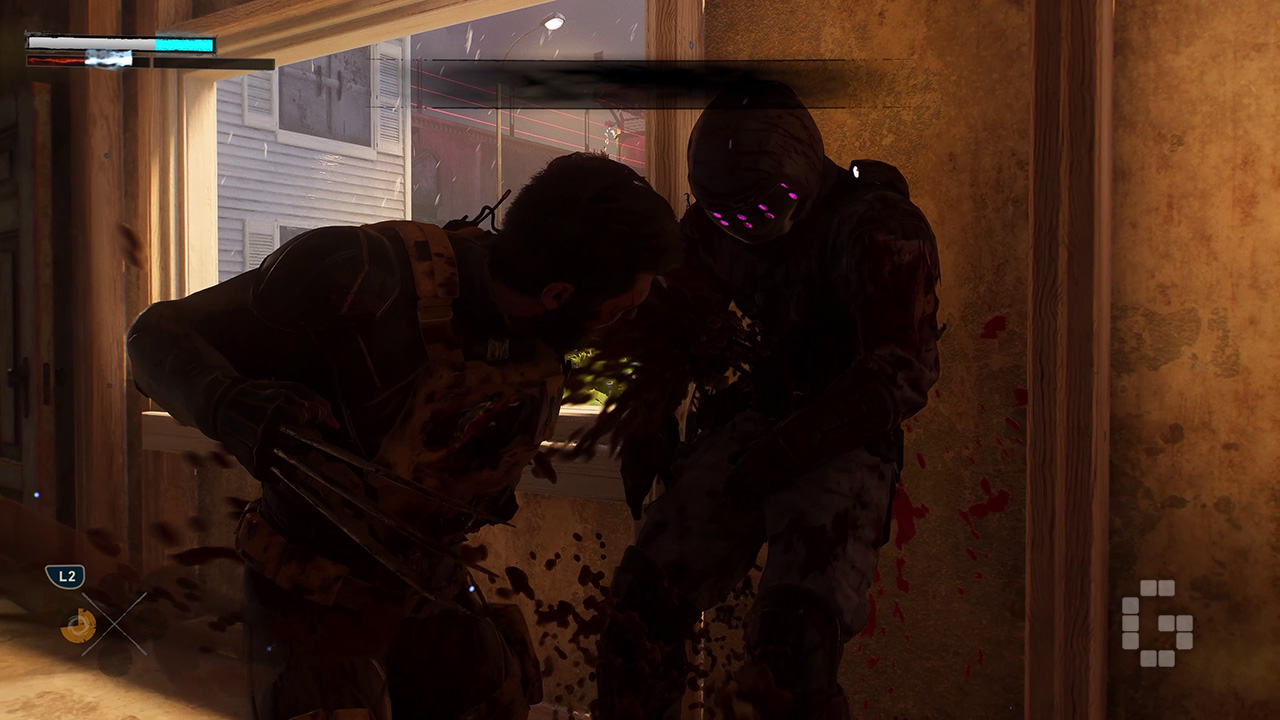
At one point, the demo offers a choice between going stealth or fighting head on. Stealth is not too demanding, letting players hide in tall grass, break line of sight, and pick off enemies one by one, or drop down from a rooftop for an aerial takedown that fits the “wolf stalking its prey” feeling well. Early enemies felt a little too easy, but the difficulty picks up once the Hand shows up. These enemies are noticeably tougher, using bows, bombs, and katanas, along with a wider range of attacks. They can also dodge, which means players need to pay closer attention to their movements, making these fights feel much more intense.
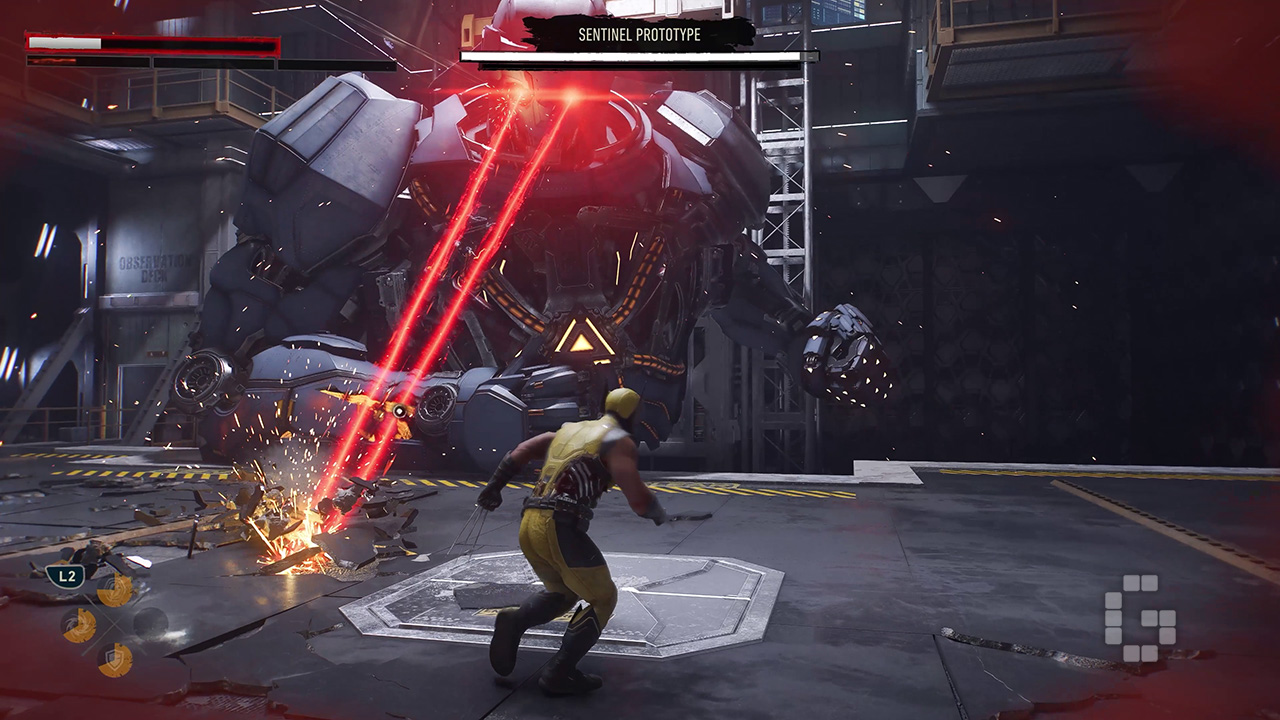
The clear highlight of the demo was the Sentinel boss fight, the only boss encounter featured in this build. It is a varied fight, mixing punches, laser blasts, and missiles at a fast pace. Once the patterns are learned, it can start to feel a bit repetitive, mostly coming down to cycling between parry and dodge while waiting for an opening. Still, what makes it memorable is that players are not fighting alone. Teaming up with allies and combining their abilities to take down the Sentinel adds a different flavor to the combat and makes the teamwork feel meaningful.
Rage System
The Rage system stands out as one of the smarter design choices in this build. In the demo, the Rage meter is capped at three segments and fills up by killing enemies or landing counters, meaning the better a fight is going, the faster Rage builds up. This creates a satisfying loop where fighting harder leads to hitting harder. Once Rage mode kicks in, Wolverine gains instant kills and health regeneration, increasing the pressure he can put on enemies. It is a clever way to tie his comic book trait of getting more dangerous the longer a fight drags on directly into gameplay, and using Rage mode to finish off a tough fight feels rewarding.
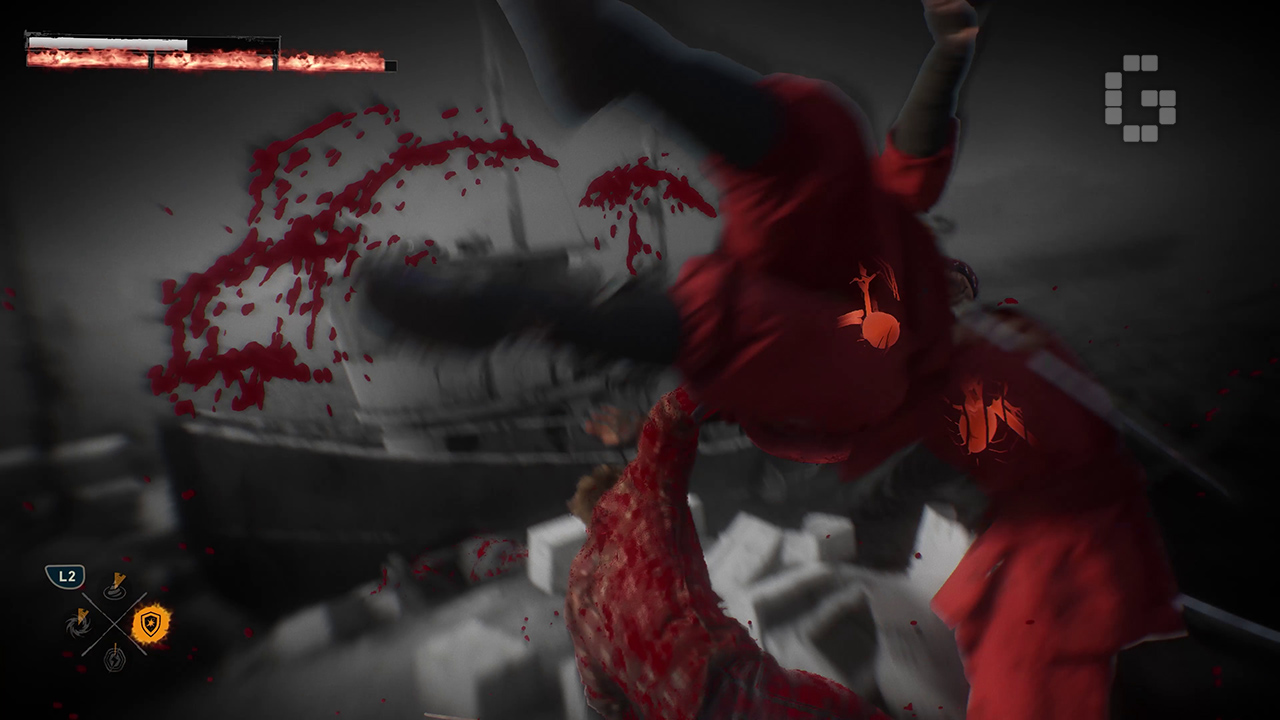
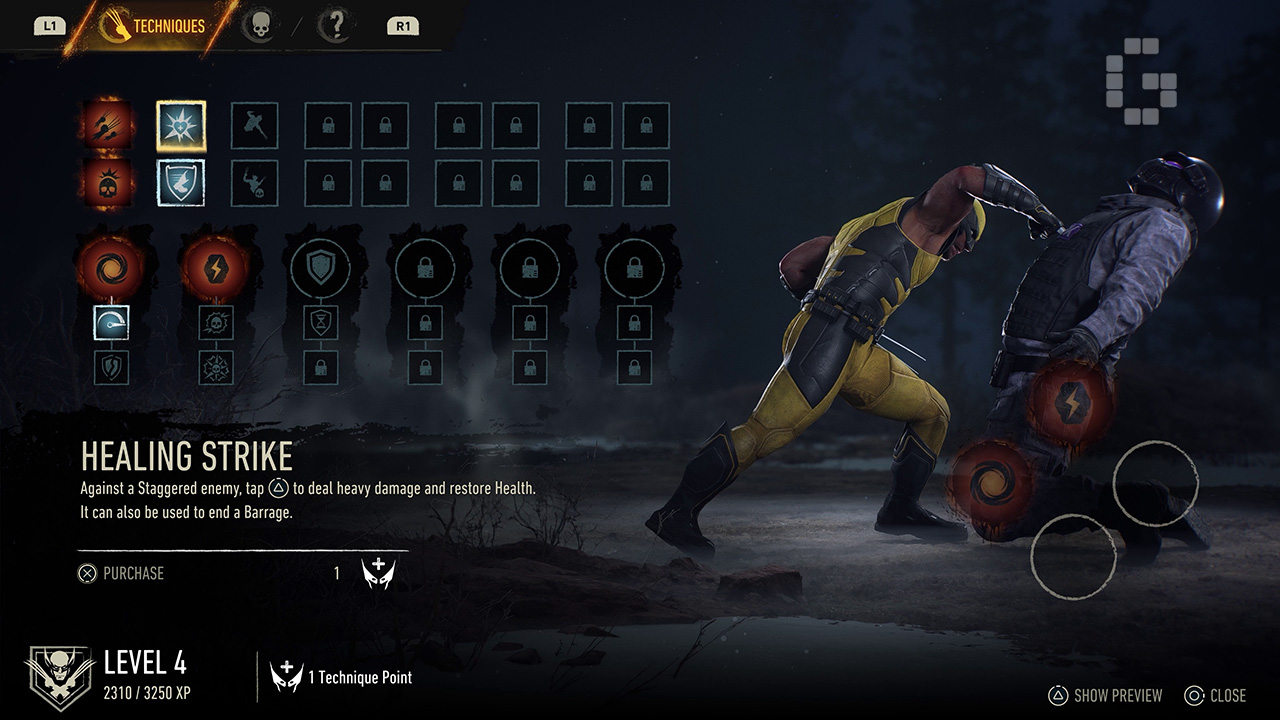
The earlier mentioned revive mechanic is actually built on top of the Rage meter. Insomniac had to find a way to represent Wolverine’s healing factor, a challenge that did not come up while working on Spider-Man, so the studio split it into two separate systems, a healing attack and a revive. The healing attack is simple, landing a hit on a staggered enemy returns some health. The revive uses up Rage and pulls Wolverine back the moment his health hits zero. This means if there is no Rage saved up when health runs out, that is the end of the run. Rage ends up serving two purposes, acting as both an offensive tool and a safety net, which creates a real decision between using it to attack or saving it to survive.
Beyond the Rage meter, there is a separate progression system called Adaptations, which works like a DNA based unlock tree and is separate from the regular skill tree. Players choose a set number of Adaptations to equip, and each one affects a different part of combat, such as improving stealth takedowns or boosting the Rage meter itself, connecting it back to the Rage system.
Exploration
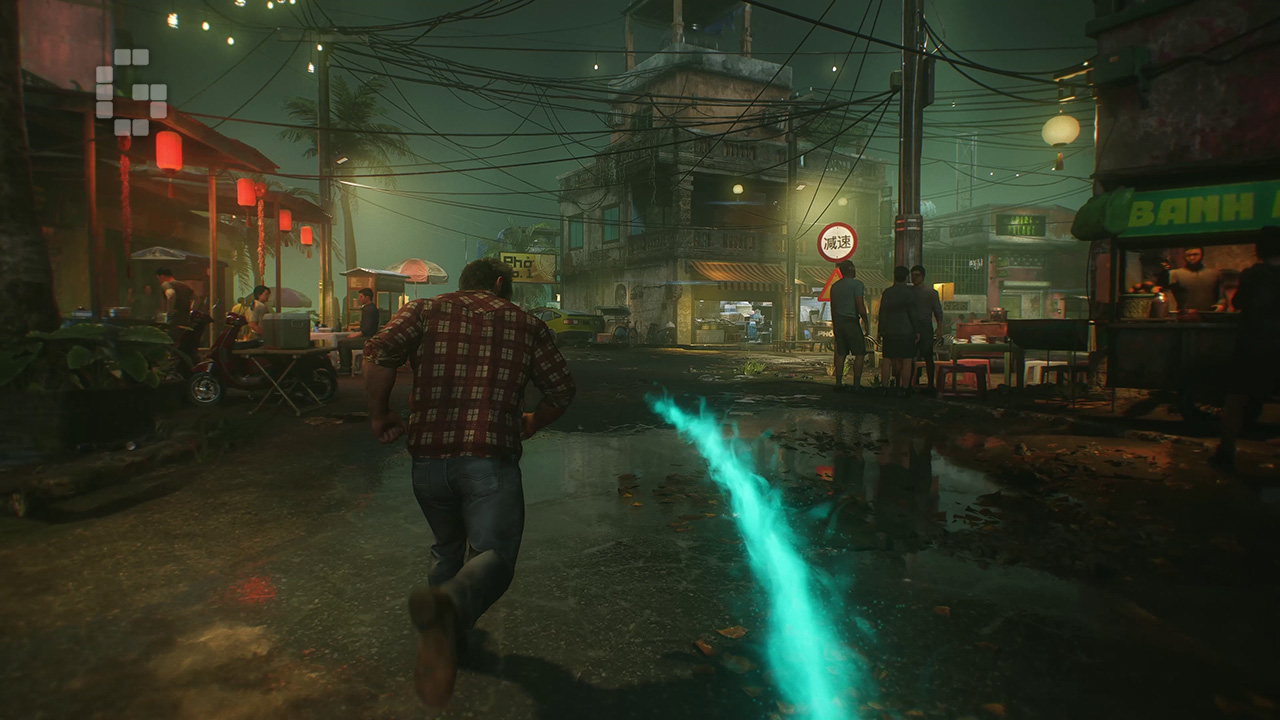
Outside of combat, a lot of the demo’s character comes through during exploration, most of which takes place in Lowtown. This is a smaller section of Madripoor’s lower area, but it is packed with detail and worth taking time to walk through. The signage, street stalls, and background chatter all combine to create the feeling of a busy, slightly chaotic old town in Southeast Asia. Walking around, players can hear people speaking Chinese and spot signs like “Makanan Melayu” hanging over stalls. Even small details like the humidity in the alleyways and the way vendors call out add to the atmosphere. Coming from a Malaysian perspective, noticing these details felt like a genuinely pleasant surprise, showing that the developers put real effort into building a multicultural, street level Southeast Asian setting rather than relying on generic elements.
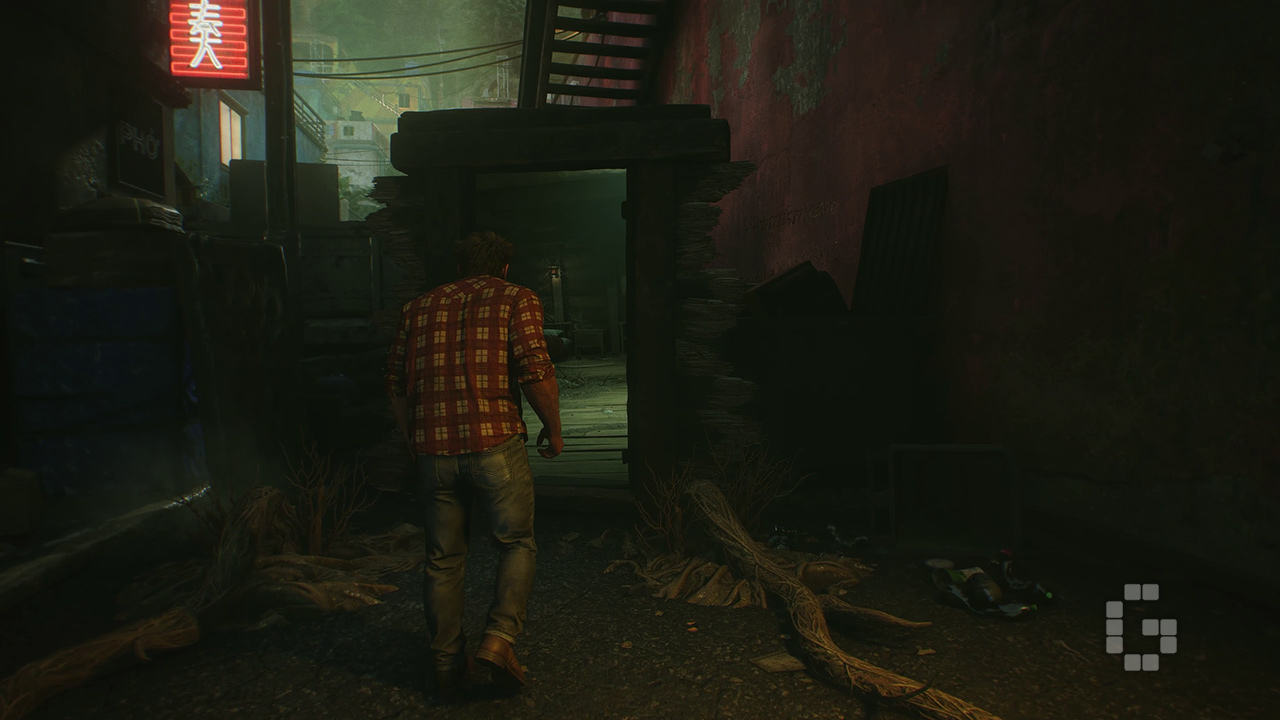
Story during this section unfolds mostly through Wolverine seeking out members of Team X for conversations, which slowly reveal their personalities while also filling in more of Wolverine’s own backstory. These moments feel naturally woven into exploration rather than forced, and they are not just plain dialogue exchanges either, since small interactive choices come up along the way. Exploration also leads to something called a Nightmare Door, an optional side activity that leads into a challenge encounter. Completing it rewards players with more of Wolverine’s backstory, connecting this side content directly to his character arc.
Final Thoughts
After spending two hours with the game, it is fair to say Marvel’s Wolverine shares some surface level similarities with Spider-Man, including parts of the UI, certain enemy types, and some familiar scenery. But the combat built around parries and counters, the Rage powered revive and Rage mode mechanics, and the way Wolverine closes distance by leaping straight at enemies all work together to present him as a character who bleeds, feels pain, and becomes more unhinged as a fight goes on.
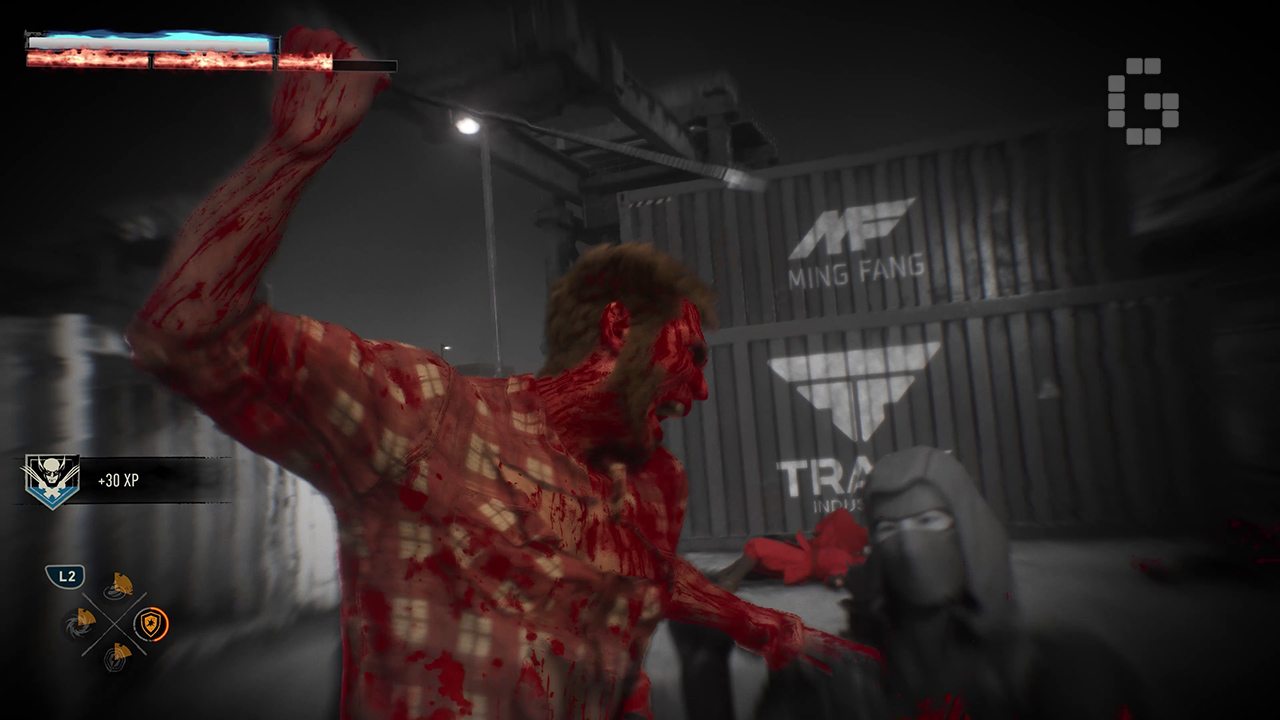
This feral quality carries into the presentation as well, with claws swinging, limbs being cut off, blood spraying, and finishers landing with real impact. Lowtown turned out to be one of the most pleasant surprises of the preview, thanks to its detailed Southeast Asian street atmosphere and the way character backstory is woven through side content and Nightmare Doors.