







![[EXCLUSIVE] Brendan Gan Delivers One of Malaysia’s Best-Ever Worlds Results, Shares Thoughts on Pressure and the Local Scene](https://cdn.gamerbraves.com/2026/08/Brendan-Gan_Interview_FI-360x180.jpg)





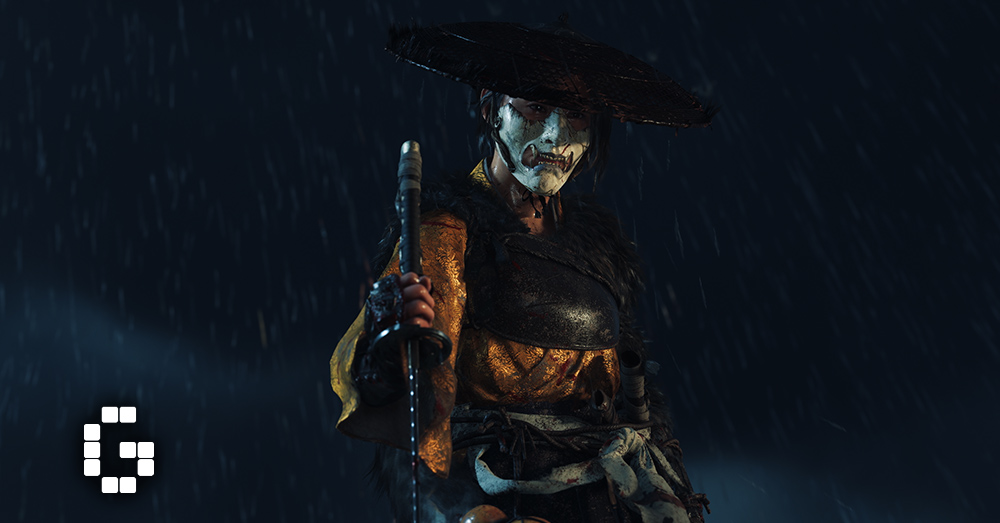
Sucker Punch Productions returns to feudal Japan with Ghost of Yōtei, and this time they’re taking players to a completely different time and place. After spending considerable time exploring its snow-covered peaks and autumn forests, we’ll review how Ghost of Yōtei measures up across its story, gameplay systems, and technical performance.
Set 300 years after the events of Ghost of Tsushima, this new adventure moves from the island of Tsushima to the harsh northern frontier of Ezo in the 1600s. With a new protagonist, fresh combat mechanics, and the same stunning visual presentation the studio is known for, Ghost of Yōtei aims to build on its predecessor’s success while carving out its own identity.
A Personal Tale of Revenge
Ghost of Yōtei introduces players to Atsu, a lone mercenary whose family was murdered by a notorious gang called the Yōtei Six sixteen years before the game begins. The gang didn’t just kill her family—they pinned her to a burning ginkgo tree and left her to die. Against all odds, she survived, and now she’s back with a list of six names: The Snake, The Oni, The Kitsune, The Spider, The Dragon, and Lord Saito.
This revenge story serves as the main driving force, but the game doesn’t limit itself to just bloodshed. Along her journey, Atsu meets allies like Wolf and Huci, forming unexpected bonds that add depth to her character. The developers have designed the story to let players progress at their own pace, with substantial side quests that feel meaningful rather than like busy work.
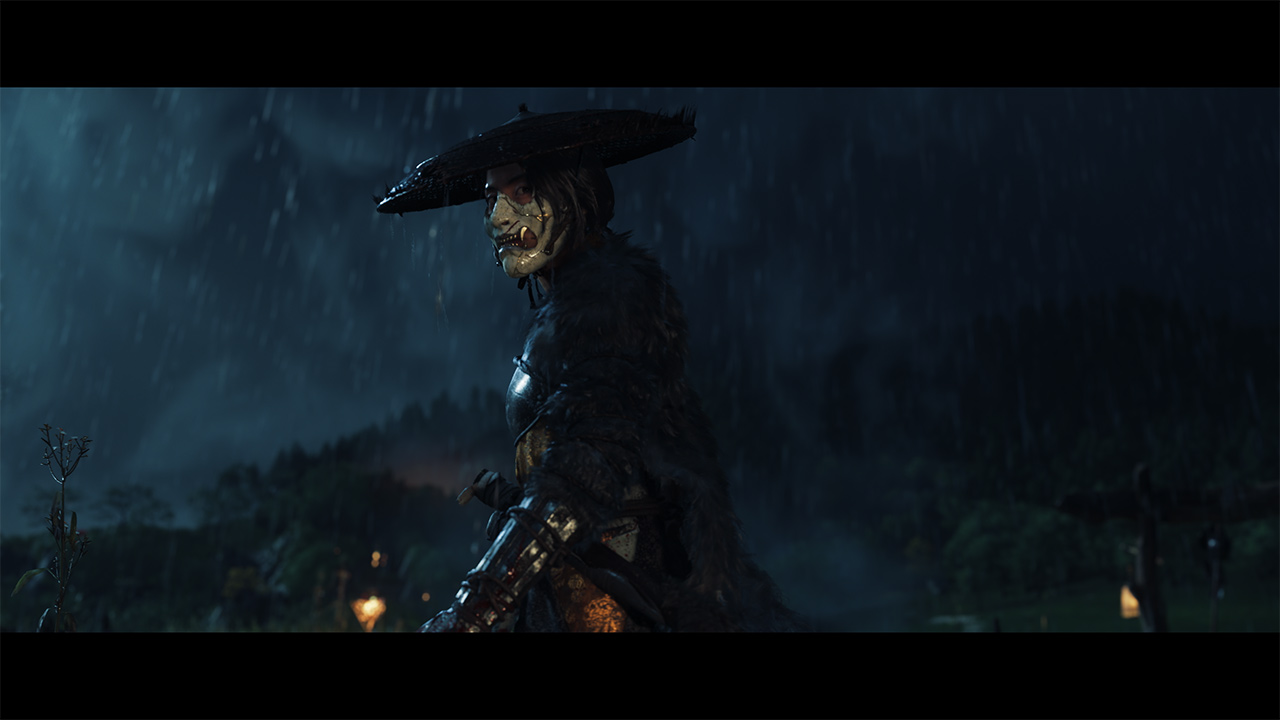
What makes the narrative particularly engaging is how it extends beyond the main villains. Supporting characters like Mad Goro, described as a hilariously infuriating villain with comedic flair, help round out the cast. Even the gear you collect tells stories—like the Crimson Kimono armor, crafted by a mother to protect her child, which adds emotional weight to what could have been just another piece of equipment.
Combat Gets a Major Overhaul
The biggest change from Ghost of Tsushima comes in how combat works. The stance system is completely gone, replaced by a diverse arsenal of weapons that Atsu can switch between freely. As a mercenary rather than a samurai, she’s not bound by honor codes—she’ll use whatever works to survive.
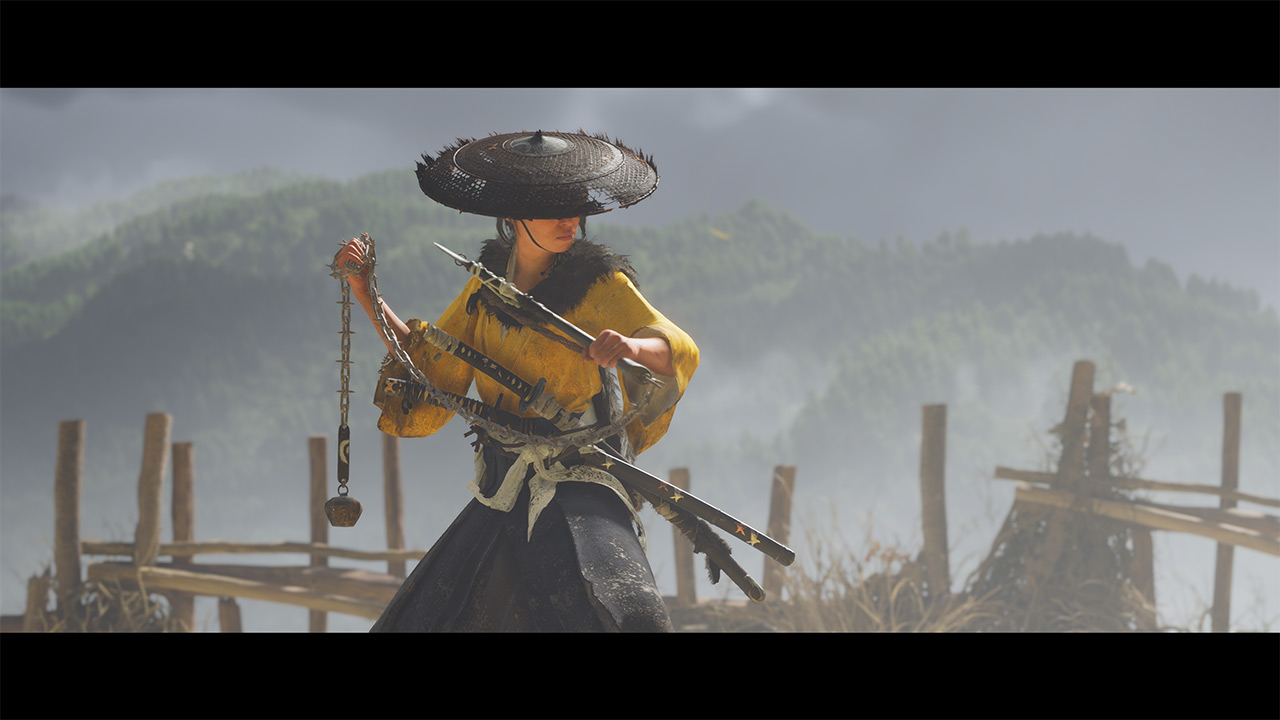
Players can fight with katanas, yari spears, odachi greatswords, kusarigama chain weapons, or dual blades. Each weapon has its own playstyle and works better against certain enemies. For example, dual blades excel in dueling against spear users, while the kusarigama is effective against shielded opponents. Every weapon also has its own upgrade path, giving players reasons to experiment with different styles.
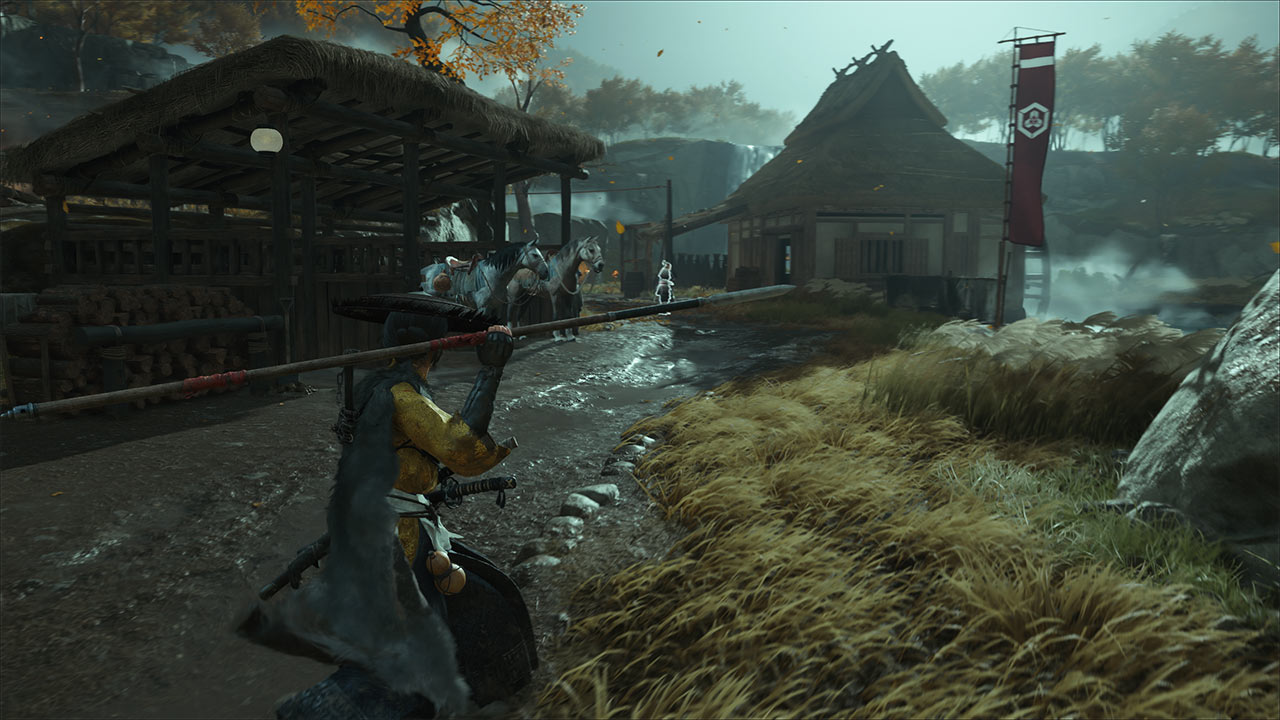
Ranged combat is equally varied, with bows, rifles, throwing knives, bombs, and powders all available. Even within these categories, there are variations—smoke bombs to blind enemies, fire bombs for groups, or special arrows that can disarm opponents. The combat system includes an ultimate ability called Onryo’s Howl, which becomes available after defeating five enemies in a row. This move terrifies nearby foes, allowing players to finish them with single hits for a limited time. Later in the game, this evolves into Ghost Stance, a more brutal version with visual effects.
What keeps fights interesting is how dynamic they feel. Enemies can switch weapons mid-battle, completely changing their attack patterns. Players can disarm enemies with proper timing, but they can also lose their own weapons if hit too hard, creating tense moments of vulnerability. The game offers multiple difficulty options, including the returning Easy, Medium, Hard, and Lethal modes, plus a Custom option where players can fine-tune specific aspects like damage or parry windows. This flexibility makes the game accessible while still offering challenges for players who want them.
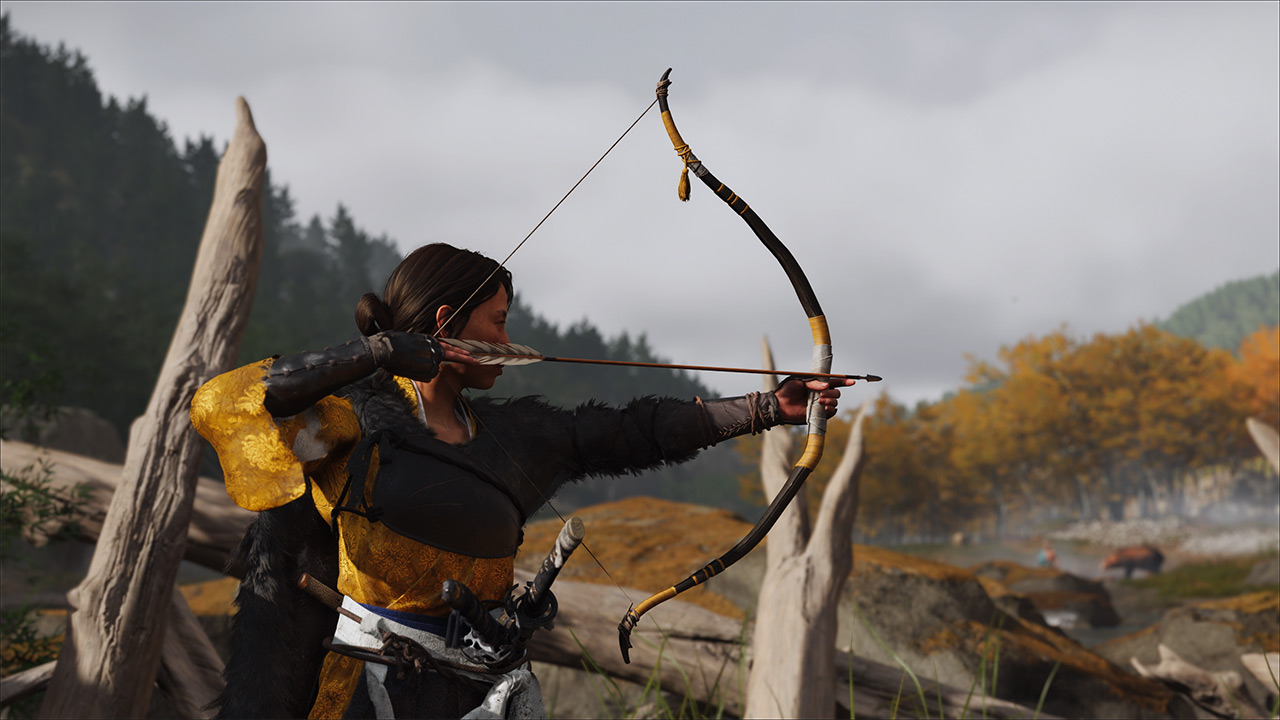
However, the combat does have some issues. Once players unlock enough upgrades, battles can become too easy, with AI enemies sometimes failing to attack or just standing idle. While enemies do get tougher over time, they often can’t keep up with a fully upgraded player character.
Character Progression and Equipment
Atsu’s progression works through a skill tree system called Techniques, unlocked by discovering Shrines scattered across the map. These fall into four categories: Onryo (basic abilities like attack and survival skills), Melee (weapon-specific abilities), Revenge (additional combat and survival skills), and Wolf (abilities tied to the wolf companion).
One limitation is that when players find a Shrine, they must immediately choose from available Techniques rather than saving points for later. This means players can’t plan ahead for weapons or skills they haven’t unlocked yet.
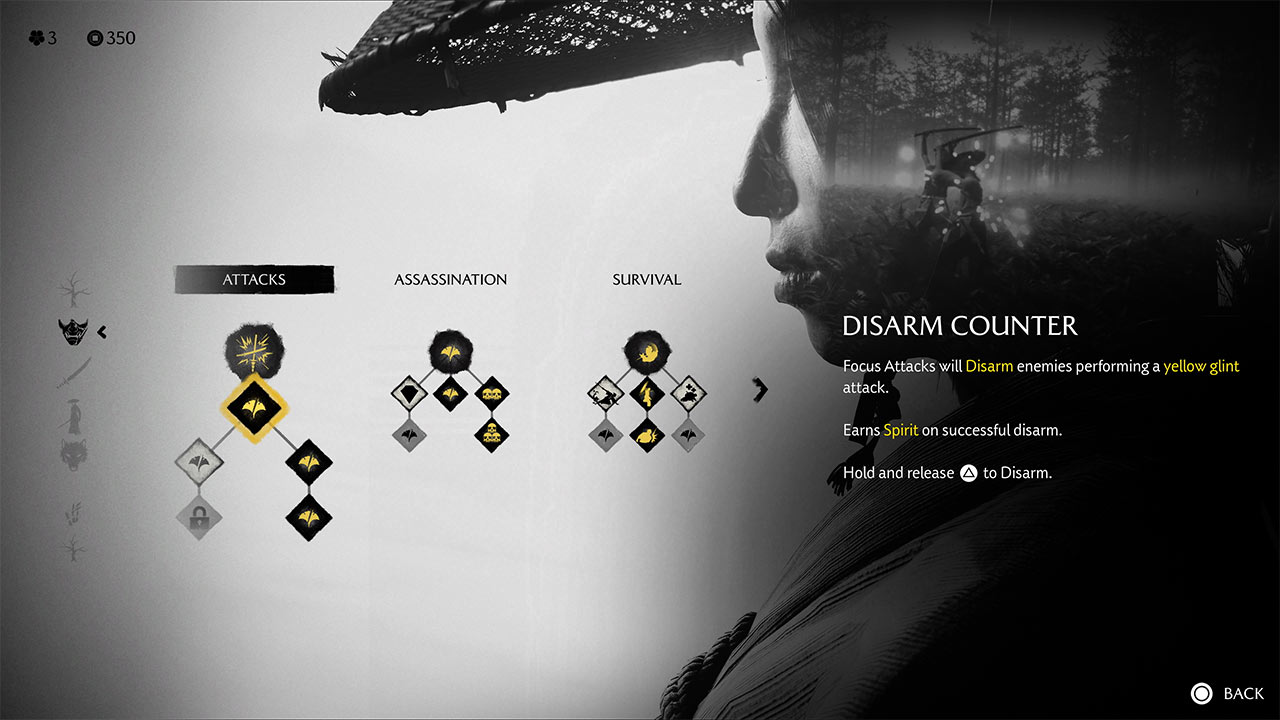
Armor and charms also have progression systems. The main Onryo Armor set upgrades after defeating members of the Yōtei Six, while other sets can be upgraded at blacksmiths. Some charms level up through gameplay—for example, a health charm improves by finding more Hot Springs, while a parry charm gets stronger with successful parries.
Each armor set supports different playstyles. The Bounty Master armor removes normal parries but makes Perfect Parries easier and grants extra Spirit for enemy defeats, supporting aggressive play. Taro’s Armor boosts health and resistance to environmental damage for survival-focused players. Visual upgrades accompany mechanical ones—armor gains metal plating, flowing cloaks, and ornamental details as it improves. The game also offers extensive customization through dyes, with NPCs selling specific colors throughout the world.
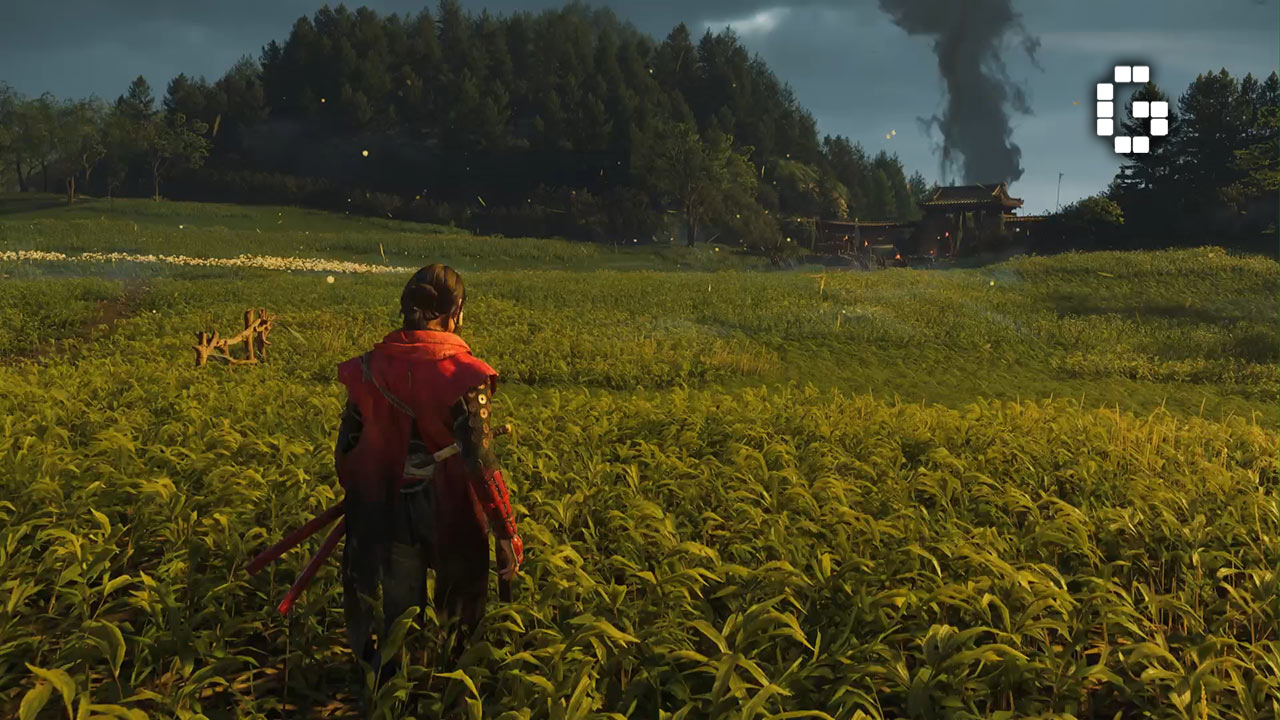
Fighting random enemies across the map now serves a purpose beyond loot. Enemies can drop valuable information about camp locations, challenges, Hot Springs, or even hints about the Yōtei Six’s whereabouts, making these encounters feel worthwhile rather than like chores.
Exploration and World Design
The massive open world comes with helpful accessibility features for tracking important locations. Players can buy maps from NPCs, play specific songs on their shamisen to guide wind toward points of interest like Hot Springs, or ask NPCs for directions. Each region has unique environmental conditions. Teshio Ridge, a northern snow-covered area, features blizzards that slowly drain maximum health over time, though specific armor can reduce or negate this effect. These regional differences prevent exploration from feeling repetitive.
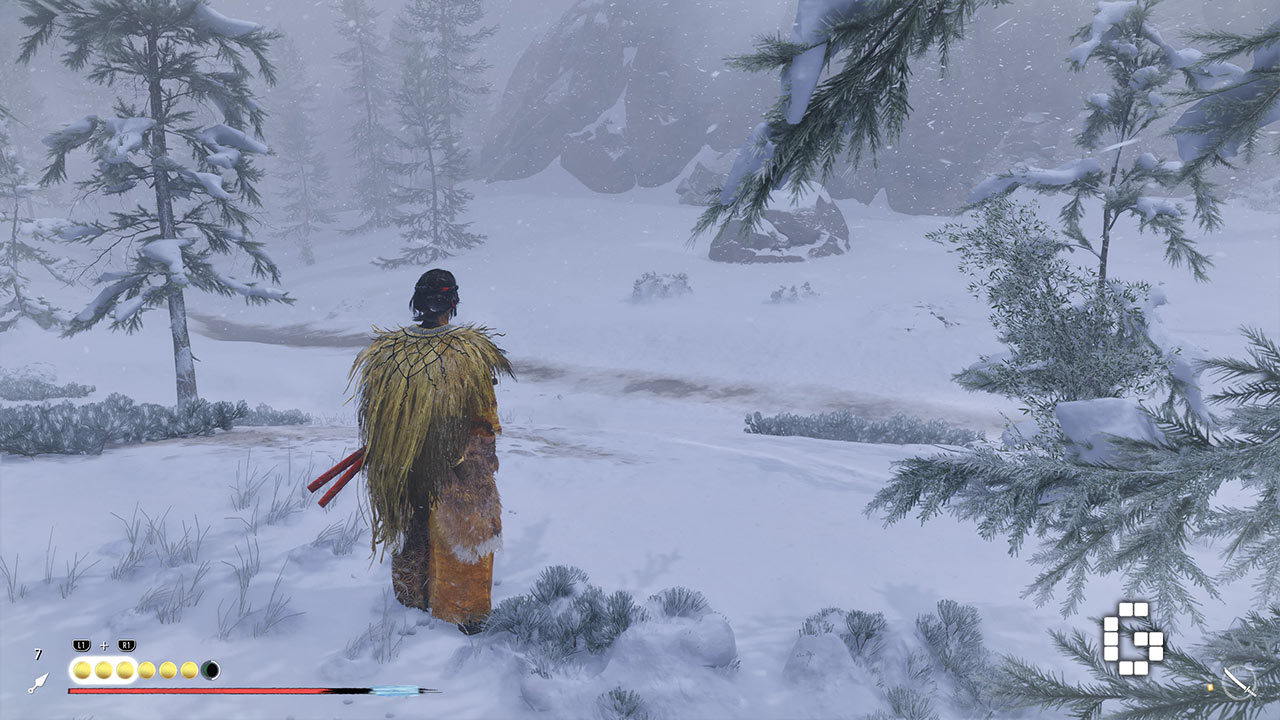
A new Camp feature lets players set up rest points almost anywhere. Camps restore Spirit, allow cooking for temporary buffs, serve as fast travel points, and provide places to play music. With such a large map, creating custom fast travel points makes exploration much more convenient. Movement options include traveling on foot or horseback, with some hidden locations requiring parkour elements like climbing cliffs, swinging from branches, leaping across gaps, and sliding down slopes.
Visual and Audio Excellence
Ghost of Yōtei delivers stunning visuals that make exploration consistently rewarding. Dense forests with swaying trees and drifting leaves, autumn areas with red maples scattering foliage across misty paths, and winter landscapes turned into frozen wonderlands with soft snow and sparkling ice particles create breathtaking environments.
Spring areas feature bright green grass and wildflower fields that look like living paintings. Even small details like drifting pollen or sparkling frost are precisely rendered, making every region feel alive and distinct. The photo mode is particularly impressive, offering standard screenshot options plus dynamic moving shots, particle effect experiments, and cinematic captures. Players can adjust time of day, weather, and even seasons to create perfect shots.
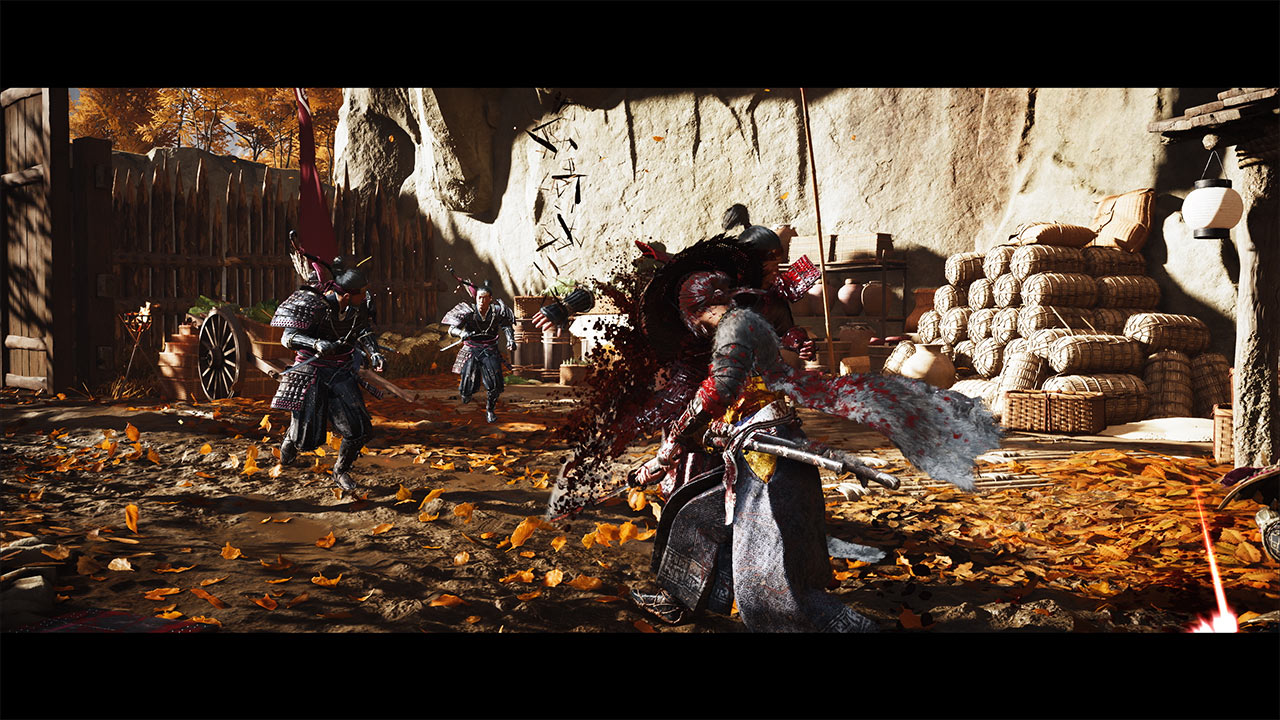
The game includes a Miike Mode that adds more blood and mud with closer camera angles during combat, though this feature may not appeal to all players. Music plays a central role, with the shamisen serving both as atmospheric element and navigation tool. Atsu can play songs to locate points of interest, find hidden treasures, or call her wolf companion for assistance.
Technical Performance and Issues
On PlayStation 5, the game runs smoothly with three visual modes. Graphics mode runs at 30 FPS with high visual quality, Performance mode hits 60 FPS while maintaining sharp visuals, and Ray Tracing mode adds realistic lighting and reflections but occasionally drops below 30 FPS.
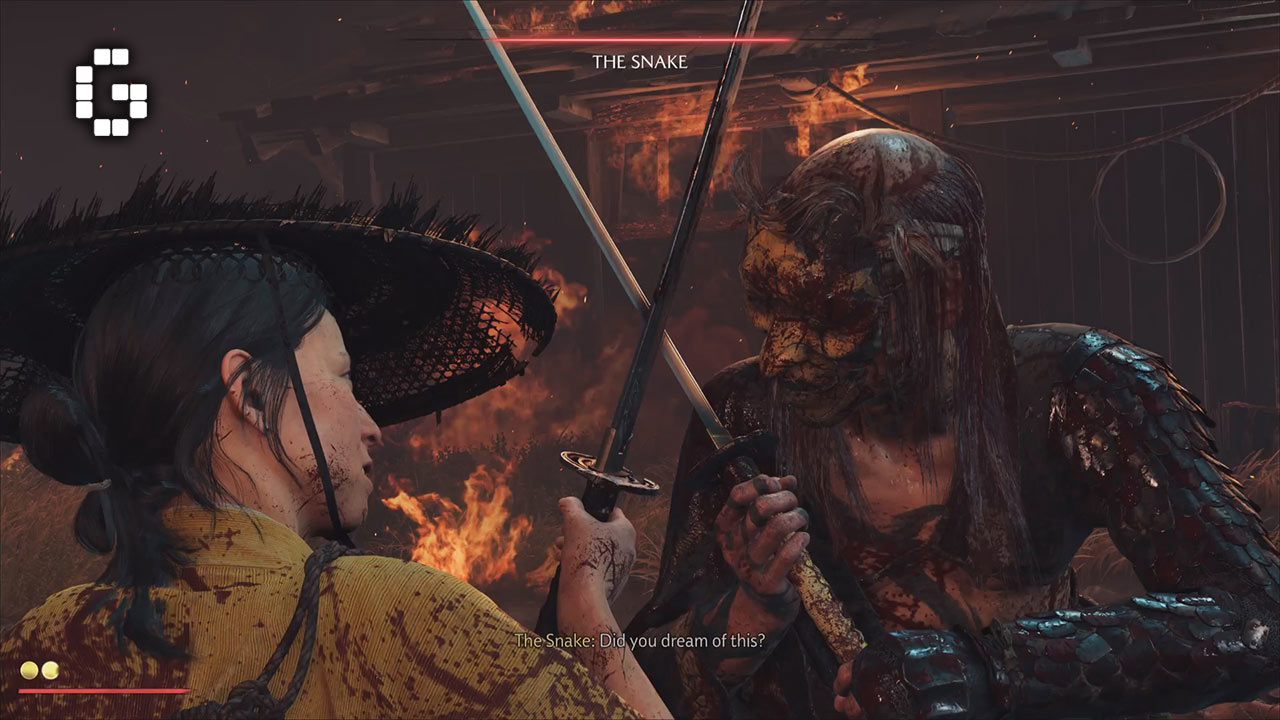
The game does have some technical problems. Animations can occasionally feel stiff, breaking immersion during cutscenes where characters might clip through each other or NPCs walk around during conversations. Some quest actions don’t register properly, requiring reloads or game restarts to fix, though these issues are relatively rare.
Verdict
Ghost of Yōtei successfully builds on its predecessor’s foundation while introducing meaningful improvements. Atsu’s personal revenge story provides strong motivation, the combat system offers more variety and flexibility than before, and the world of Ezo is genuinely beautiful to explore. The meaningful side content, detailed progression systems, and stunning visuals create an experience that rewards both main story focus and thorough exploration.
The game isn’t perfect—combat can become too easy with full upgrades, the forced skill unlock system limits early character building flexibility, and there are occasional bugs and animation issues. However, these problems don’t significantly impact what is otherwise a polished and engaging adventure.
For fans of open-world action games and samurai stories, Ghost of Yōtei delivers a beautiful and emotionally engaging experience that refines the series’ formula while establishing its own identity. It’s a worthy successor that should satisfy both newcomers and returning players looking for their next feudal Japan adventure.
The Review
Ghost of Yōtei
PROS
- Stunning visuals, varied environments with meaningful exploration.
- Expanded combat with multiple weapons and tactics.
- Shamisen mechanics that integrate music into navigation.
- Deep side content that enriches the story.
- Good customization options through armor and dyes.
- Flexible difficulty settings for all playstyles.
CONS
- AI sometimes still dumb and combat balance leans toward easy late-game.
- Forced skill unlocks at Shrines limit flexibility.
- Occasional animation and quest prompt bugs.