











![[EXCLUSIVE] Brendan Gan Delivers One of Malaysia’s Best-Ever Worlds Results, Shares Thoughts on Pressure and the Local Scene](https://cdn.gamerbraves.com/2026/08/Brendan-Gan_Interview_FI-360x180.jpg)





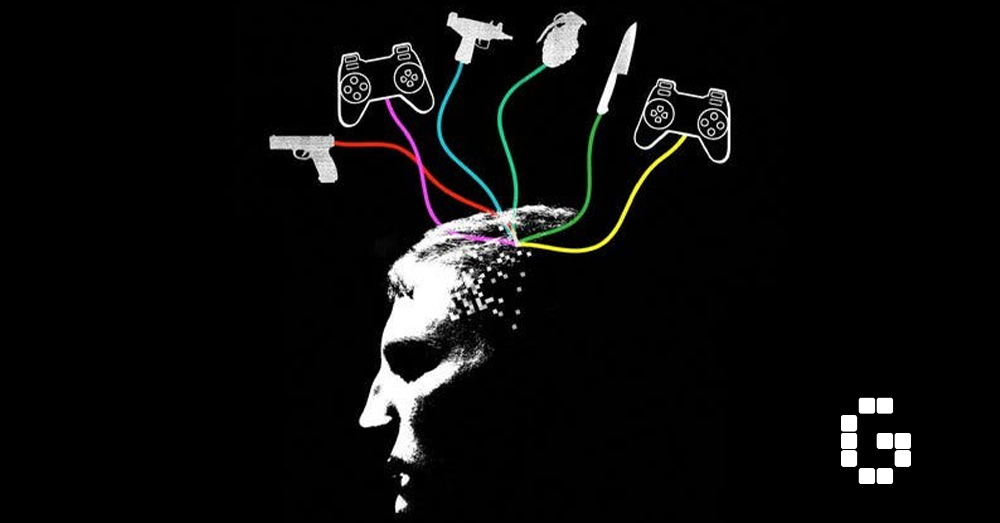
A recent tragedy shocked the nation — a 14-year-old boy killed his 16-year-old senior, leaving behind a chilling note that read, “It’s not me who’s wrong, it’s the world,” and referring to others as “NPCs”, a well-known term describing non-playable characters in video games (symbolising people around who may or may not matter as they view themselves as the main character). Within hours, public outrage turned toward a familiar target: anime and video games.
To many, it seemed like the simplest explanation — that violent games had blurred the lines between fiction and reality for the young suspect. But such reactions are emotional shortcuts. They ignore the deeper, systemic issues that truly drive youth crises: lack of emotional education, poor family communication, and insufficient mental health support.
Games Are Not the Source of Real-World Violence
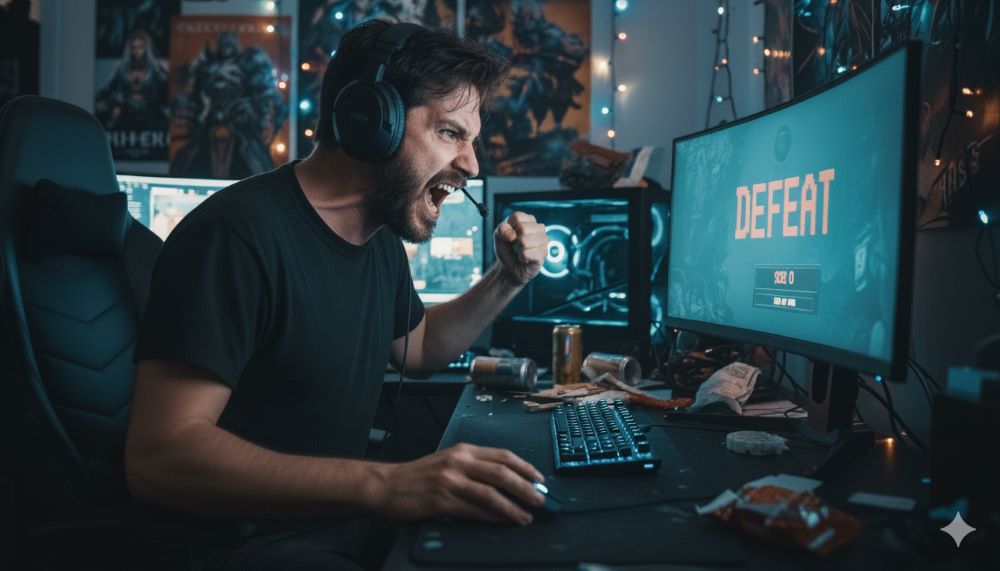
Video games are a medium — not a cause of violence. Over three billion people around the world play games, yet only a tiny fraction ever commit real-world violent acts.
A 2019 Oxford University study involving nearly 2,000 teenagers found no significant link between gaming time and aggressive behavior. Similarly, the American Psychological Association (APA) concluded that while violent games may be associated with short-term aggressive thoughts, there is no evidence of a causal link to criminal behavior.
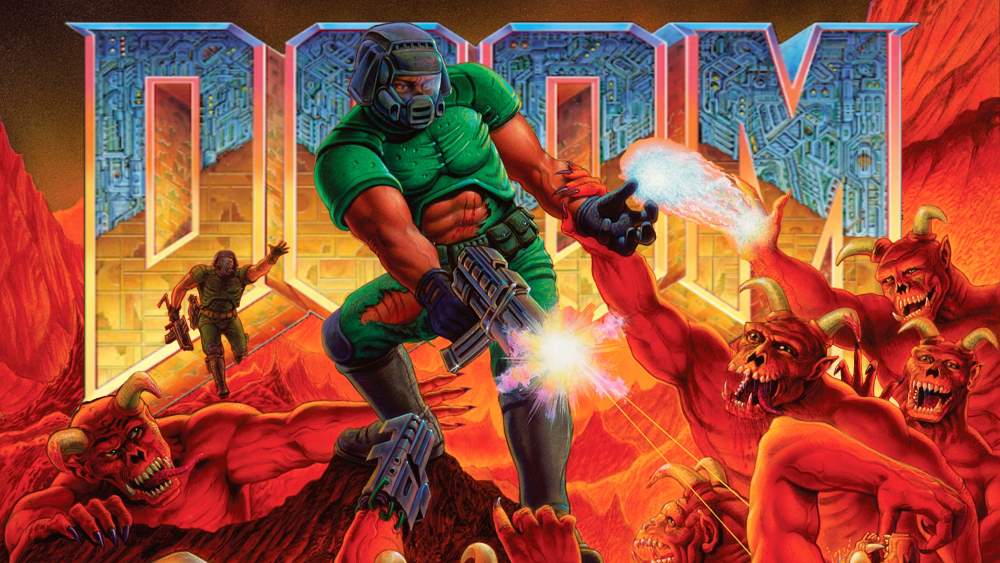
This misunderstanding isn’t new. In the 1990s, the U.S. famously blamed DOOM and other shooters for youth violence. Decades of research since then have repeatedly failed to prove any direct connection.
If games truly caused violence, nations like Japan — one of the largest gaming markets in the world — would have sky-high crime rates. Instead, Japan consistently reports among the lowest youth crime statistics globally. Meanwhile, China, once heavily restrictive toward gaming, now proudly celebrates titles like Black Myth: Wukong and Genshin Impact as cultural exports.
The truth is simple: real-world violence often stems from complex social and emotional factors — fractured family relationships, untreated mental health struggles, and lack of social support. Blaming games alone is not a solution; it’s a convenient distraction that prevents society from addressing the real issues.
The Nature of Games: Creativity, Expression, and Empathy
For today’s youth, games are far more than entertainment — they’re platforms for creativity, social interaction, and emotional exploration.
Most players fully understand the boundary between reality and fiction. Games allow them to experience impossible worlds, test their moral choices, and express emotions they may not otherwise have an outlet for. For many, gaming is a safe space — not a dangerous one.
Some of the most acclaimed titles encourage empathy and self-reflection rather than violence.
-
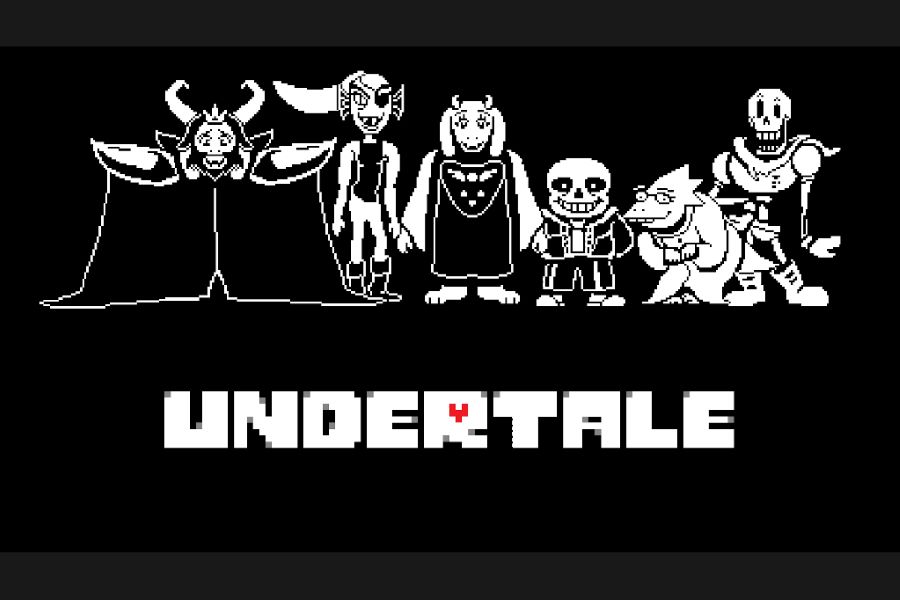
Undertale teaches forgiveness by letting players choose peace over conflict.
-
Life is Strange explores themes of bullying, trauma, and responsibility.
-
Detroit: Become Human challenges players to question what it means to be human.
-
Animal Crossing became a global source of comfort and community during the pandemic.
-
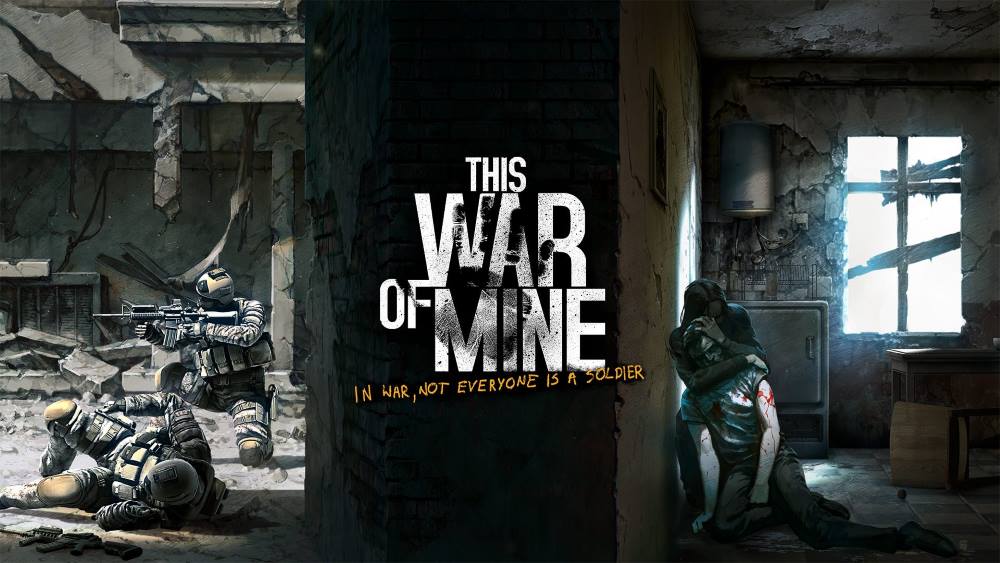
This War of Mine depicts the horrors of war through the eyes of civilians, forcing players to confront moral dilemmas about survival and compassion.
Games, when understood properly, offer something that schools and rigid curriculums often cannot — a creative, interactive way to understand emotion, ethics, and consequence.
The Role of Media and the Public: Don’t Let Moral Panic Hide the Truth
Every generation has faced its own cultural scapegoat. Rock music in the ’70s. Horror films in the ’80s. Comic books before that. Today, video games are the latest victim of moral panic.

Some traditional media outlets continue to perpetuate outdated stereotypes about gaming. For instance, Sin Chew Daily published an opinion piece under its “Editor’s Pick” section, where the deputy editor claimed that most games begin with players “killing and shooting,” making them “numb to the value of life.” Yet police investigations at the time had only stated they were exploring whether the suspect had been influenced by certain online content — not that games caused the crime.
When senior editors use moral authority to frame such issues, it amplifies fear and widens the generational gap between the media and modern gaming culture.
The role of journalism, especially in times of tragedy, is to investigate the why — not to sensationalize. Responsible reporting should focus on the failure of emotional and educational systems, not scapegoat an entire creative medium.

Meanwhile, some conservative netizens have circulated “lists” of supposedly dangerous games like GTA V, Mortal Kombat 11, Manhunt, Resident Evil, and The Last of Us. Ironically, most of these are decade-old console titles inaccessible as buying a game console or the mentioned video games might be out of budget for the average Malaysian secondary student
In contrast, the games most commonly played by children — Roblox, Honor of Kings, and other mobile or free-to-play titles — are completely absent from these lists, despite having far greater influence on social behavior and spending habits. These platforms raise valid concerns about monetization pressure, exposure to strangers, and insufficient community moderation — yet they rarely become part of the “moral panic” narrative.
When critics condemn games they’ve never even seen or played, it becomes clear that their goal isn’t to protect children — it’s to preserve a world they no longer understand.
This fear of change, not gaming itself, is the real danger.
Policy and Industry Perspective: Building a Future, Not Fear
While moral panic dominates headlines, Malaysia’s gaming sector continues to grow as a legitimate part of the creative economy.
The Malaysia Digital Economy Corporation (MDEC) actively supports local game development, positioning the industry as a driver of education, innovation, and economic growth. As YB Tuan Gobind Singh Deo stated, “The video game and esports industry in Malaysia is expected to earn approximately RM3 billion (USD 649 million).”
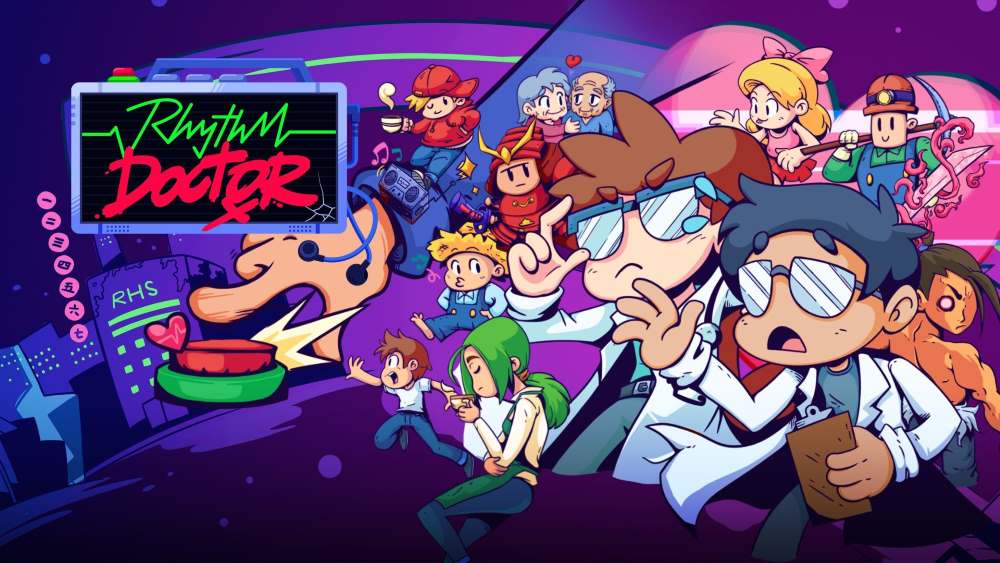
Homegrown titles like No Straight Roads, Rhythm Doctor, and Upin & Ipin Universe showcase Malaysian creativity on the global stage.
As of 2024, Malaysia’s creative technology sector has expanded to include more than 300 studios across animation, games, and digital content — including international outsourcing companies contributing art and design to major AAA titles worldwide.
This isn’t an industry of moral decay — it’s one of innovation, artistry, and national pride.
Conclusion: Viewing Games and Youth Education with Rationality
The tragedy that sparked this debate should remind us of what truly matters — not to fear games, but to understand the struggles behind youth behavior.
The real solutions lie in mental health support, family communication, and early emotional education. Games, when guided properly, can even be tools for empathy, stress relief, and creative learning.
Parents and teachers shouldn’t isolate themselves from gaming culture — they should explore it alongside their children. By doing so, they can transform games from potential scapegoats into bridges of understanding.
Because in the end, games are not the problem.
Indifference is.