





![[EXCLUSIVE] Dragon’s Dogma 2: Dark Arisen Team Opens Up About the Expansion’s Name, New Norgan Region, and Performance Goals](https://cdn.gamerbraves.com/2026/07/Dragons-Dogma-2-Dark-Arisen_Interview_FI-360x180.jpg)




![[EXCLUSIVE] Where Winds Meet Dev Team Talks Building a Living Wuxia World at gamescom 2025](https://cdn.gamerbraves.com/2025/08/Where-Winds-Meet-Interview_Interview_Eric-Zheng-solo.jpg)
At Gamescom 2025, we sat down with the developers of Where Winds Meet, NetEase’s highly anticipated open-world wuxia RPG. The game has already taken China by storm with over 40 million users, topping charts on platforms like Douyin, and is now preparing for its global release.
With its stunning martial arts combat, cinematic inspirations, and a rare historical backdrop, Where Winds Meet stands out as an ambitious project that blends narrative freedom with immersive worldbuilding.
We managed to talk with some of the development team, including:
- Chris Lyu, the Lead Designer for Where Winds Meet
- Eric Zheng, the Head of Publishing for Where Winds Meet
- Soul, the Lead Designer of Where Winds Meet’s global version
During the interview, they talked about the inspirations behind the game, the challenges of balancing open-world storytelling, and how global players can expect the wuxia dream to unfold when the game finally lands worldwide.
From Wuxia Dreams to Open-World Reality
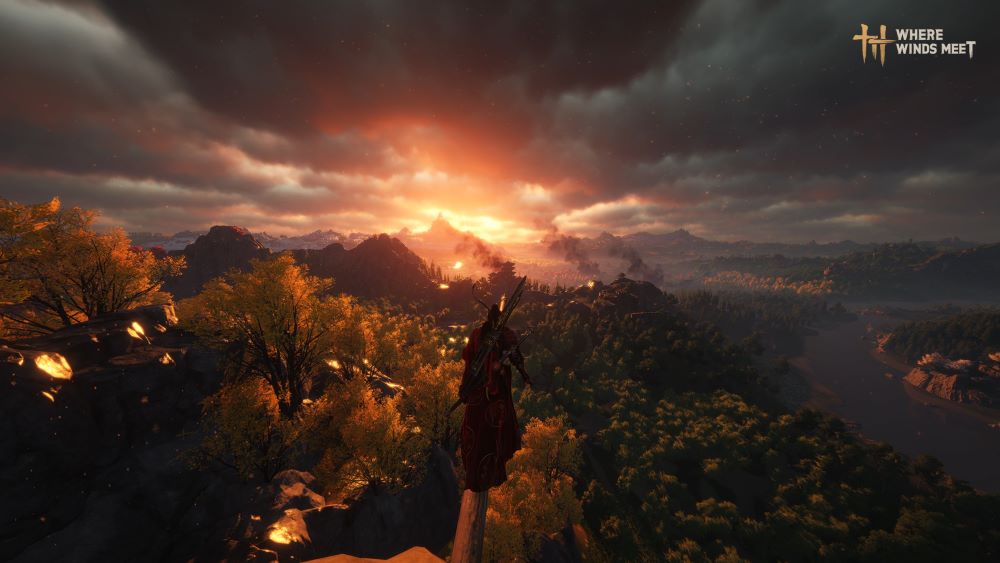
The story of Where Winds Meet begins in late 2019, when a small team of about a dozen developers, all passionate fans of fantasy and wuxia fiction, gathered to chase a shared dream. Their mission: create a wuxia-themed open-world game that would let players step into the role of their own martial arts hero.
“Naturally the inspiration is true to the media that we consume—TV shows, movies, novels. This includes classics like House of Flying Daggers, Crouching Tiger, Hidden Dragon, and the novels of Jin Yong and Gu Long,” the team explained.
Even the game’s opening tutorial draws directly from these influences. They cited a common cinematic image: a lone hero riding horseback or sprinting through bamboo forests under heavy rain, often pursued by unseen foes.
“That scene is something we often see in the films we love, so it became one of the inspirations for designing the tutorial.”
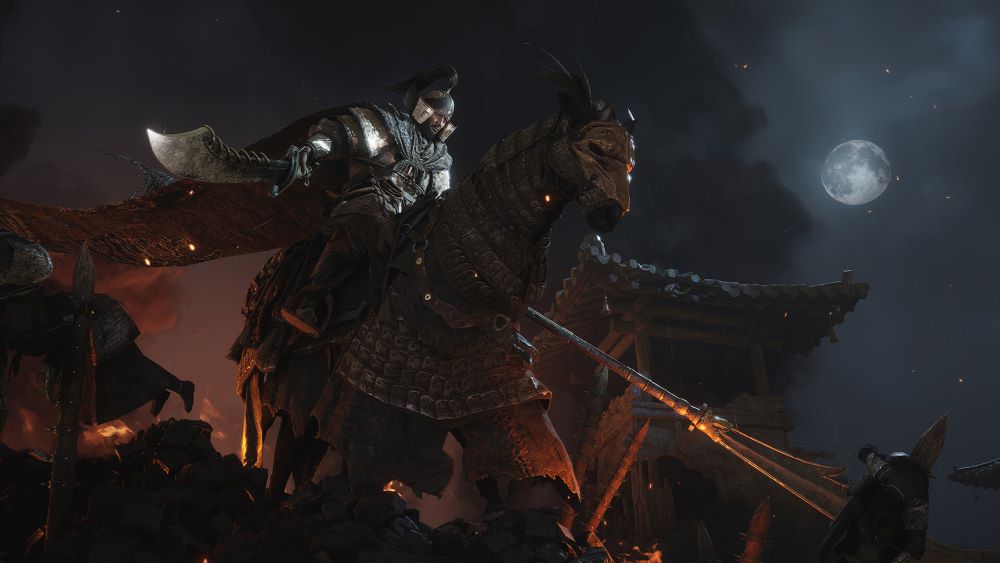
Martial Arts, Weapons, and Inspirations
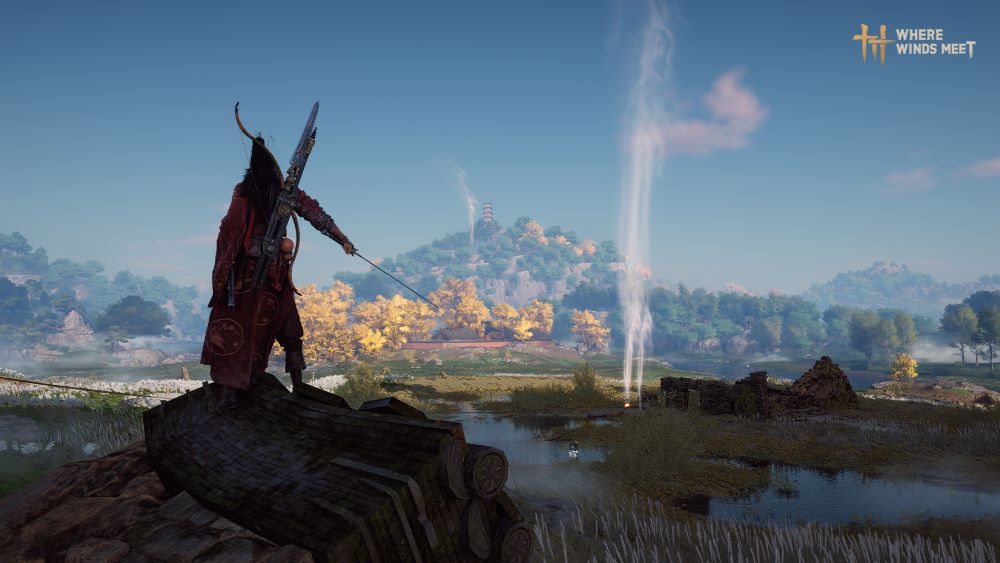
One of the hallmarks of Where Winds Meet is the diversity of martial arts and weapon systems. Players can experiment with different fighting styles, each with its own flair and progression.
“For me personally,” the developer shared, “I used to really enjoy using the duo of the Nameless Sword and Nameless Spear. But with the recent update, I’ve been playing more with the Tang Blade as a pair.”
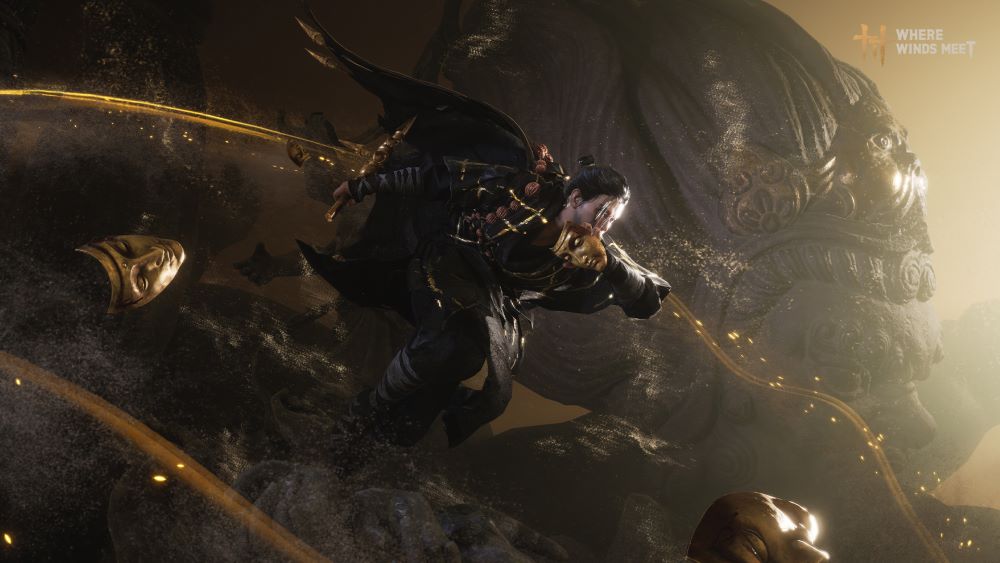
This adaptability reflects the game’s design philosophy, where player builds evolve over time alongside weapon progression.
When it comes to art direction, the team’s inspirations are as varied as their weapon choices. While many members have different aesthetic preferences, one title stood out as a unifying influence: Crouching Tiger, Hidden Dragon.
“It differs for every member of the team,” they admitted, “but that’s the one film that most affected my sense of the art style.”
Balancing Narrative Freedom with Immersive Exploration
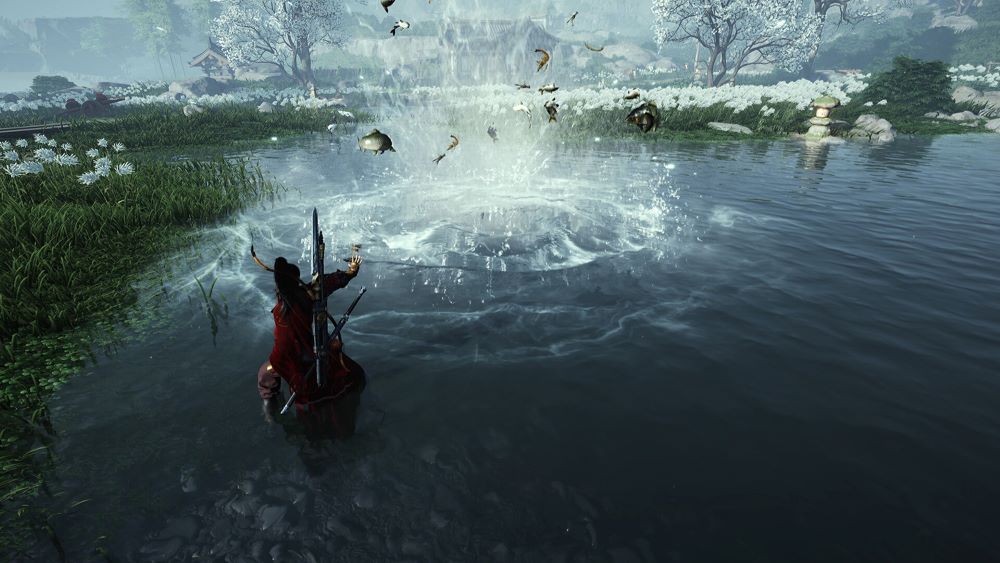
Open-world games often face the challenge of balancing story depth with player freedom. For Where Winds Meet, the answer lay in immersion rather than rigid storytelling.
“The core of our game is not about a single plot twist,” they explained. “It’s about creating the sense of living in a martial arts world. We want players to feel like true wuxia heroes, encountering events organically as they explore.”
Rather than forcing players through linear quest chains, the world is designed to respond with natural encounters, dynamic events, and adventures that feel like they emerge from the landscape itself.
Reception in China and Global Expectations
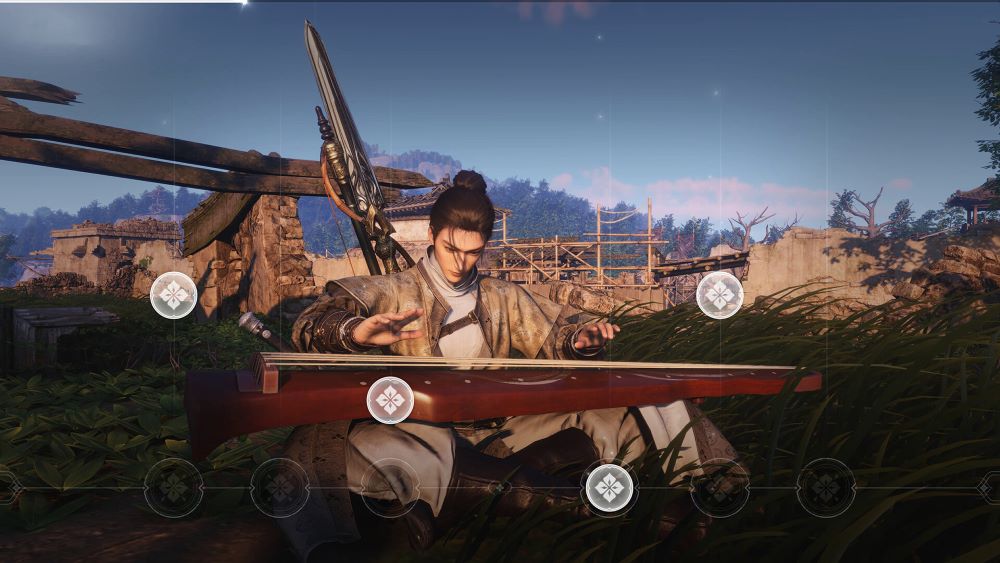
Since its launch in China, Where Winds Meet has seen overwhelming success.
“It’s been around seven or eight months since launch, and we’ve had a lot of positive feedback on both the story direction and sense of immersion,” the developer said. “By the end of July, we had over 40 million users in China.”
On Douyin, China’s equivalent of TikTok, the game consistently ranked among the top three, competing directly with heavyweights like Peacekeeper Elite. The community has been equally vibrant, producing fan art and sharing experiences across social media.
But the dev team is also listening closely to feedback, using it to refine the game for its global release.
“We’ve already done several rounds of global testing,” they revealed. “We’re taking feedback from different regions to optimize the experience for players everywhere.”
Building Across Platforms: PC and Mobile
Where Winds Meet isn’t just ambitious in scope; it’s also designed to run seamlessly across PC and mobile. The team credits their success to the proprietary Messiah Engine, developed by NetEase.
“It’s really good at handling dynamic resource consumption in terms of simulating movement and action,” they explained. “That’s the foundation that allows us to deliver high-quality performance on both PC and mobile devices.”
As for other platforms, such as the Nintendo Switch 2, the team is cautious but open.
“Right now, we’re focused on optimizing the PS5 experience,” they said, “but we’re always keeping an ear to the ground. If we expand, we’ll announce it through our official channels.”
Why the Five Dynasties and Ten Kingdoms?
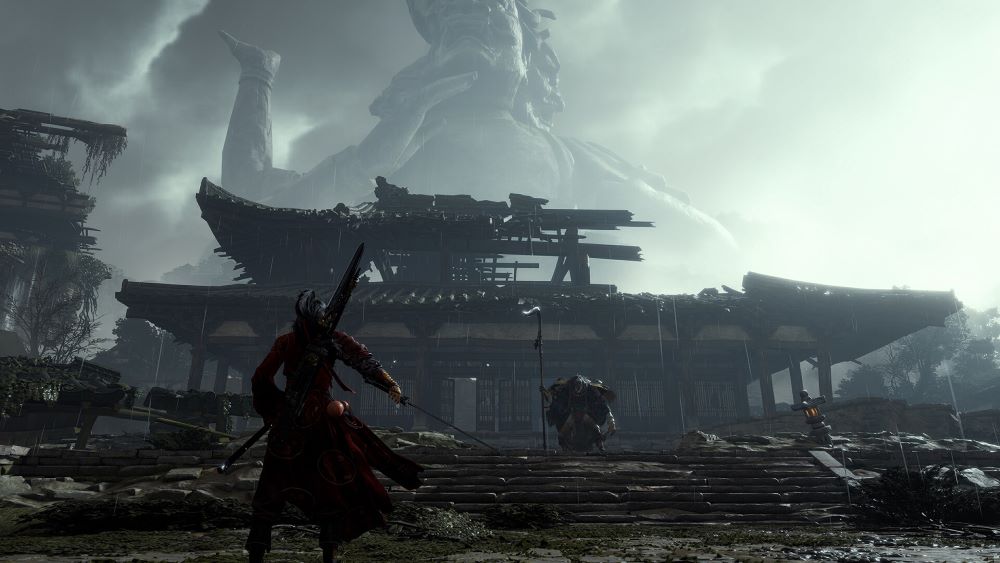
The setting of Where Winds Meet is particularly unique: the Five Dynasties and Ten Kingdoms period, a turbulent and less-explored chapter of Chinese history.
“We chose this time period for two reasons,” the developer explained. “First, because it was a time of war, chaos, and uncertainty, a fertile ground for dramatic tension. Second, it’s relatively unfamiliar to both Chinese and global audiences, giving it an exotic appeal.”
By setting the game in this transitional era, the developers not only gained creative space to expand upon history’s “blank spots,” but also crafted a unique selling point.
“It’s a niche period,” they admitted, “but if done well, it can really shine and stand out.”
Cinematic Aesthetics and Martial Arts Authenticity
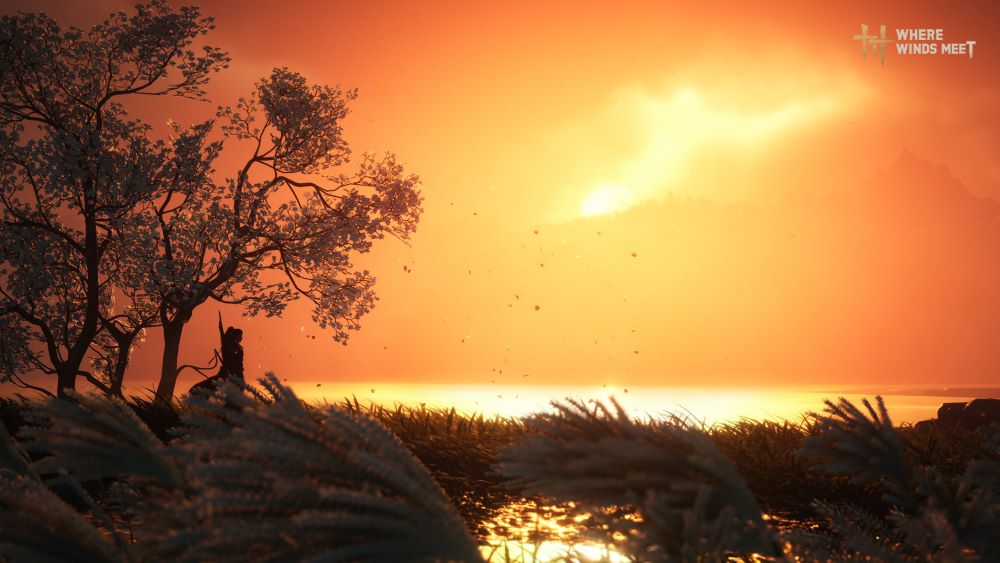
Beyond narrative and gameplay, Where Winds Meet is deeply rooted in cinematic wuxia traditions. The team drew on the aesthetics of films like Hero, Sword of Destiny, and the works of director King Hu.
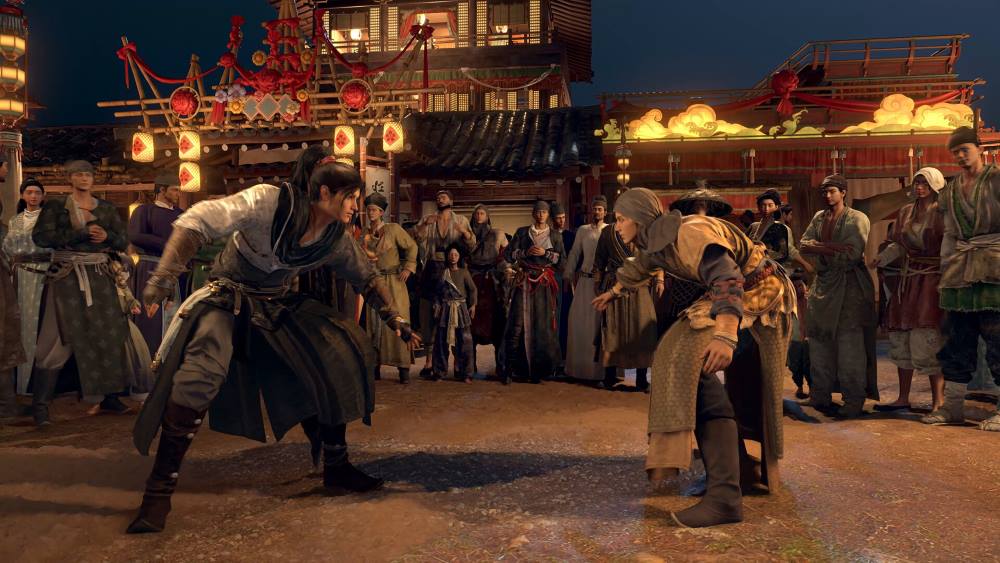
To bring martial arts combat to life, they collaborated with industry veterans, including Donnie Yen, an award-winning action choreographer, and Kara Wai, a celebrated martial arts film actress. This collaboration ensured that the game’s movements and fights feel authentic, expressive, and true to wuxia’s cinematic legacy.
A Living, Breathing Wuxia World
At its heart, Where Winds Meet is about giving players the chance to live out their martial arts dreams.
“We’d like to welcome players to join this living, breathing wuxia world,” the team said. “Here, they can be the hero, learn martial arts, and gain the abilities to stand for what they care for and protect the ones they love.”
With its blend of historical depth, cinematic influence, and cutting-edge technology, Where Winds Meet offers not just an open world but a stage for players to write their own wuxia legend.

You can find out more information about Where Winds Meet at their official website. Where Winds Meet will launch on November 14, 2025, for PlayStation 5, PC via Steam, and Mobile on iOS and Android.