







![[EXCLUSIVE] Dragon’s Dogma 2: Dark Arisen Team Opens Up About the Expansion’s Name, New Norgan Region, and Performance Goals](https://cdn.gamerbraves.com/2026/07/Dragons-Dogma-2-Dark-Arisen_Interview_FI-360x180.jpg)



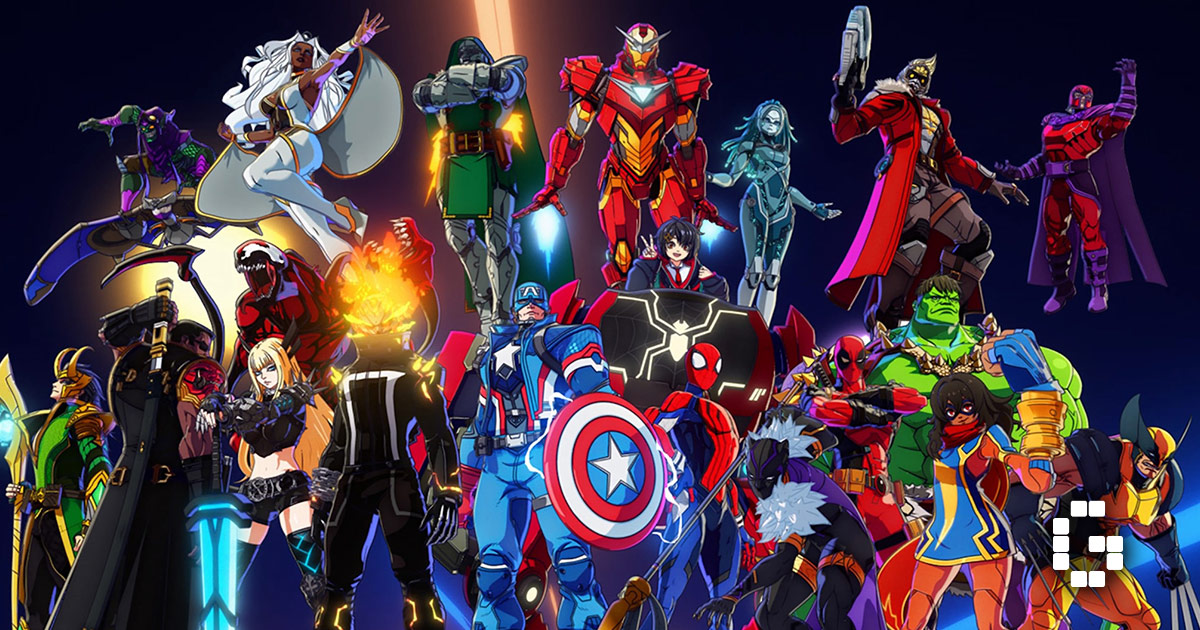
MARVEL Tōkon: Fighting Souls is Arc System Works’ newest entry into the fighting game scene, and it takes a bold swing by blending the MARVEL universe with an anime-inspired art style and storytelling approach. Since this is a fresh release without any major post-launch updates yet, it’s worth taking a closer look at what the game offers right out of the gate, from its content and combat systems to how it actually performs on the PlayStation 5, to see whether it lives up to the hype surrounding its unique take on the tag fighter genre.
A Solid Amount of Content for a Fresh Release
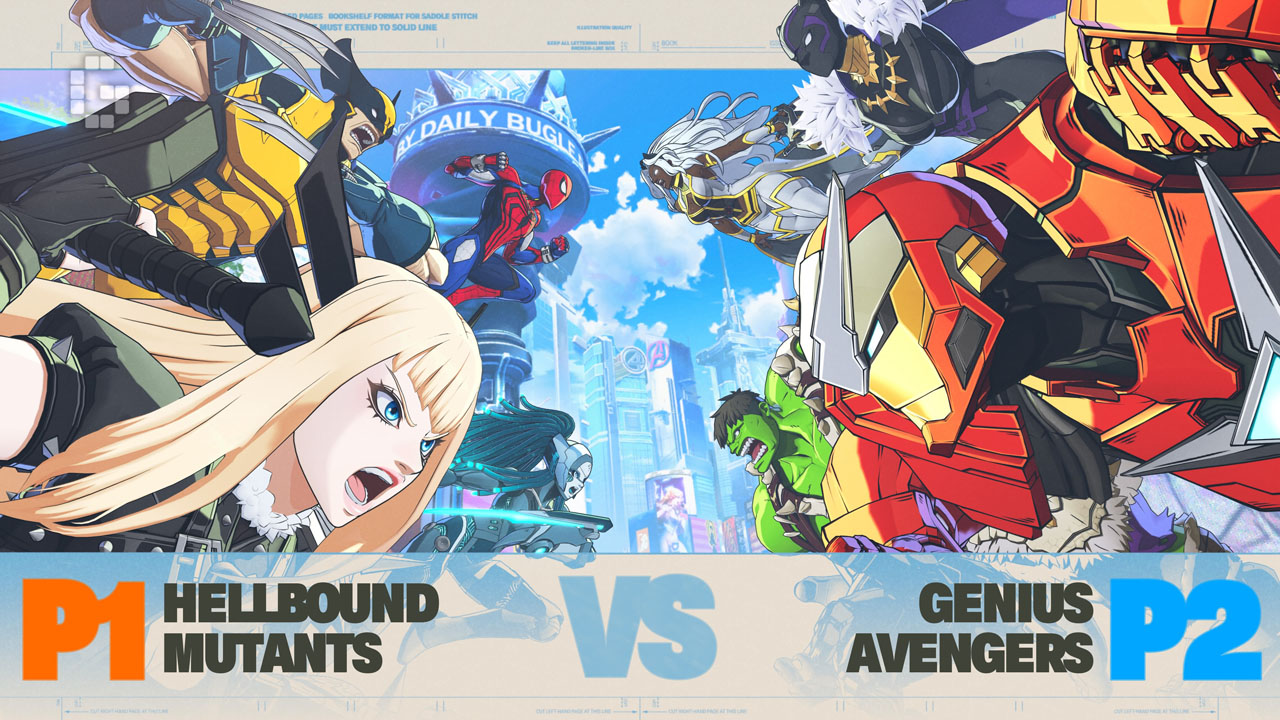
For a game that just launched, MARVEL Tōkon: Fighting Souls already comes packed with a fairly complete set of content. While most fighting game fans usually gravitate toward online matches, there’s plenty here for solo players too. The single-player campaign, called Episodes, lets you experience the story from the perspective of five different groups: Fighting Avengers, Unbreakable X-Men, The Amazing Guardians, Samurai Outriders, and Knights of Doom. Each story segment mixes comic panels with anime-style cutscenes and gameplay sections in between.
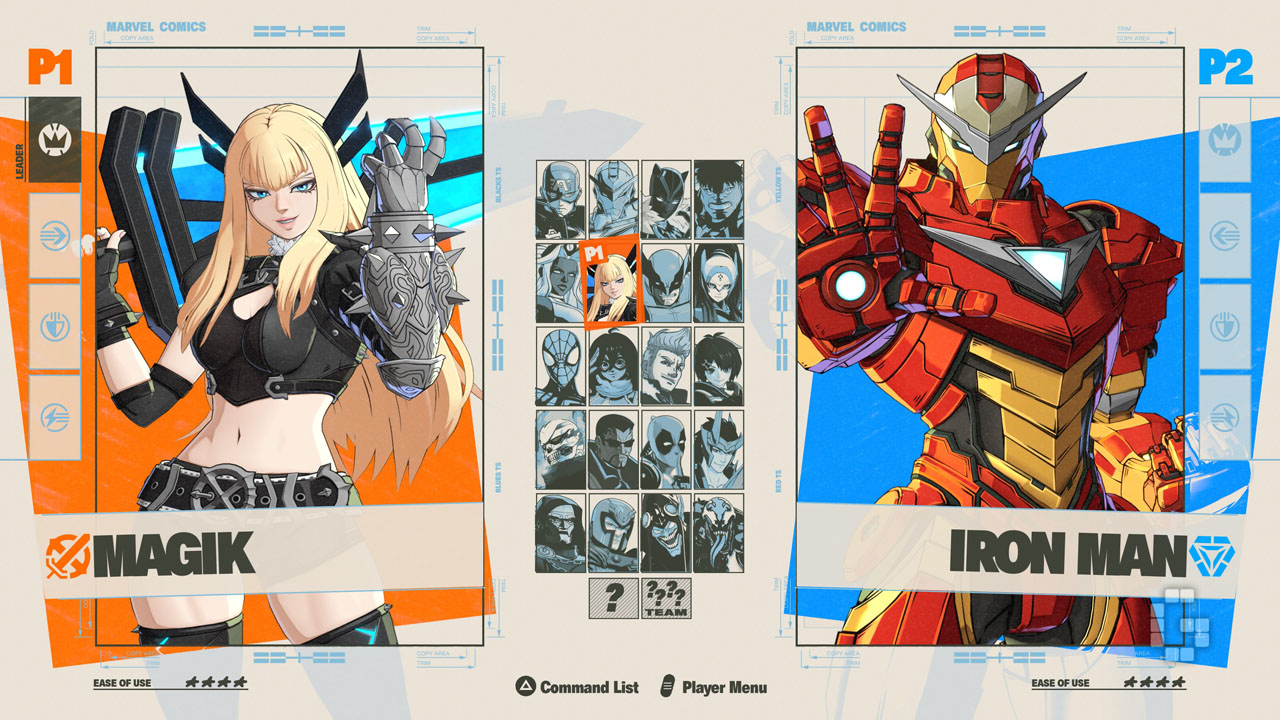
None of the individual stories run particularly long, but together they add up to a satisfying chunk of playtime. The way the game blends Western and Japanese storytelling styles works surprisingly well, and it even brings to mind the Tournament of Power arc from Dragon Ball, which fits the anime vibe the game is going for. Finishing any of the five main episodes also unlocks a secret playable character called Champion, who has to be beaten first at the end of that story. That brings the total roster up to 21 characters at launch, which is a solid number for a 4v4 tag fighter that needs extra room for players to experiment with team compositions. For those who want to dig deeper into the mechanics, there’s a Training mode, though the Arcade & Tutorial mode is actually more useful since it walks players through each character individually, including their combo routes.
Competitive players aren’t left out either, with Ranked, Casual, and Room Match all available from the start, plus an Open Lobby for meeting and playing against people across different servers. Just about everything you’d expect from a modern fighting game is here, though the menu navigation can be a bit confusing at times. For instance, Open Lobby is oddly separated from the other online modes, and combo challenges are tucked away in a separate Character Lesson section instead of being part of the main Training mode.
Combat That’s Friendly to Beginners, With Some Trade-Offs
Arc System Works clearly designed MARVEL Tōkon: Fighting Souls with newcomers in mind. Simple combos can be pulled off with a single button, which lets players focus more on the basics and on winning neutral exchanges rather than memorizing long combo strings. That said, simple fundamentals only go so far in a tag fighter, since the genre naturally invites more complex combo routing through the assist system, as long as players stay within the combo limit. The auto-combo system plays a big role in how battles unfold, and it can shape a player’s whole approach to the game. Light, Medium, and Heavy attacks each come with their own frame data and damage output, and landing any of them automatically starts a combo that ends in a specific finisher. Stringing together Light attacks ends in a Link Attack, while Medium attacks close out with a Super Skill that costs 50 points of the Skill Gauge, and Heavy attacks finish with an Ultimate Skill costing 100 points.
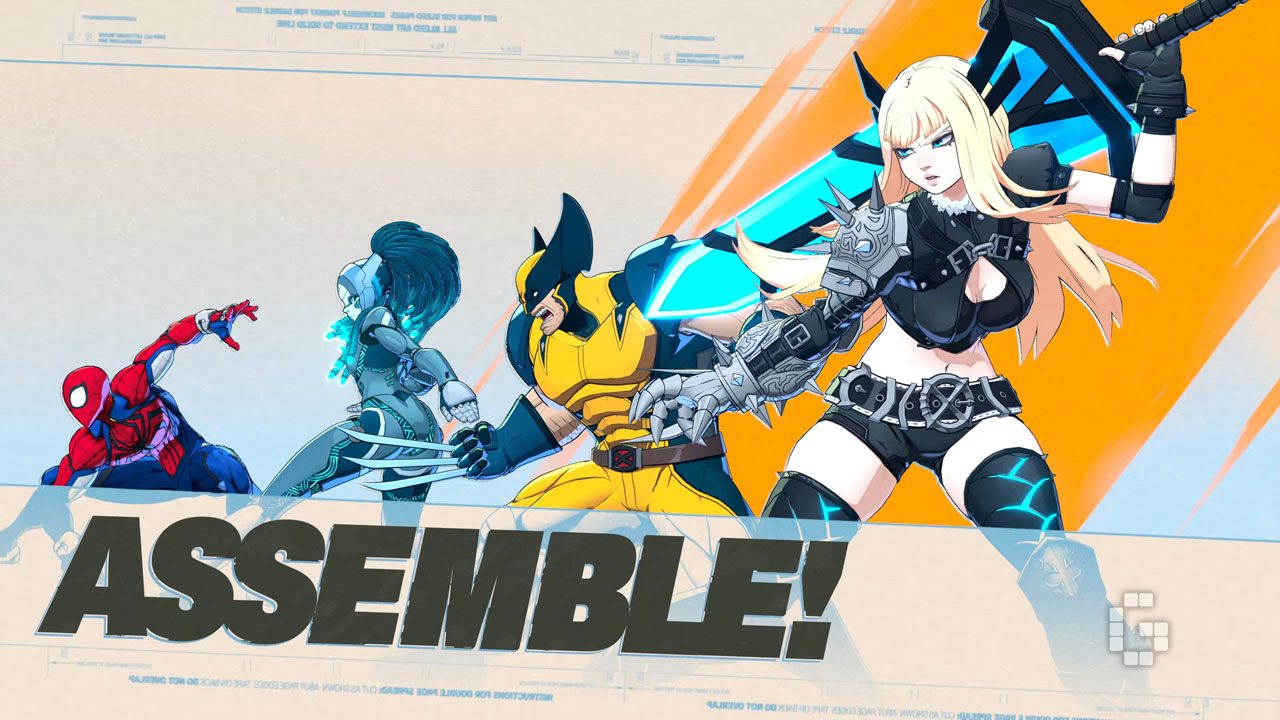
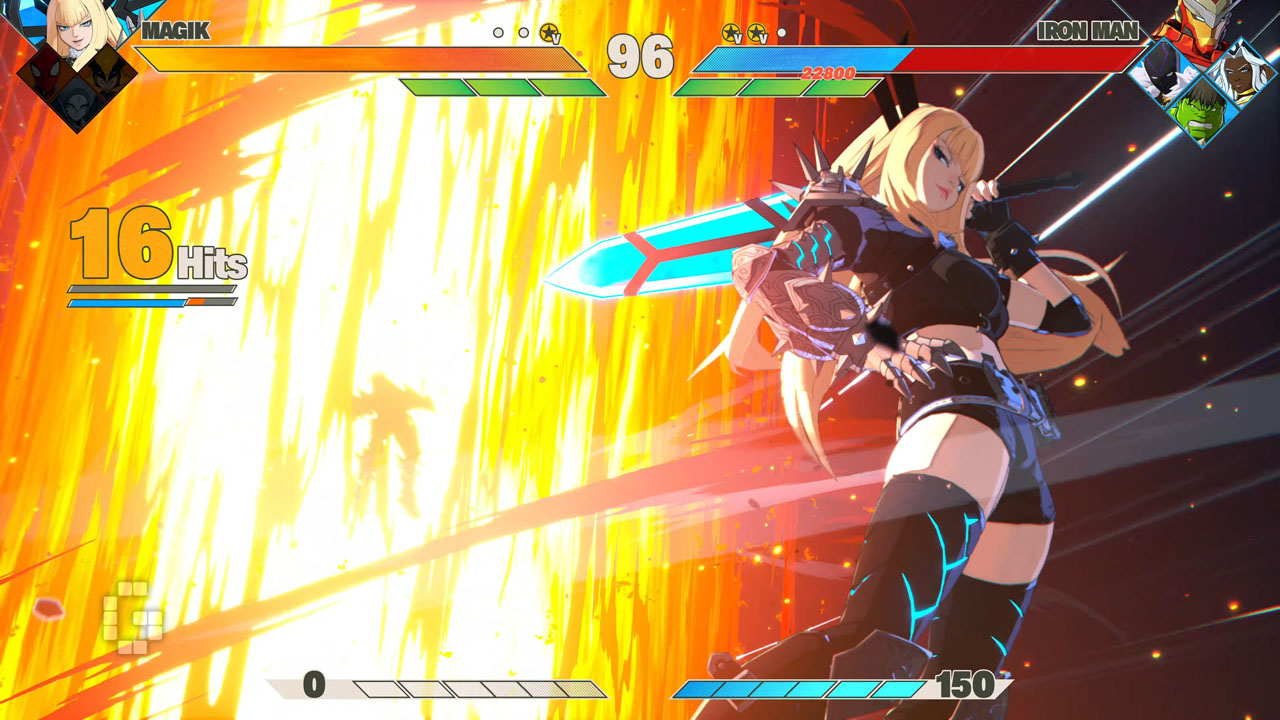
Once the Skill Gauge reaches 150 points, players can unleash Tōkon Assemble, the strongest Ultimate Skill in the game. Because of how much damage it deals, it’s limited to the final round, making it mainly useful as a comeback option when you’re on the verge of losing. This setup means combos can look flashy and complex even though the player might just be tapping square, triangle, or circle. The auto-combo system even extends to aerial combat, including situations where an opponent is launched into the air using Slam Launcher. While this makes the game very approachable for newcomers, it also creates a bit of a restrictive feeling, since pressing more than a couple of buttons tends to trigger one of these preset auto-combos whether you meant to or not. Since hit confirms always lead into a fixed combo, there isn’t much room left for strategic decision-making beyond just landing that first Light attack.
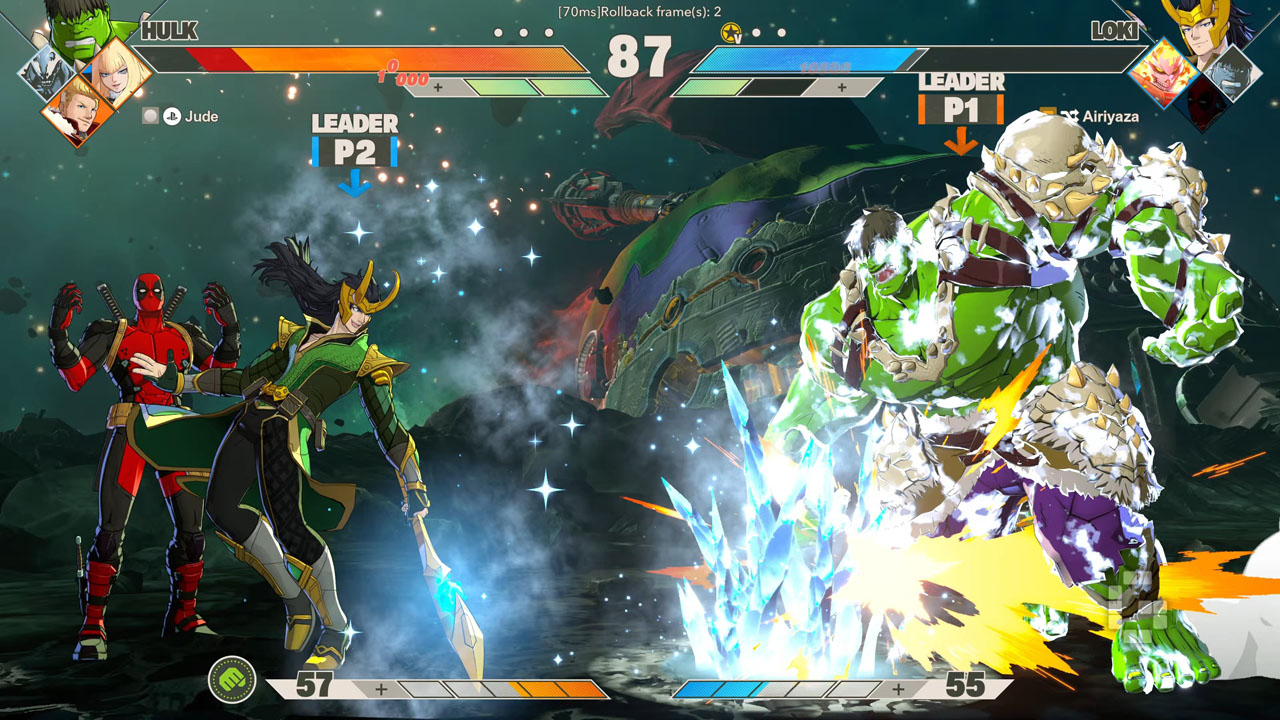
One of the more frustrating moments comes when trying to take back momentum after being cornered, since opponents can often keep their turn even when you attack with the fastest move available. Thankfully, the defensive tools in the game help balance this out. Assemble Counter is one such option, capable of countering even Throws, and skilled players can use it repeatedly even without the Assemble Gauge resource, which is shown as the three-square green bar under the HP. There’s also Crossover, a defensive option that works in a similar way but is easier to pull off right after blocking an attack.
It functions almost identically to Brave Counter from Granblue Fantasy Versus: Rising, though it still requires the Assemble Gauge to use. Both of these tools have very fast cooldowns, which means skilled players can end up feeling nearly impossible to hit. Assemble Counter in particular could use some balancing, especially since it currently works against Throws and can still be used even after the Assemble Gauge runs out. Crossover, on the other hand, feels more fair, since its damage output is low and it can be countered with a Crossover Reflect.
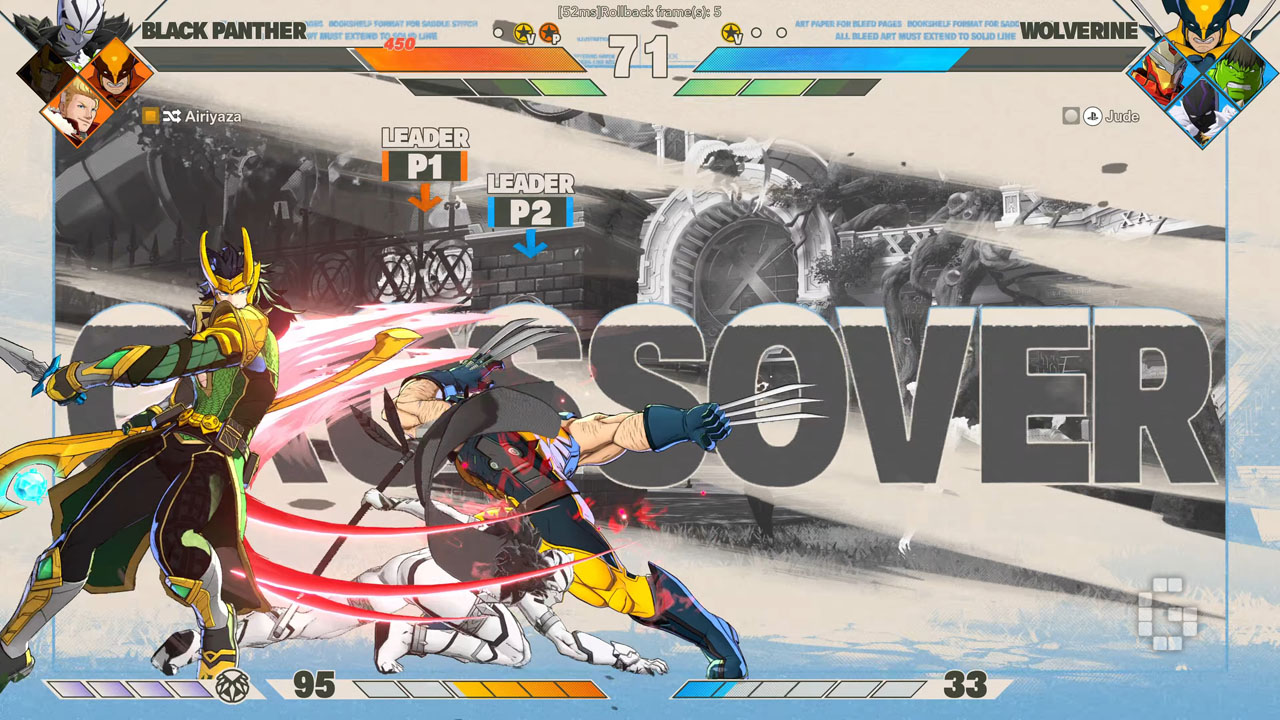
Players with more fighting game experience also have the option to switch from simple inputs to full motion controls, which come at the cost of extra damage scaling.
The 4v4 Tag Team System
The tag team mechanic built around a 4v4 formation is one of the biggest selling points of MARVEL Tōkon: Fighting Souls, and for the most part it delivers a solid experience, especially compared to how it felt during the earlier Closed Beta test. The system is built to support two different playstyles: players who want to focus on mastering one main character while using the other three purely for assists, and players who prefer switching between characters throughout a match to adapt to the situation and keep opponents guessing, since every character plays differently. Switching characters feels noticeably smoother now, with none of the accidental switches or momentum loss that could happen before due to slow transitions.
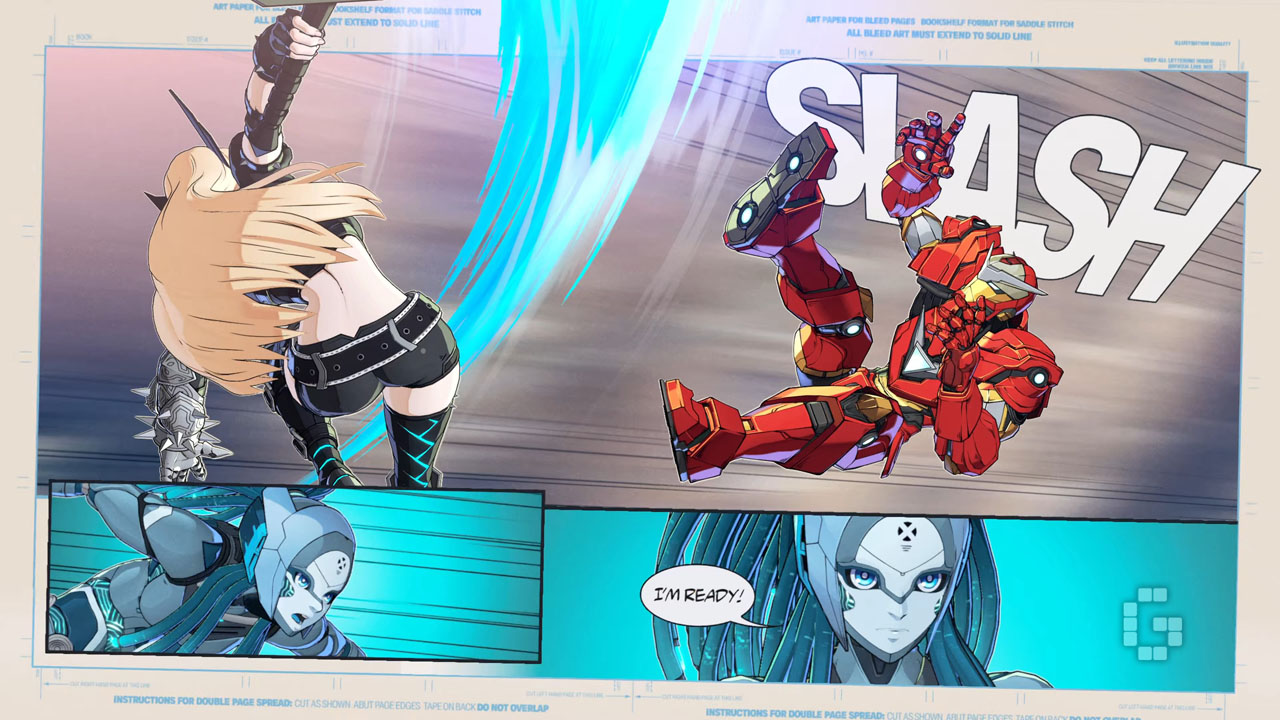
Every character slot brings a different type of attack to the table, whether that’s a close-range strike or a ranged zoning tool, meaning each character can offer up to three different kinds of assists. These assists can be used to extend combos, add zoning pressure, or lock an opponent down, which is especially useful when they’re cornered. There are also team-based maneuvers like Assemble Smash and Super Assemble, the latter of which lets players chain together up to three Super Skills in a row. The tag system is genuinely enjoyable, though it only really clicks once all three characters on a team are unlocked, since matches start with just one character and require meeting certain conditions or reaching a new round before the rest of the team joins in.
Assists end up being one of the most important tools for extending combos, since a single character’s moveset usually isn’t enough on its own to reach maximum damage. Rather than trying to learn an entire team at once, which can feel overwhelming, the game encourages players to get comfortable with their main character first before gradually adding in one, two, and eventually three assists.
Performance
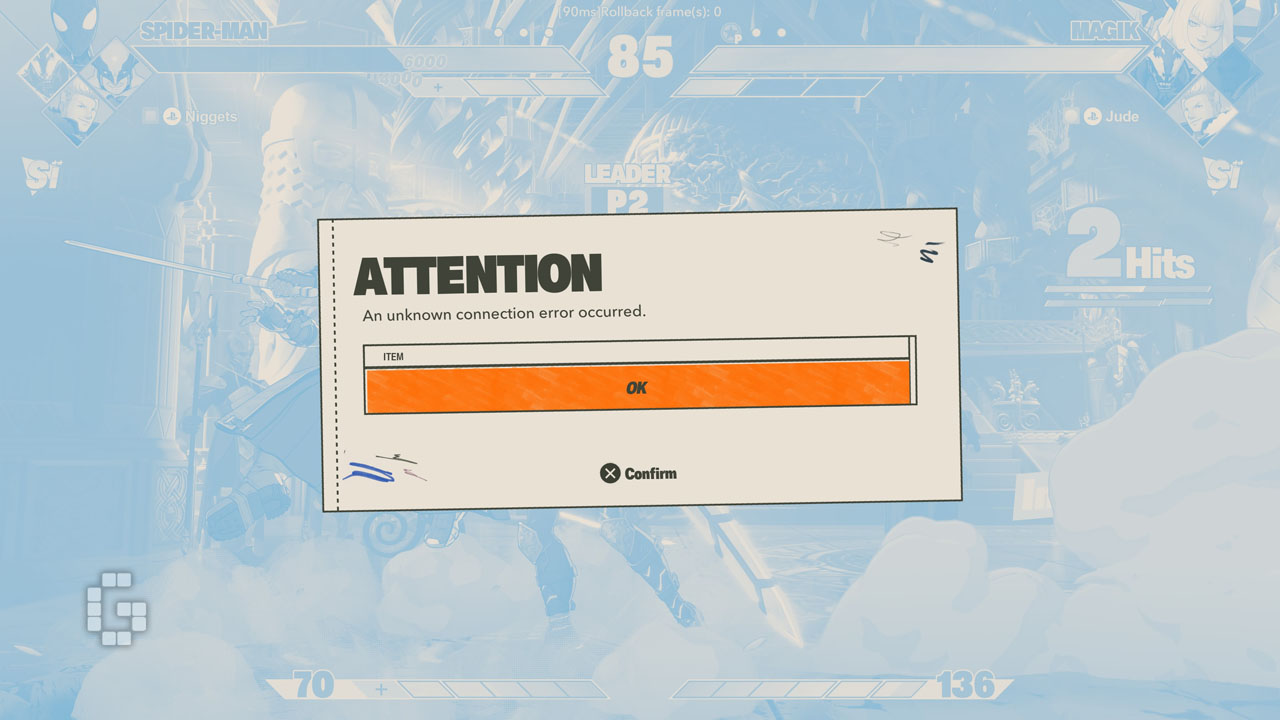
MARVEL Tōkon: Fighting Souls has dealt with a number of technical issues since launch, particularly on PC. On PlayStation 5, the experience is relatively stable, though “relatively” is doing some work here, since there are still a few frustrating issues when playing online. Matchmaking can be extremely slow, and it’s not unusual to get paired against the same opponents repeatedly. Server connections also tend to stutter or drop unexpectedly, and this isn’t limited to opponents rage quitting. Sometimes the game itself throws an error mid-match or crashes outright, and these incidents happen often enough that the server quality on PS5 still needs work.
Separately from technical concerns, there’s also a noticeable skill gap in Ranked Match, even at the Bronze and Silver tiers. It’s common to run into players who are still learning the basics, but just as common to face highly skilled opponents who can pull off optimal combos with full assist usage, alongside strong movement and defense. Because of this mismatch, climbing the ranks can feel unnatural from the very start, since lower-ranked players may end up facing opponents who feel like they belong much higher up. This kind of experience can vary from player to player, but it came up often enough to be worth mentioning.
Final Verdict
MARVEL Tōkon: Fighting Souls brings a refreshing take to the tag fighter genre. Despite carrying the weight of the MARVEL license, the game leans into an anime-inspired art style rather than the usual Western superhero look, and its 4v4 gameplay format is well executed while still staying accessible to newcomers. The roster size and overall content on offer are already solid for an initial release.
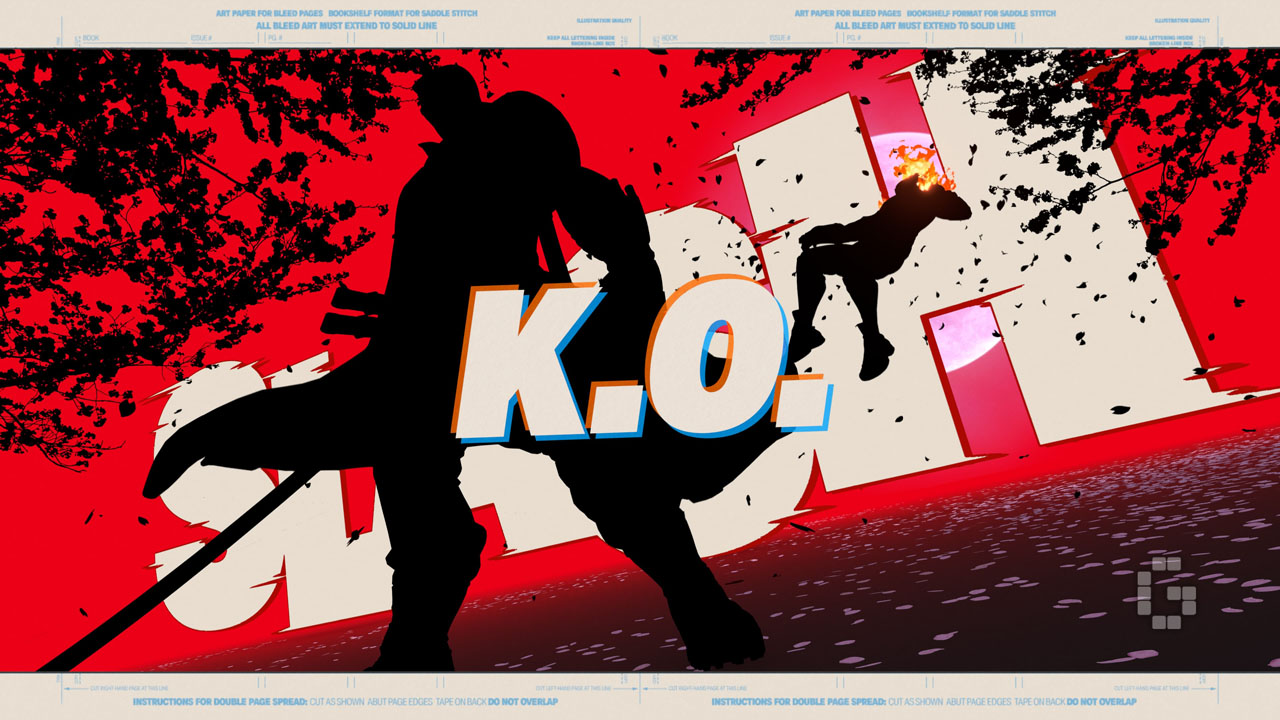
That said, MARVEL Tōkon: Fighting Souls isn’t without its issues. Some defensive tools, like Assemble Counter, feel like they could be abused too easily and may need rebalancing. On PS5, which should technically run smoother than the PC version, there are still connection drops, slow matchmaking, and occasional crashes.
Played on PS5
The Review
MARVEL Tōkon: Fighting Souls
PROS
- Rich in style that stands out greatly compared to most other Marvel games.
- Nice blend of Western and Japanese styles, especially in its storytelling and character designs.
- Smooth, intense, fast-paced 4v4 fighting gameplay experience that is suitable for players of all skill levels.
- Good selection of content ranging from single-player and multiplayer to additional modes.
- Strong roster of more than 20 characters with very distinct gameplay styles.
CONS
- The PlayStation 5 version also suffers from various technical issues, especially when playing online modes.
- An unbalanced skill gap when playing Ranked mode, even at the lowest ranks.
- The Assemble Counter defensive option still needs further balancing.