










![[EXCLUSIVE] Dragon’s Dogma 2: Dark Arisen Team Opens Up About the Expansion’s Name, New Norgan Region, and Performance Goals](https://cdn.gamerbraves.com/2026/07/Dragons-Dogma-2-Dark-Arisen_Interview_FI-360x180.jpg)





Capcom recently let press get hands-on with a media preview build of Onimusha: Way of the Sword, and we spent a solid three hours with it on the PS5, playing on Action difficulty. The build picks up right after the earlier public demo, starting just after the fight against Ganyu, and gives a good look at how combat, exploration, and character progression are shaping up so far. Here’s what stood out across those three areas, plus some quick impressions from a short session on Nintendo Switch 2.
Combat
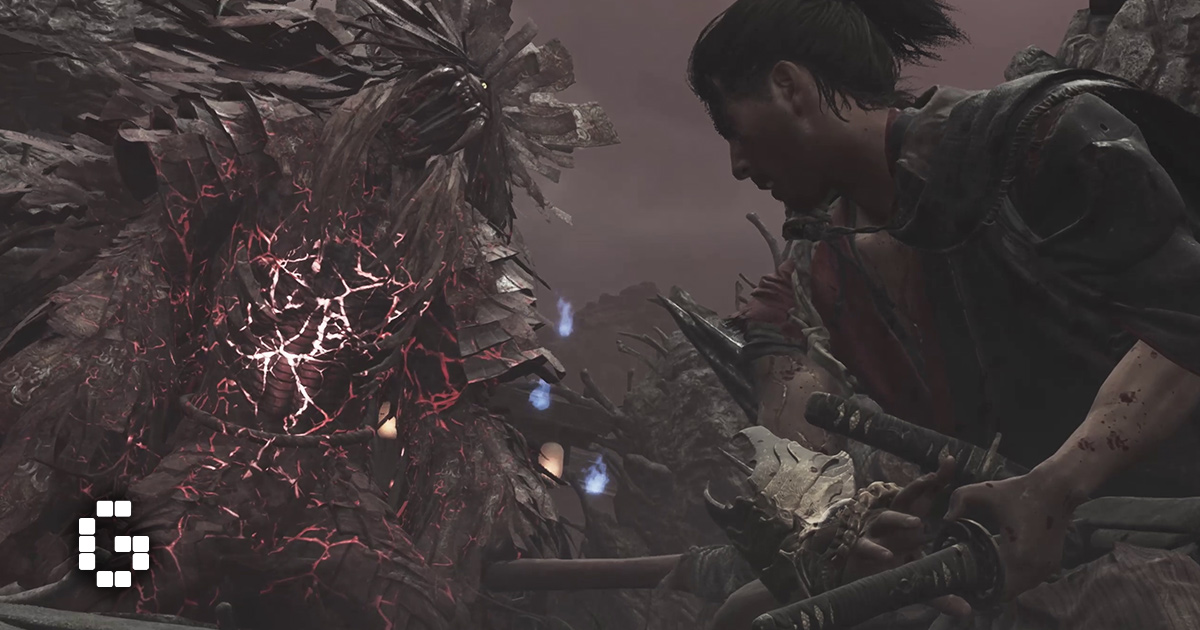
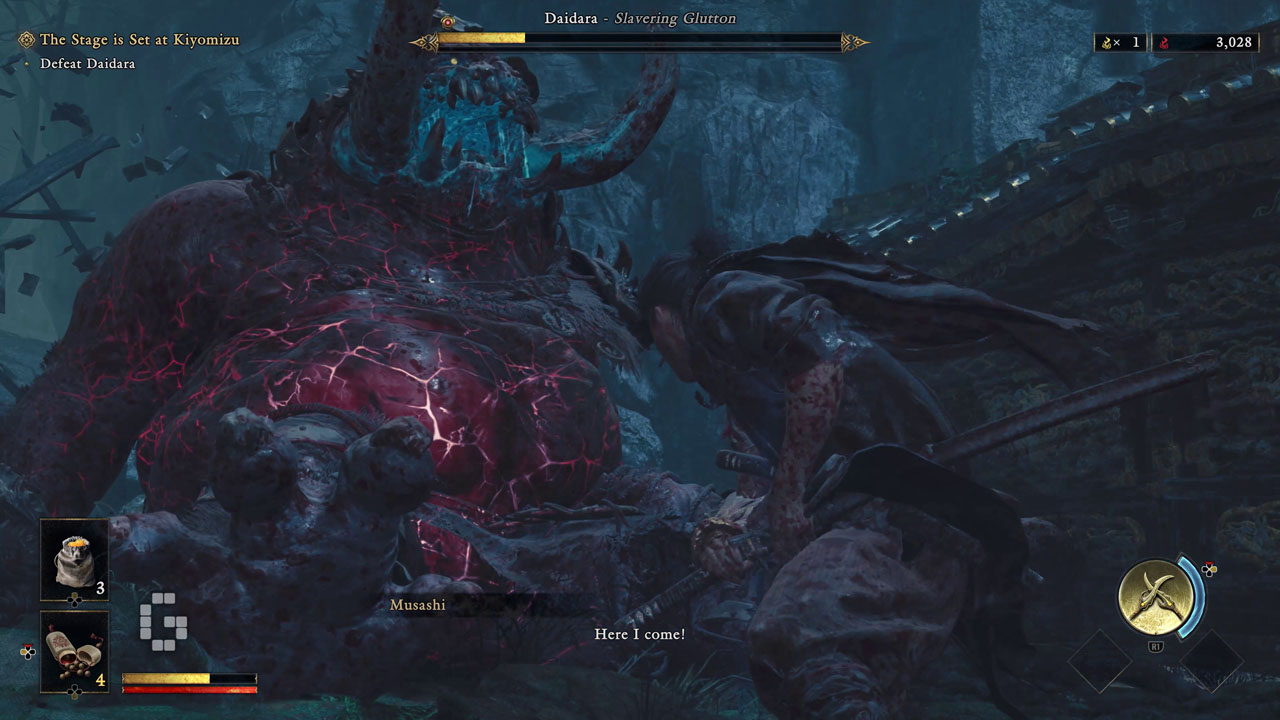
The biggest highlight of the preview is easily the boss fights. While the demo throws a decent mix of standard enemies at you (sword users, archers, shield bearers, Kubi Akari, Togemaru, and a tougher elite-type enemy with more health and attack power), the regular grunts don’t offer a ton of variety on their own. The real showcase is in the three bosses: Daidara, Rasho-gan, and Byakue. Daidara and Rasho-gan are tied to the main story, while Byakue plays more like something you’d run into during a purification event, though it’s not confirmed if that type of encounter will show up again later.
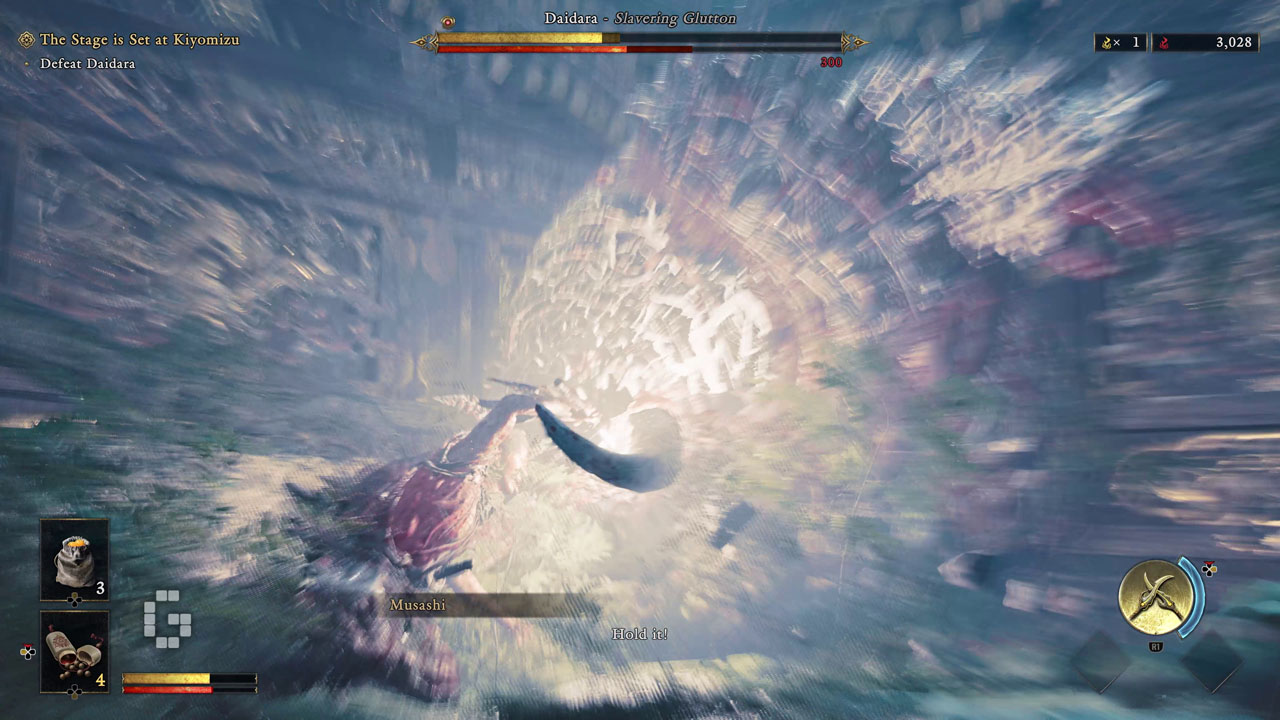
Daidara is a towering, boar-like Genma wielding a huge club, constantly driven by hunger, which ties into a soul-absorption system shared by all three bosses. When a boss drops souls during a fight and the player doesn’t grab them fast enough, the boss absorbs them instead and gets stronger, pulling out more dangerous attacks as the fight goes on. Daidara’s fight leans on big, sweeping offense, with the environment actually reacting to its charges (obstacles can catch its weapon or trip it up), and its club turns into a whip in the second phase, changing up the pacing entirely.
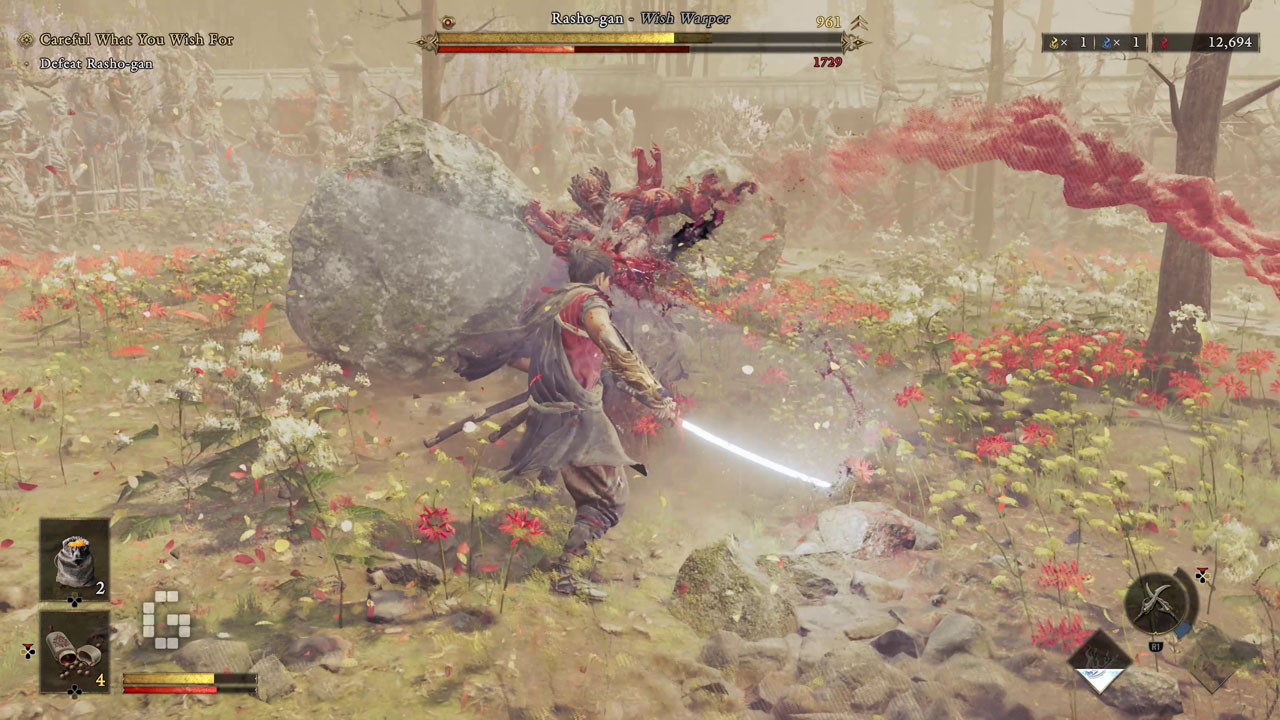
Rasho-gan, the second boss, is a mass of hands with a much more nimble moveset than Daidara. It throws small orbs, lunges to grab the player, and grows giant scissors in its second phase, mixing fast and slow attack timing to keep players guessing. One standout move has it summoning a giant orb that players can either dodge around or break outright, giving the fight some flexibility in how it’s approached.
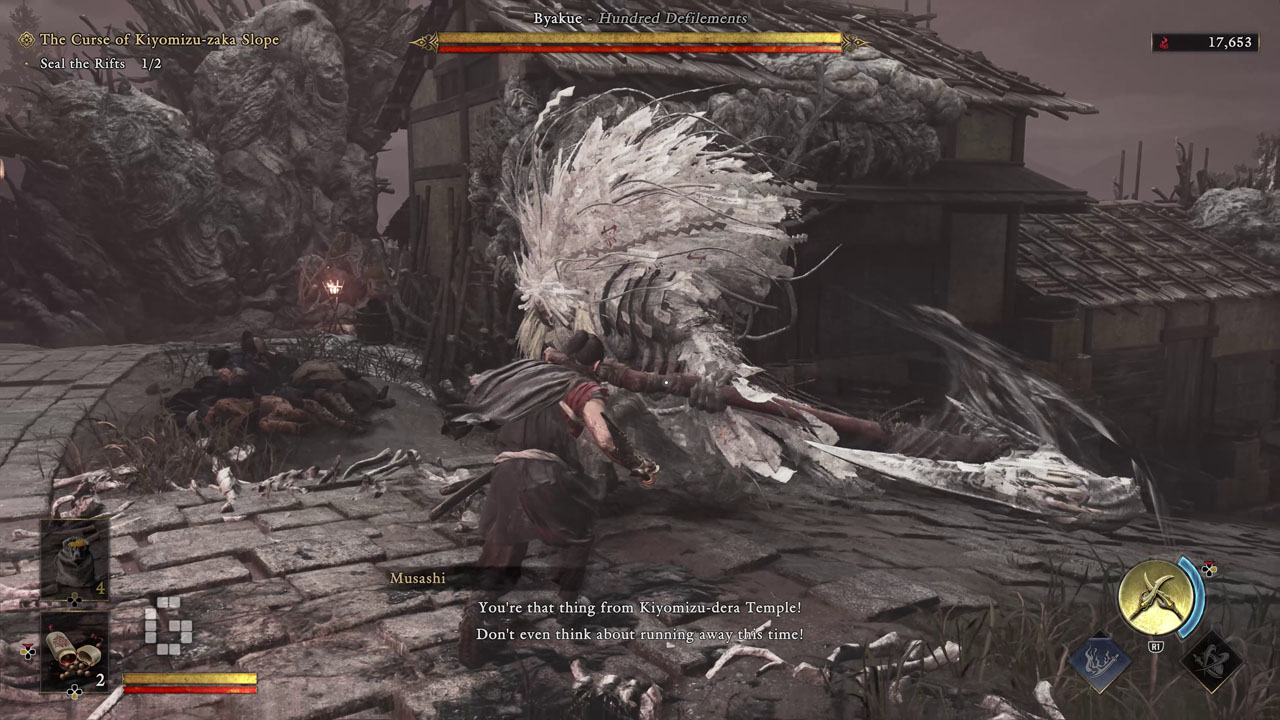
Byakue, the third boss, is smaller in scale but purely aggressive, relying on wide axe swings and leaping strikes. What makes it different is that it doesn’t have its own dedicated arena. The fight just happens wherever the player currently is, and the way it reacts to the surrounding environment shows a good amount of care put into its AI.
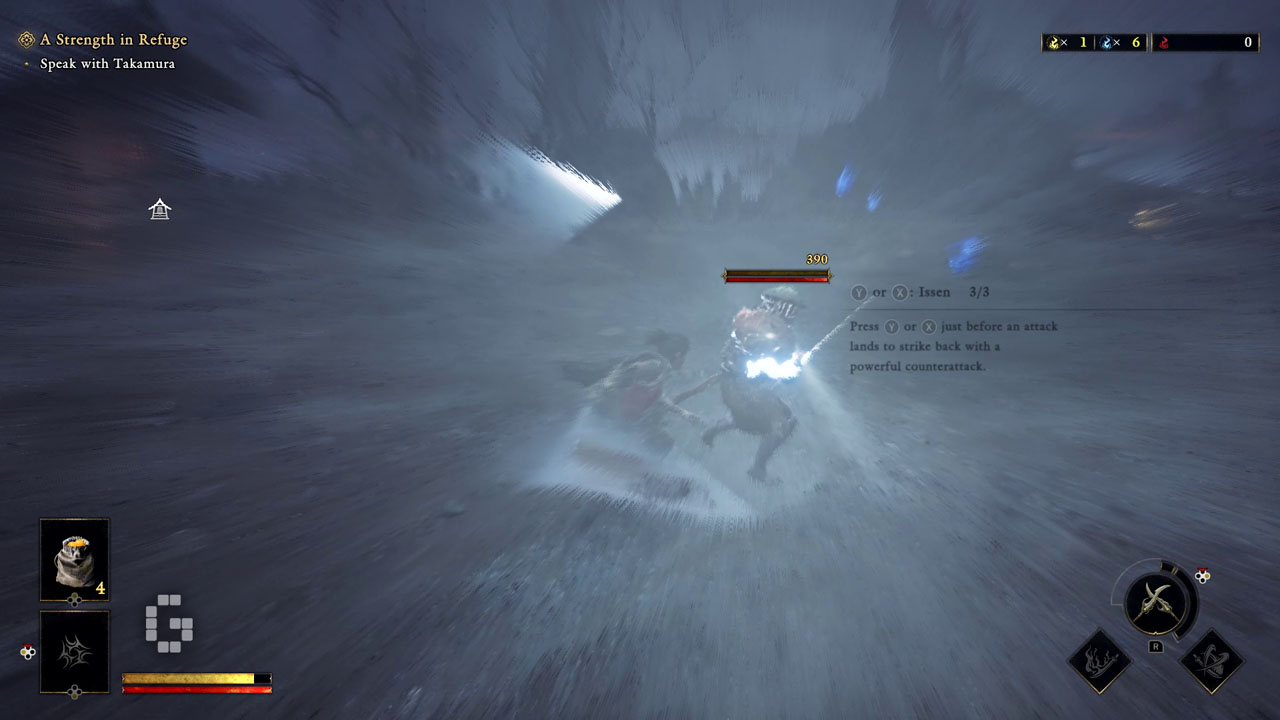
As for the core combat systems in Onimusha: Way of the Sword, everything revolves around defensive counters, forced stagger, and area-of-effect attacks. Basic tools like Parry, Deflect, and Evade handle most standard enemy attacks, paired with the Reflex skill for punishing openings. Issen returns as a high-risk, high-reward move with a tough input window, useful for breaking open a fight unexpectedly. There’s also Blade Barrage & Lock, which adds more traditional samurai-style combat options into the mix. For bigger, charged attacks, Oni Armaments offers a safer alternative to a risky parry by staggering the enemy and interrupting the attack outright. Wind-Whipper is another useful tool against groups, spinning a dual-bladed naginata to launch nearby enemies and cancel out incoming ranged attacks, and it even upgrades into a stronger fire vortex if it crosses paths with fire on the battlefield.
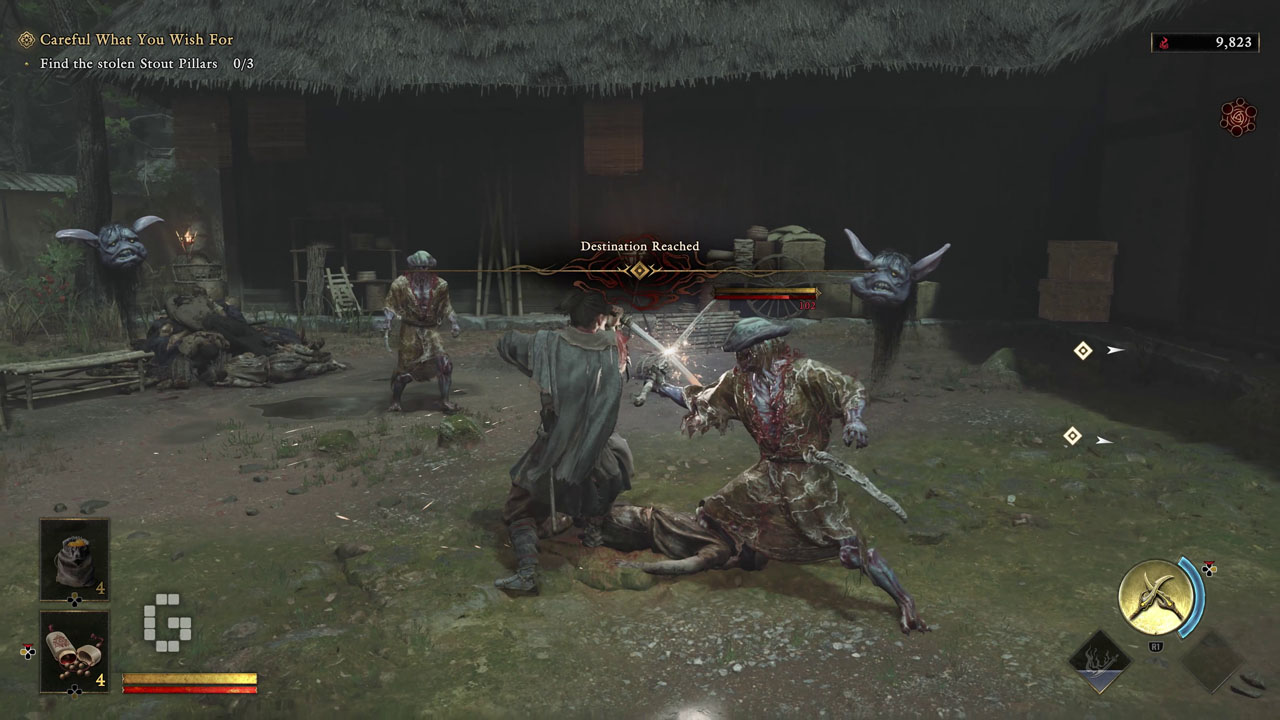
On top of Story and Action difficulty options, players can toggle assist prompts on or off depending on how much help they want reading enemy attacks, and there are reportedly up to five different ways to approach each boss fight, with the environment itself offering extra options for damage or evasion. It’s worth noting that this build had every skill unlocked for preview purposes, so the actual difficulty balance in the full game will likely be tuned differently.
Exploration
Progress throughout Onimusha: Way of the Sword leans on two main tools: Oni Strength and the Oni Bow, both used for puzzles and combat. The Oni Bow works as a ranged weapon but also triggers mechanisms or knocks objects onto enemies, with some puzzles requiring precise angles to solve. Oni Strength functions similarly to Oni Vision in terms of general progression, but it can also be used to break open sealed paths or knock back shield-wielding enemies. Right now, getting these tools feels pretty straightforward and linear, though the developers mentioned in an interview that backtracking to earlier areas will come with its own rewards once players have new tools in hand. Oni Vision also helps with navigation, sometimes offering guidance when players are lost, alongside yellow markers placed around the map.
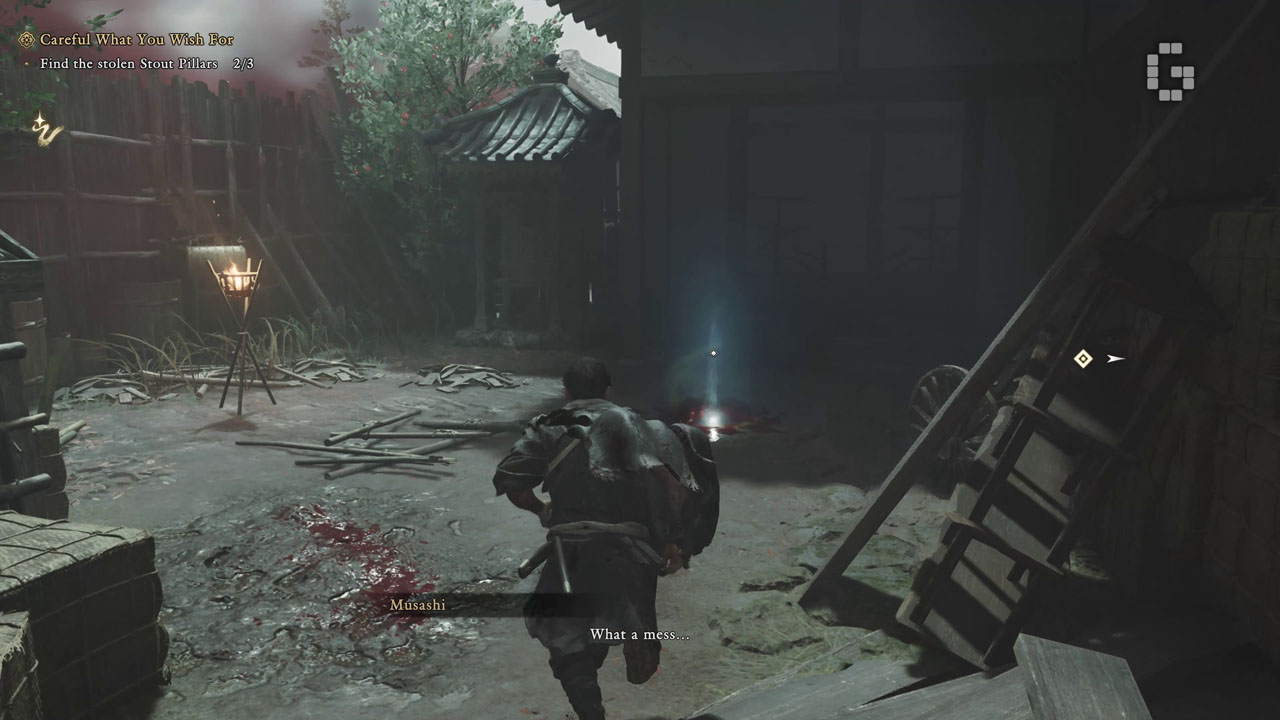
A good chunk of the preview takes place in a Kyoto town area that works as a hub. Players can fast travel between checkpoints, take on scattered enemy groups for loot, and help out villagers through small side quests in exchange for rewards. The main goal in town is purifying several rifts, each guarded by waves of enemies, though it’s unclear yet if this ties into a bigger side quest system. The town itself is fairly compact, with the player’s home base at its center, and the bell tower and Oni Lady both located there as well.
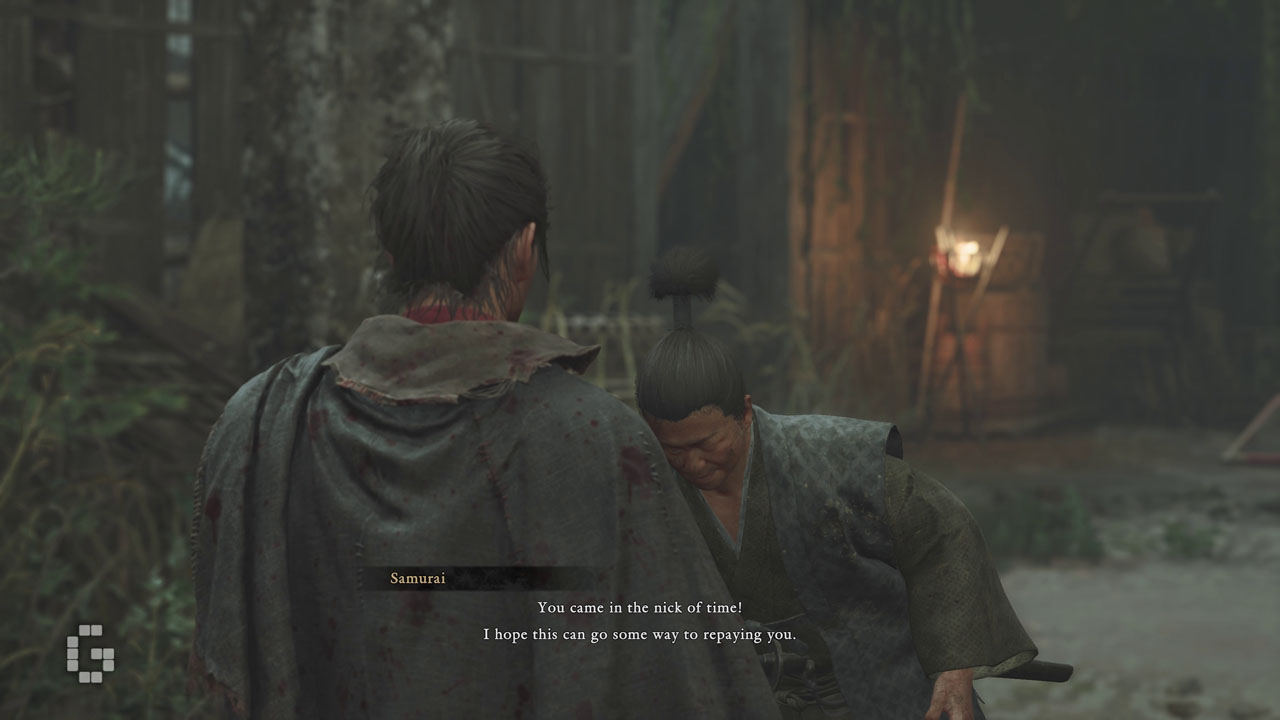
The bell tower acts as a practice ground where players can run through tutorials and combos for rewards, or refight bosses they’ve already beaten, with separate reward tracks for Story and Action difficulty. The preview also introduces a red mist mechanic that blocks off certain areas, creating a sense of restricted progress that builds anticipation for what’s ahead. Outside of that, exploration mostly comes down to familiar stuff like opening chests and breaking jars for consumables and crafting materials.
Progression
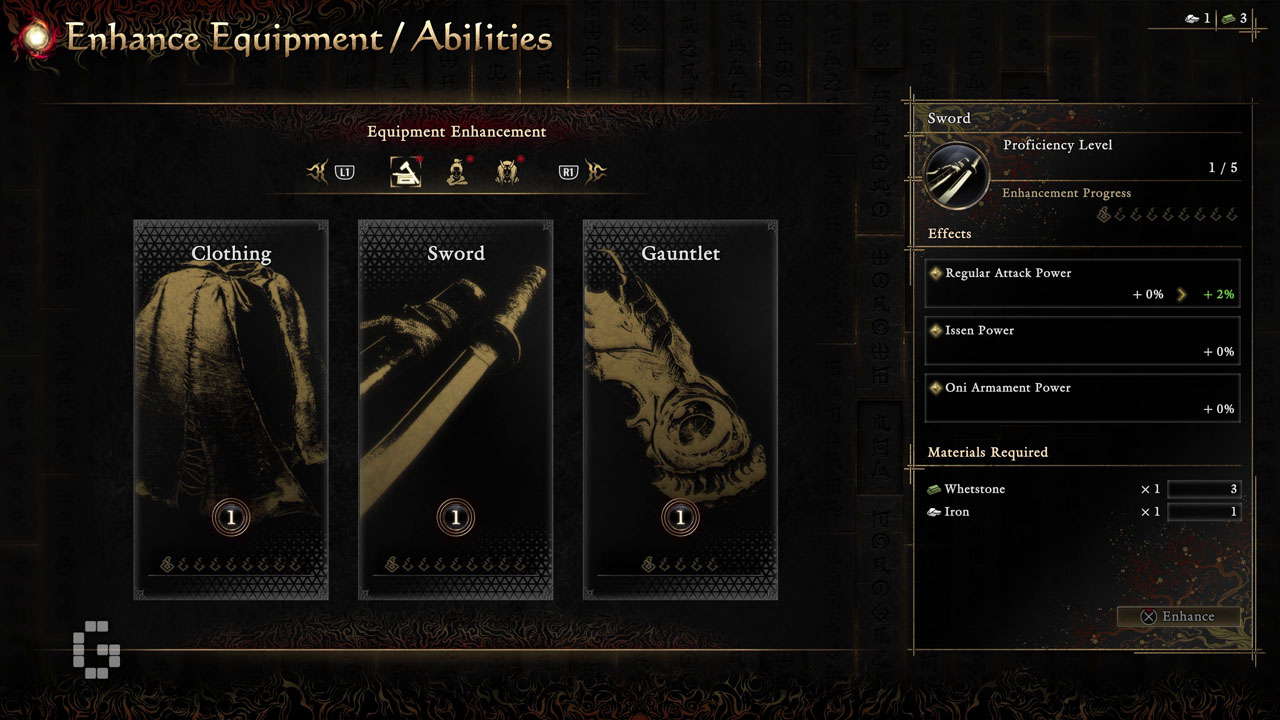
The Spirit Mirror checkpoints double as the game’s main upgrade hub. Upgrades are split into three categories. Equipment Enhancement covers Clothing, Sword, and Gauntlet gear, boosting stats like damage and health. The second category works like a skill tree, letting players learn new Basic Skills, though Power Stones need to be found out in the world to unlock techniques such as Deflect, Reflex Combo, and Chain Issen. The third category, Special Skills, covers upgrades for Oni Armaments and Oni Visions. According to the developers, there’s no set order players need to follow, so players are free to build their skills however they like. The Spirit Mirror also gives access to the Storehouse for stashing items, which is useful since every item type has its own carrying limit.
On Nintendo Switch 2
Alongside the main PS5 session, we also spent about ten minutes with Onimusha: Way of the Sword on the Nintendo Switch 2, mostly running through the Practice Ground. Performance held up well throughout, with no noticeable frame drops during that short window.
Closing Thoughts
Overall, this preview build shows a good amount of care put into Onimusha: Way of the Sword across combat, exploration, and progression. The combat keeps the series’ blade-focused identity while adding tools like Deflect, Reflex, and Issen for more flexibility. Each of the three bosses brings something different to the table, from Daidara’s heavy offense to Rasho-gan’s mixed-up timing to Byakue’s environment-driven aggression. Exploration currently feels fairly linear, though the developers have said backtracking will be rewarded, and the Kyoto hub leaves room for more content down the line.
Since this is still just a media preview build, both the skills and difficulty balance aren’t fully finalized yet, so the true depth of the game will only be clear once it fully releases. Even so, based on how the combat feels, how much thought went into the environments, and the smooth performance on Switch 2, there’s a solid amount to be curious about with this new entry in the series.