
![[EXCLUSIVE] Dragon’s Dogma 2: Dark Arisen Team Opens Up About the Expansion’s Name, New Norgan Region, and Performance Goals](https://cdn.gamerbraves.com/2026/07/Dragons-Dogma-2-Dark-Arisen_Interview_FI-360x180.jpg)









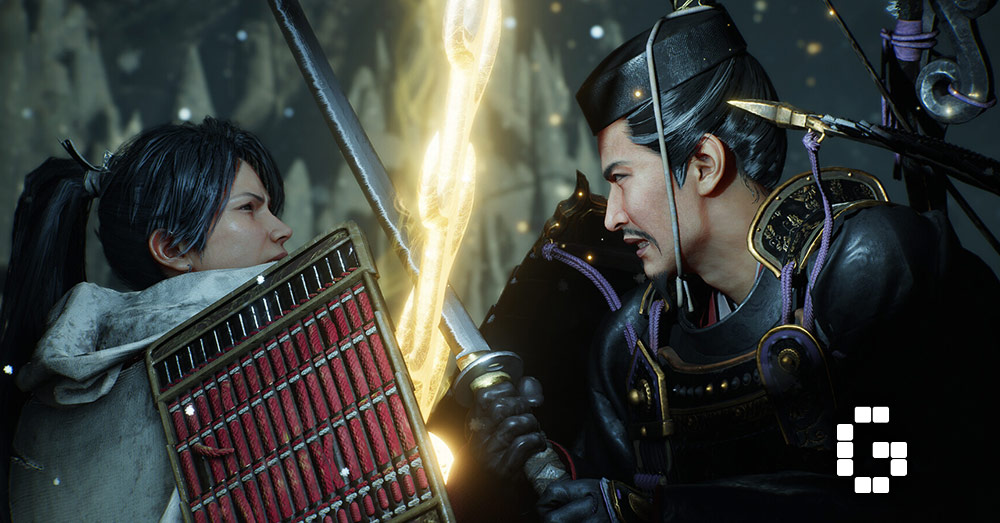
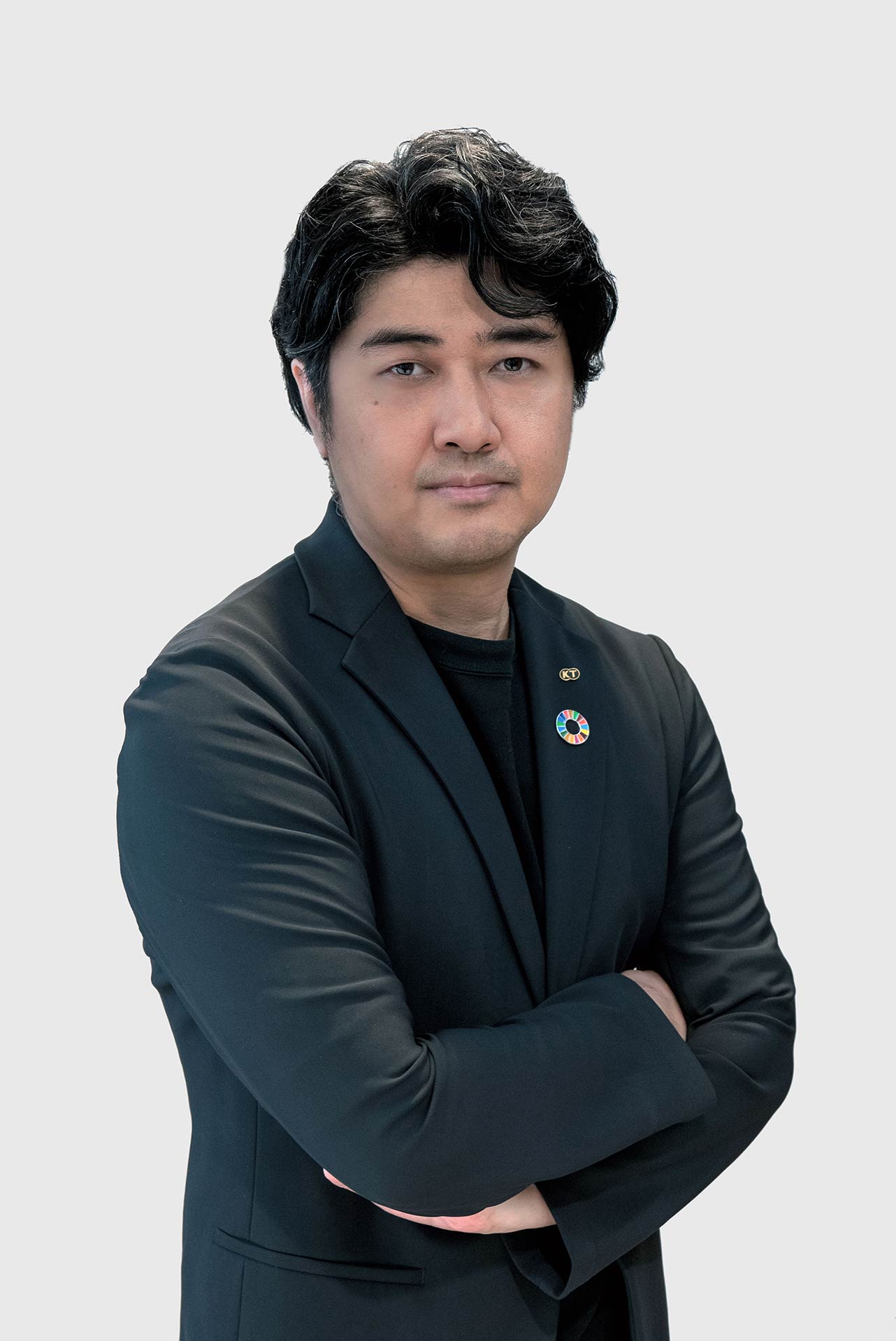
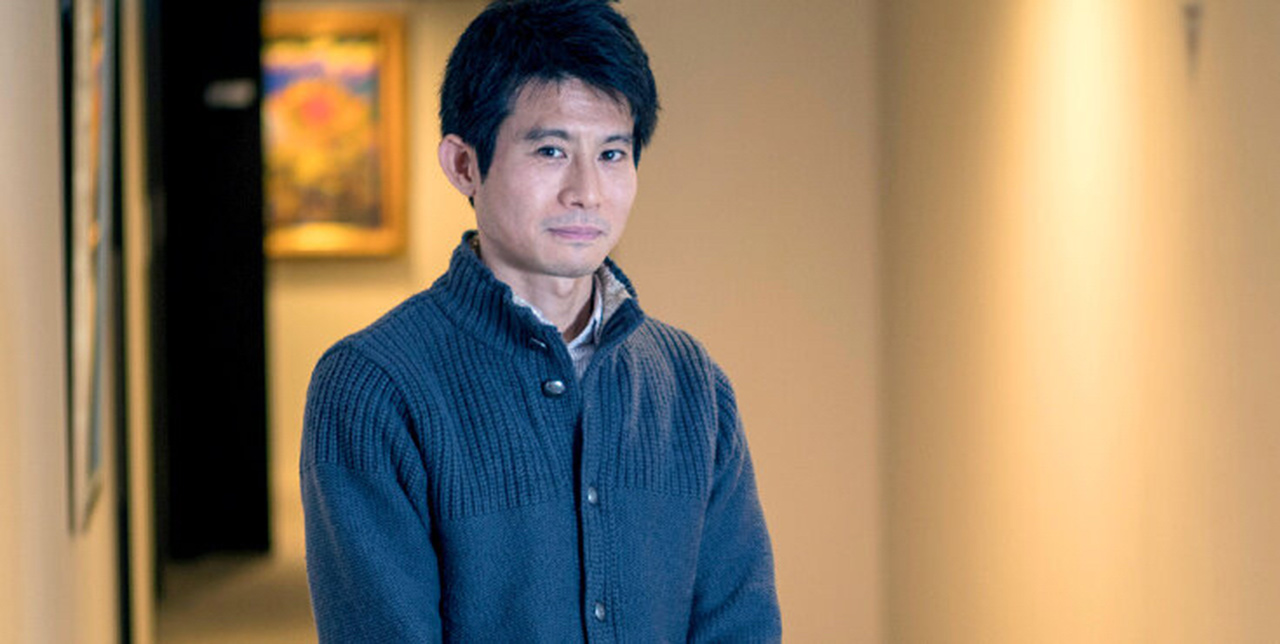
When KOEI TECMO GAMES set out to create Nioh 3, they had one ambitious goal in mind: take everything players loved about the series and expand it across multiple eras of Japanese history. We recently got to hear from Nioh 3 developers, General Producer Fumihiko Yasuda, Producer Kohei Shibata, and Director Masaki Fujita, on how they’re bringing this vision to life, from navigating the challenges of open-world design to balancing historical periods that span centuries of technological advancement.
Why Nioh 3 Breaks From Tradition
Unlike the first two Nioh games, which each focused on a single historical period, Nioh 3 takes players on a journey through multiple eras including the Edo, Sengoku, Heian, and Bakumatsu periods. The development team explained that this decision was driven by two key factors, both rooted in creating a more expansive experience for players.
“First, while remaining faithful to historical facts, we wanted to depict a story on a much larger scale, allowing players to more deeply experience the recurring theme of the ‘Shogun,'” the team said. This thematic focus on the Shogun as a recurring element across different time periods gives the narrative a cohesive thread even as players jump between centuries. Each era brings its own visual identity, which serves a practical purpose beyond storytelling.
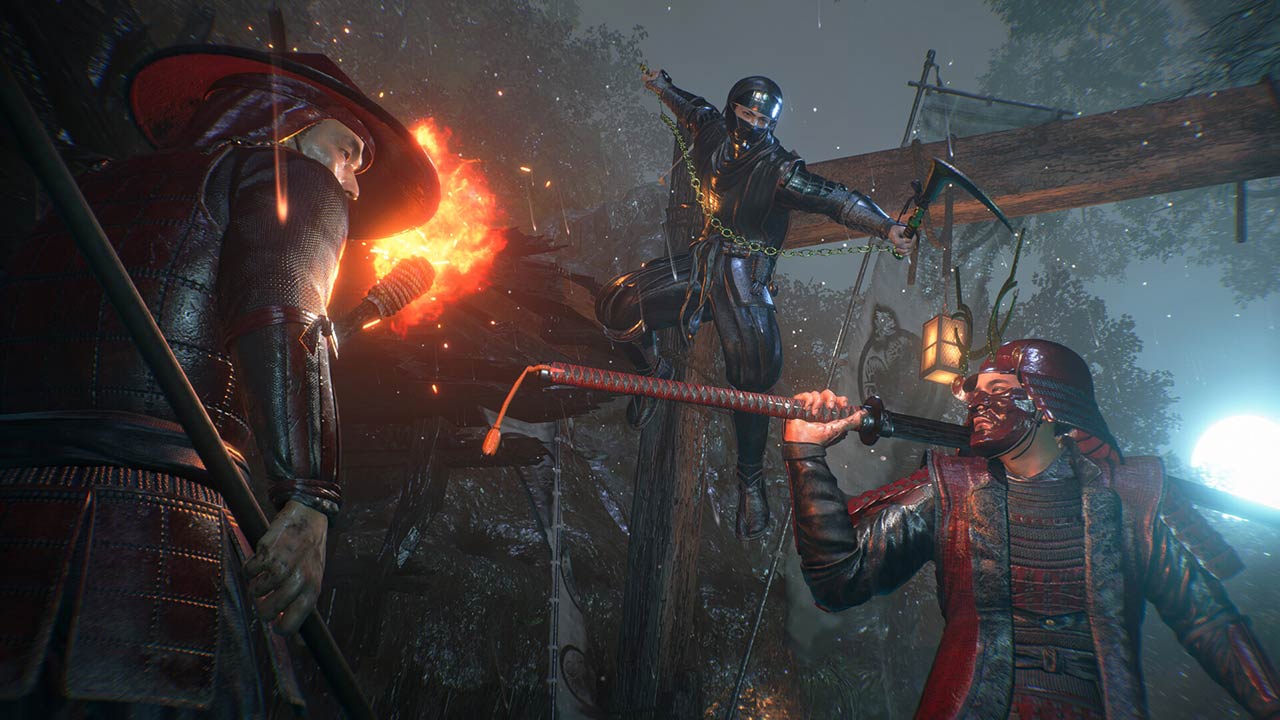
“We aimed to enrich the environmental presentation within a vast open world through visual variety,” the team explained.
“Each era offers its own distinct visual identity, providing a sense of freshness as players traverse the different time periods.”
The team’s goal was to use these visual differences to create variety throughout the game world.
Balancing History, Fantasy, and Firearms
One of the more unusual challenges facing the team was creating a combat system that could work across vastly different technological periods. The game spans from ancient melee-focused combat all the way to the Bakumatsu era, when firearms became widespread, while still maintaining the yokai and fantasy elements that define the series. It’s a balancing act that required careful consideration from the development team.
The team revealed that their approach to the Bakumatsu setting leans heavily into alternate history, giving them freedom to blend historical elements with fantasy. “This installment’s Bakumatsu setting is an ‘IF’ world where the Tokugawa Shogunate has been long-eroded by Yokai, resulting in a heavy emphasis on fantasy elements over strict historical accuracy,” they explained. This creative freedom made incorporating the era’s folklore and weaponry relatively straightforward. “Given the era’s wealth of existing folklore and weaponry, integrating these elements was relatively straightforward,” the team added.
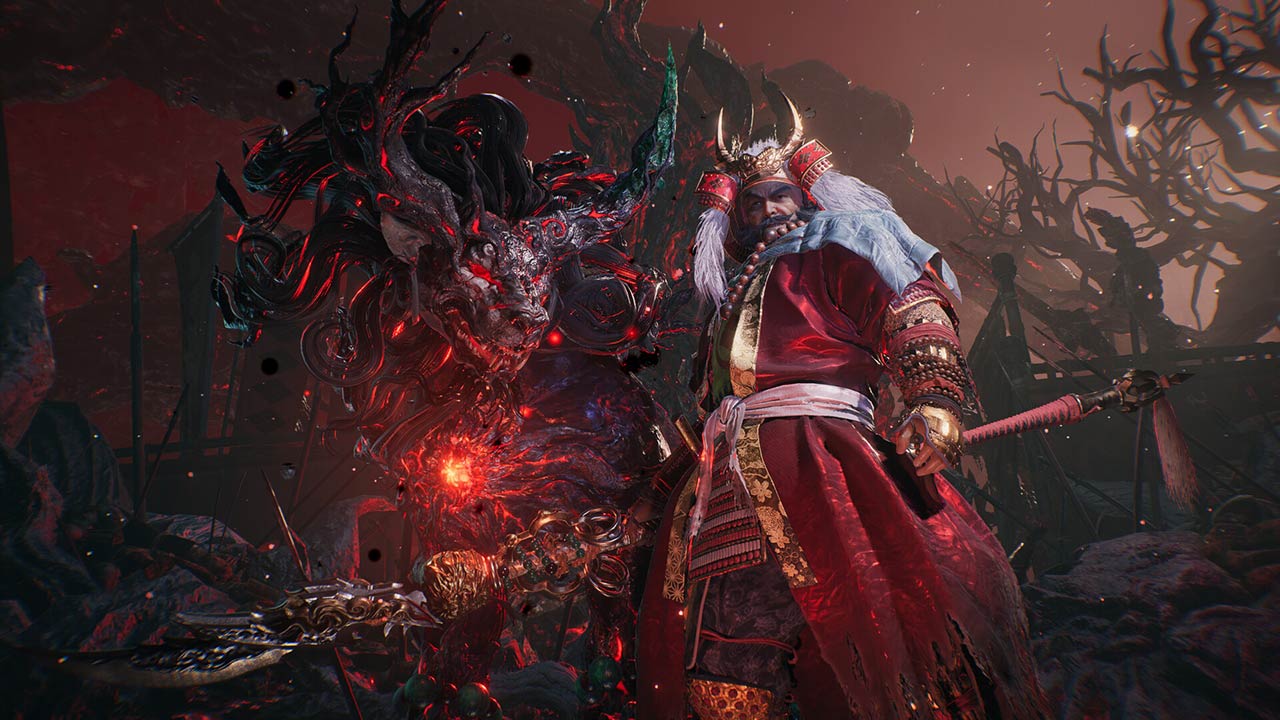
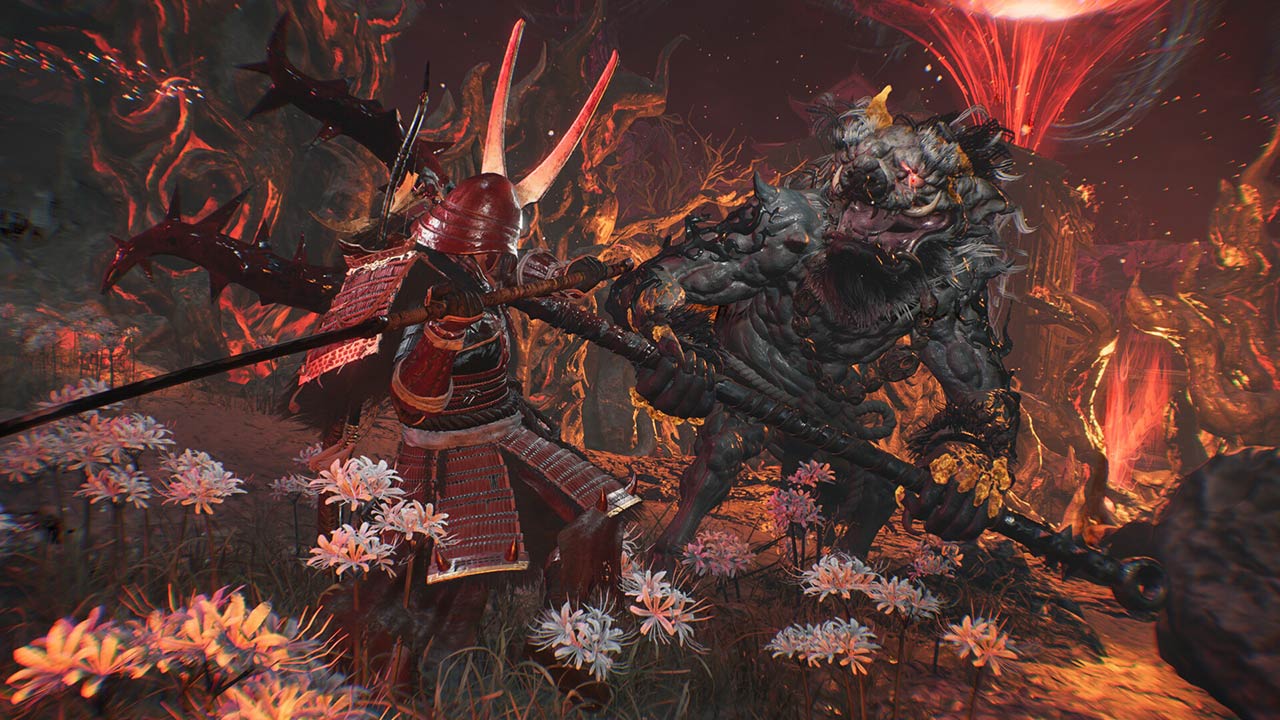
The real difficulty came from the opposite direction, in the periods where less historical documentation exists. “The true challenge actually lay in the ancient eras, where scarce historical records and a lack of established Yokai legends made selecting suitable creatures difficult,” the team noted. With fewer records to draw from and less established mythology to reference, the team had to be more creative in their yokai selection for these earlier periods.
Once those decisions were made, however, the rest fell into place thanks to the team’s experience with the series. “Once the Yokai were finalized, balancing the combat systems and maintaining the series’ signature tension became a familiar process for the team, progressing smoothly through standard trial and error,” they said. The team’s prior work on the series helped them navigate the technical aspects once the creative direction was established.
Keeping the Tension Alive in an Open World
The Nioh series has built its reputation on dense level design and relentless pacing, where every corner could hide a deadly encounter and every step forward feels earned. Moving to an open-map structure for Nioh 3 presented a clear risk: would the signature intensity that fans expect be lost in the vastness of an open world?
The development team was very aware of this tension from the start. “The vastness of an open world and the high-density experience of a ‘masocore’ game are inherently contradictory,” they acknowledged. Open worlds traditionally emphasize exploration and breathing room, while Nioh has always been about constant pressure and challenge.
“If we were to reduce map density just to emphasize a sense of openness, it would no longer feel like Nioh 3,” the team explained, making it clear that compromising on difficulty was not an option.
“For this title, maintaining gameplay density and intricacy is absolutely essential.”
The team emphasized that the careful construction of encounters and deliberate pacing are central to what makes Nioh distinctive.
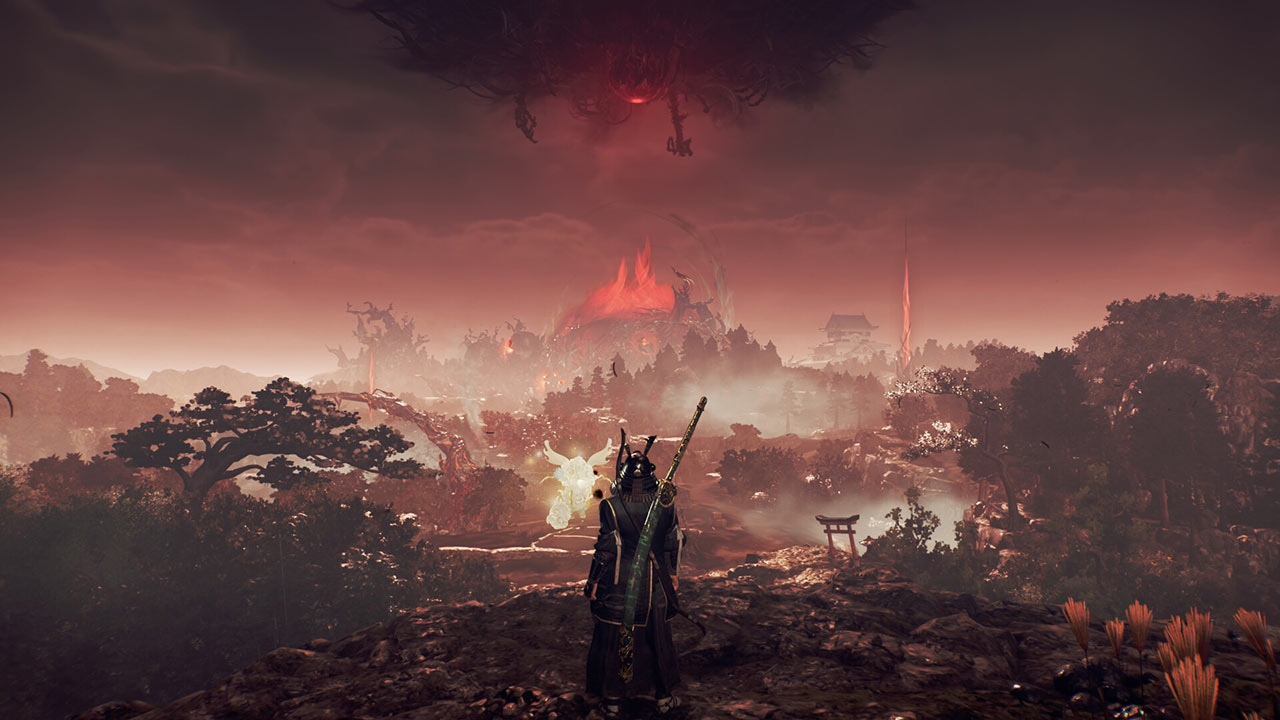
Their solution was to prioritize that core experience while still delivering the benefits of an interconnected world. “Our priority was preserving that signature ‘death-match’ density while delivering a seamless, interconnected Nioh world,” the team said. To achieve this balance, they implemented strategic design choices that would concentrate the challenge in specific areas rather than diluting it across the entire map.
“One design choice we implemented to achieve this balance was the strategic placement of ‘The Crucible’—dedicated high-difficulty zones—throughout the map to ensure the challenge remains constant,” they revealed. These zones are designed to maintain the game’s difficulty throughout the open world.
The Freedom to Switch Styles, or Not
Nioh 3 introduces a system that lets players switch between Samurai and Ninja styles, and while it adds considerable depth to combat and exploration, the team was careful not to make it mandatory. This design philosophy reflects a broader commitment to player choice that has defined the series from the beginning.
“During development, we initially placed a much heavier emphasis on requiring players to frequently switch between and master both styles,” the team revealed. The initial vision was for a game where mastering both styles would be essential to progress, but testing and development led to a change in approach.
“However, we realized that forcing this mechanic would undermine the series’ long-standing commitment to player freedom,” they explained. The team decided that requiring a specific playstyle went against the series’ core values.
“Therefore, we ultimately adjusted the balance so that ‘mastering the switch offers a distinct advantage, but is not a requirement.”
The benefits of using the system are significant for those who choose to engage with it. “The ability to fluidly transition between two drastically different styles effectively doubles your strategic options in terms of both execution and equipment for any given encounter,” the team explained. The system provides players with different approaches that can be used at any moment.
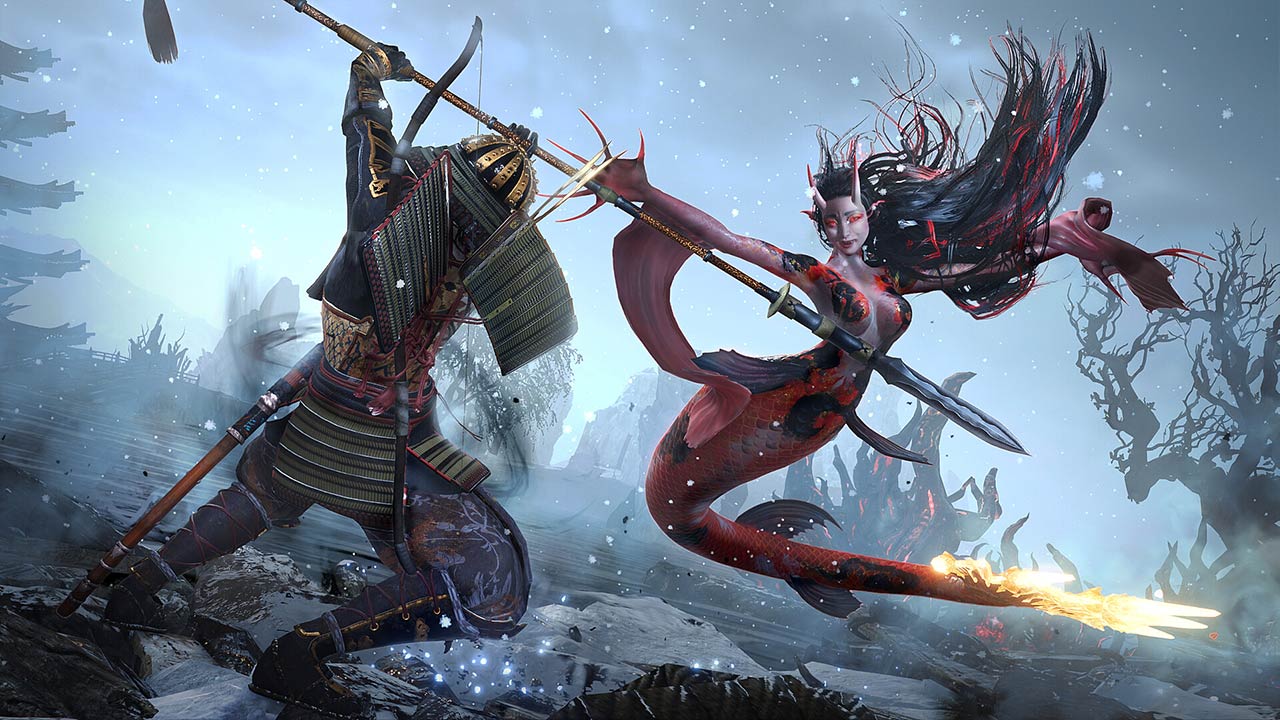
“For instance, the benefit of switching between a heavily-armored, defense-oriented Samurai and a light, agile Ninja is quite significant,” they said, highlighting how the two styles offer different tactical options. Players can shift between absorbing hits with heavy armor and using ninja agility to dodge around enemies.
For players concerned about game balance, the team addressed this directly. “You might worry, ‘Won’t this make the player too powerful?’ But rest assured—we want you to fully embrace and enjoy the depth that this tactical freedom provides,” they said. The game’s difficulty has been tuned with this dual-style system in mind.
Building on Past Lessons
Many of the new features in Nioh 3 feel like natural evolutions of the series, but some ideas have been brewing for quite some time. The team shared that the concept of an open-world Nioh actually dates back to the development of Nioh 2, making this third entry the realization of a long-held ambition.
“As far back as the development of Nioh 2, we had conceptualized transitioning the series to an open-world structure,” they said. The vision was there early on, but the practical realities of game development meant it couldn’t be realized at that time. “However, due to limited production time and a lack of technical expertise in open-world map design at the time, we were unable to realize it,” the team explained. The creative vision existed, but the technical foundation and time needed to execute it properly were not available.
The missing piece came from the team’s work on a different project. “Through the development of Rise of the Ronin, our team reaffirmed the universal appeal of exploration-based gameplay and accumulated the necessary technical experience,” the team explained. Rise of the Ronin allowed Team NINJA to develop the skills and technology needed to tackle an open-world Nioh.
That groundwork has paid off in ways that extend beyond just Nioh 3. “With this foundation in place, we felt fully prepared to take on the challenge in Nioh 3,” they said. The work done on this game will continue to benefit the team moving forward. “Moving forward, the technical framework established here will allow the team to pursue even more ambitious game designs,” the team noted, indicating that the technical work done for Nioh 3 will support future projects.