










![[EXCLUSIVE] Brendan Gan Delivers One of Malaysia’s Best-Ever Worlds Results, Shares Thoughts on Pressure and the Local Scene](https://cdn.gamerbraves.com/2026/08/Brendan-Gan_Interview_FI-360x180.jpg)





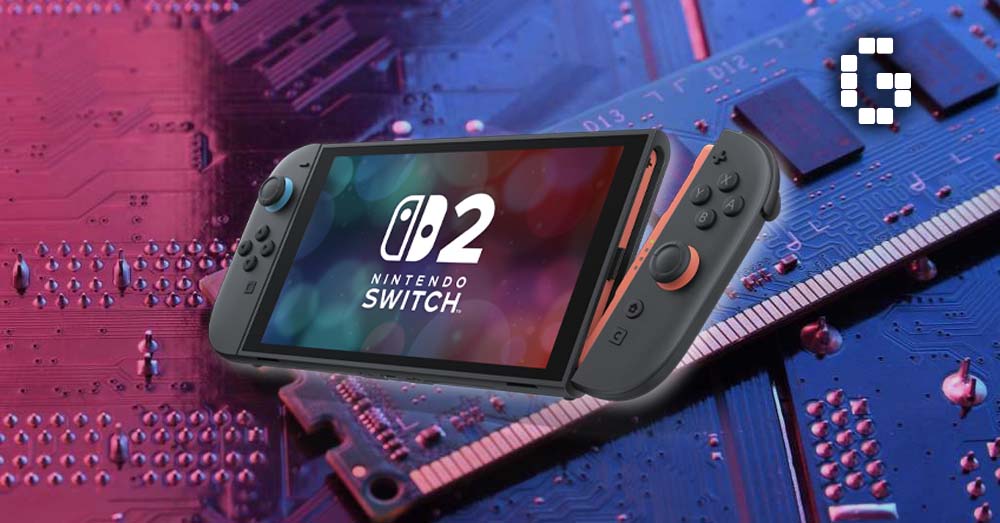
Nintendo has stated that rising global RAM costs will not have an immediate impact on the price of the Nintendo Switch 2. The clarification comes amid growing concerns across the gaming industry, as memory component prices continue to climb due to shifting supply priorities and increased demand from AI data centers.
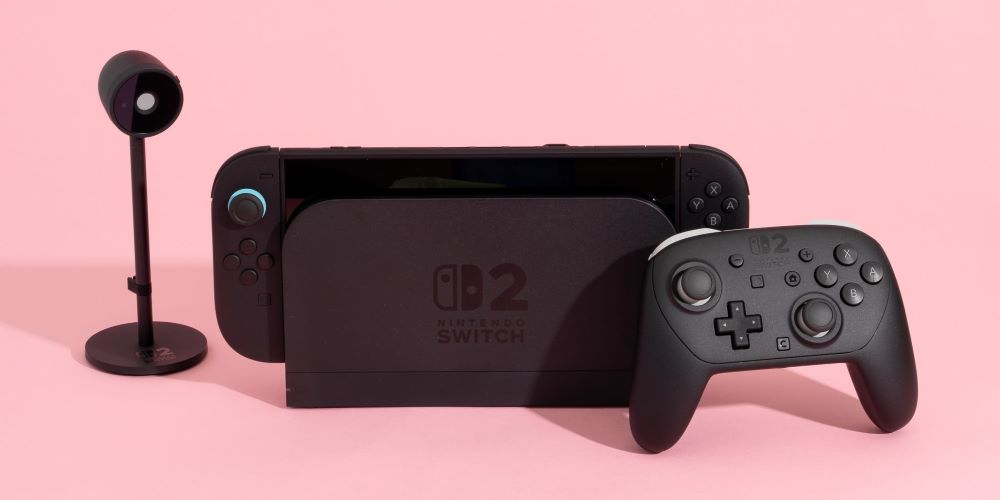
Pricing around the Nintendo Switch 2 has already been a sensitive topic. Prior to launch, many consumers raised concerns over potential tariff-related increases, as well as the cost of games, upgrades, and accessories. For now, Nintendo appears committed to maintaining the console’s current price, though the company has made it clear that the situation remains under close review.
RAM Market Volatility Raises Industry-Wide Concerns
Toward the end of 2025, RAM prices began to rise sharply. Major chipmakers such as Samsung, Micron, and SK Hynix redirected significant portions of their memory production toward AI infrastructure, leaving fewer components available for consumer electronics. As a result, prices for RAM, SSDs, and related hardware surged, with no immediate signs of stabilizing.
While PC gamers have felt the effects most directly, the broader impact has sparked discussion around console manufacturing as well. Reports have suggested that competitors such as Sony and Microsoft may need to delay future hardware plans due to rising component costs. Against this backdrop, Nintendo’s position on the Nintendo Switch 2 has drawn particular attention.
Nintendo’s Supply Strategy Shields Nintendo Switch 2—for Now

In an interview with Kyoto Shimbun, Nintendo President Shuntaro Furukawa described the current memory market as volatile but confirmed that it has “no immediate impact on earnings.” According to Furukawa, Nintendo’s medium-to-long-term supply planning allowed the company to secure sufficient RAM in advance, insulating the Nintendo Switch 2 from short-term market fluctuations.
However, Furukawa also cautioned that this protection may not last indefinitely. Nintendo continues to monitor the memory market closely, acknowledging that sustained high prices could eventually affect manufacturing costs once existing safety stocks run low.
Future Price Increases Remain a Possibility
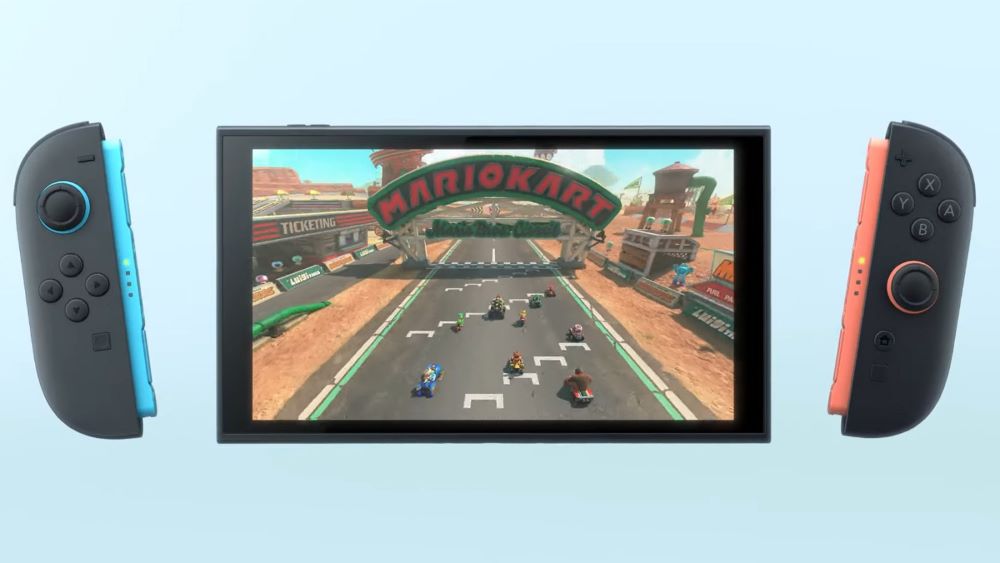
Nintendo’s history suggests that price adjustments are not off the table if economic pressures persist. In Fall 2025, the company increased the price of the original Nintendo Switch, citing market conditions. This precedent indicates that similar decisions could occur again if component shortages continue.
The outlook from memory manufacturers adds to the uncertainty. During a recent earnings call, Micron stated that the RAM shortage is expected to extend beyond 2026, as production struggles to keep pace with demand. A prolonged shortage could force Nintendo to reassess its pricing strategy for the Nintendo Switch 2.
Tariffs Could Add Further Pressure
Beyond RAM costs, Nintendo is also evaluating the impact of tariffs. Furukawa stated that the company’s policy is to treat tariffs as a cost and pass them on to consumers where possible. This approach has already resulted in price increases for certain Nintendo Switch 2 accessories, raising the possibility that the console itself could eventually follow.
For now, the Nintendo Switch 2 remains priced at its original MSRP. While there is no immediate price hike planned, ongoing memory shortages and broader economic pressures mean the situation remains far from settled.
You can catch future updates, by checking out their official X account.