![[EXCLUSIVE] Dragon’s Dogma 2: Dark Arisen Team Opens Up About the Expansion’s Name, New Norgan Region, and Performance Goals](https://cdn.gamerbraves.com/2026/07/Dragons-Dogma-2-Dark-Arisen_Interview_FI-360x180.jpg)





![[EXCLUSIVE] Hajime Tabata Discusses Saudi Arabia Partnership, Turn-Based RPGs, and the Future of Creative Game Development](https://cdn.gamerbraves.com/2026/01/Hajime-Tabata-JP-UNIVERSE_Interview_FI.jpg)
Hajime Tabata, the former Final Fantasy director who now heads JP UNIVERSE, recently spoke with us about his company’s new partnership with Saudi Arabia’s Ministry of Investment, his thoughts on turn-based combat following Expedition 33’s Game of the Year win, and the challenges facing creative game development at major studios.
A New Chapter in Arabian Fantasy
Tabata revealed that JP UNIVERSE has entered into a partnership with the Ministry of Investment of Saudi Arabia to create a large-scale single-player RPG inspired by Saudi Arabian culture. The project will be carried out jointly by SA GAMES, a newly established subsidiary in Saudi Arabia, and JP GAMES, Tabata’s Japan‑based game development studio.
“Our partnership with the Saudi Arabian government is aimed at leveraging my Final Fantasy development expertise to create an original game IP from Saudi Arabia. To achieve this, we are planning to develop a large‑scale RPG,” Tabata explained.

He clarified that the partnership is specifically with JP UNIVERSE, the publishing arm of his business, rather than JP GAMES, the development studio.“We first established JP GAMES for game development, and later founded JP UNIVERSE because I wanted to pursue our own activities as a publisher as well.”
The collaboration came about in an interesting way. As Tabata put it, “I am a Final Fantasy creator, and they got very interested in it and then they asked me that by utilizing the know-how of Final Fantasy, how about creating Arabian fantasy? So that was the beginning that led to this collaboration.”
Project JEWEL Takes Shape
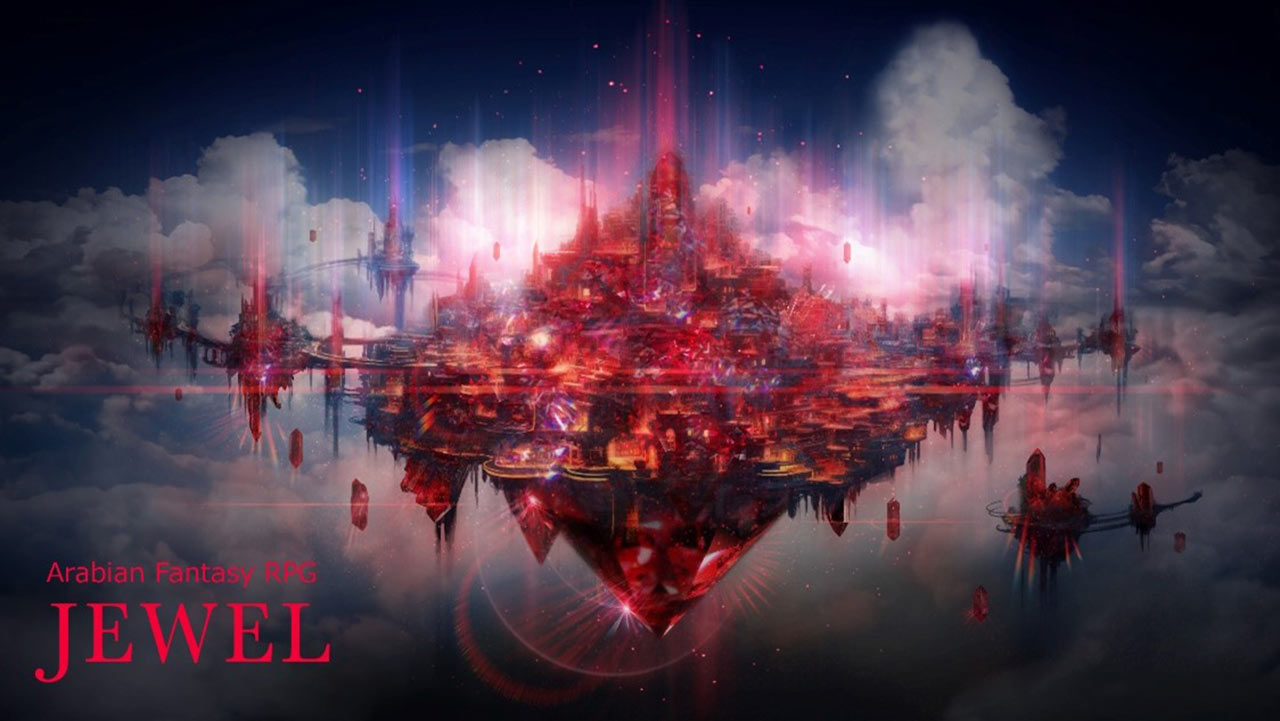
While nothing is set in stone yet, Tabata indicated that this Saudi Arabia project will likely become Project JEWEL one of several concepts JP UNIVERSE has been developing. “We haven’t made a final decision yet about this, but we think that Project JEWELis the best candidate, and the Saudi Arabian side also thinks that it’s the best,” he said.
“The reason why we cannot fix the final decision so far is that, aside from JEWEL we also have a few other project plans so far, and we have to select one of them to start working as a business.”
The timing worked out naturally. When Saudi Arabia first approached Tabata, JP UNIVERSE wasn’t ready to establish an international development base. They were deep into working on RYUGUKOKU, a project mixing RPG elements with Roblox-style user-generated content. After the prototype development was completed, Tabata checked back with the Saudi Arabian team, and the partnership moved forward.
“At the time of the initial approach, we were in the early stages of developing RYUGUKOKU, so taking on another large‑scale game project would have been extremely difficult,” Tabata said.
After the initial development of RYUGUKOKU was completed, Tabata and his core team members decided that it was the right moment to take on a large‑scale RPG. They chose Saudi Arabia once again as their partner and reached out to them.
Lessons from Expedition 33’s Success
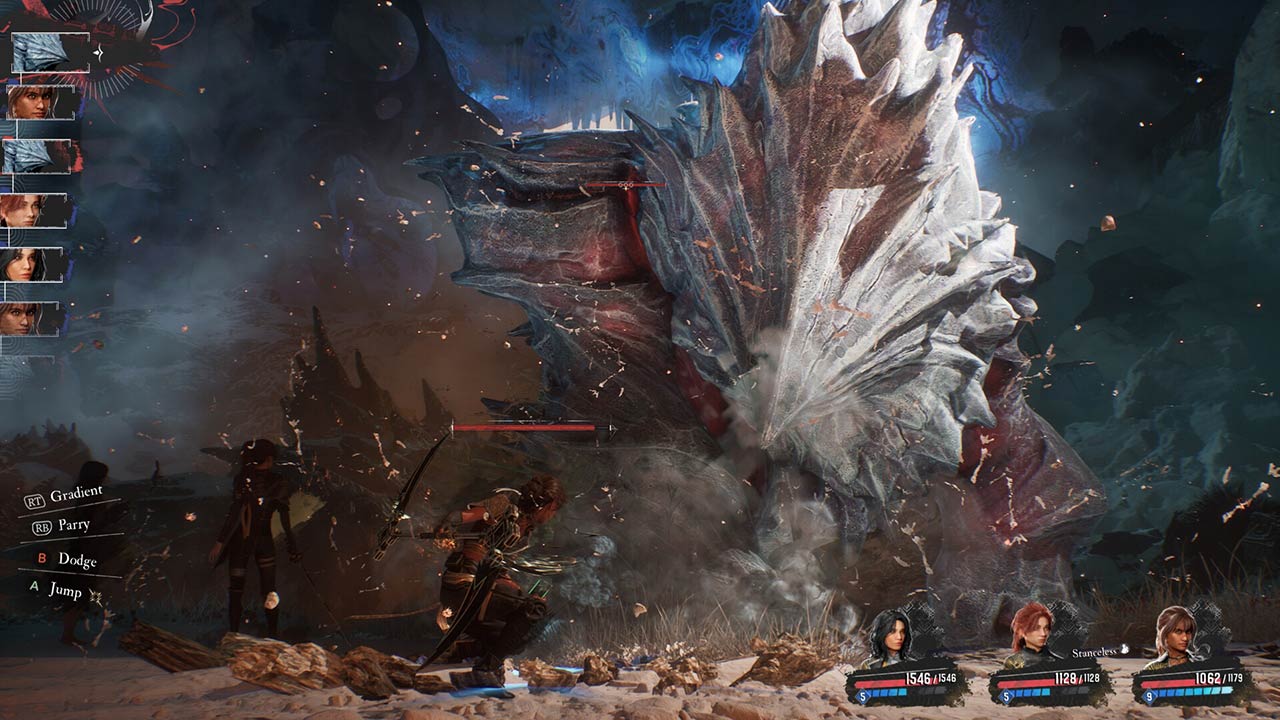
Much of the conversation centered on Expedition 33, the turn-based RPG from French developer Guillaume that took home Game of the Year honors. Tabata had met with Guillaume earlier in the year, and the game clearly made an impression on him.
“I was truly surprised by how deeply they understood the meaning and design philosophy behind turn‑based battles in RPGs. Very few game creators genuinely grasp this concept.” Tabata said.
He praised how the game’s design went beyond simple combat mechanics:“They didn’t just design individual battle units — they expressed how party members and the player function together as a team.”
He drew a sharp distinction between action and turn-based game design. “If we aim to create a complete action game, the meaning of party battle is going to be very, very limited. That means, the purpose of this game is just to win in this sense. But I feel that the purpose of the turn-based game is completely opposite, because of this feature of a turn-based game, they really work on considering the teamwork in the game, and also strategy on not just how to win, but how they do the battle together.”
For Hajime Tabata, turn‑based battles are a defining element that makes Japanese RPGs special. They are not just about winning fights, but about transforming the bonds between companions and the journey itself into a meaningful gameplay experience.
“This is also how the Japanese RPG highly values the process. How the team is going to continue the journey and continue the battle together. I really feel that the team really understands this meaning and value and importance of a turn-based game.”
Regarding the commercial viability of turn-based games, Tabata dismissed the notion that the combat system alone determines sales.“There are plenty of turn‑based games that sell well, and the same is true for action games. I don’t believe a game sells simply because it’s turn‑based.”
Why Big Studios Struggle with Creative Risks
When asked about Expedition 33’s relatively modest budget of around $10 million compared to major publisher titles, Tabata touched on a problem he sees across the industry: big companies struggle to take risks on unproven creators.
He pointed out that Guillaume himself had worked at Ubisoft and tried to make a game like Expedition 33 there but couldn’t make it happen.“It is extremely risky for a large company to commit a large number of staff to a game project based solely on one creator.”Tabata explained.
“Of course it’s a necessary risk, but to put such a big risk on a non-experienced creator might not be a good result for the company or the creator.”
“Even when a new creator brings forward a new idea, it is difficult for a company to continually take on that level of risk.” Tabata said. He explained the business reality: “The management of the budget is a business plan for the company. The company’s plan is to develop a game and decide when and how much the budget should be increased. However, in order to minimize the risk, we have to organize the team and decide on the game to develop. In the case of countermeasures, it is decided that a person with experience will make it. Therefore, it is difficult to make a new adventure.”
Hajime Tabata sees indie games as the solution to this problem, where individual creativity can flourish outside the constraints of large organizations, and technology makes it possible to create compelling games on smaller budgets. “The possibility of indie games is to create things with individual personalities that are out of that kind of barrier, and the technology supports it, and when they have a really great journey to develop the game, even major publishers are able to support that.”
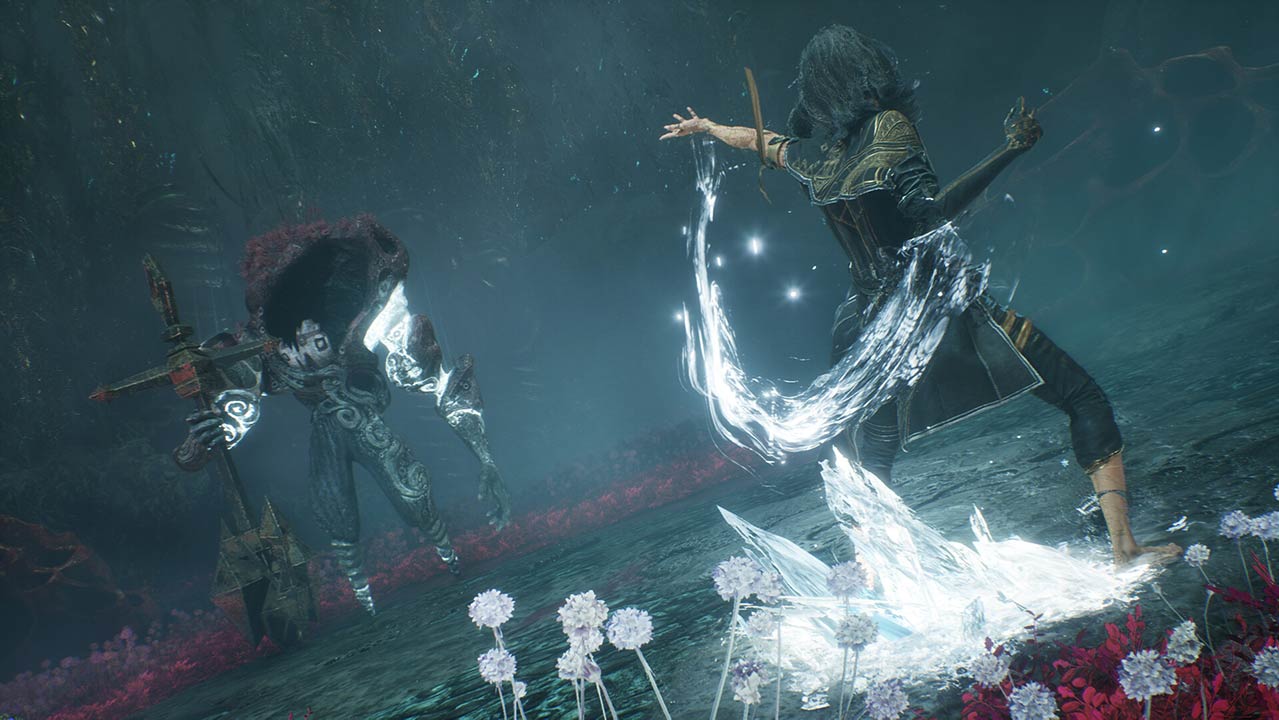
Tabata was particularly impressed by how Expedition 33 represented Guillaume’s unique vision.“This is a game that only Guillaume — a French creator who truly understands the defining qualities of Japanese turn‑based RPGs — could make.” he said.gg
Publishing Plans and Supporting New Talent
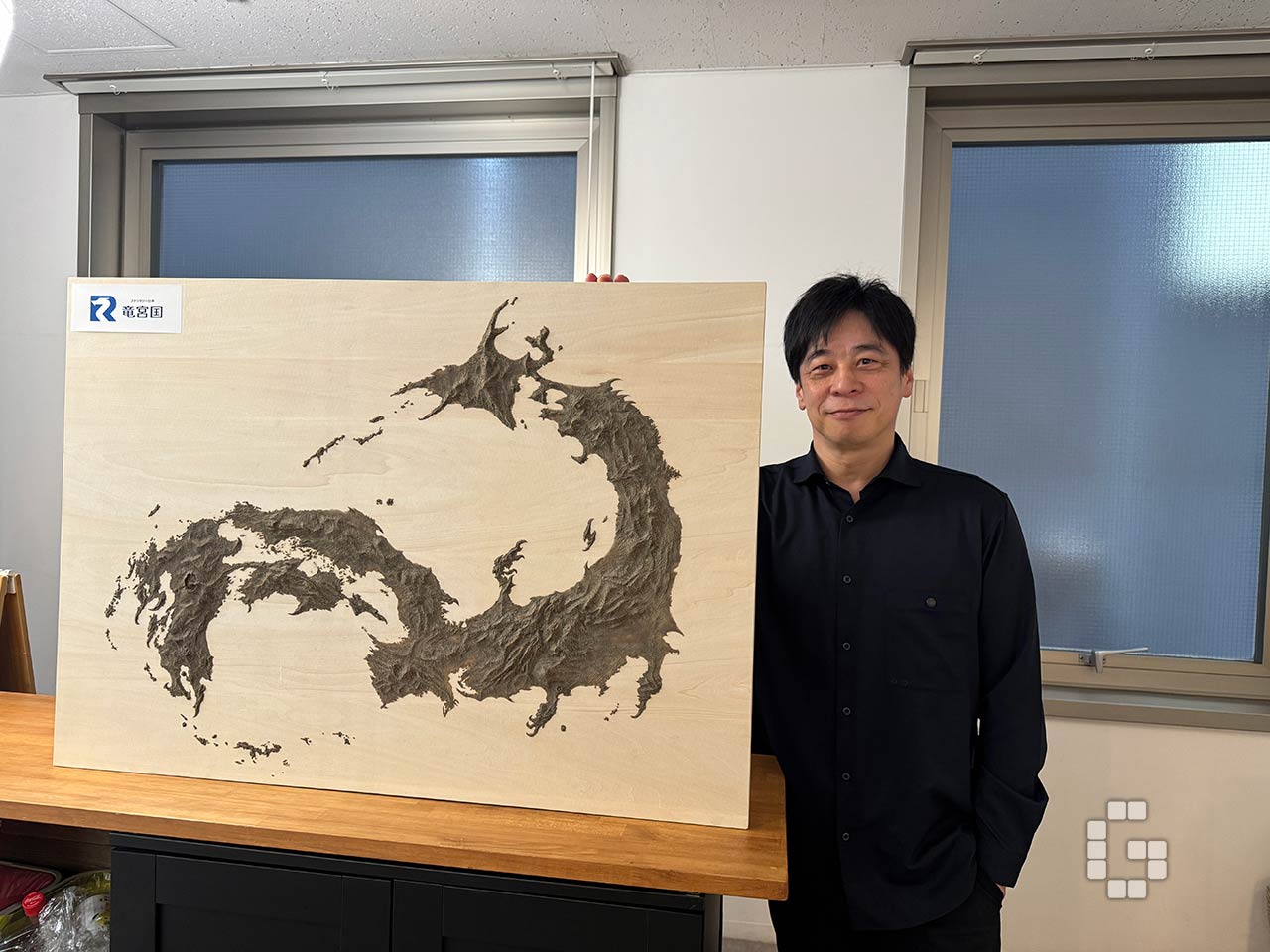
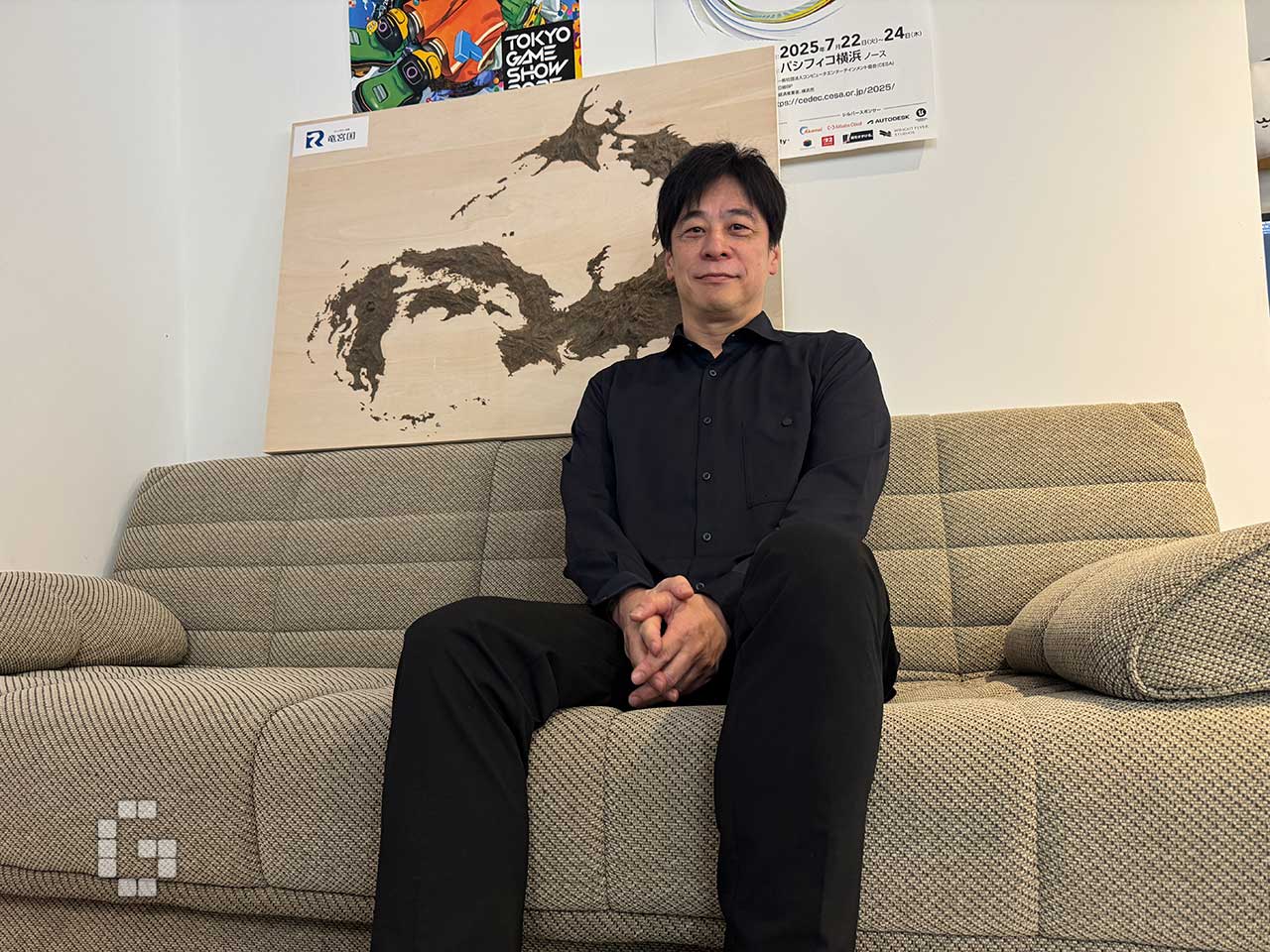
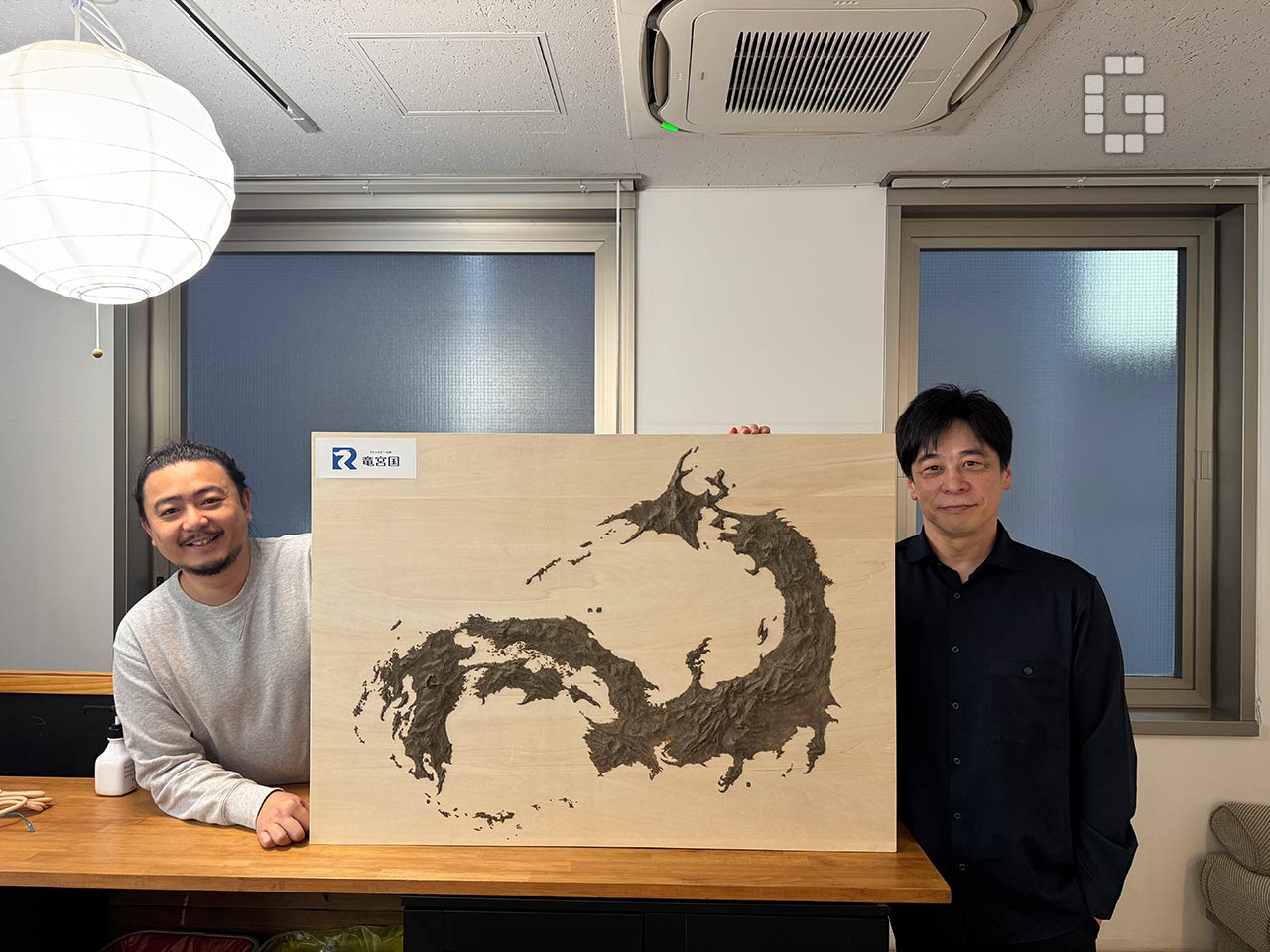
As for JP UNIVERSE’s plans as a publisher, Tabata’s primary focus is on releasing RYUGUKOKU, a game themed around Japanese creative culture. In this title, players build their own content while developing their nation within an alternate Japan.
“RYUGUKOKU is a game‑based creative platform that integrates a UGC (user‑generated content) system into an RPG world. Players belong to one of Japan’s 47 nations and compete while developing their own country. Each nation becomes a world filled with UGC, constantly shaped and transformed by its users. New game content can also emerge from this evolving world. Creating a new realm where play and creativity merge—that is what we set out to achieve,” Tabata said.
Looking Ahead
Beyond RYUGUKOKU, Tabata has a clear vision for his own approach to publishing.
“RYUGUKOKU was conceived as a world where users and creators can play from the same perspective. We aim to create a space where those who play and those who create blend together, and where new forms of expression and content emerge naturally through play. To me, publishing means nurturing the worlds we create and sustaining them over the long term. I want our company to take full responsibility for that. On top of that, I want to take on the challenge of developing a truly large‑scale game once again. When it’s finished, I hope to integrate it into RYUGUKOKU and continue growing that world even further.”