![[EXCLUSIVE] Dragon’s Dogma 2: Dark Arisen Team Opens Up About the Expansion’s Name, New Norgan Region, and Performance Goals](https://cdn.gamerbraves.com/2026/07/Dragons-Dogma-2-Dark-Arisen_Interview_FI-360x180.jpg)







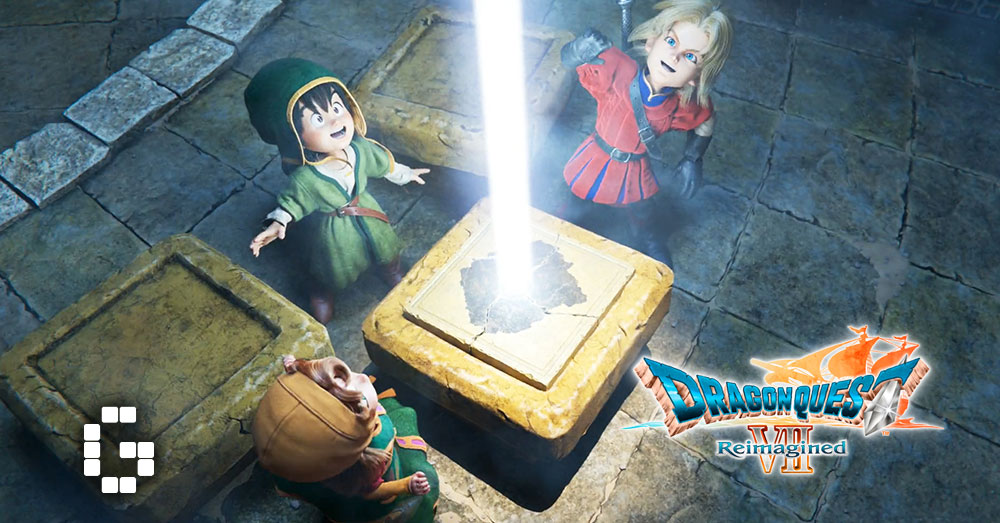
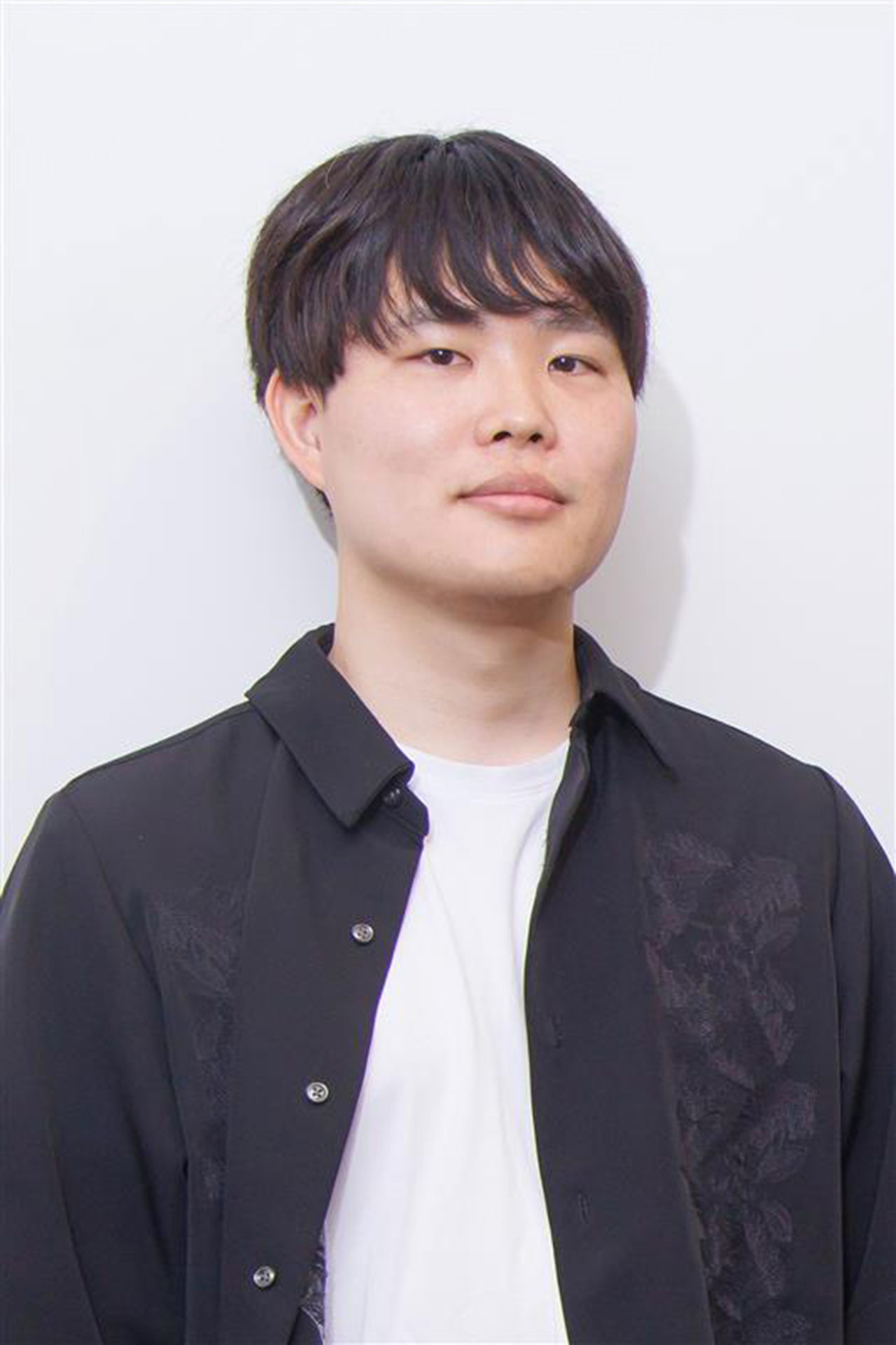
When Square Enix decided to bring DRAGON QUEST VII back for a new generation, the challenge was clear: how do you modernize one of the PlayStation’s best-selling titles without losing what made it special? We recently had the chance to interview Takeshi Ichikawa, producer of DRAGON QUEST VII Reimagined, to discuss the careful balancing act between honoring a beloved classic and making it accessible for today’s players.
Ichikawa, who joined Square Enix in 2018 and previously served as Assistant Producer on DRAGON QUEST BUILDERS 2 and DRAGON QUEST XI S: Echoes of an Elusive Age – Definitive Edition, shared insights into the team’s approach to this massive undertaking.
The Visual Direction
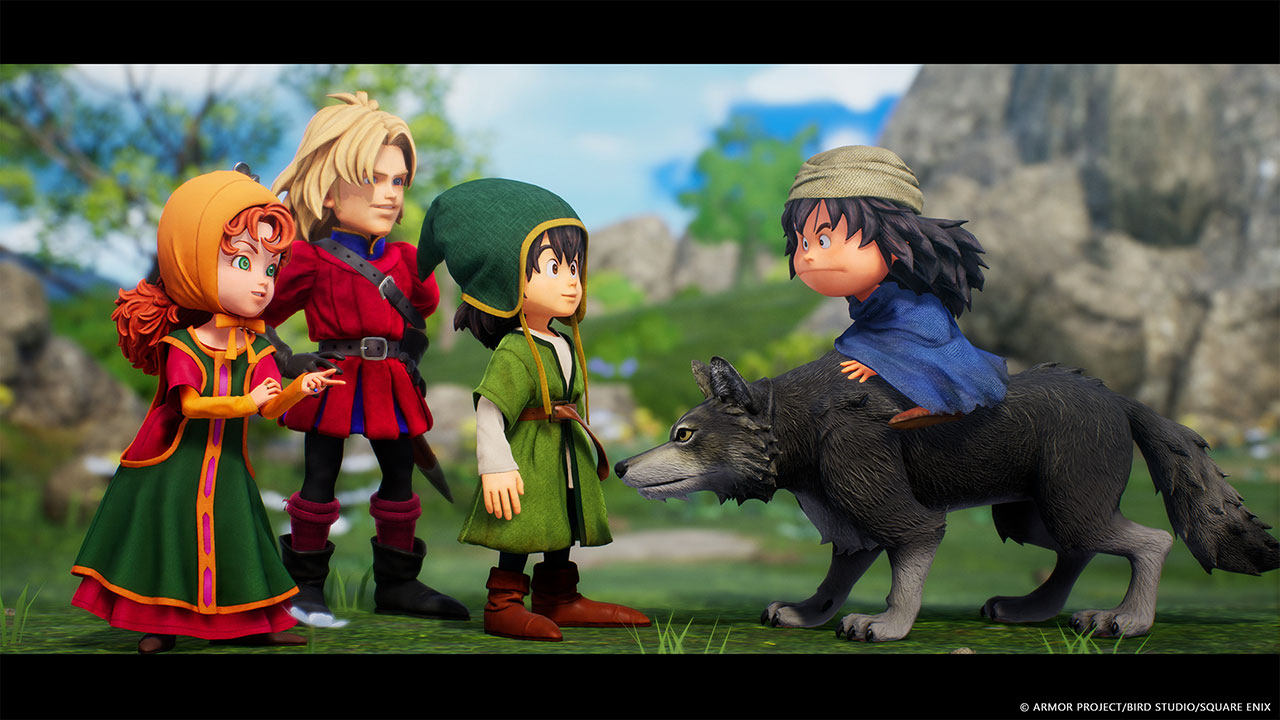
One of the first things players will notice about DRAGON QUEST VII Reimagined is its distinct visual style. Unlike the recent Erdrick trilogy remakes that used the HD-2D aesthetic, this reimagining opts for what Ichikawa calls a “diorama style” that gives the game a handcrafted, almost stop-motion quality. The decision wasn’t arbitrary.
“A doll look was adopted as a visual expression that matches the character design of VII, which has a lower body proportion than other numbered works,” Ichikawa explained. This style involved actually creating physical dolls of the main characters and scanning them into the game engine. “For the main characters, we actually created dolls and scanned them to create game models, but the other NPCs, monsters, and backgrounds were created directly using CG. We then built up appealing visual expressions and direction centered around the characters.”
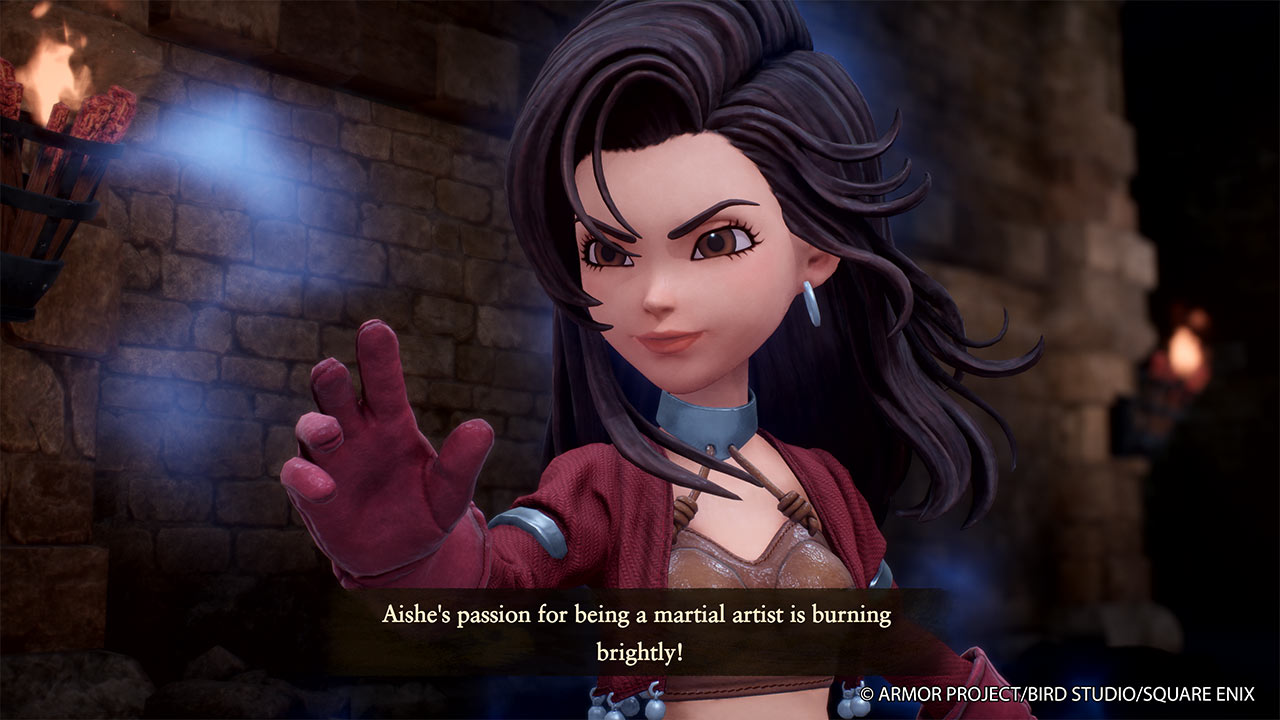
The diorama approach shaped the entire presentation. “The field is designed in a diorama style to match the doll-themed characters,” Ichikawa noted. This visual choice was established early in development, giving the team a clear direction from the start. “The decision to use a doll look for this work was made relatively early on in development, so we put together visual expressions and direction that suited the doll look.”
Rebuilding the Vocation System
The vocation system has always been a cornerstone of DRAGON QUEST VII’s identity, but it came with its own set of frustrations. The original game’s job system could feel punishing when players wanted to experiment, as switching jobs from maximum proficiency would temporarily weaken characters. Reimagined addresses this with a new “Moonlighting” mechanic that allows characters to hold two jobs simultaneously.
“The previous job system posed a dilemma when changing jobs from a maximum proficiency state, as the character would temporarily become weaker,” Ichikawa said. “However, we have restructured it so that you can enjoy changing jobs easily by having the ability to hold two jobs at the same time.” This change, combined with the ability to change jobs anywhere, means players can experiment more freely. “Combined with the newly added ability to change jobs anywhere, we believe this will make it easier for you to enjoy changing jobs and add the fun of combining two jobs.”
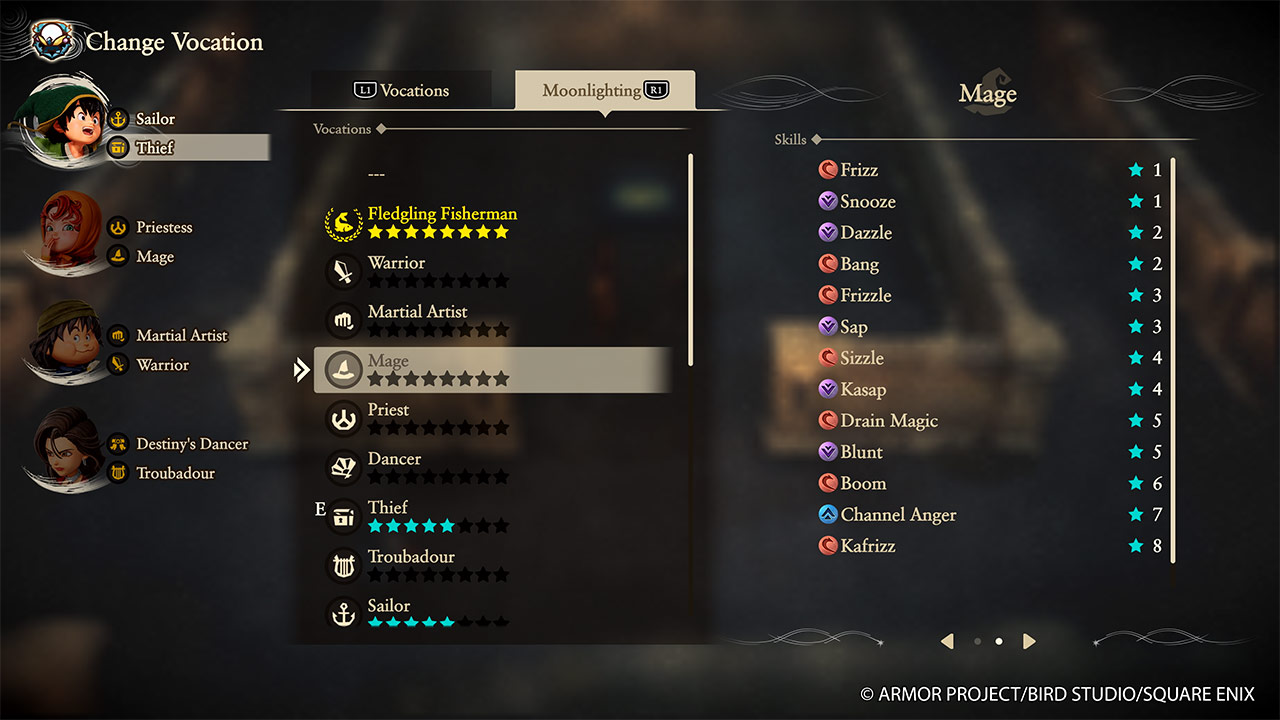
The team also removed the original’s monster-based classes, streamlining the system while maintaining depth. “By adding the ability to hold multiple jobs this time, we’ve made it easier to enjoy changing jobs, but since you can enjoy combining two jobs, we think you’ll enjoy a deeper job system that’s a little different from the original version.”
Balancing these changes took careful consideration. “While making adjustments to make each job more unique, the overall battle balance has been adjusted to suit the game’s battle system and scenario,” Ichikawa explained. “We’ve also been reviewing the overall balance adjustments to match the new job system and balance, so we’ve taken our time and made careful progress.”
Streamlining Without Losing Soul
DRAGON QUEST VII is infamous for its length and sometimes meandering pace. Reimagined takes a surgical approach to tightening the experience, making some difficult cuts along the way. “In order to speed up the story and create a rich story experience, we decided to cut the three regional scenarios that were in the PS and 3DS versions,” Ichikawa revealed. “The detour elements have also been restructured into two types: lucky panels and arenas. We have also prepared a completely new scenario to add more depth to the overall structure of the work.”
The team didn’t make these decisions lightly. “DQVII has a huge game volume, and adding a single element would have a major impact on the entire game, so we had careful discussions about what to add,” Ichikawa said. The goal was to create what he describes as “a faster pace and more density” while keeping the core intact.
Regarding how scenarios were adjusted, Ichikawa noted, “By rearranging the order of each scenario and making some optional or cutting some scenarios, we have adjusted the pace to provide a more intense scenario experience.”
Modern Conveniences, Classic Feel
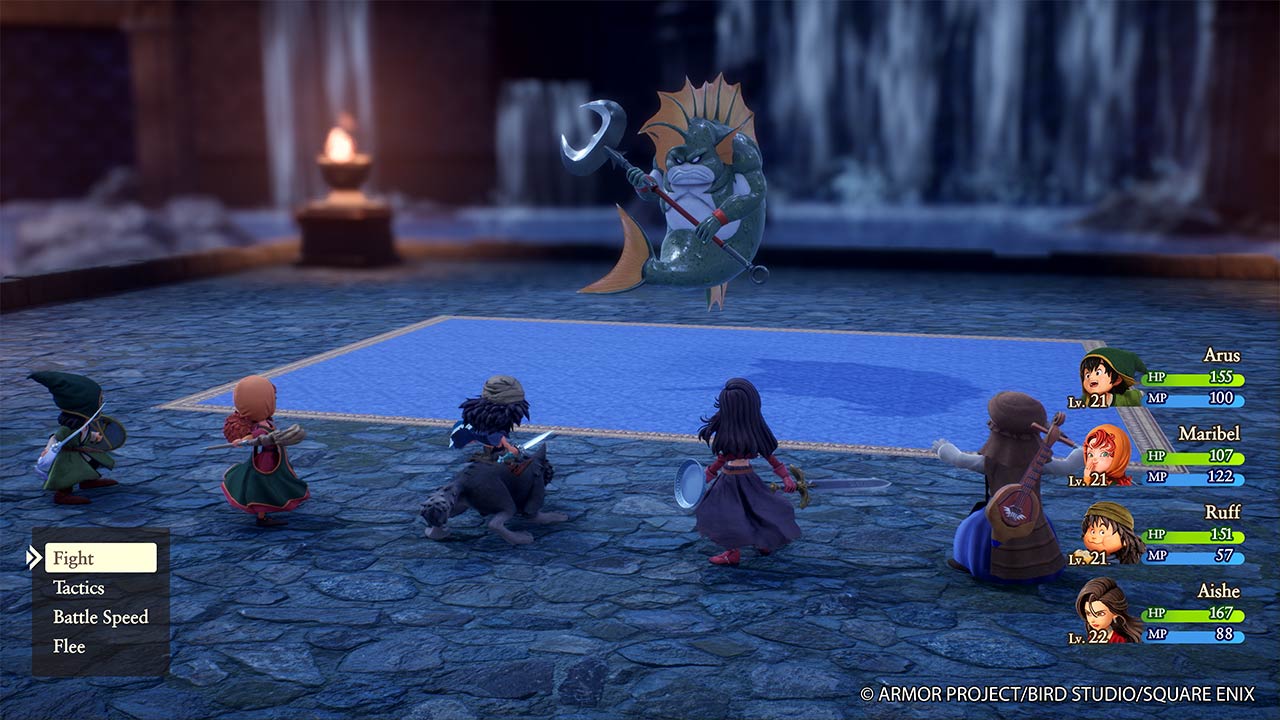
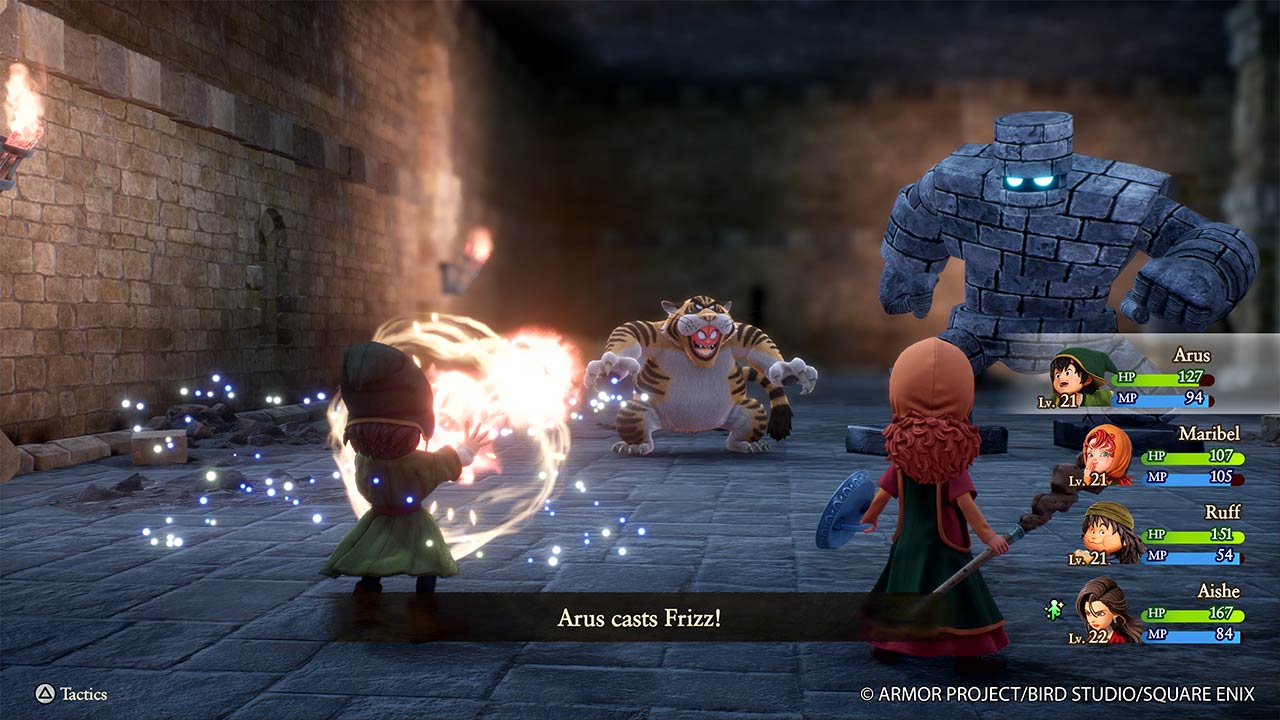
The remake includes numerous quality-of-life improvements, from roaming encounters to battle speed options. But the team was careful about which modern ideas to implement. “The original work has been reconstructed without changing its unique atmosphere or the main storyline,” Ichikawa emphasized multiple times throughout our conversation.
This philosophy extended to features that might help players navigate the world. Dragon Quest traditionally encourages talking to townsfolk and discovering things naturally, and Reimagined tries to preserve that while being more accessible. “We are striving to make the game easy to play for both customers who have played DQVII before and those experiencing DQ for the first time,” Ichikawa explained.
For newcomers worried about the complexity of the vocation system, Ichikawa offered reassurance. “Multiple jobs are unlocked as you progress through the story, so the game is designed so that even players playing DQ for the first time will feel comfortable and the gameplay will gradually expand, so we hope you will play with confidence.”
A Reimagining, Not Just a Remake
The title “Reimagined” was chosen deliberately after discussions with series creator Yuji Horii. “While this work is based on the original version, all elements have been completely revised so that it can be enjoyed in today’s world,” Ichikawa said. “After consulting with Mr. Horii, we decided to title it ‘Reimagined’ to reflect the fact that it has been rebuilt from scratch.”
When asked about modernizing storytelling for contemporary RPG standards, Ichikawa offered a thoughtful perspective. “I’m not quite sure what modern RPG storytelling is, but I’m reconstructing the scenario to make it more relevant to the modern era. I’ve also adjusted the companion conversations to match the reconstructed scenario.”
The team looked to recent Dragon Quest titles for guidance. “I will refrain from going into specifics, but we do use customer reactions to the most recent DQ titles as a reference for development,” Ichikawa noted. The Arena mode even includes DLC that features bosses from the Erdrick trilogy, creating connections across the series.
Honoring a Legacy
DRAGON QUEST VII holds a special place in the series’ history. “In Japan, DQVII is the best-selling title for PlayStation, and we recognize that it is a work with many long-time fans both in Japan and overseas,” Ichikawa acknowledged. The pressure to meet expectations for such a beloved title is real. “We are reconstructing it in a way that does not change the unique atmosphere or main storyline of the original so that customers who previously enjoyed VII can also enjoy it.”
Despite all the changes, Ichikawa emphasized that the heart of the game remains untouched. “The remake retains the atmosphere of the original while reconstructing it to suit the current era.”
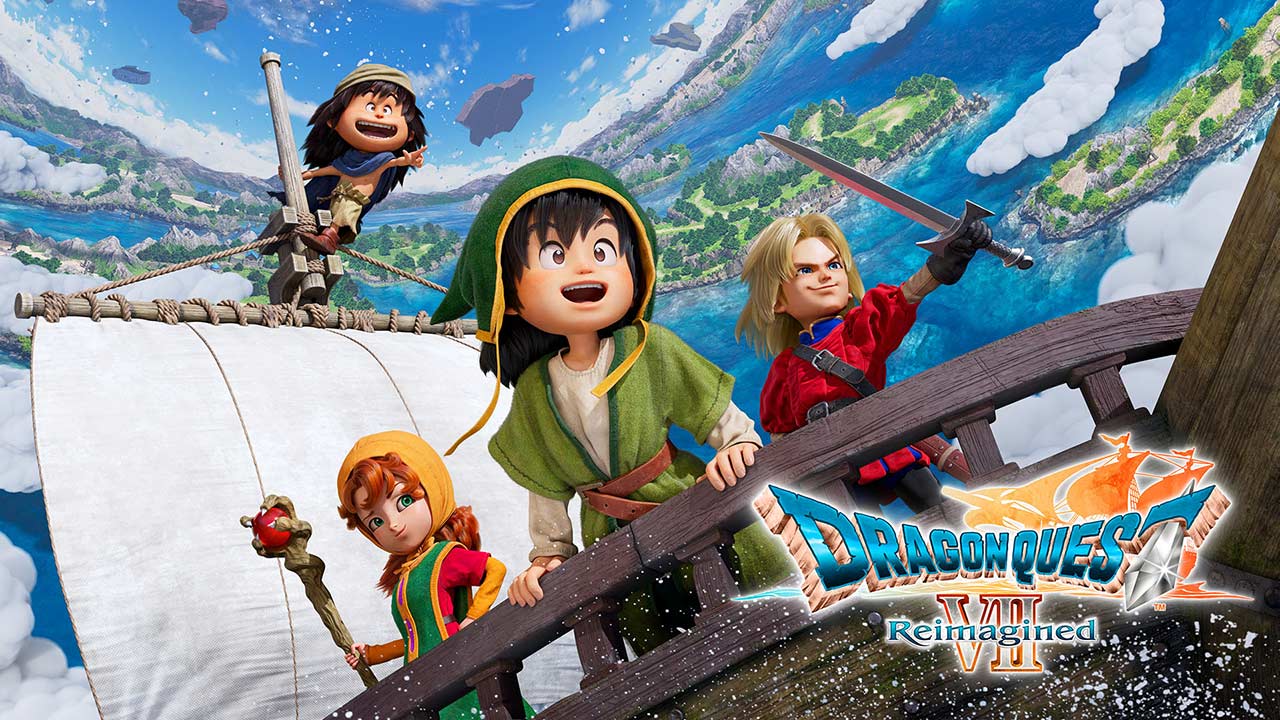
When asked if DRAGON QUEST VII Reimagined is a good entry point for newcomers to the series, Ichikawa was confident. “Of course, it’s easy to play, but VII also stands out among the series for its unique story, so even if it’s your first Dragon Quest game, you can enjoy it with confidence.”
As for whether other Dragon Quest titles might receive similar treatment in the future, Ichikawa remained diplomatically tight-lipped. “I will refrain from answering questions other than this work.” For now, the focus remains on delivering a version of DRAGON QUEST VII that respects its 20-year legacy while welcoming a new generation of players to discover its unique world.