









![[EXCLUSIVE] Beyond the Base Game: Cygames on What Endless Ragnarok Means for Granblue Fantasy: Relink](https://cdn.gamerbraves.com/2026/06/GBF-Relink-Endless-Ragnarok-Exclusive_Interview_FI-360x180.jpg)

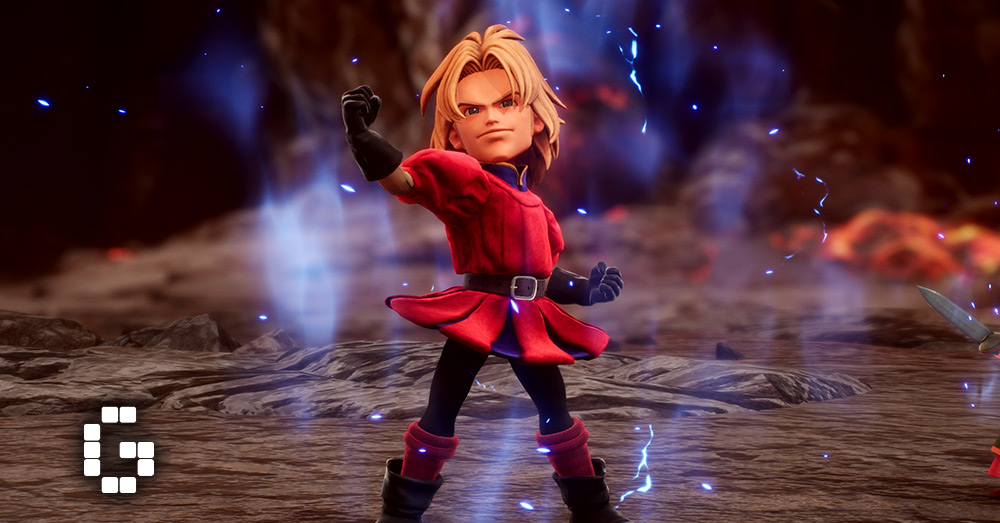
DRAGON QUEST VII is getting a full remake and based on a recent closed demo, it’s clear this isn’t just a visual upgrade. The game takes a PS1-era classic and rebuilds it with the features and flow that modern players expect, while keeping the heart of what made the original special.
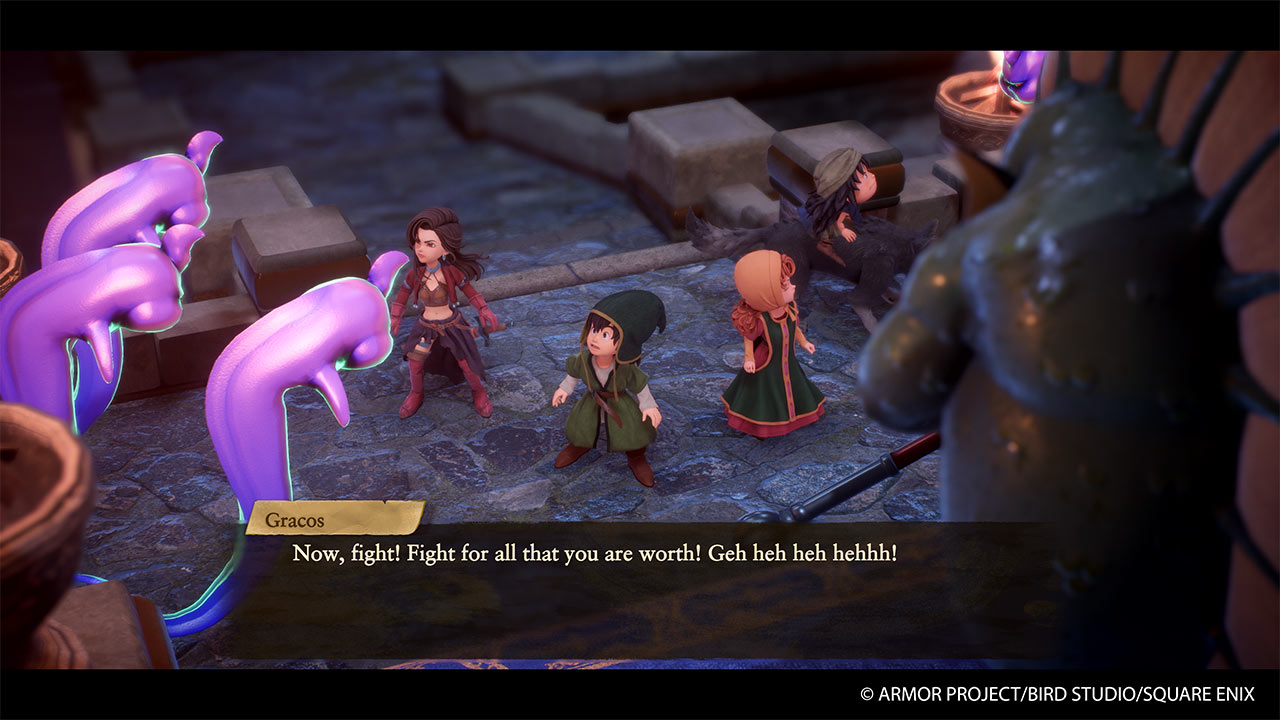
The demo included two story sections: Emberdale/Glowering Inferno and Wetlock/Gracos Battle. The first arc introduces players to a village dealing with a cursed prophecy and false worship that leads to tragedy. The second chapter picks up the pace with multiple job assignments and more cinematic storytelling. Returning players will notice some changes too—Aira appears earlier in the story than before, and there’s a new subplot involving the Old Master and Jean. The writing keeps Dragon Quest’s trademark humor intact, with moments like a villager shouting “Encore!” after an old man’s performance. These small touches help the world feel more lively without losing its traditional charm.
Visual and Audio Presentation
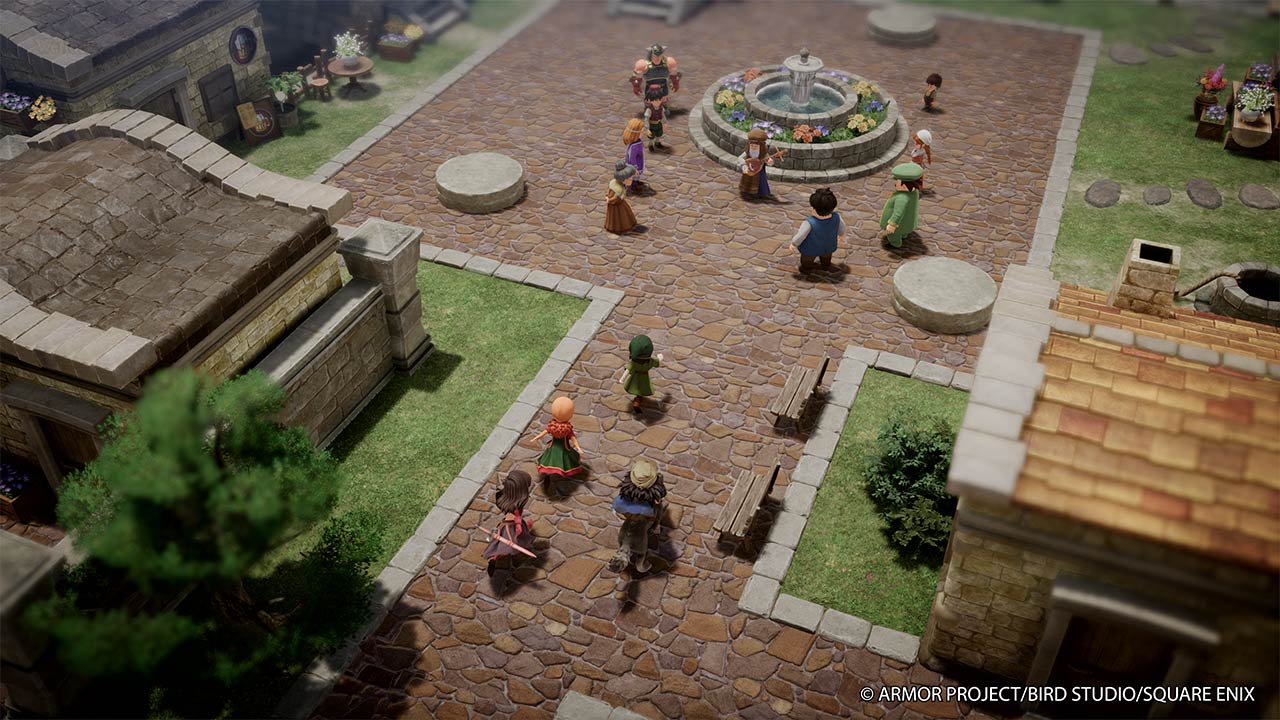
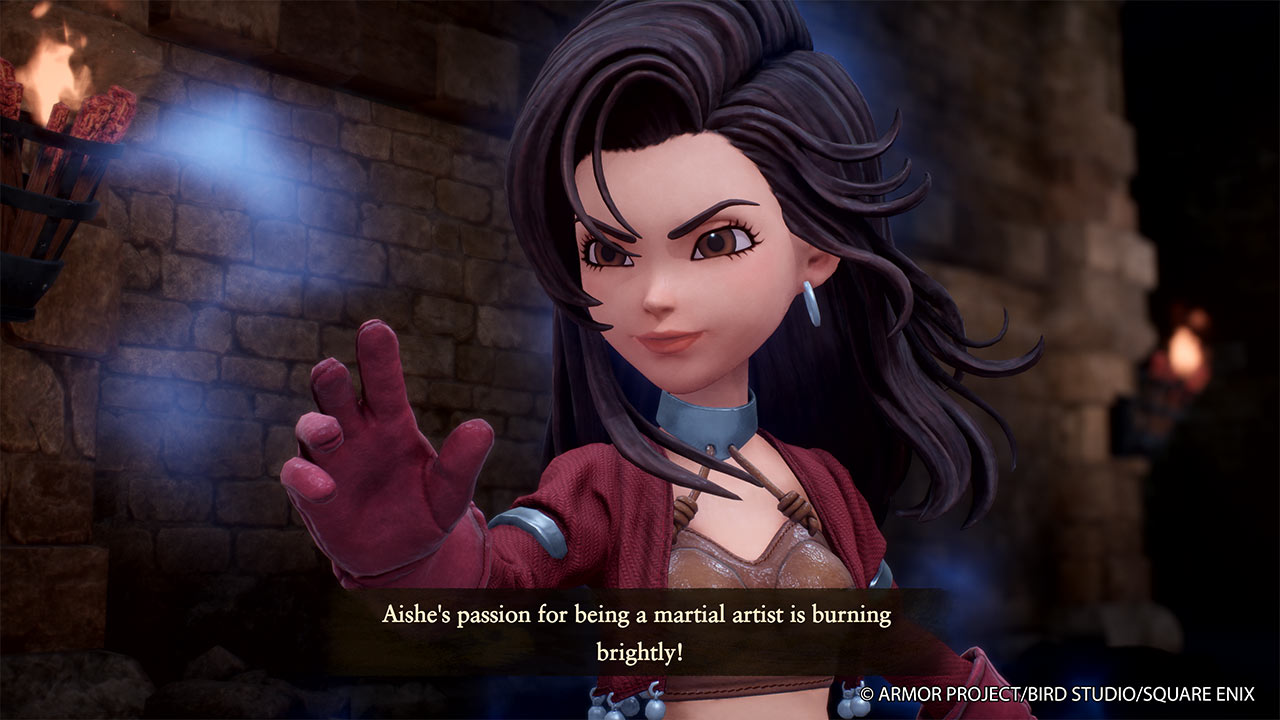
Visually, the remake uses a diorama-style look that makes each area feel like a detailed miniature world. The environments have soft lighting and carefully crafted depth, giving everything a handmade quality. The game looks and plays like a modern release—most people wouldn’t guess it’s based on a title from over 20 years ago. Cutscenes now use partial voice acting and improved camera work to make storytelling more dynamic. Both Japanese and English voice tracks are available and sound polished. The audio design adds nice details like dungeon echoes when characters talk in enclosed spaces. Some early sections still use old-style black text narration, particularly during a celebration scene in Emberdale, which stands out against the otherwise modern presentation.
Combat Overhaul
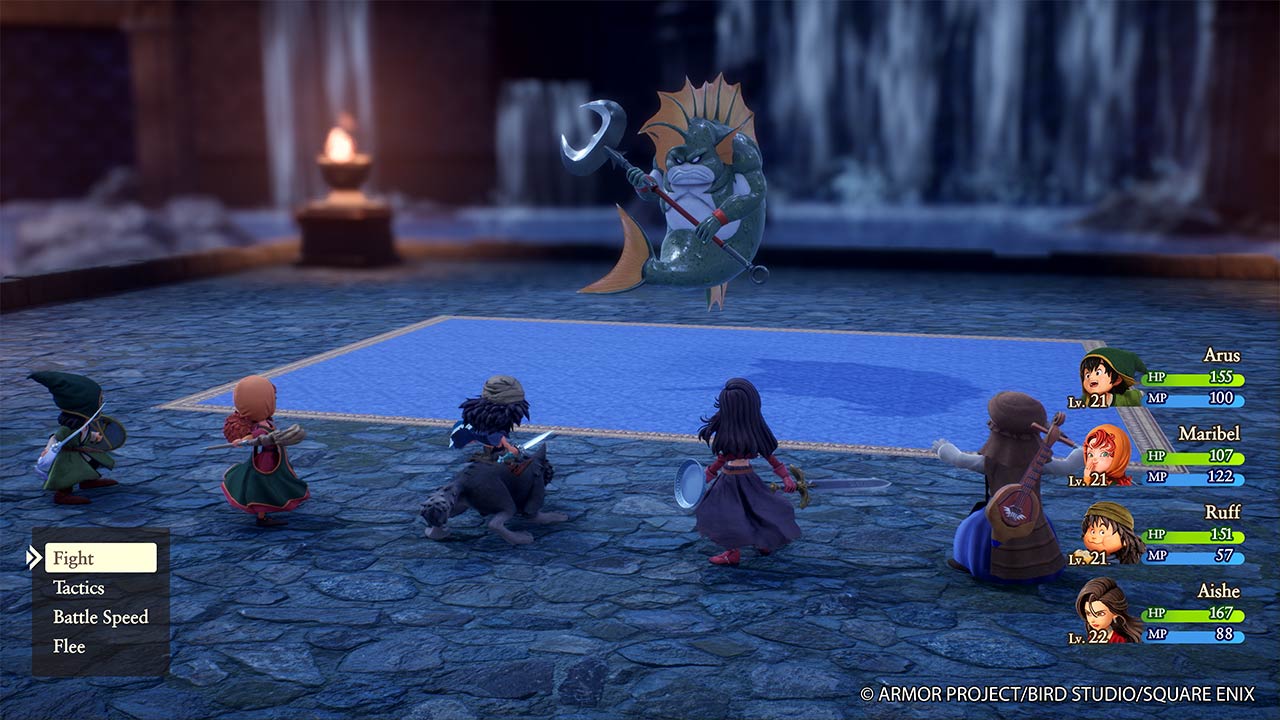
Combat has been completely overhauled while staying true to turn-based fundamentals. Players can choose between classic slow pacing or Fast and Ultra Fast modes to speed things up during grinding. There’s an Auto-Battle Tactics system that lets you assign behavior patterns to your whole party or individual members—options include conserving MP, going full offense, or balancing attack and defense.
The “Getting Worked Up/Let Loose” system adds a strategic layer. Characters build up tension through actions and challenges, then trigger temporary buffs based on their job class. Arus can nullify all incoming attacks for one turn, Maribel can lower enemy elemental resistances, and Kiefer gets increased attack power and critical hit chance. Timing these buffs manually becomes important during boss fights.
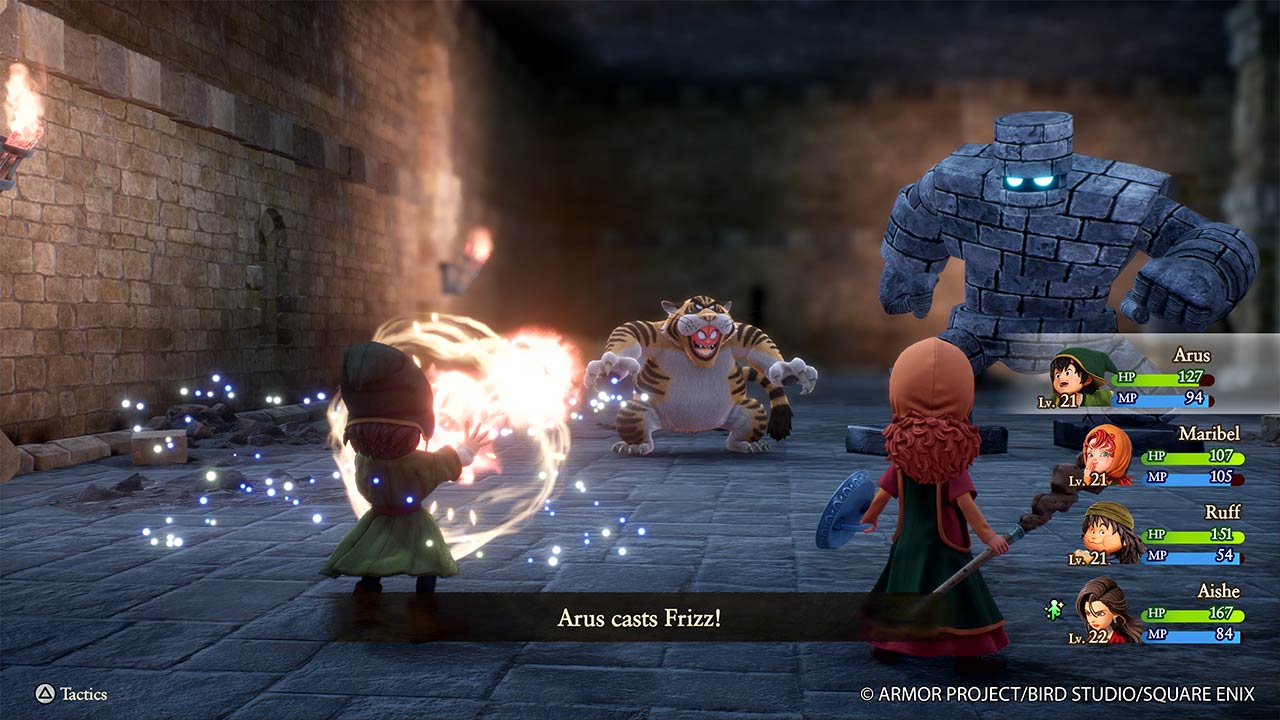
Despite all the modernization, some traditional elements remain. There are no HP bars for enemies—instead, their name colors shift from white to yellow to orange as they take damage. Save points appear before major bosses to prevent frustrating backtracking. Random encounters are gone, replaced by visible enemies roaming the world. Attacking them first deals some early damage, though it’s not a full first-strike system, and you can try to avoid fights entirely. During battle, you can check enemy resistances through thumbs-up or thumbs-down icons that appear when selecting skills.
Accessibility and Difficulty Options
The game includes extensive accessibility options. Difficulty settings can be changed anytime from the pause menu, adjusting damage output, experience and gold gain, proficiency rates, and enemy strength. There are presets like Easy Going, Happy Medium, and Tough Going, or you can customize everything individually. Other options include color-blind filters with adjustable strength, HUD visibility toggles, and the ability to remove objective markers for players who prefer using party chat clues to find their way. Treasure chests now show up on the map, though items on the ground don’t, which rewards thorough exploration.
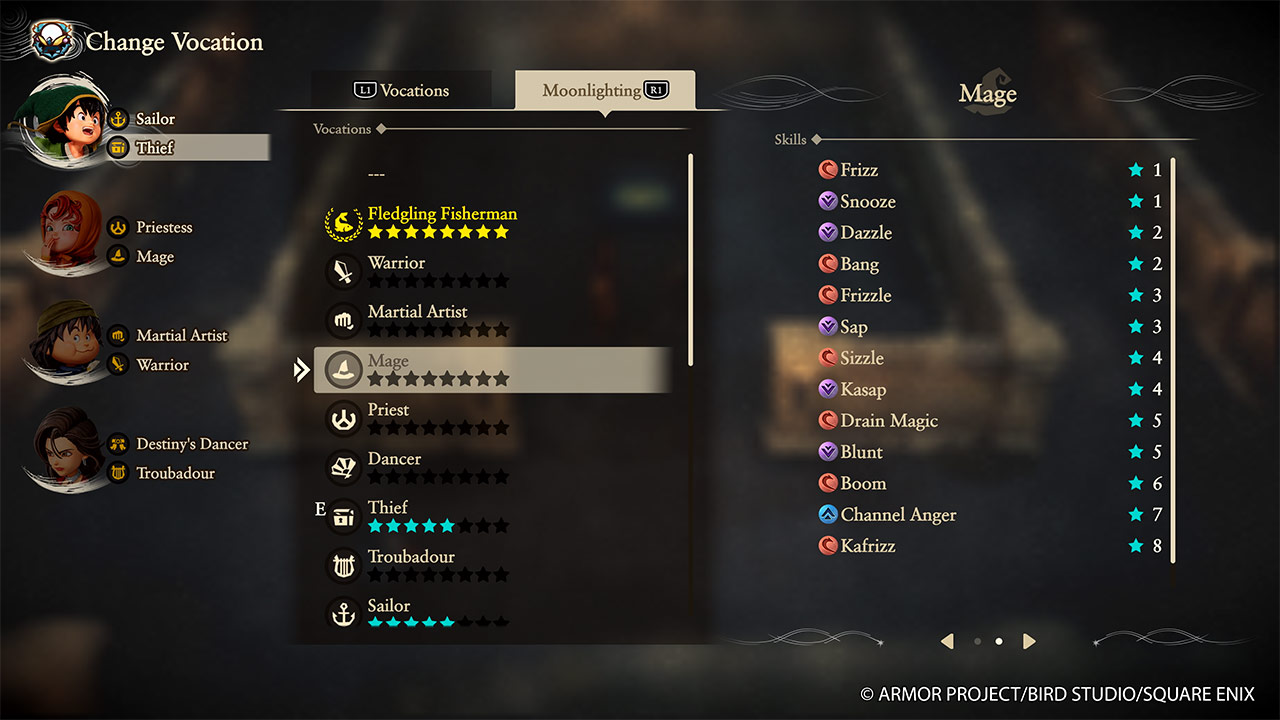
The vocation system, which is central to DRAGON QUEST VII, returns with more flexibility. Characters can now equip two vocations at once—the second one is called Moonlighting and helps reduce grinding. This setup lets you use skills from both vocations during combat, opening up more strategic combinations. Mastering multiple vocations unlocks advanced ones, and the demo suggests all characters can freely explore all vocations. Some exclusive options exist, like Arus’s Fledgling Fisherman and Maribel’s Mini Mayoress, which add personal flavor to each character. You can swap vocations anytime, even inside dungeons. Weapons and off-hand equipment now change your character’s appearance, though armor and accessories don’t.
Final Thoughts
DRAGON QUEST VII Reimagined looks like a remake that respects its source material while removing outdated frustrations. The combination of quality-of-life improvements, flexible combat systems, and charming diorama visuals should appeal to both newcomers and longtime fans. A few elements, like the text-based narration in some scenes, feel out of place compared to the rest of the game’s modern presentation. Overall, this remake appears to be a genuine update rather than just a remaster, bridging the gap between classic Dragon Quest design and current JRPG standards.