







![[EXCLUSIVE] Brendan Gan Delivers One of Malaysia’s Best-Ever Worlds Results, Shares Thoughts on Pressure and the Local Scene](https://cdn.gamerbraves.com/2026/08/Brendan-Gan_Interview_FI-360x180.jpg)





![[TGS2025] Fate Trigger Preview – Hero Shooter Meets Battle Royale](https://cdn.gamerbraves.com/2025/10/Fate-Trigger-TGS2025_Preview_FI.jpg)
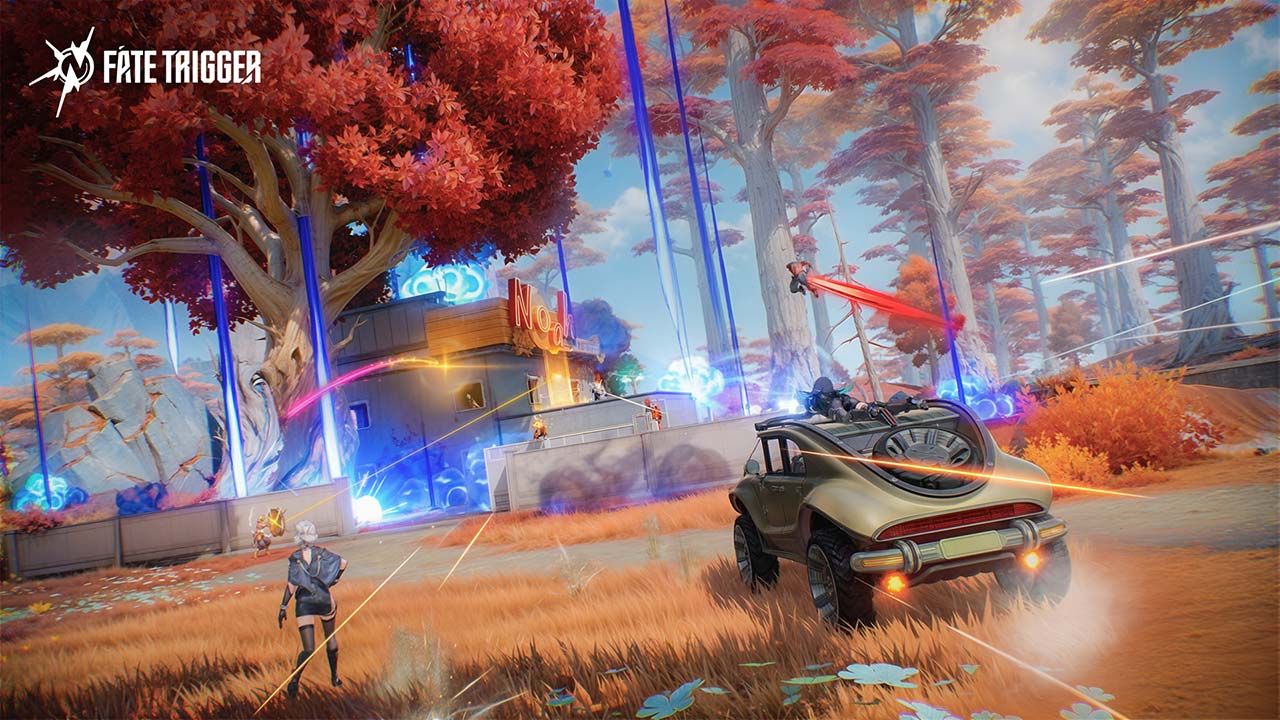
Saroasis Studios brought their upcoming multiplayer hero shooter, Fate Trigger, to this year’s Tokyo Game Show, and we got to spend about 25 minutes with it in a four-player squad match. The game tries something different by mixing battle royale gameplay with hero-based combat, setting matches on a floating arena called Airena where players control characters known as Awakeners.
Running on Unreal Engine 5, Fate Trigger delivers vibrant visuals and clear character designs. The pacing is quick and action-focused. Skills recharge faster and team coordination happens more often compared to typical battle royale games. It feels like a blend of PUBG’s looting and scavenging with Overwatch’s ability-focused combat, mixing gunplay and tactical skills throughout matches.
Heroes and Combat
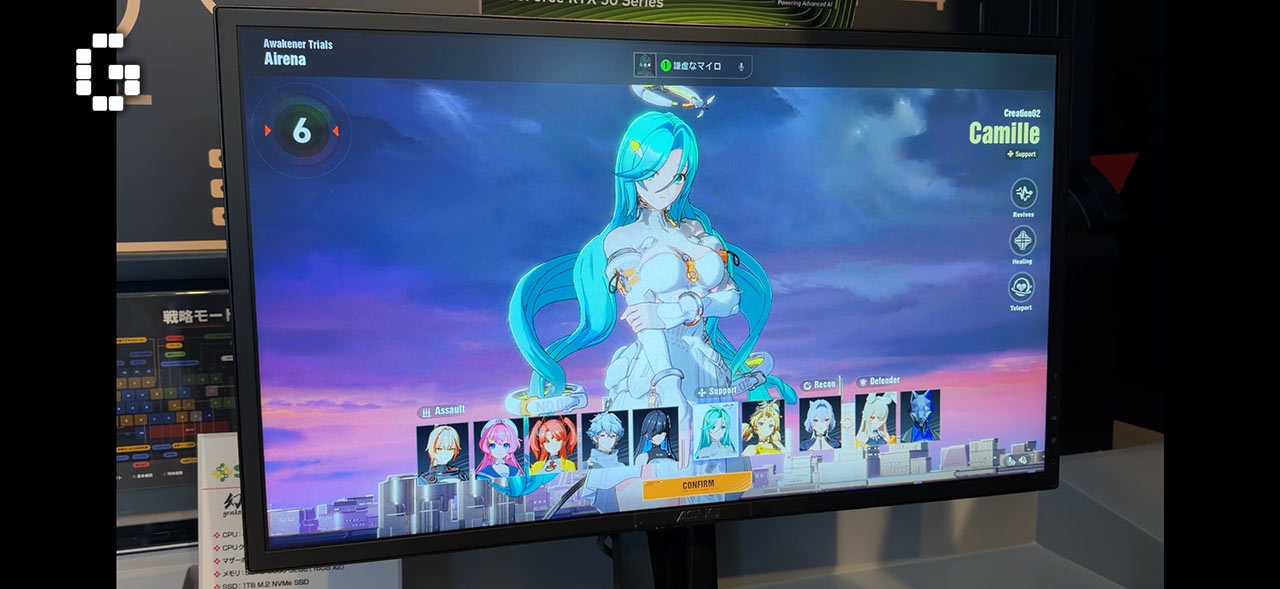
The demo build had ten Awakeners available: Huxley, Kira, Xiva, Nase, Ryoin, Cynric, Mindy, Eos, Soarwynne, and Camille. They’re split into four types—Assault, Support, Recon, and Defender—but combat doesn’t lock players into strict class roles. Each Awakener has their own playstyle and can adapt to different situations.
One notable feature is the Gun-Chip System, which adds depth to weapon customization. Players earn Supply Points from kills or looting, then use those points to print chips that add special effects to their guns.
The game includes helpful features like auto-loot and auto-equip for better gear, so you don’t have to manually sort through inventory. There’s also an auto-consume healing function that uses recovery items until your health is full. These systems keep things moving and let players focus on fighting and working with their team.
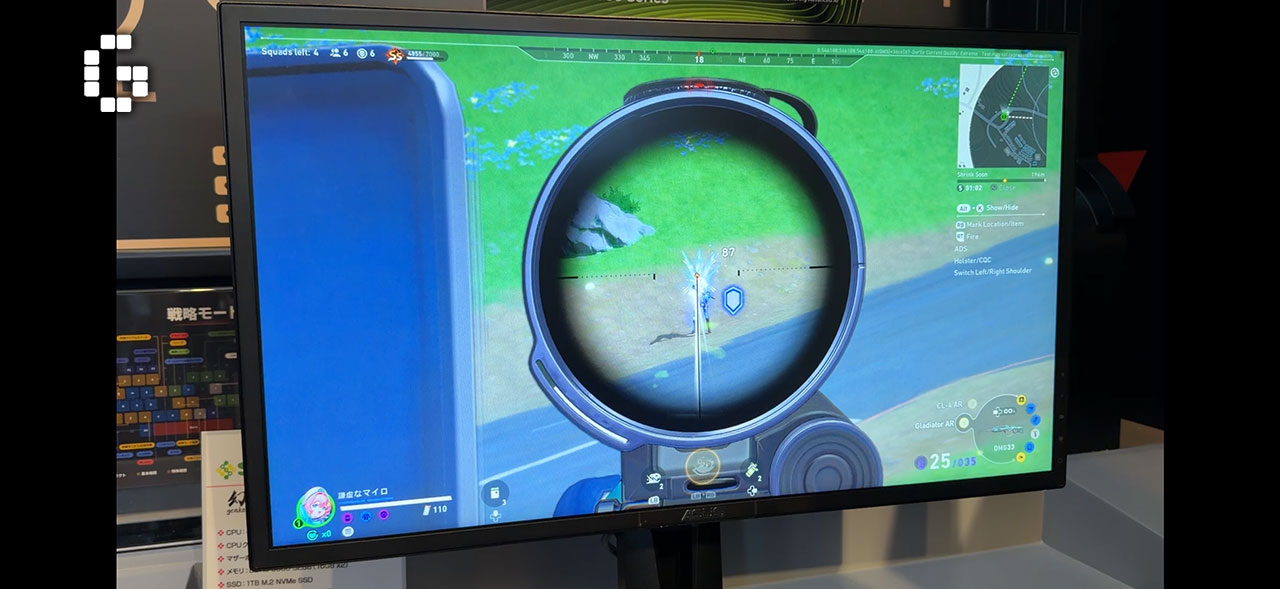
Playing as Nase
For the demo, we picked Nase, an Awakener whose abilities center around water. Her kit includes three main abilities: Tide Whisper (her ultimate) puts her in a “Sanctified State” where taking fatal damage turns her into water that regenerates health while she can still move around before reforming. Sharkie Bomb summons a shark companion that leaves a water trail and launches enemies upward when it explodes. Her passive, Ocean’s Providence, lets her move faster on water surfaces and gives speed boosts to teammates who use the water trails she creates.
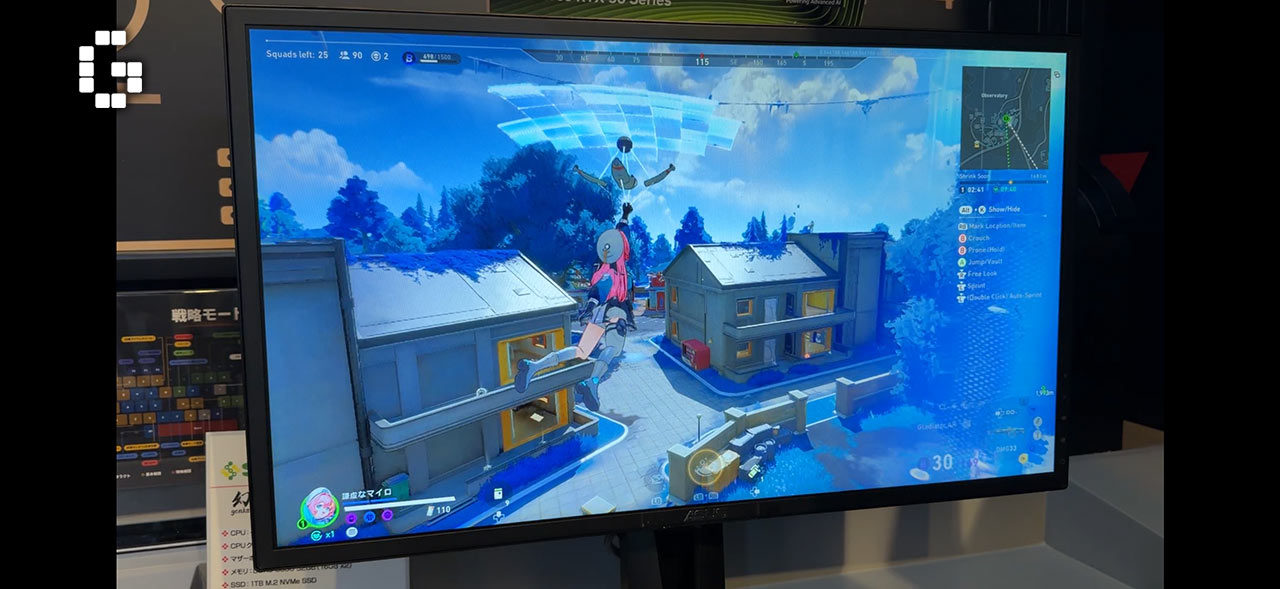
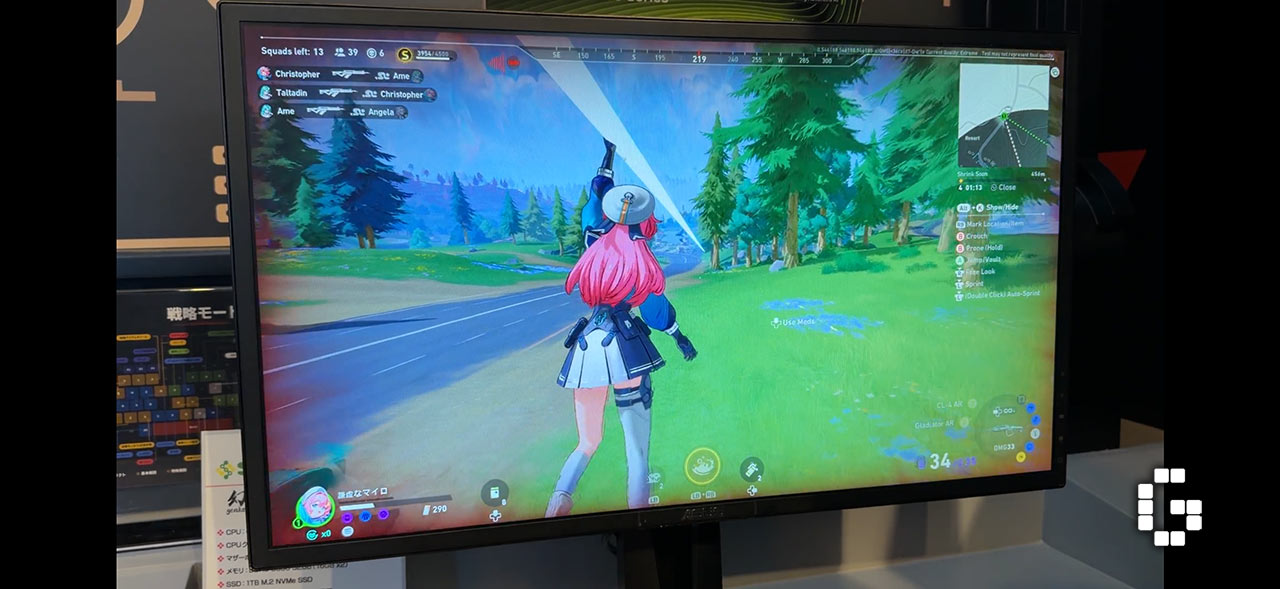
The shooting mechanics feel solid with good recoil feedback and hit detection. Skills activate without noticeable delay or input issues. Getting around the map offers several options including gliding, ziplines, vehicles, and sprinting, though the default running speed feels a bit slow, which can interrupt the flow during intense fights. Nase’s ultimate ability shows off impressive water and lighting effects that look both fluid and impactful. The floating-island design of Airena combined with gliding mechanics creates vertical gameplay that adds variety to combat.
What Works and What Needs Work
Each hero has a strong identity. Whether you prefer close-range combat or tactical support, the characters have enough depth and flexibility to encourage different team setups. The Unreal Engine 5 visuals add polish with sharp effects and lighting that make abilities feel powerful.
The Gun-Chip System and revival mechanics give matches strategic options and comeback opportunities. Even when your squad is losing, smart plays can shift momentum, keeping matches competitive. However, the base movement speed could be faster to match the game’s overall tempo. Hero balance is still being adjusted, which is normal for an early build.

Saroasis Studios appears to be aiming for a hero shooter that works for both competitive and casual players. With adjustments to movement speed, network performance, and hero balance, Fate Trigger could find its spot in the hero-shooter space.
![[GUIDE] JoJo’s Bizarre Adventure: Golden Spirit Codes and How to Redeem Them](https://cdn.gamerbraves.com/2026/09/JoJos-Bizzare-Adventure-Golden-Spirit-Redeem-Codes_News_FI-350x250.jpg)