
![[EXCLUSIVE] Dragon’s Dogma 2: Dark Arisen Team Opens Up About the Expansion’s Name, New Norgan Region, and Performance Goals](https://cdn.gamerbraves.com/2026/07/Dragons-Dogma-2-Dark-Arisen_Interview_FI-360x180.jpg)








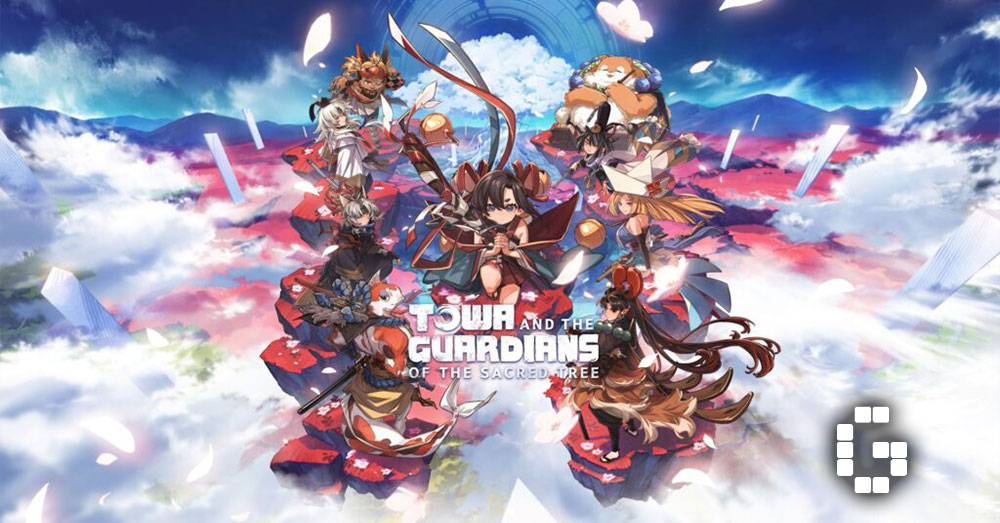
When most roguelite games focus on fast-paced action and challenging gameplay, Towa and the Guardians of the Sacred Tree takes a different approach. This new release from Brownies, the studio behind the Doraemon Story of Seasons series, brings their signature painted visual style to the roguelite genre while putting storytelling front and center. Working with Bandai Namco, they’ve created something that feels more like playing a JRPG than your typical dungeon-crawler. This review of Towa and the Guardians of the Sacred Tree covers everything from the game’s unique time-travel mechanics to its dual-character combat system, giving you a complete picture of what to expect from this narrative-focused adventure.
A Tale of Gods and Guardians
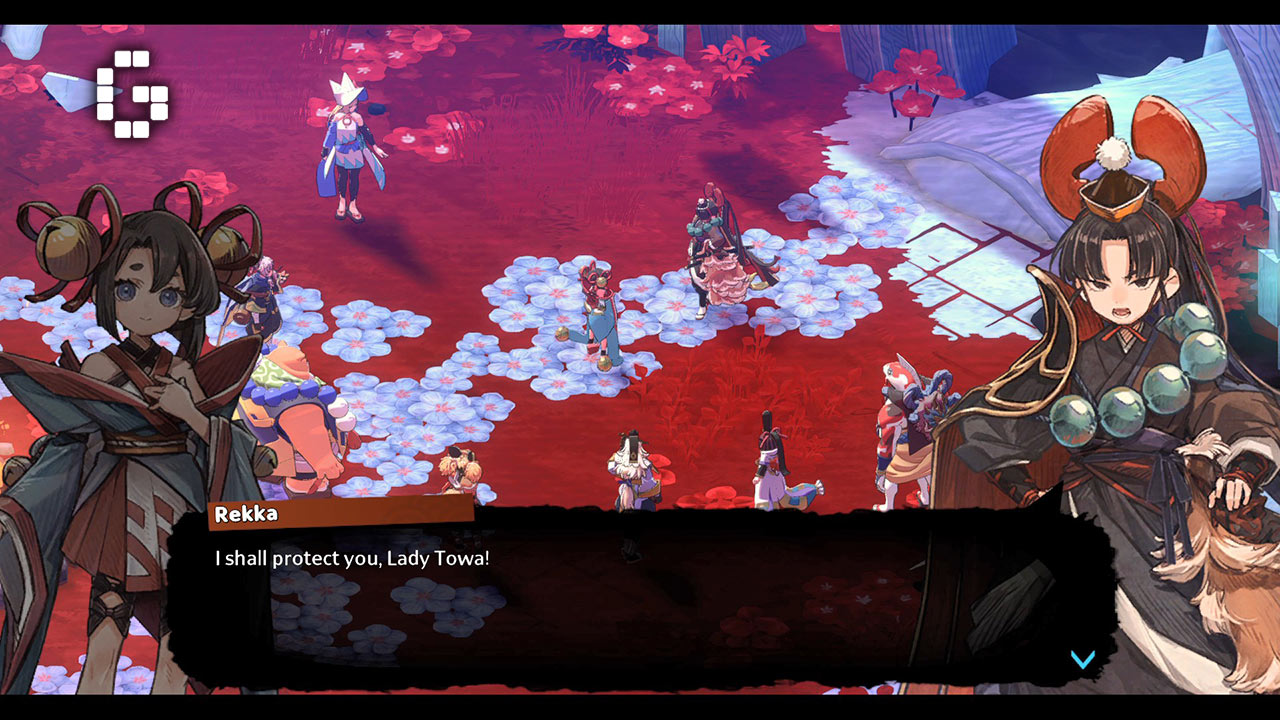
The story takes place in a fantasy world that blends traditional Japanese elements with magical themes. Players control Towa, a gifted girl chosen by the deity Shinju to protect a small village built around a sacred tree where the god lives. The peaceful setting doesn’t last long, as an evil deity named Magatsu begins corrupting the world with dark energy, creating monsters called the Magaori that spread poison across the land.
Towa isn’t alone in her mission. She has eight companions known as the Prayer Children who help defend the village. However, Magatsu separates the group, casting them into different worlds where time moves at different speeds. This sets up the main quest: rescue your friends while protecting your home from growing threats.
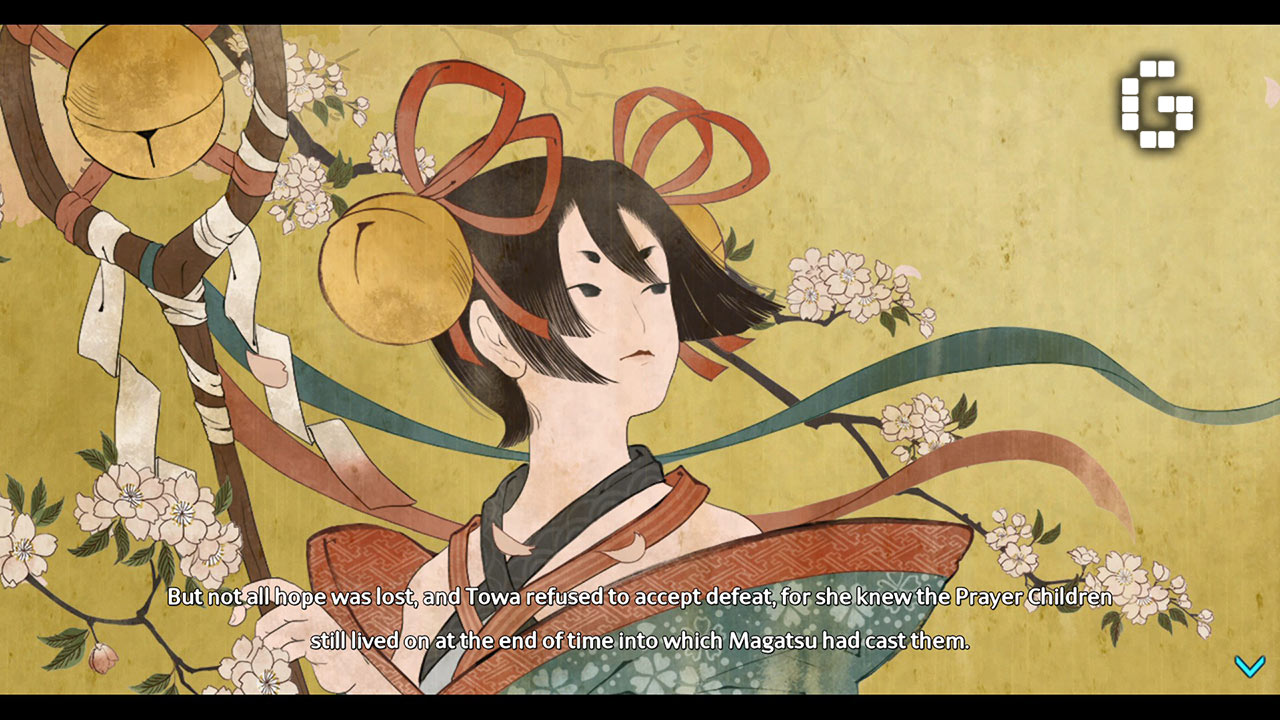
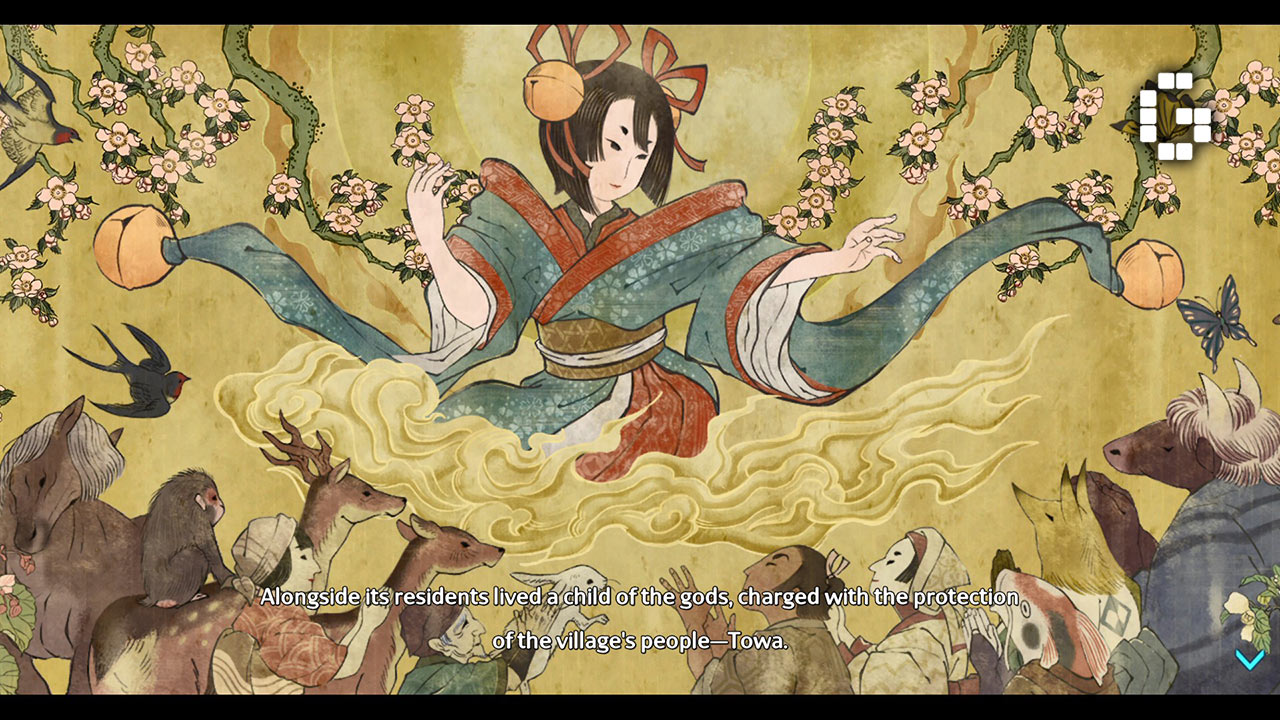
What makes the story stand out is how much attention it gets compared to other roguelite games. The opening scenes feature beautiful artwork and smooth narration, while character interactions throughout the game feel natural and engaging. The characters have personality beyond their basic roles, and the story continues to develop with emotional moments as you progress. For players who want to focus purely on the narrative, there’s even a Story Mode difficulty setting that makes the roguelite elements easier to handle.
Time Changes Everything
One of the game’s most interesting features is how time affects your home base. As you progress through the story, Shinju Village evolves and changes over what feels like decades. Buildings get upgraded with more advanced designs, streets are rebuilt, and even the villagers age and get completely new appearances.
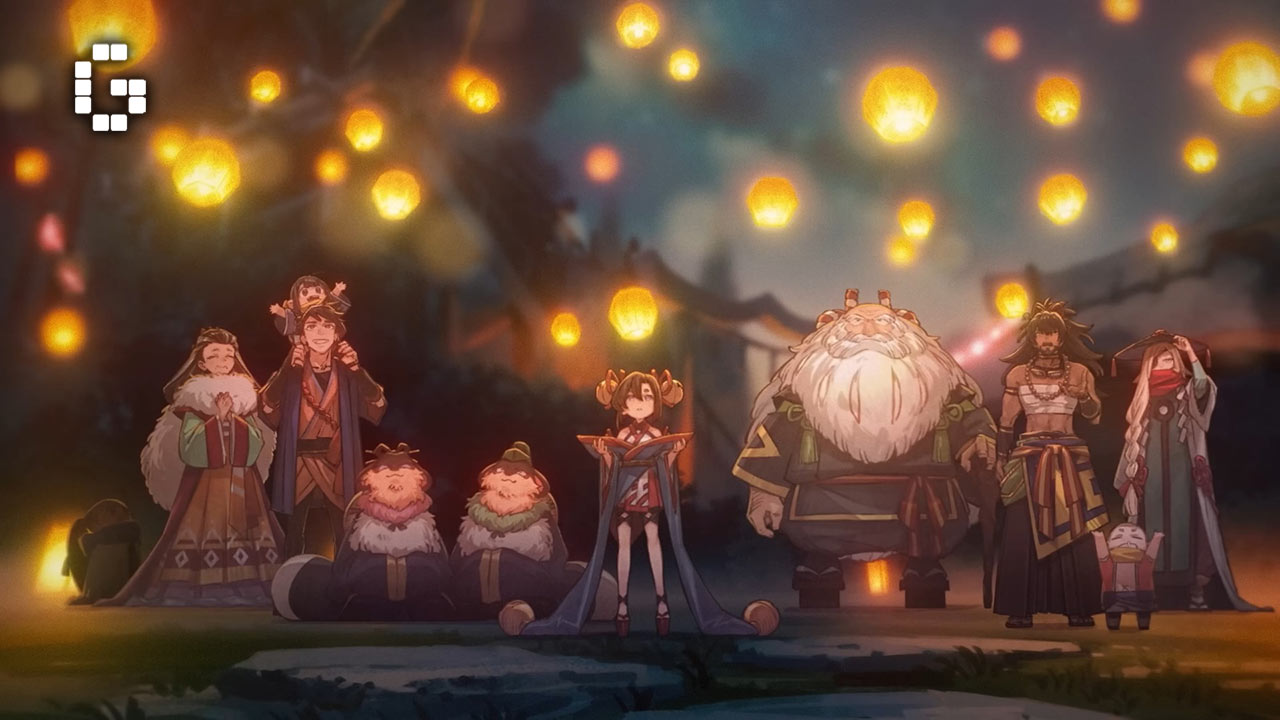
This isn’t just for show – the village’s development directly helps your character grow stronger. New facilities become available as the settlement advances, giving you more options for upgrading your abilities between expeditions. The system creates a stronger connection to the village itself, especially through memorable conversations with the NPCs who change and grow alongside the story.
Combat and Character Systems
The gameplay centers around a two-person team setup with distinct roles. The Tsurugi is your main fighter that you control most of the time, while the Kagura serves as ranged support. You can switch to control the Kagura directly when needed, and all eight Prayer Children can fill either role, giving you plenty of team combinations to experiment with.
Tsurugi combat focuses on close-range fighting with two sword types: the Honzashi and Wakizashi. These weapons break after use, so you need to swap between them using a Quick Draw system that has cooldown periods. The Wakizashi works best for heavy, charged attacks from a distance, while the Honzashi is better for faster, aggressive strikes up close. There’s also a Fatal Blow technique that uses mana to deal massive damage while making you temporarily invincible.
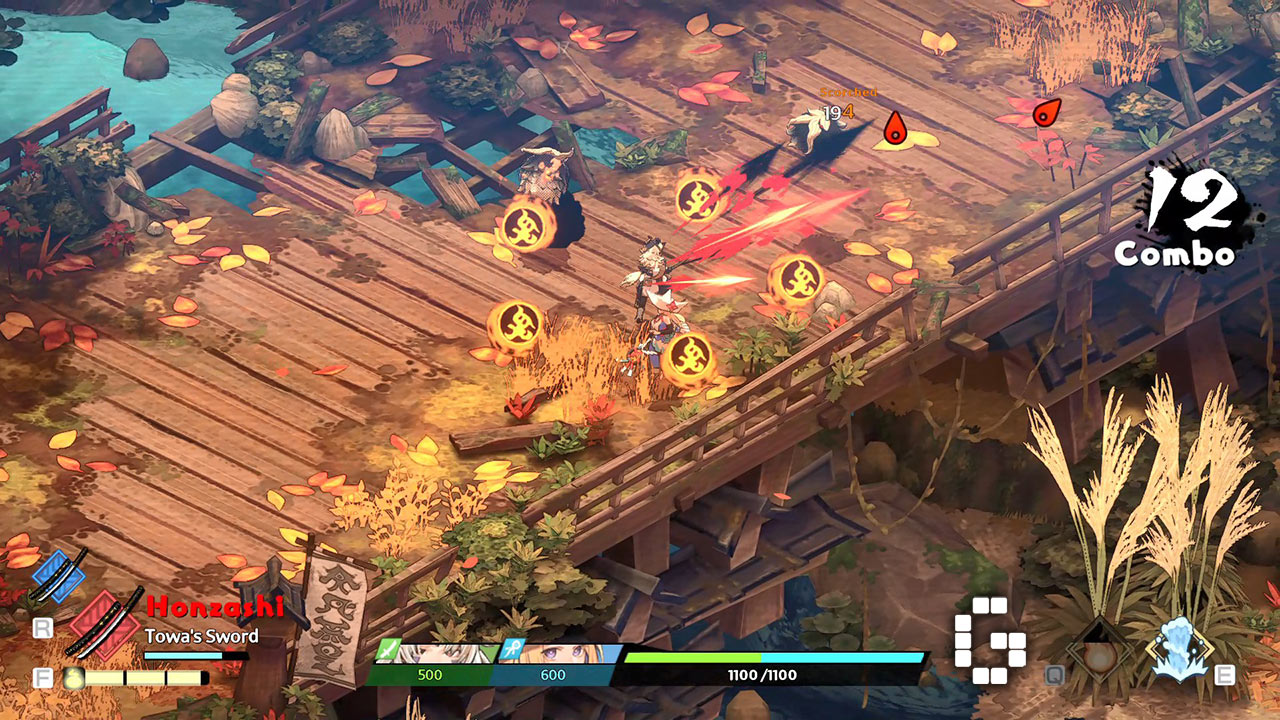
The Kagura provides ranged support, and while controlling them manually doesn’t seem important at first, it becomes much more useful with a controller. Using a keyboard and mouse feels awkward because you need one hand on the keyboard for Kagura and the mouse for Tsurugi. When left on automatic, the Kagura tends to stay too close to enemies, creating dangerous situations. A controller makes managing both characters much smoother with its analog sticks.
Unfortunately, the mouse and keyboard controls have other problems too. Attacks are tied to your movement direction without free aiming, making the controls feel stiff and limiting your movement options. This significantly impacts enjoyment compared to other PC games in the genre, making a controller strongly recommended for the best experience.
Roguelite Elements and Progression
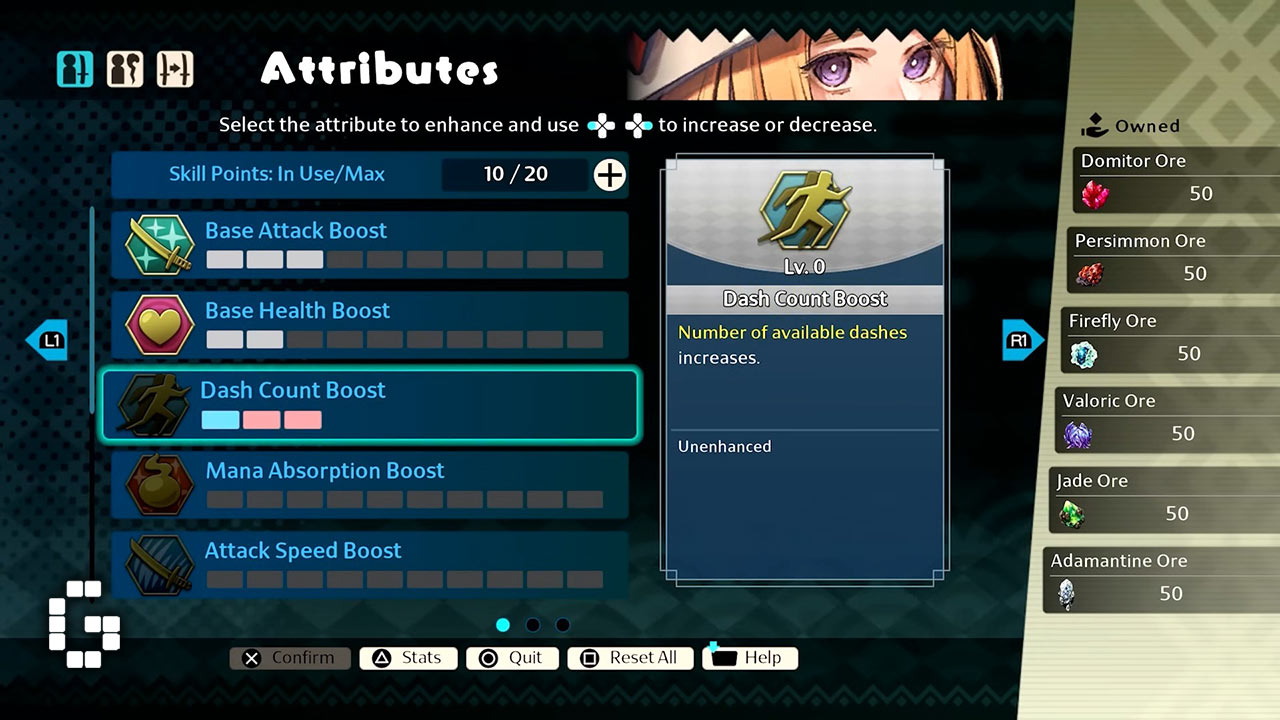
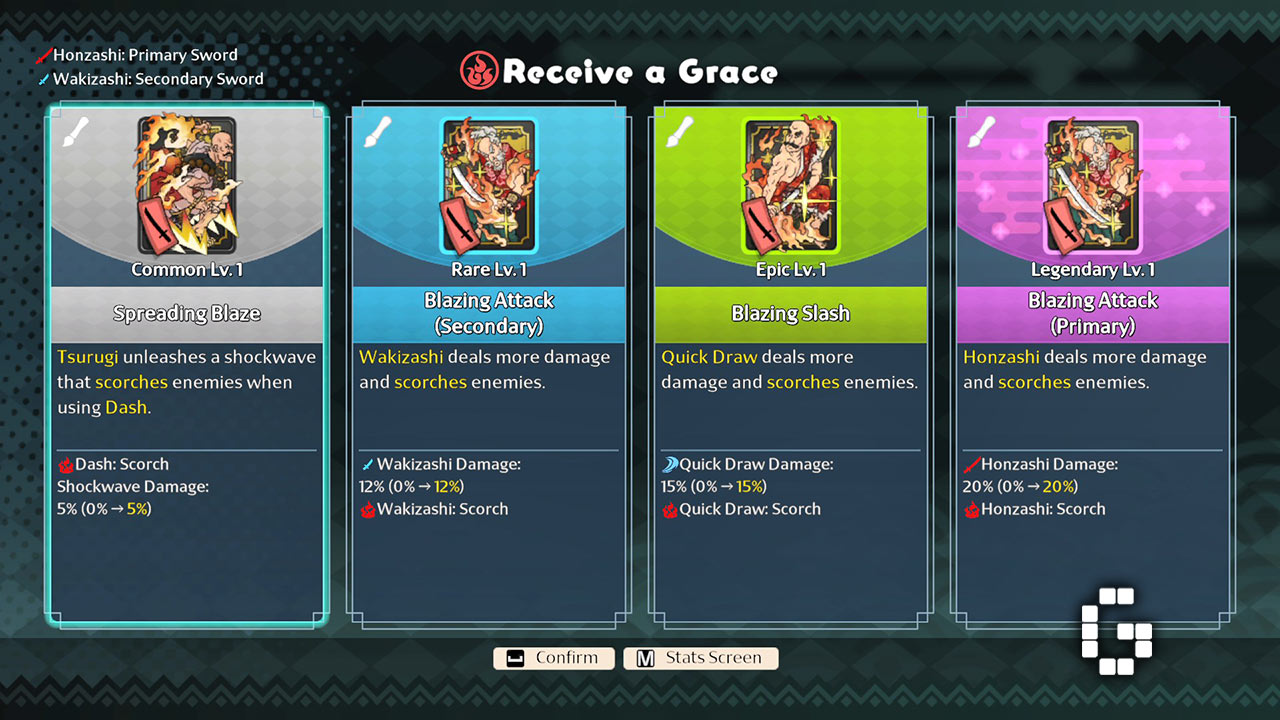
The roguelite structure follows a familiar pattern: explore branching stages, fight waves of enemies, earn rewards based on performance, and strengthen your characters with buffs or special items called Grace. Each Grace has different rarity levels, but even common ones provide useful effects that won’t overwhelm new players when making choices.
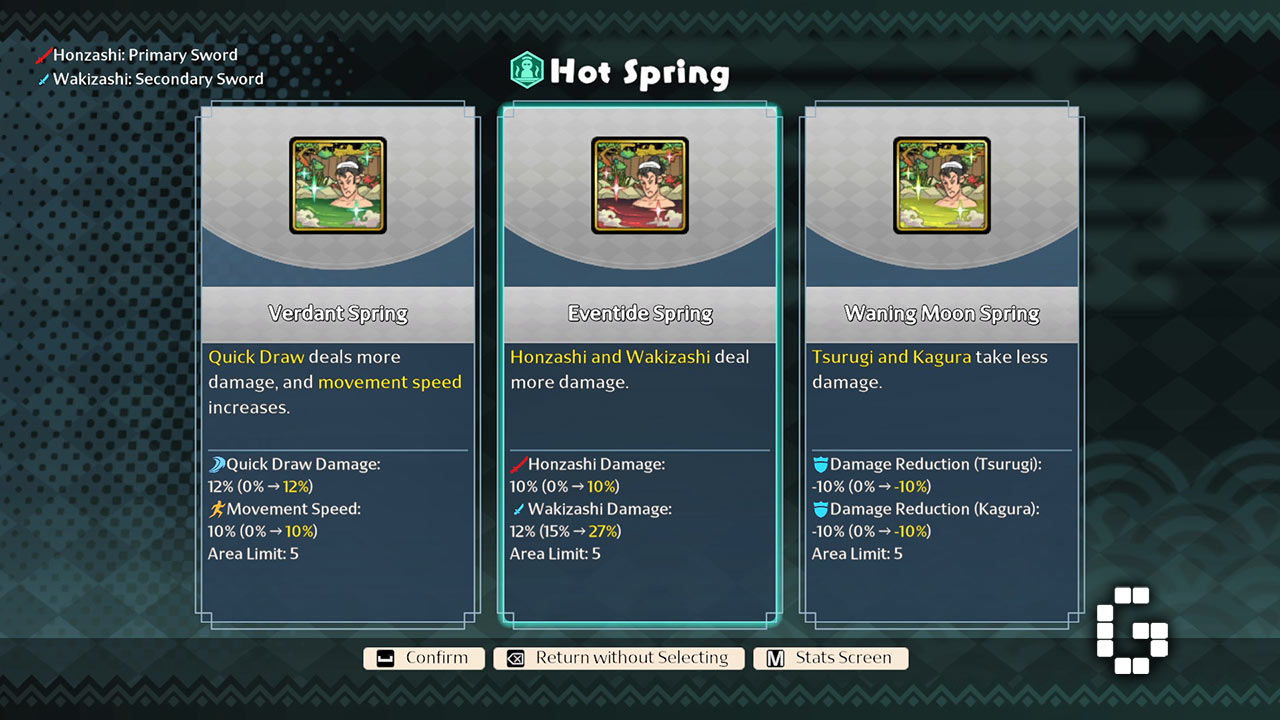
You’ll also collect materials to boost stats and invest in various upgrades. Some resources can be used in multiple ways, so deciding whether to spend or save them becomes important. Valoric Ore, for example, can buy cosmetics, but it’s often better invested in building facilities that significantly improve your progress as the village develops.
Visual Design and Extra Activities
The art direction is one of the game’s strongest points. Brownies has brought their painting-like visual style to create breathtaking scenery, high-quality character designs, and an immersive atmosphere. The world feels warm and comforting like a living painting, but with stronger and more refined presentation than their previous work.
The character designs shine not just for Towa and the Prayer Children, but also for the NPCs who grow and change over time. Watching a shy character from early in the game become confident and battle-ready years later provides some of the most rewarding moments, made better because these changes connect directly to your story progress.

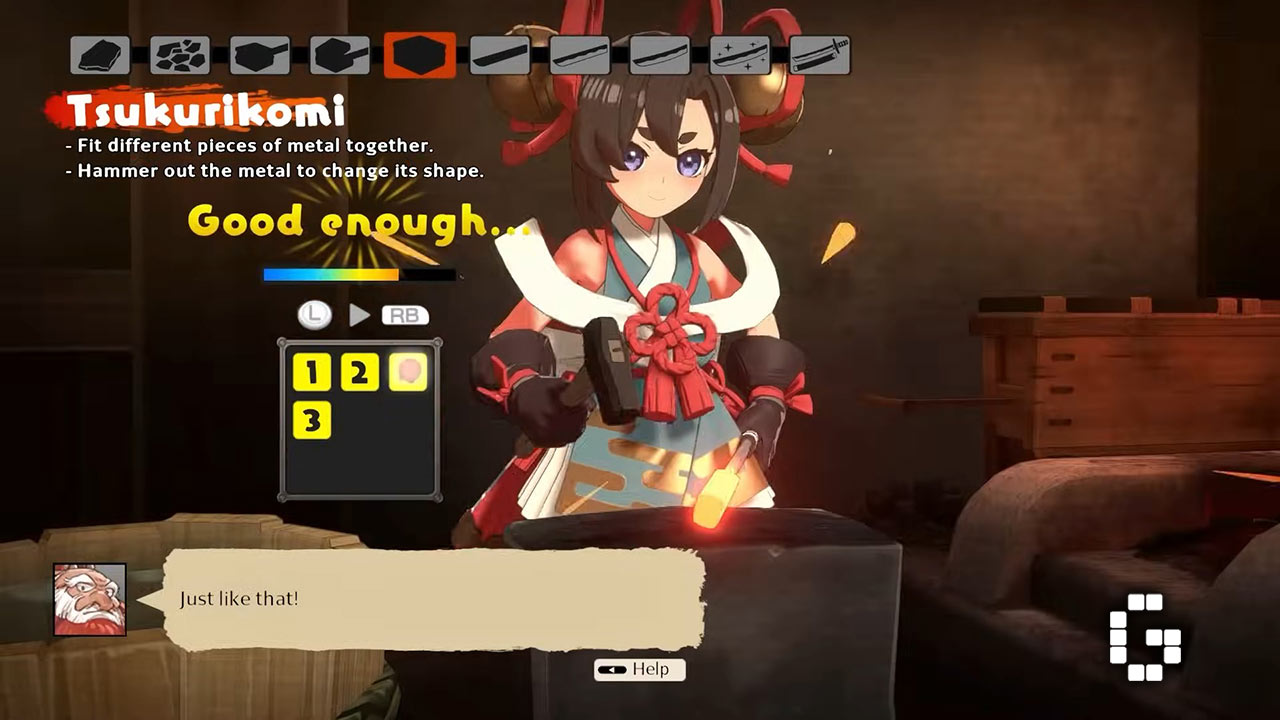
Beyond the main content, there are several side activities that provide breaks from the action and help with grinding. The weapon-forging minigame stands out as surprisingly complex, involving rhythm game elements, blade shaping, and coating applications. Each step affects the weapon’s final stats, rewarding precision and smooth execution with meaningful upgrades.
You can also take Requests through the Village School for shorter expeditions that offer rare materials as rewards. Thanks to the time system, Requests reset with each new timeline, so it’s worth completing as many as possible before advancing the main story.
Verdict
Towa and the Guardians of the Sacred Tree succeeds in creating a roguelite that prioritizes storytelling without abandoning solid gameplay mechanics. The dual-character system adds replayability and encourages experimentation, while the time-leap concept provides a unique twist that affects both narrative and gameplay progression.
The game works well as a roguelite with good structure and interesting mechanics, though it may not provide many wow moments beyond its time system. The story is far more developed than most games in the genre, making it appealing to players who want narrative depth alongside their action.
However, some issues hold it back. The PC controls feel uncomfortable and limiting, making a controller essential for the best experience. The difficulty might also be too easy for some players – defeats are rare throughout most of the game, with only occasional challenging boss fights providing real difficulty spikes.
For players who enjoy story-rich games and don’t mind a more relaxed roguelite experience, Towa and the Guardians of the Sacred Tree offers a unique blend that’s worth exploring. Just make sure you have a controller ready.
The Review
Towa and the Guardians of the Sacred Tree
PROS
- Surprisingly deep story for a roguelite.
- Likeable characters, especially the main heroine.
- Beautiful art direction with equally soothing BGM.
- Interesting dual character gameplay with Tsurugi and Kagura.
- Really cool time leap aspect that ties with progression.
CONS
- A bit too easy for roguelite standard.
- Gameplay rhythm with Quick Draw needs time to get used to and doesn’t always feel good to execute.
- Plays really bad on mouse and keyboard.