




![[EXCLUSIVE] Dragon’s Dogma 2: Dark Arisen Team Opens Up About the Expansion’s Name, New Norgan Region, and Performance Goals](https://cdn.gamerbraves.com/2026/07/Dragons-Dogma-2-Dark-Arisen_Interview_FI-360x180.jpg)




When we sat down with the development team behind Towa and the Guardians of the Sacred Tree, it became clear that this isn’t your typical roguelite game. The developers at the studio have crafted something that blends traditional Japanese storytelling with innovative gameplay mechanics, creating an experience that stands apart in a crowded genre. During our conversation, Director Daisuke Nagaoka and Producer Shuhei Yamashita shared insights into their unique approach to character design, storytelling, and the emotional core that drives their game.
Creating a Colorful Cast of Eight
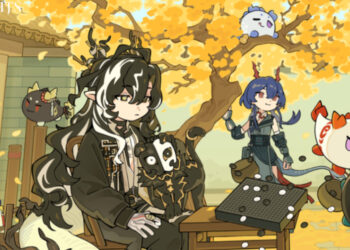
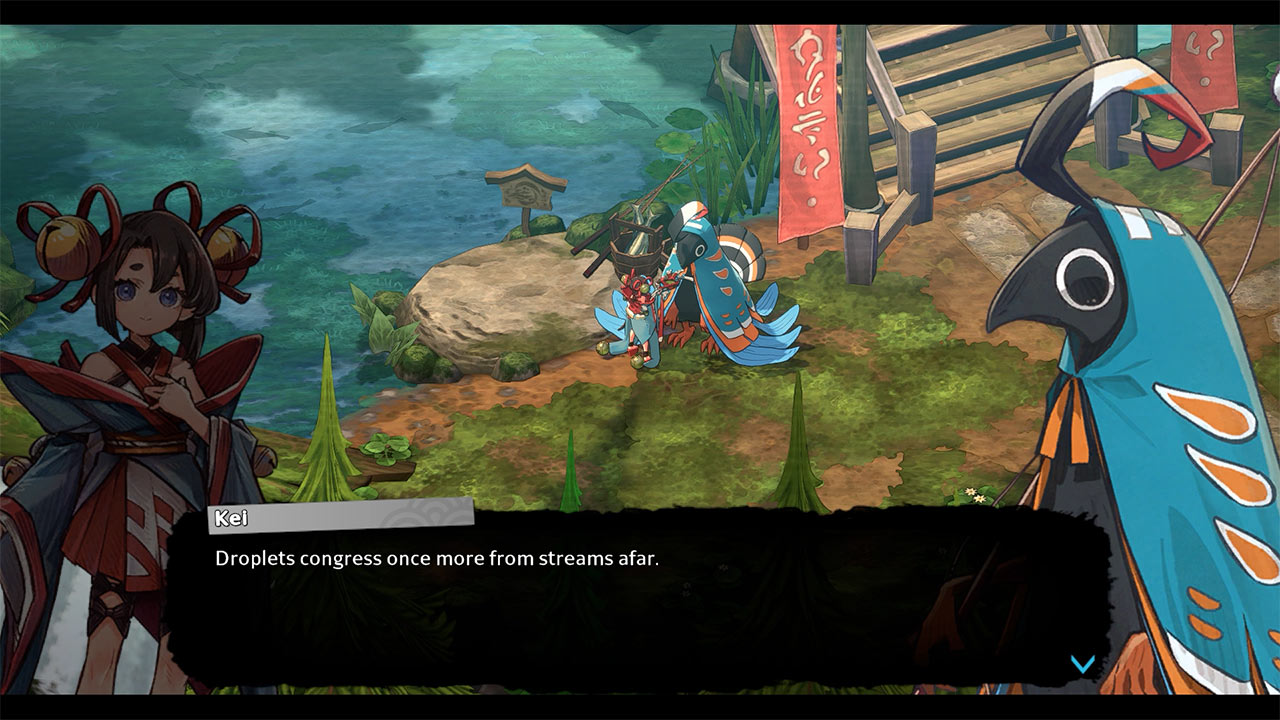
The heart of Towa lies in its eight guardian companions, each bringing their own personality and backstory to the village setting. Nagaoka explains that these characters aren’t just random additions to the roster. “In this village basically Towa has kind of like disciples under them and these disciples are the 8 companions. They are all from the same village, in a way,” he says.
However, the team added an interesting twist to the origins. Three characters – Origami, Shigin, and Nishiki – actually come from outside the village but eventually became disciples of Shinju-sama, joining the core group of eight companions.
When asked about his personal favorite, Nagaoka lights up talking about Rekka. “Rekka is a big fan of Towa and basically they worship the ground that Towa is on and I really like this character because they’re kind of like a samurai type of character and they follow Towa wherever they go.”
The design philosophy behind creating these characters was intentionally diverse. “We made sure to create a very colorful cast of characters with different variations of personality. You might have one character that’s very quiet or one character that’s very flamboyant,” Yamashita notes. The team designed each character to fit naturally into the game’s scenes while using the extensive dialogue system to showcase their unique personalities through character interactions.
Breaking Conventions
What makes Towa unusual in the roguelite space is its heavy focus on character interactions and storytelling. Yamashita explains the challenge they faced: “Roguelites are usually more of a single-player game where you play as only one character, and then you make different variations of weapons or skills and stuff like that.”
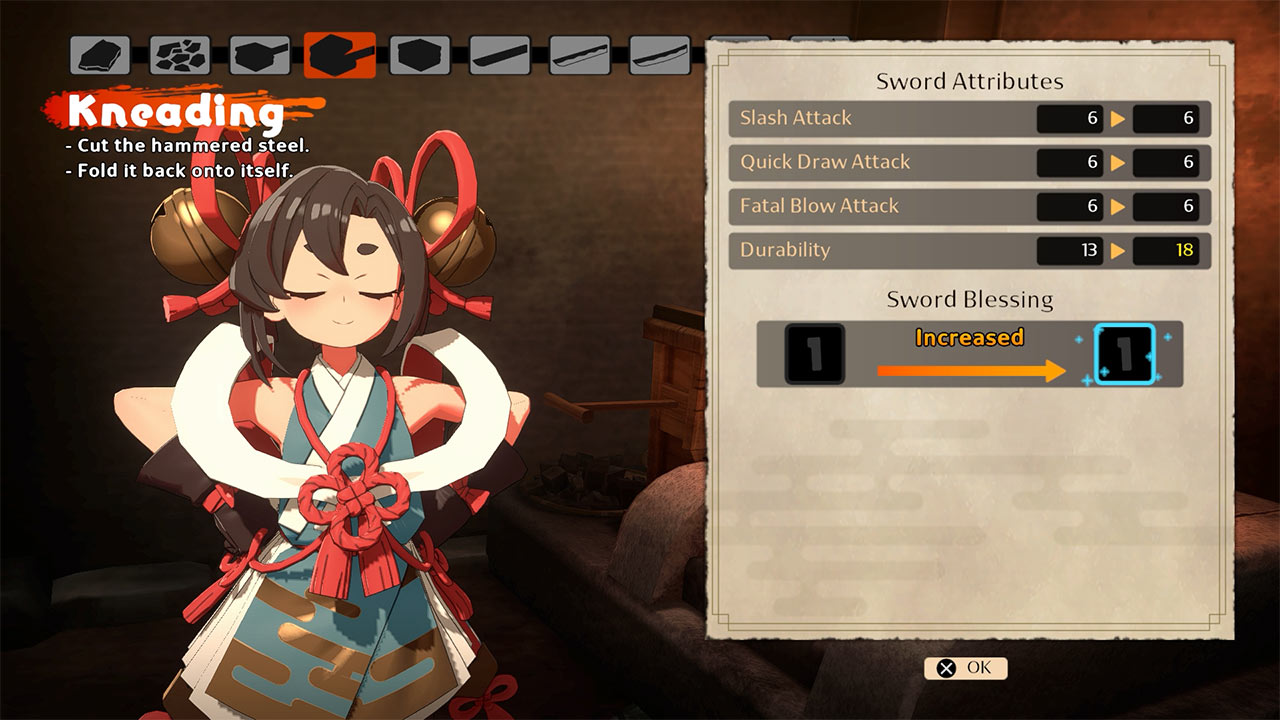
The team’s solution was to add partner characters to create meaningful interactions. “I really enjoy games where characters have a lot of interaction with each other, where they get to talk, they have a lot of dialogue, there’s a lot of interaction, there’s a lot of world building just by the characters talking alone,” Yamashita says. This approach allows players to experience rich storytelling even within the typically action-focused roguelite framework.
The Emotional Weight of Sacrifice
One of the game’s most striking features is the Kanhaburu ceremony, where players must sacrifice one of their party members at the end of expeditions. This wasn’t a last-minute addition to the story. “We came up with this concept really really early like right at the beginning of when we were planning the story concept it was already thought that it was already a game that was about meetings and separations,” Nagaoka reveals.
The sacrificial ceremony was built into the game’s foundation from day one. “Right at the beginning, we’ve already decided that Kanhaburu, which is the name of the sacrificial ceremony, I guess, would involve sacrificing one of the party members. It was already decided right in the beginning that this would happen. It’s supposed to be a very emotional piece.”
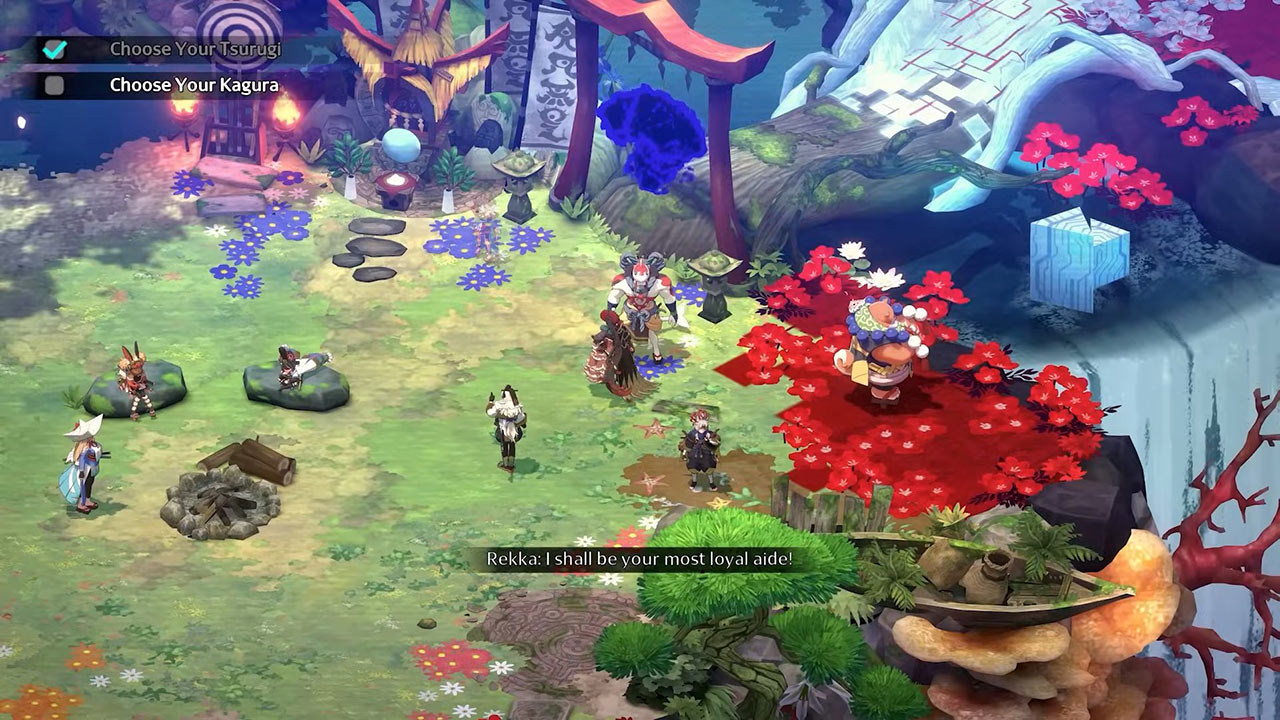
While the developers remain tight-lipped about what exactly happens to sacrificed characters, Nagaoka hints that there’s more to discover: “There’s an implication that there is something that happens to them after that. So we hope that you will enjoy and see the story to the end when the game has its full release.”
Balanced Freedom of Choice
Unlike many games that push players toward specific character combinations, Towa takes a different approach. “There’s actually nothing like, for example, there’s nothing like a combination skill or like a link skill with the characters,” Nagaoka explains. Instead, each character has their own traits and supporting skills that players can experiment with freely.
“We leave it all completely up to the player’s choice. And that is like, in a way, it adds a bit more of an adventuristic feel to the game to give the player more choice on what they want to do instead of telling them like, hey, you should use this.”

Balancing eight different characters presented its own challenges. Yamashita notes that rather than focusing purely on skill balance, the team concentrated on making characters feel different to control. “Instead of focusing on their skills, it’s more on the easiness of play, like their controls. For example, you can have characters that are really easy to control and to navigate. However, you also have characters with maybe more complicated movesets that will be required to maneuver them properly.”
The Flow of Time
One of Towa’s most unique features is how it handles time progression. Unlike other games where time moves independently, Towa ties its time system directly to story progression. “Because this game is very story-based, one of the main things that I would really want for players to fully experience is how time moves in the story,” Nagaoka explains.
The time mechanic creates an interesting contrast within the game world.
“Time moves differently for the party members compared to the rest of the story. And even though time has passed by in the actual story timeline, like years have passed by, but the characters themselves, Towa and their companion, do not grow old. They don’t age.”
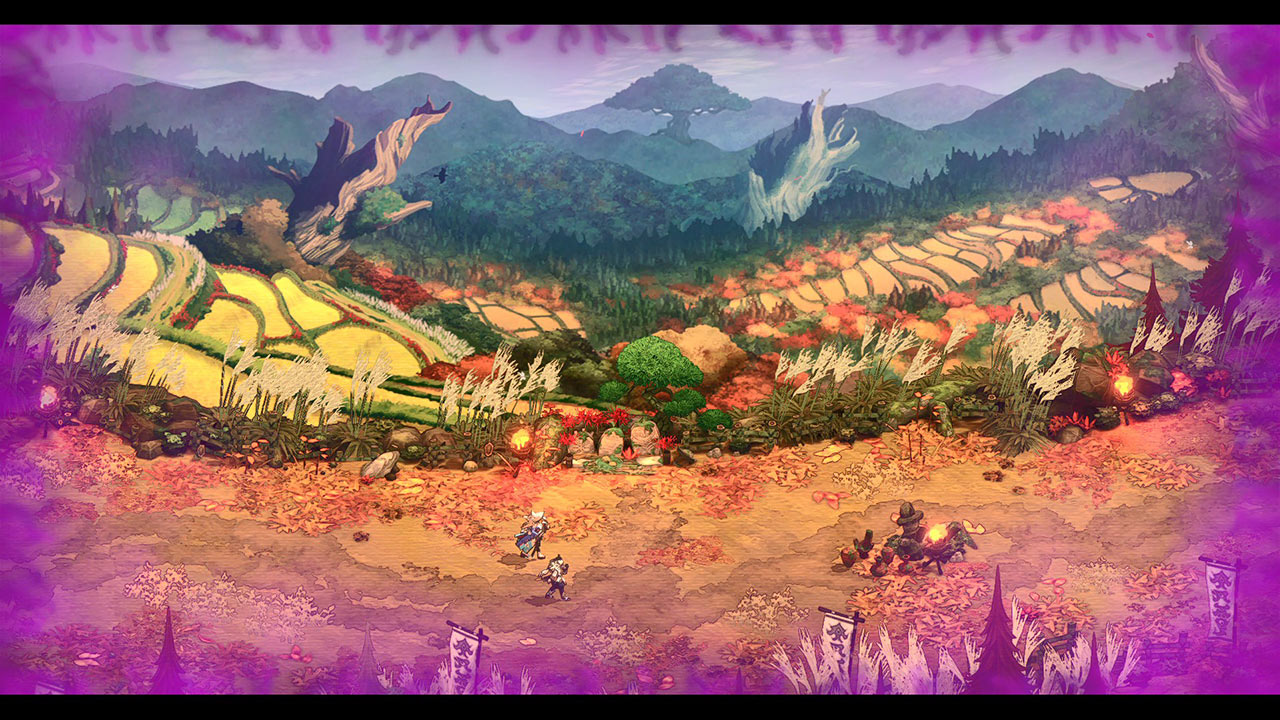
This system wasn’t easy to implement. “The time system was basically based on the story. So like if time doesn’t move by the story can’t progress so it’s kind of scenario locked in a way where if the scenario doesn’t progress then time doesn’t progress as well,” Nagaoka says. The biggest challenge was making the time freezing mechanic feel natural within the story context.
Crafting Japanese Culture
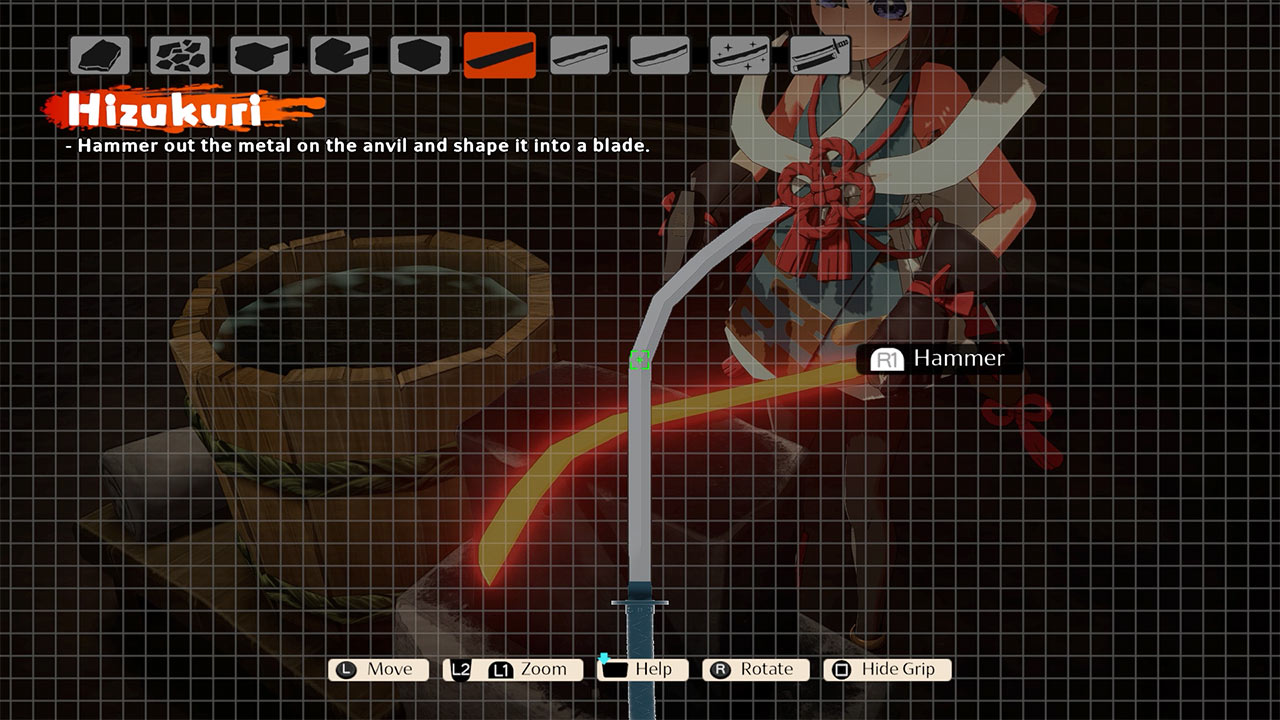
The sword smithing mini-game represents the team’s commitment to showcasing Japanese craftsmanship. Nagaoka sees it as part of what makes Towa stand out: “As most roguelite games focus on the action part of the story, rather than this rather than the actual storytelling of the story. And so in order to make it even to make it stand out even more from the competition, we decided to add this swordsmithing system into it.”
“You know the characters are also using katanas and in a way it also kind of shows that you know this game was made by the Japanese for the Japanese in a way and it kind of implements it kind of like shows to the world that this game was made in Japan because katana is a very big part of the culture.”
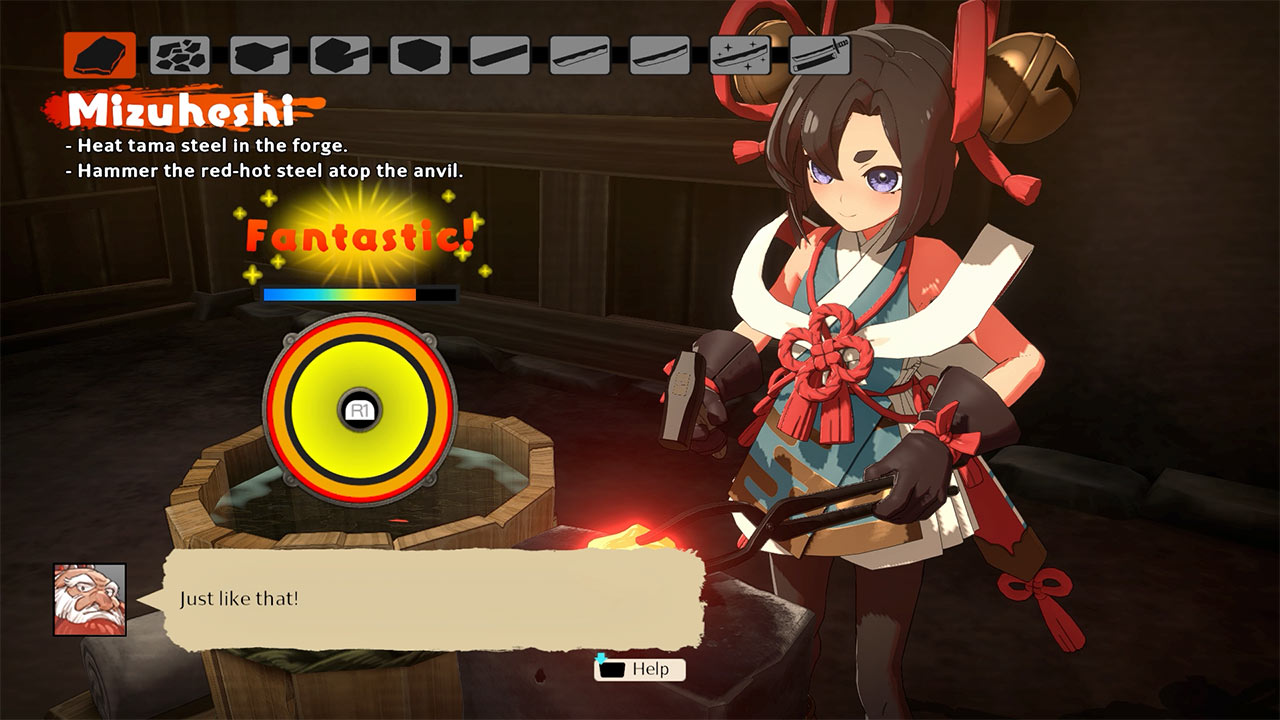
Creating an engaging mini-game around the traditional katana-making process proved challenging. “One of the biggest challenges with creating this system is that because it’s in a way it also shows the actual process of creating a katana and creating a katana is all about heating up the metal and then you know shaping it with a hammer, heating with a metal, hitting up the metal, shaping with a hammer and that is not exactly a very interesting process that people will enjoy,” Nagaoka admits.
The team originally planned an even more detailed system. “So originally, we were planning to actually put even more detailed and intricate intricacies into this katana making minigame where you actually have to maintain and monitor the temperature of the metal of the fire but it became a little too complicated to put into a minigame so we simplified it and it became the current system that it is now,” Yamashita explains.
A God with Human Heart
Towa herself embodies a unique take on divine characters in gaming. Rather than making her serious and distant, the team drew from Japanese cultural concepts of gods. “So in Japan, the concept of gods is that they are very friendly, and especially because Toa is a very long-lived individual,” Nagaoka explains.

The choice to make Towa laid-back and unserious was deliberate. “We actually never really thought of making her too serious, because in the end, it’s a story about a lot of meetings and a lot about life and death. So someone who we would like them to be more. They’re a god, but they love humans. So we want them to have a bit more human characteristics to them, as well as to be able to put a line or draw a line between when someone passes away, that they are still on the observing side, rather than getting too emotional about it.”
Looking Forward
For now, the team is focused on delivering the complete experience they’ve envisioned. When asked about post-launch content, Nagaoka keeps expectations grounded.
“For now there aren’t any additional content planned, no DLC or additional content. We hope that the players will enjoy the full game to its fullest first before we think about that.”

The developers also note that while character pairings create interesting dynamics, they won’t dramatically alter the main story outcomes. As the developers explain, “There’s not really so much of a change or a major change between which character combinations you pick to the story at the very least.”
Towa and the Guardians of the Sacred Tree represents an ambitious attempt to bring deeper storytelling and cultural authenticity to the roguelite genre. With its focus on character relationships, emotional storytelling, and uniquely Japanese elements, it offers something different for players looking beyond traditional action-focused roguelite experiences. The game’s emphasis on meetings and separations, combined with its innovative time mechanics and cultural touches, suggests that this sacred tree has some unique fruit to offer when it finally reaches full release.