










![[EXCLUSIVE] Brendan Gan Delivers One of Malaysia’s Best-Ever Worlds Results, Shares Thoughts on Pressure and the Local Scene](https://cdn.gamerbraves.com/2026/08/Brendan-Gan_Interview_FI-360x180.jpg)





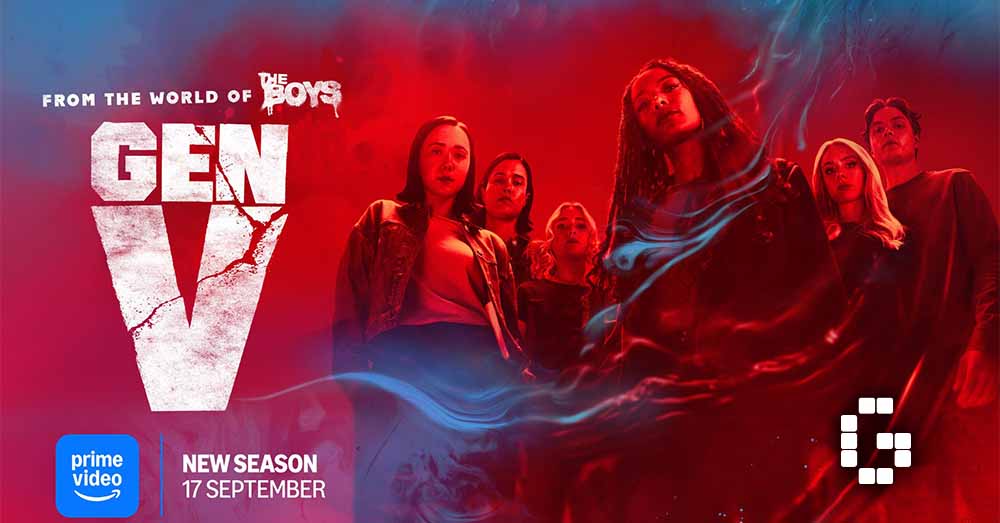
Gen V is a spin-off of The Boys, but it has quickly proven that it can stand on its own. While the two shows share the same universe and occasionally cross paths with characters or storylines, the way Gen V presents itself is different. Where The Boys leans on political satire and adult drama, Gen V takes the shape of a twisted teen drama, balancing youthful energy with the same brutality and gore that fans expect from this world of unstable superheroes. For me, this contrast makes the show feel fresh. It isn’t just repeating The Boys — it’s finding its own voice.
The story focuses on Godolkin University, the only college in America designed for young superheroes, run under the watchful eye of Vought International. On the surface, the school looks like any other elite campus, with its rankings, sponsorships, and competitions. But beneath that glossy image is a cruel system that prepares students not to be heroes, but to be products for Vought. At the center is Marie Moreau, whose life has been marked by trauma, and her classmates who all carry their own scars. Together, they uncover disturbing truths, face impossible choices, and learn that surviving in this world is sometimes more important than being noble.
With Season 2, there was a lot of expectation. Could the show continue the momentum of its first season? Could it even surpass it? After watching the first two episodes, I can confidently say that Gen V hasn’t lost its spark. In fact, it feels sharper, darker, and more engaging. These episodes reminded me why I liked Season 1 in the first place, while also giving me new reasons to stay invested.
Episode 1: New Year, New You
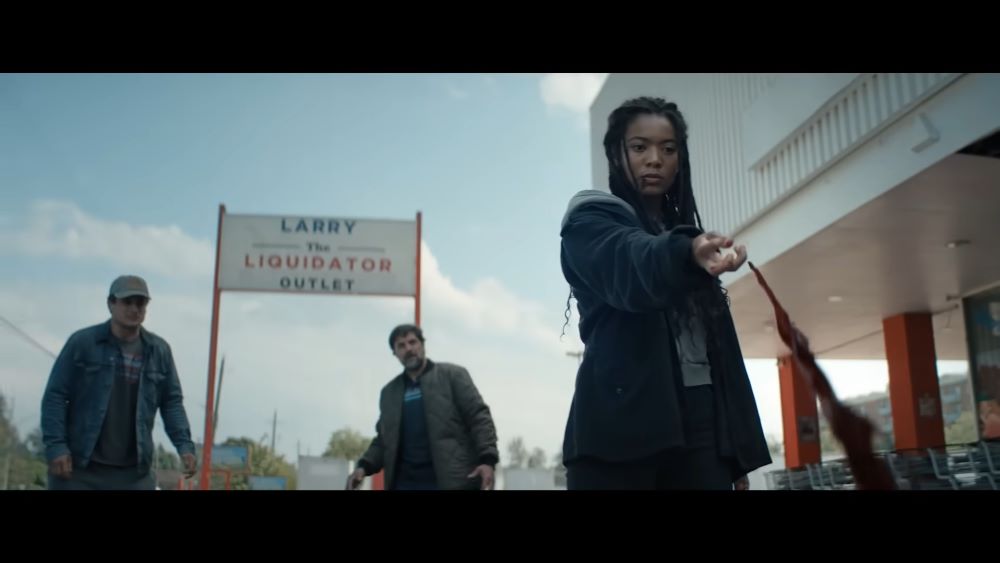
The season opens with a time skip, and immediately, it feels like things have changed. We’re now in sophomore year, but nothing feels comfortable. Marie is still on the run, struggling to track down her sister, which gives her story a sense of urgency. Emma and Jordan return to Godolkin, but not with open arms — they’re reluctant, almost weighed down by what happened before. Cate, who once carried such energy, finds herself disappointed with how their homecoming unfolds, while Sam seems distant, disconnected from everything around him. Then there’s the introduction of a new dean, shrouded in mystery, whose presence immediately puts me on edge. Add to that a viral video that pulls Marie into unexpected company, and suddenly the pieces are moving toward a reunion. To top it off, the episode teases us with the term Project Odessa, a mystery that clearly matters, and ends with a shocking tragedy that left me sitting back, quietly stunned.
What I appreciated most about this premiere is how it wastes no time. Season 1 leaned heavily on the teenage drama — which worked — but here, the tension is heightened from the very start. Yes, there are lighthearted moments with students laughing and trying to enjoy campus life, but underneath that cheerfulness is a constant undertone of danger. It’s almost like watching characters smile in the dark, not realizing what’s right behind them.
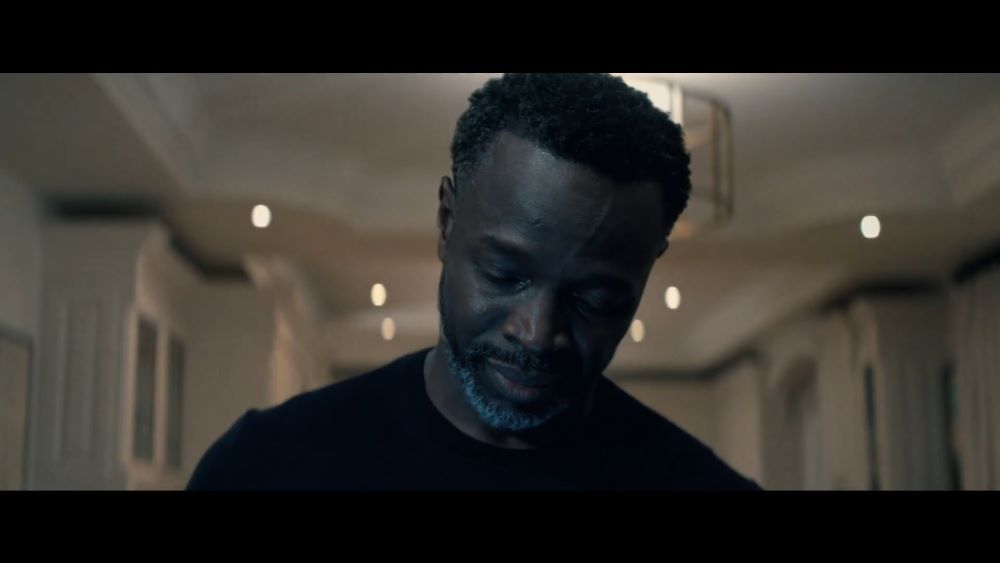
The fight scenes stood out to me as well, though not because they were groundbreaking. In truth, the choreography wasn’t the most polished. Yet, they worked because of the energy, the humor, and the chaotic creativity that comes with mixing superpowers. There’s slapstick comedy mixed with real stakes, and that blend feels very Gen V.
For a season opener, Episode 1 does a great job. It pushes Marie’s story forward, hints at larger mysteries, and introduces antagonistic forces without showing all their cards. Most importantly, it captured the darker tone that I think fans were hoping for, reminding us that no one at Godolkin is ever truly safe.
Episode 2: Justice Never Forgets
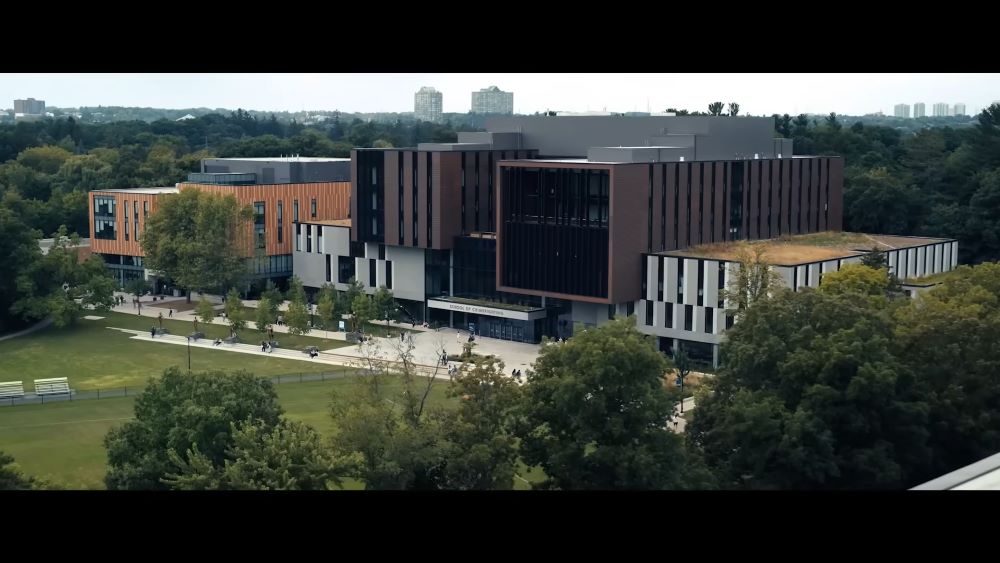
If Episode 1 sets the tone, Episode 2 deepens the mystery. Marie returns to campus, this time officially as a Guardian of Godolkin. Her responsibilities feel heavier, but so does the atmosphere around her. Cipher steps in with devastating news about Andre’s condition, and instantly, I felt something was off. Cipher speaks like he knows more than he’s letting on, and that sense of secrecy only made me trust him less. When he pulls Marie and Jordan into a new class called “Hero Optimization,” it feels like another layer of control by Vought — a reminder that nothing at this school is ever truly for the students’ benefit.
Meanwhile, Emma and Polarity dive into the school’s archives, trying to uncover more about Project Odessa. These scenes gave me a mix of tension and fun — the kind of unlikely character pairings that make the show enjoyable even outside of the darker moments. And through it all, the new dean continues to loom over the story. He doesn’t need to say much; his silence and stoicism are enough to make him feel threatening.
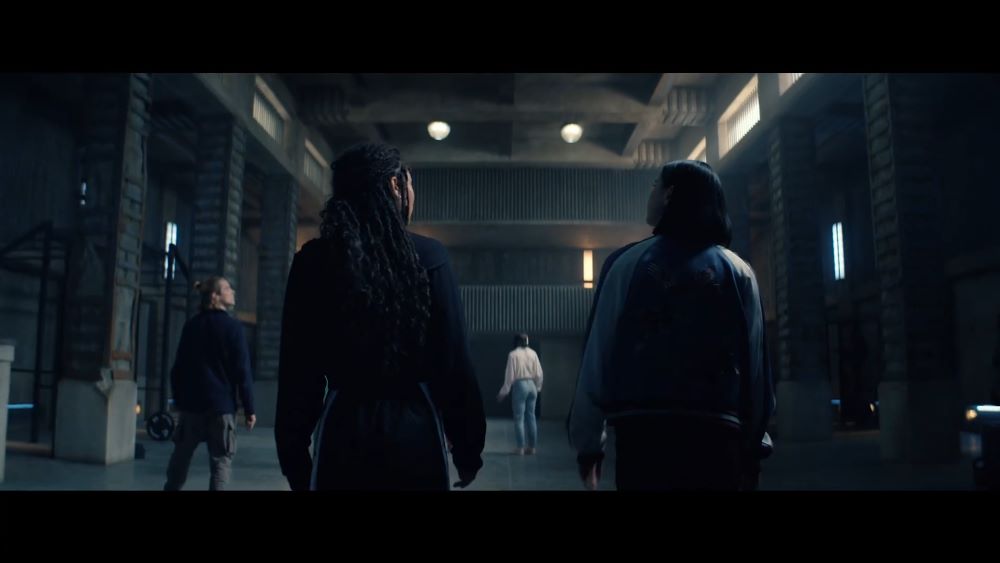
What I liked most about Episode 2 is how it balanced things. While the mystery grows heavier, there are still small, human moments that let the characters breathe. It feels like we’re seeing them not just as superheroes, but as people trying to survive impossible circumstances. By the end of the episode, we get one small answer about Project Odessa, but also another cliffhanger that only raises more questions. That’s the kind of storytelling that keeps me hooked.
Comparison and Season 2 Context
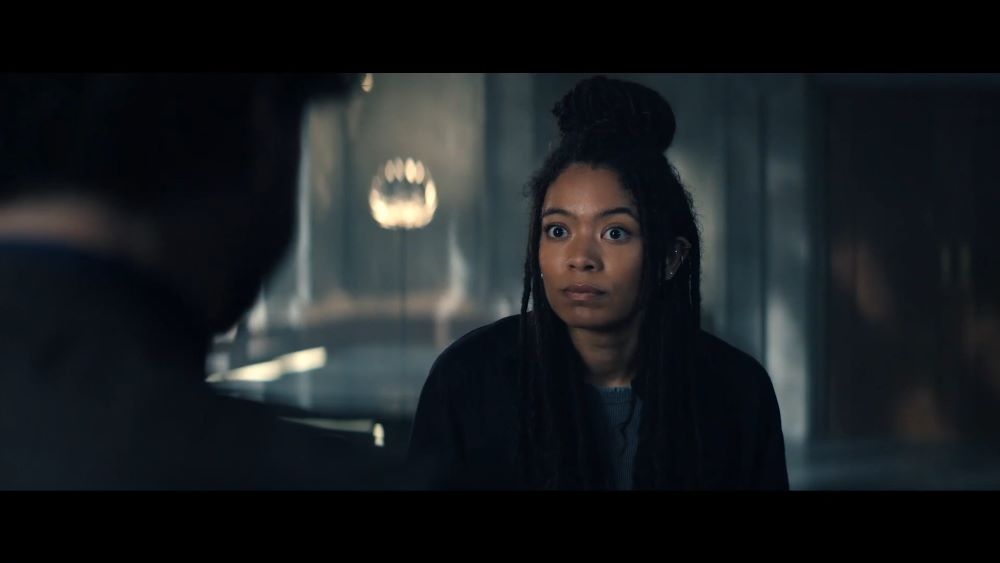
The first two episodes do a smart job of handling the time skip. Instead of confusing the audience with sudden changes, the show gradually fills in the blanks through conversations, flashbacks, and the way the characters carry themselves. It respects viewers by trusting us to put the pieces together.
What impressed me most is how natural Season 2 feels. It doesn’t throw us into a brand-new setting or overwhelm us with dozens of new faces. Instead, it builds on the foundation from Season 1. Marie continues to grow, and her motivations feel more defined. Jordan, Emma, and others also show signs of evolution, though I will admit, some characters haven’t been given the same care. A few changes feel too sudden, as if the show skipped over important development. Still, the overall direction feels right.
As someone who has followed both Gen V and The Boys, I can see how the shows connect. But I also think Season 2 works well enough on its own. If you haven’t seen The Boys, you might miss a reference or two, but the central story remains clear. That balance is one of Gen V’s biggest strengths.
Verdict
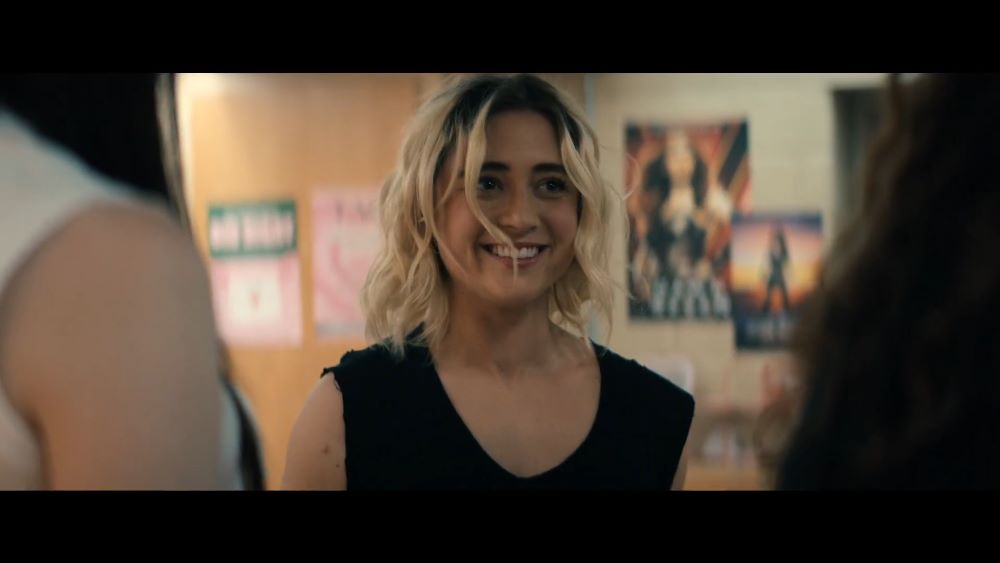
After watching these first two episodes, I can say that Gen V Season 2 has hooked me once again. The mystery of Project Odessa, the looming presence of the new dean, and the fragile state of the main cast all combine into a story that feels tense, unpredictable, and exciting. I stayed interested from beginning to end, always curious about what might happen next.
Of course, there are weak points. Sometimes the characters act too naïve, almost unrealistically oblivious given everything they’ve already been through. Certain scenes feel unnecessary, like they were added just for quirkiness rather than for the story. And occasionally, the show leans too much on telling us what to feel about a character, instead of showing it through actions. These moments pulled me out a little, but not enough to break the overall immersion.
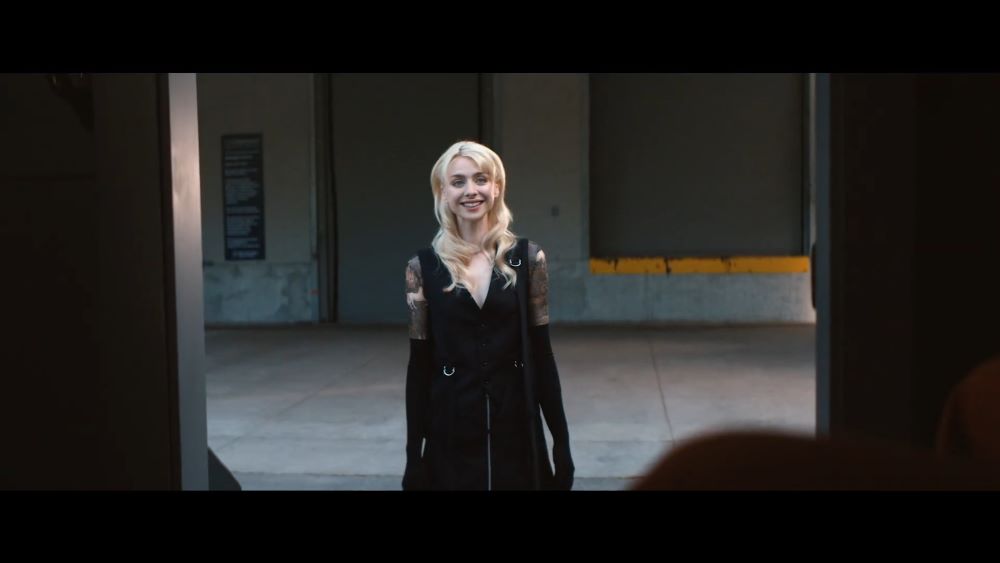
Despite these flaws, I’m genuinely happy with what I’ve seen. The chemistry between the cast is strong, even when the characters are on opposite sides. The pacing feels steady, never dragging but never rushing either. Most importantly, the show left me with questions I want answered. That’s what a good season opener should do.
Gen V season 2, will exclusively premiere on Amazon Prime Video on September 17.
The Review
PROS
- A strong and confident start for a new season. Despite the sudden timeskip, the plot did not hinder and instead picked up a pace to unravel the mystery lingering and every character’s current motivation.
- Pacing that balances action, drama, mystery, and some funny moments. Both episodes had a good blend of humour and teen spirited scenes, action and fight scenes, and mystery solving investigations.
- Cast chemistry that makes interactions engaging, every scene felt believable thanks to the talented cast. Several vulnerable moments when the protagonists are speaking to the antagonistic sides feels more real, as we can visibly see the concern and worry in the protagonists eyes.
CONS
- Some characters change too drastically without explanation. Several relationships between on-screen characters would flip 180 degrees in a matter of minutes, under the guise of “character development”.
- Overreliance on telling instead of showing character depth. As if the show isn’t willing to provide a flashback scene, the viewers are constantly told of past events or certain events without being shown any.
![[GUIDE] JoJo’s Bizarre Adventure: Golden Spirit Codes and How to Redeem Them](https://cdn.gamerbraves.com/2026/09/JoJos-Bizzare-Adventure-Golden-Spirit-Redeem-Codes_News_FI-350x250.jpg)

![[GUIDE] The Seven Deadly Sins: Origin Codes & How to Redeem Them](https://cdn.gamerbraves.com/2026/09/Seven-Deadly-Sins_-Origin-Tier-and-Codes_News_FI-1-350x250.jpg)