
![[EXCLUSIVE] Dragon’s Dogma 2: Dark Arisen Team Opens Up About the Expansion’s Name, New Norgan Region, and Performance Goals](https://cdn.gamerbraves.com/2026/07/Dragons-Dogma-2-Dark-Arisen_Interview_FI-360x180.jpg)










As the latest entry, Digimon Story Time Stranger, prepares for release, we had the opportunity to sit down with producer Ryosuke Hara to discuss the game’s development, new features, and creative vision. Hara, who previously worked on major titles like Dragon Ball Z: Kakarot and Dragon Ball: The Breakers, brings his experience to this ambitious new chapter in the Digimon franchise.
A Story of Light in Darkness
True to the series’ reputation, Time Stranger maintains the darker tone that fans expect, but with a unique twist. The story centers on the heroine Inori and her partner Aegiomon, focusing on how their relationship grows throughout their journey.
“The main part of the story is about the heroine, Inori, and Aegiomon, and it’s to show how their relationship progresses and grows along the way,” Hara explains. While the game keeps the series’ traditional dark setting, this central relationship serves as a beacon of hope. “This relationship is kind of the brighter tone to everything—it kind of shines above the darkness and shows the strong relationship and the strong bonds that the tamer has with their Digimon.”

When asked about the creative vision behind making time the central theme, Ryosuke Hara notes, “We want to show the stronger bonds between the Tamer and their Digimon. One of the biggest things to prove bonds and relationships was the passing of time.”
Enhanced Combat and Systems
Time Stranger introduces several new gameplay mechanics that expand on the series’ foundation. The most significant addition is the Attachment Skill system, which gives players more freedom in customizing their teams.
“This new system called the Attachment Skill allows players to customize their party combinations and the Digimon they want to play with,” Hara says. “It gives them more versatility and more flexibility in what they want to and how they want to play their game, as well as what skills they can use with which Digimon.”
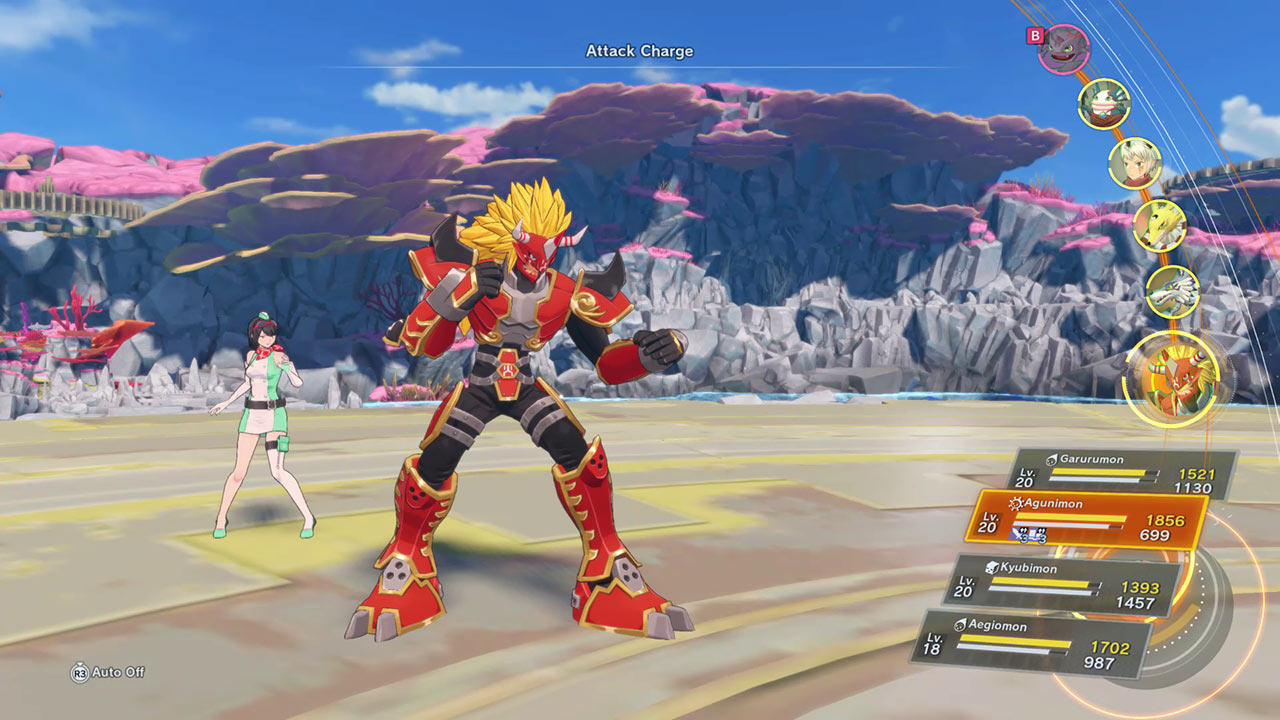
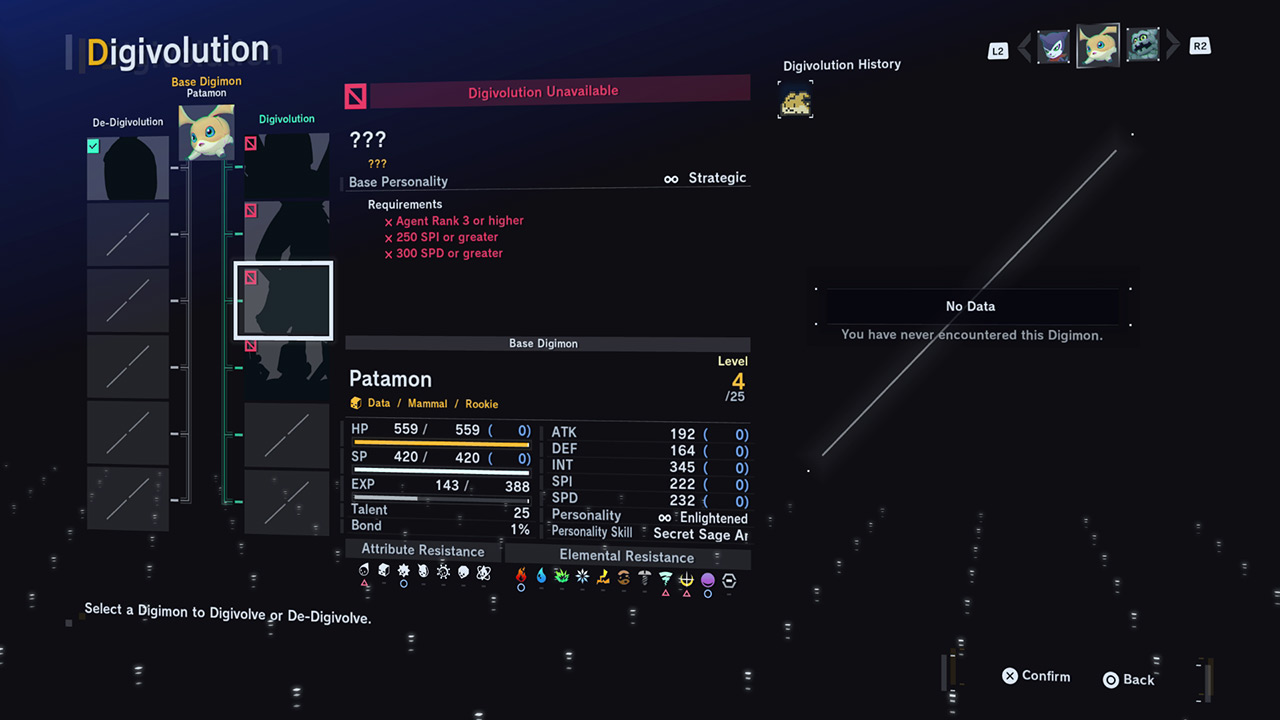
The game features five different evolution systems, designed to make the mechanics more accessible while maintaining depth. “We have increased the usability of these five systems to make it easier to activate,” Hara explains. “We hope that this would bring back even old fans of Digimon and even brand new fans to be able to experience Digimon at its fullest.”
The beloved Jogress (DNA evolution) system returns in two forms. Players can access traditional Jogress evolution outside of battle based on Digimon personality and traits, while a temporary battle evolution system allows Digimon to evolve specifically for special attacks during combat.
A Living Digital World
One of the most impressive aspects of Time Stranger is its detailed world design. The game takes place across both the real world and Digital World, with each environment crafted to feel distinct yet visually consistent.
For the real world locations, the team focused on creating lived-in spaces. “If we were to compare Shinjuku and Central Town, which are the most popular densely populated areas within both the real world and the digital world, the main idea was to make it feel like it’s a world that has been lived in,” Ryosuke Hara says.

The Digital World takes on a more fantasy-focused approach, with gear motifs serving as a visual reminder of the digital setting. “In the Digimon universe, the motif of a gear is a very significant part of the Digital World,” Hara explains. “Putting gears and showing that gears are moving in the background of most Digital World areas shows that they are in the Digital World.”
Central Town serves as the main hub in the Digital World, designed to feel alive and dynamic. The development team was given creative freedom in how Digimon would interact in this space. “We never gave them any specific instructions on how they should do it,” Hara notes. “We left it completely up to the development team to decide how they want to make the Digimon move or interact.”
Technical Challenges and Improvements
Developing a game with 450 different Digimon presented unique challenges, particularly in creating special abilities and moves. “The biggest hurdle would probably be the sheer number of Digimon’s special abilities and moves that we had to come up with,” Hara admits.
The team stayed faithful to official moves from anime and manga sources, but had to create original abilities for Digimon without established movesets. “Most of our staff and our designers are huge fans of Digimon, so we pushed through with basically our love for Digimon and perseverance and hard work in order to come up with original moves.”

This dedication to detail extended to signature moves as well. WarGreymon’s Terra Force attack was famously reworked three times during development. “The person who was in charge of creating the skill set for WarGreymon is a very big Digimon fan, so he was actually very adamant about certain things,” Hara explains. “For Terra Force, which is basically WarGreymon’s signature flagship skill, they wanted to make it the best that they could.”
Balanced Difficulty and Accessibility
Time Stranger introduces a new Critical Point system for boss battles, where bosses become stronger over time unless players target their weak points. This system emphasizes strategy over grinding.
“The reason for this is basically to show that as time progresses or as the story progresses, those bosses are getting stronger and stronger,” Ryosuke Hara explains. “Even if you don’t grind like in a normal RPG, as long as you hit the weakness of the boss, you can defeat them if you get the right combination.”
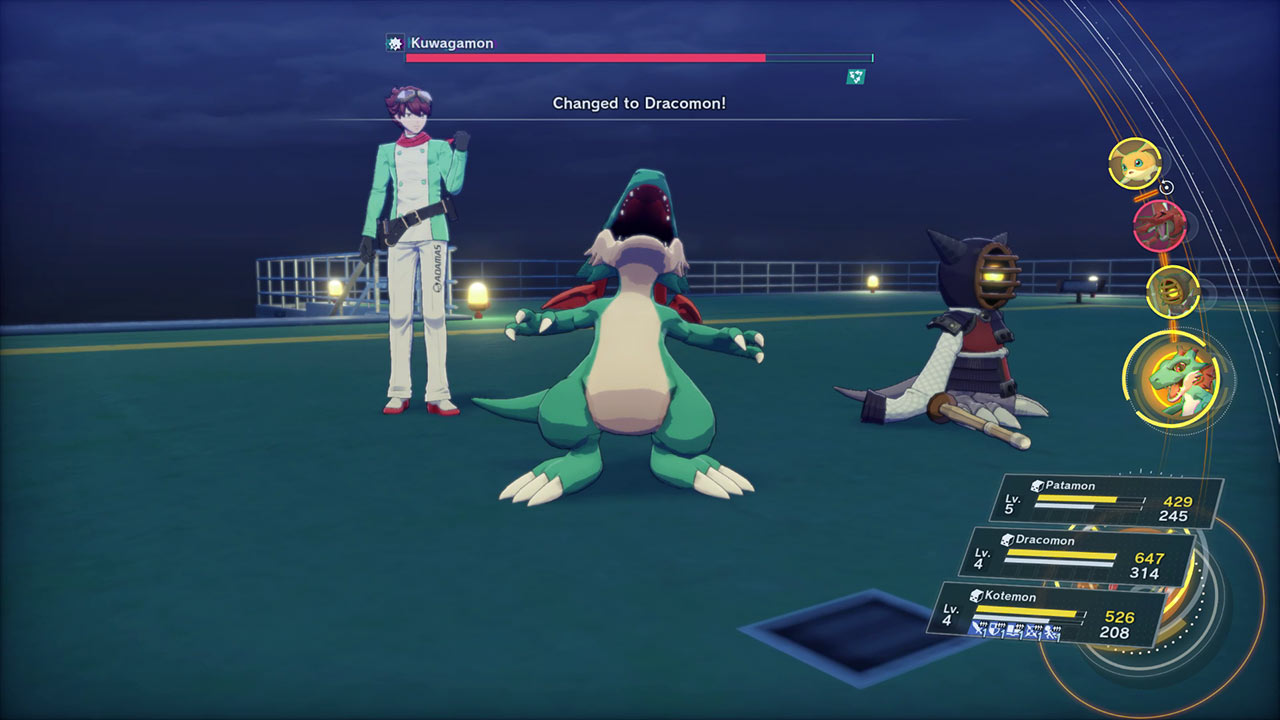
The game caters to both casual and hardcore players through multiple difficulty options and balanced progression systems. “All Digimon will eventually evolve or reach a point where they’re strong enough,” Hara assures. “As long as you use them in adventures and battles, they will eventually be strong enough to tackle the final part of the story.”
For players who want deeper customization, the Digi Farming system allows specific training of Digimon parameters and traits through evolution and de-evolution paths.
A New Chapter for the Franchise
Compared to previous entries like Cyber Sleuth, Time Stranger offers a more complete Digital World experience. “This time they fully enter the Digital World and are able to experience almost like a complete fantasy world of their own,” Ryosuke Hara says. The game aims to appeal not just to Digimon fans, but to RPG enthusiasts as well.
“Not only as a Digimon game, but we also want to appeal to RPG players as well. So even people who are not huge fans of Digimon can also play the game as a proper RPG.”

With its focus on relationships, time, and the bonds between tamers and their digital partners, Digimon Story Time Stranger promises to deliver both the darkness fans expect and the hope that makes the journey worthwhile. Through careful balance of accessibility and depth, the game aims to welcome newcomers while satisfying longtime fans of the franchise.