






![[EXCLUSIVE] Brendan Gan Delivers One of Malaysia’s Best-Ever Worlds Results, Shares Thoughts on Pressure and the Local Scene](https://cdn.gamerbraves.com/2026/08/Brendan-Gan_Interview_FI-360x180.jpg)





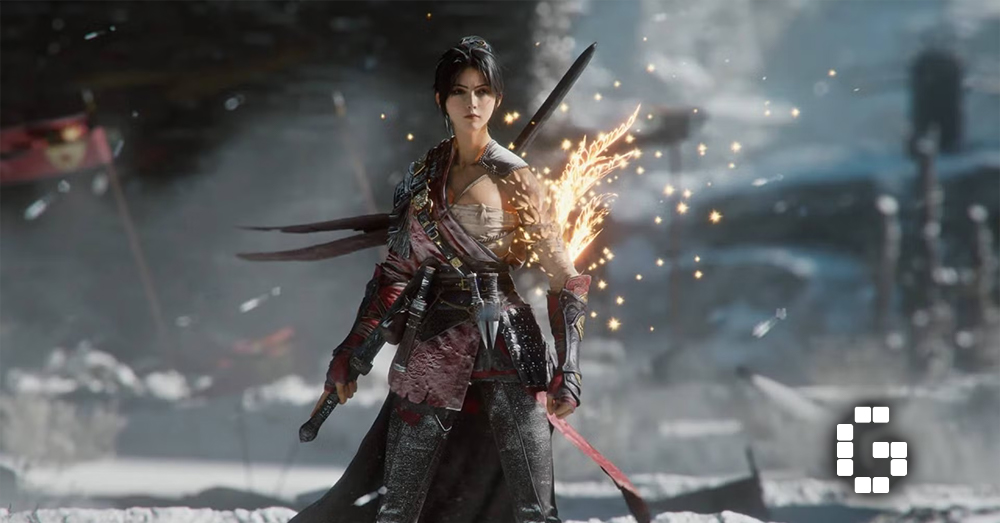
When martial arts movies meet the punishing world of Souls-like games, you get something like WUCHANG: Fallen Feathers. This ambitious title from Leenzee Games Studio and 505 Games promises to blend Chinese martial arts culture with the demanding gameplay that fans of Dark Souls know all too well. But does this feathered fighter soar high, or does it clip its own wings? Our time with the game reveals a mixed bag of brilliant ideas hampered by some frustrating early moments.
A Tale of Disease and Memory
You play as Bai Wuchang, a pirate searching for her missing sister while battling a strange condition called the Feathering Disease. This illness normally turns people into feathered monsters and wipes their memories clean, but Wuchang is different. She keeps her ability to speak and think, though her memories are still gone. Even more interesting, she can control the feathering to gain magical powers, something that catches other characters’ attention throughout her journey.
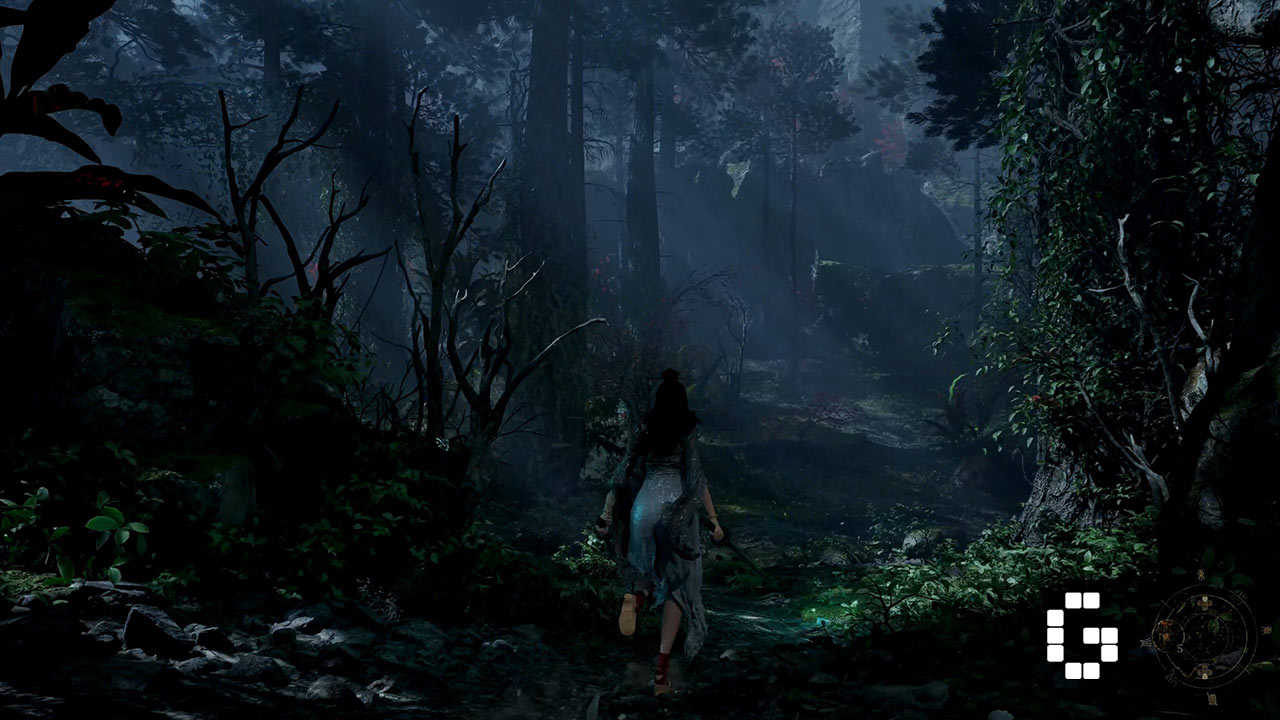
The story takes place in Shu, a war-torn land where armies fight for control while the Feathering Disease spreads chaos. The game does a great job showing this through visual storytelling – blood-stained temples, broken pagodas, and battle-scarred landscapes tell the story without dumping exposition on you. If you know Chinese history, especially around the late Ming Dynasty, you’ll spot familiar names and references that add extra depth to the experience.
The game handles quests cleverly too. Instead of cluttering your screen with quest markers, it shows NPC portraits near teleport points when they have something new to say. You won’t accidentally skip important dialogue either, since characters say everything in one go. Many side quests offer different choices that change how they end, and the main story has multiple endings depending on your decisions.
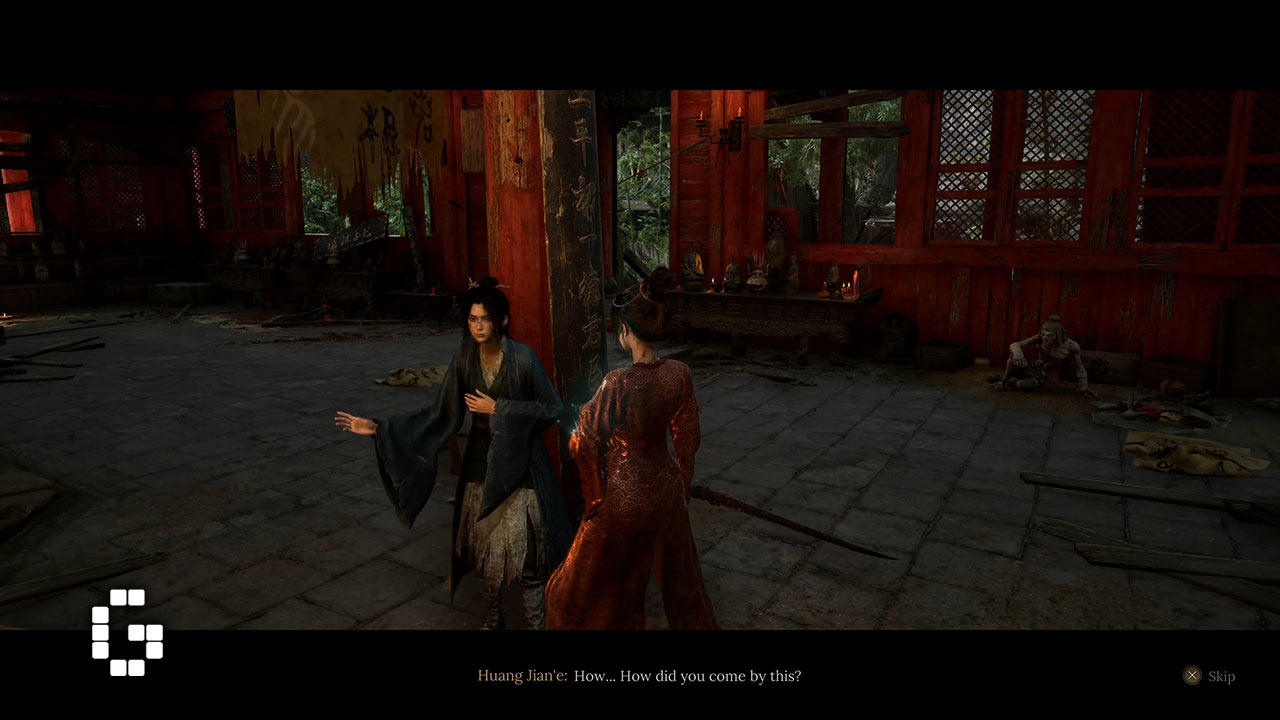
However, Wuchang’s personal story about finding her sister sometimes feels pushed aside. Clues about her sister are hidden in easy-to-miss objects, and they don’t really tell you much beyond some voice echoes. While Souls veterans might enjoy hunting for these details, players wanting a more direct emotional story might feel let down.
Combat That Demands Respect
WUCHANG’s combat follows the Souls-like playbook – you can’t button-mash your way to victory. Every enemy requires careful observation, precise timing, and smart positioning. You’ll dodge, attack, backstab, and die repeatedly until you learn to play smarter.
The weapon system offers five types: Long Swords, Axes, Spears, Dual Blades, and One-Handed Swords. Each feels like its own character class with unique moves and strategies. You can carry two weapons at once and switch between them during combat for some impressive-looking combos. Combat uses light and heavy attacks along with Skills and Spells that consume a resource called Skyborn Might.
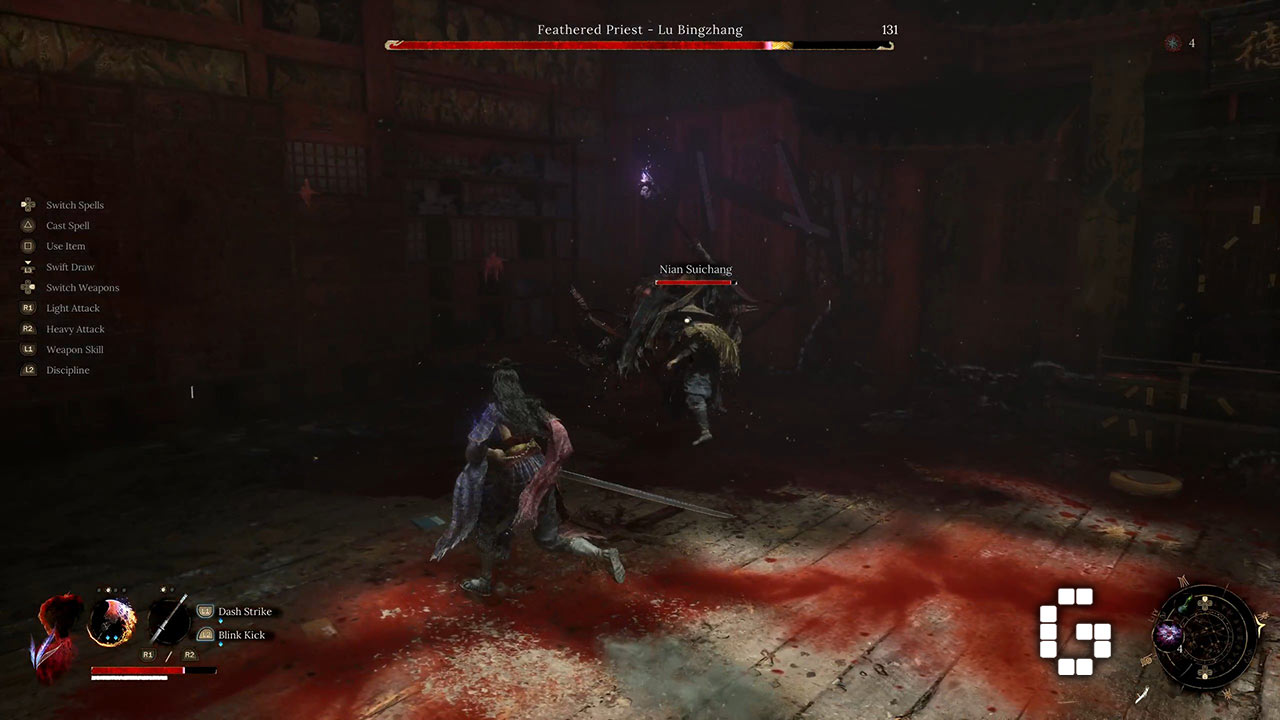
Skyborn Might is mostly earned by perfectly dodging attacks, though each weapon type has its own ways to generate more. Long Swords give you extra charges on second hits, while One-Handed Swords slowly regenerate it over time. The system encourages aggressive play while rewarding precise defensive moves.
The Madness system adds another layer of risk and reward. Every death, every human kill, and certain items increase your Madness level. Stay under 50% when you die and you’ll only lose a little currency. Go over that and you lose more, though you unlock some passive bonuses. At 90% or higher, you hit harder but take more damage, and if you die with high Madness, an evil clone called an Inner Demon spawns at your death spot. Early in the game, these demons are brutal and almost guarantee another death, but they disappear after killing you and your Madness resets.
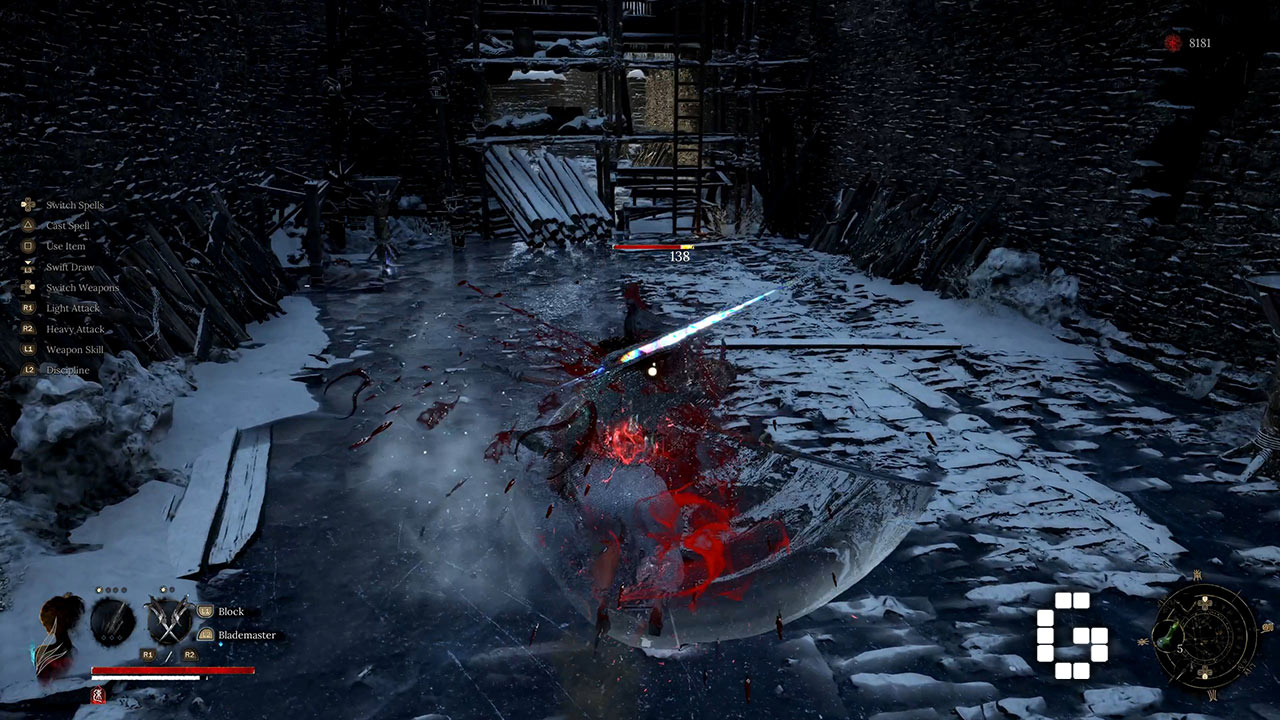
When everything clicks, combat feels like a martial arts movie with flowing dodges, weapon swaps, and stylish animations. But the early game is punishingly difficult. You start with low health and stamina while enemies hit extremely hard with oddly-timed attacks that mess with your rhythm. Boss fights vary wildly in difficulty – some overwhelm you with endless combos while others feel surprisingly easy.
Progression Done Right
One of WUCHANG’s strongest features is its progression system called the Impetus Repository. This skill tree splits into general upgrades and five weapon-specific trees that act like character classes. Beyond basic stats like health and stamina, the major nodes completely change how you play. Some unlock new defensive moves like parrying or weapon clashing, others give you new combo attacks, and many improve your Skyborn Might generation and usage.
The best part? You can respec for free anytime from the very beginning. Want to try a different weapon type? Reset your points and experiment. Found a boss that’s giving you trouble? Optimize your build specifically for that fight. This freedom encourages experimentation and removes the fear of making “wrong” choices.
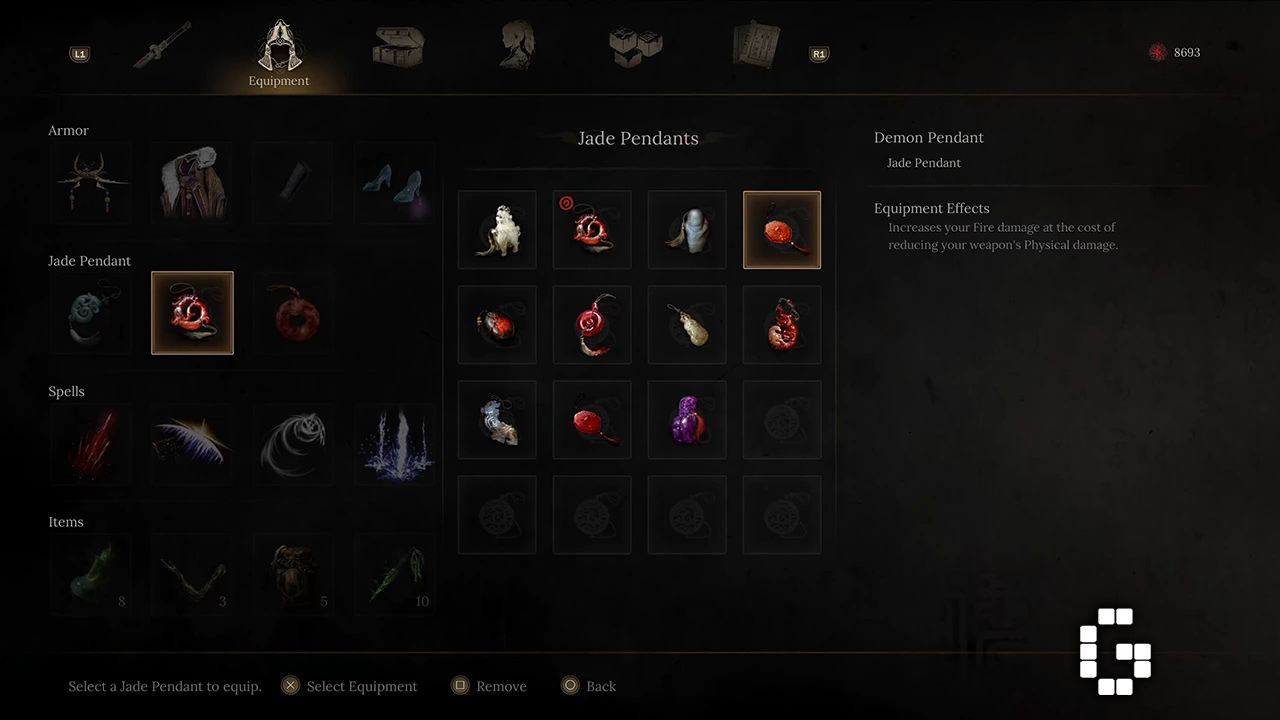
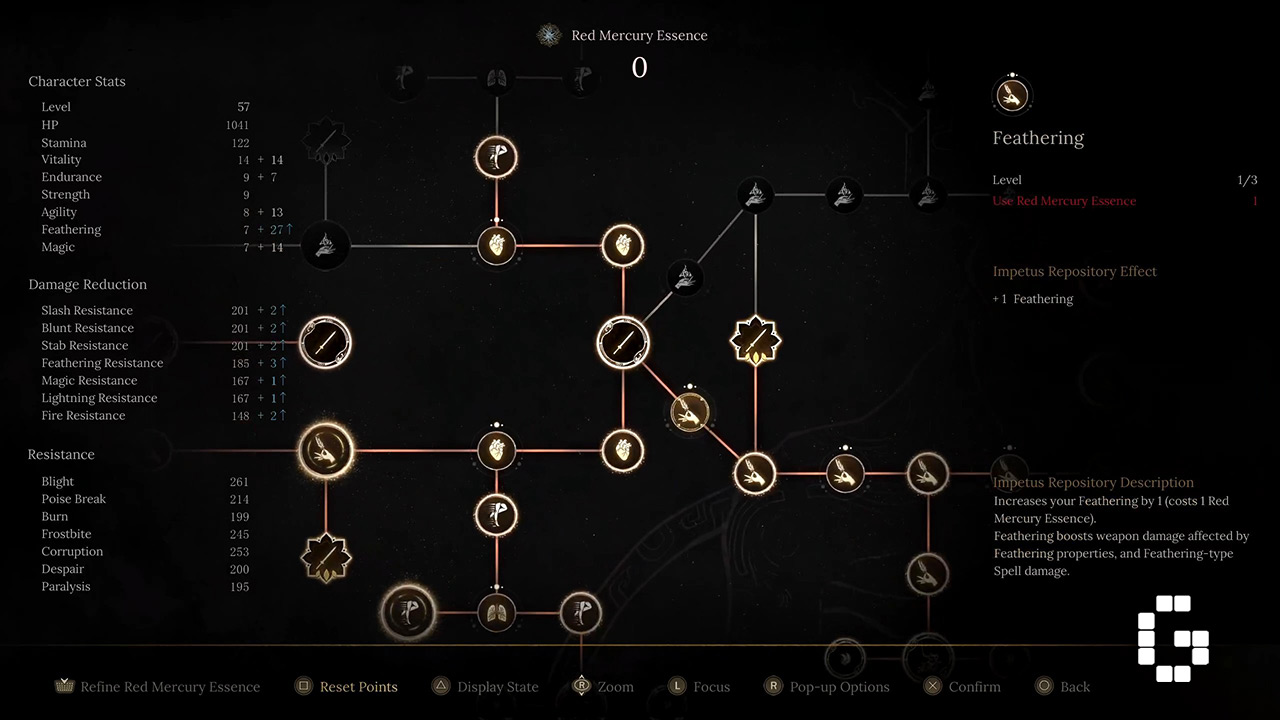
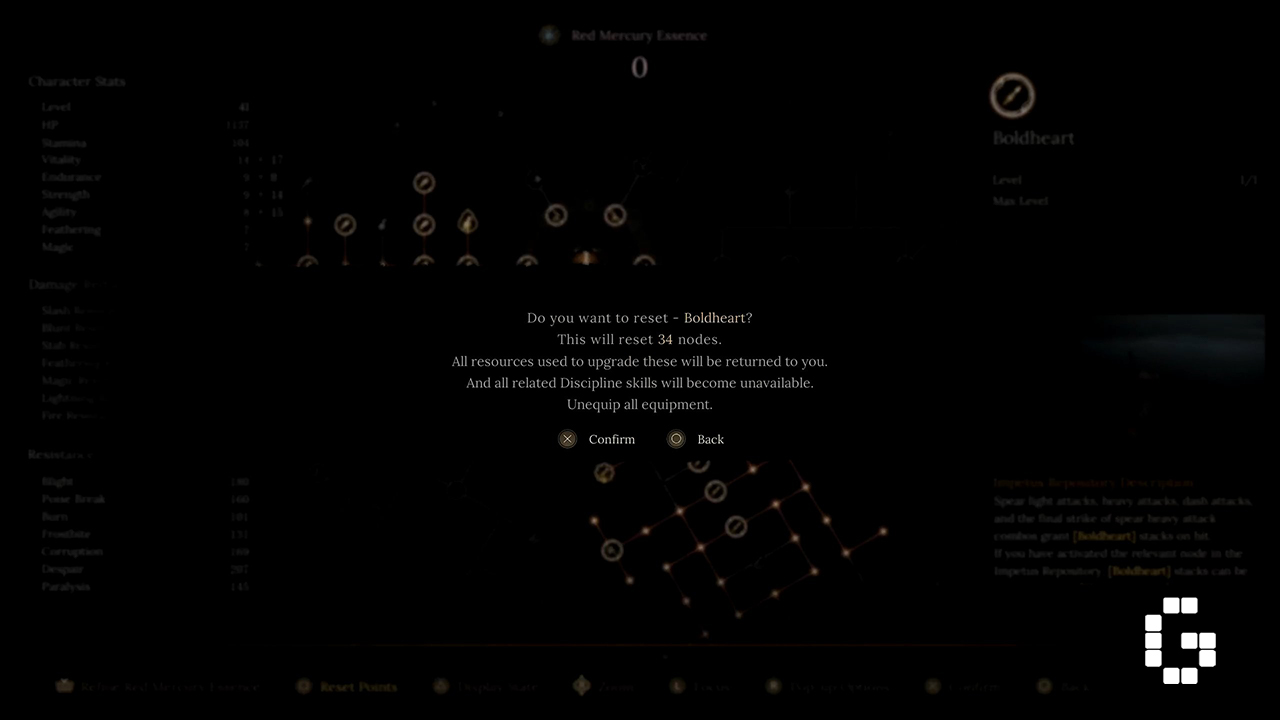
Weapon upgrading ties directly to the skill tree too. Instead of upgrading individual weapons, you unlock Weapon Mastery nodes that apply to all weapons of that type. Find a fancy new sword? It automatically benefits from all your previous upgrades. Switch weapon types entirely? Just reset your tree and move those points over.
Armor offers good variety with different resistances that actually matter in combat. You might swap from physical protection to elemental resistance depending on what you’re fighting. Thankfully, transmog is available immediately, so you can look however you want while staying properly protected. The only downside is the inventory lacks visual previews, so you’ll spend time opening and closing menus to see how different armor combinations look.
A World Worth Exploring
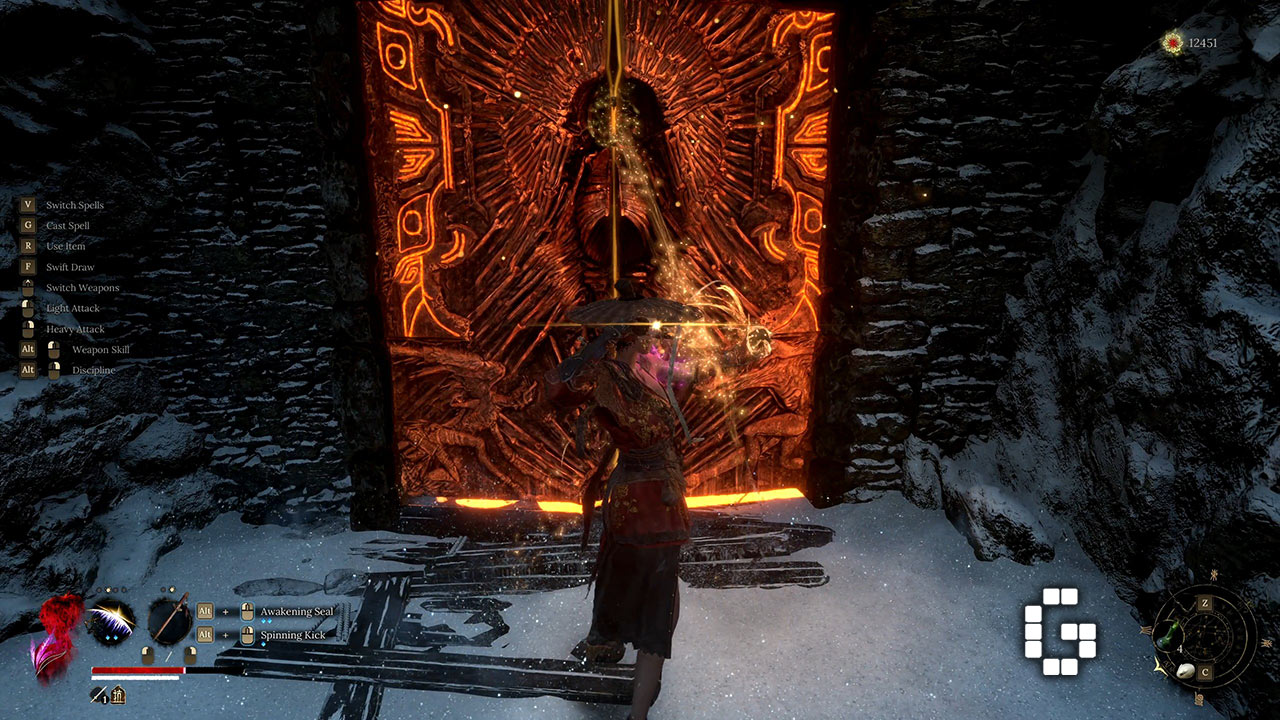
Exploration feels rewarding in WUCHANG: Fallen Feathers, with every path leading to something useful – items, hidden enemies, or shortcuts that cleverly loop back to familiar areas. The world design makes sense too, feeling like places where people actually lived and worked. Even in natural areas, you’re creating your own paths by knocking down trees for bridges or finding creative routes through the landscape.
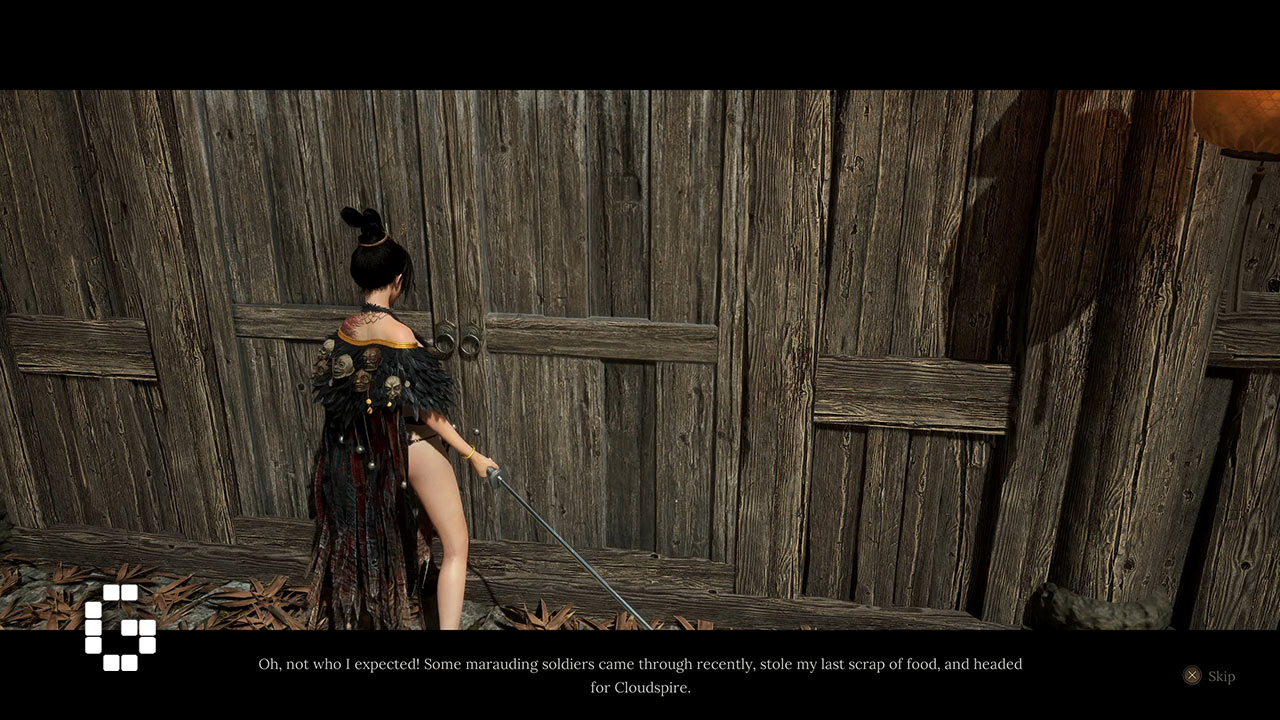
The “aha” moments when shortcuts connect distant areas never get old, and smart placement means getting back to where you died rarely feels like a chore. However, some areas suffer from confusing layouts where everything looks the same. Dense path networks that should feel interconnected instead become mazes where you might circle the same spot multiple times, potentially missing optional bosses or important NPCs.
Looks and Sounds
WUCHANG: Fallen Feathers may not push technical boundaries, but its art direction shines. Ornate temples, blood-soaked battlefields, and snow-covered mountain cities each feel distinct and atmospheric. Enemy designs blend feathered horrors inspired by mythic beasts with period-accurate armored soldiers, creating a unique visual identity rooted in Chinese culture.
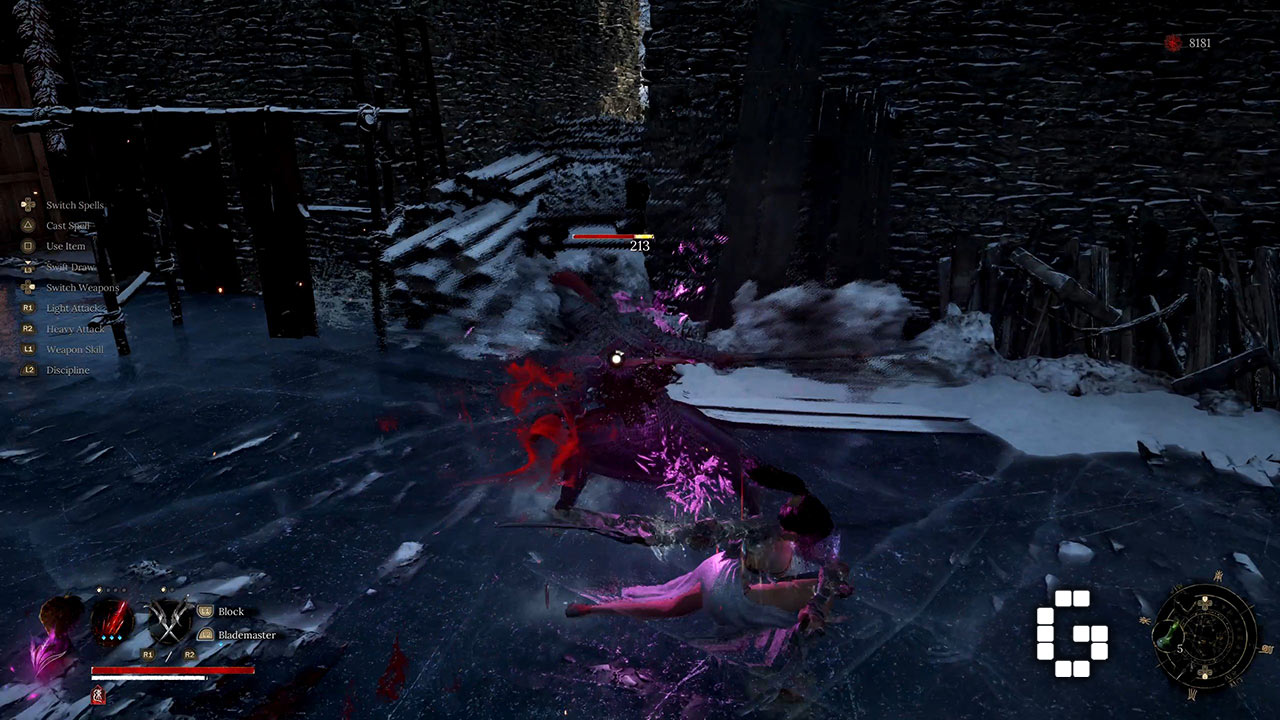
The soundtrack mixes traditional instruments with modern elements, adapting to each area appropriately. Quiet refugee camps get gentle strings while boss battles amp up the tension. The music supports the atmosphere well, though no individual tracks really stick in your memory.
Performance is solid on mid-range hardware. Running on a Core i5-13500 with RTX 4070 SUPER at 1440p, the game maintains 70-80 FPS on max settings with DLSS Balance mode, only dropping to 60 FPS in the most detailed areas.
Verdict
WUCHANG: Fallen Feathers succeeds in creating a unique Souls-like experience wrapped in Chinese martial arts culture. The combat system, once mastered, offers deep and satisfying gameplay with excellent progression mechanics that encourage experimentation. The world design and visual style create an immersive experience that feels both familiar and fresh.
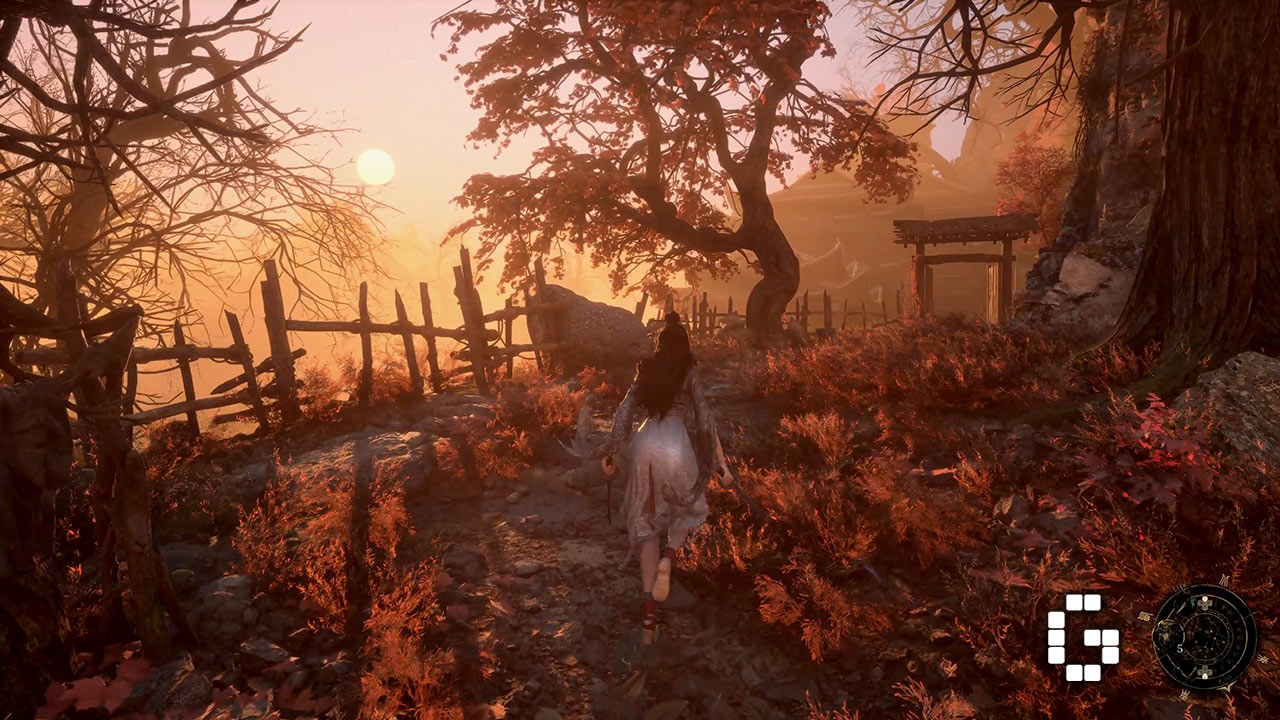
However, the game’s early hours are genuinely punishing in ways that feel unfair rather than challenging. Starting with minimal health and stamina while facing enemies with massive damage and confusing timing creates frustration that might drive players away before they experience the game’s strengths. Some areas also suffer from maze-like layouts that work against the otherwise excellent exploration.
If you enjoy challenging games that reward persistence and don’t mind a rough start, WUCHANG eventually reveals itself as a rewarding and unique take on the Souls formula. The free respec system and flexible progression make it more approachable than many similar games, but you’ll need to push through some genuinely frustrating early moments to reach the good stuff underneath.
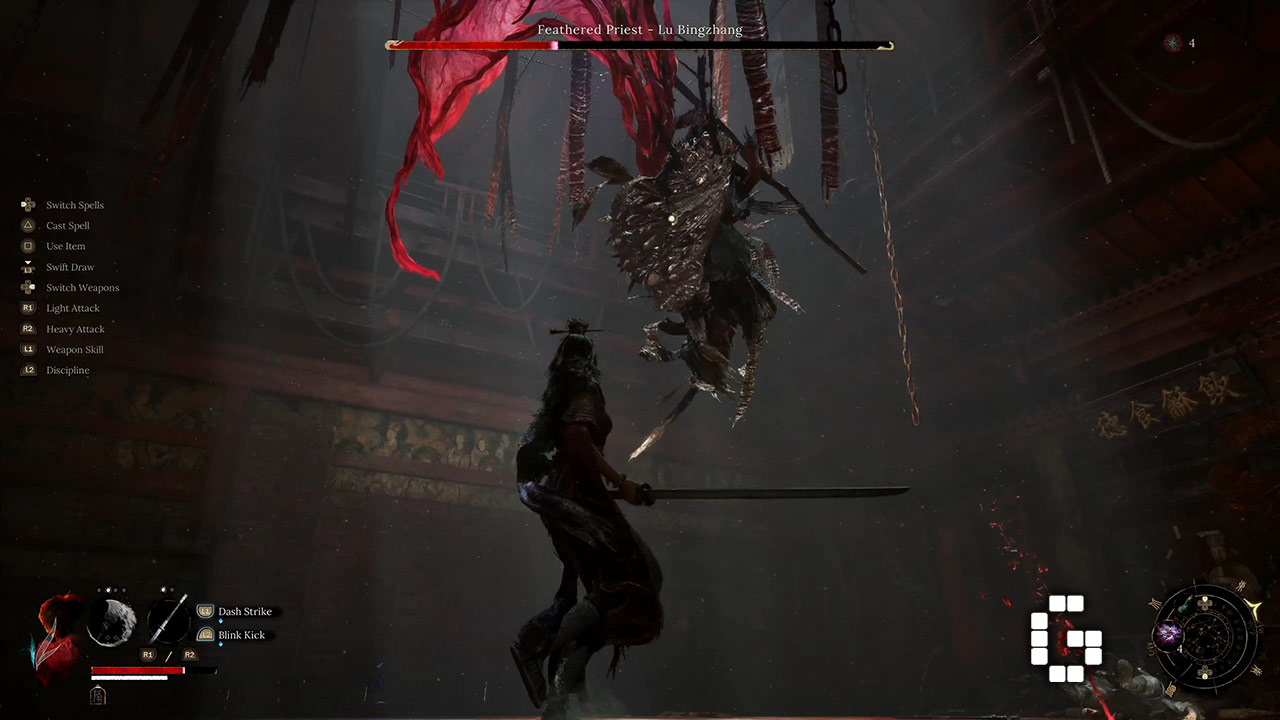
For patient players willing to learn its systems, WUCHANG: Fallen Feathers offers a distinctive martial arts adventure that stands apart from other Souls-likes. Just be prepared for a steep learning curve that might test your dedication before the game shows you what it’s really capable of.
The Review
WUCHANG: Fallen Feathers
PROS
- Distinct Wuxia‑Souls world with mythic Chinese aesthetics and strong environmental storytelling
- Deep, strategic combat featuring Skyborn Might, Madness risk‑reward, and dual‑weapon combos.
- Highly flexible progression: Impetus Repository trees, free respecs, easy weapon leveling, and full transmog.
- Rewarding exploration with branching paths, hidden rewards, and easy NPC tracking via the teleport menu.
- Rich side‑quest design and multiple endings that boost replay value.
CONS
- Unbalanced brutal early‑game difficulty that punishes players that are still learning the game.
- Confusing, maze-like level layouts in some areas that are confusing can detract from exploration enjoyment and make players miss quests or optional bosses.
- Narrative imbalance, Wuchang’s personal quest often gets overshadowed by political conflict and Feathering mysteries that makes the game lose personal goal.
![[GUIDE] JoJo’s Bizarre Adventure: Golden Spirit Codes and How to Redeem Them](https://cdn.gamerbraves.com/2026/09/JoJos-Bizzare-Adventure-Golden-Spirit-Redeem-Codes_News_FI-350x250.jpg)

![[GUIDE] The Seven Deadly Sins: Origin Codes & How to Redeem Them](https://cdn.gamerbraves.com/2026/09/Seven-Deadly-Sins_-Origin-Tier-and-Codes_News_FI-1-350x250.jpg)