




![[EXCLUSIVE] Brendan Gan Delivers One of Malaysia’s Best-Ever Worlds Results, Shares Thoughts on Pressure and the Local Scene](https://cdn.gamerbraves.com/2026/08/Brendan-Gan_Interview_FI-360x180.jpg)






![[BIC2026] Hiroaki Nagashima from Toei Games Talks New IPs, Indie Roots, and Asia-First Strategy](https://cdn.gamerbraves.com/2026/08/Toei-Games-BIC-2026_Interview_FI-360x180.jpg)
![[BIC2026] From Outsider to Organizer: How Isabella Seo Jungsook Helped Build Busan’s Indie Game Scene through BIC](https://cdn.gamerbraves.com/2026/08/Isabella-BIC-2026_Interview_FI-360x180.jpg)
![[BIC2026] CanOpener’s Logan Moon Opens Up About Dungeon Settlers Ahead of Its September Early Access Launch](https://cdn.gamerbraves.com/2026/08/Logan-Moon-BIC-2026_Interview_FI-360x180.jpg)



The mobile gaming landscape is littered with shut-down servers and discontinued titles. If you’ve ever invested time and money into a gacha games, you’ve probably seen the dreaded “End of Service” announcement pop up in your news feed. It’s frustrating, disappointing, and raises an important question: why do so many gacha games close down, often within just a year or two of launch?
The Numbers Tell a Harsh Story
The answer isn’t as simple as “the game was bad” or “nobody played it.” The reality involves complex business calculations, player retention challenges, and the unique economic model that makes gacha games both profitable and vulnerable. Recent data from Japan paints a sobering picture: research by gacha game specialist Ayashii Rinjin shows that out of roughly 2,200 live-service titles tracked, over 70% ended their services before reaching their third year.
ソシャゲが3年で死ぬというソースを調べていてふと自分が集めた現在約2200件あるサービス終了リストの集計を見たら3年目までに終了したゲームが7割ぐらいで、ウ、ウワー!!ってなってる pic.twitter.com/k7N1u3whZy
— 怪しい隣人 (@BlackHandMaiden) November 12, 2025
The statistics reveal just how risky the gacha game business model is. According to Rinjin’s database, 28 titles closed within the first three months, followed by 163 more by the six-month mark. The numbers grew rapidly after that, with 501 games ending service in their first year, 554 titles during their second year, and another 295 before reaching year three.
This pattern shows that the second year is the most dangerous period for gacha games. It’s when the initial launch excitement has worn off, but the game hasn’t yet built the stable, long-term player base needed for survival.
The Gacha Graveyard
The gacha graveyard continues to grow with notable titles from major publishers. Square Enix, despite being a major player in the space, has faced repeated shutdowns:
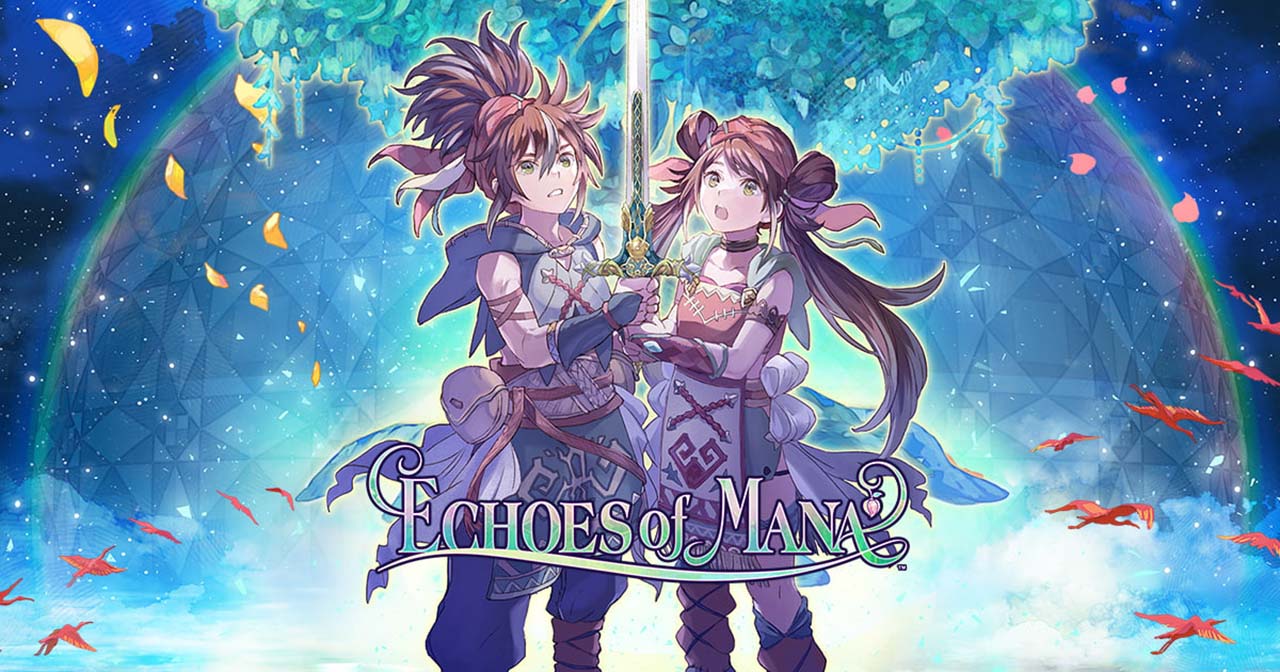
Echoes of Mana (2022-2023) launched in April 2022 and closed in May 2023, lasting just over a year. Despite being part of the beloved Mana series, the game couldn’t maintain enough revenue to justify continued operation.
Final Fantasy: Brave Exvius (2016-2024), which generated approximately $896 million in lifetime revenue, still shut down its global version in October 2024 after eight years. The game’s revenue had declined significantly, earning only $21.9 million in 2023 and $9.9 million in the first eight months of 2024. Even with nearly $900 million earned over its lifetime, declining revenue made the game unsustainable.
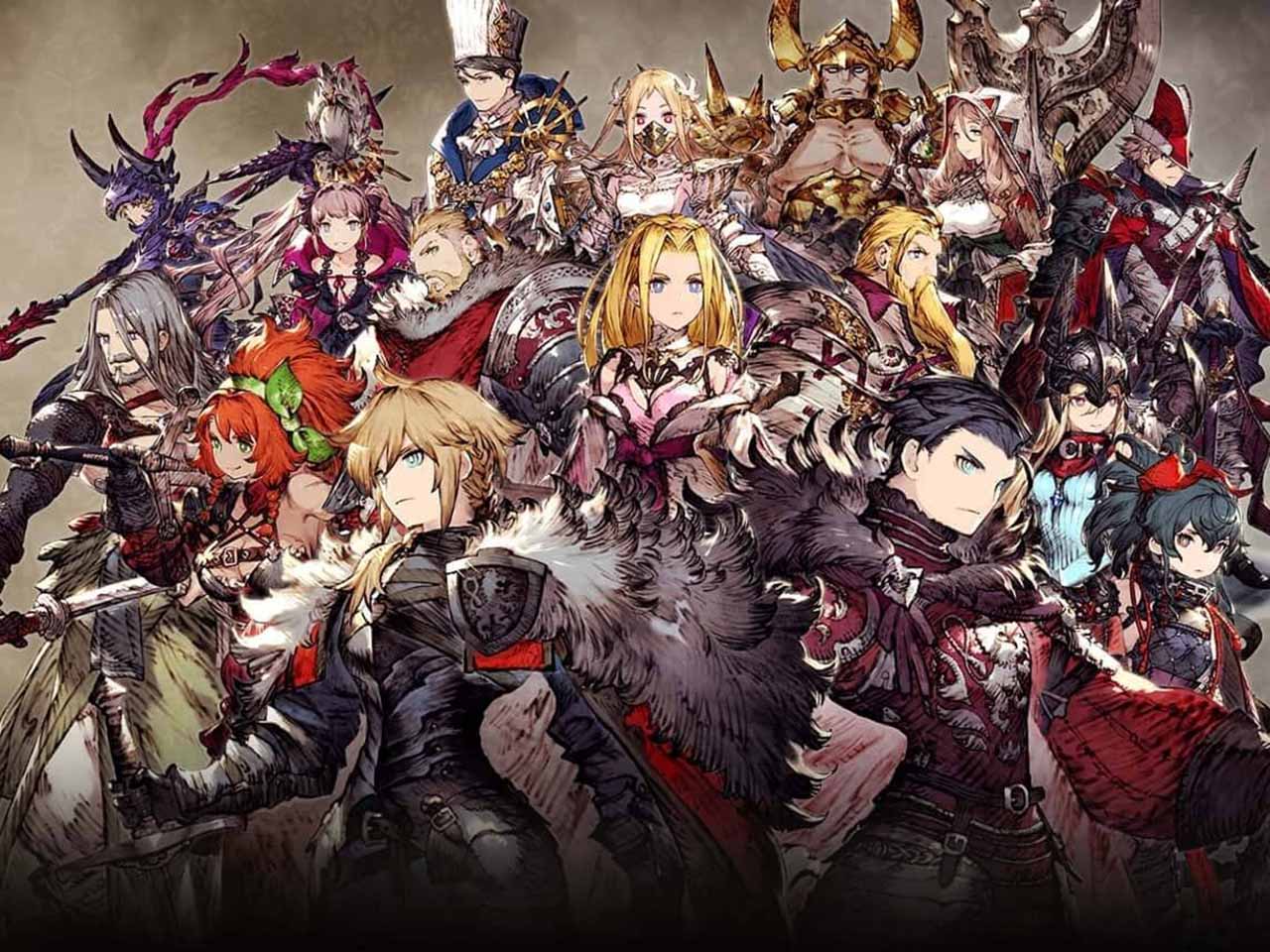
War of the Visions: Final Fantasy Brave Exvius (2020-2025), shut down globally on May 29, 2025, following the closure of its predecessor. The tactical RPG ran for about five years, which is considered decent longevity in the gacha space, but still ultimately couldn’t maintain profitability.
Atelier Resleriana (2024-2025) and Soul Tide (2022-2025) both announced their closures in early 2025. Atelier Resleriana’s announcement was particularly controversial as it came just after the game’s 1st-anniversary event and before the conclusion of its major story arc in Chapter 21.
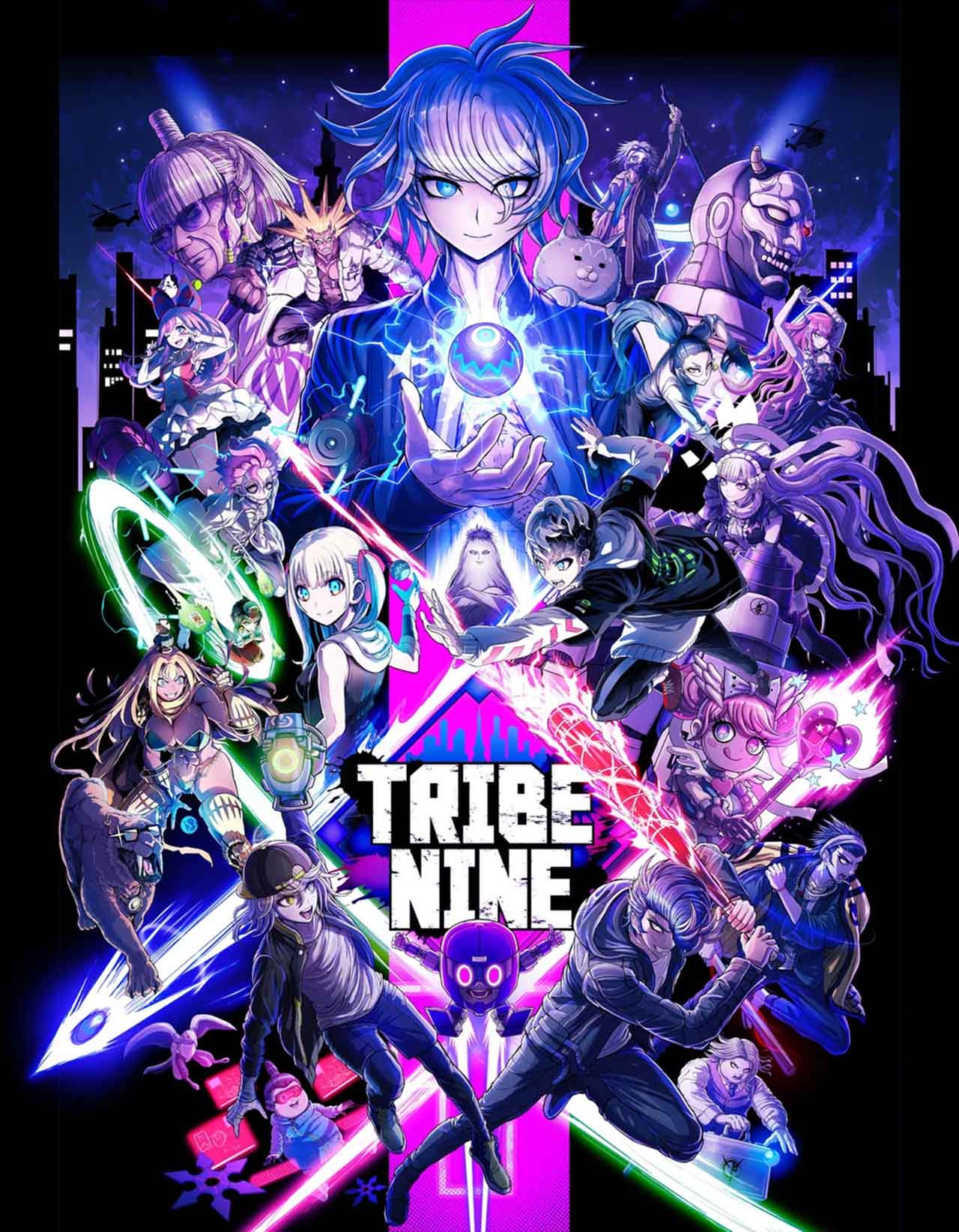
Tribe Nine (2025), developed by Akatsuki Games in collaboration with Danganronpa creators, closed in less than a year, despite having a strong creative pedigree behind it.
Another was Love Live! School Idol Festival 2 Miracle Live, which announced both its release date in February 2024 and its shutdown date of May 31, 2024, giving players only about three months with the game.
The High Cost of Keeping Games Running
Unlike traditional games that you buy once and play offline, gacha games need constant support. Servers don’t run themselves, and neither do live service games.
Every gacha game requires ongoing expenses: server maintenance, regular content updates, new character development, voice acting, artwork, bug fixes, and customer support. Development teams need salaries. Marketing campaigns need funding. These costs add up quickly, and they never stop.
A gacha game needs to bring in enough revenue not just to cover these operational costs, but to generate profit. When the money coming in drops below what’s going out, the game becomes unsustainable. Publishers have to make a choice: pump more money into a declining product or cut their losses.
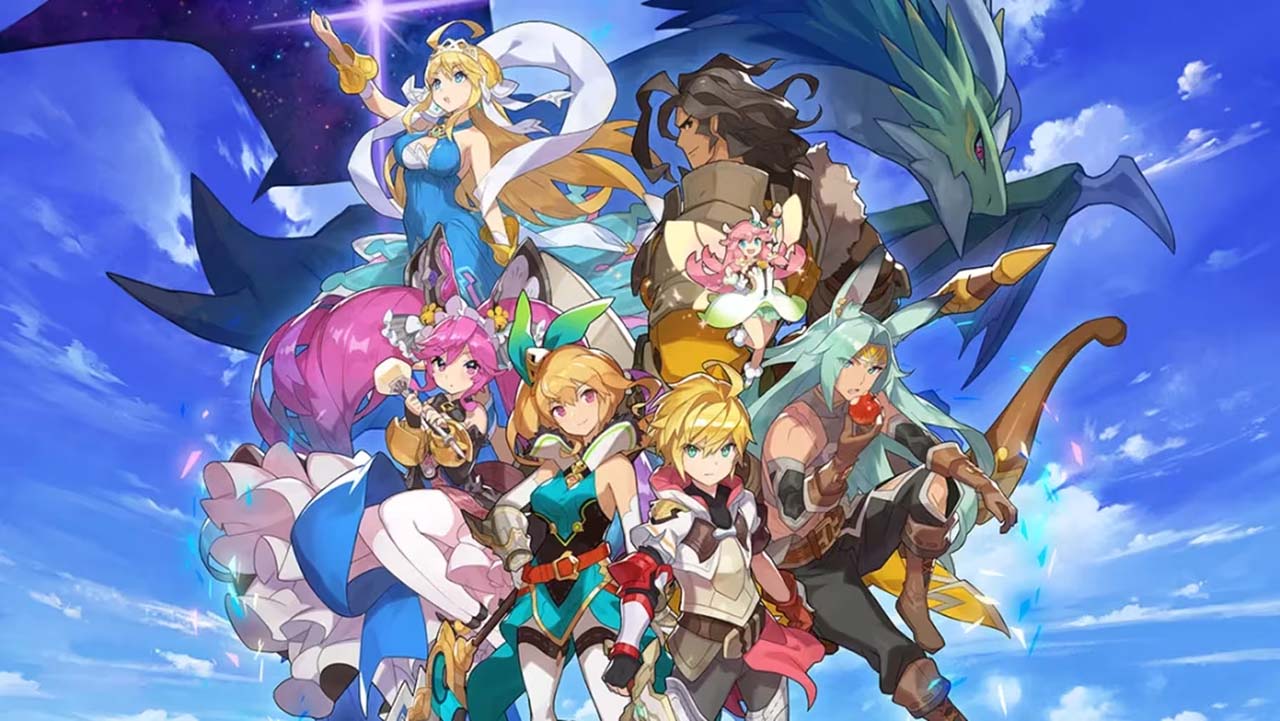
Long-running games face another challenge: technical debt. As one Japanese gacha game programmer noted, after 10 years of operation, a game’s code accumulates so much technical debt that it becomes impossible to pay it back. This was cited as one of the reasons for Dragon Quest of the Stars’ closure after a decade of service.
Updates and new features build on top of old code, creating complex systems that become increasingly difficult and expensive to maintain. Eventually, the effort required to keep the game running smoothly outweighs the revenue it generates.
The Revenue Decline Problem
Most gacha games follow a predictable revenue pattern. There’s usually a strong launch period when curious players download the game and early spenders invest heavily. But this initial surge rarely lasts.
Player counts naturally decline over time. Some people move on to newer games. Others get bored with the gameplay loop. Some feel frustrated by power creep or gacha rates. When the player base shrinks, so does the revenue.
The gacha model depends heavily on a small percentage of high-spending players, often called “whales.” If these key spenders leave or reduce their spending, revenue can drop dramatically. A game might still have thousands of active players, but if they’re not spending enough to cover operational costs, the game is on borrowed time.
The Content Treadmill: A Never-Ending Race
One of the biggest challenges gacha games face is the constant demand for fresh content. Players expect regular updates—new characters, story chapters, events, game modes, and seasonal celebrations. This creates a content treadmill that development teams must keep running on indefinitely.
Unlike premium games where developers can release a finished product and move on (with occasional patches or DLC), gacha games require continuous content production. A typical gacha game might release new characters every few weeks, major story updates monthly, and special events constantly rotating. Each piece of content requires:
- Character designers and artists to create new units
- Writers to develop storylines and dialogue
- Programmers to implement new mechanics and features
- Quality assurance teams to test everything
- Voice actors to record lines (often in multiple languages) – Marketing teams to promote new content
This content roadmap never stops. The moment a development team slows down or takes a break, players notice. Engagement drops, complaints rise, and competitors swoop in with their own fresh content. The pressure to maintain this pace burns out teams and drains budgets.
The Brutal Competition
The gacha gaming space is one of the most competitive markets in the entire gaming industry. At any given moment, dozens of new gacha games are launching while hundreds of existing titles fight for player attention and wallets.
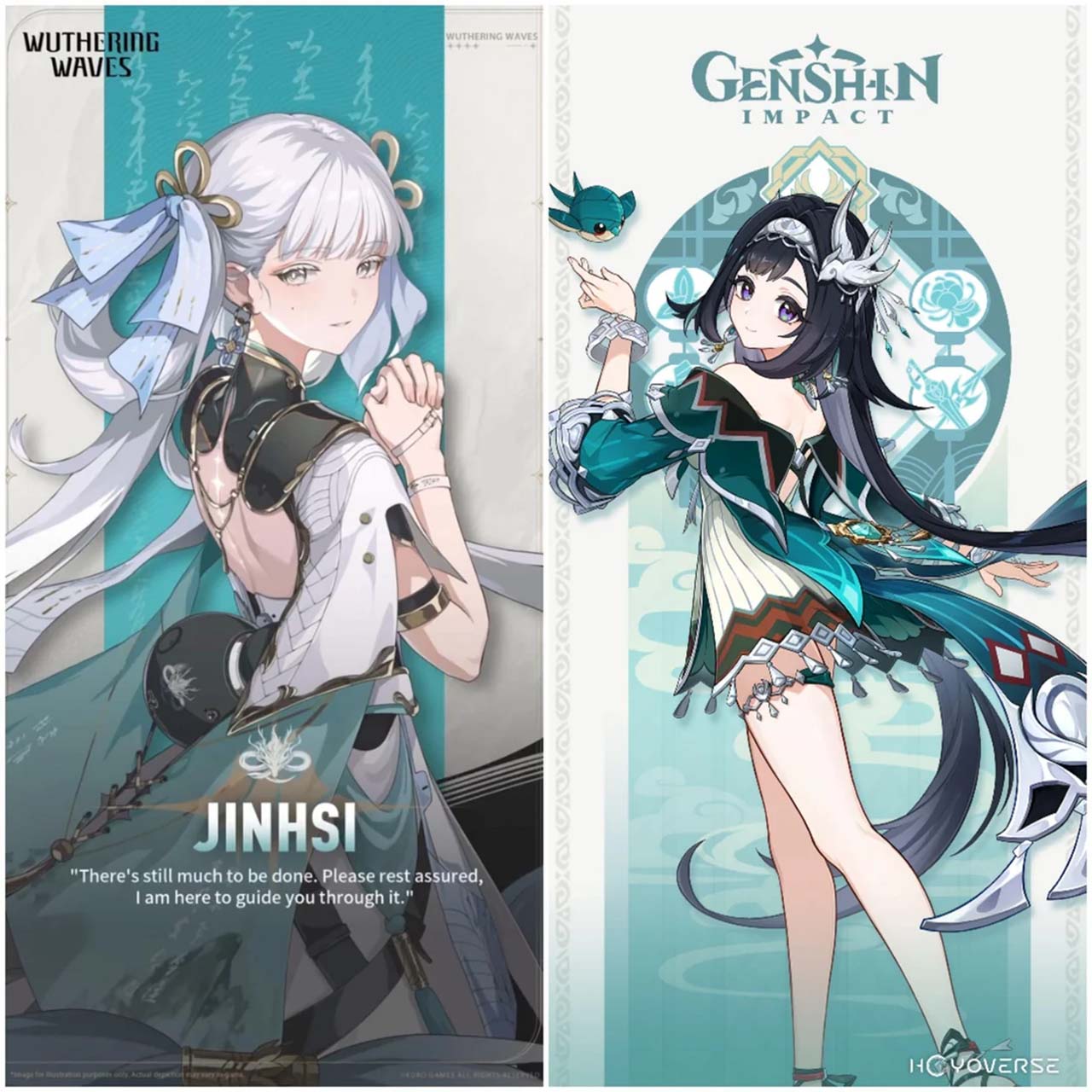
Players have limited time and money. If someone is deeply invested in Genshin Impact or Honkai: Star Rail, they’re less likely to pick up a new gacha game that demands similar daily commitment. This creates a winner-takes-most scenario where the top games dominate while smaller titles struggle to find an audience.
The competition is particularly fierce in Japan and Asia, where the gacha model originated and the market is most saturated. Western markets are somewhat less crowded, but they face different challenges—players in these regions are often less familiar with gacha mechanics and may be more resistant to the monetization model.
This brutal environment means that even good games can fail simply because they launched at the wrong time or couldn’t differentiate themselves enough from established competitor
Why Early Announcements Happen
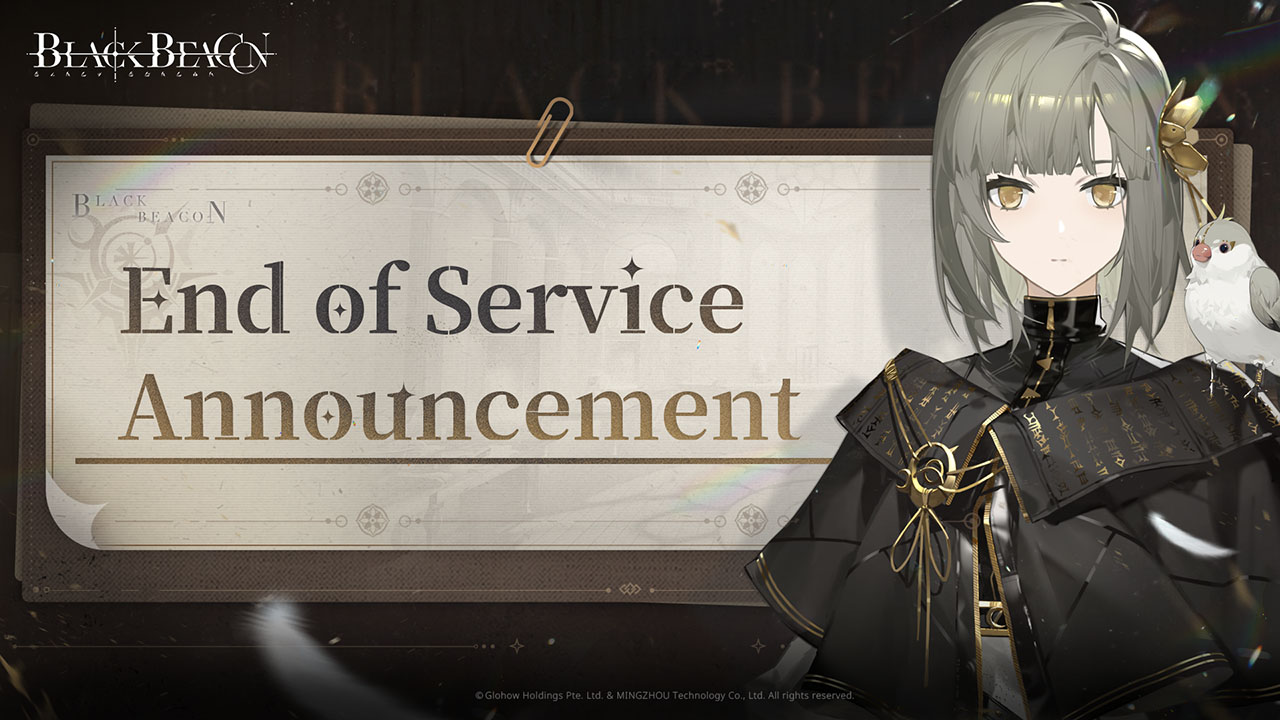
When a publisher decides to shut down a gacha game, they typically announce it weeks or months in advance. This isn’t just courtesy—it’s often required by platform policies and consumer protection regulations.
Early announcements serve several purposes. They give players time to use remaining premium currency, complete storylines they care about, and say goodbye to communities they’ve built. They also reduce the risk of legal issues from players who might have purchased currency just before an unexpected shutdown.
From a business perspective, early announcements also help manage refund requests and customer service loads. Players are generally more understanding when they have advance notice rather than finding the servers simply shut off one day.
The Free-to-Play Paradox and Rising Bar
The irony of gacha games is that their accessibility contributes to their vulnerability. Because these games are free to download, they attract massive audiences at launch. But free access also means low commitment.
Players can try dozens of gacha games without spending a cent. If a game doesn’t immediately hook them, they move on. This creates fierce competition where only the most engaging, most generous, or most popular games survive long-term.
Here’s the harsh reality: a game can have millions of downloads and still lose money. Server costs, bandwidth, customer support, and ongoing development expenses add up quickly. If those millions of players aren’t converting to paying customers at a high enough rate, the game operates at a loss.

You could theoretically have 10 million players, but if only 1% spend money and their average spending is too low to cover operational costs, the game is doomed. This is why gacha games often focus so heavily on converting free players into spenders and encouraging existing spenders to spend more.
Established franchises with existing fan bases (like games based on popular anime or major gaming IPs) have better survival rates. They start with built-in audiences who are more likely to spend and stick around. Original IP gacha games face steeper challenges in building loyal communities.
The debut of Genshin Impact in 2020 significantly raised the bar for gacha games in terms of gameplay and story depth, making competitors (especially Japanese games) feel shallow in comparison. This has forced developers to invest more in production quality, which in turn raises development costs and the revenue threshold needed for profitability.
The market, particularly in Japan, shows signs of saturation. With thousands of gacha games competing for attention, standing out becomes increasingly difficult. Even games with decent player bases can struggle when the overall market is oversaturated.
When Games Close Despite Having Players
One of the most confusing situations for players is when a seemingly active game announces closure. The servers are populated, events are running, and the community seems engaged—so why shut down?
The answer usually comes down to profitability thresholds. A game might have 50,000 active players, but if revenue is only covering 60% of operational costs, it’s losing money every month. Publishers look at trends: if revenue has been declining for six months straight with no signs of recovery, they make the hard decision to close rather than continue bleeding money.

Some publishers also consider opportunity cost. The team working on a dying game could be developing a new title or supporting a more profitable existing game. Resources are finite, and companies direct them toward projects with better returns.
Regional Shutdowns and Global Services
Sometimes gacha games shut down in specific regions while continuing elsewhere. A game might thrive in Japan but struggle in Western markets, leading to an English server closure while Japanese servers keep running.
This happens because different regions have different player preferences, spending habits, and competition levels. Localizing and maintaining separate servers costs money. If a regional version isn’t profitable enough, publishers cut it rather than subsidize it with revenue from successful regions.
The Final Fantasy: Brave Exvius case demonstrates this clearly—the global version shut down in October 2024, while the Japanese version continued operating until its announced closure in October 2025.
The Publisher Reputation Problem
Square Enix’s string of mobile game shutdowns illustrates another challenge: damaged player confidence. When a publisher repeatedly closes games after short lifespans, players become hesitant to invest time or money in their new releases. This creates a cycle where games struggle to find an audience, then shut down early, further damaging the publisher’s reputation.
What This Means for Players
For players, the reality of gacha game closures is something to consider before investing heavily. Recent data shows that most gacha games don’t make it past their second year. Even successful games that generate hundreds of millions in revenue can eventually shut down when that revenue declines.
Communities, friendships, and memories from these games have value regardless of how long servers stay online. But the digital nature of gacha games means everything can disappear when the servers shut down—no offline mode (with rare exceptions like Konosuba: Fantastic Days in Japan), no way to revisit your collection, just gone.
Understanding why gacha games close doesn’t make it less disappointing when your favorite shuts down. But it does reveal the complex business realities behind these services, and why that EoS announcement often comes earlier than players expect. In a market where over 70% of games fail before their third anniversary, every gacha game you play is essentially a gamble on whether it will be among the survivors.