






![[EXCLUSIVE] Dragon’s Dogma 2: Dark Arisen Team Opens Up About the Expansion’s Name, New Norgan Region, and Performance Goals](https://cdn.gamerbraves.com/2026/07/Dragons-Dogma-2-Dark-Arisen_Interview_FI-360x180.jpg)



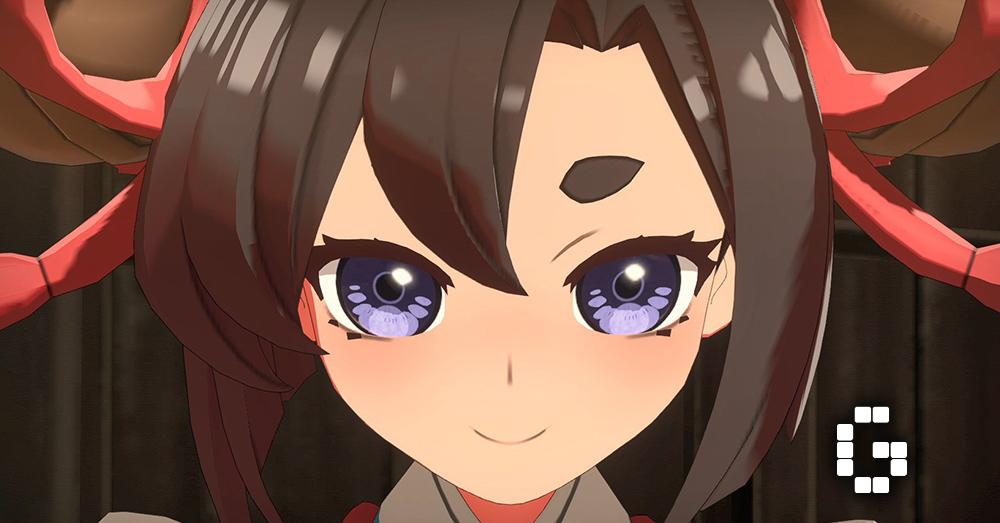
Towa and the Guardians of the Sacred Tree is a new roguelite game from Brownies, the studio known for creating the Doraemon Story of Seasons series. This collaboration with Bandai Namco brings their signature painting-like visual style to a fantasy setting, and the results look even better than their previous work.
While the familiar art style might catch your eye immediately, the game’s approach to storytelling and character-focused gameplay sets it apart from other entries in the roguelite space. Rather than the typical focus on challenging runs and gameplay mechanics above all else, this title places equal weight on narrative depth and character development, creating an experience that feels more like a hybrid between genres than a traditional roguelite.
A Story-Heavy Roguelite
Unlike most roguelite games that focus mainly on gameplay, this title puts heavy emphasis on its narrative. The story takes place in a fantasy world inspired by ancient Japan, following a young girl named Towa who has been chosen by the god Shinju to protect a village of his followers. The village sits near a great tree where the deity lives, but peace doesn’t last forever.
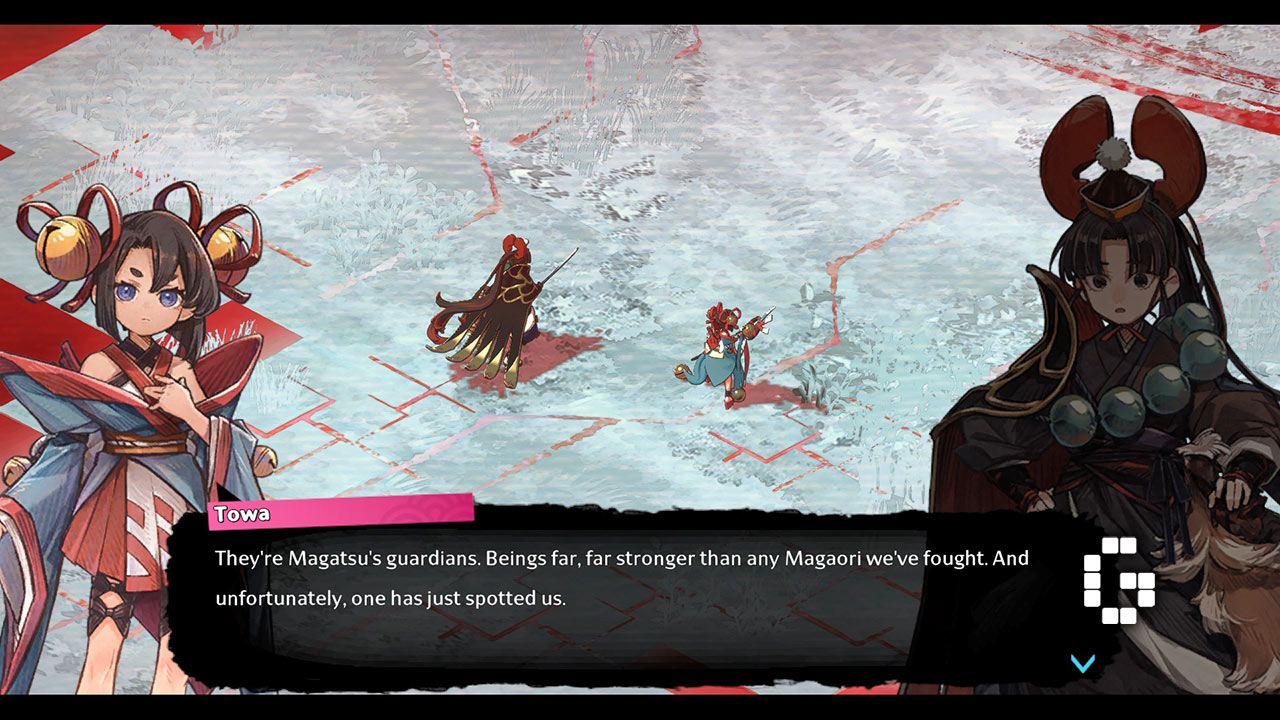
Trouble comes when an evil god called Magatsu tries to corrupt the flow of mana and creates dangerous monsters known as the Magaori. These creatures eat mana and spread a deadly poison called miasma across the land. Towa fights alongside eight companions called the “Prayer Children” to defend their home. However, Magatsu manages to separate Towa from her allies by sending them to another realm where time works differently. Now they must find each other again to save their village.
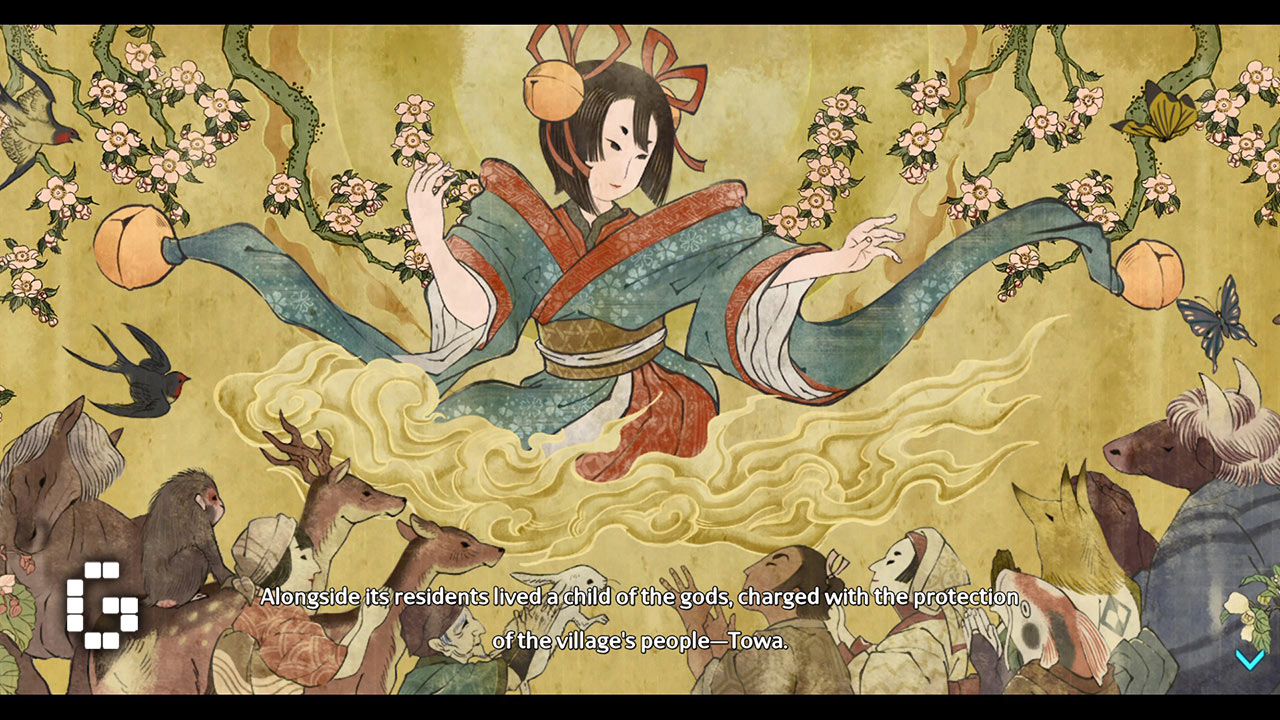
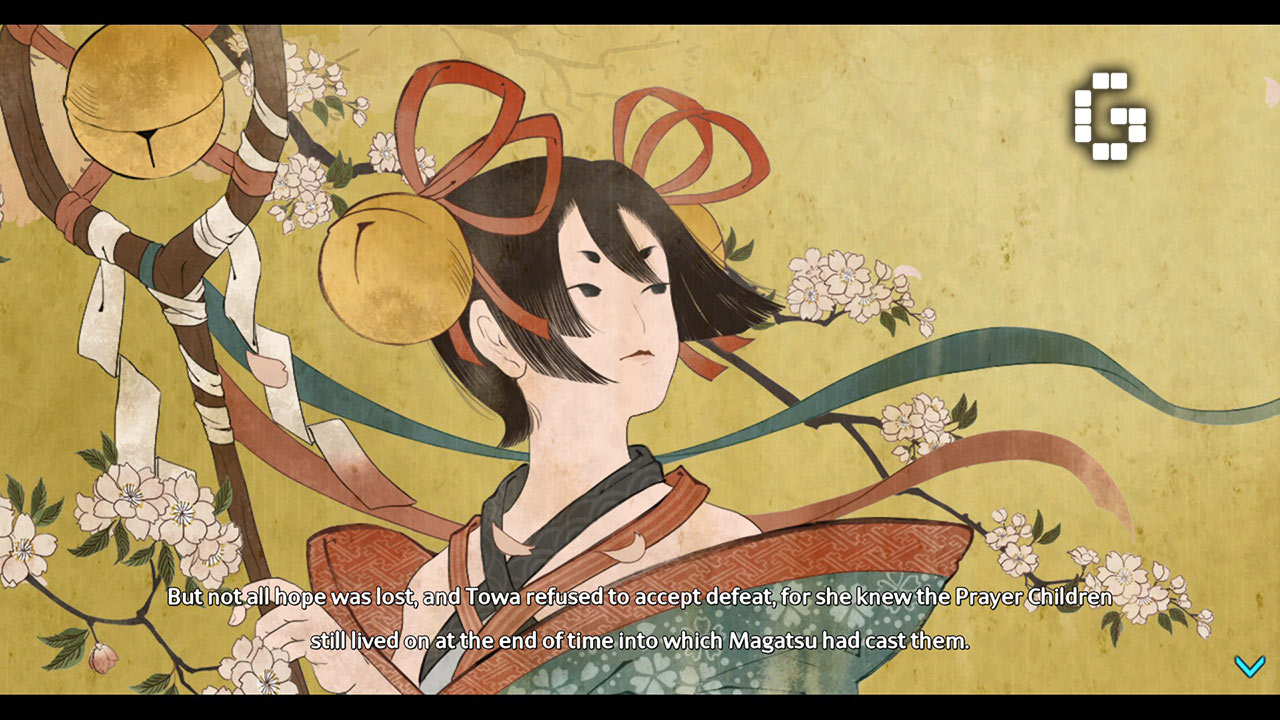
The game includes much more dialogue and story content than typical roguelites. From the opening with beautiful artwork and narration to character conversations during village time and expeditions, there are few quiet moments. Early hours might even feel like there’s more talking than playing, depending on how fast you progress. This makes the experience feel more like a JRPG or visual novel than a standard roguelite. The developers even added a “Story Mode” difficulty setting to make the narrative more accessible, though you can switch to “Normal” difficulty anytime for more challenge.
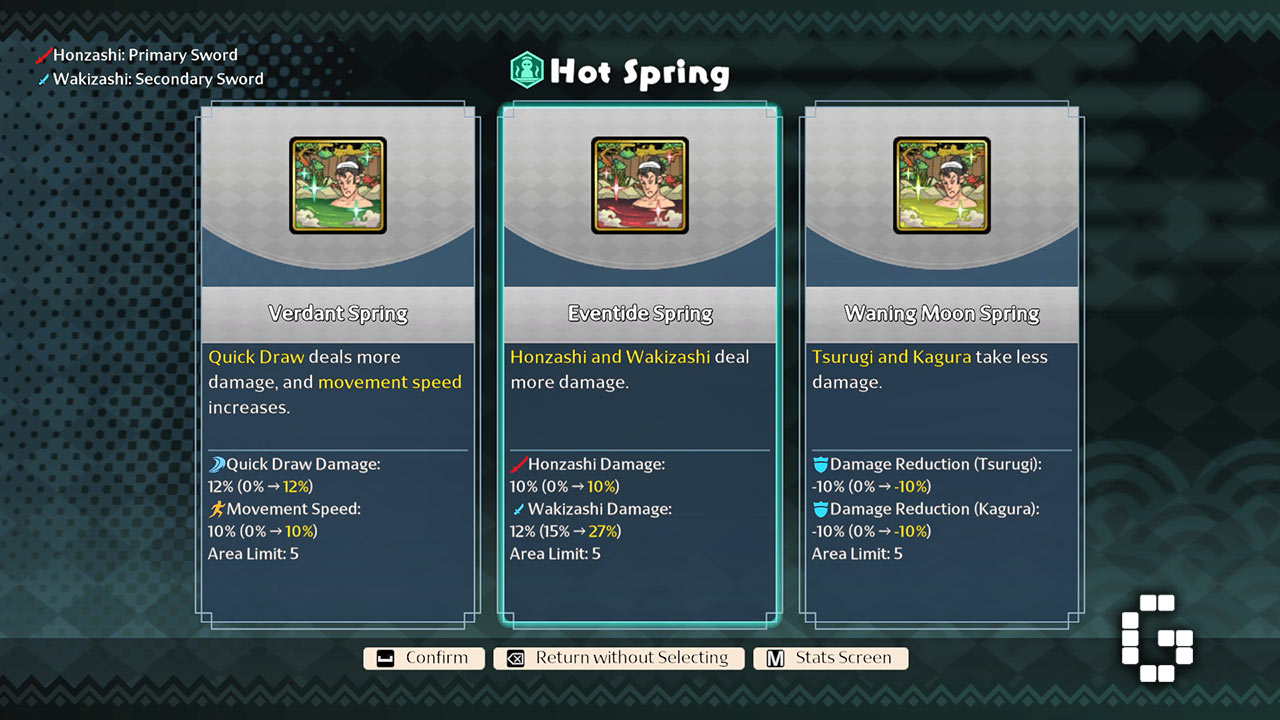
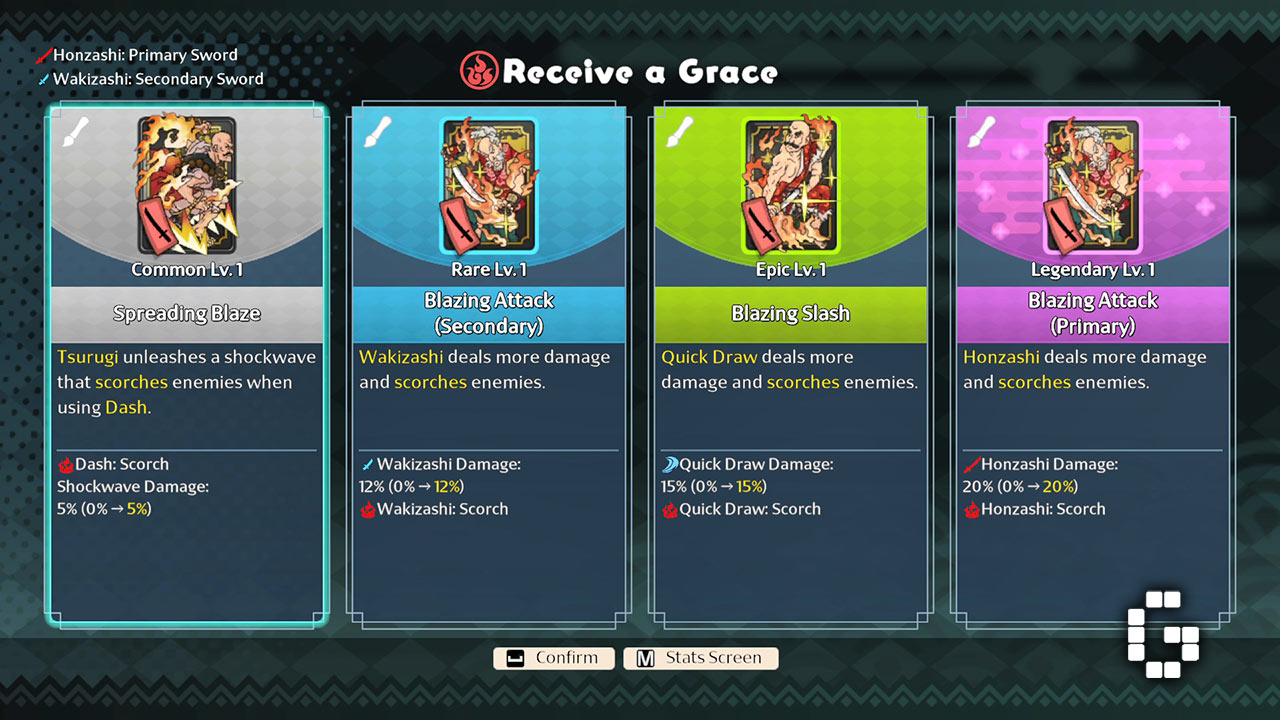
The roguelite features work as expected. You move through branching stages filled with enemy waves, earn rewards based on how well you perform, and strengthen your character with buffs or special items called Grace. Each Grace item has different rarity levels and useful effects – even common ones feel worthwhile, making the system easy to understand for newcomers. You’ll also collect materials to boost stats and unlock more upgrades.
Unique Two-Character Combat System
The gameplay introduces an interesting twist with its two-person party system. You can pick any two characters for different roles: the Tsurugi acts as your main fighter that you control directly, while the Kagura provides ranged support but can also be controlled manually when needed.
All Prayer Children can be played in either role, though some work better in certain positions. The Tsurugi character uses two weapons – the Honzashi and Wakizashi – that must be switched back and forth. You can’t stick with just one weapon because both have limited durability that only recovers when you swap them using Quick Draw.
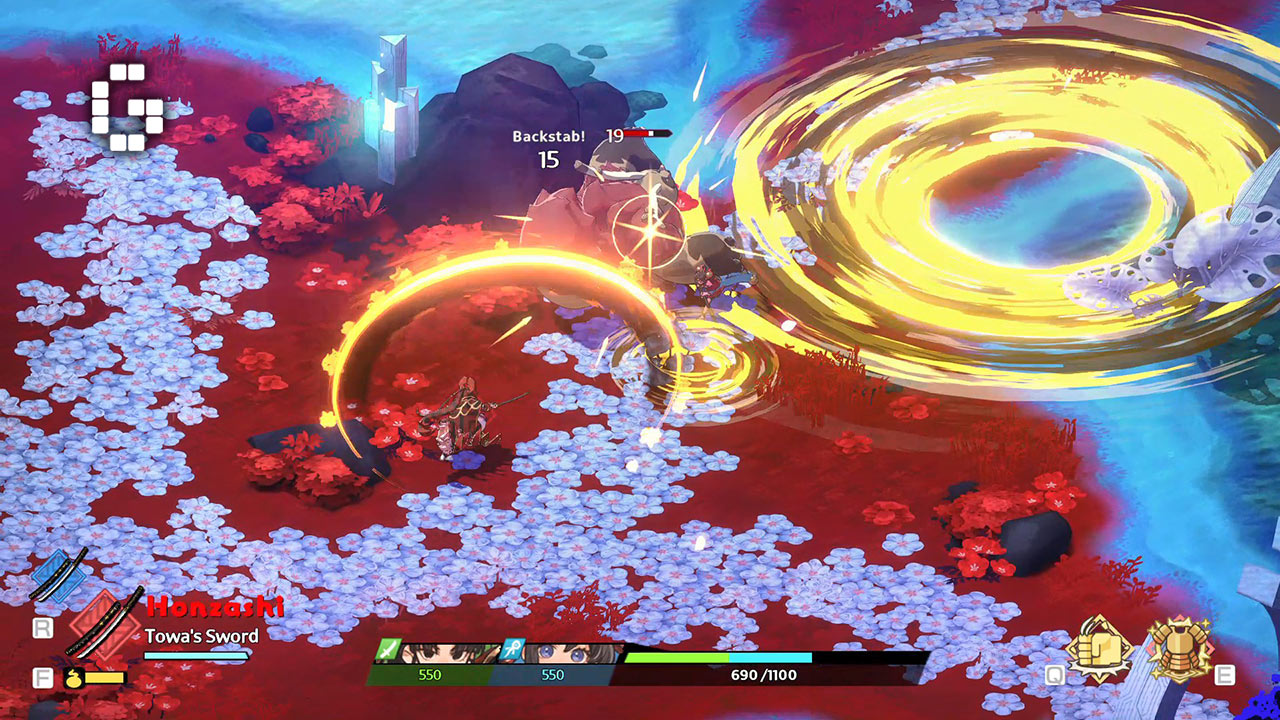
This forces you to use your character’s complete moveset and keeps combat from getting repetitive, though it can sometimes make fights feel slower. Some characters have Wakizashi skills that need charging time, requiring you to keep distance for safety, especially against bosses. When your Honzashi recovers, you can go back to faster, more aggressive attacks. The Tsurugi also has a Fatal Blow ultimate move that uses mana and gives temporary invincibility.
The Kagura character mainly provides ranged support, and you usually won’t need to control them directly except when casting spells. However, the option exists, and while it feels awkward at first, it makes more sense when using a controller instead of mouse and keyboard.
Control Issues on PC
Speaking of controls, the game has notable problems with mouse and keyboard setup. Controlling the Kagura feels clunky because their movement uses keyboard keys, forcing you to manage two characters with one hand while keeping the other on the mouse. If you leave the Kagura on auto-control, they stay close to the Tsurugi, which can be dangerous when fighting groups of large enemies or tough bosses. Separating them is often safer but harder to do with PC controls.
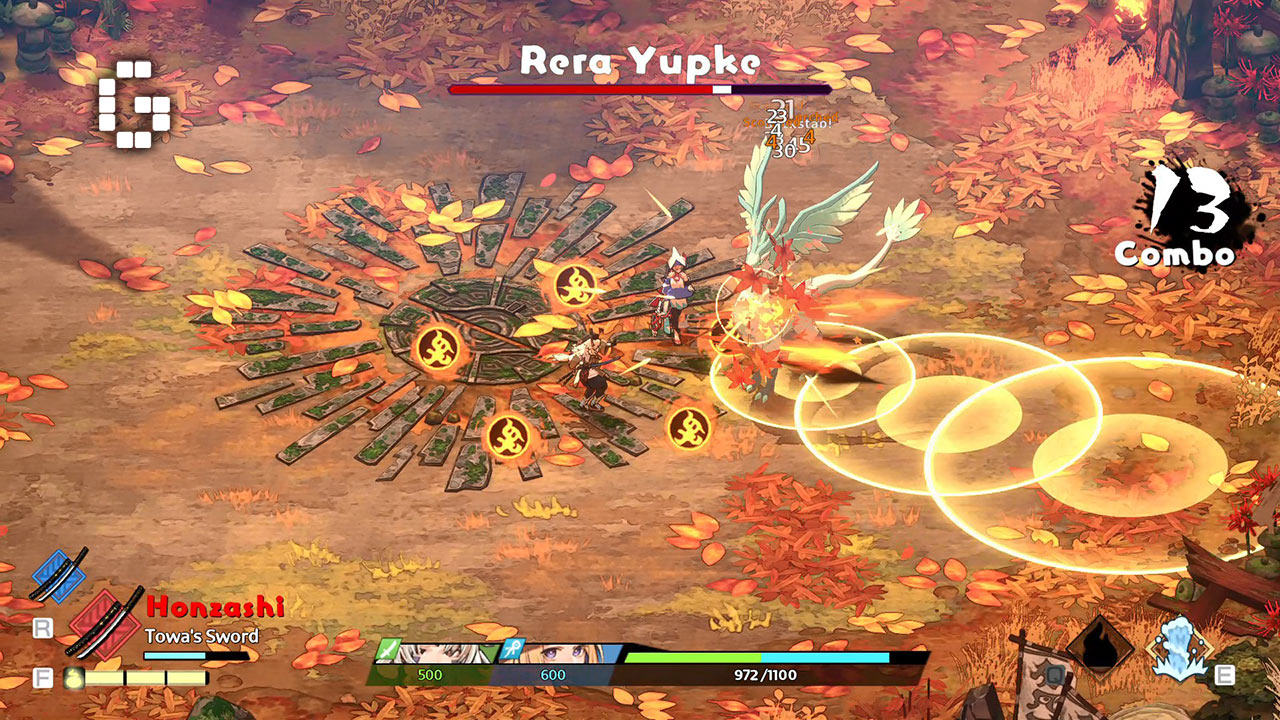
Another issue is that attacks follow your character’s facing direction, so you can’t freely aim with the mouse except in specific situations. Movement also feels stiff and limited, which hurts the overall experience. Using a controller fixes most of these problems, with each character assigned to their own analog stick. It still takes practice to manage two characters at once, but it feels much more natural than PC controls.
Beautiful Art and Characters
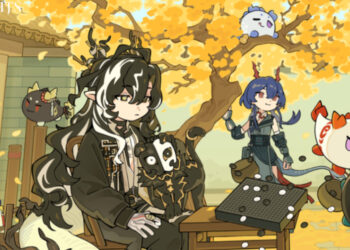
The game’s art direction stands out as a major strength. Brownies has kept their “living painting” style from previous games but improved the quality significantly. Everything from character art to map designs to UI elements has a beautiful, painterly look.
The character designs deserve special mention, particularly Towa and the Prayer Children. None of them feel generic, and each has a unique personality that makes them feel real. The party system lets you choose any two characters, leading to many different personal interactions between them, which adds replay value.
For example, pairing the charming Akazu with the mature Origami creates new dynamics even if they haven’t interacted much in the main story. During expeditions, they work together like real partners and even share quiet conversations around the campfire. These moments reveal character details you wouldn’t see otherwise, like how Akazu gets sick easily from light work while Origami rarely gets ill at all.
Early Impressions
The opening hours show both the game’s strongest points and some weaker areas. The story content is much more detailed than expected for a roguelite, while the gameplay offers a thoughtful two-character system that encourages trying different combinations and coordinated control. However, the game clearly wasn’t designed with mouse and keyboard in mind.
The difficulty level feels quite forgiving so far. Players expecting the punishing challenge typical of roguelites might find it disappointing, though it’s still early to judge the full difficulty curve. Right now, the opening hours focus more on being accessible than challenging.
Towa and the Guardians of the Sacred Tree appears to offer something different in the roguelite space by combining strong storytelling with unique gameplay mechanics, though control issues on PC may limit its appeal for some players.