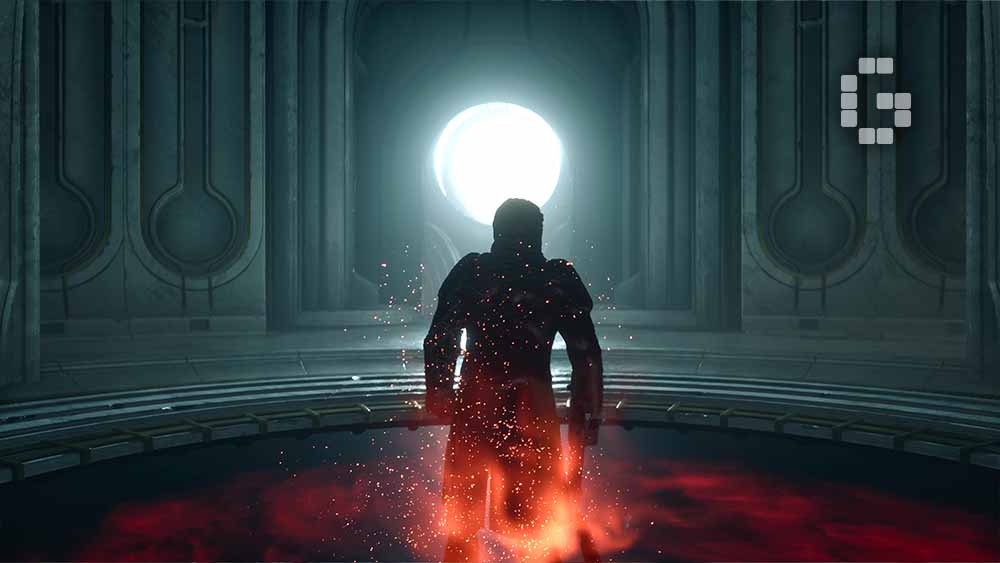
After redefining fast-paced roguelike shooting on PlayStation 5 with Returnal, Housemarque returns with its next major project, SAROS. This dark science-fiction action title represents the studio’s first large-scale release developed fully under PlayStation Studios, and it aims to combine Housemarque’s signature arcade-style combat with stronger cinematic storytelling.
Image Credit: Digital Braves
Across roughly three hours of hands-on preview gameplay, SAROS already demonstrates a confident shift in direction. The game preserves the studio’s signature “pure action DNA,” but it layers that gameplay with deeper narrative structure, clearer progression systems, and a risk-reward loop that shapes nearly every encounter.
First Impressions of Carcosa and the Opening Biomes
Image Credit: Digital Braves
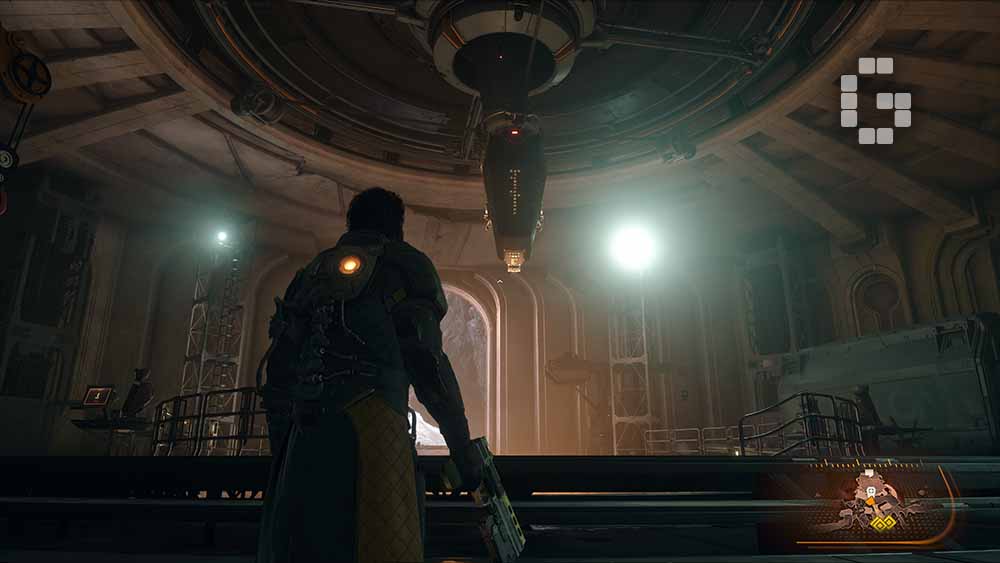
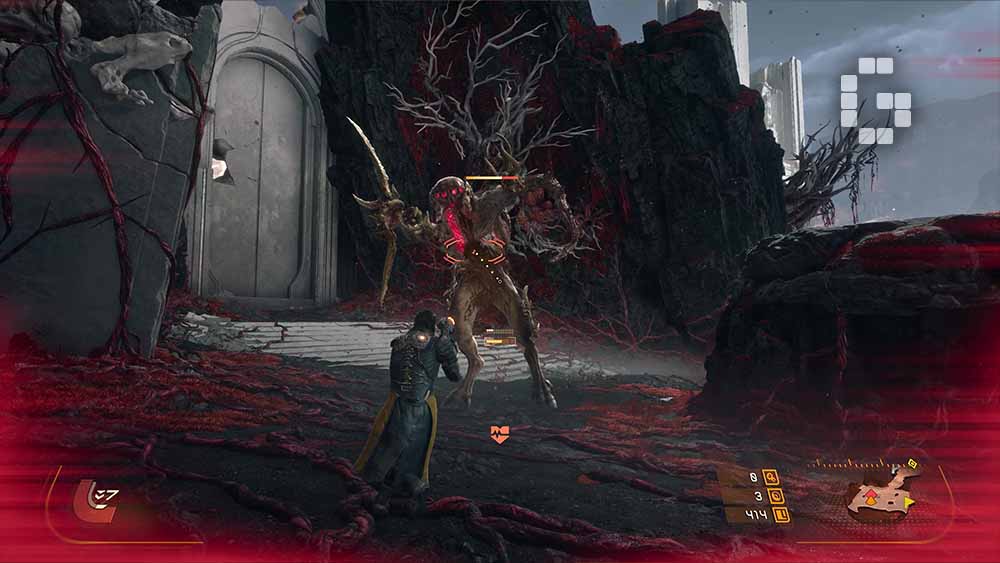
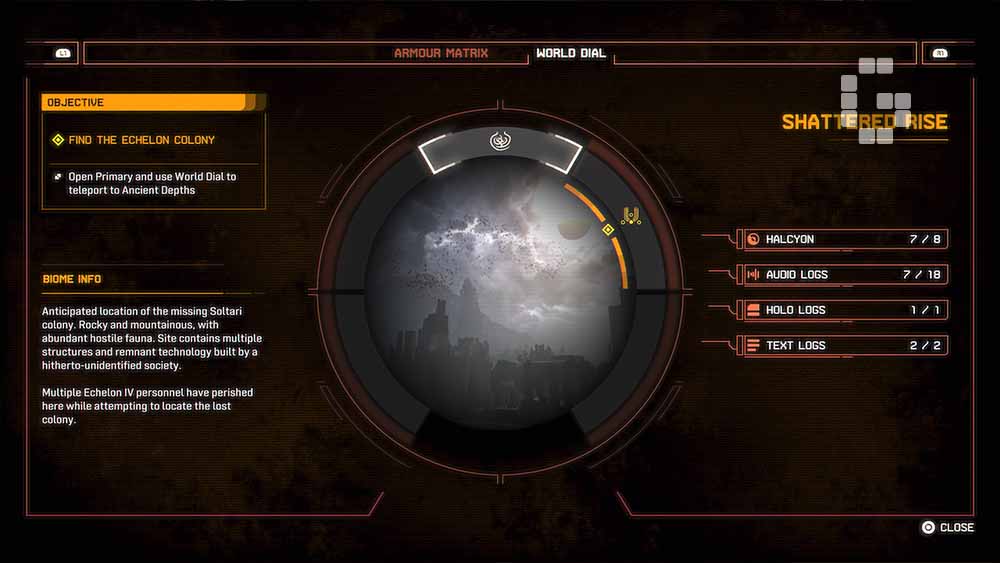
Players step into the role of Arjun Devraj, who explores the abandoned planet Carcosa under the shadow of a mysterious phenomenon known as the Eclipse. The preview session covered the opening two biomes, with most of the time spent inside the first region, Shattered Rise.
Shattered Rise introduces the core gameplay loop quickly. Dense projectile patterns, aggressive enemy placement, and environmental hazards establish the tone early. Movement, weapon handling, and exploration all feel tightly integrated into the combat rhythm rather than functioning as separate systems.
During the preview session, the first boss encounter became available and was successfully completed. Although the second biome remained only partially explored, the early experience clearly established how SAROS structures its roguelite runs and progression pacing.
Combat Feels Like a Deliberate “Bullet Ballet”
Image Credit: Digital Braves
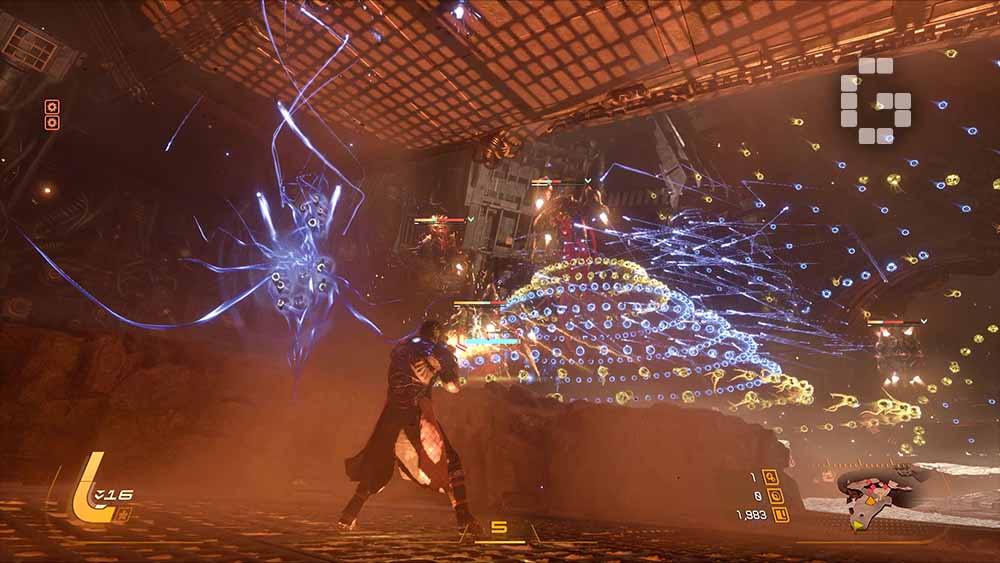
Combat sits at the center of SAROS. Housemarque continues its tradition of precision-focused action design, but here it adds more layered defensive decision-making than before.
Arjun’s primary attack uses R2, while L2 modifies weapon behavior through alternate fire modes. A half press changes spread patterns or firing styles depending on the weapon. A full press activates a Power Weapon attack fueled by energy stored through defensive absorption mechanics.
Melee attacks appear on R1. Dodging uses L1 and grants invincibility frames, which remain essential for survival during heavy projectile phases. Players can also activate a shield that absorbs specific bullet types and converts them into energy for stronger counterattacks.
Image Credit: Digital Braves
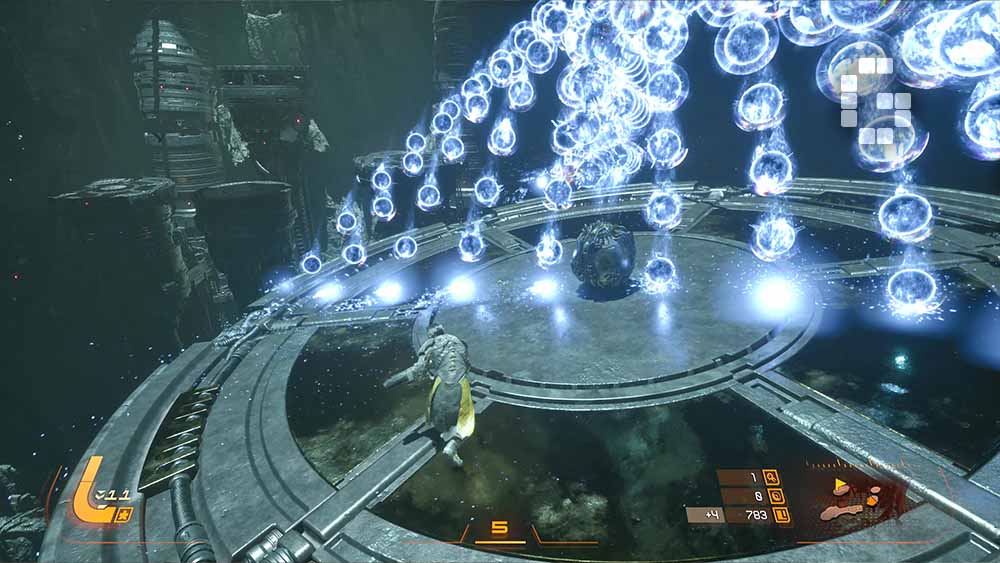
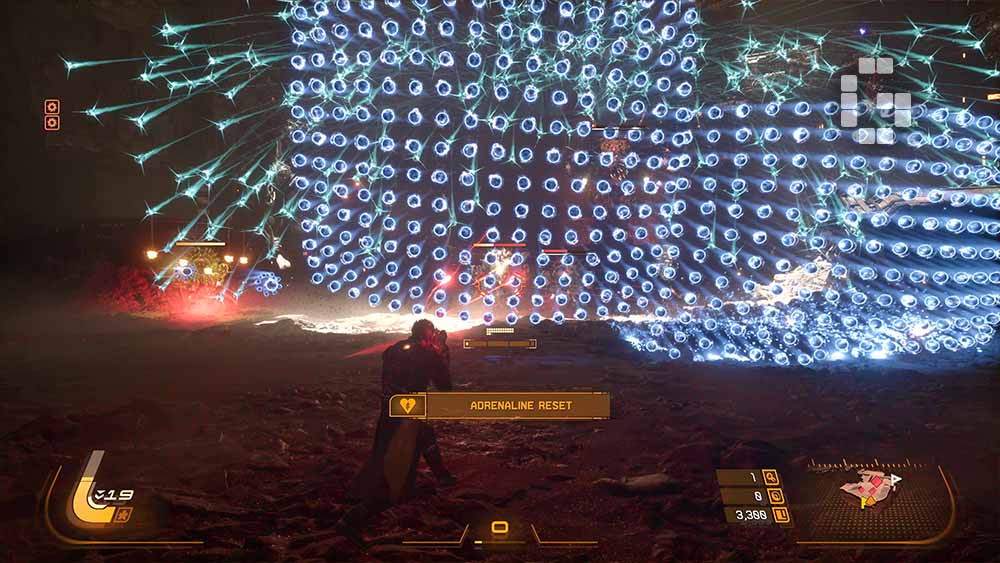
Enemy attacks follow three clear projectile categories. Blue bullets reward defensive absorption. Yellow bullets apply Corruption and reduce maximum Armor Integrity unless countered with a Power Weapon response. Red bullets bypass defenses entirely and force precise movement.
These layered systems create the “bullet ballet” structure that defines SAROS’ combat. Players constantly decide whether to evade danger or convert it into offensive momentum.
A Tactical First Boss Encounter Sets the Tone
Image Credit: Digital Braves
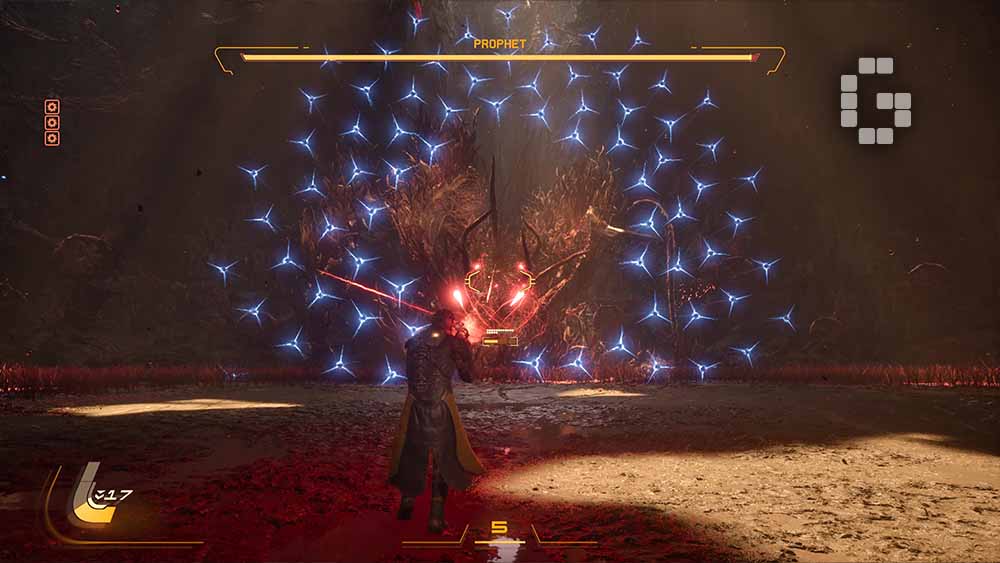
The first biome concludes with a multi-phase boss encounter that emphasizes positioning and pattern recognition rather than simple damage output.
The boss takes the form of a plant-like entity surrounded by destructible environmental growth. Players must eliminate surrounding structures before exposing the creature’s vulnerable core. Each phase introduces changes to projectile rhythm and arena pressure, which forces players to adapt rather than repeat strategies.
Environmental obstacles also restrict movement space. That design choice increases tension and rewards careful shield usage during transitions between attack patterns.
The Eclipse System Drives Risk and Reward
Image Credit: Digital Braves
One of SAROS’s most interesting mechanics appears through the Eclipse system. When triggered, Eclipse events transform the battlefield and increase enemy aggression.
During Eclipse states, enemies begin firing corrosive yellow projectiles more frequently. These attacks increase danger but also improve reward potential. Enemy drops become more valuable, encouraging players to remain engaged instead of retreating.
Certain equipment traits also activate only during Eclipse conditions. That design reinforces the central philosophy behind SAROS. Higher risk directly increases potential combat efficiency and progression speed.
Roguelite Progression Anchors Each Exploration Loop
Image Credit: Digital Braves
Each run lasts roughly thirty minutes, creating a structure that balances accessibility with long-term progression depth.
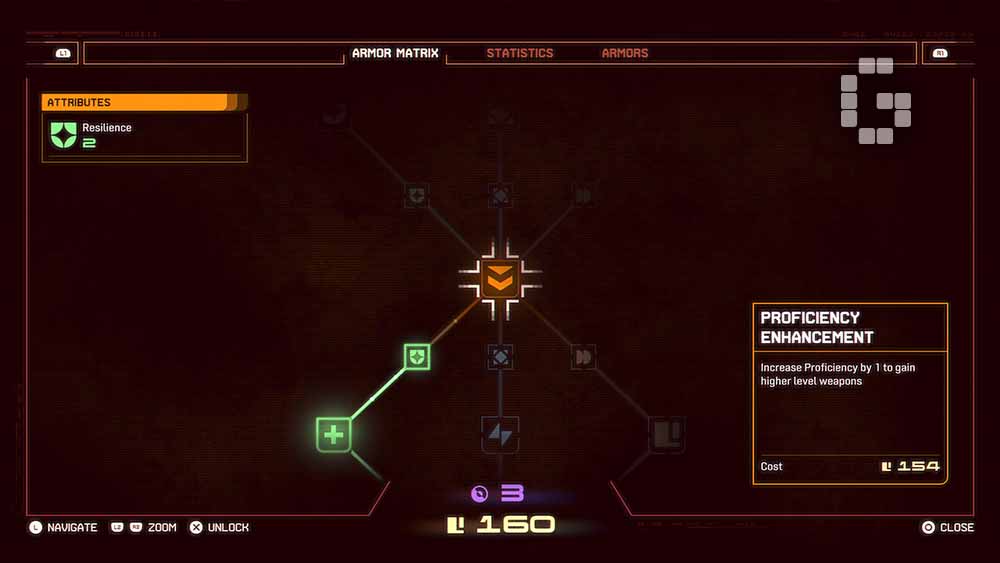
Between runs, players return to a hub area known as The Passage. Here, collected Lucenite allows upgrades that improve survivability and unlock persistent abilities. One example includes the Second Chance upgrade, which offers recovery opportunities after defeat.
Image Credit: Digital Braves
This progression structure supports experimentation without punishing failure too heavily. Players can test builds, engage Eclipse events more aggressively, and explore branching routes with confidence that long-term advancement continues.
Early Storytelling Suggests Strong Narrative Ambitions
Image Credit: Digital Braves
While combat drives the gameplay experience, SAROS introduces stronger narrative presence than previous Housemarque projects.
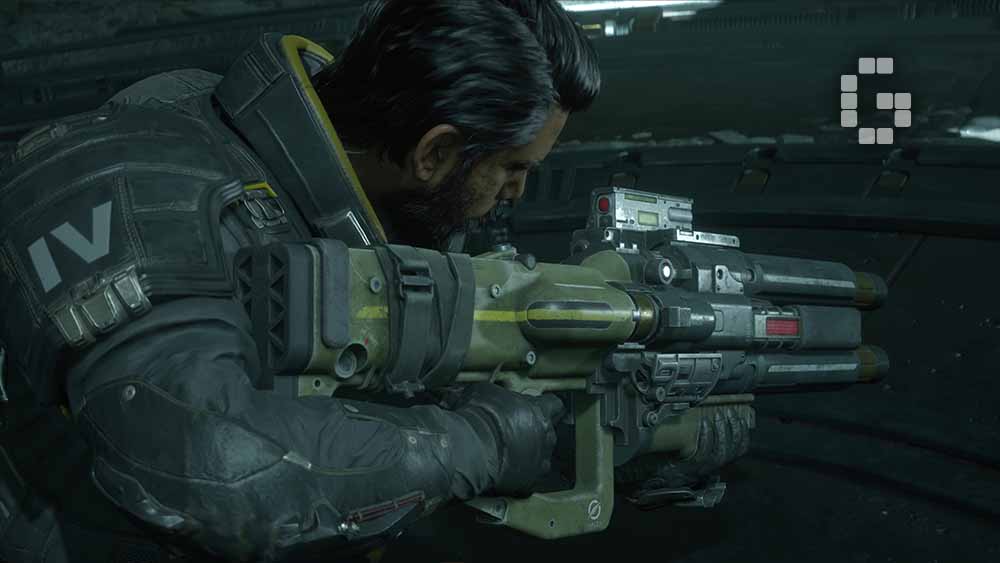
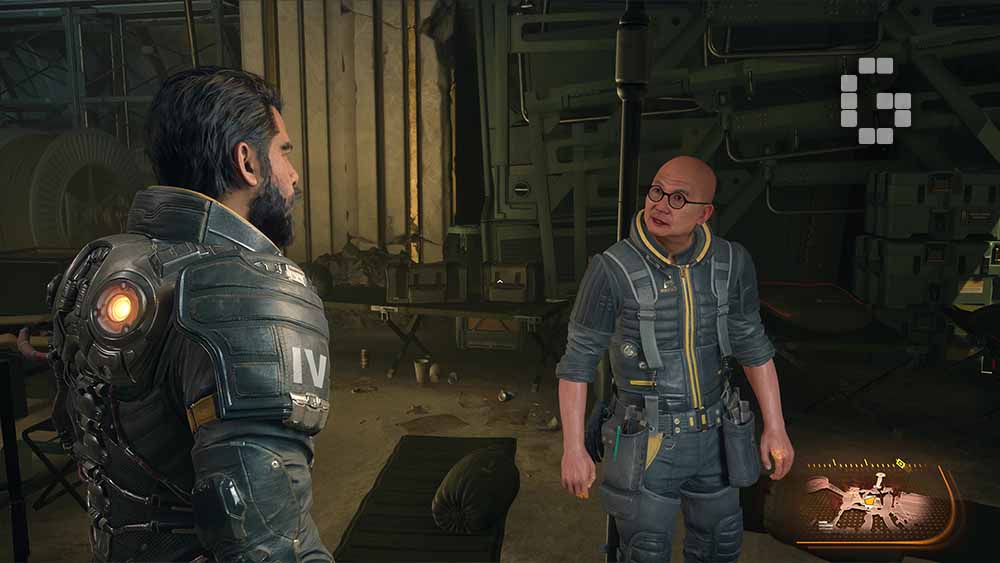
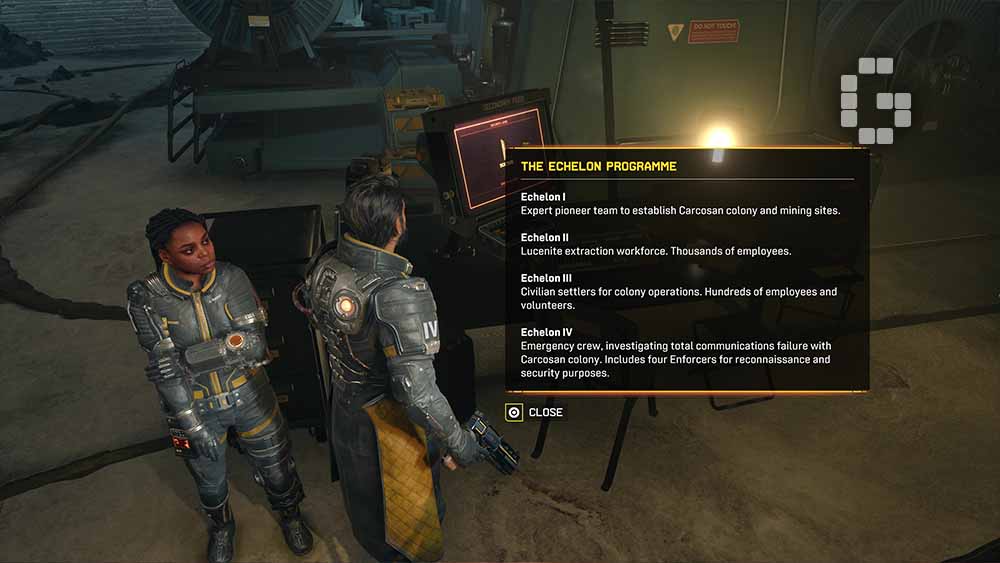
Members of the Echelon IV expedition begin showing psychological strain as the Eclipse influences their behavior. Their reactions create tension that unfolds gradually through dialogue and environmental storytelling.
Image Credit: Digital Braves
A Primary AI companion supports Arjun with upgrades and teleportation assistance. Its personality balances humor with unease, creating uncertainty about its motives. That ambiguity strengthens the mystery surrounding Carcosa and encourages players to investigate further.
A Strong Early Showing for Housemarque’s Next Major Project
Image Credit: Digital Braves
Even within its opening hours, SAROS demonstrates meaningful evolution from Housemarque’s earlier work. Combat encourages active engagement rather than passive survival. The Eclipse system reinforces strategic risk-taking. Progression loops remain approachable without losing depth.
Most importantly, the game already shows stronger integration between action mechanics and narrative framing. If later biomes maintain this momentum, SAROS could become one of the standout action roguelite releases of 2026 on PlayStation 5.
An elite Society agent and contractor of the seal weapon Embrasque, Beatrix's ferocity when facing primal beasts is rivaled only by her insatiable hunger for glory.
Eustace
Earthrending Thunder
An elite Society marksman and contractor of the seal weapon Flamek Thunder, Eustace is efficient, laconic, and longs to live in a world of peace and quiet.
Fraux
Striking Strength
Pactbearer to The Devil, a primal seeking to create a new world order, Fraux is otherwise an ordinary skydweller whose heart, character, and temperament are filled with love and compassion.
Fediel
Darkness Personified
One of the Six Dragons, entities who exist beyond the confines of the natural world. Having dominion over darkness, she influences the very laws of nature.
A gamer through and through. I grew up playing all kinds of games and consoles, and even worked as a Game Designer and Game Artist for awhile. Now I venture into another path of gaming where I will pass all gaming knowledge to everyone, no matter how far or treacherous the journey is.




![[EXCLUSIVE] Dragon’s Dogma 2: Dark Arisen Team Opens Up About the Expansion’s Name, New Norgan Region, and Performance Goals](https://cdn.gamerbraves.com/2026/07/Dragons-Dogma-2-Dark-Arisen_Interview_FI-360x180.jpg)