



![[EXCLUSIVE] Dragon’s Dogma 2: Dark Arisen Team Opens Up About the Expansion’s Name, New Norgan Region, and Performance Goals](https://cdn.gamerbraves.com/2026/07/Dragons-Dogma-2-Dark-Arisen_Interview_FI-360x180.jpg)












Johannes Roberts’ PRIMATE is a horror thriller that relies less on jump scares or supernatural gimmicks and more on psychological tension. The film follows the Pinborough family’s pet chimpanzee, Ben, whose behavior spirals into deadly aggression after being bitten by a rabid animal. The premise is intriguing: a once-beloved companion becomes a source of terror, forcing the family to confront the limits of control over nature.
PRIMATE generates anxiety through design rather than spectacle. The confined cliffside home, shifting trust, and slow escalation of Ben’s behavior create a sense of dread. The film examines family, preparedness, and human naivete in treating a wild animal as part of the household. However, while the concept is solid, execution sometimes feels uneven, leaving the story less impactful than its potential.
Here’s our review on what we thought of watching a gory movie of Furious George.
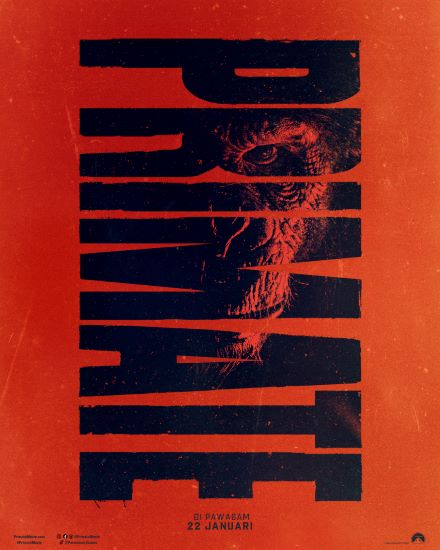
Premise: From Family Pet to Dangerous Predator
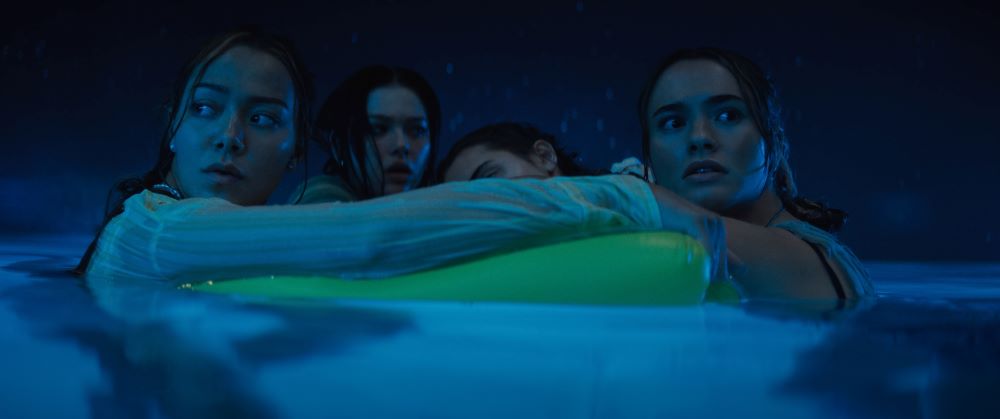
The film centers on Lucy Pinborough returning home to Hawaii after her first year of college, reuniting with her younger sister Erin, deaf father Adam, and Ben. The household is already fragile after the recent death of Lucy’s mother, who had studied chimpanzee communication.
Ben is initially part of the family rather than a pet, emotionally bonded and trusted. Tension arises gradually as his behavior shifts from confusion to aggression, blurring the line between companion and predator. The horror comes not from specific violent acts, but from the family’s growing realization that their trust has put them in danger.
While the setup is engaging, the story sometimes feels like a mix of familiar animal-horror tropes, and certain narrative beats—like how the characters respond to Ben—strain credibility.
Themes: Naivete, Family, and Instinct
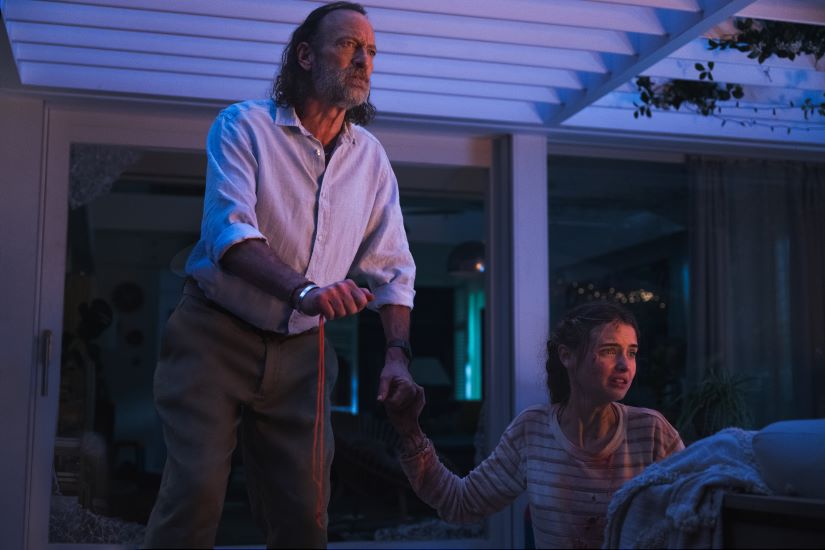
PRIMATE explores human naivete more than arrogance. The Pinboroughs genuinely treat Ben as family, making their shock believable. The film raises ethical questions about keeping intelligent, powerful animals in domestic settings, but it never fully explores them.
The movie also focuses on family and preparedness. The Pinboroughs’ inability to handle Ben reflects their inexperience and emotional vulnerability. Despite its themes, PRIMATE doesn’t feel entirely unique, leaning on familiar horror formulas without fully innovating.
Direction and Tone: Controlled Suspense, Uneven Pacing
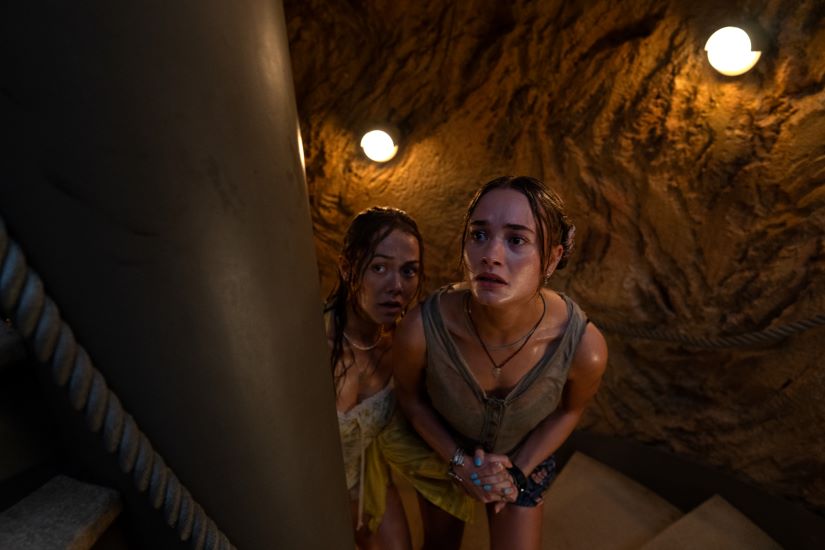
Roberts builds a claustrophobic atmosphere, using the cliffside home to heighten tension. Silence, framing, and sound design maintain suspense without overtly showing violence.
The tone remains consistent in building dread, but the pacing falters toward the finale. The film resolves with survivors but ends abruptly, leaving little emotional closure. Moments of terror are effective, but the narrative occasionally loses momentum, making some scenes feel prolonged or underdeveloped.
Performances: Strong, but Limited by the Script
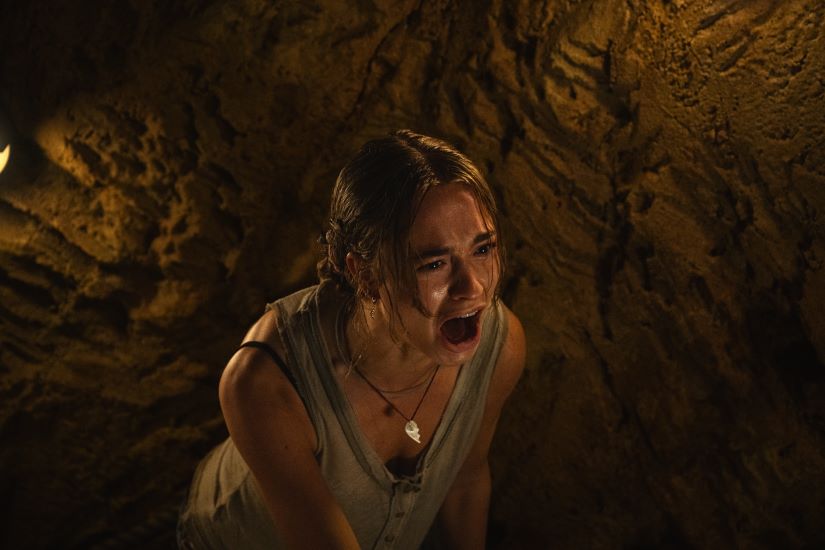
Johnny Sequoyah anchors the film as Lucy, conveying fear, bravery, and confusion. Her performance is strong, but the script sometimes undermines consistency, flipping her emotions too abruptly.
Troy Kotsur’s Adam is only present in a few scenes, but each carries weight. The film benefits from his representation of a deaf character, adding realism and subtle charm. Gia Hunter’s Erin, also limited in screen time, convincingly portrays the heartbreak of confronting a trusted figure turned violent.
Ben’s portrayal is extraordinary. Miguel Torres Umba, in a Millennium FX suit, gives the chimp a terrifyingly lifelike presence. The practical effects are so convincing that the audience often forgets it’s not a real animal, adding tension and believability.
Technical Execution: Effective but Not Flawless
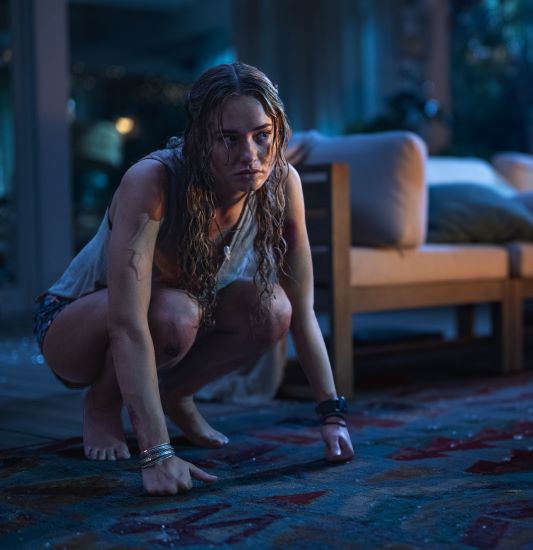
Cinematography by Stephen Murphy shifts from warm, peaceful lighting to harsher, colder tones as danger mounts. The home’s design enhances claustrophobia, allowing the audience to track characters’ movements, though at times the setting feels underused.
Adrian Johnston’s score and sound design are highlights, contrasting calm early scenes with warped, anxiety-inducing motifs during terror. Editing smartly obscures Ben at critical moments, sustaining suspense, but the story’s momentum suffers when character focus is limited.
Verdict: A Mixed but Tense Horror
PRIMATE is most suitable for horror enthusiasts. Casual viewers may find its slow burn and focus on tension less compelling. Its strengths—convincing practical effects, claustrophobic setting, and strong performances—are occasionally undermined by shallow character writing, uneven pacing, and an abrupt ending.
While the premise is solid, the film doesn’t fully capitalize on Ben’s intelligence (so why use a chimpanzee in the first place), and some sequences feel like missed opportunities for tension or strategy. Nevertheless, it delivers a tense, unsettling experience for viewers willing to endure its flaws.





The Review
PROS
- Exceptional practical effects that make Ben believable and terrifying.
- Claustrophobic setting that heightens suspense and thrill.
- Effective sound design and score.
CONS
- Shallow writing limits character depth and emotional impact.
- Ben’s intelligence as a Chimpanzee is underutilised.
- Pacing issues, particularly toward the finale.
- The overall premise seems unique at first glance, but becomes just another movie with a killer animal by the end.