








![[EXCLUSIVE] Dragon’s Dogma 2: Dark Arisen Team Opens Up About the Expansion’s Name, New Norgan Region, and Performance Goals](https://cdn.gamerbraves.com/2026/07/Dragons-Dogma-2-Dark-Arisen_Interview_FI-360x180.jpg)



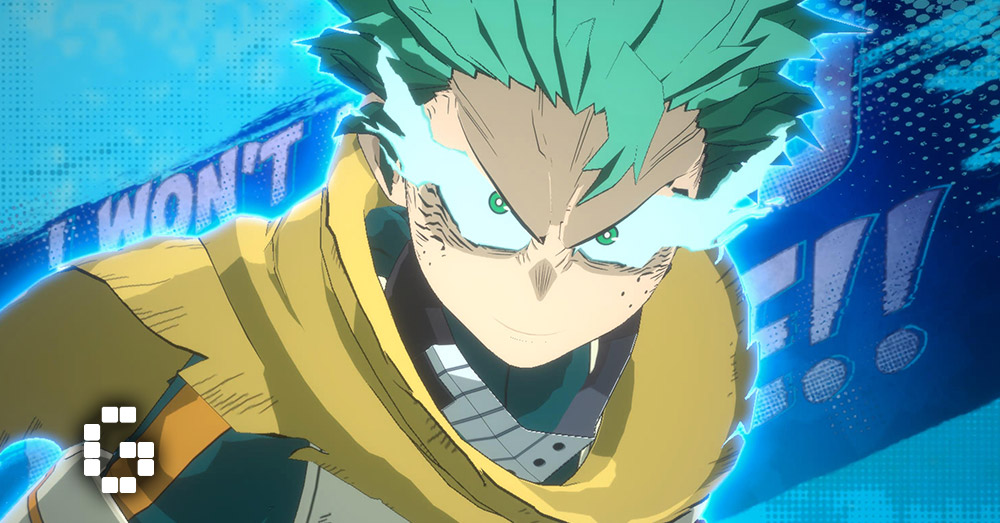
The Final War arc of My Hero Academia was one of the anime’s most anticipated storylines, bringing together heroes and villains in an explosive clash that tested everyone’s limits. MY HERO ACADEMIA: All’s Justice aims to capture that intensity in a 3v3 3D arena fighting game, offering fans a chance to step into the boots of their favorite characters during the series’ climactic moments. While the game succeeds in delivering engaging combat and a robust roster, it struggles with some technical hiccups that prevent it from being the definitive My Hero Academia gaming experience. Our review will examine what works, what doesn’t, and whether the game is worth your time if you’re a fan of the series.
Story and Training with Class 1-A
The Story Mode takes players through the Final War arc, presenting key battles like Bakugo facing off against All For One and Deku’s ultimate confrontation with his rival. The narrative follows the timeline of conflicts building up to the showdown between One For All and All For One. Team-Up Mission stands out as the most interesting mode in the game. Here, you play as a Class 1-A student in a virtual training environment, forming a three-person squad from the available classmates. The character selection shows your main character and two team slots, letting you build the hero combination you want.
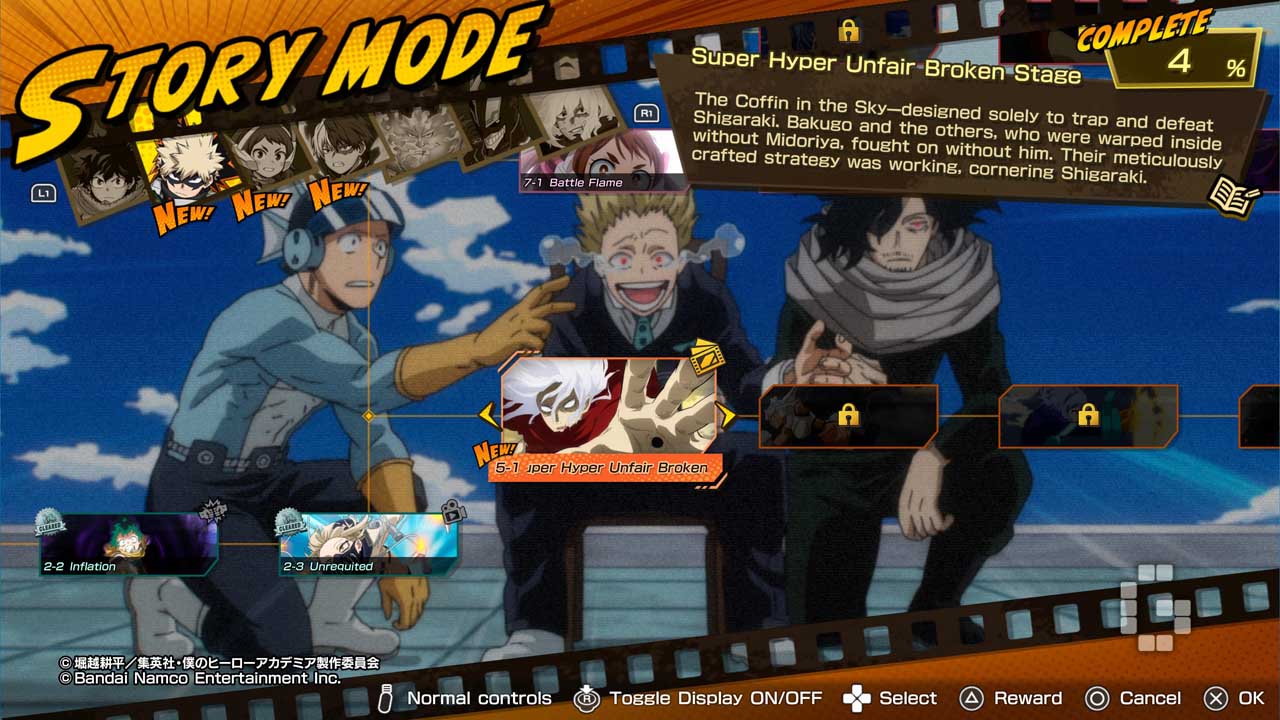
The mode organizes missions through a menu system where you unlock new missions by completing earlier ones. Each mission has specific goals, ranging from field research to combat encounters across different districts. What makes this mode engaging is how it rewards exploration and experimentation through its scoring system.
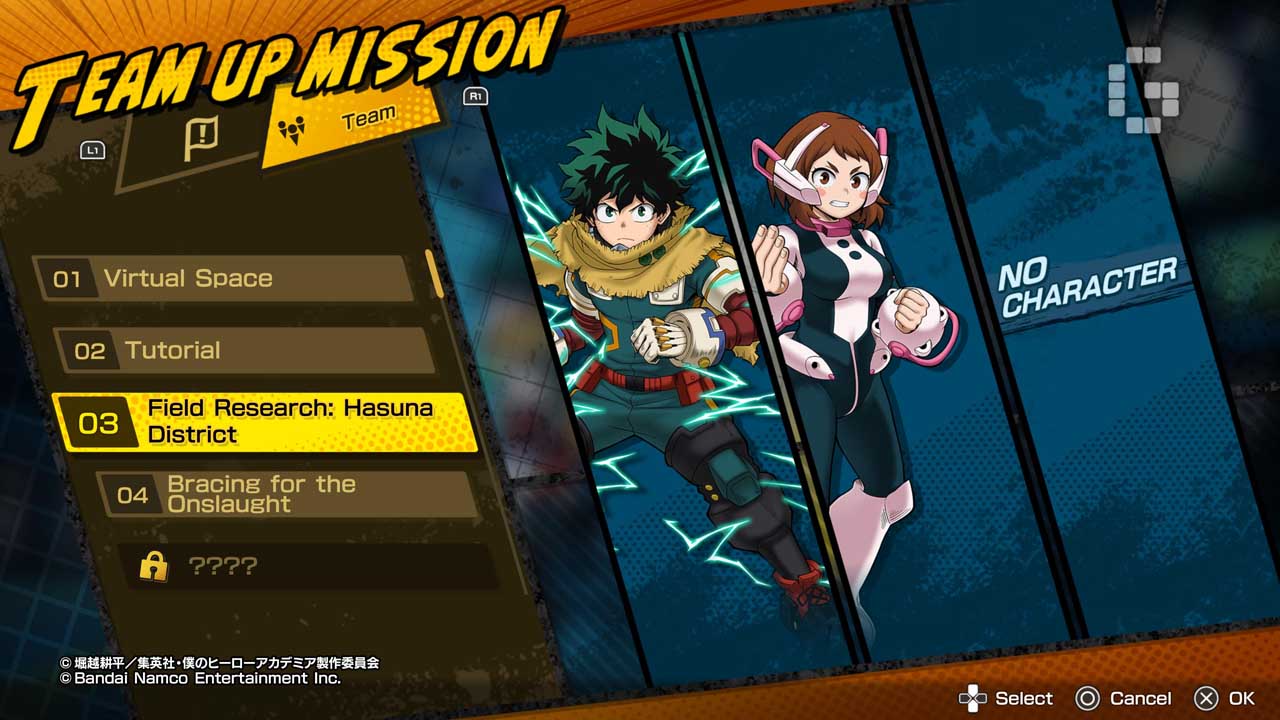
After finishing a mission, you get a breakdown of your performance across several categories. Points come from battles, mission completion, and exploration. The scoring includes Mission Completion Bonus points, Unique Mission Completion Bonus for clearing a mission the first time, Sub Mission Completion Bonus for optional objectives, and points for Total Movement Distance across the map. There’s also an Assist Character Bonus for using your teammates effectively. All these scores add up to track your overall performance, which adds replay value as you try to beat your previous scores.
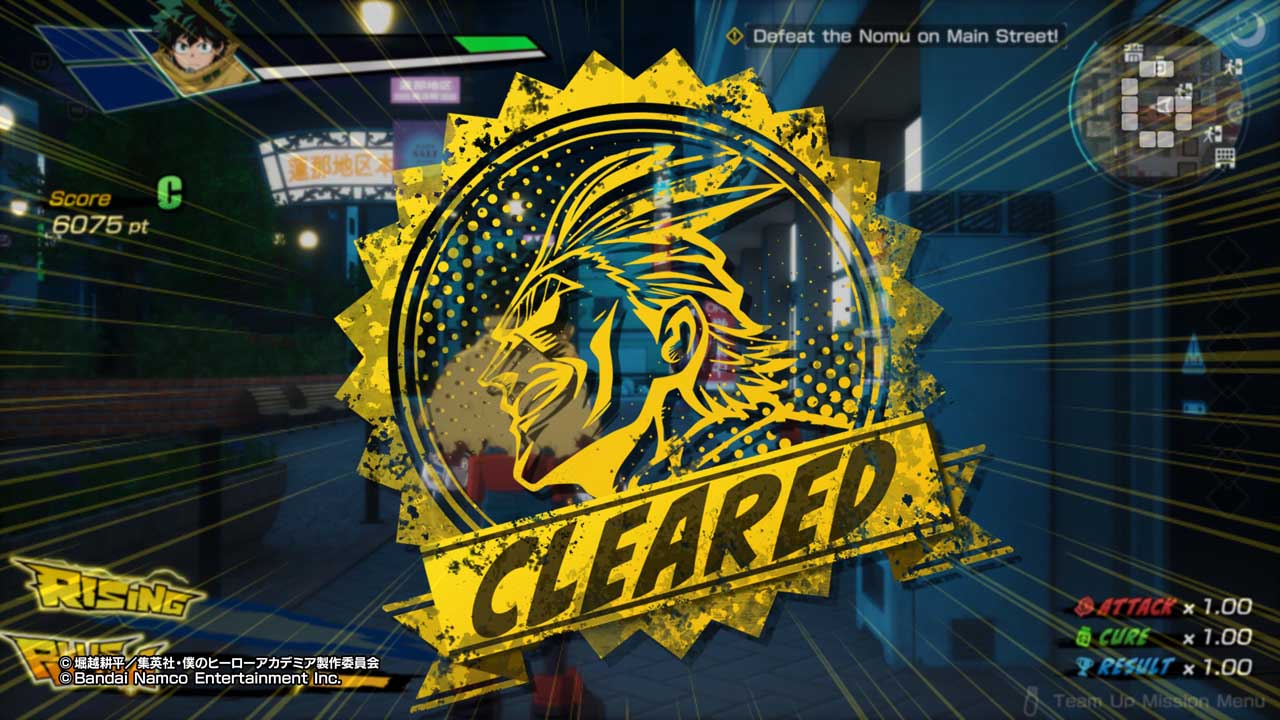
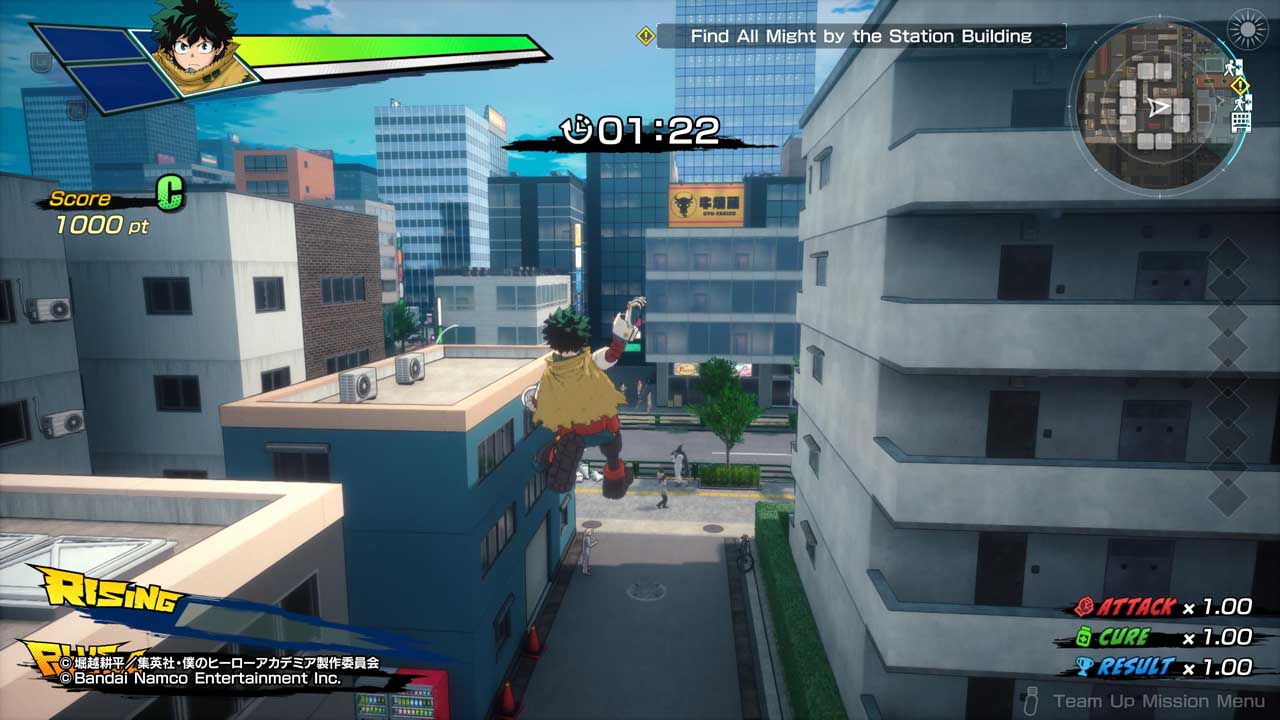
Each character’s Quirk affects both exploration and combat. You can slide on ice, use explosions to move through the air, or employ other character-specific abilities to navigate the map. Ochaco’s Zero Gravity Quirk, for example, lets her float for a limited time when activated, offering traversal options that other characters can’t match. These Quirk-based mechanics make moving through the virtual space feel more dynamic and true to how the abilities work in the show.
Your team shares a health gauge across missions, so you need to visit healing facilities scattered around the map to keep everyone in fighting shape during longer sessions. The mode balances exploration, puzzle-solving with Quirks, and combat encounters well, making it feel like actual hero training rather than just another battle mode.
Combat and Gameplay
The combat system revolves around several key mechanics. The Rising gauge, shown in the lower-left corner, activates Rising mode when full by pressing the right stick. This temporarily boosts the character’s attack power, movement speed, and Quirk actions. If a character is the last one standing, Ultimate Rising triggers automatically for an even stronger boost.
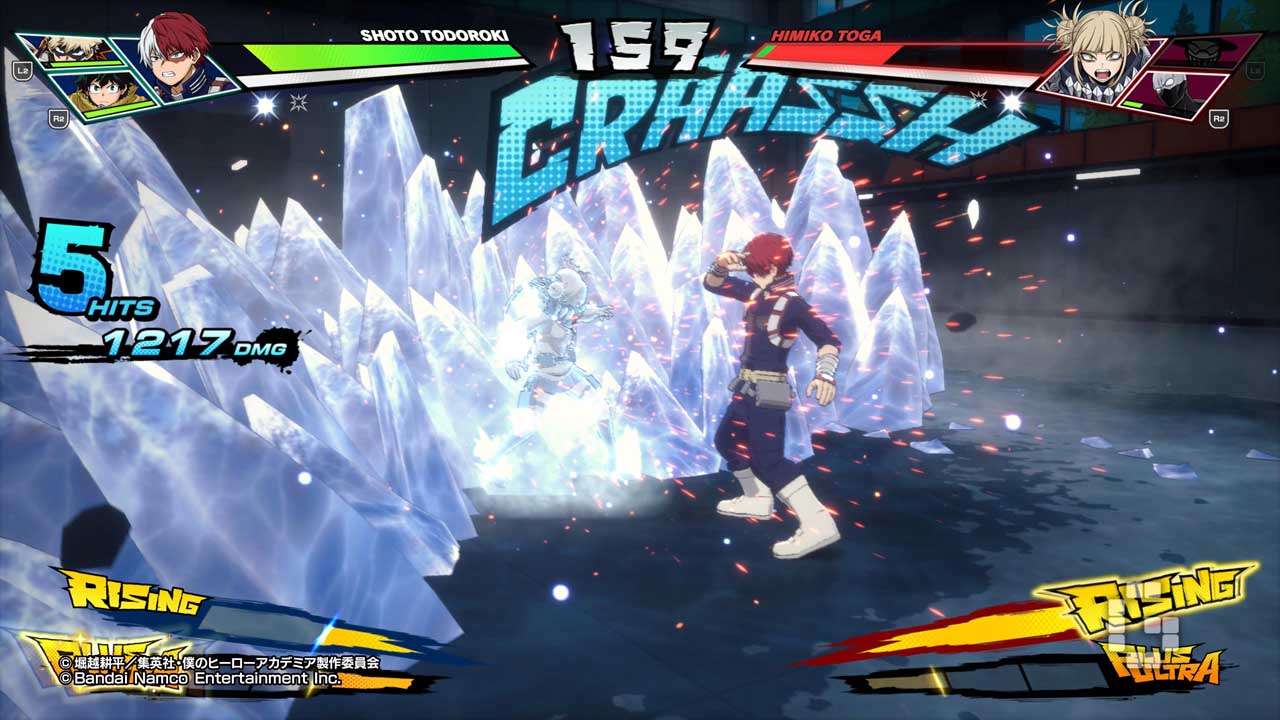
The Plus Ultra gauge lets characters use their ultimate moves, assuming you have with at least one gauge stack. With two stacks and a living sidekick, you can chain multiple Plus Ultra attacks in a Plus Ultra Combo. Movement includes a dash function and quick dodge, which works on both ground and in air for quick positioning.
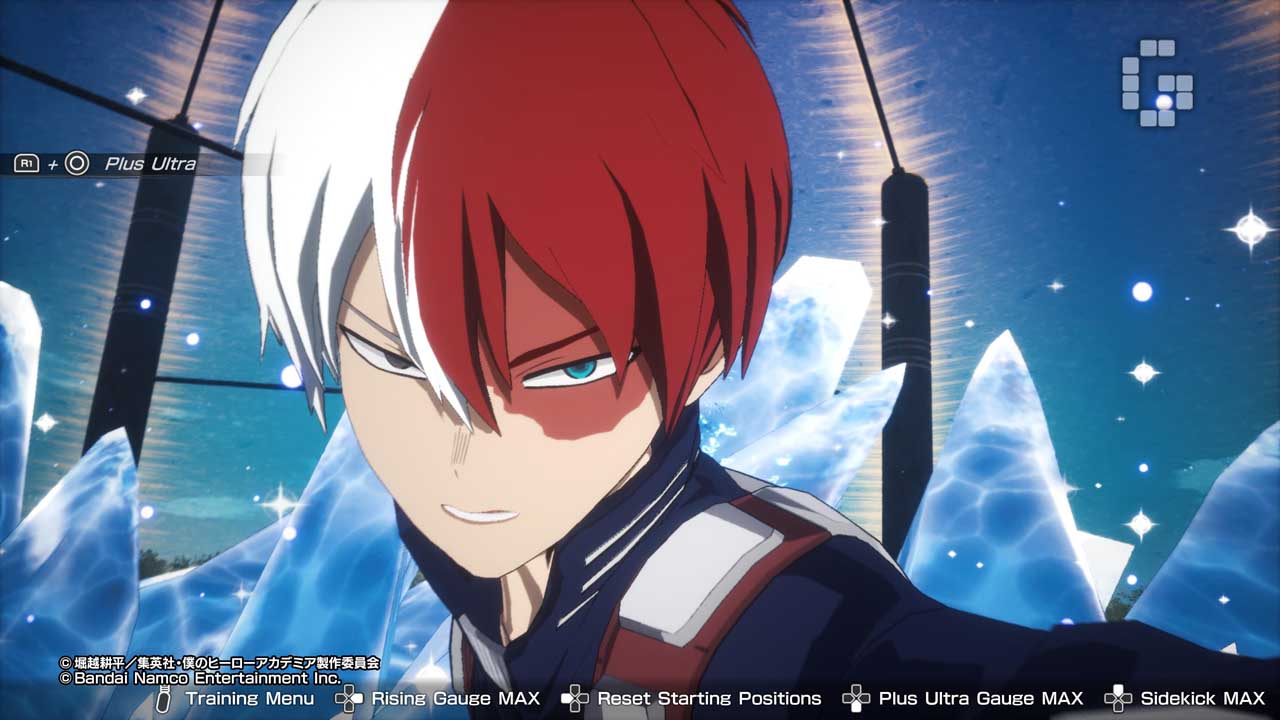
During Team-Up Mission, environmental hazards based on the area add tactical depth to fights. These location-specific dangers force you to stay aware of your surroundings and use the environment to your advantage, making each battlefield more than just a flat arena. The hazards change depending on where you’re fighting, so no two encounters feel exactly the same.
Character Roster and Customization
MY HERO ACADEMIA: All’s Justice features the largest character roster in any My Hero Academia game. All of Class 1-A appears alongside Pro Heroes like Mirko and Best Jeanist, plus villains including All For One, Shigaraki, and Dabi. Characters appear in their final and most powerful forms from across the full story.
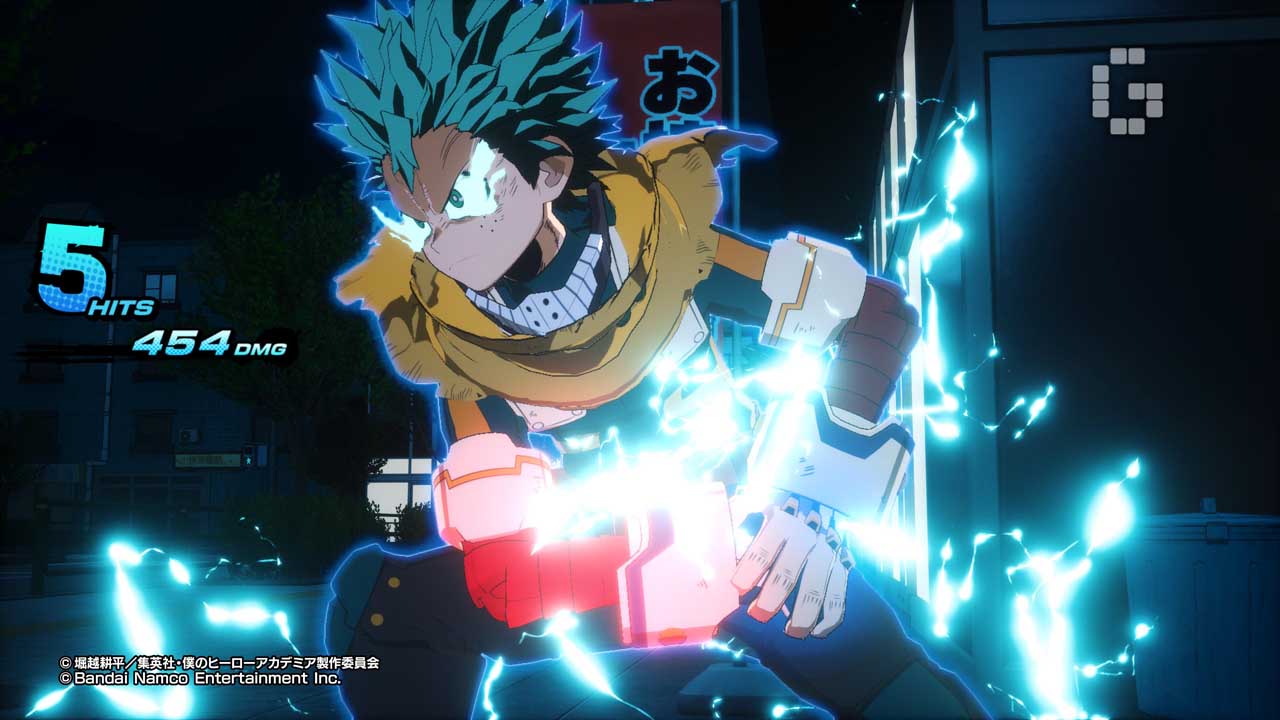
The combat feels responsive, with attacks connecting with appropriate weight and impact. The extensive roster gives fans plenty of options for building their ideal three-person team, while the combat mechanics provide enough depth to keep matches interesting without overwhelming newcomers. Team-Up Mission’s environmental combat adds variety through location-specific hazards that keep players engaged and thinking tactically.
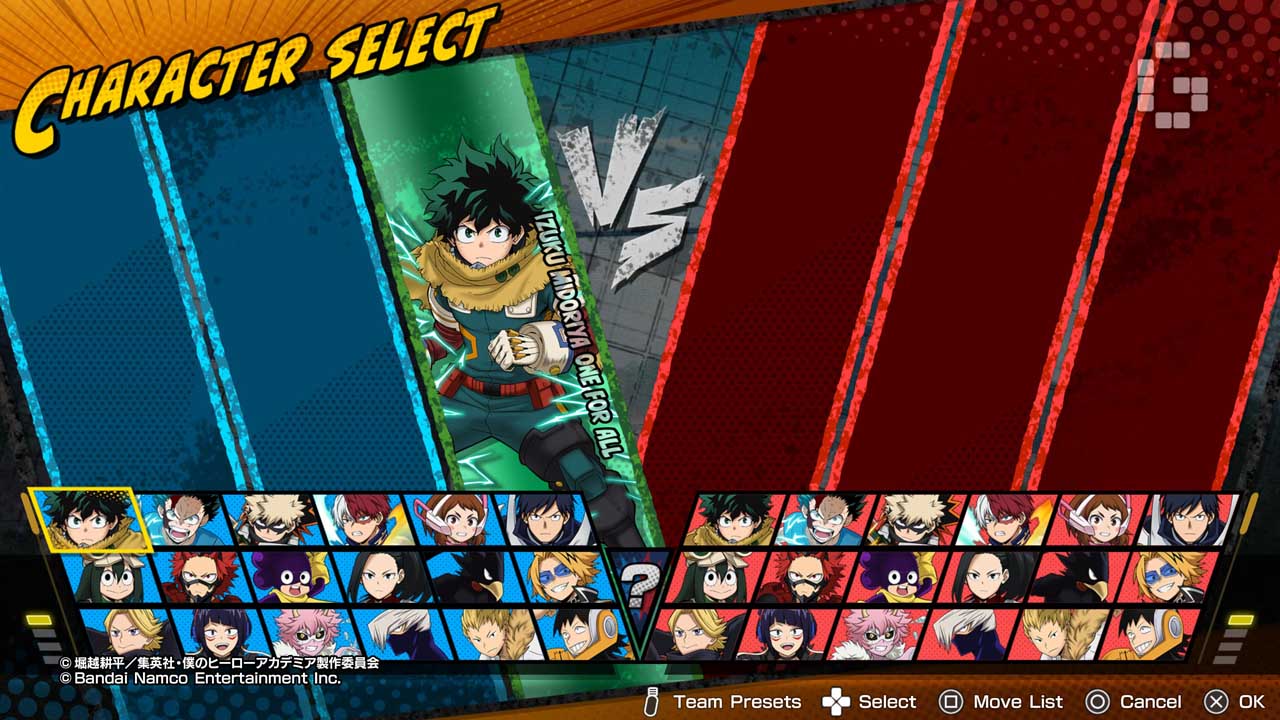
The game offers two control schemes for different skill levels. Normal Control is designed for beginners, automatically linking Quirk skills, character switches, Plus Ultra moves, and combos through repeated button presses. This makes the game approachable for those unfamiliar with complex fighting game mechanics. Manual Control gives experienced players full control over their moves and combos, enabling deeper gameplay and personalized combo creation.
The control system is flexible because you can customize automation settings individually. You can disable auto-character switching while keeping auto-Plus Ultra activation on, or adjust any combination that suits how you play. The game recommends gradually adjusting these settings as you become more comfortable, allowing for a smooth learning curve from casual to advanced play.
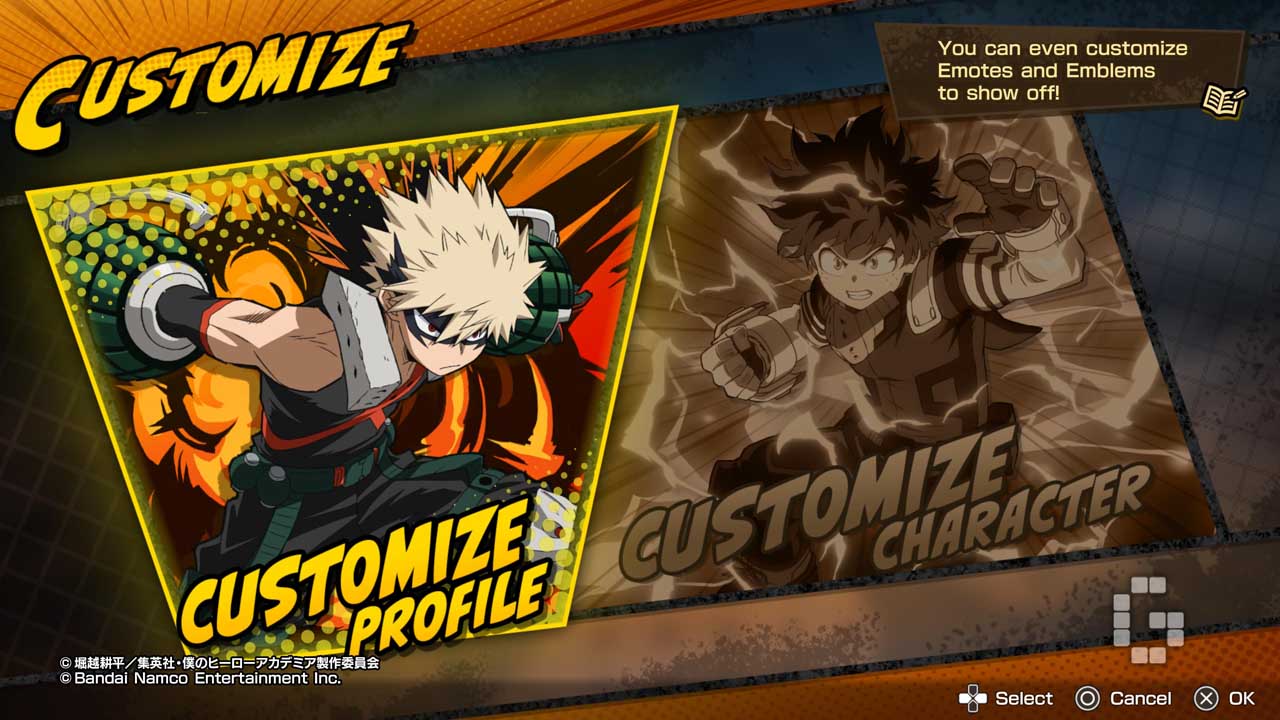
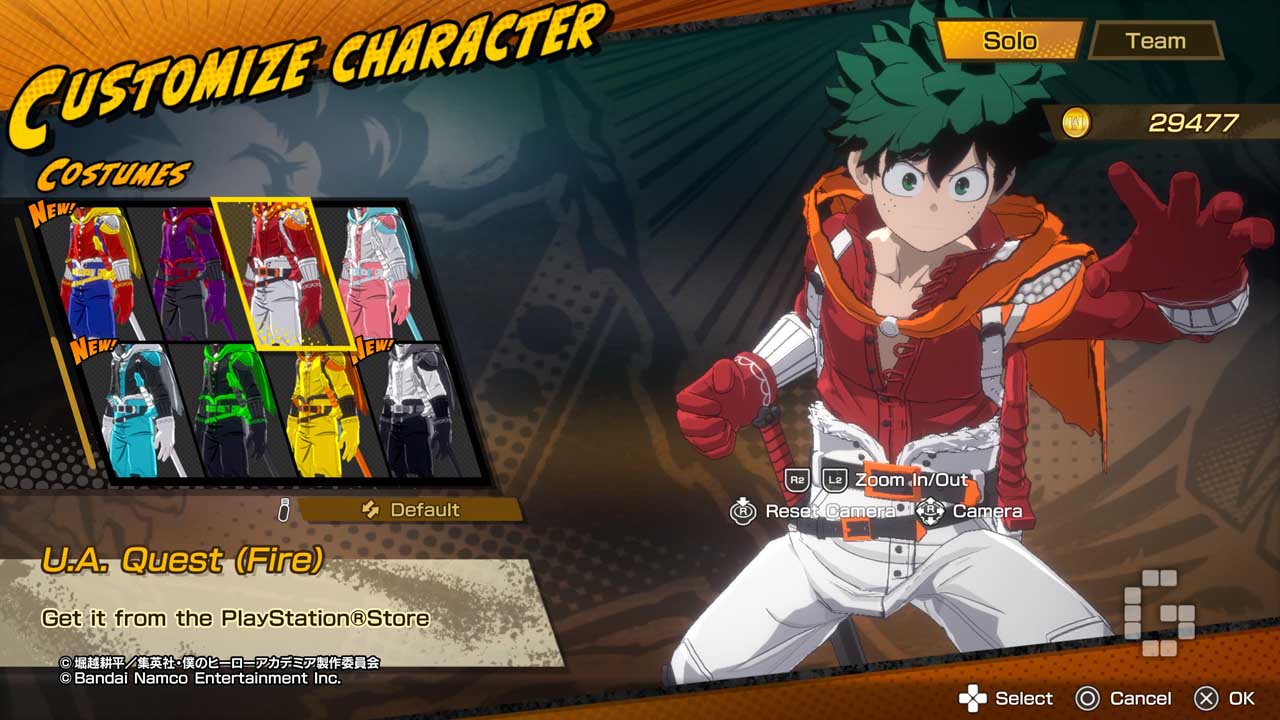
The customization system offers extensive personalization options. Profile customization includes custom emotes and emblems to show off your style during matches. Character customization goes deeper with multiple costume options for each fighter, personalized banners, and various poses that display during character selection and victory screens. Even the health bar appearance can be tailored to individual preferences.
The game supports both Japanese and English text and voice options. Tutorial and Training modes provide structured environments for new players to learn the game’s systems at their own pace. These features combine to make the game accessible to a wide range of players, from casual anime fans to dedicated fighting game enthusiasts.
Additional Content and Challenges
Hero’s Diary, found within the Character Memory mode, shows original scenes featuring the daily lives of all 20 Class 1-A students. These episodes combine exploration, battles, and parkour movement, giving fans looks at their favorite characters outside the main story events. Both Hero’s Diary and Archives Battle require completing Team-Up Mission first, which encourages players to engage with the original content before accessing these features.
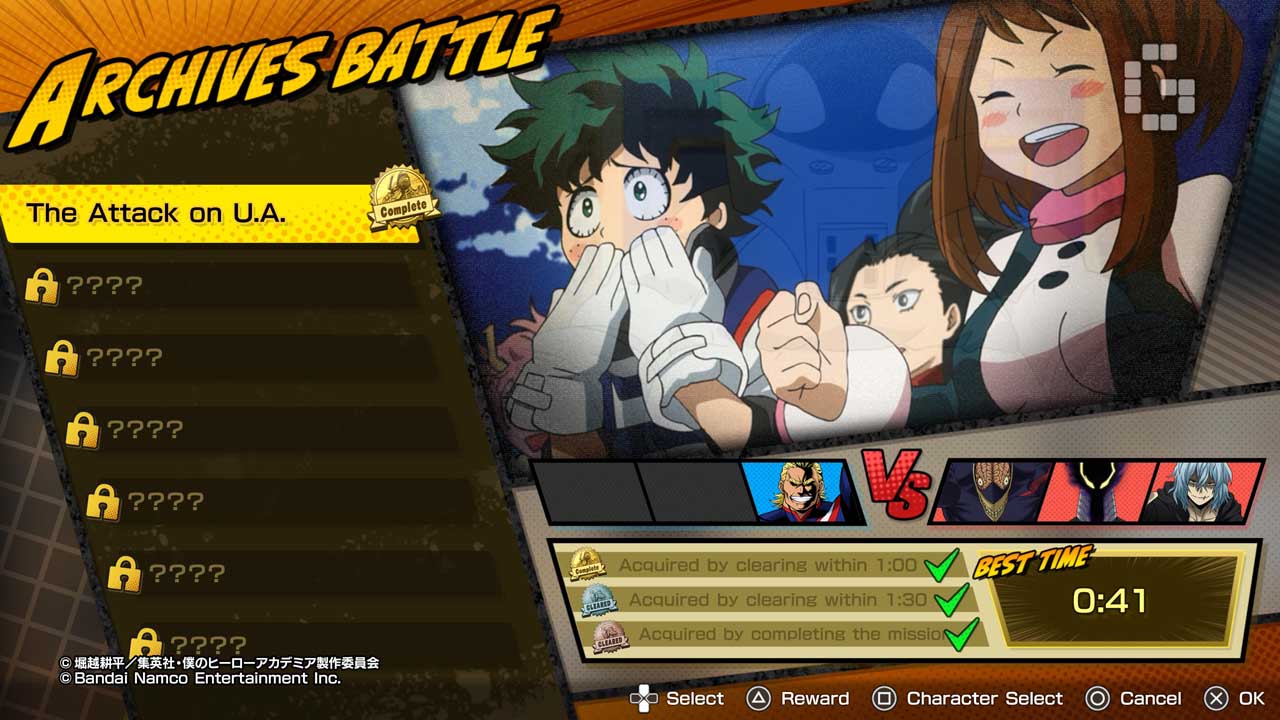
Archives Battle functions as a challenge mode where you replay iconic fights from the series. These battles have higher difficulty than other modes and include special gameplay mechanics that make each one feel distinct. It’s designed for players who want to re-experience the memorable confrontations from the anime with added gameplay twists.
Battle Mode offers the most freedom, letting you create custom three-character teams and fight on any available stage. The full roster is accessible here, though certain character versions unlock through story progression, including Izuku Midoriya Rising, One For All Chaos, and One For All Rewind. This mode is perfect for practicing combos, testing team combinations, and enjoying the combat system without mission objectives or story constraints.
Some Issues
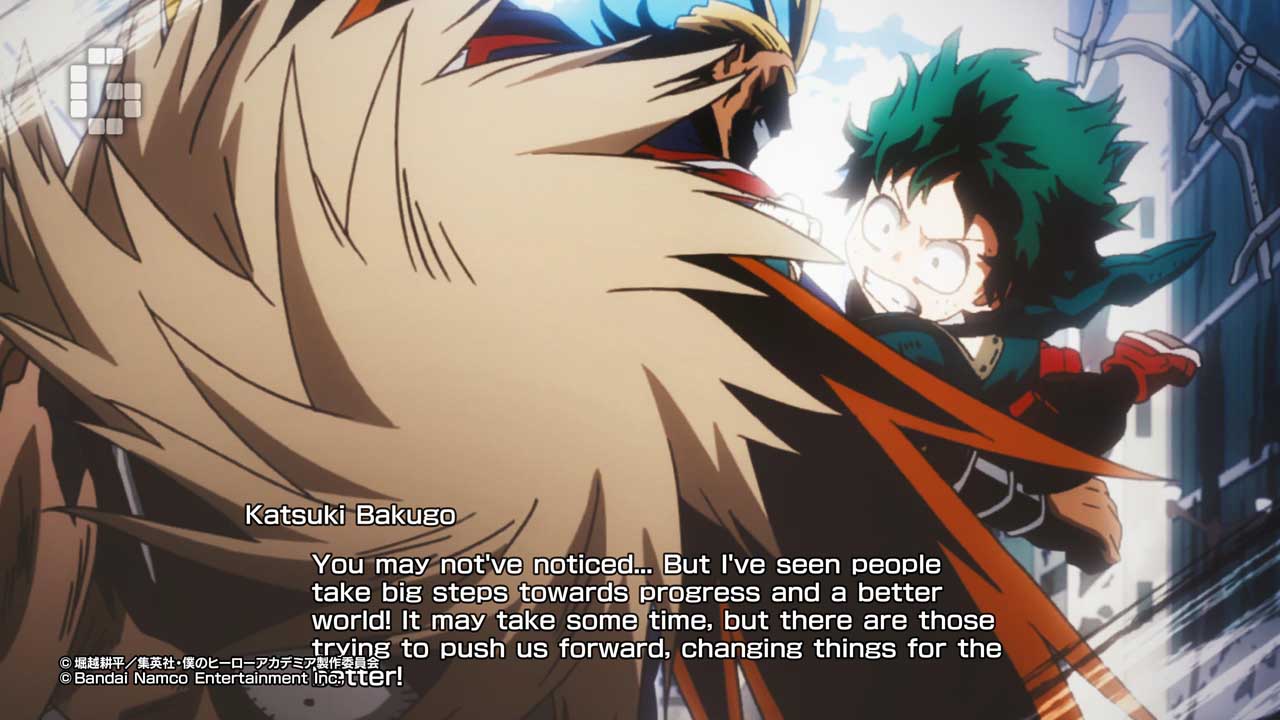
While the story hits the major beats fans expect, the presentation has inconsistencies. Cutscenes switch between animated sequences and static screenshots pulled from the anime, which breaks up the flow and can pull you out of otherwise intense moments. It’s a noticeable issue that affects how the story feels compared to watching the anime itself.
The game also several technical problems that affect the experience. The camera can become disorienting during free movement in the overworld and Team-Up Mission mode, making navigation occasionally frustrating. Exploration mechanics, like Deku’s swinging abilities, feel constrained by the limited space of the play area. The performance issues during Team-Up Mission’s open-world sections, while not severe, are noticeable enough to affect the experience.
Verdict
MY HERO ACADEMIA: All’s Justice delivers solid 3v3 arena combat with a comprehensive character roster and multiple game modes. The combat system is well-designed with meaningful depth for those who want it, while remaining accessible to casual players. Team-Up Mission offers an engaging exploration-focused experience that stands out from typical fighting game modes, and the scoring system adds replay value.
However, technical issues during exploration, camera problems, and inconsistent cutscene presentation hold it back from reaching its full potential. Fans of the series will find plenty to enjoy, particularly in reliving the Final War arc and experiencing original Class 1-A content, but some rough edges may frustrate players looking for a more polished experience. If you’re a My Hero Academia fan looking for a way to interact with your favorite characters in combat, the game delivers that experience despite its flaws.
The Review
MY HERO ACADEMIA: All’s Justice
PROS
- Combat feels responsive and satisfying.
- Extensive character roster featuring all of Class 1-A, Pro Heroes, and Villains.
- Comprehensive customization options including profile customization and character customization.
- Environmental hazards during Team-Up Mission add variety to battles.
- Accessible control options for different skill levels.
- Team-Up Mission mode offers a refreshing change of pace with exploration, Quirk-based traversal, and mission variety.
- Enjoyable experience for fans of the anime and even if you aren't a fan.
CONS
- Camera can be disorienting during mission mode especially during free movement.
- Cutscenes alternate between animated sequences and static anime screenshots, disrupting narrative flow and pacing.
- Exploration mechanics feel limited due to confined play area space.
- Performance issues during free movement sections.