










![[EXCLUSIVE] Dragon’s Dogma 2: Dark Arisen Team Opens Up About the Expansion’s Name, New Norgan Region, and Performance Goals](https://cdn.gamerbraves.com/2026/07/Dragons-Dogma-2-Dark-Arisen_Interview_FI-360x180.jpg)



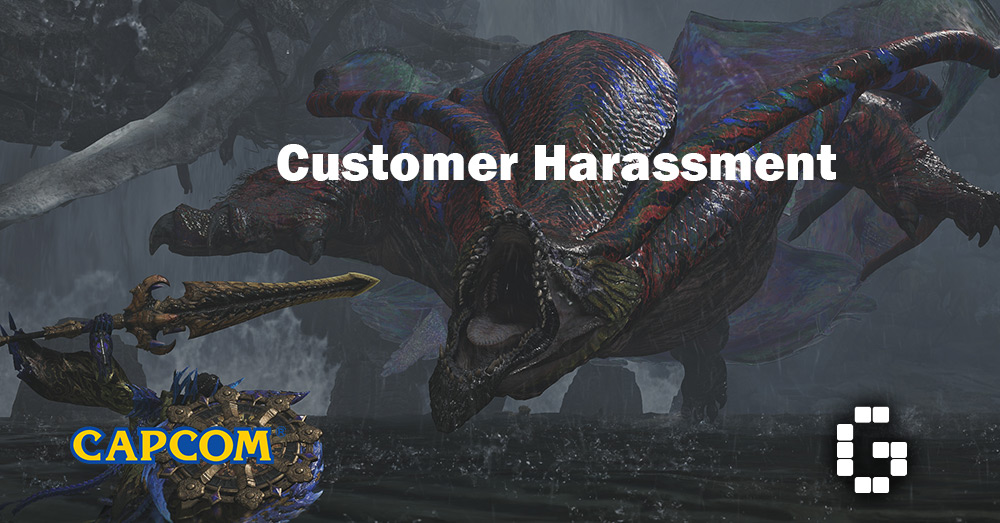
The gaming industry is facing a growing customer harassment crisis, as players increasingly target individual developers with violent threats and personal attacks, forcing major companies to take legal action and cancel public events to protect their employees.
The latest victim of this troubling trend is Capcom’s Monster Hunter Wilds, which has sparked a wave of harassment so severe that the company was forced to cancel a planned technical presentation at Japan’s largest game development conference. The decision came after developers received death threats and personal attacks following the game’s technical problems.
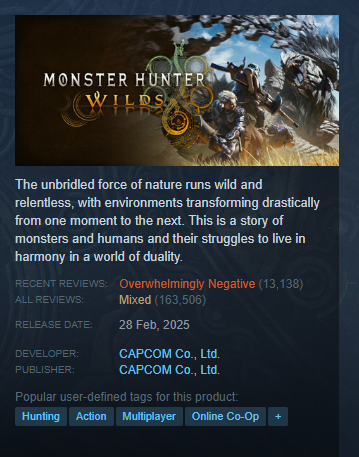
“Die,” “Bow down,” “Incompetent,” and “Scum” are just some of the violent messages being directed at specific Monster Hunter Wilds creators on social media. The harassment intensified after players reported serious technical issues with the game, including PC and console crashes during gameplay. The situation became so bad that Steam users gave the game an “overwhelmingly negative” rating – the lowest possible score on the platform.
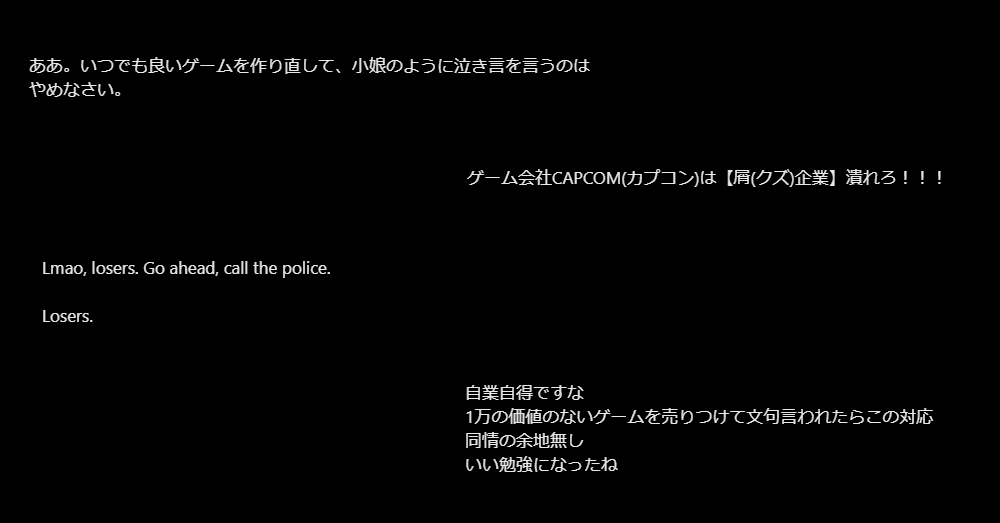
A Growing Problem
Industry expert Yasuda Hideki from Toyo Securities explains that while angry fans using harsh language isn’t new, the problem has gotten worse. “In recent years, as companies have begun to use creators as spokespeople, individuals have become targets,” he said.
The issue goes beyond just angry comments about games. With smartphones making the internet accessible to everyone, companies now expect the same level of civility online as people would show in public places. However, Yasuda believes that “when it comes to games, the changes in user awareness may not have caught up.”
The harassment isn’t limited to social media either. Square Enix noted that attacks can happen “not only on social media, but also when staff interact with users within online games.”
The Need for Player Accountability
While it’s understandable that players feel frustrated when games don’t meet their expectations, especially after spending their hard-earned money there’s a clear line between legitimate criticism and personal attacks. The sense of entitlement that some gamers display goes far beyond what’s reasonable or acceptable.
Yes, consumers have every right to voice their disappointments and demand better products. However, this doesn’t justify targeting individual developers with death threats or personal insults. There’s a crucial difference between saying “this game has serious technical issues that need fixing” and telling a developer to “die” or calling them “scum.”
Players need to exercise more patience and remember that game development is an incredibly complex process involving real people working long hours to create entertainment. Technical issues, while frustrating, are often unintentional and developers are usually working around the clock to fix them.
The gaming community would benefit from using proper channels to share feedback such as official forums, customer support, or constructive reviews rather than unleashing personal attacks on social media. Criticism can be harsh and direct without being cruel or threatening.
The Real Impact
The consequences of this harassment are becoming clear. Capcom was forced to cancel what would have been an educational presentation called “Making Monster Hunter Wilds run smoothly! Everything you need to know about optimization” at the CEDEC 2025 conference. The session was meant to share technical knowledge about game performance with other developers, but safety concerns made it impossible to proceed.

While companies generally accept criticism of their games and products, the line has been crossed when feedback turns into personal attacks and threats against individual employees. The gaming industry is now working to create safer working environments for developers while still welcoming constructive feedback from players.
A Two-Way Street: Developer Responsibility
While the harassment directed at developers is completely unacceptable, the gaming industry also needs to acknowledge its role in creating some of this frustration. When games are released with significant technical issues like crashes and performance problems it’s reasonable for players to expect more transparency and accountability from developers.
The situation can become even more complicated when players feel genuinely misled by companies. A recent case involving the mobile game Love and Deepspace shows how developer missteps can escalate beyond angry social media posts. Players have formally engaged a law firm to address what they claim is false advertising, alleging that promotional materials for a character event didn’t match what players actually received after spending money on in-game purchases.
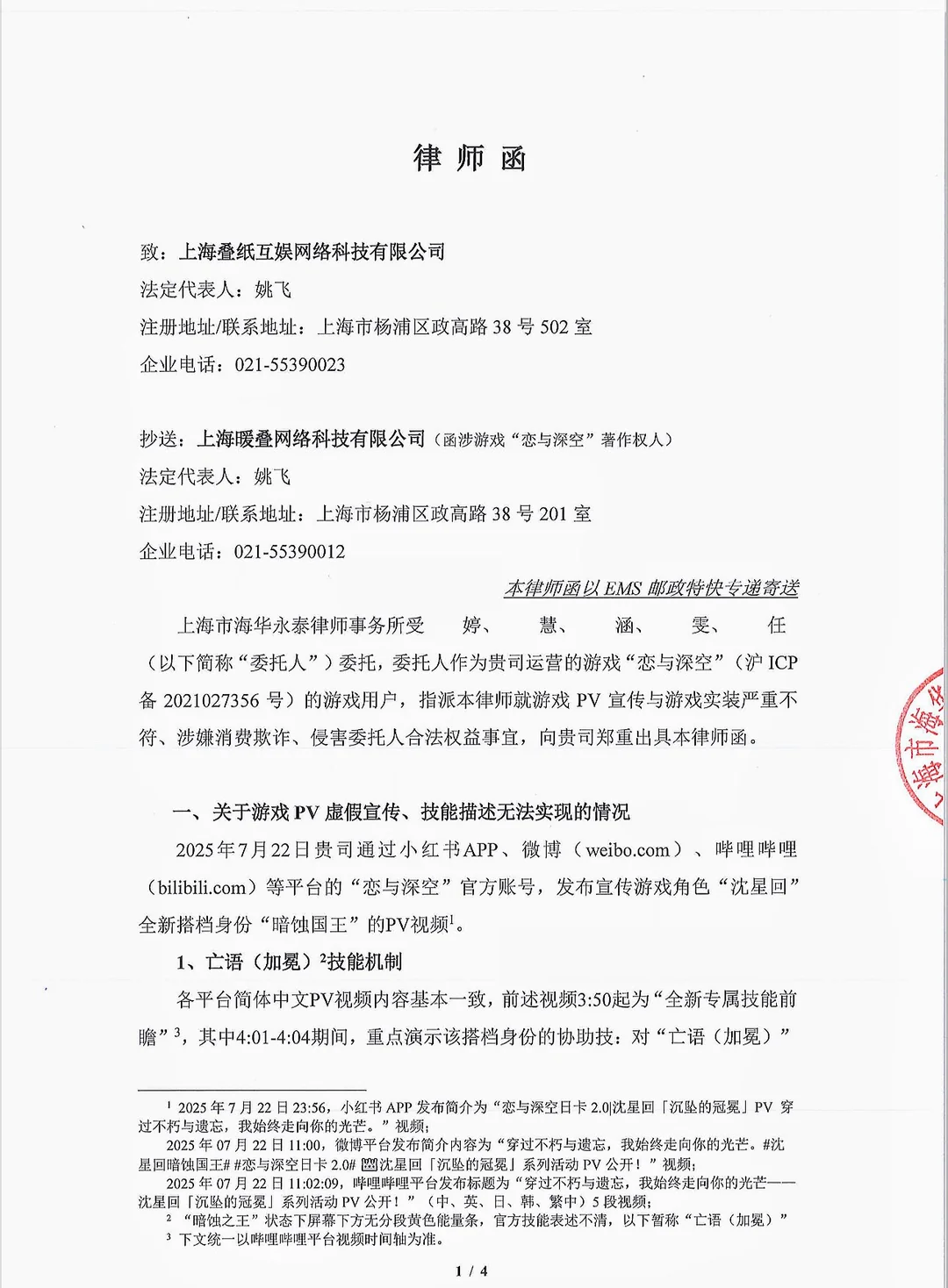
What makes this case particularly telling is how the company reportedly responded quickly to complaints about cosmetic items like cat plushies and claw machine mechanics, but seemingly ignored repeated concerns about more significant gameplay features. This kind of selective responsiveness can understandably frustrate players who feel their legitimate concerns are being dismissed while trivial issues get immediate attention.
Companies could help reduce tensions by being more upfront about known issues before launch, providing clearer timelines for fixes, and maintaining better communication with their player base. When developers stay silent or seem dismissive of legitimate technical complaints, it can unfortunately fuel the anger that some players then express inappropriately.
This doesn’t excuse threats or personal attacks in any way, but better communication and more thorough quality testing could help prevent some situations from escalating. Players are more likely to be patient and understanding when they feel heard and see genuine efforts to address their concerns.
The goal should be a gaming culture where developers feel safe to admit mistakes and work openly with their community to fix them, while players learn to express their frustrations constructively rather than destructively.
Companies Take a Stand
Customer harassment has become so serious that gaming companies are now fighting back with legal action. Capcom issued a public warning about customer harassment, stating they had found cases of “slander, libel, denial of character, intimidation, threats of harm, threats of business disruption, and harassment” targeting specific employees. The company warned it would pursue legal and criminal action in severe cases.
Capcom isn’t alone in this fight. Sega took legal action against someone who made excessive attacks against one of their employees on social media in July 2024. After getting approval to reveal the attacker’s identity, they reached a settlement. The company said it was “deeply concerned” about the ongoing slander against game developers.
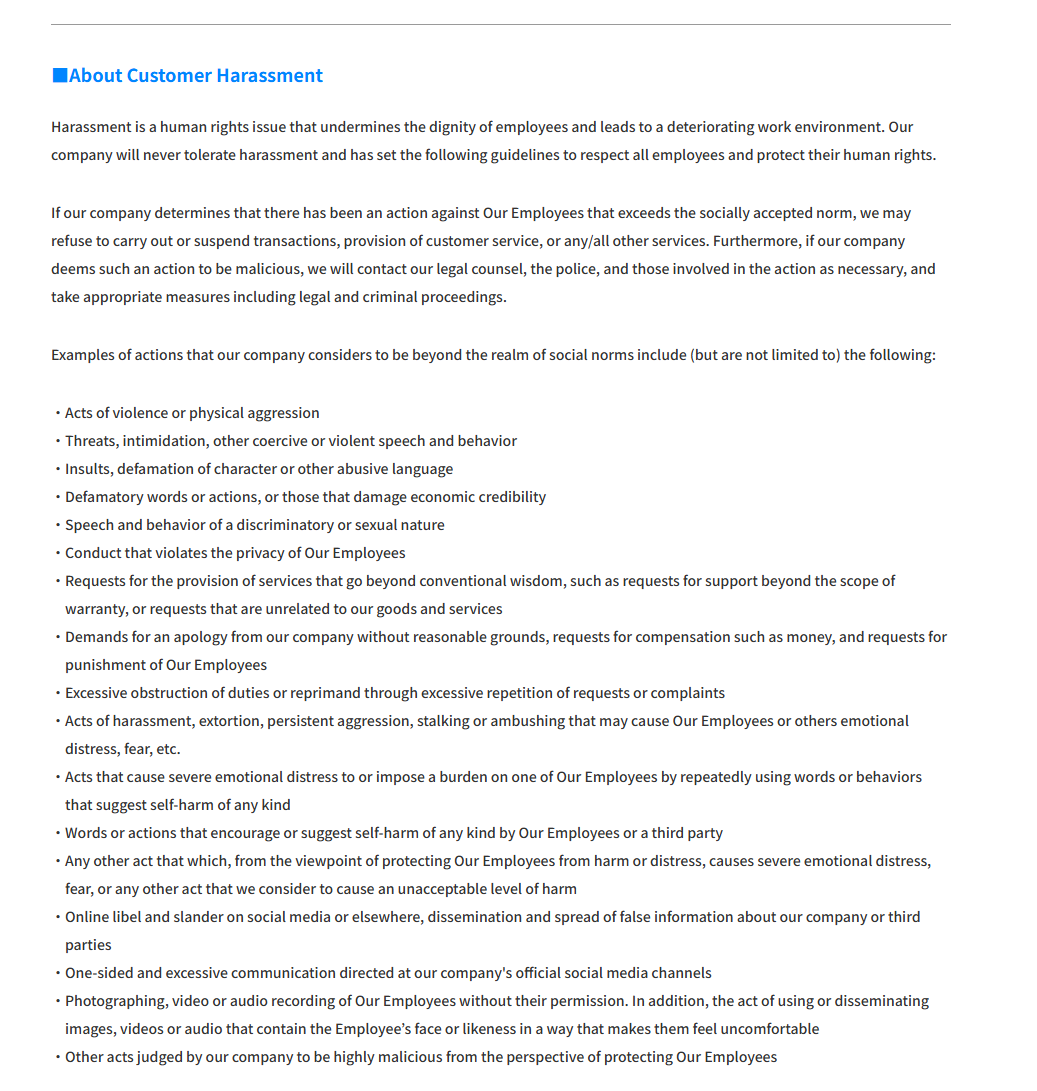
Square Enix announced its own anti-harassment policy in January, promising legal action for severe cases including slander and threats against executives and staff. Nintendo added customer harassment rules to its repair service terms in 2022, while Bandai Namco Entertainment announced its response policy in 2024.
As more companies announce zero-tolerance policies and take legal action, the message is clear: criticism of games is welcome, but harassment of the people who make them will not be tolerated.
Where Do We Go From Here?
The gaming community stands at a crossroads. We can choose to be a culture that values creativity, hard work, and respectful discourse—or one that drives talented people away from the industry through fear and intimidation. The choice is ours, but the consequences affect everyone who loves games.
If the recent escalation of threats and harassment continues unchecked, the gaming industry faces a genuine crisis that could fundamentally change how games are made and who makes them. Already, we’re seeing developers forced to cancel educational presentations and companies spending resources on legal protection instead of game development. This is just the beginning.
If the gaming community doesn’t take decisive action against customer harassment to reject this toxic behavior and if companies don’t find better ways to communicate with frustrated players, we may find ourselves in an industry where fear dominates creativity and walls separate developers from the people who play their games. That would be a loss for everyone.