










![[EXCLUSIVE] Brendan Gan Delivers One of Malaysia’s Best-Ever Worlds Results, Shares Thoughts on Pressure and the Local Scene](https://cdn.gamerbraves.com/2026/08/Brendan-Gan_Interview_FI-360x180.jpg)





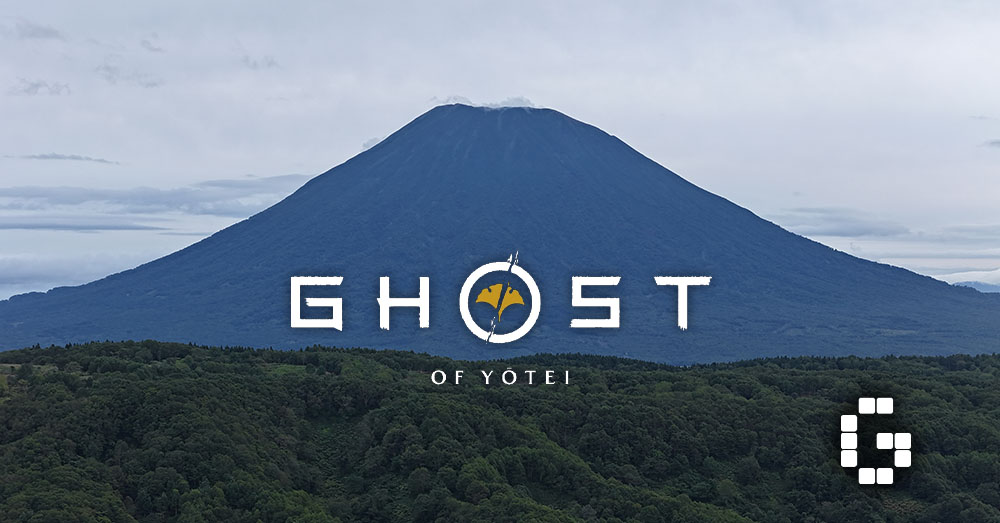
The Ghost of Yōtei Hokkaido Tour is inspired by PlayStation’s Ghost of Yōtei, taking participants through the real-life locations that shaped the game’s setting. It’s a blend of historical landmarks, breathtaking landscapes, and cultural heritage — all woven together to show the inspiration behind the game’s world.
We joined the tour hoping to experience the heart of Hokkaido from a new perspective. Throughout the day, we traveled across samurai villages, volcanic valleys, and snow-covered fields, exploring places that connected fiction to reality. Unfortunately, the weather wasn’t on our side — rain came and went, and at one point, snow started to fall unexpectedly. Still, despite the cold and slippery paths, the journey was every bit as memorable as we hoped it would be.
Noboribetsu Date Jidai Village — A Step Into the Edo Period
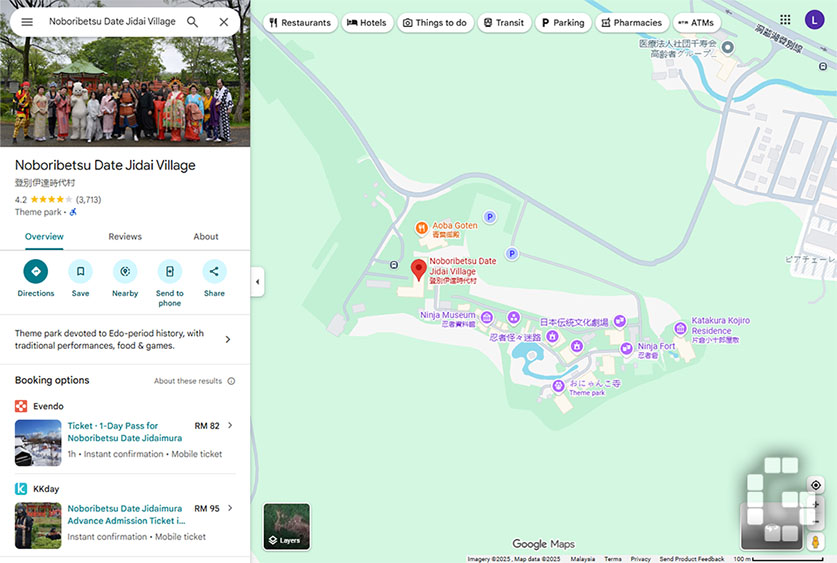
| Location | Google Maps link |
| Noboribetsu Date Jidai Village | Link |
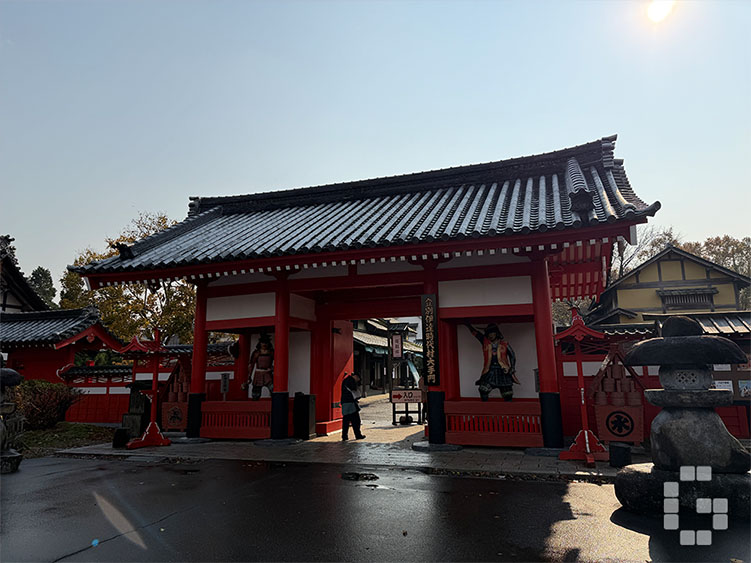
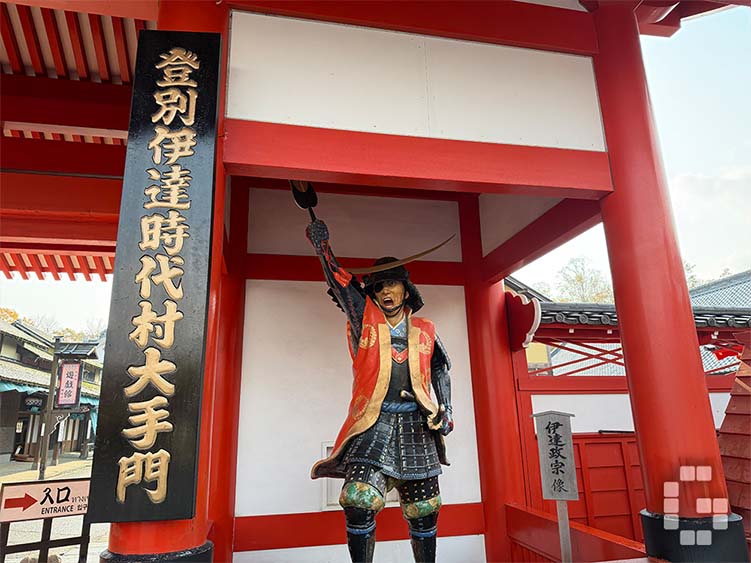
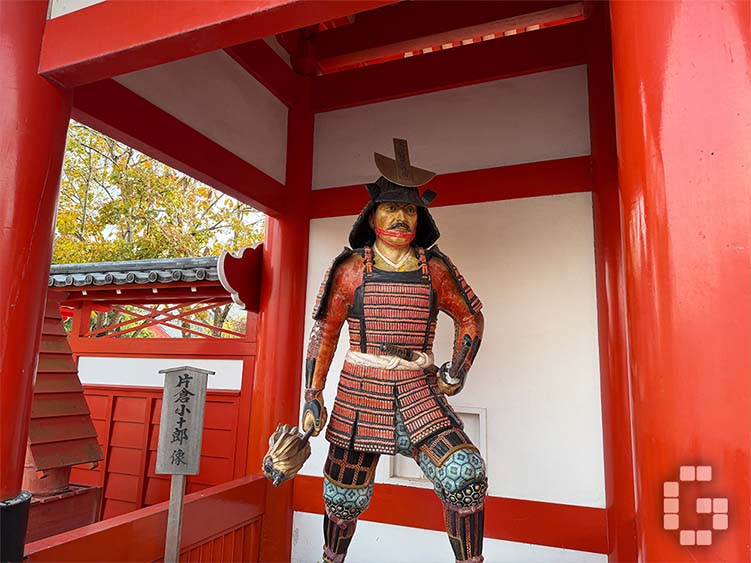
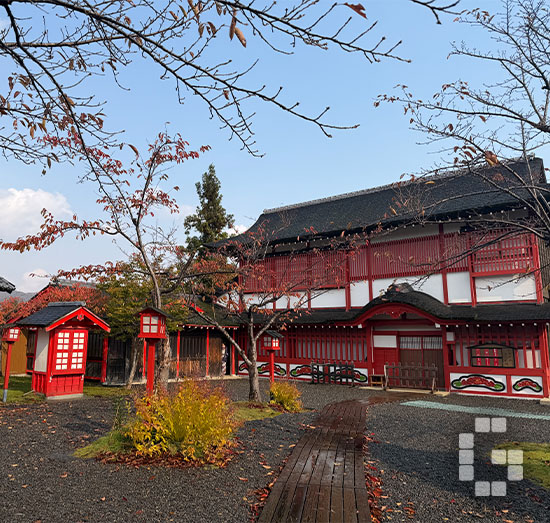
Our first stop was Noboribetsu Date Jidai Village, located about an hour and a half away from the hotel. This samurai-themed attraction recreates the atmosphere of Japan’s Edo period with remarkable detail — from its architecture to the staff dressed in traditional attire. At the entrance, we were greeted by two imposing statues: Masamune Date and Katakura Kojūrō, setting the tone for the historical journey ahead.
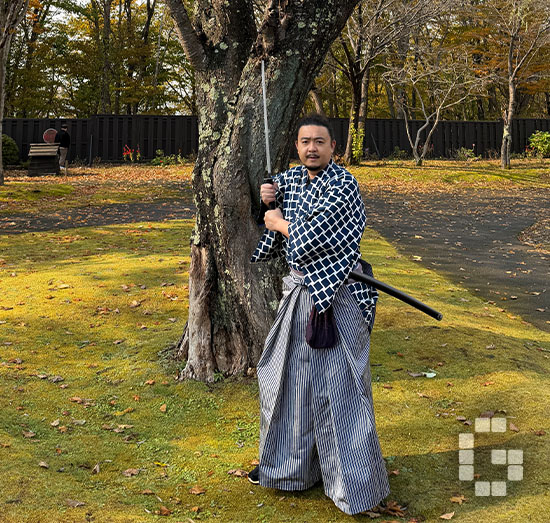
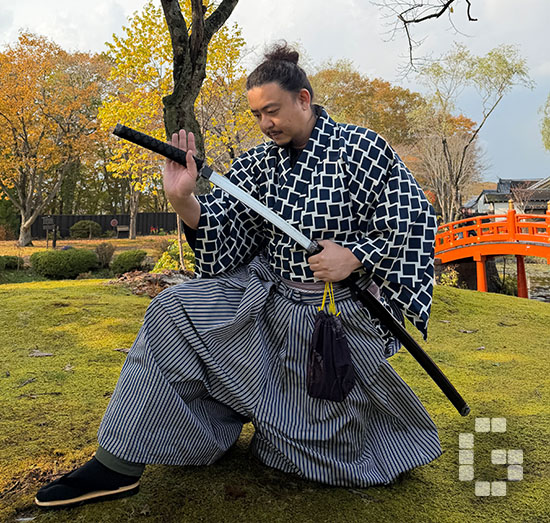
One of the highlights of the village was the Utsuroi-kan, where visitors could rent traditional Japanese clothing. The variety was impressive, offering everything from kimonos and yukata to ninja and kunoichi gear, samurai armor, shinsengumi uniforms, oiran and maiko dresses, as well as princess and lord outfits. The selection was available for both adults and children, though not every design came in every size. There were two different catalogues to browse — one for costumes that could be worn during a photography session, and another for outfits that could be worn freely around the village.
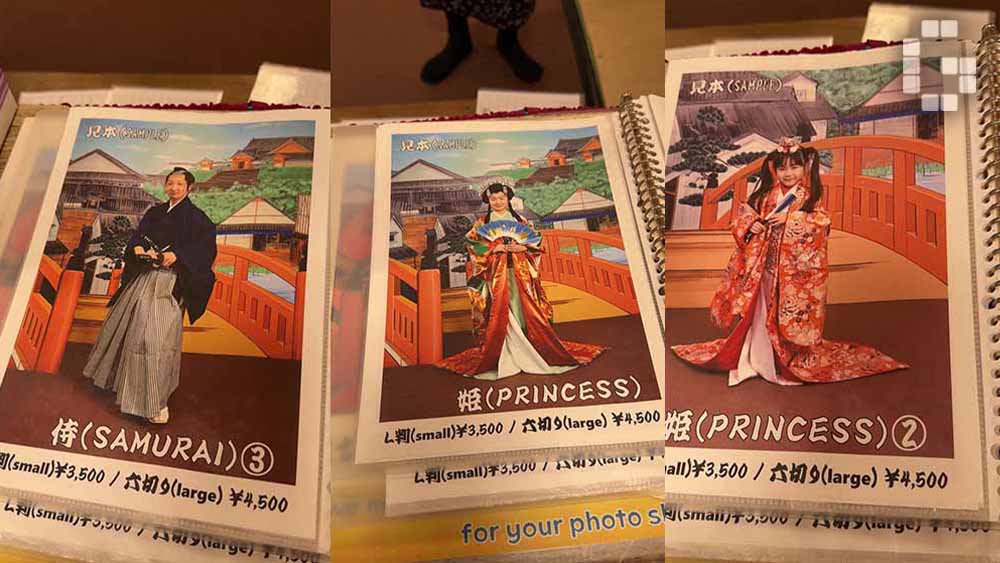
| Photo | Price |
| L size photo (89mm x 127 mm) | 3500 yen per person |
| 8x10 size photo (203mm x 254mm) | 4500 yen per person |
| Additional L size photo (89mm x 127 mm) | 1000 yen per photo |
| Additional 8x10 size photo (203mm x 254mm) | 1500 yen per photo |
For those interested in studio photography, the fees were 3,500 yen per person for an L-size photo and 4,500 yen for a larger 8×10 photo. These prices covered the outfit rental, photo shoot, and one printed photo. Some premium costumes, like the formal samurai armor and the oiran outfit, were priced slightly higher at 4,000 yen and 5,000 yen respectively for the same photo sizes.
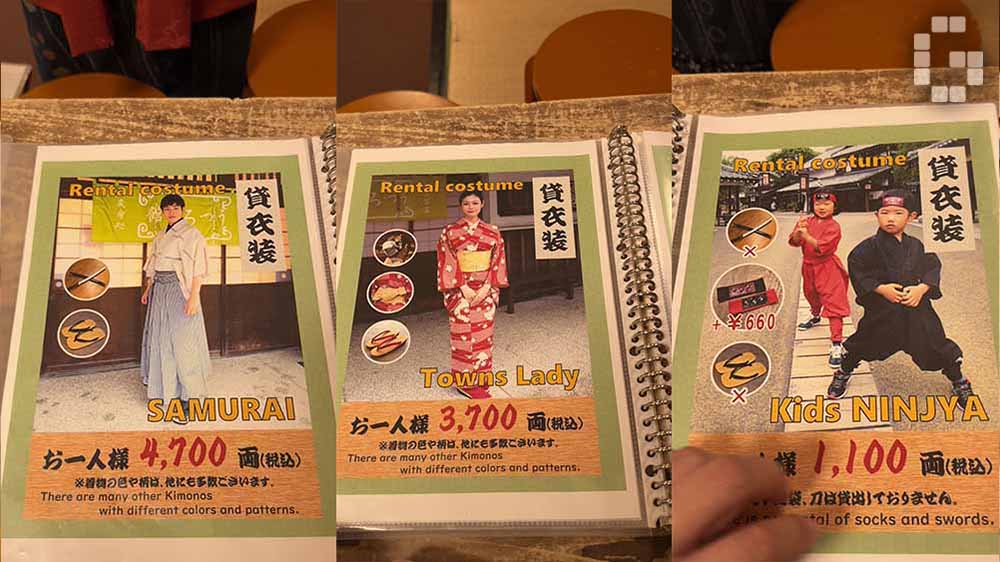
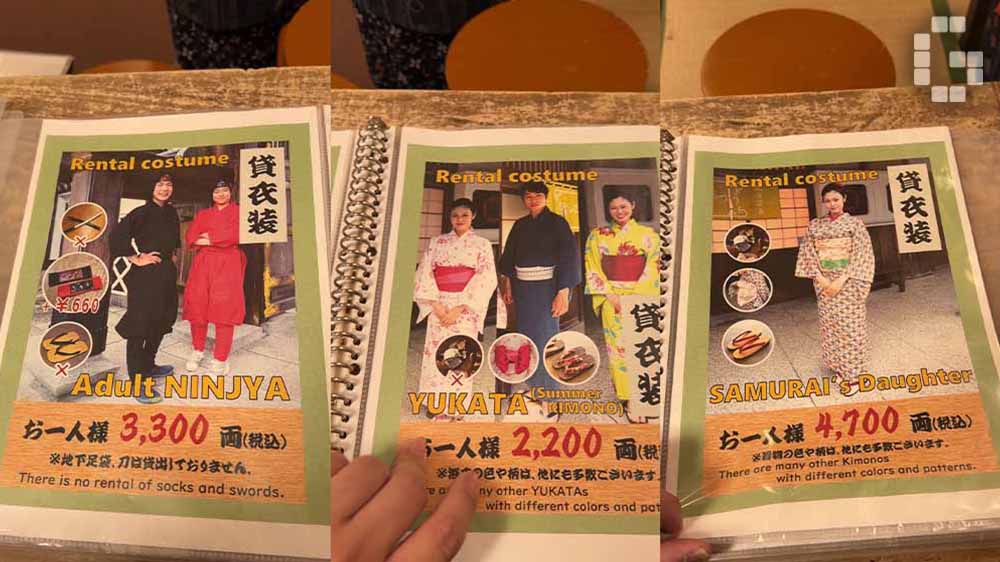
| Costume | Price |
| Ninja Kid (elementary school and younger) | 1100 yen |
| Ninja Adult (middle school and older) | 3300 yen |
| Towns Lady | 3700 yen |
| Samurai / Samurai’s Daughter | 4700 yen |
| Yukata Kid *During summer only | 1100 yen |
| Yukata Adult *During summer only | 2200 yen |
If you wanted to fully immerse yourself in the atmosphere and walk around the village in costume, the rental prices varied depending on the outfit. The kids’ ninja outfit and yukata cost 1,100 yen for the entire day, while the adult yukata was 2,200 yen. Dressing up as an adult ninja cost 3,300 yen, as a town lady cost 3,700 yen, and the samurai or kimono set was priced at 4,700 yen.
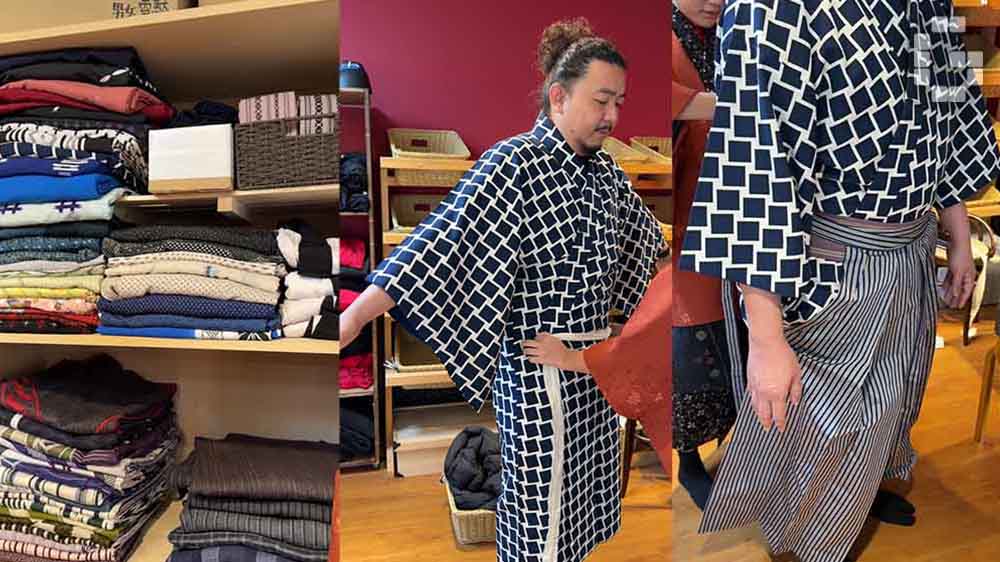
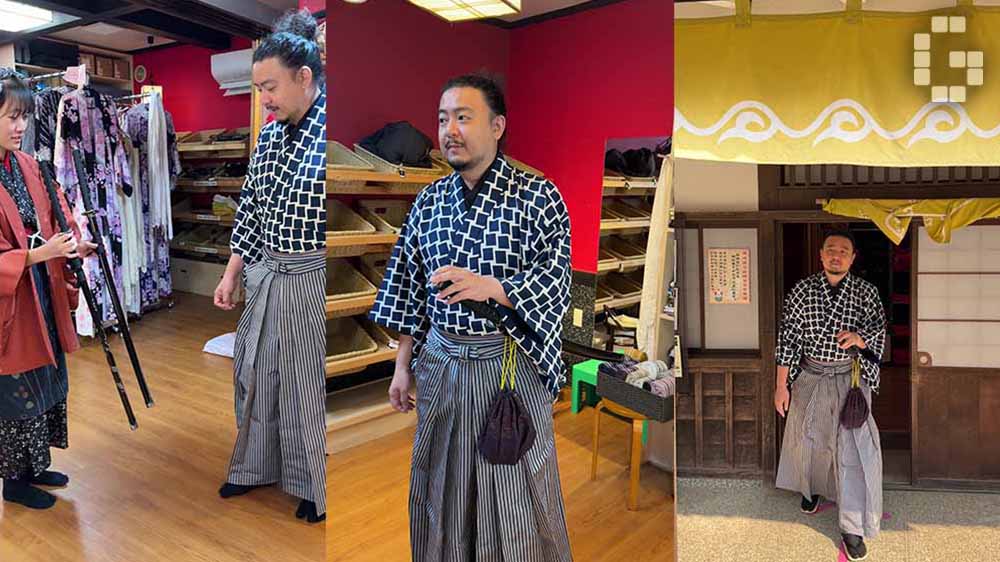
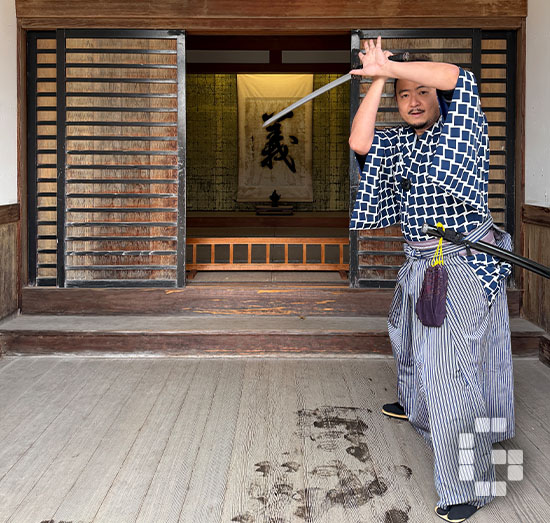
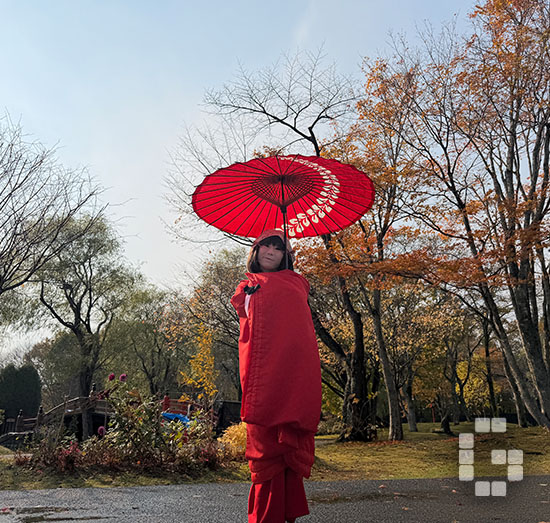
Staying true to the theme of Ghost of Yotei, we naturally chose the samurai outfit, which even came with two plastic katana — a fun detail that completed the look. Although, we did knock the katanas unto the wall anytime we turned to our left.
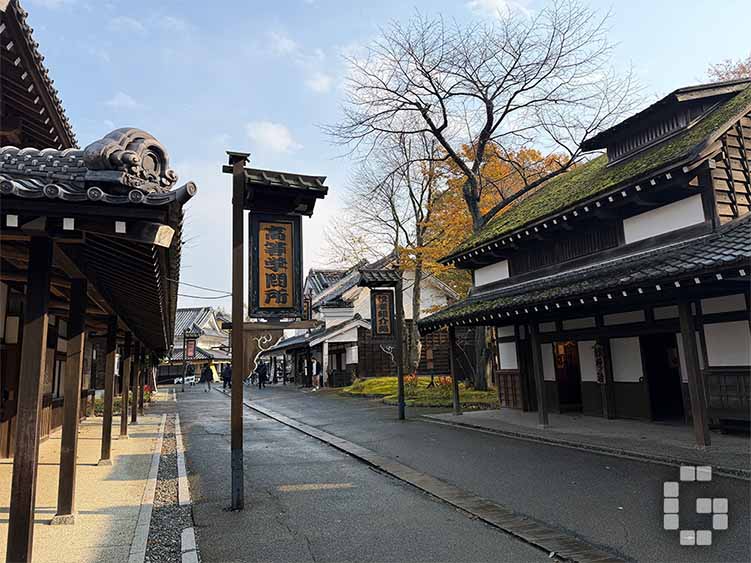
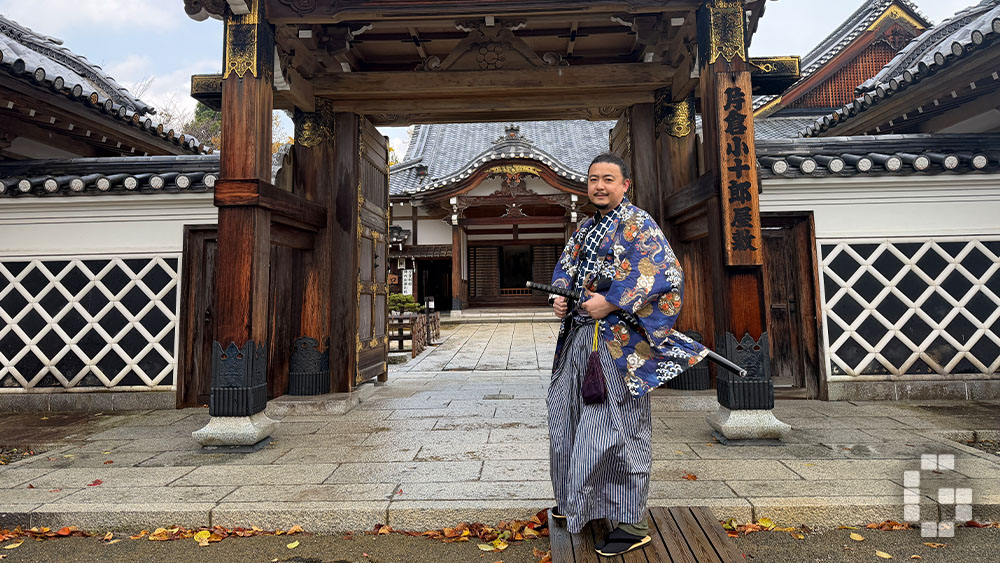
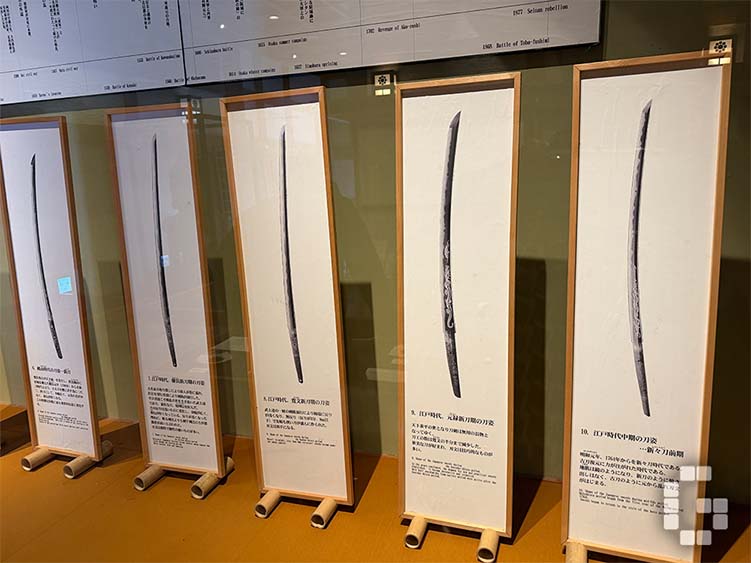
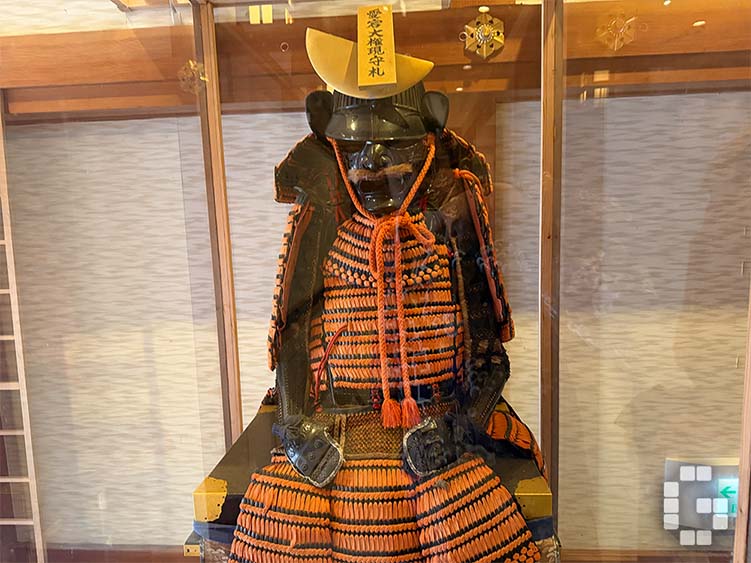
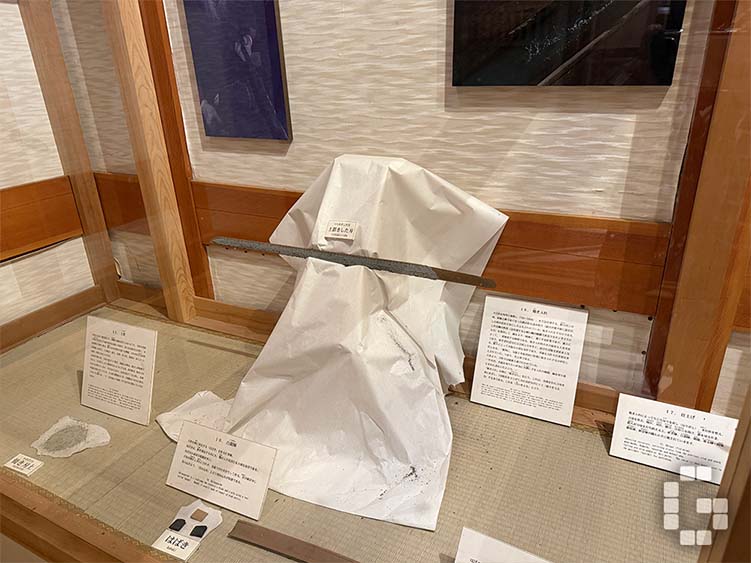
Beyond the charming scenery, there were also several museums and exhibits worth exploring. Inside the Katana Museum, located within the Katakura Residence, we learned about the artistry behind Japan’s legendary blades. The displays showcased swords from different eras, alongside detailed explanations of their crafting process and evolution. A recreated katana craftsman’s (kanuchi) workshop was also featured, giving visitors a closer look at the tools and techniques once used to forge “the warrior’s soul.” Nearby, the Katakura History Museum offered additional exhibits, including suits of armor and historical information about the Noboribetsu region and its samurai heritage.
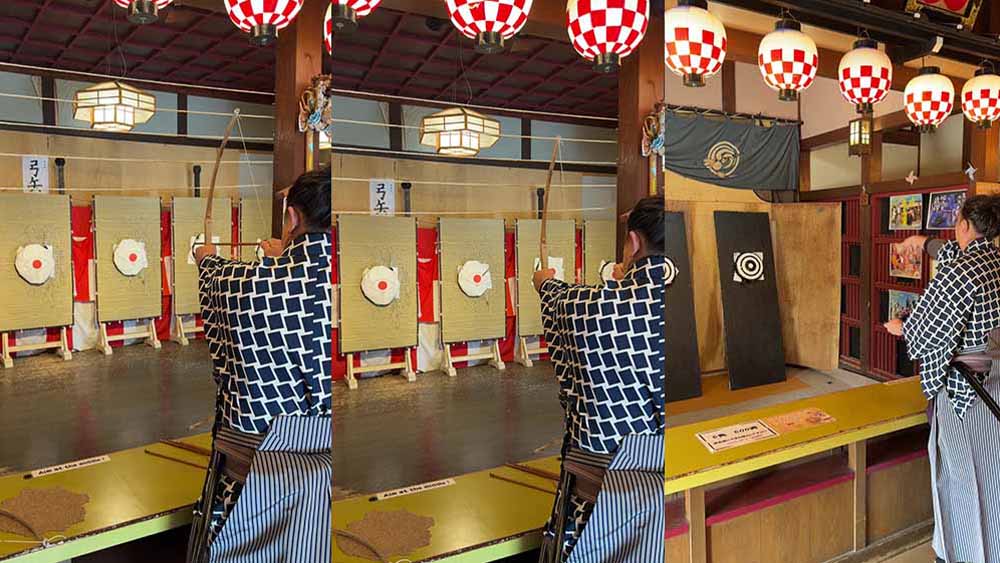
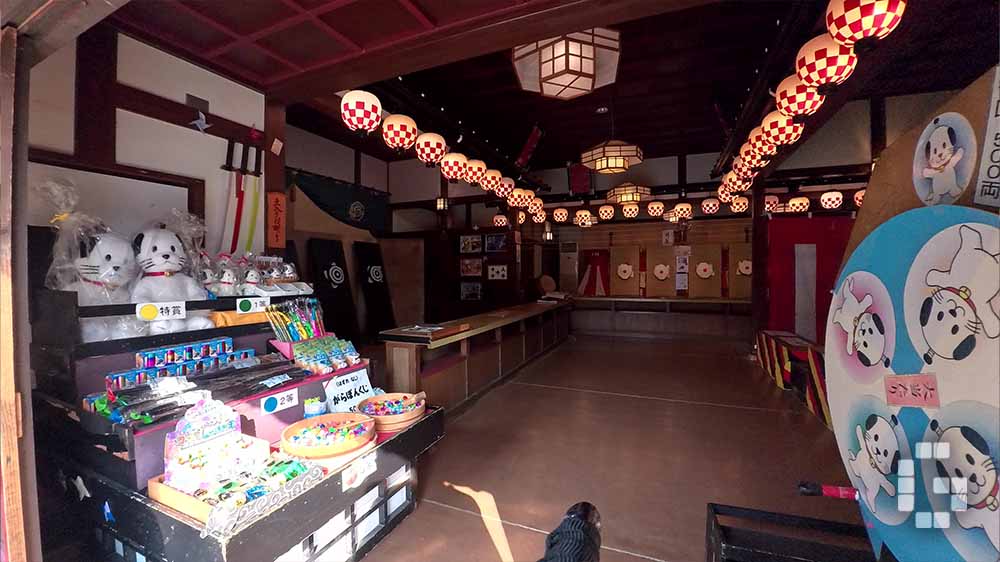
For those seeking something more hands-on, the Taiken Dojo provided a chance to practice archery and shuriken throwing. Both activities cost 500 yen for five tries, and though we didn’t manage to win any prizes, it was still great fun testing our aim. The possible prizes were displayed at the front of the dojo, adding a bit of friendly competition for visitors.
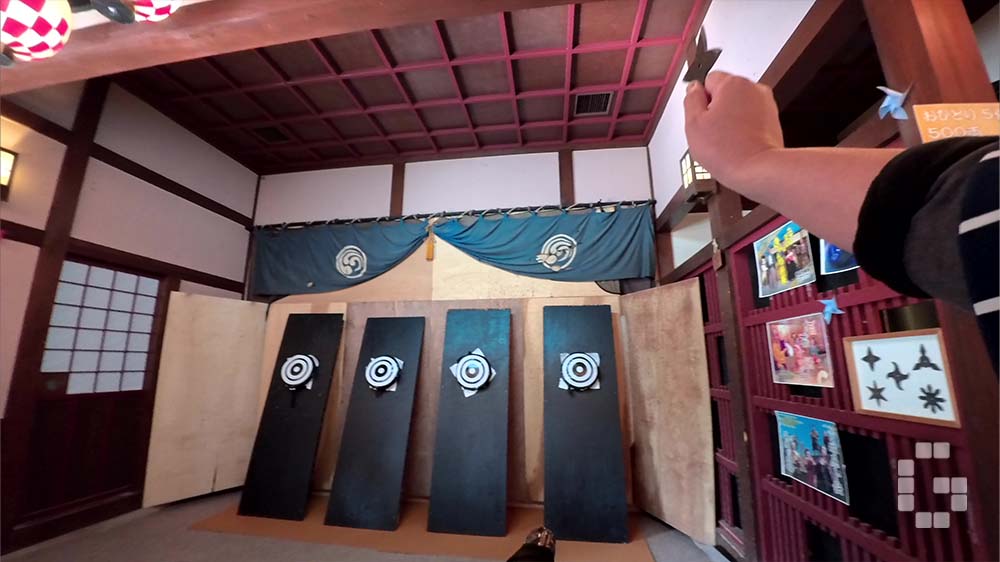
| Games at Taiken Dojo | Price |
| Garapon Lottery | 500 yen / 1 try |
| Shuriken Throw | 500 yen / 5 throws |
| Japanese Archery | 500 yen / 5 arrows |
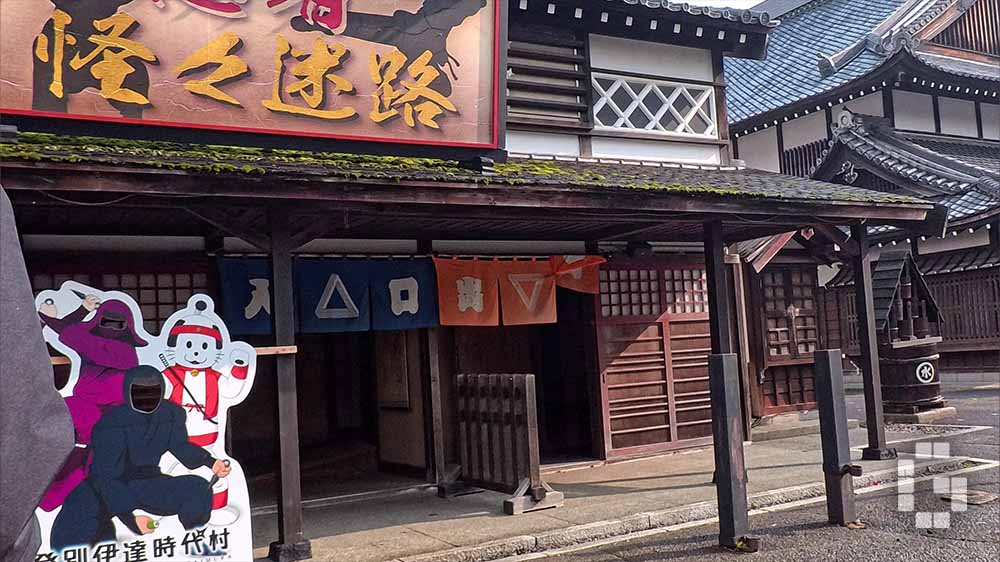
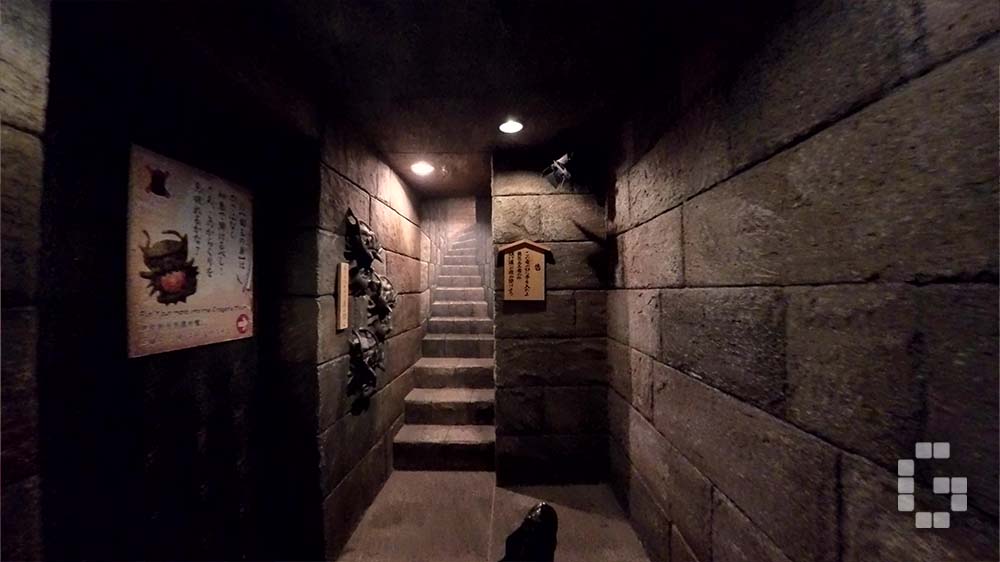
We also took on the Ninja Maze, an indoor labyrinth designed like a traditional Japanese house. It tested our sense of direction with sliding doors, hidden passages, and narrow corridors, giving a taste of what it might feel like to be a stealthy ninja on a secret mission. Along the way, we took photos with the staff members, who were all dressed in authentic period attire, adding to the overall immersion.
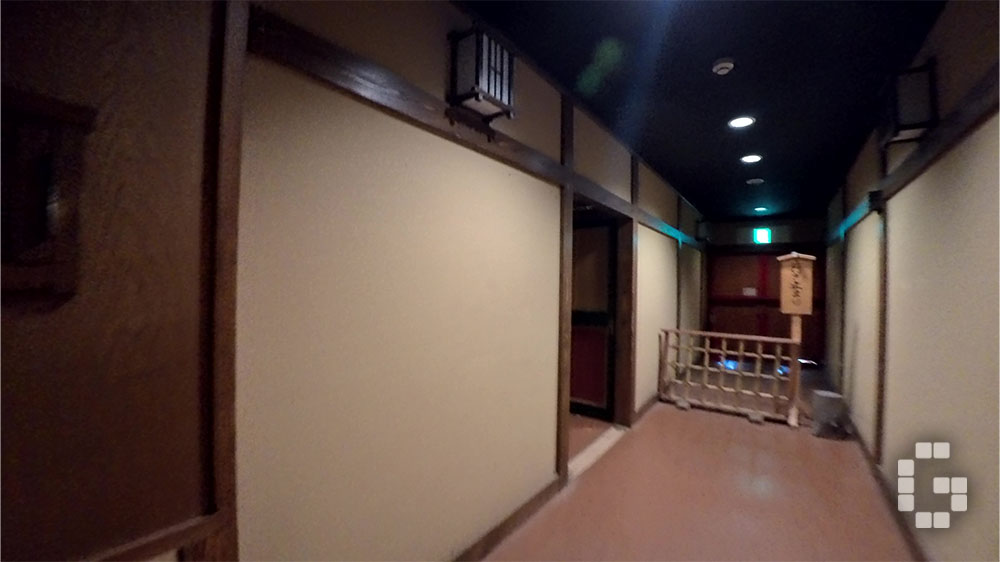
Unfortunately, the weather wasn’t entirely on our side. The rain came and went throughout the day, leading to the cancellation of stage shows and outdoor performances. Even so, the experience at Noboribetsu Date Jidai Village remained one of the most memorable parts of the journey — a perfect blend of history, culture, and interactive fun.
Noboribetsu Jigokudani (Hell Valley) — Nature’s Fiery Canvas
| Location | Google Maps link |
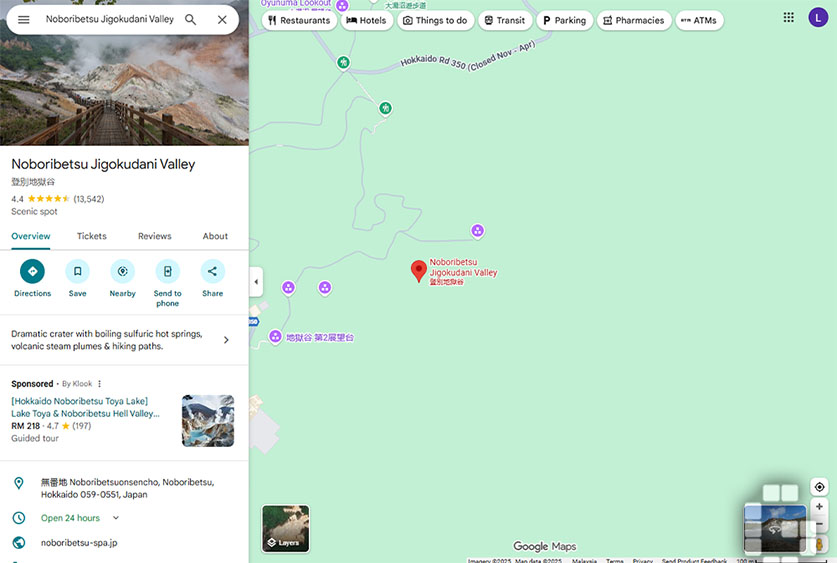
| Noboribetsu Jigokudani / Hell Valley | Link |
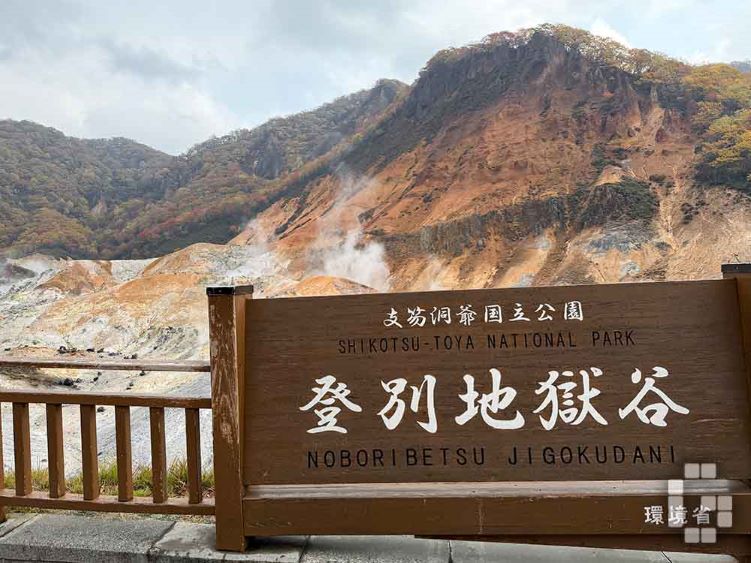
Our second stop took us to the otherworldly Hell Valley, or Noboribetsu Jigokudani, where the landscape was alive with steam and the unmistakable scent of sulfur. The path wound through the valley, offering views of bubbling hot springs and vents spewing white mist into the crisp air. While the trek was a bit slippery in places, every step revealed a new glimpse of the valley’s dramatic terrain.
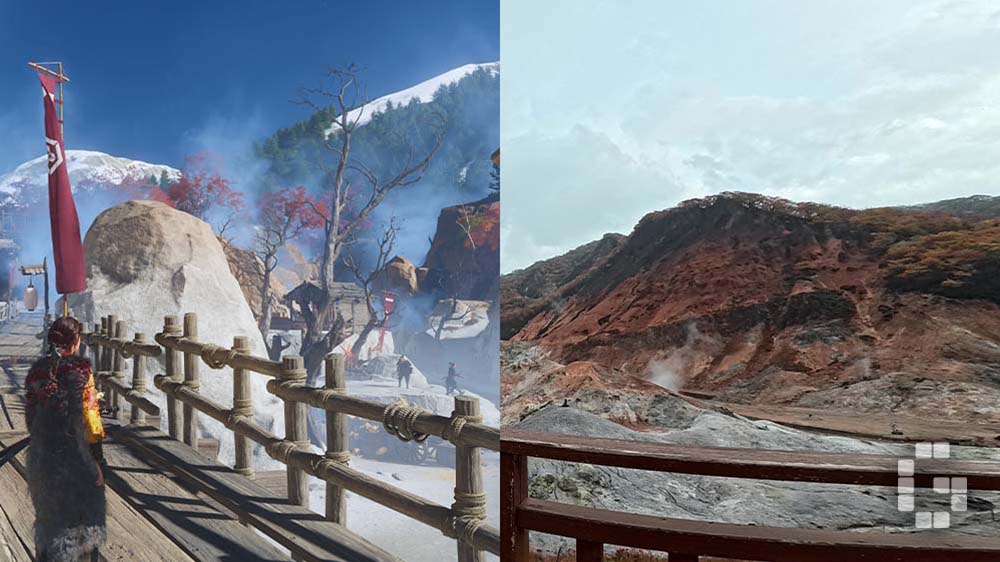
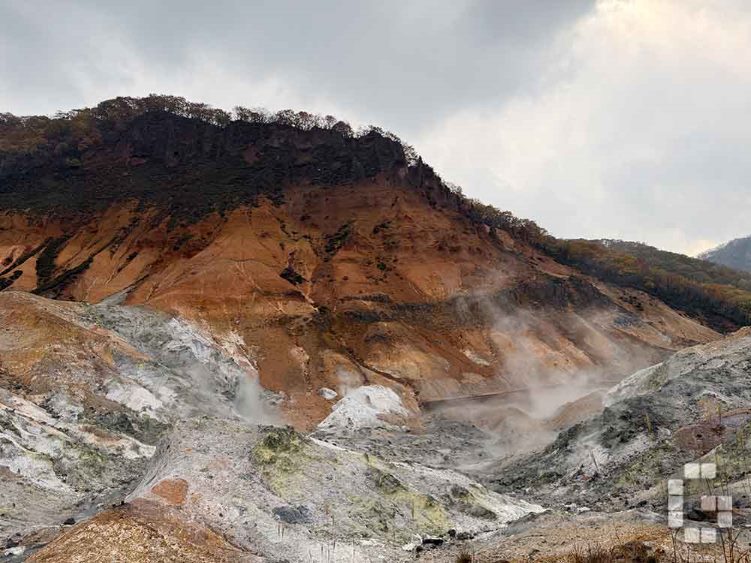
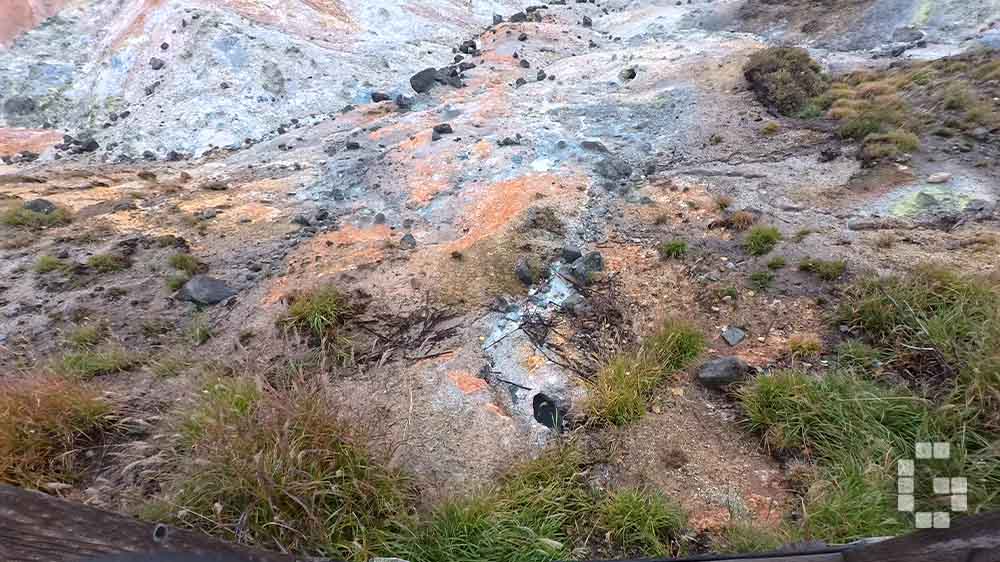
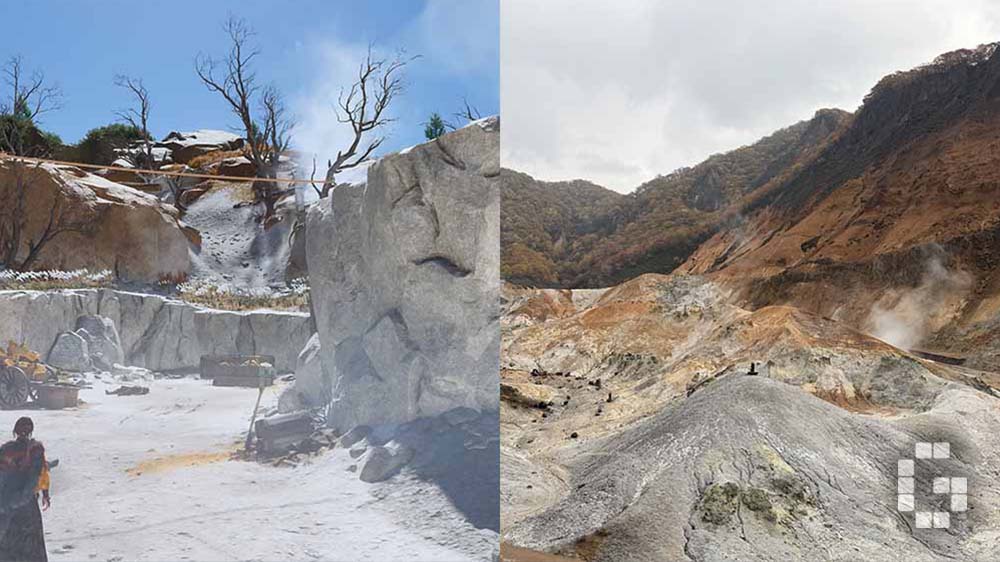
It was fascinating to see how the sulfur shaped the environment — in some areas, the soil was so rich in minerals that trees simply couldn’t grow, leaving stretches of barren ground surrounded by patches of surviving greenery. The air carried a heavy, egg-like smell from the hot springs, but it also brought warmth. Unlike the other stops on our trip, the valley felt noticeably milder, the geothermal heat cutting through the chill of the mountain air. Between the steaming pools, rugged rocks, and sparse vegetation, Hell Valley lived up to its name — an eerie yet beautiful reminder of nature’s raw power that inspired the scenes of Ghost of Yōtei.
Lake Toya / Toyako Onsen — Tranquility Beneath the Mist
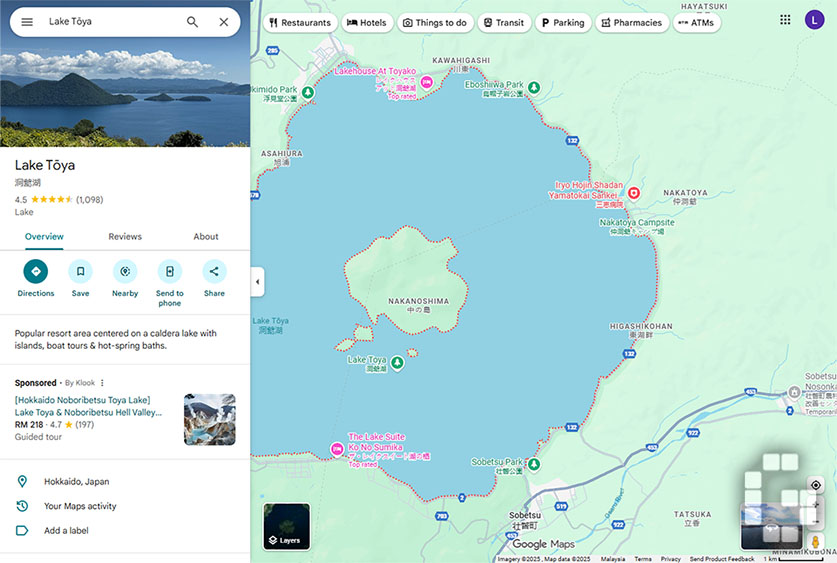
| Location | Google Maps link |
| Lake Tōya | Link |
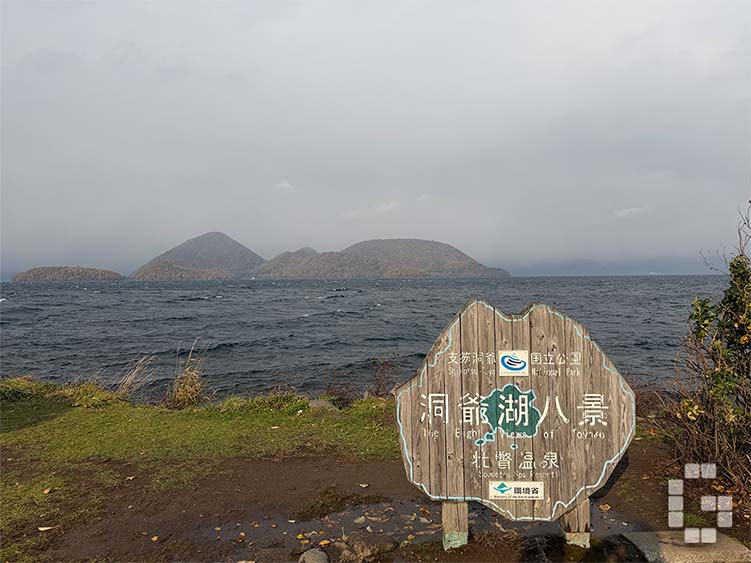
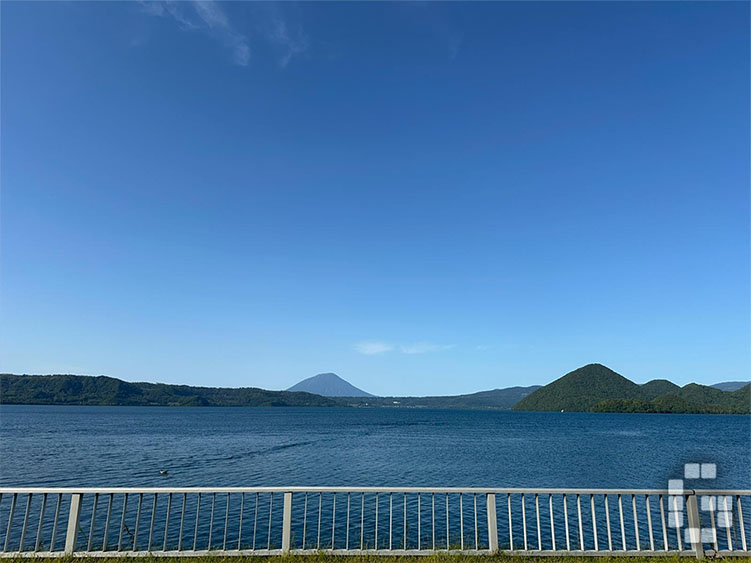
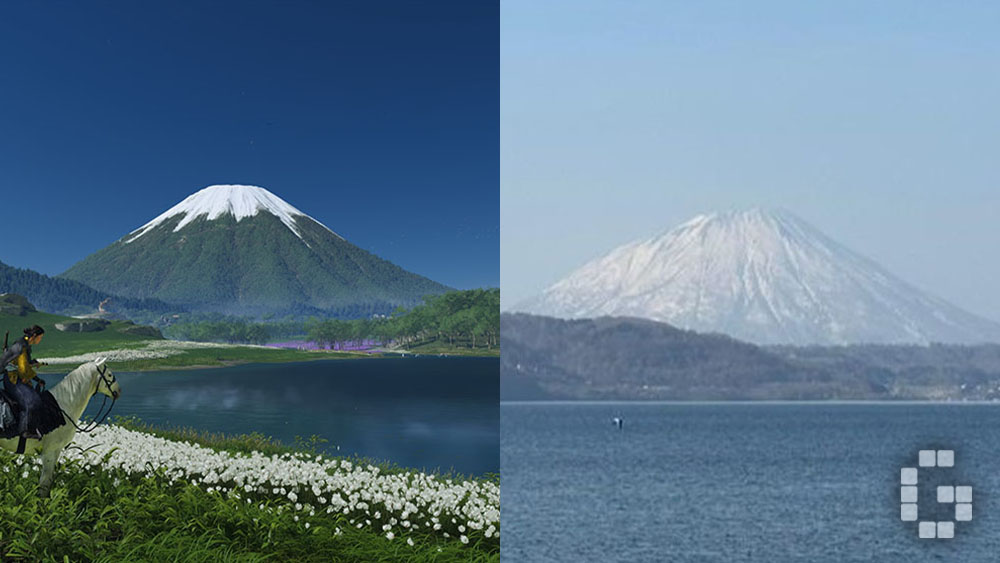
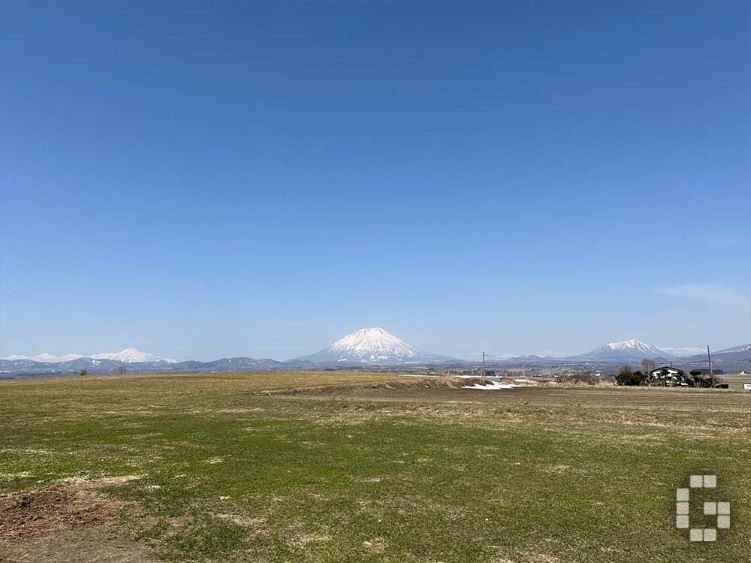
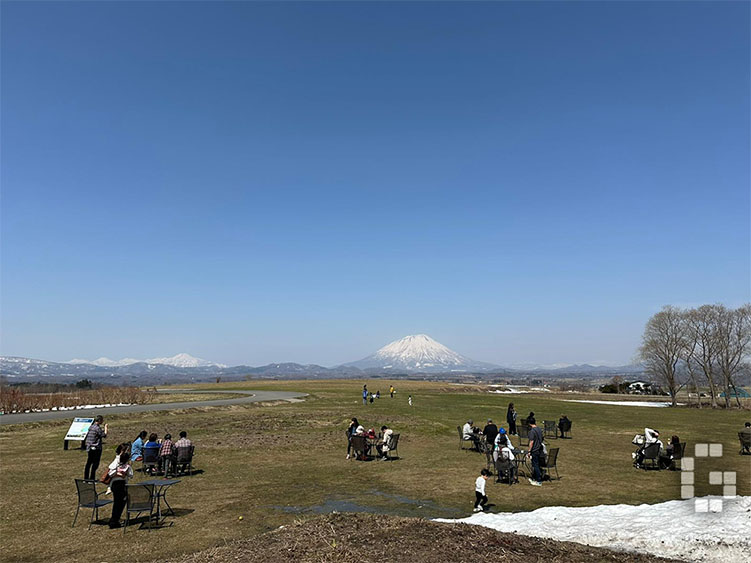
Our third stop brought us to Lake Tōya, a serene destination that’s normally famous for its breathtaking view of Mount Yotei in the distance. Unfortunately, the weather wasn’t on our side that day — thick mist and fog rolled across the lake, completely veiling the mountain from sight. We managed to catch a fleeting glimpse of its outline through the haze, but it disappeared almost as soon as it appeared, leaving us without a chance for photos.
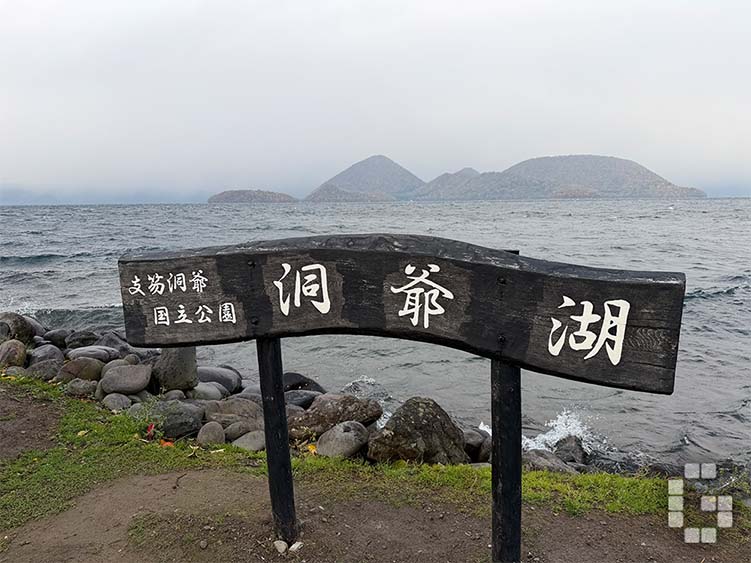
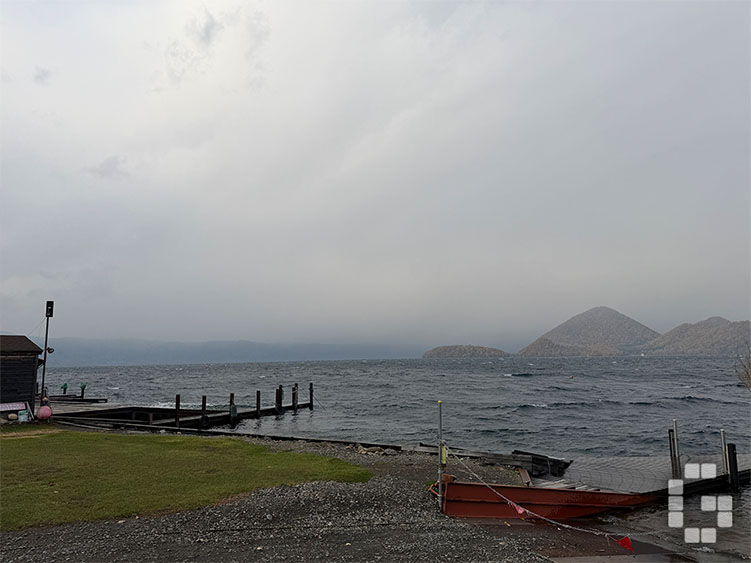
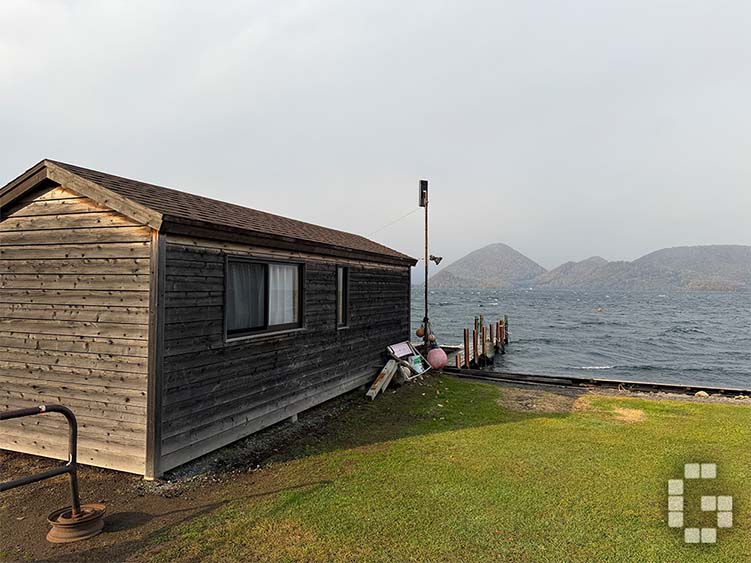
What stood out instead was the lake itself. Despite being a freshwater lake, the waves were surprisingly strong, crashing and rolling as if we were standing by the sea. Combined with its vast size, it almost felt like we were at a coastal shore rather than a lakeside viewpoint. Although we couldn’t capture Mount Yōtei that day, the tour agency thoughtfully provided a photo of the mountain — a reminder of what could have been a perfect view on a clearer day.
Lake Hill Farm — Sweet Treats in the Snow
| Location | Google Maps link |
| Lake Hill Farm | Link |
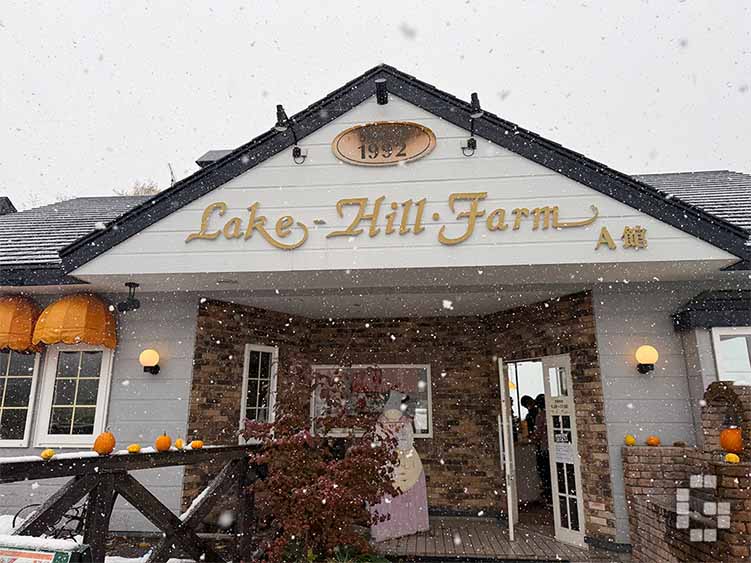
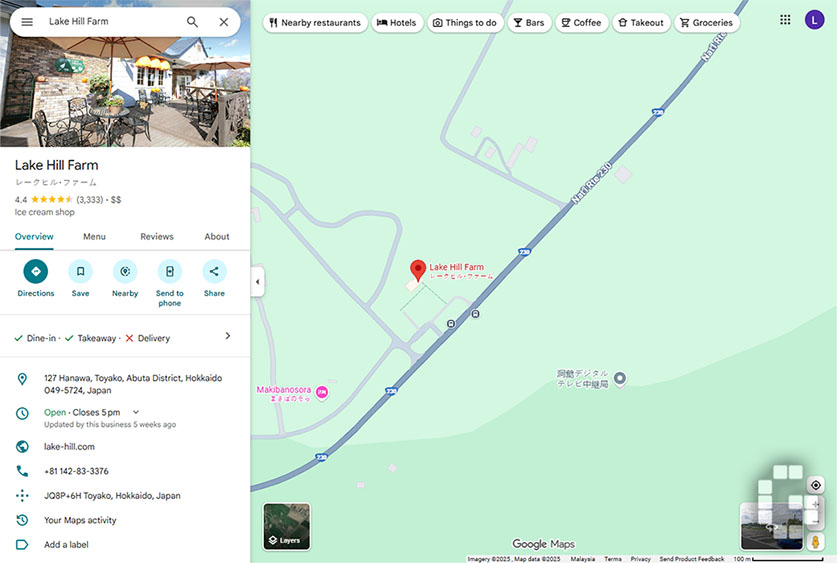
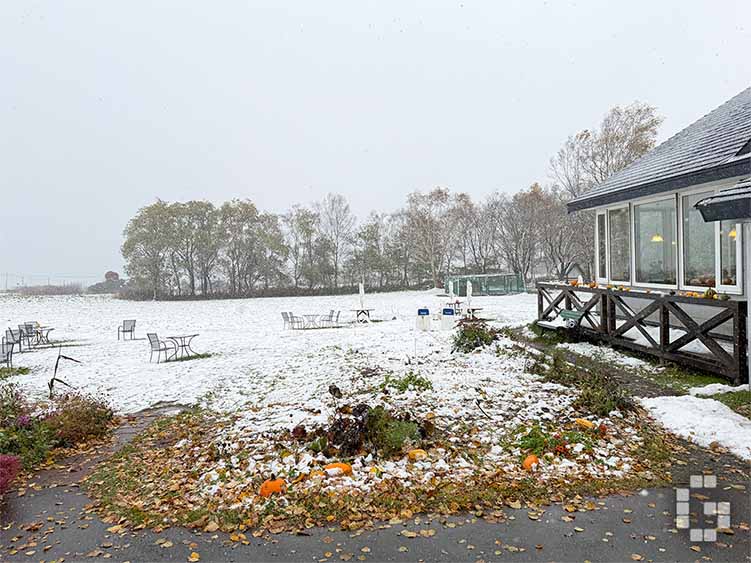
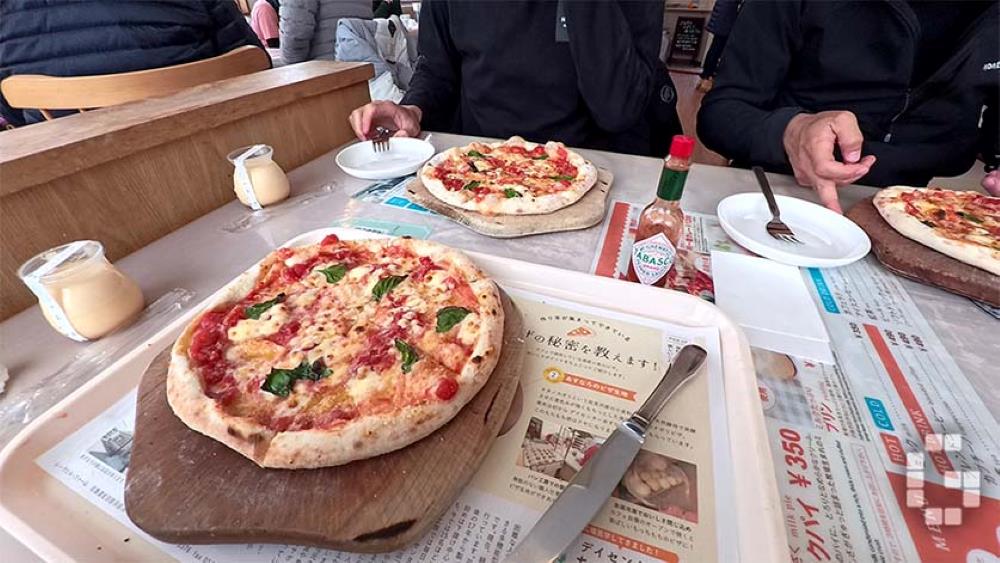
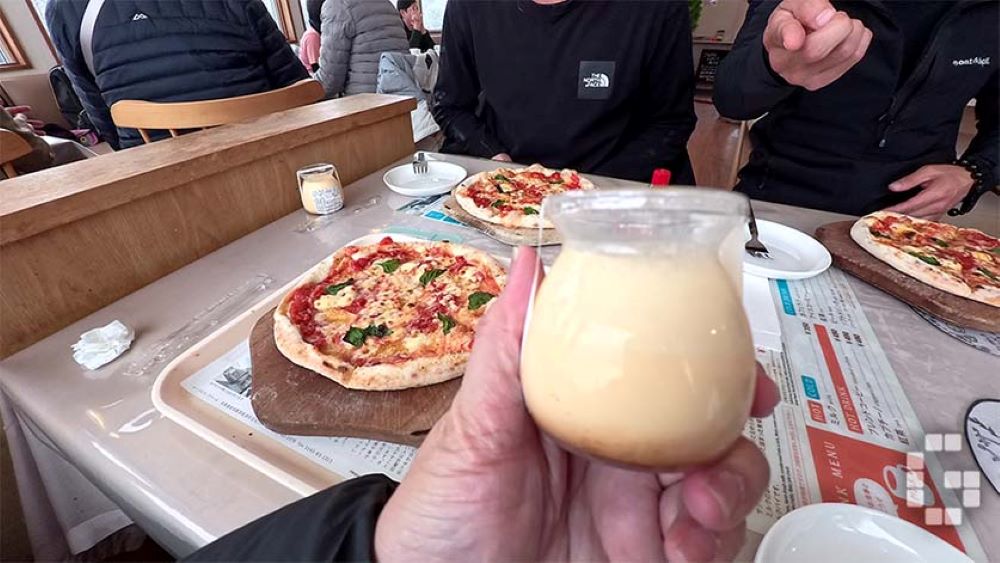
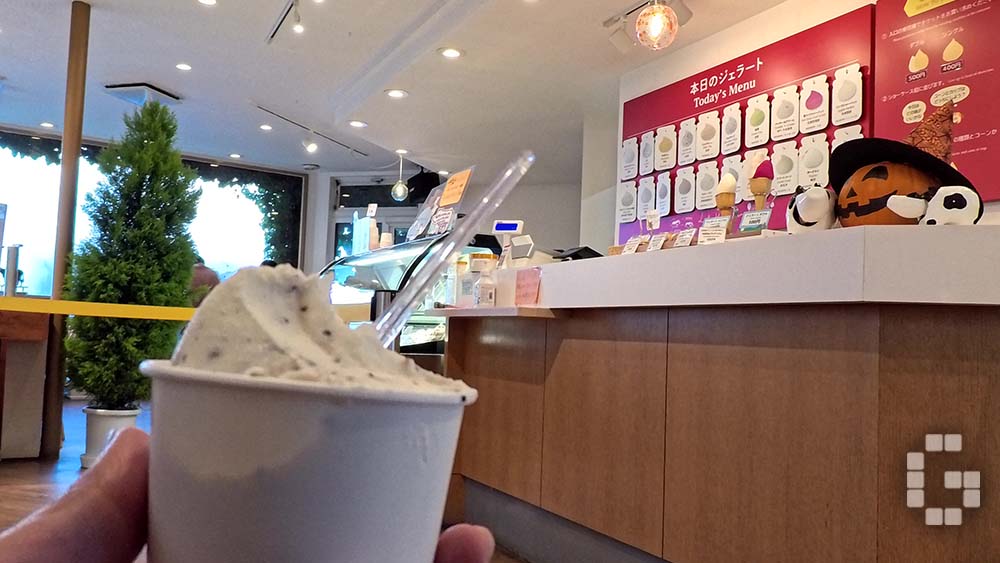
Our next stop brought us to Lake Hill Farm, a charming spot famous for its fresh dairy products like gelato, pudding, and pizza. The area was blanketed in snow when we arrived, which made walking around a bit tricky as our shoes quickly got wet. It felt like the kind of place where animals would usually roam freely across the open fields, but with the cold weather and heavy snow, none were in sight — most likely taking shelter somewhere warm.
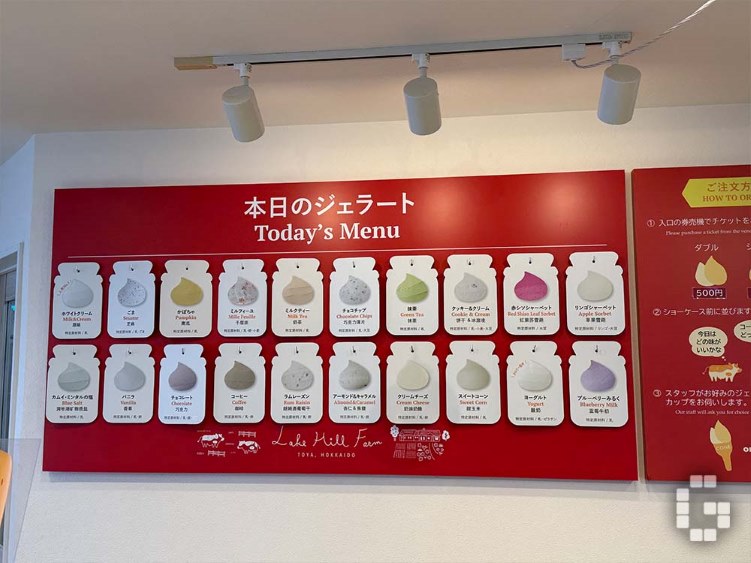
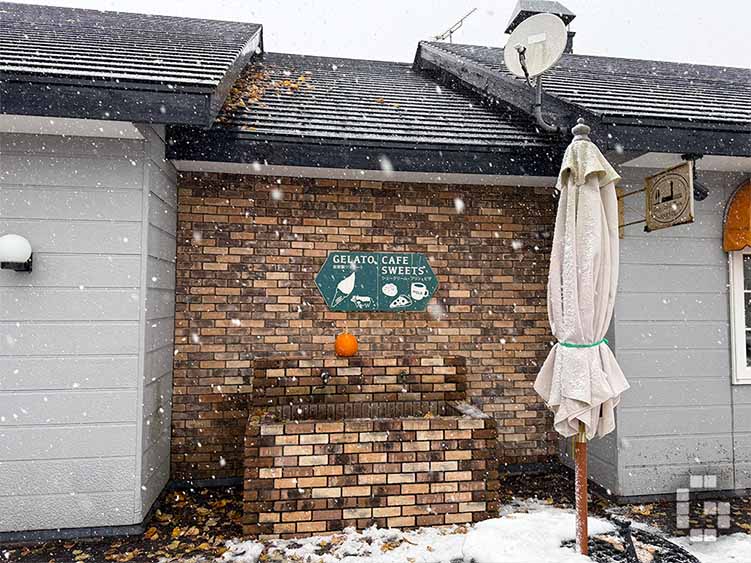
Despite the chilly temperature, we couldn’t resist trying the farm’s signature gelato. It just wouldn’t have felt right to skip their most popular item. We also enjoyed their freshly made pizzas, which paired perfectly with the cozy winter atmosphere. The prices were quite reasonable too — pudding at 480 yen, pizza at 1,200 yen, and gelato priced at 400 yen for one flavor, 500 yen for two. Limited-edition flavors were also available for 500 yen, making it hard to choose just one.
| Food in Lake Hill Farm | Price |
| Crunchy Milk Pie | 240 yen |
| Farm-made Cream Puff | 180 yen |
| Milky Custard Pudding | 280 yen |
| Pizza with creamy homemade cheese | 800 yen |
| Curry | 800 yen |
| Four Cheese | 540 yen |
| Single flavour Gelato | 400 yen |
| Mixed flavour Gelato | 500 yen |
| Limited-edition Gelato | 500 yen |
Nakayama Pass — A Final View of Hokkaido’s Landscape
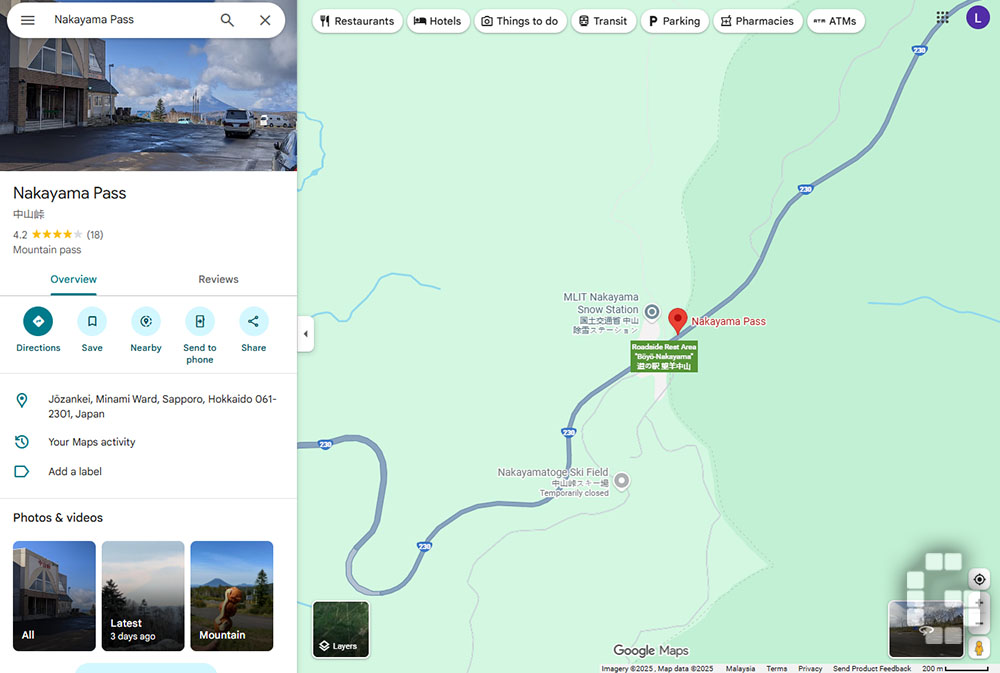
| Location | Google Maps link |
| Nakayama Pass | Link |
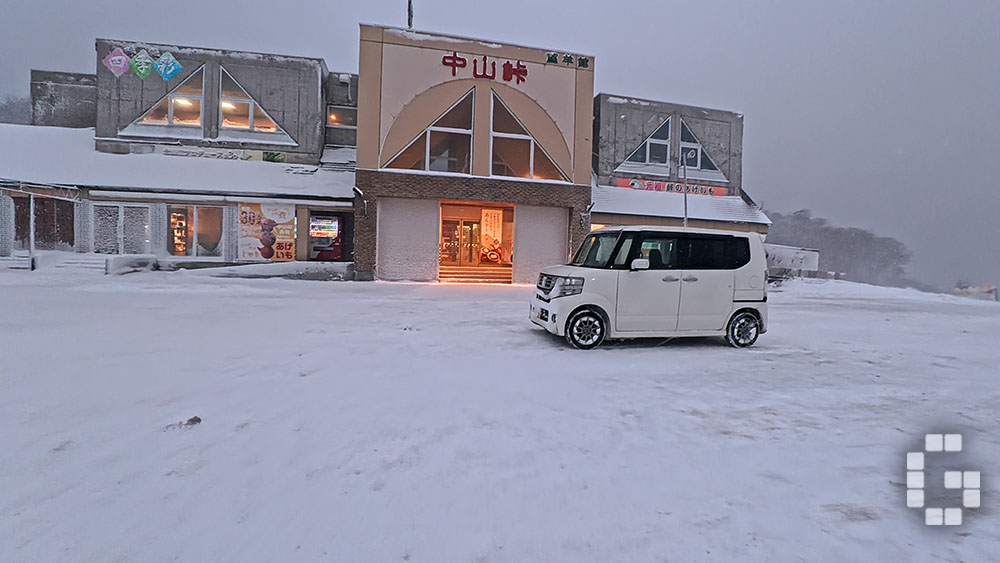
Our final stop was Nakayama Pass, a scenic viewpoint high above the snowy landscape of Hokkaido. The wind was strong, and the snow came down hard, swirling all around us as we stepped out to take in the view. It wasn’t easy to stand still for long, but there was something breathtaking about watching the snow move across the hills and valleys below.
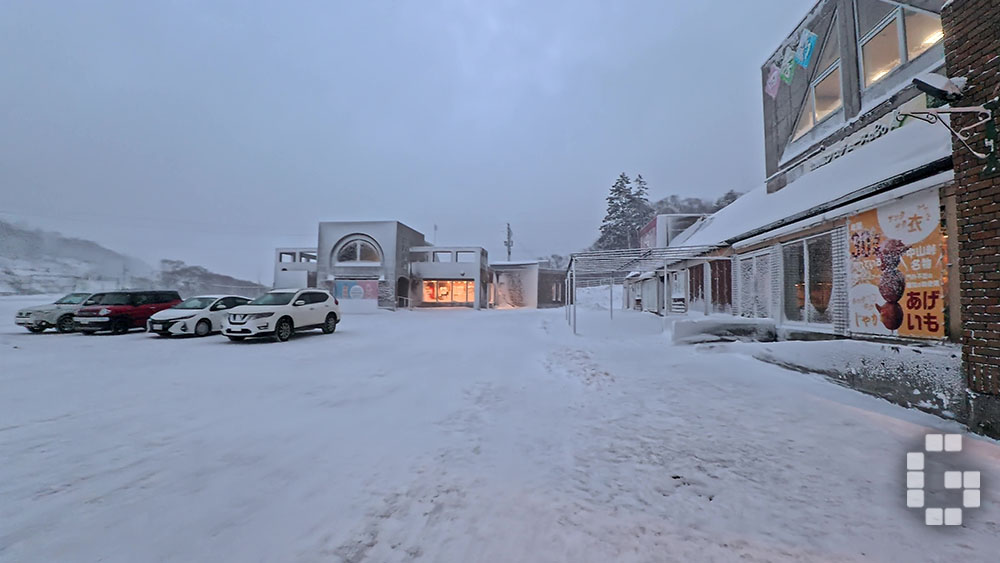
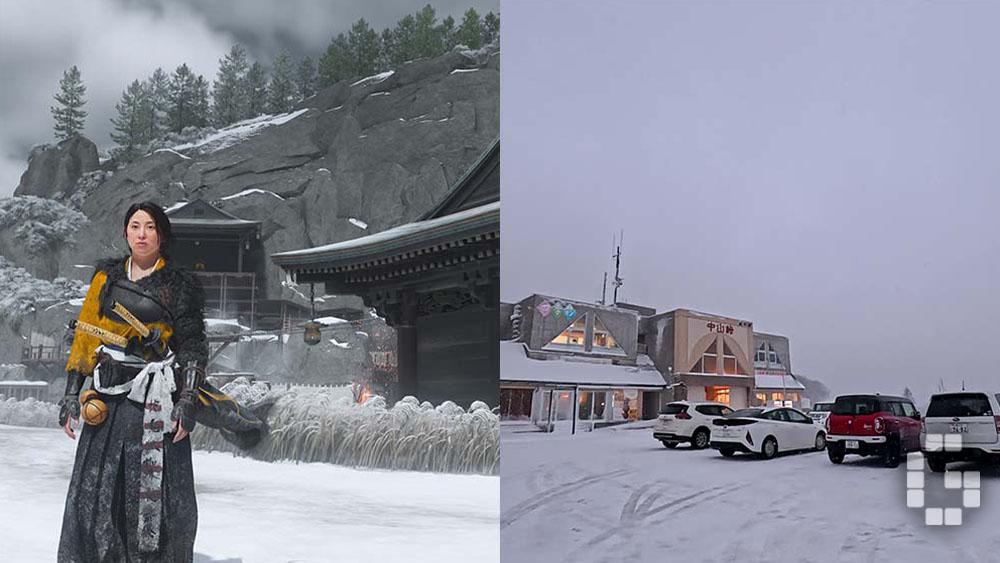
Even with the weather’s intensity, the moment felt special — the kind of scene that captures Hokkaido’s raw, natural beauty. We managed to take a few photos, our faces half-covered in scarves and laughter, before heading back to the warm vehicle. It was a dramatic yet fitting way to end the day, surrounded by the same wild landscape that inspired Ghost of Yōtei.
Reflections on the Journey
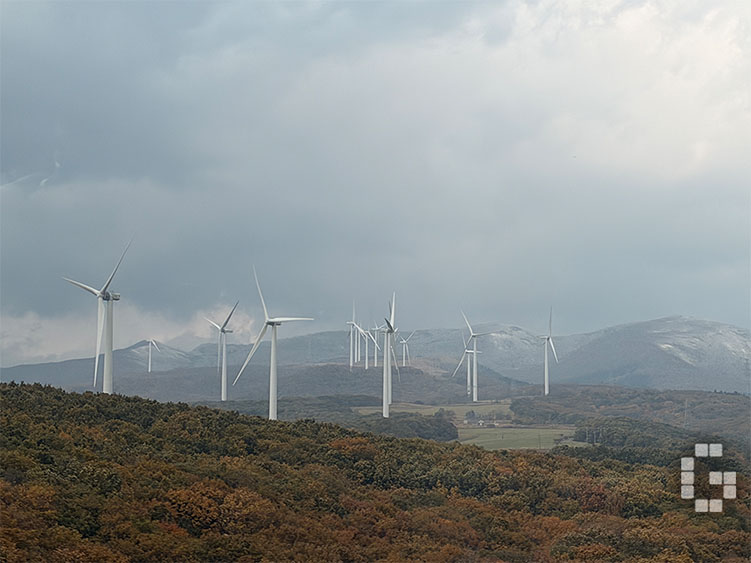
Despite the unpredictable weather, the Ghost of Yōtei Hokkaido Tour was a fantastic experience. Each stop offered something unique — from the cultural charm of Date Jidai Village to the volcanic drama of Hell Valley and the peaceful beauty of Lake Toya.
The rain and snow made walking difficult at times, but it didn’t ruin the adventure. If anything, it added a layer of realism to the journey — a reminder that nature in Hokkaido is both beautiful and untamed.
We’d definitely recommend joining this tour, though perhaps during the summer months, when the weather is kinder. We were also lucky to have a driver with winter tires, especially since he mentioned that his car back home wasn’t equipped for the snow.
Even with all its challenges, this tour was an unforgettable journey — one that brought the spirit of Ghost of Yōtei to life in the best way possible.
You can find out more about the tour by visiting their website.