
![[EXCLUSIVE] Brendan Gan Delivers One of Malaysia’s Best-Ever Worlds Results, Shares Thoughts on Pressure and the Local Scene](https://cdn.gamerbraves.com/2026/08/Brendan-Gan_Interview_FI-360x180.jpg)





![[BIC2026] Hiroaki Nagashima from Toei Games Talks New IPs, Indie Roots, and Asia-First Strategy](https://cdn.gamerbraves.com/2026/08/Toei-Games-BIC-2026_Interview_FI-360x180.jpg)
![[BIC2026] From Outsider to Organizer: How Isabella Seo Jungsook Helped Build Busan’s Indie Game Scene through BIC](https://cdn.gamerbraves.com/2026/08/Isabella-BIC-2026_Interview_FI-360x180.jpg)
![[BIC2026] CanOpener’s Logan Moon Opens Up About Dungeon Settlers Ahead of Its September Early Access Launch](https://cdn.gamerbraves.com/2026/08/Logan-Moon-BIC-2026_Interview_FI-360x180.jpg)



Sword Art Online has always been a franchise built on one of gaming’s most gripping setups, thousands of players trapped inside a virtual world forced to fight their way to freedom. Echoes of Aincrad takes that same foundation and hands the reins directly to the player. We got the chance to try out Echoes of Aincrad for an early preview, and while there’s genuine potential here, it’s clear the game still has some ground to cover before it’s ready.
Set foot in the world of Aincrad, where one mistake can mean death.
Risk your reality in Echoes of Aincrad, available on July 10th, 2026. pic.twitter.com/AdOhUKmYab
— Bandai Namco US (@BandaiNamcoUS) March 5, 2026
Your Story, Your Character
Rather than following Kirito as the fixed protagonist, Echoes of Aincrad puts you in control of a fully custom character. The demo didn’t include the character creation system, so that part remains a mystery for now, but the premise this time is straightforward you step into the role Kirito originally held, navigating the 10,000-player death trap of Aincrad with your own avatar. The goal stays the same: clear all 100 floors and defeat the Final Boss.
The demo session centered on a single dungeon-style quest. The objective was familiar enough explore the map, unlock teleport points, grind enemies for EXP, and eventually take down a boss. That said, calling it a “dungeon” undersells how long the whole thing actually feels. Enemy density is very high, and one misstep sends you back to the last teleport point, sometimes forcing you to repeat significant stretches of the map. That loop gets tiring fast.
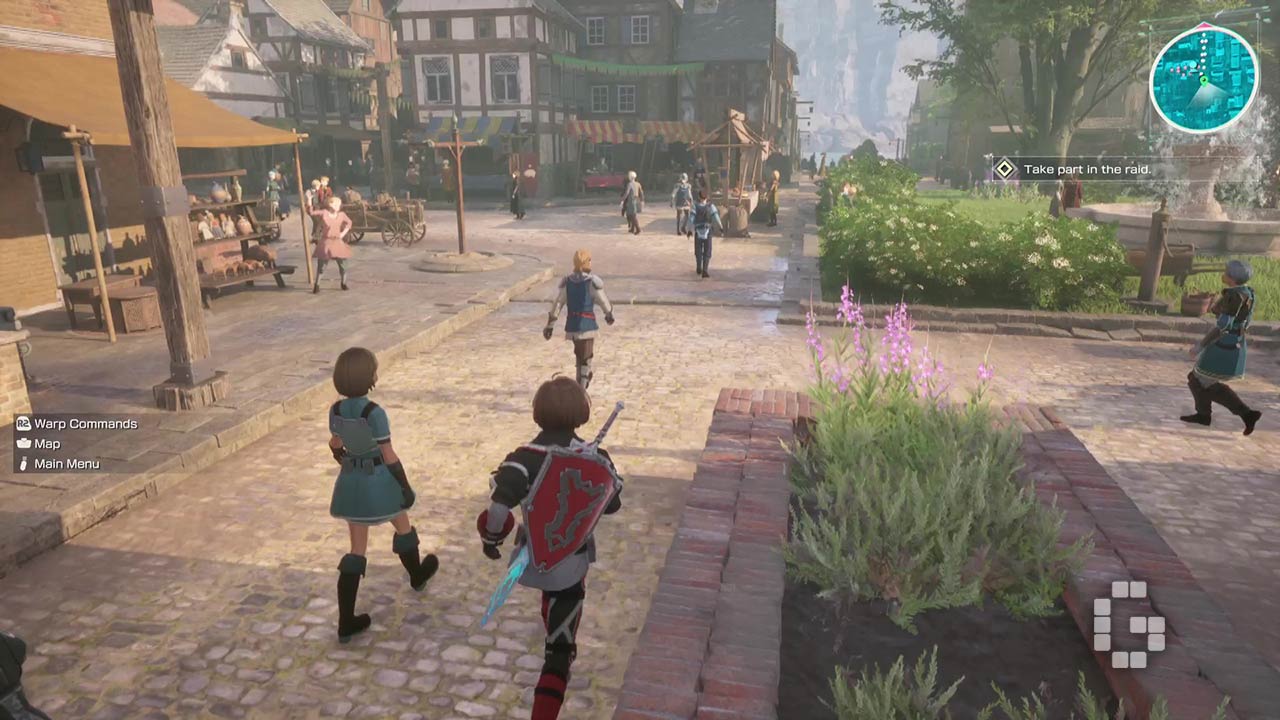
One design choice worth noting: while inside a dungeon, players cannot swap equipment, reassign stats, or change partners. Everything has to be handled back in town. It makes sense within the game’s logic, but it does feel limiting by today’s action RPG standards.
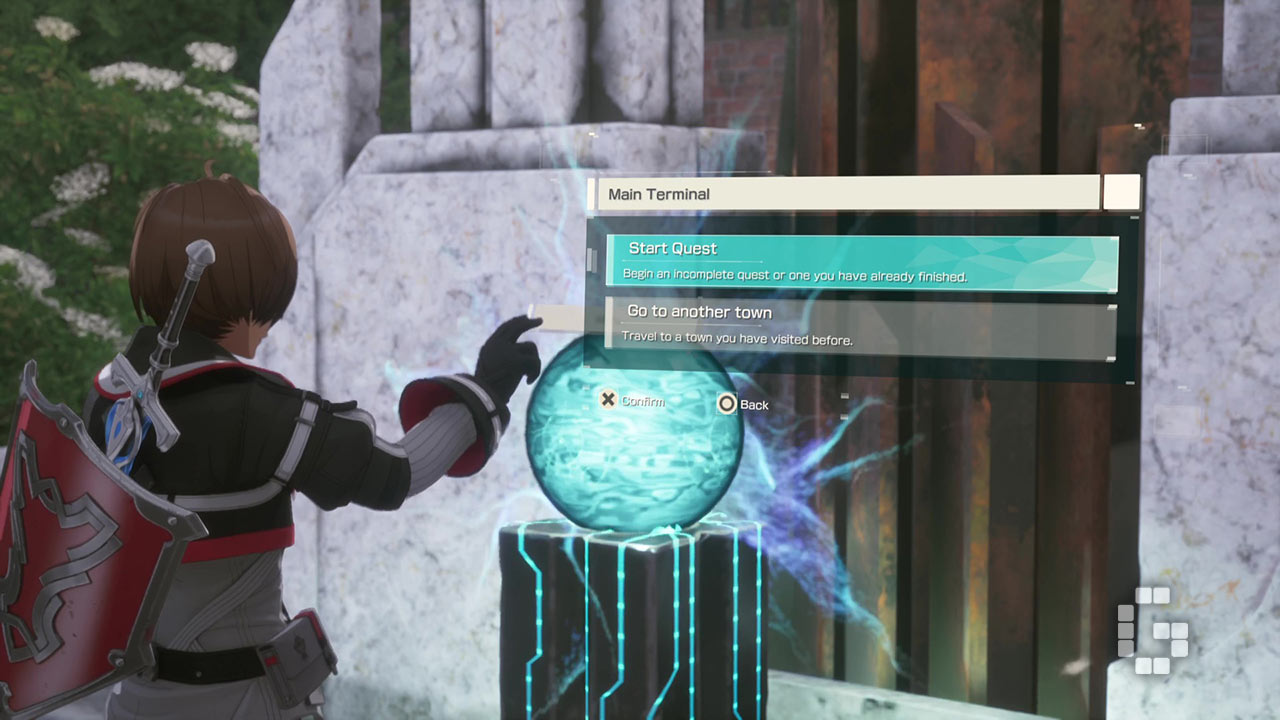
Building Your Fighter and Picking the Right Partner
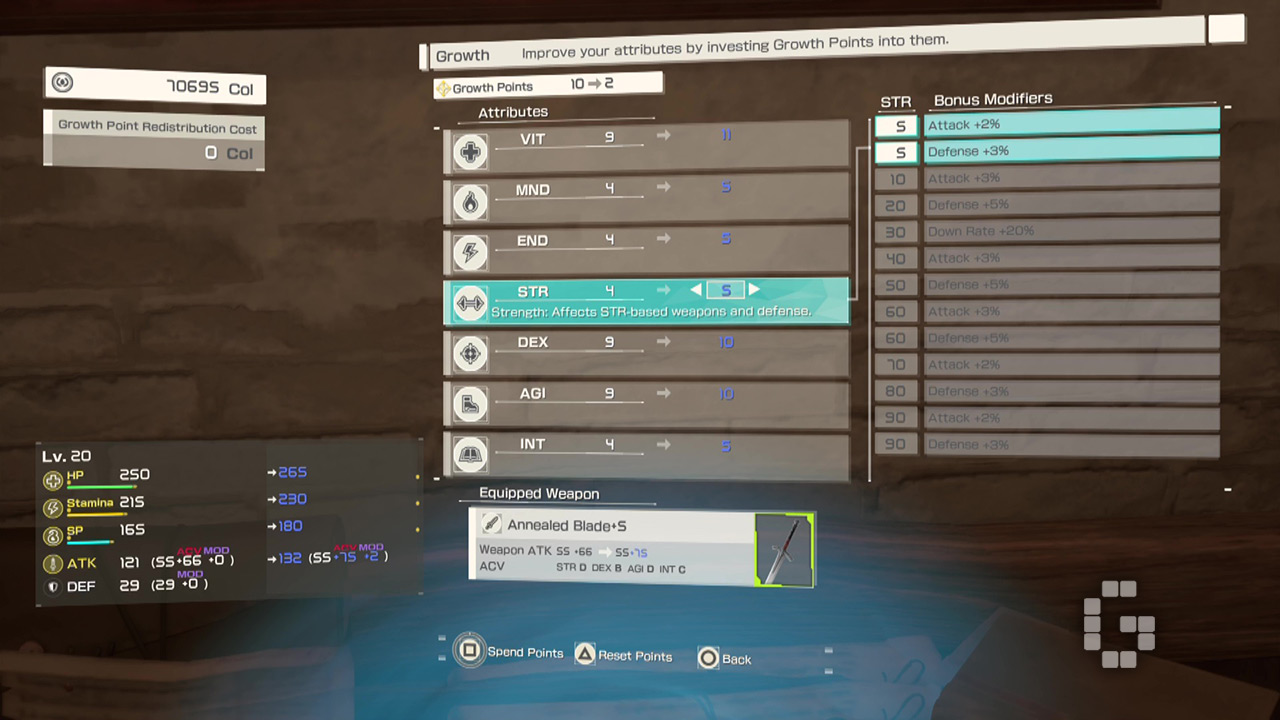
Progression is handled through a fairly layered system. Defeating enemies and finishing objectives earns EXP, and leveling up gives you points to put into core stats like HP, Strength, Agility, and Wisdom. Beyond that, there are weapon-specific stat paths, so your build can shift depending on what you like to use.
The demo offered six weapon types: swords, rapiers, maces, daggers, two-handed swords, and two-handed axes. The first three can be used alongside a shield, while the two-handed options cannot. Each weapon type comes with its own animations, attack feel, and dedicated skill set. Developers have said each weapon will have around 10 skills to unlock, and players can mix and match them to shape their preferred playstyle.
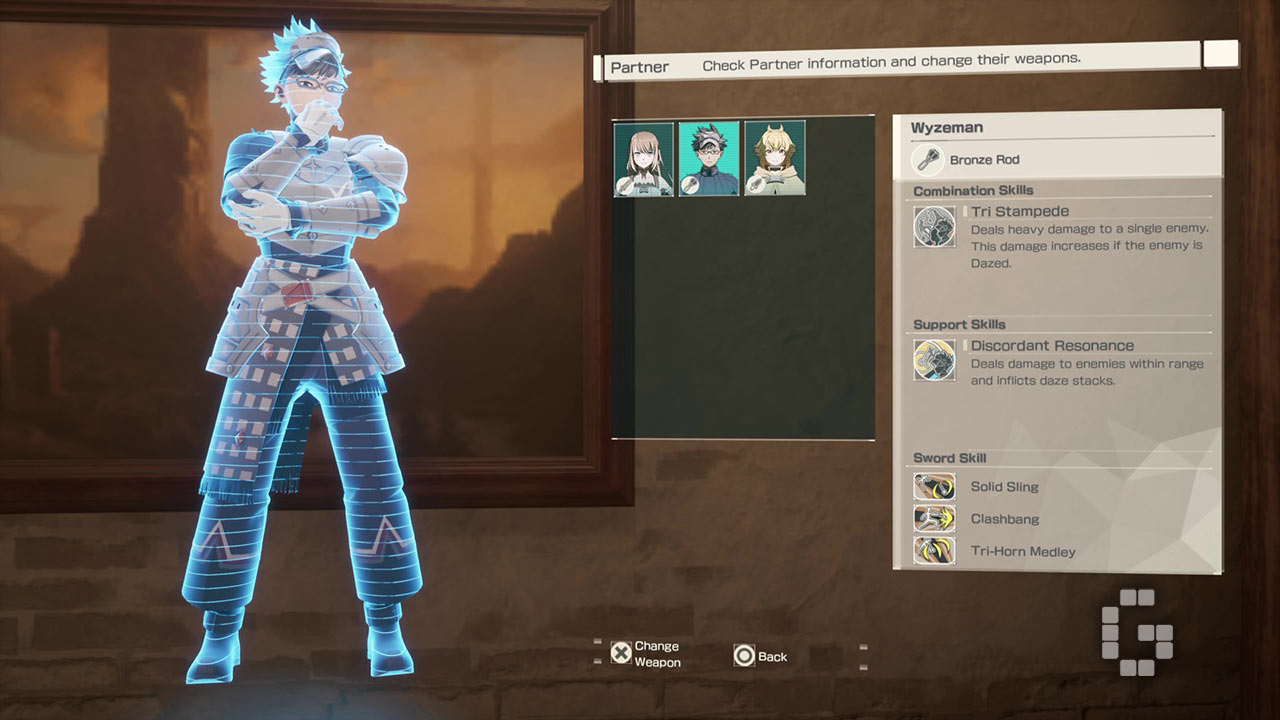
Partners play a meaningful role in how combat plays out. Three were available in the demo, each with a distinct role. Iori leans into support, bringing a healing circle and a combined multi-hit ultimate. Wyzeman is all offense, built around dealing as much damage as possible. Argo takes a more utility-focused approach, capable of scanning the map and briefly revealing enemies through walls. Partner abilities draw from an energy gauge that fills up as you fight, and choosing well can noticeably shift how a encounter goes.
Combat: The Biggest Work in Progress
Combat is where the Echoes of Aincrad demo shows its roughest side. The system is built around light attacks, heavy attacks, three weapon skills, and three counter types — a dodge counter, a parry counter, and what’s called a reversal counter triggered by a blue circle appearing on an enemy. On paper, it’s a solid setup. In practice, it doesn’t flow well.
The biggest issue is animation transitions. Chaining moves together like following a light attack with a heavy sometimes causes the character to just stop, as if the input wasn’t picked up at all. It makes fights feel stiff and, over longer sessions, mentally draining. The counter system requires very precise timing for all three types, which is demanding on its own, but becomes more frustrating when the basic attack flow already feels unreliable.
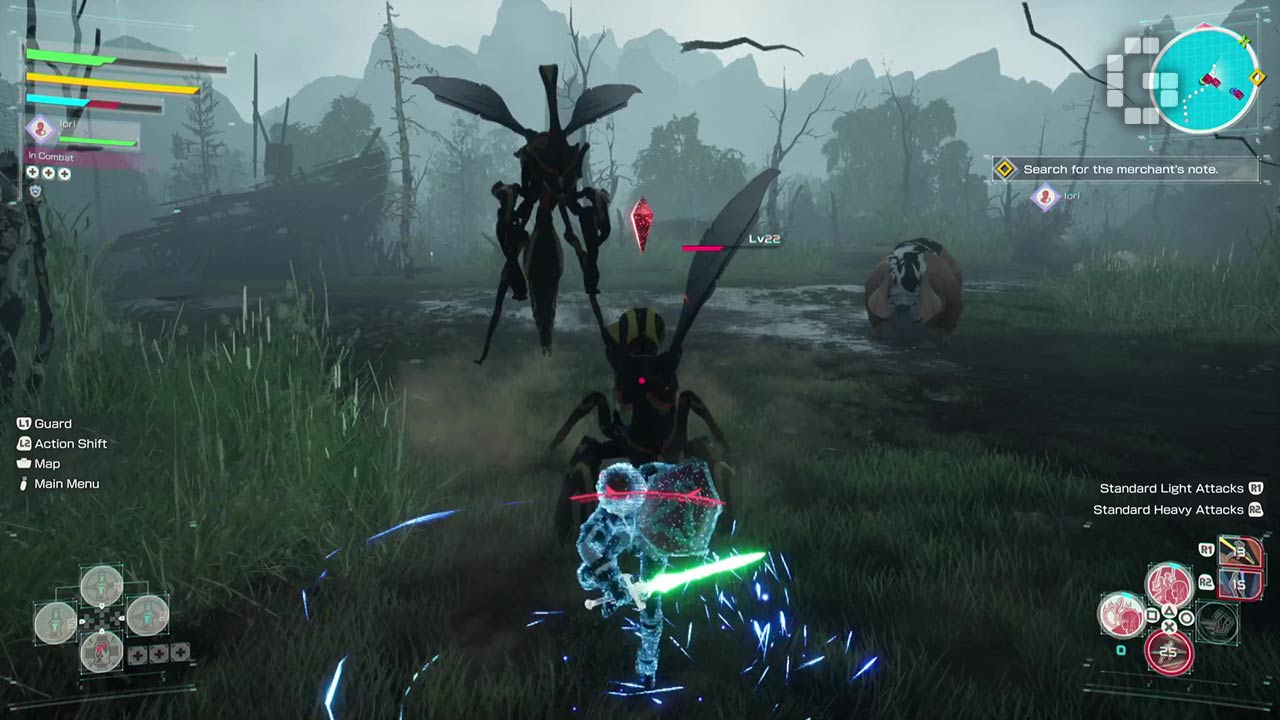
Weapon skills hit hard and look great, but they run on cooldown timers. Partner abilities skip the cooldown but need energy built through regular attacks. Because basic combat feels clunky and doesn’t reward much on its own, you end up leaning heavily on skills and when those are all cooling down, the gaps are rough to push through.
Enemy encounters make this worse. Mobs are packed tightly, varied in type, and the aggro range is very sensitive. Hitting one enemy frequently pulls the whole surrounding group, which can include completely different enemy types at once. With a smoother moveset this might be manageable, but given the current state of combat, even routine mob clearing can become a slog.
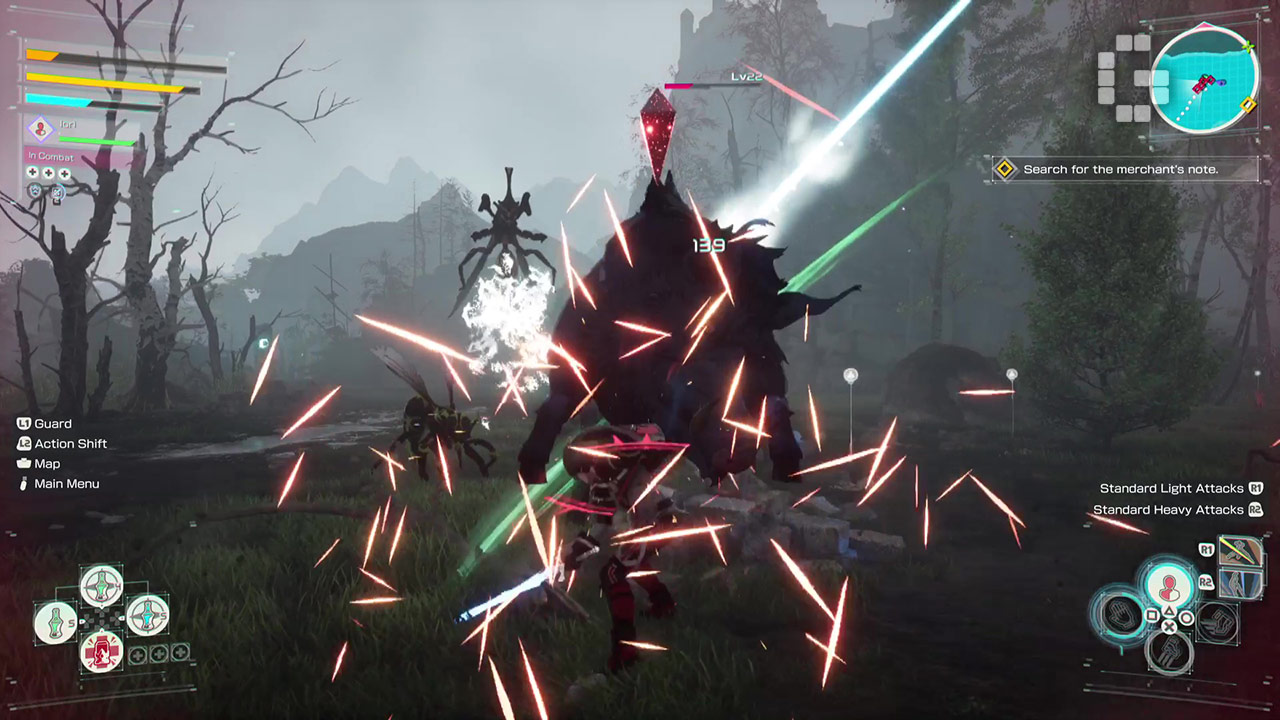
Boss fights, interestingly, are not the hardest part. The demo boss. a trio of flower-like monsters has straightforward patterns and is fairly easy to read once you’re in the fight. The real challenge is surviving everything that stands between the start of the dungeon and the boss room.
Where Things Stand
Echoes of Aincrad has real building blocks to work with. The weapon variety gives players room to experiment, the partner system adds tactical texture, and the progression setup offers meaningful choices. But right now, the combat is the game’s biggest obstacle, not because the ideas are bad, but because the execution needs polish. Smoother animation transitions and better-balanced encounter design would go a long way toward making the game feel as good as it looks on paper. The foundation is there; it just needs more work before everything clicks into place.