



![[EXCLUSIVE] Brendan Gan Delivers One of Malaysia’s Best-Ever Worlds Results, Shares Thoughts on Pressure and the Local Scene](https://cdn.gamerbraves.com/2026/08/Brendan-Gan_Interview_FI-360x180.jpg)
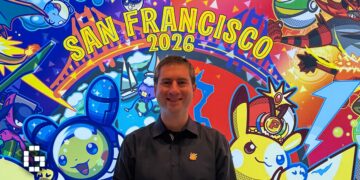


RGG Studio has spent decades building the Yakuza and Like a Dragon series into one of gaming’s most recognizable franchises, and now the team is stepping into new territory with Stranger Than Heaven. We recently sat down with Yokoyama Masayoshi, the head of RGG Studio, for a wide-ranging conversation about the game, and he was generous with his time in walking us through everything from the title’s meaning to its combat system, music, and cast. What follows is a breakdown of that conversation, covering the ideas and decisions shaping what may be the studio’s most personal project to date.
Why “Stranger Than Heaven”
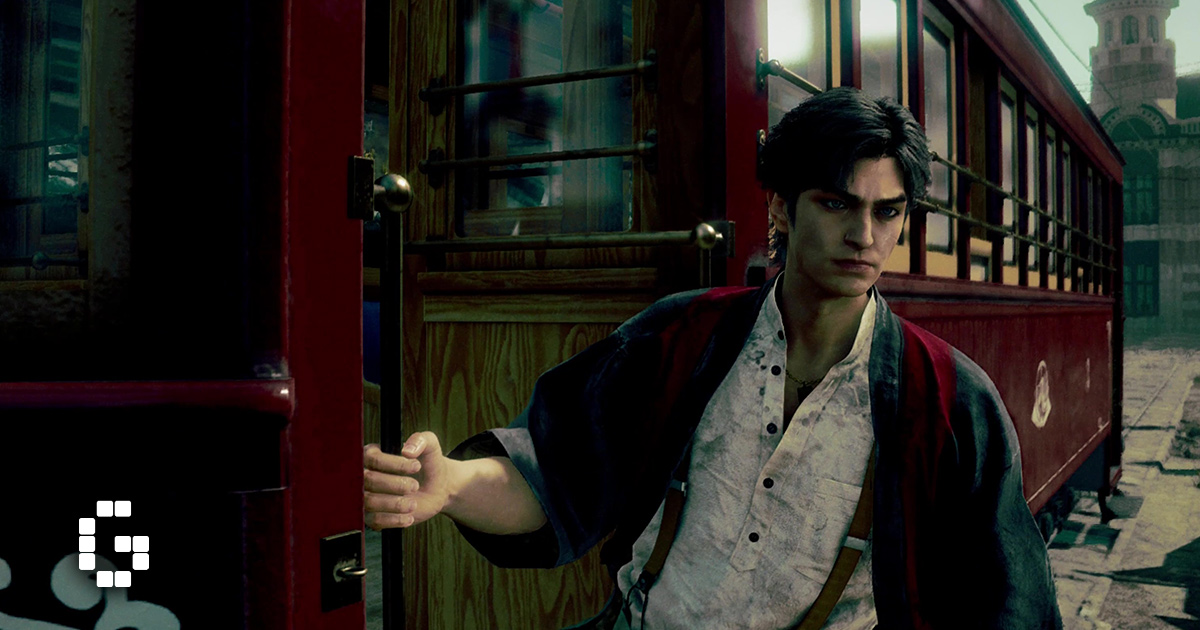
Yokoyama explained that the title was written in Japanese first, and the phrase translates directly to Stranger Than Heaven even in its original language. The word “stranger” was central to the idea from the start, chosen for its meaning of an outsider or a drifter. “It’s like a word meaning outsider or drifter and everything that word implies,” he said, through the translator. That fits the game’s protagonist, Makoto, who is of mixed race and never fully accepted by either side of his heritage. “He’s a stranger to both of the world itself,” he said.
There was also a desire to steer away from a typical video game name. “He wanted to also make it maybe not sound like a regular game title itself. It kind of sounds like a movie title in a sense,” the translator relayed. Because of that, the studio chose to keep the English title consistent worldwide instead of localizing it for different regions, something that wasn’t an easy sell internally. According to Yokoyama, CEO Shuji was “first very, very against it” when the idea was pitched to him, reportedly responding, “that’s not a good idea to just make it in English.”
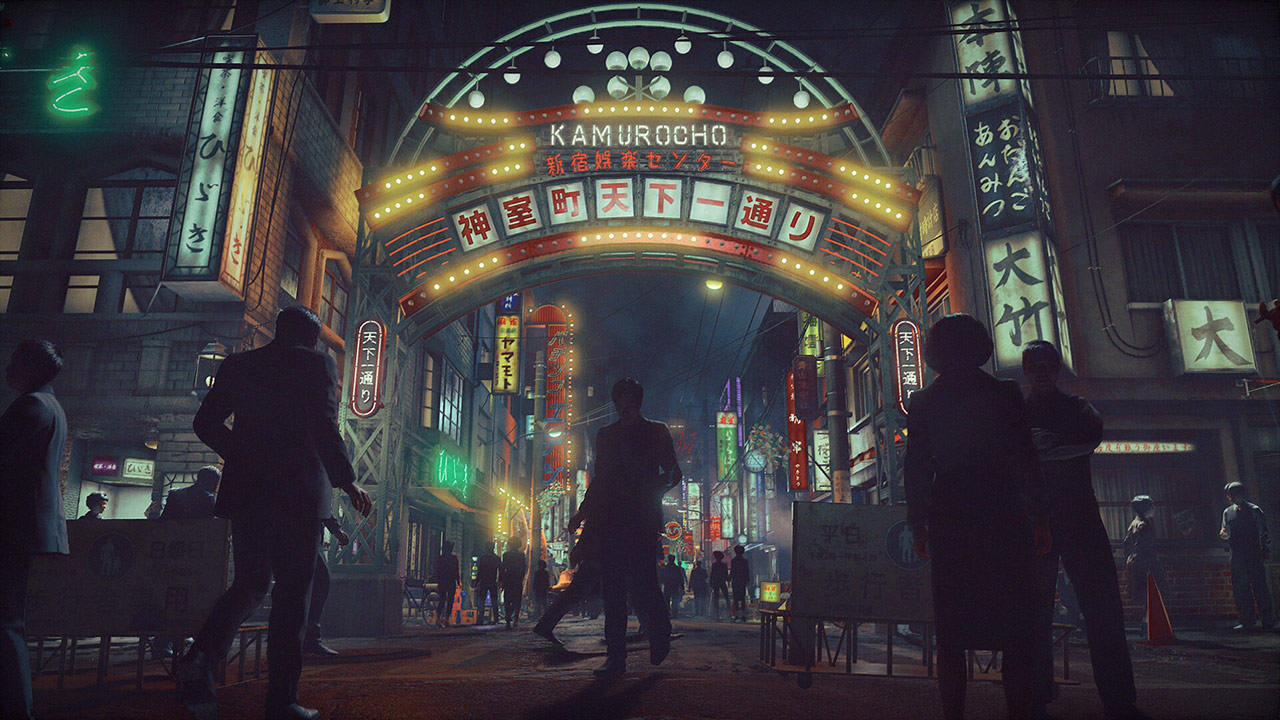
Unlike past RGG titles that typically focus on a tight window of time, sometimes just a matter of days, Stranger Than Heaven takes a much broader approach. The story follows Makoto Daito from the beginning of his life to its end, moving through five different eras and cities starting in 1915 Kokura. “The main story of this title itself will be longer than the other RGG or Like a Dragon series or titles of the past,” Yokoyama said, though the studio isn’t ready to share an exact playtime yet.
He described this as a fundamental shift from how the studio has approached storytelling before. Past titles, he explained, usually captured only a small slice of a character’s life. “It’s like actually only like one to ten days of it, and start from some incident happening to finish, it’s about very short span,” he said. Stranger Than Heaven works differently. “The base is about Makoto Daito’s life, so it’s from his start to his end of his life basically,” he said, calling it “a deep dive of immense life” and a “completely different” approach to designing a story. He also addressed the amount of content players can expect. “The overall volume probably won’t change from an RGG past titles, but they shifted maybe different parts in the contents,” he said.
Purity, Motive, and What the Team Hopes Players Take Away
When asked what themes the team wanted to explore through Makoto’s five decades of life, Yokoyama pointed to something he’s noticed while working on past historical RGG spin-offs like Ishin and Kenzan. “People in the past are a little bit more pure-hearted. They’re more just good, bad. They have their own strong motive of what they feel is more pure than what the modern world is,” he said.
He drew a comparison to modern crime fiction, arguing that today’s writers face a harder task than those working decades ago. “A lot of those modern day crimes are not motivated by something,” he said, making them difficult to dramatize convincingly. “In the past, it’s more like, I did this due to this. They have a very pure reason for why they did something or their motive behind it,” he added. Bringing that same clarity to the cast of Stranger Than Heaven, he said, was meant “to give more appeal to the game and the character and add more depth to the storyline itself.”
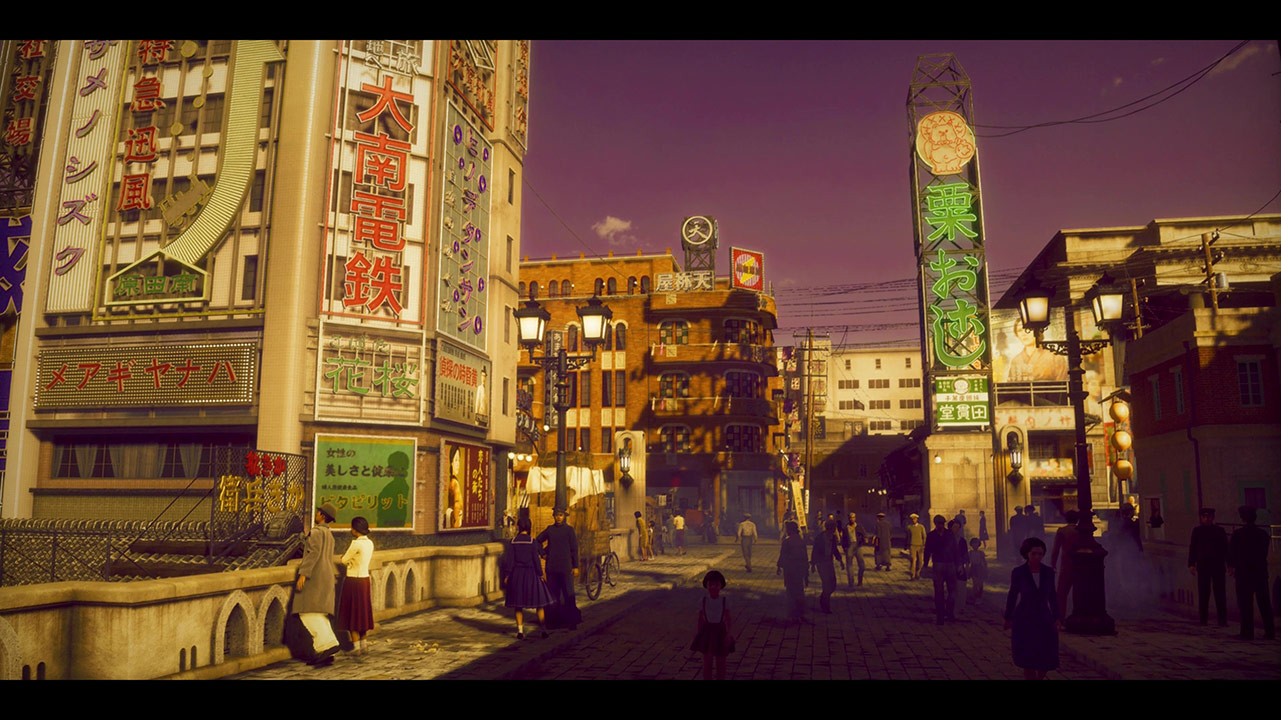
As for what message players should walk away with, Yokoyama was upfront that there isn’t one. “They really do always never have this clear message of what they’re trying to deliver to the users,” he said. He compared it to music, noting that a lyric can resonate deeply with one listener and mean nothing to another. “That really depends on each user’s conditions, where they are going through right now, their mental state, their career,” he explained. Instead, the team’s goal is simpler than delivering a message, he said: “When the dev team themselves made something good, they made something entertaining, oh, this was a really good game, that’s kind of like the goal that they’re making the game with.”
A Grittier, Riskier Combat System
The combat in Stranger Than Heaven marks a clear departure from the series’ usual style. Yokoyama pointed to Heavy Rain as an early influence on his thinking. “When you pick up a game where it’s super difficult to play, it’s hard for him to control, it’s frustrating,” he said, recalling how the game made him question, “can I really grind this out?”
Looking back at the franchise’s eight numbered entries, he admitted combat had drifted toward the exaggerated over time. “There’s so much you can do with super close combat,” he said, describing how later titles leaned into “people flying” and other “superhuman-esque stuff.” For Stranger Than Heaven, the team scrapped that direction entirely. “They wanted to start from the core of what the studio has been known for, and it’s about trying to bring the storyline. It’s about surviving, right? It’s like life or death,” he said. He wanted the combat to carry real stakes. “They wanted to give a feeling of do or die, kind of, and you might be murdered,” he said, pointing to the sword-wielding character from the Osaka demo section as an example.
“His health bar is a little bit low, but then in one shot, you get murdered,” he said. Balance is still being adjusted, but the intent behind it is deliberate. “You could get murdered by anyone, in a sense… you want to bring that kind of tense or that feel to it because it kind of matches with what the actual real-life world was in the past,” he said.
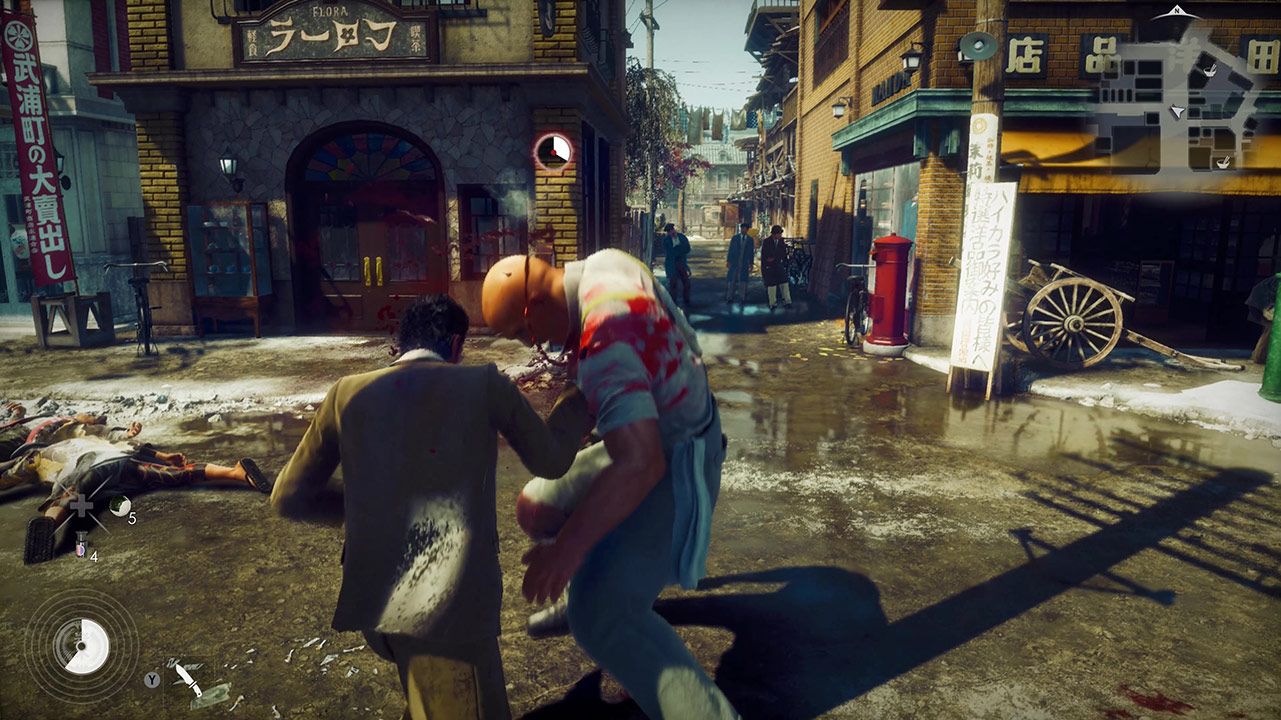
Even with that shift, Yokoyama tied the new combat back to the studio’s identity. “The studio is about always punching. It’s about beating up people, and it’s very close combat,” he said, distinguishing the series’ approach from long-range genres like shooters.
Longtime fans of the series’ offbeat humor may notice a shift in tone here. “There’s not going to be as much subcontents as in the past RGG titles,” Yokoyama said, and that extends to the series’ comedic streak as well. He pointed to over-the-top boss characters from modern-day titles as an example of jokes that work because of their setting. “They could get, they could understand that oh okay they’re making this on purpose to make it a joke,” he said.
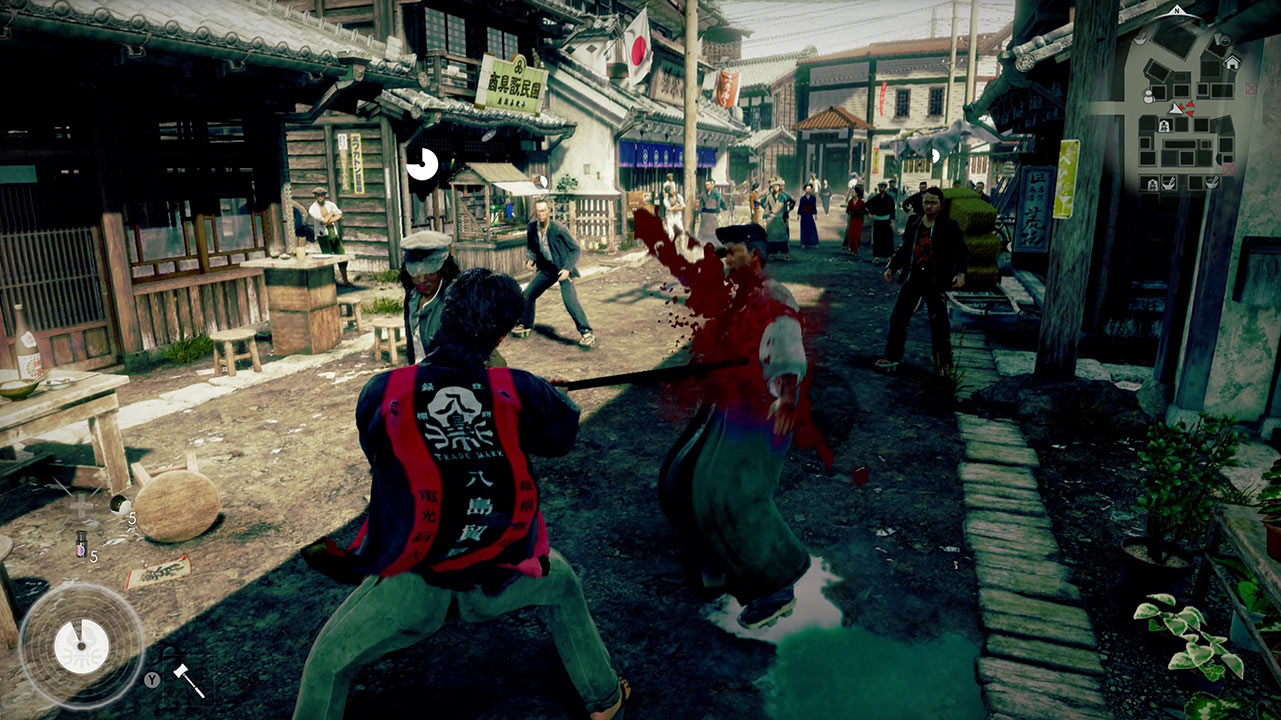
Set against a historical backdrop spanning 1915 to 1965, he explained, that same tone risks landing very differently. “People might be like, huh, these people might have actually existed in 1945 and stuff right now,” he said. “They don’t want to give the wrong message,” he added, which is why much of the era-based storyline stays serious rather than comedic.
Showbiz: The Game’s Major Side Activity
Rather than the large number of smaller side stories found in past RGG titles, Stranger Than Heaven centers its non-main content around something called Showbiz. Makoto works as “a showman or a promoter,” Yokoyama explained, discovering singers, producing songs, and organizing live shows to make a living as the story moves through different eras.
Comparing it to older titles, he said the number of individual activities is smaller, but each one runs deeper. “The lengths of these each contents and the depths of these contents will be more bigger,” he said. As for the jazz club specifically, he confirmed it isn’t fully mandatory. “It’s made sure that it’s not fully skippable, but you could probably kind of jump through it as well,” he said. Showbiz does tie into earning money in-game, though, which makes it useful for progressing. “It’s gonna make it easier to clear the story more, because you’ll need to collect money, and showbiz is the easiest way or the best way to collect money,” he said. He even admitted, with some humor, that he shares the same instinct as players who skip side content. “He’s also the type that doesn’t want to play these side contents,” the translator relayed on his behalf.
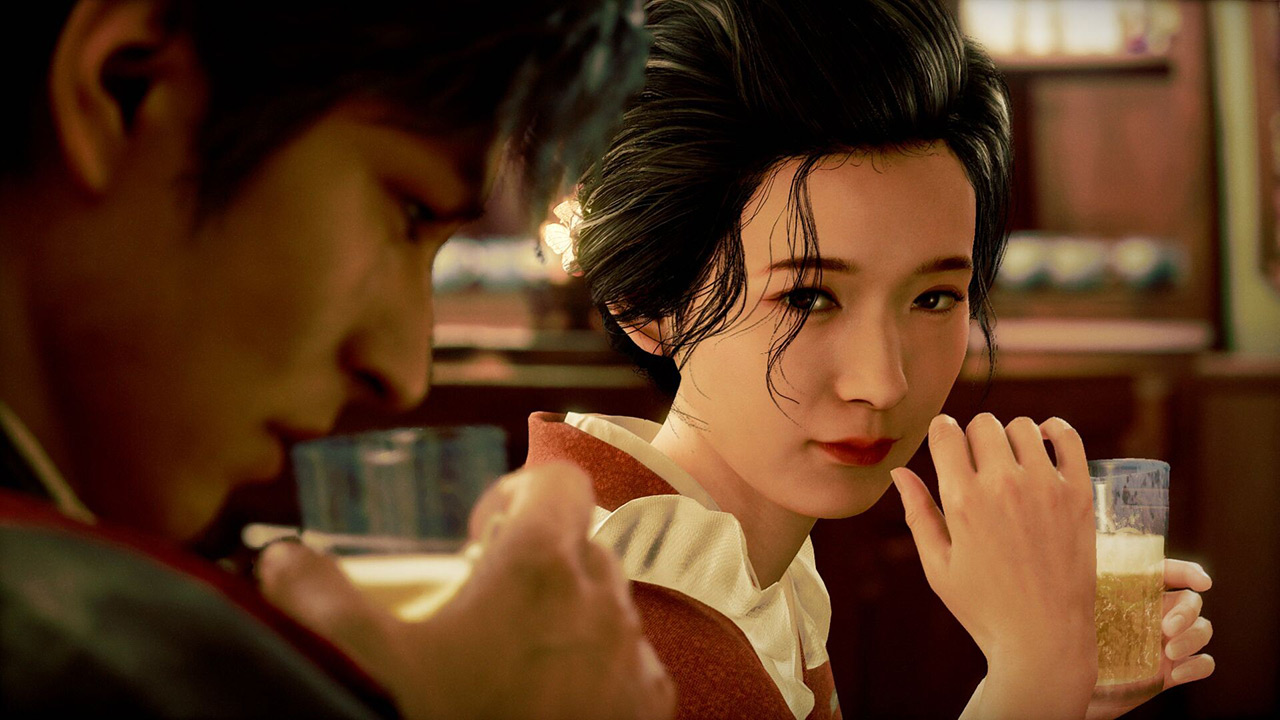
When asked whether there are principles the studio refuses to compromise on as its games grow more ambitious, Yokoyama pointed to fun as the non-negotiable factor. Using the Kokura map from the demo as an example, he said the team could easily go bigger if it wanted to. “They could make this like two or three more times bigger if they needed to,” he said. But scale for its own sake isn’t the goal. “If it’s just them walking through the streets and whatnot, nothing really happening, it’s like that’s not fun, right?” he said. The studio’s approach, as he summed it up, comes down to one standard: “Let’s make it sure that each of these maps or the story, the sizing is… perfect to making it fun for the users and the players itself.”
Music as Makoto’s Way Through the World
Music plays a defining role in both the game and Makoto’s story. Yokoyama explained that when designing a mixed-race protagonist who would visibly stand out in Japan at the time, he found himself asking a specific question. “How could a man like that, what is the way a man that can make a living when he looks different from what other Japanese folks look like?” he said. Music became the answer. “The songs and music, it really doesn’t have a barrier. It’s very, it doesn’t really matter what race you are, what beliefs you are. But a good song makes people, it hits everyone in the same way,” he said.
There’s also a historical layer to the choice. “In the past, this was a fact in Japan as well, but in Japan, in the past, these entertainment industries were very, very heavily introduced by criminal organizations,” he said. That connection felt natural for Makoto’s arc, letting him “make a living out of that without being judged,” while still tying him to the criminal world the series is known for.
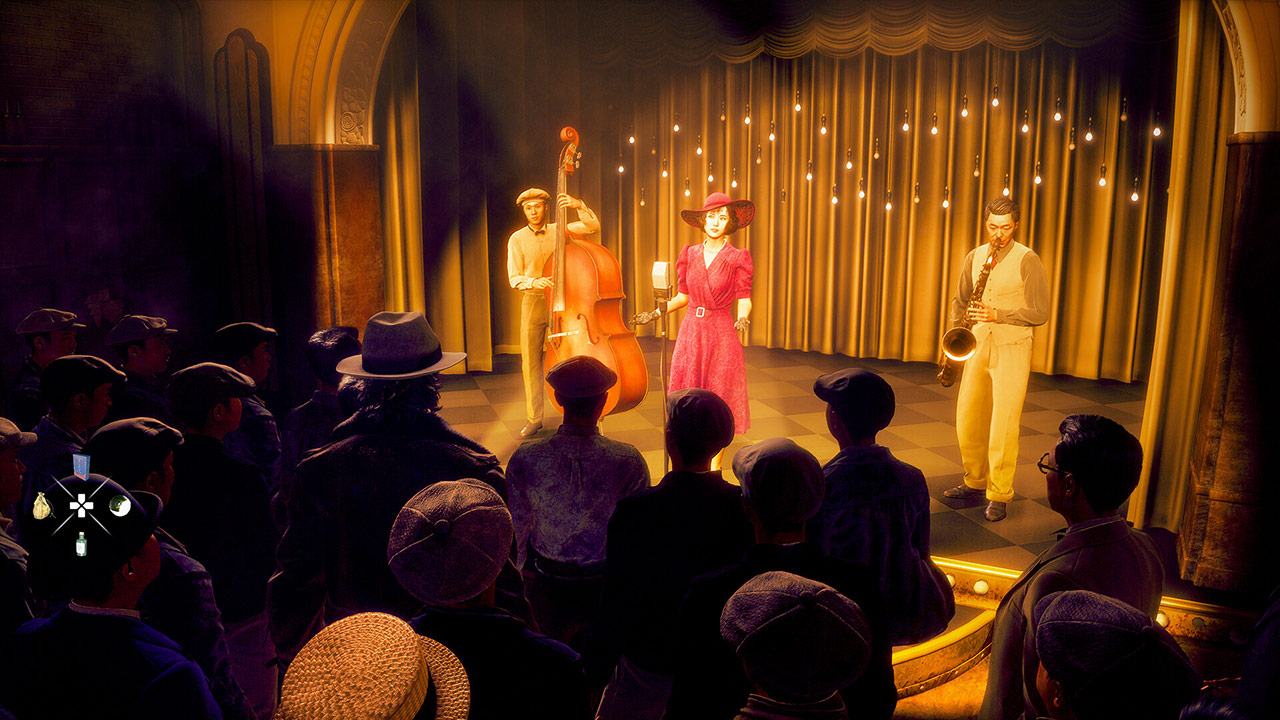
On the technical side, the game includes a system where the character Yu Shirota can pick up musical beats from sounds in the environment. Yokoyama said the team held to one clear rule while building it. “Their core is that you’re trying to use only songs or sounds that were available back in the day,” he said, pointing out that “there was no hip hop back in the day” and “there was no synthesizer back in the day” either. “So that’s something that they have made sure to really make it, so it’s not like it’s 1945 and they’re going to be trapped,” he said, adding that some creative liberties remain since, in his words, “this is fiction.”
When it comes to Makoto’s character design, Yokoyama said the team didn’t start with a fixed message they wanted him to represent. “They don’t have like a clear message of like this is what you want to convey,” he said. Instead, the character was built gradually, starting with the idea of mixed heritage and expanding outward from there. “Let’s make him a half heritage, then maybe, you know, he’s American Japanese, then in Japanese, like, where’s his hometown or like where does his roots,” he said, describing how the settings around Makoto slowly took shape. He closed the thought the same way he addressed the broader story earlier: “There’s no clear message from us,” though he added he hopes players will “take away something” from Makoto’s journey, even if it lands differently for everyone.
Casting a Global Roster
Stranger Than Heaven features a notably international cast, including Snoop Dogg, Tori Kelly, and Ado, a shift from the mostly Japanese talent seen in past RGG titles. Yokoyama was clear this wasn’t a deliberate push to globalize the cast for its own sake. “It’s not like, let’s do all the global casting. It’s not like they started with that motive on this,” he said.
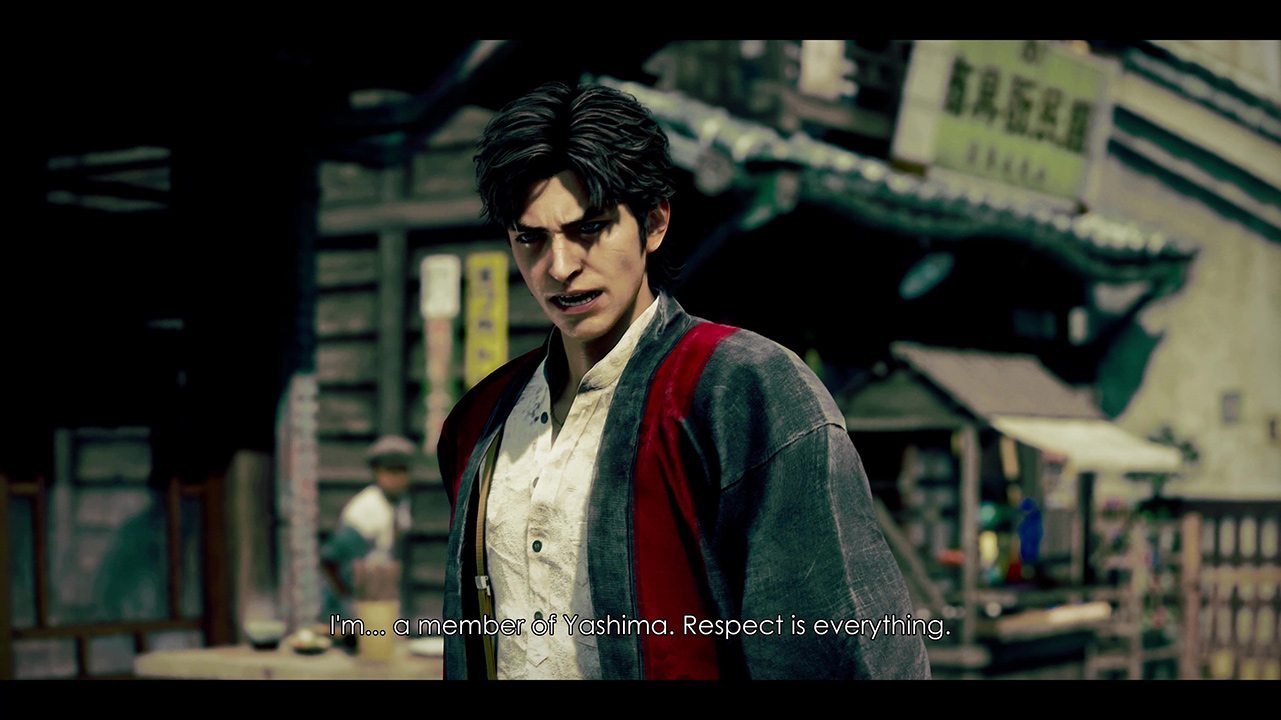
Instead, it grew out of Makoto’s character, who is half Japanese, half Western, and works as a promoter who needs to sing. “With Daito Makoto being able to sing, he didn’t need to be some sort of like a sensei,” he said, describing how that requirement led the team to Snoop Dogg. From there, Makoto’s in-story need to discover singing talent opened the door to artists like Ado. “It just turns out that we were able to kind of gather all these global talents as a result,” he said.
A Message for Fans in Southeast Asia
Closing out the conversation, Yokoyama shared a message for the region’s fanbase. He said he’s heard secondhand about the passion of RGG’s audience there. “He has heard from the producer Sakamoto-san that in the past when he’s out there for gaming events there’s many passionate fans that have strong messages from the fanbase itself,” the translator relayed, though Yokoyama noted he isn’t certain of the fanbase’s exact size.
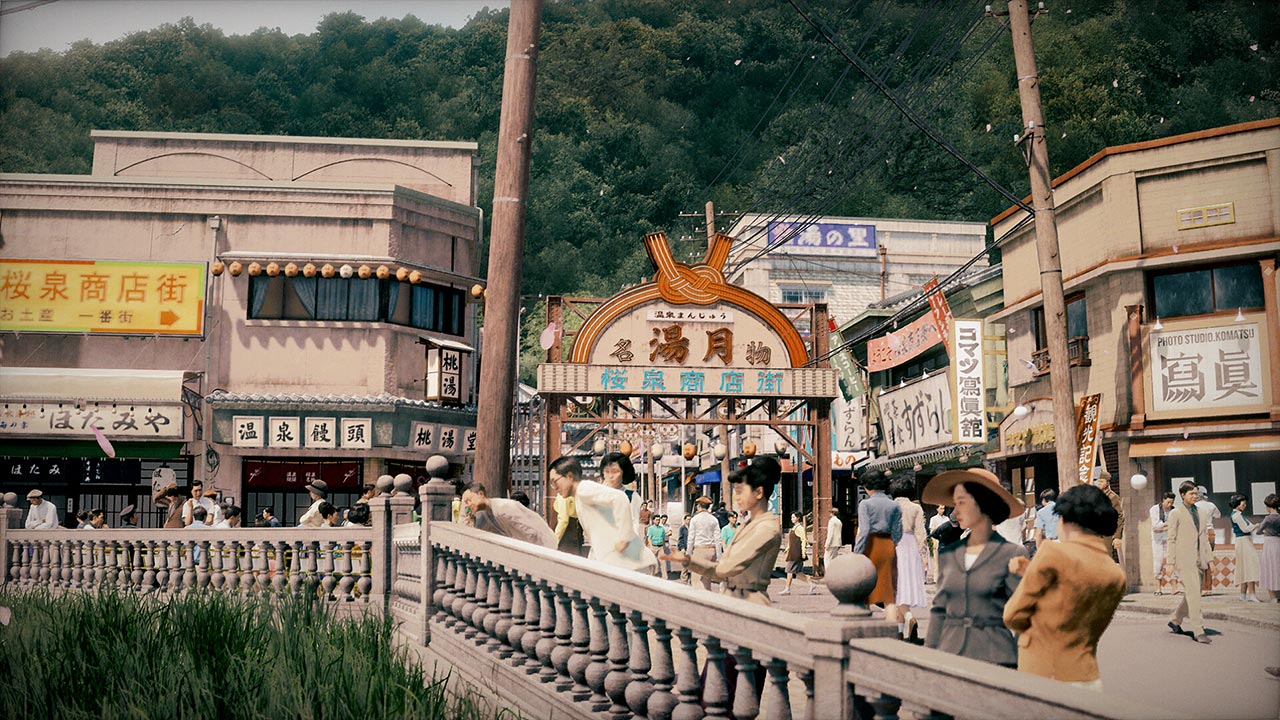
While Stranger Than Heaven is rooted firmly in a Japanese setting, he called it “a very important IP for the studio moving forward.” He closed with a simple hope for how the game will be received. “Hopefully everybody enjoys this game and of course gain a lot of fans in Southeast Asia who can speak English,” he said.
“Hopefully the English is something that’s gonna be good, and it’s gonna be easy to pick up and play for the fans in Southeast Asia.”