
![[EXCLUSIVE] Dragon’s Dogma 2: Dark Arisen Team Opens Up About the Expansion’s Name, New Norgan Region, and Performance Goals](https://cdn.gamerbraves.com/2026/07/Dragons-Dogma-2-Dark-Arisen_Interview_FI-360x180.jpg)









The world of The Boys has always been edgy, chaotic, and delightfully subversive. When it first burst onto Prime Video in 2019, it immediately flipped the superhero genre on its head by portraying a world where superpowered individuals are marketed as beloved icons while behaving in corrupt, destructive, and self-serving ways, often hidden behind media spin and corporate image management. At its heart, the series was never about feats of heroism. It was about the dark reality of fame, power, and what happens when people with godlike abilities are left unchecked in a world that worships them.
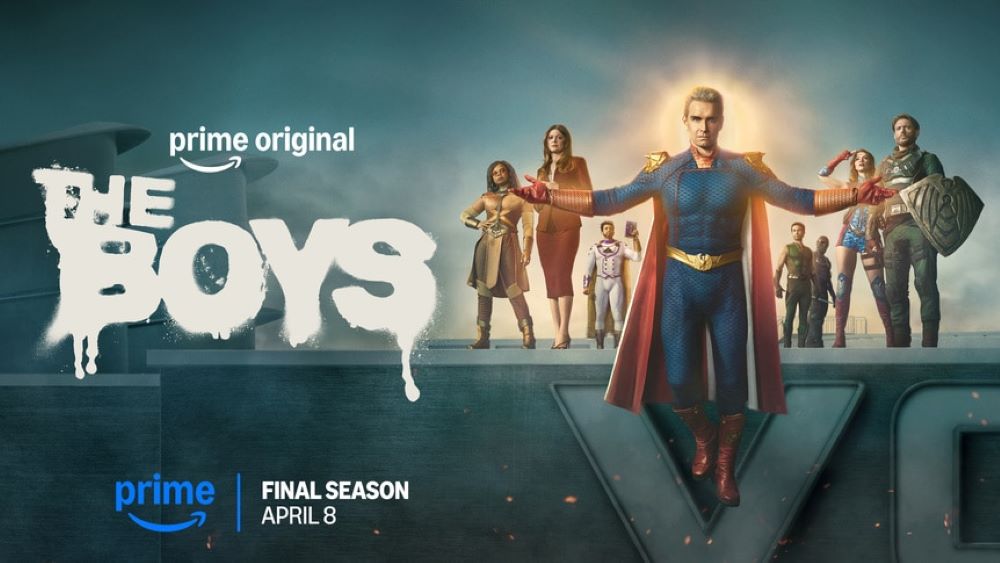
Season 5 marks the final chapter of that journey, and we were able to watch the first six episodes out of the season’s eight-episode run ahead of its global premiere on April 8, 2026. Even within this partial view, it is clear that the stakes have never been higher. This time around, it truly feels like Homelander’s world, completely shaped by his erratic and egomaniacal whims. Hughie, Mother’s Milk, and Frenchie find themselves imprisoned in a so-called Freedom Camp, Annie struggles to mount a resistance against overwhelming Supe control, and Kimiko is nowhere to be found. The balance of power has shifted dramatically, and the sense of danger is immediate from the very beginning.
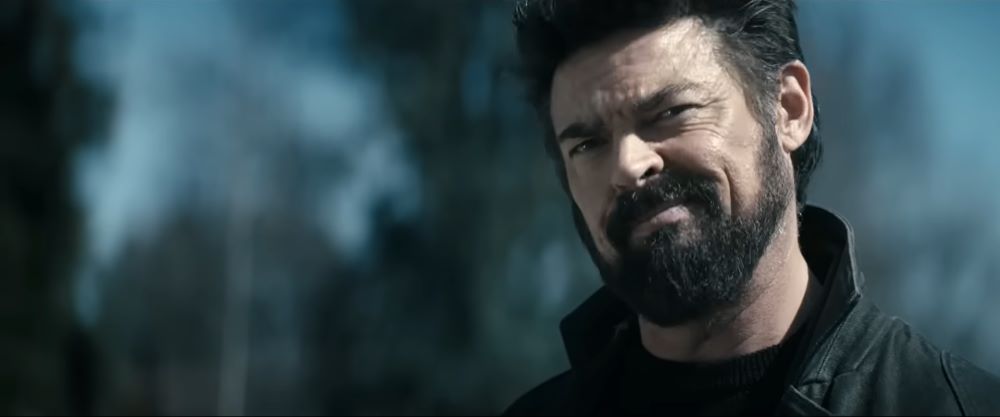
But when Butcher resurfaces with a terrifying new plan involving a virus capable of wiping Supes off the map entirely, he sets off a chain of events that threatens to reshape the world and everyone in it. Even with two episodes still unseen at the time of writing, the first six episodes already feel like the beginning of the endgame, pushing characters to their limits and setting the stage for what promises to be a dramatic and explosive conclusion when the finale arrives on May 20, 2026.
The Story So Far
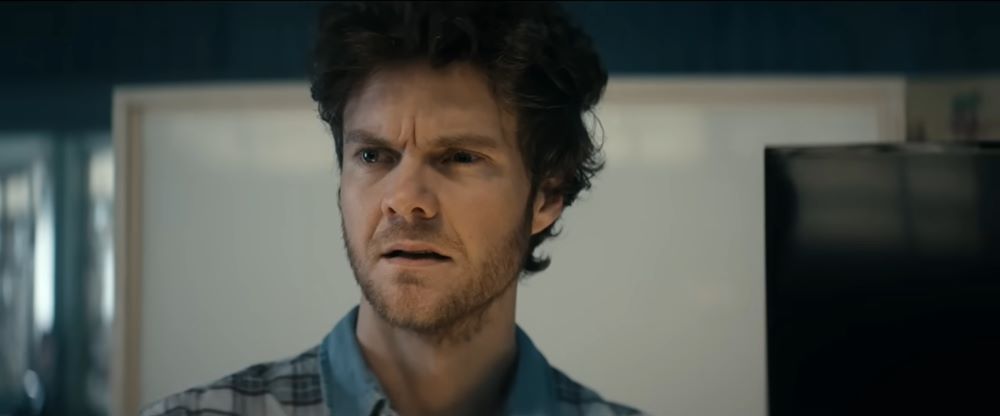
Looking back at the journey that brought The Boys here makes it clear just how far the narrative and characters have evolved. In the first season, viewers were introduced to a world that largely believed in superheroes as shining champions. The truth, however, was far darker: these supes were corrupt, reckless, and protected by Vought International, a powerful corporation whose interest in profit far outweighed any ethical duty. When Hughie Campbell’s girlfriend is killed by a supe, his grief draws him into a clandestine war led by Billy Butcher against the supes and their corporate protectors. Annie “Starlight” January faces her own reckoning as a sup trying to reconcile her ideals with the depravity of the Seven.
In subsequent seasons, the conflict escalated into political warfare and global manipulation. Homelander, the face of the Seven and the embodiment of raw superpower, became increasingly authoritarian and unstable. Alliances shifted, power dynamics evolved, and Soldier Boy’s legacy returned to shape the battlefield. By Season 4, Homelander had effectively seized control over the United States, bending government to his will and splintering society into chaotic factions. Battles became more than physical—they became ideological, with propaganda, martial law, and power plays overtaking the landscape. By the end of that chapter, the nation was in turmoil, Vought’s grip was tighter than ever, and the world teetered on the edge of supe-dictatorship.
Season 5 Overview
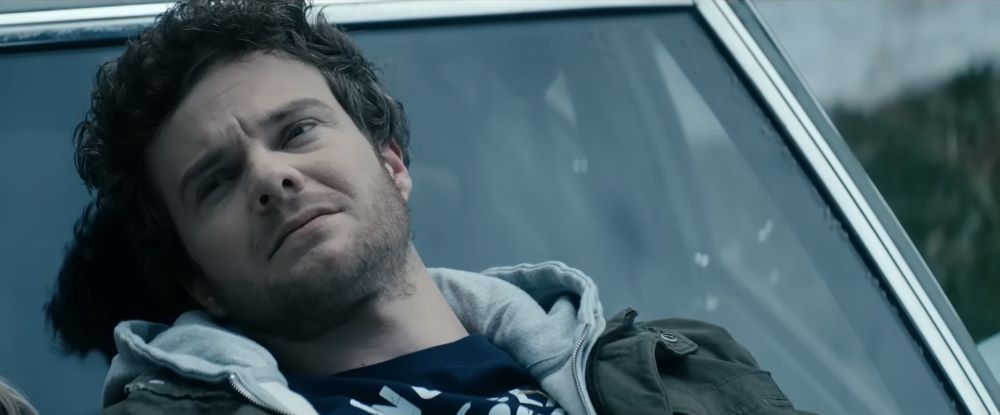
Picking up from the chaotic crescendo of Season 4, this final season accelerates with kinetic energy. The narrative feels volatile and unpredictable, almost like a thrill ride that constantly switches modes. There is an immediate sense that the pieces are moving toward an inevitable collision, and unlike some previous stretches where the plot occasionally languished, this sequence feels coiled tight with tension and refusing to let up.
One of the most striking aspects of this chapter is the tonal shift propelled by rapid edits and multiple viewpoints. It keeps the story’s momentum high while reflecting just how fractured and unstable this world has become. A humorous standout early on is Butcher’s journey, which compresses geography into a couple of jump cuts spanning continents. These quick transitions, while initially surprising, feel purposeful—a stylistic choice to convey the fractured nature of the world and the sprawling reach of the conflict.
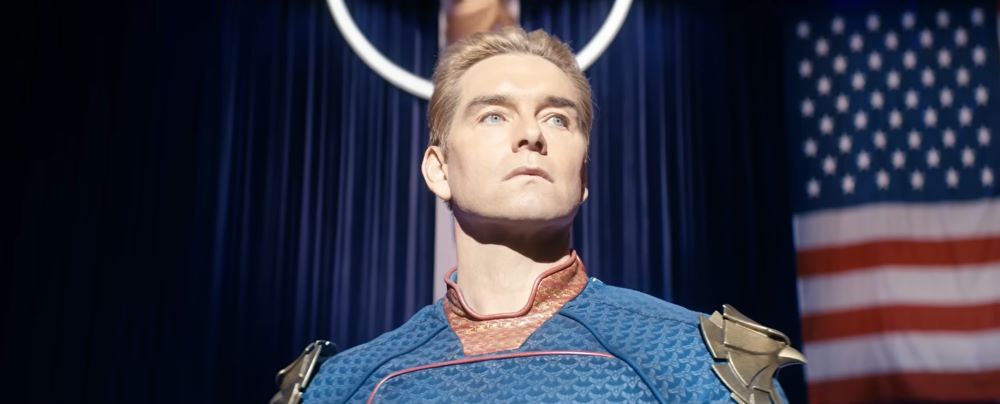
More than anything, the season’s vibe is crazier, bigger, and more saturated with absurdity than before. Homelander, long unpredictable, now embraces a self-appointed divinity that makes him even more terrifying. Past seasons offered glimpses of his instability; here, there is no pretense of self-reflection or hesitation. He doesn’t merely believe he has the power to shape the world—he believes he should. That transformation gives the narrative an almost mythic adversary to contend with.
Amid all this, there are occasional narrative slowdowns that shift focus onto side character threads, which add depth and emotional texture to the story. Episodes that shift perspective, especially around previously sidelined characters, act as breathers that enrich the world rather than detract from the action. When the narrative fires back up, it does so with a renewed burst of action and stakes that feel appropriate for a finale. Butcher’s choices this season are more morally ambiguous, which adds tension and leaves viewers questioning who is truly right or wrong.
Characters and Performances
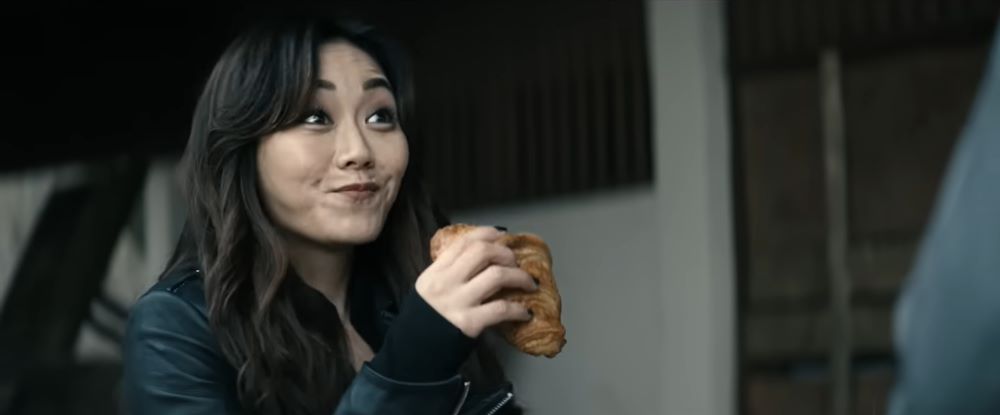
The ensemble continues to deliver performances that are intense, committed, and emotionally resonant. Frenchie stands out this season, stepping up to maintain team cohesion while Butcher increasingly focuses on Homelander. Hughie and MM navigate their arcs with subtle evolution, their growth noticeable in quieter moments that gradually accumulate meaning. Kimiko’s newfound voice adds unexpected layers to her character, providing emotional beats that balance out her previously more brooding persona.
The supes aligned with Homelander also get a chance to show growth or division. Figures like The Deep and Firecracker react to Homelander’s increasingly unhinged behavior in ways that reflect their loyalties, fears, and personal motivations. Some cling to him with blind devotion while others begin to fracture under the weight of his tyranny. Soldier Boy, with his rough edges and abrasive personality, reappears as a force to be reckoned with and continues to deliver every time he is on screen. Even when a character’s storyline feels less central this season, their presence enriches the narrative. Cameos and smaller appearances add texture and often draw laughter or surprise, reminding viewers that this world still thrives on unpredictability.
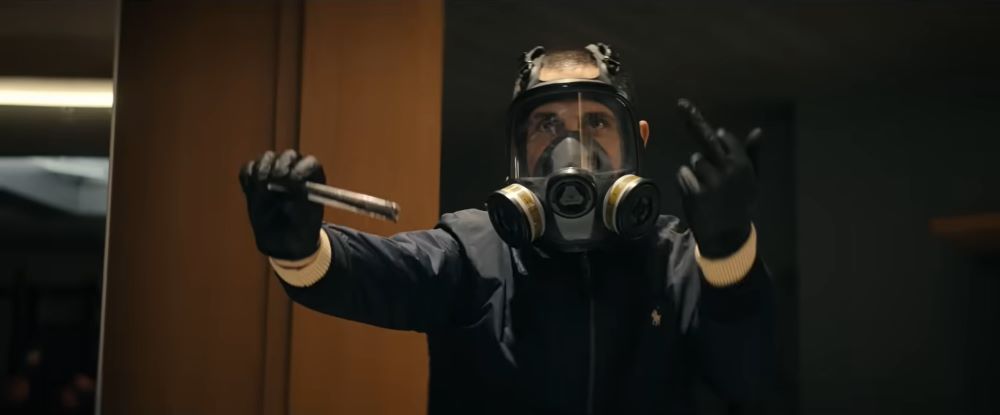
Starlight, however, feels somewhat underutilized, particularly when compared with her prominent role in the spin-off Gen V, and the fact that her name is mentioned every 5 minutes in the show. Despite that, every actor here is pushing the limits in portraying characters whose arcs are being tested as the series rushes toward its conclusion.
Themes and Storytelling
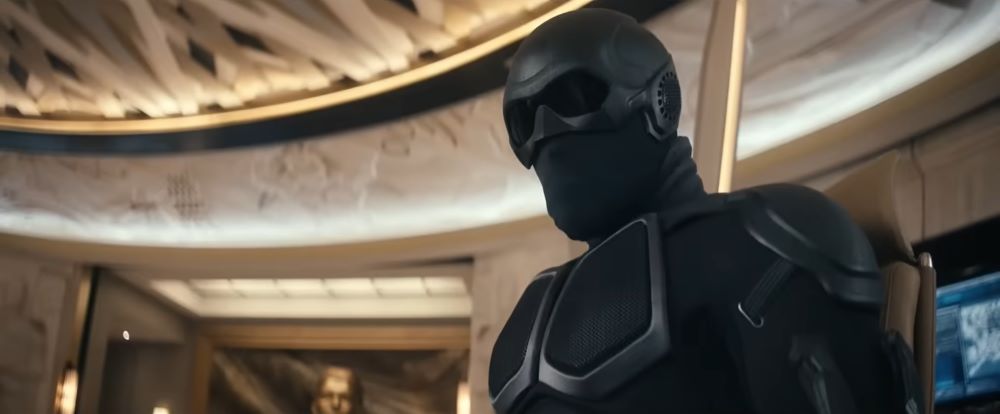
At its core, The Boys has always been about power and what happens when it is wielded without accountability, but this final season sharpens that theme to a razor’s edge. Homelander’s godlike self-perception reflects a terrifying intersection of charisma, power, and ideological certainty. His choice to wrap himself in nationalistic symbolism functions as a scathing commentary on how society can elevate the dangerous under the guise of strength.
Political satire remains razor-sharp but is now enmeshed in broader cultural critique. Rather than simply poking holes in the superhero genre or corporate branding, the narrative explores cults of personality, media manipulation, and power consolidation. Even amid high-octane action, the show’s dark humor continues to underscore the grotesque ironies of this superpowered world.
Production, Visuals, and Action
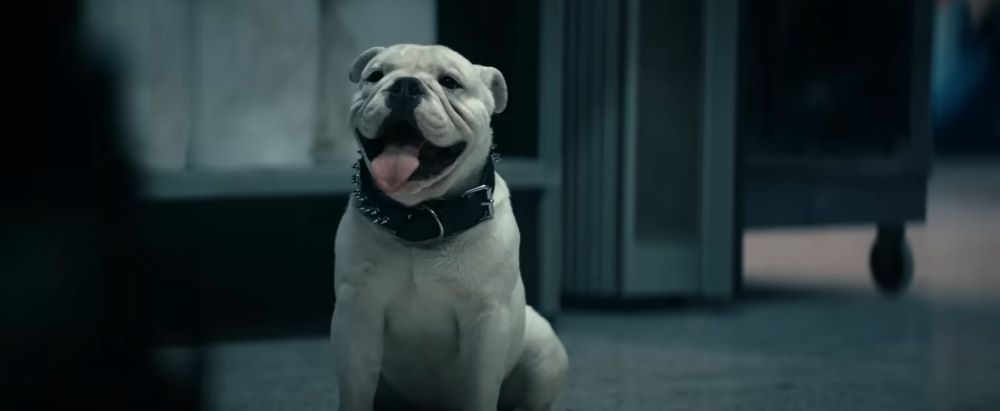
Season 5 maintains the cinematic flair that has always been a hallmark of The Boys, with each sequence feeling meticulously staged and visually striking. Fight scenes are choreographed with both brutality and creativity, blending hand-to-hand combat, superpowered showdowns, and environmental chaos in ways that feel grounded yet over-the-top. The camera work enhances the tension and spectacle, moving fluidly between sweeping wideshots of destruction and intimate close-ups that capture the fear, determination, or chaos on characters’ faces.
Special effects continue to impress, integrating the superpowered abilities and explosive sequences seamlessly into the live-action world. The gore is graphic but intentional, often used to highlight the stakes of a scene or underline the dark humor that defines the series. From blood-splattered melee fights to catastrophic collisions, every moment is carefully balanced so that spectacle never overshadows story or character emotion. Even the most chaotic sequences feel readable and immersive, allowing the audience to follow the action without losing the impact of the narrative.
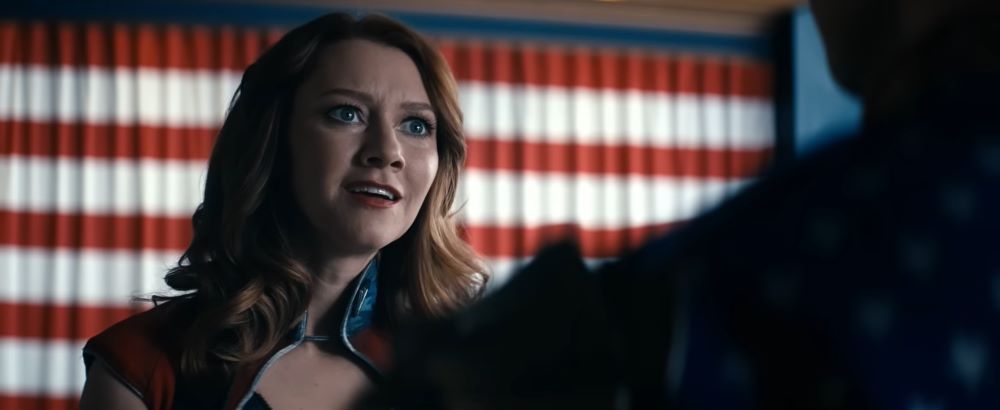
Beyond the action, production design and visual storytelling elevate world-building. Settings range from dystopian urban landscapes to lavish corporate spaces and claustrophobic interiors, each rendered with attention to texture, color, and mood. Lighting, sound design, and editing all contribute to a heightened sense of tension, making the violent, absurd, and occasionally comical moments hit harder. Overall, the production values ensure that the season’s larger-than-life stakes feel both thrilling and tangible, keeping viewers fully immersed in the escalating chaos.
Strengths and Weaknesses
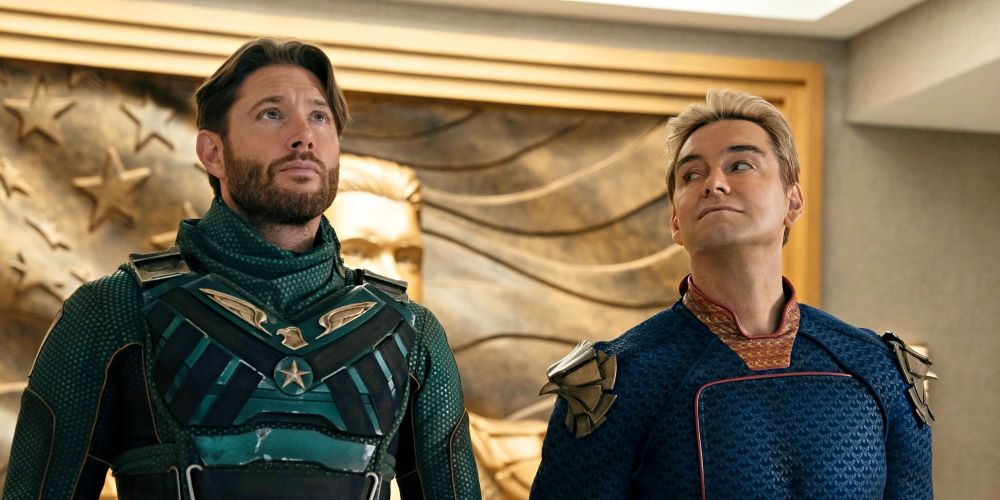
The season excels in delivering electrifying performances, razor-sharp humor, and high-stakes drama. World-building continues to expand with surprising twists, and the narrative thrust keeps viewers on edge. The blend of action and thematic exploration ensures that spectacle never overshadows the emotional and moral stakes.
On the other hand, some pacing issues occasionally make events feel rushed, particularly early in the season. Narrative cohesion sometimes teeters between exhilarating and overwhelming, and a few character arcs could benefit from additional exploration. Despite these minor drawbacks, the storytelling remains gripping, and chaotic momentum often works in the show’s favor.
Overall Impression
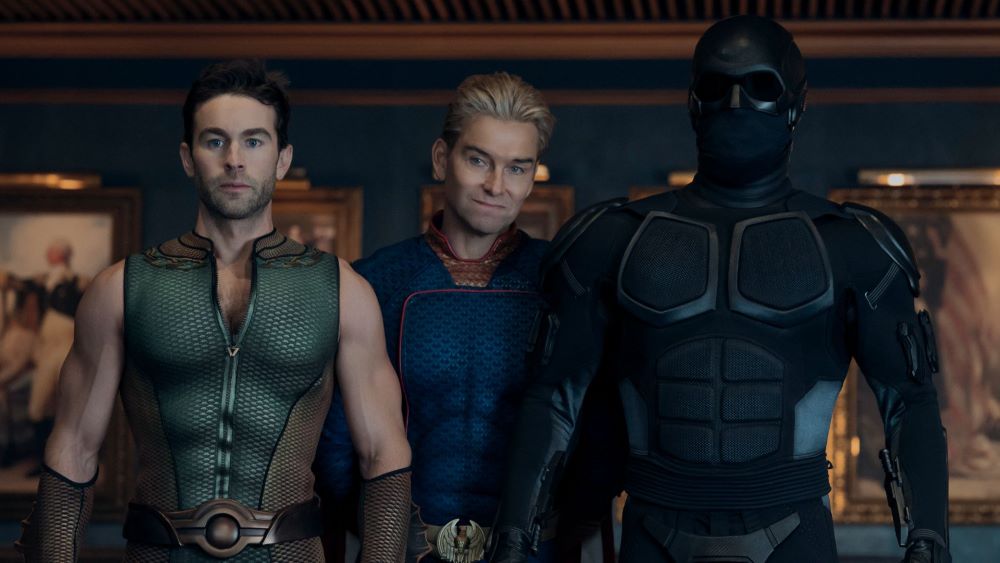
Season 5 of The Boys is a fitting, exhilarating prelude to the conclusion of a series that has never been afraid to take risks. The energy, narrative ambition, and character stakes are all heightened, making the world feel alive and unpredictable. Every scene delivers a mix of tension, dark humor, and shocking unpredictability. The story is building toward a finale that promises to be as intense, morally complex, and emotionally resonant as fans could hope.
Verdict
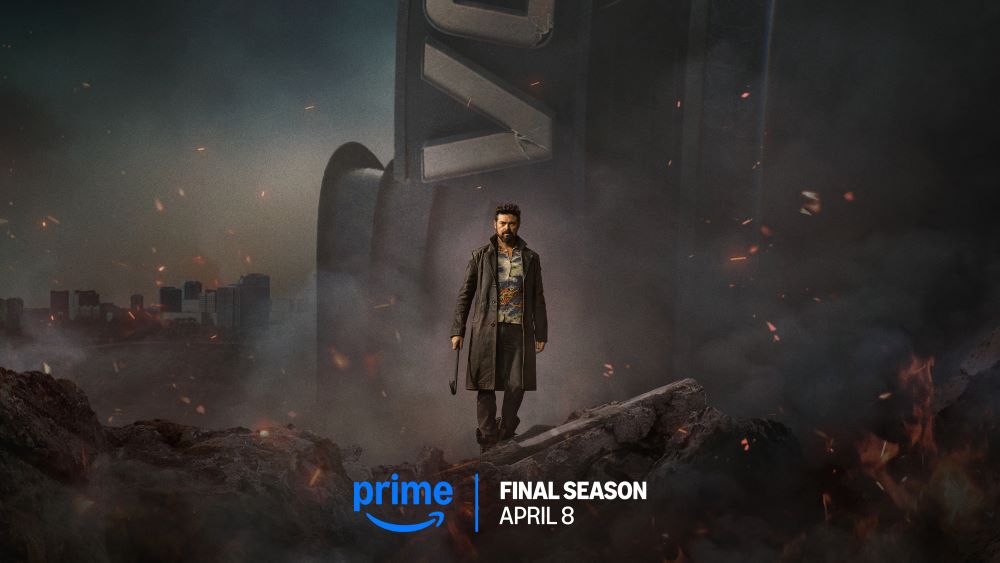
The Boys Season 5 succeeds in nearly every way. It is fast, furious, and deeply engaging, combining edge-of-your-seat action with sharp satire and layered character work. While some narrative beats feel rushed and a few characters remain underutilized, these issues are minor compared with the sheer spectacle and storytelling mastery on display.
This season captures what made the show exceptional: morally complex characters, subversive humor, and social commentary wrapped in superhero chaos. It is the perfect storm of tension, comedy, and narrative ambition, setting up what promises to be an unforgettable series finale. Based on the first part of this season, it is easy to give it a solid 9 out of 10, with anticipation for the conclusion reaching fever pitch.



The Review
PROS
- High-Octane Action: Fight choreography and superpowered battles are creative, brutal, and visually spectacular, keeping viewers on edge throughout.
- Character Depth and Evolution: Key characters like Butcher, Homelander, Frenchie, and Kimiko continue to develop, with morally complex arcs and surprising growth.
- Dark Humor and Satire: The series maintains its irreverent humor, blending political commentary, media critique, and grotesque absurdity without losing impact.
- World-Building: Even amid chaos, the show’s universe feels coherent, rich, and alive, with sidelined characters and perspectives adding depth.
CONS
- Underutilised Characters: Certain characters, like Starlight, have less screen time than expected, leaving their arcs feeling slightly incomplete.