![[EXCLUSIVE] Dragon’s Dogma 2: Dark Arisen Team Opens Up About the Expansion’s Name, New Norgan Region, and Performance Goals](https://cdn.gamerbraves.com/2026/07/Dragons-Dogma-2-Dark-Arisen_Interview_FI-360x180.jpg)









Monster Hunter Stories 3: Twisted Reflection is shaping up to be the most ambitious entry in Capcom’s monster-collecting RPG series yet. Rather than simply expanding on familiar ideas, this new installment restructures its core around ecosystem management, long-term progression, and a heavier narrative focus. After spending time on the PlayStation 5, it is clear that Monster Hunter Stories 3: Twisted Reflection is aiming for a more deliberate and systemic experience, one that places player choice and environmental impact at the center of its design.
Nearly every major system feeds into this philosophy. Combat, Monstie growth, and exploration are no longer isolated mechanics, but interconnected layers that respond to how players engage with the world. The result is a game that feels more grounded and intentional, even in its earliest hours.
A Darker World and a New Role
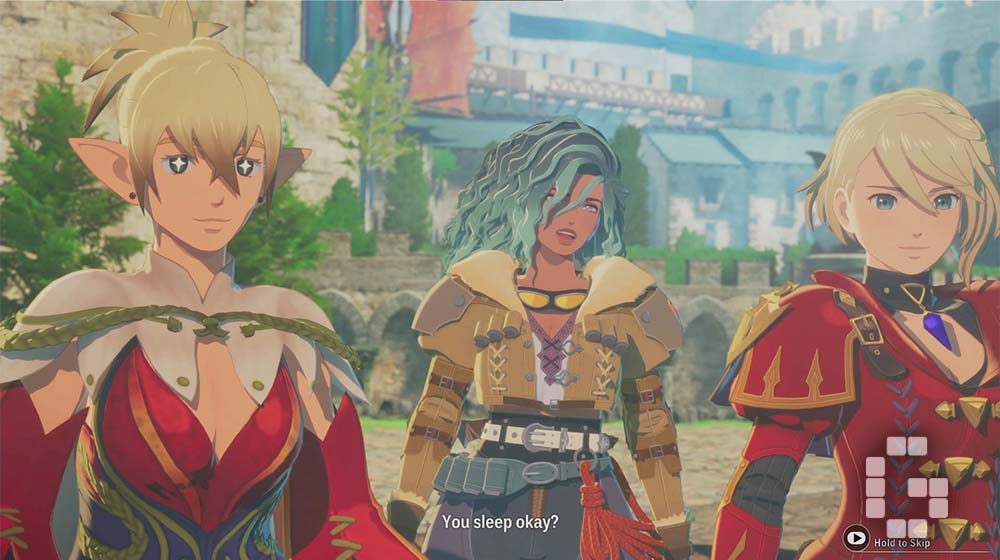
For the first time in the series, players do not take on the role of a Rider. Instead, the protagonist is a Ranger, a shift that reflects the game’s focus on ecological recovery and environmental responsibility. The story unfolds across the regions of Azuria and Vermeil, both afflicted by a spreading phenomenon known as Crystallization.
Crystallization corrupts habitats and transforms monsters into dangerous Feral variants, reshaping both exploration and combat. These monsters behave more aggressively and punish careless decision-making, reinforcing the game’s more measured pacing. Early on, the narrative establishes its stakes through a central mystery involving twin Rathalos marked with the Skyscale, an omen tied to a catastrophic past. The tone is noticeably more restrained and serious, grounding the story in themes of balance, consequence, and recovery.
Habitat Restoration as Core Progression
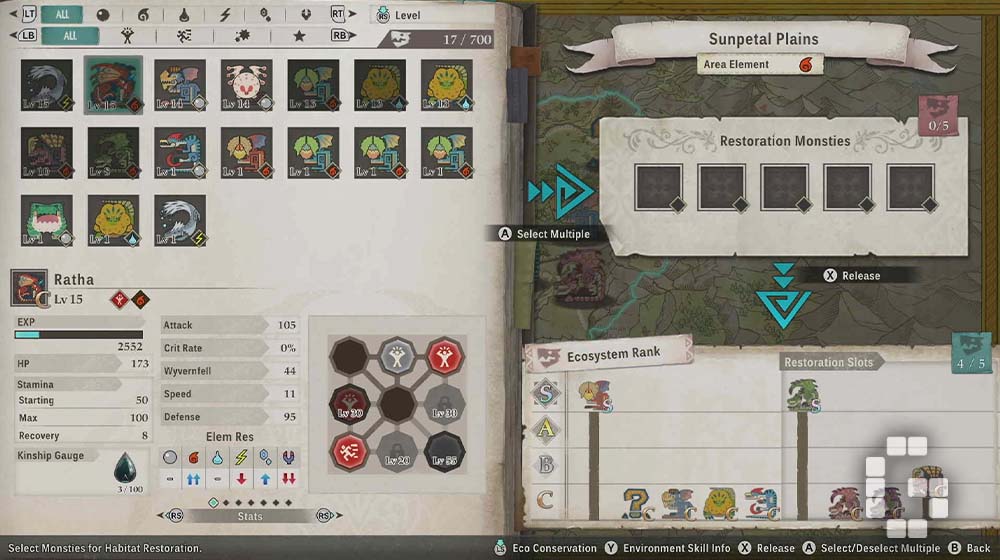
Habitat Restoration sits at the heart of Monster Hunter Stories 3: Twisted Reflection. Progression is no longer driven solely by acquiring stronger Monsties, but by actively rebuilding damaged ecosystems. Players hatch Monsties and reintroduce them into the wild, increasing regional species ranks that directly influence egg quality, skill availability, and elemental traits.
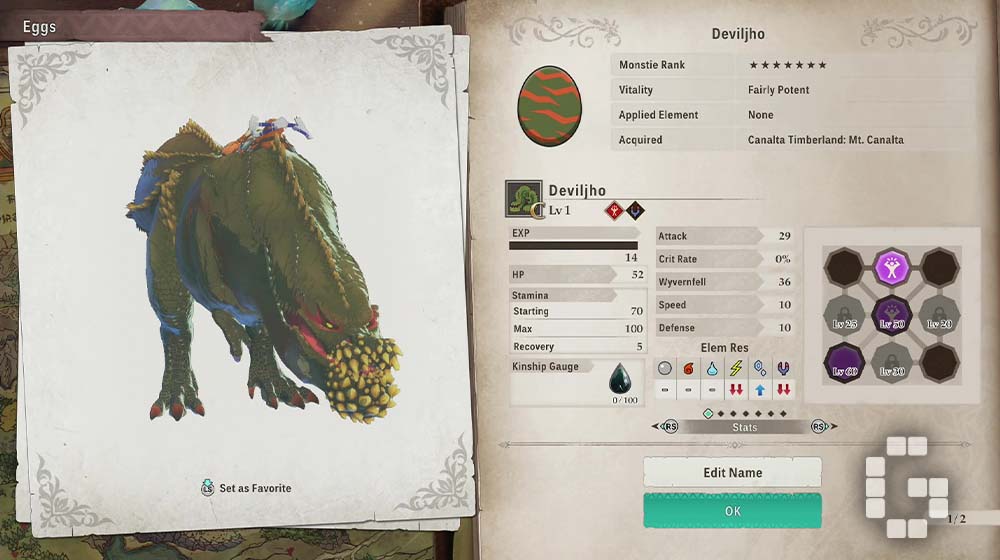
Each decision alters the ecosystem in tangible ways. Adding or removing species affects which eggs appear, how monsters evolve, and what traits become more prominent over time. Subspecies and Deviant variants still exist within this structure, but the systems governing them are presented more transparently, making experimentation feel intentional rather than random. Growth comes from understanding how the ecosystem functions, not from brute-force optimization.
Invasive Monsters and High-Stakes Opportunities
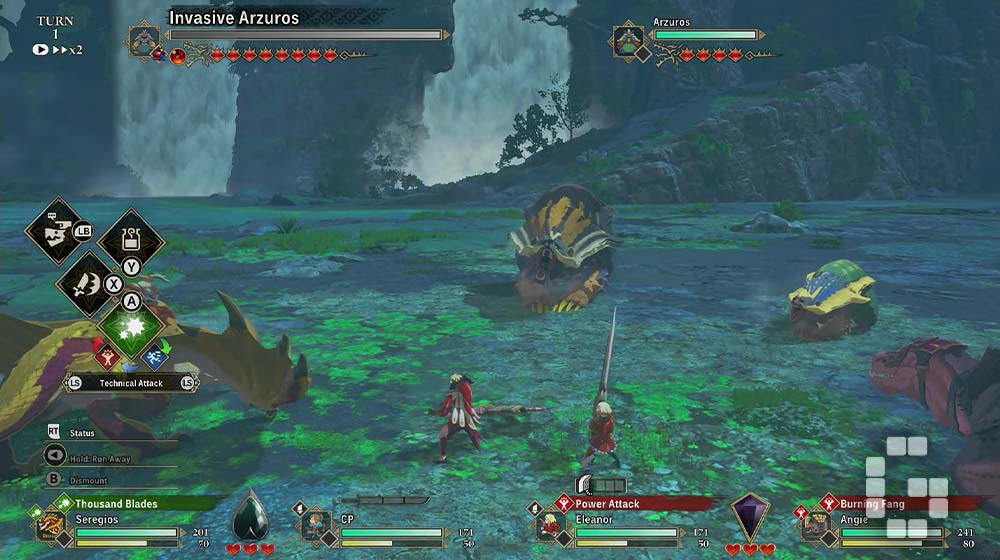
Invasive Monsters further reinforce the game’s ecosystem-driven identity. These powerful creatures seize control of existing nests, disrupting habitats and stalling restoration progress. Early encounters make it clear that fighting them head-on is rarely the correct approach.
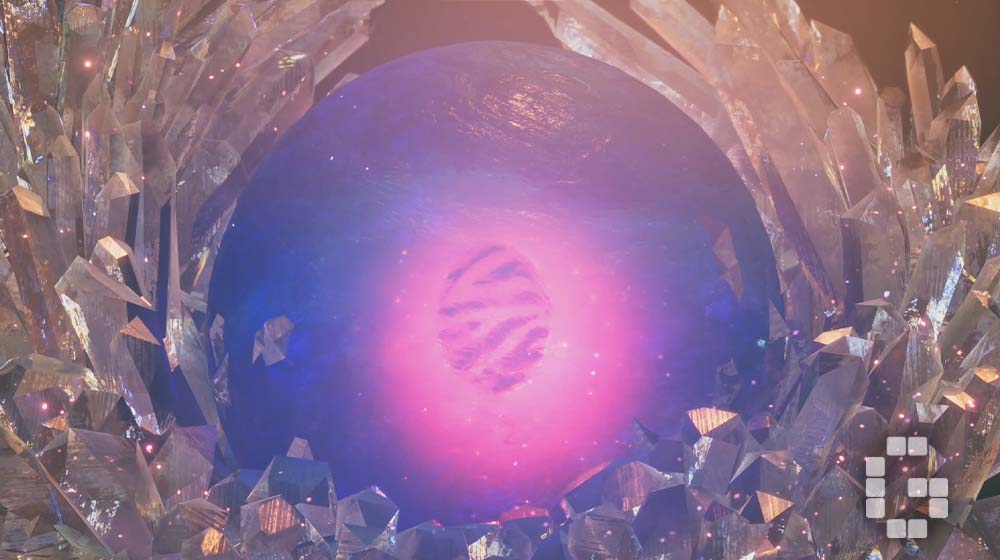
Instead, players are encouraged to observe patterns, respond to environmental cues, and meet specific conditions to drive these monsters away. Successfully doing so creates a short window to infiltrate their nests and steal eggs containing Monsties that cannot be found roaming the world naturally. This ties high-risk encounters directly into long-term progression, rewarding preparation, patience, and system knowledge over raw strength.
Expanded Monstie Customization
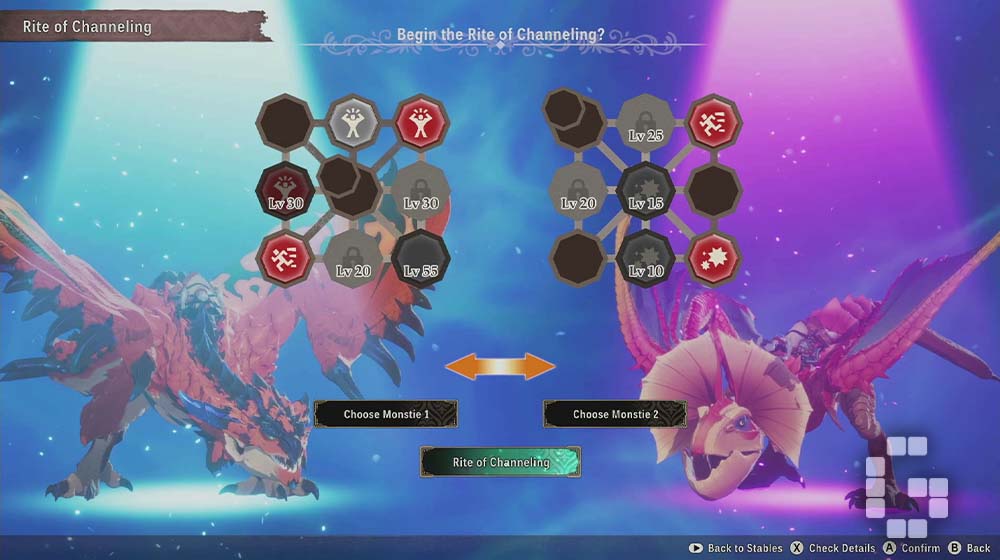
Monster Hunter Stories 3: Twisted Reflection refines Monstie customization with the introduction of Egg Skills—elemental abilities tied to Habitat Restoration progress. These skills ensure players can cover gaps in attack types and elemental effectiveness.


Some passive genes have been restructured compared to Monster Hunter Stories 2: Wings of Ruin, with notable examples like Self-Heal, which previously had a non-elemental effect but now carries Fire and Speed properties. Other Monstie moves have also been adjusted; for instance, Brachydios shifted from Fire to Non-Elemental, and its attacks can now inflict Blastblight. These changes encourage players to consider Monstie tendencies, combat roles, and Environment Skills when planning their teams. You’re also able to change the looks of your monstie, by imbuing it with different elements.
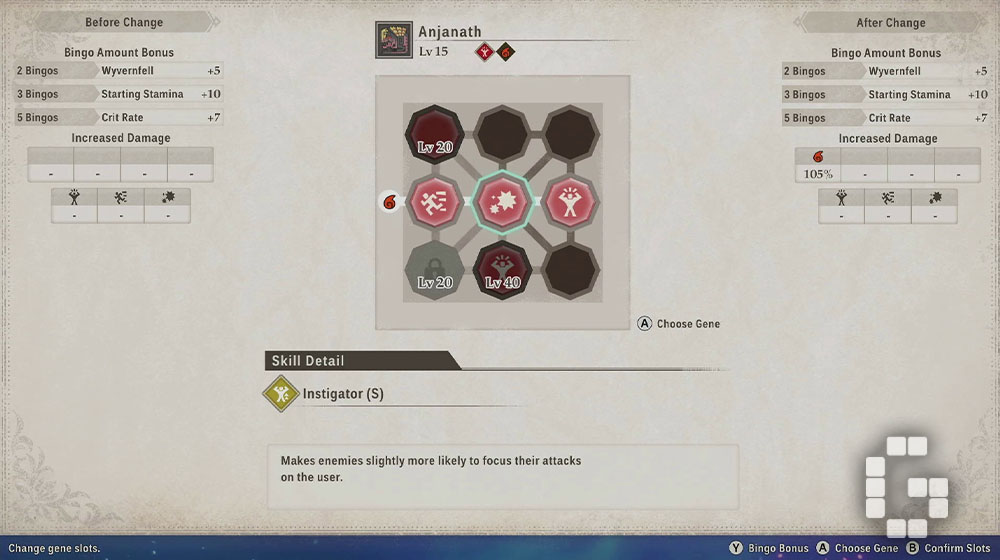
A Monstie’s rank affects which Egg Skills it can pass on, making higher-ranked Monsties more likely to produce rare or powerful abilities. Monsties also unlock their gene slots naturally through leveling, offering a gradual, rewarding path for growth while keeping early-game companions viable into the late game.
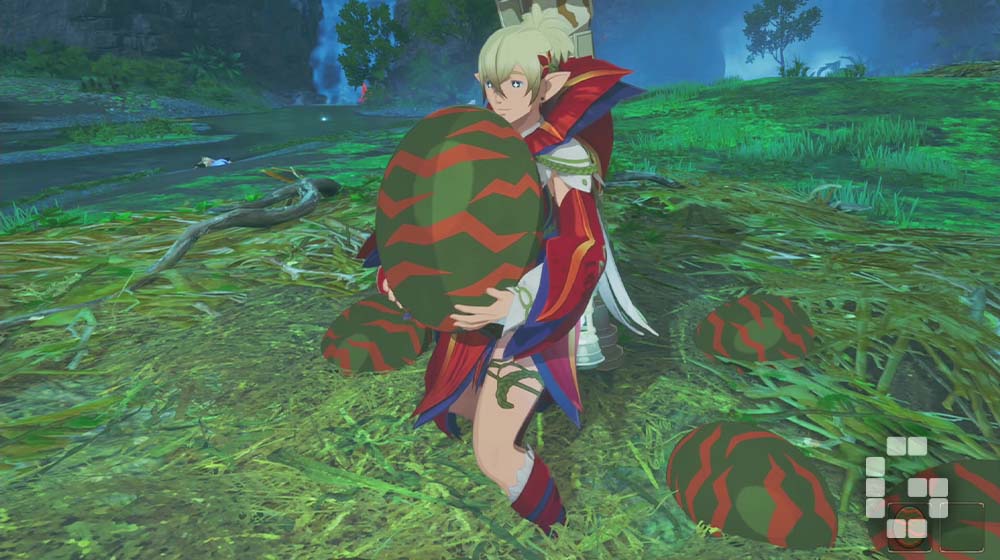
Restoration progress also influences the rarity of eggs discovered in nests. As habitats stabilize, players gain access to rarer and even endangered Monstie eggs, including fan favorites such as Mizutsune, Silverwind Nargacuga, Ivory Lagiacrus, and even Deviljho. These species feel deliberately positioned as high-value finds, reinforcing the idea that ecosystem health directly shapes what becomes obtainable.


Among the most notable rare finds is Deviljho, positioned as a powerful and uncommon Monstie. Beyond its base form, Monster Hunter Stories 3: Twisted Reflection introduces elemental variations that are determined by the habitats Monsties reside in. A Monstie’s elemental alignment shifts according to environmental conditions, and its colouration changes to reflect that adaptation.


Endangered species like Mizutsune, Silverwind Nargacuga, Ivory Lagiacrus, and Deviljho can therefore appear in alternate colour forms tied to their ecosystem placement. Canines especially are great, because of their alternate looks when imbued with other elements.


These changes are not purely cosmetic; they influence elemental pressure, team composition, and overall combat strategy, reinforcing the importance of habitat management.


Combat That Rewards Control and Timing
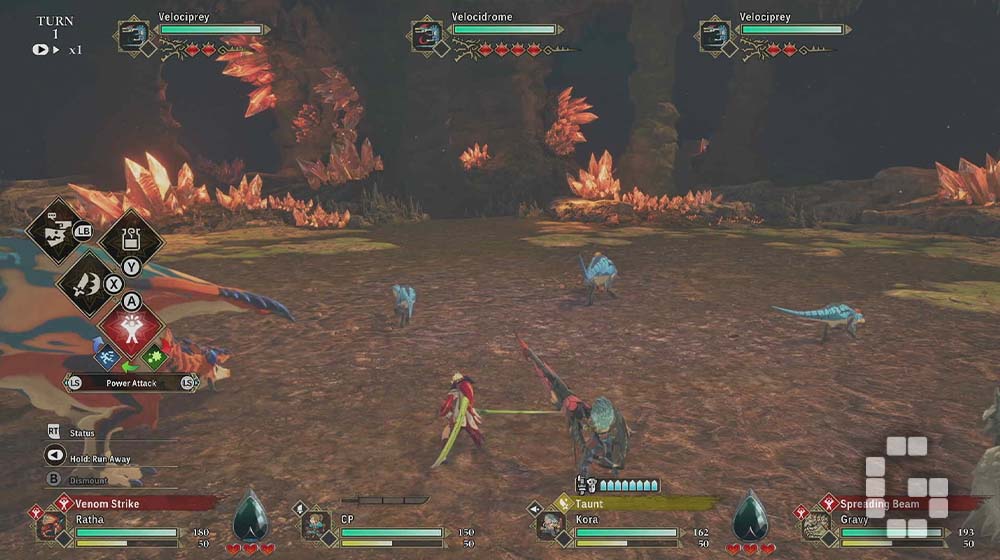
Combat in Monster Hunter Stories 3: Twisted Reflection, based on extended hands-on play with the PlayStation 5 version, feels more deliberate and demanding. While the turn-based foundation remains familiar, battles are now structured around two offensive values tied to combat moves: Attack and Wyvernfell.
Attack directly reduces health, while Wyvernfell is used to deplete a monster’s Wyvernsoul gauge. This gauge functions as the game’s primary stagger mechanic. Fully breaking it staggers the monster, creating a critical opening where it becomes highly vulnerable.
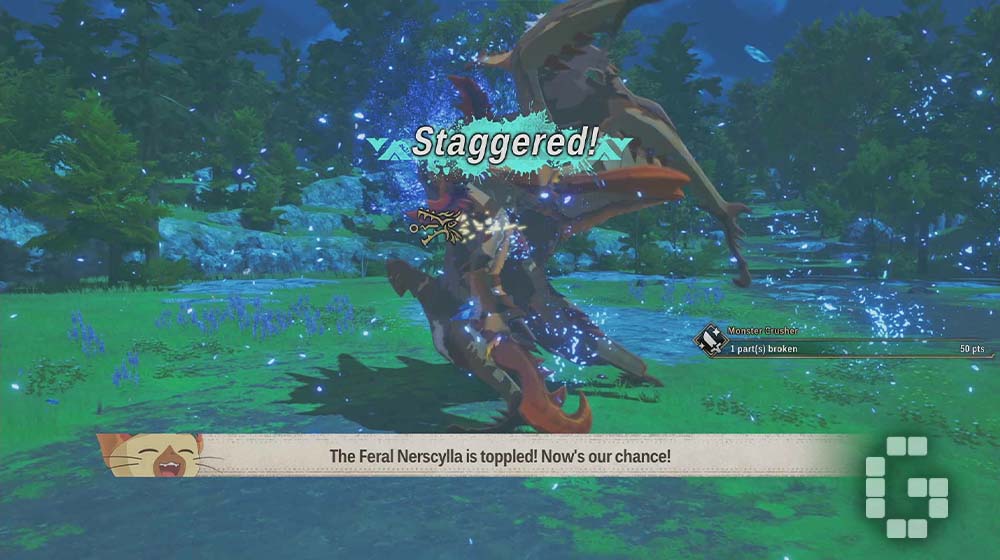
When a monster is staggered, players face a meaningful choice. They can trigger a Syncro Rush, dealing immediate burst damage that is independent of previous attack inputs while also generating Kinship. Alternatively, they can let the monster remain down for a turn, giving themselves a chance to recover, buff their team, or continue dealing critical damage over multiple turns. This dual-option system adds depth to each encounter, shifting the focus from simple damage output to strategic tempo management.
Neutral attacks that bypass traditional counter mechanics are more common, making battles less predictable. Players are constantly weighing whether to push damage, build Wyvernfell, or conserve resources for safer openings.
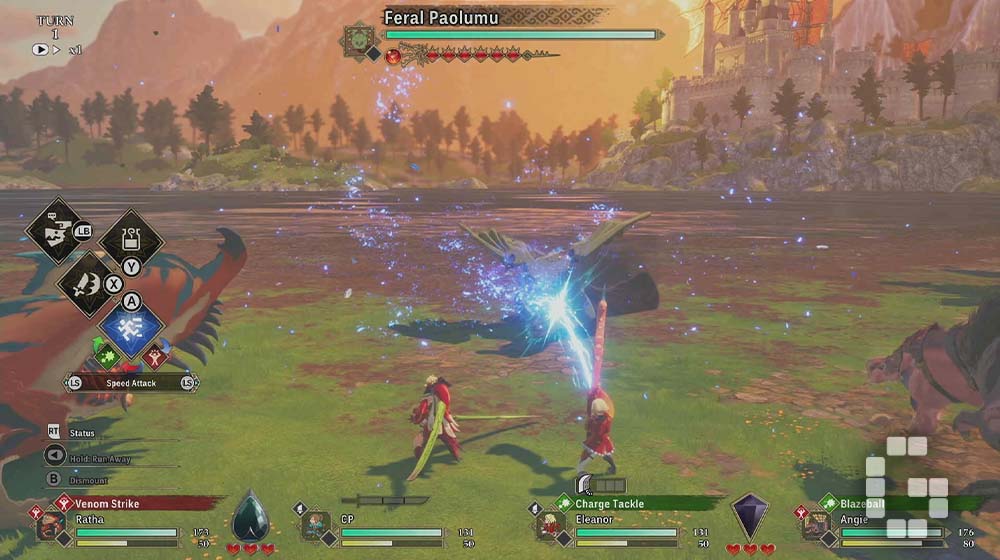
Feral Monsters further test this balance. Breaking crystallized parts weakens their abilities, but mistimed aggression can trigger severe counterattacks. During rage phases, these counters are disabled, opening the door to aggressive Wyvernfell-focused strategies. Each encounter becomes a question of timing—when to pressure, when to hold back, and when to commit fully.
Weapons, Armor, and Gem Customization
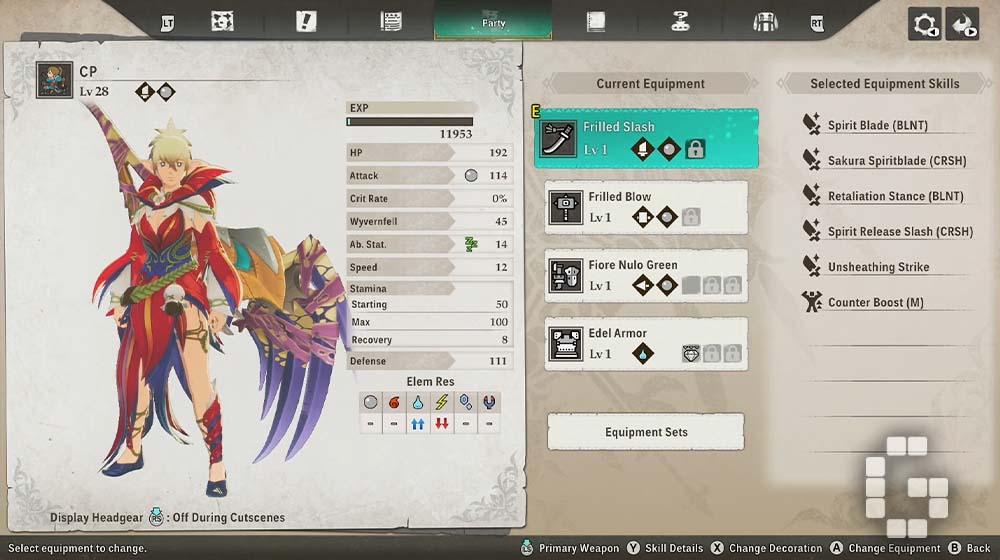
Monster Hunter Stories 3: Twisted Reflection introduces gem slots for the first time in the series, giving players more ways to customize their equipment. Weapon gems provide active skills that modify attacks, resource gain, or conditional effects. Weapons themselves have been rebalanced: Long Sword replaces Sword & Shield for stance-based combat, Great Sword lets you store and spend charges for massive single-target or AOE damage, and Blunt and Pierce weapons now serve more distinct roles.
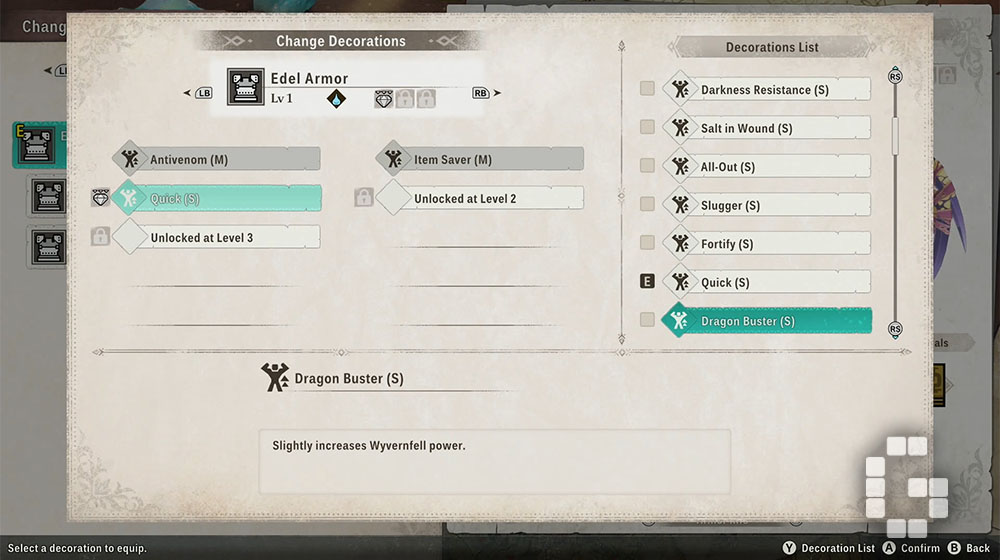
Armor gems, by contrast, provide passive bonuses, similar to Monstie genes. These can include elemental resistance, stamina management, or other conditional effects, allowing players to fine-tune survivability and combat rhythm. By separating weapon skills from armor effects, the game encourages experimentation and thoughtful pairing of gear with favorite Monsties.
Companions And Their Growth
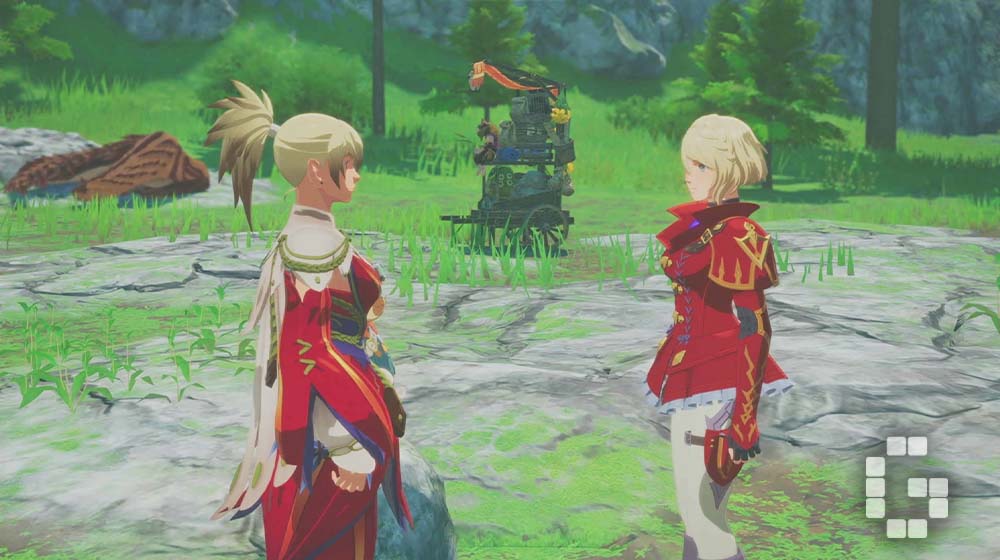
Companions play a substantial role in Monster Hunter Stories 3: Twisted Reflection. Each ally has a defined combat role and behavioral tendencies, and while they are not directly controlled in battle, their effectiveness can be shaped through equipment, items, and strategic priorities.
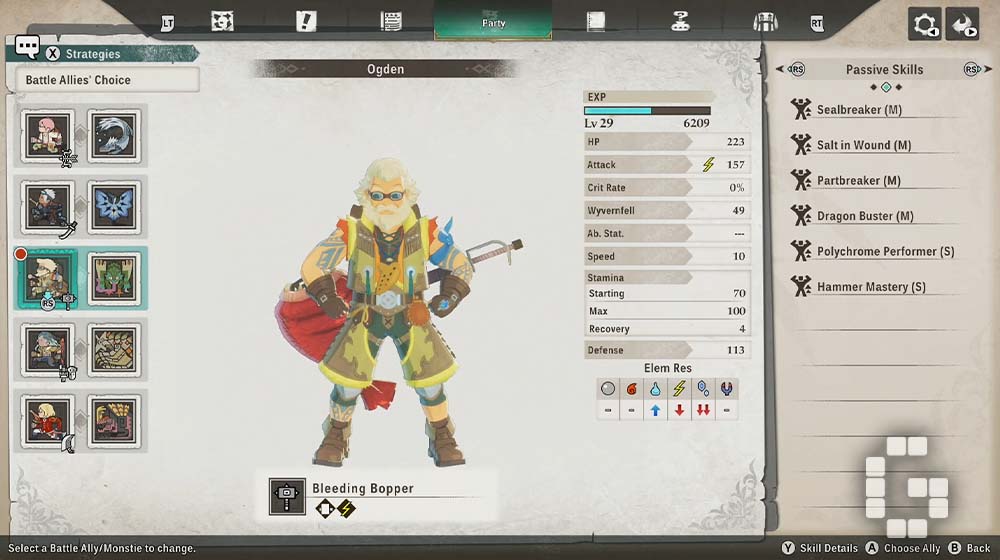
As players progress through companion-focused side missions, these characters grow mechanically and narratively. New skills unlock, weapon options expand, and additional Monstie partners become available, all while revealing deeper backstories that strengthen their presence within the world.
Notably, companions losing all their hearts no longer results in immediate failure. Instead, they return after a short delay, maintaining tension in difficult encounters without creating unnecessary frustration.
Early Impressions
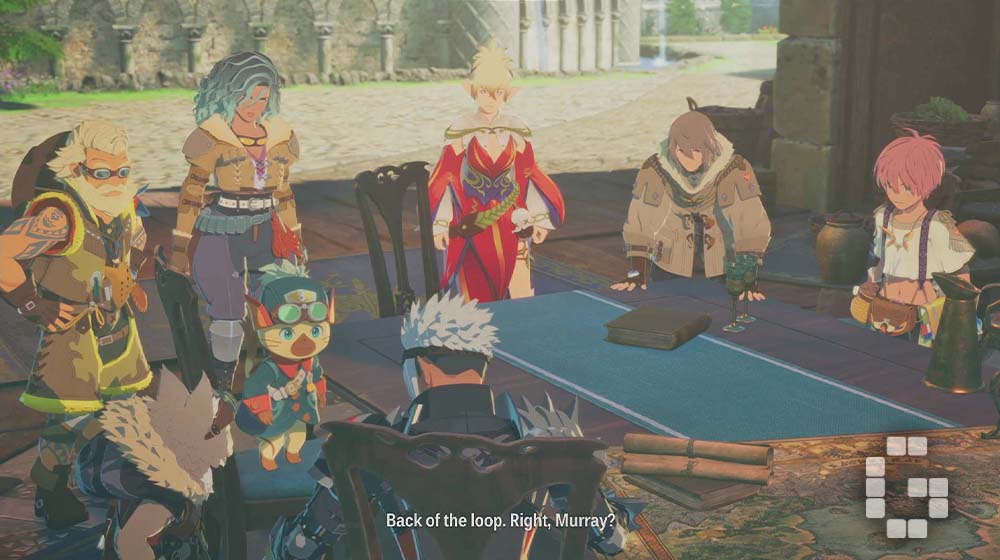
As a preview experience, Monster Hunter Stories 3: Twisted Reflection already presents a cohesive vision. Its emphasis on ecosystem-driven progression, controlled combat pacing, and a more grounded narrative gives the game a clear identity. The availability of powerful Monsties, including Deviant variants, from early on reinforces its focus on long-term investment rather than rigid progression gates. We also learned many aspects of the development of this game, as we had an interview with the developers.
Based on extensive time with the PlayStation 5 build, the game feels purposeful and confident in its direction. If the full release maintains this balance between accessibility, depth, and systemic clarity, it has the potential to stand as the most fully realized entry in the series to date. With that in mind, we have a full-fledged review of Monster Hunter Stories 3: Twisted Reflection coming in the future, so please look forward to it.
If you’re interested in the game, you can check out their official website.