

![[EXCLUSIVE] Dragon’s Dogma 2: Dark Arisen Team Opens Up About the Expansion’s Name, New Norgan Region, and Performance Goals](https://cdn.gamerbraves.com/2026/07/Dragons-Dogma-2-Dark-Arisen_Interview_FI-360x180.jpg)










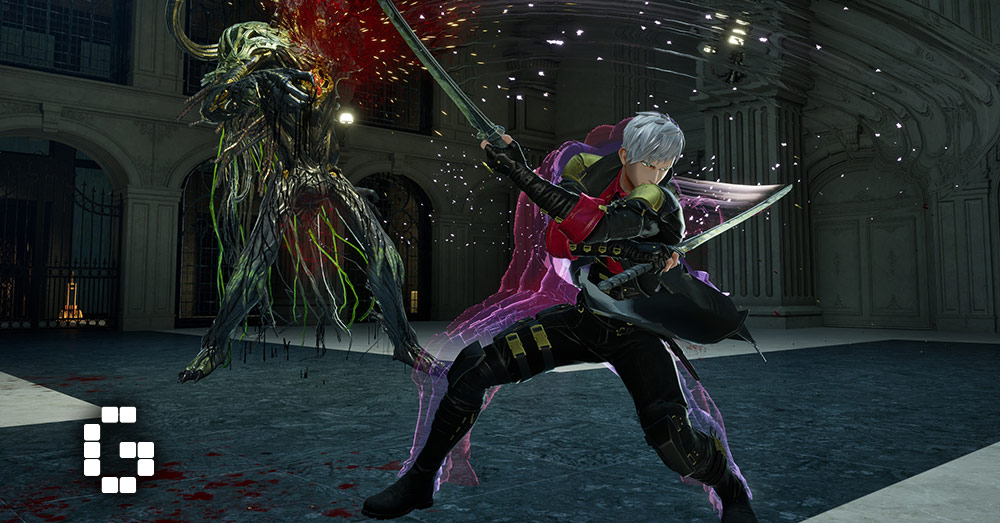
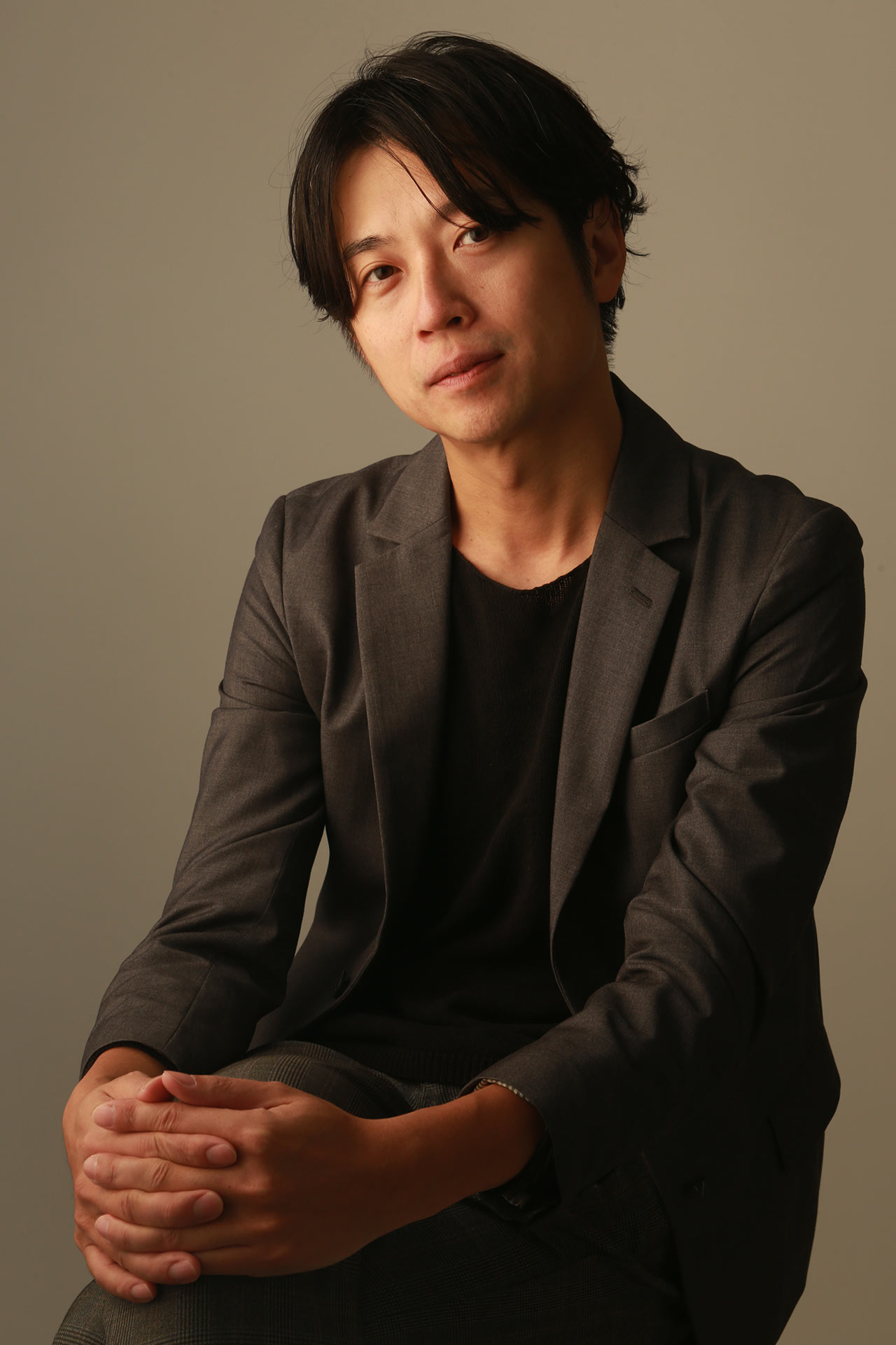
We recently sat down with producer Keita Iizuka and director Hiroshi Yoshimura to hear more about CODE VEIN II the highly anticipated sequel to Bandai Namco’s vampire-themed action RPG. The sequel brings significant changes to the vampire-themed post-apocalyptic world, introducing time travel mechanics and a completely fresh narrative while refining the combat and partner systems that made the first game memorable. Over the course of our conversation, the developers shared their vision for creating dual timelines, the reasons behind starting a new story, and how they’ve adapted the series to meet modern gaming expectations.

Two Worlds, Two Timelines
One of the most striking features in CODE VEIN II is its time travel mechanic, which splits the game between present and past versions of the world. According to Iizuka, the contrast between these timelines is central to the game’s atmosphere. “There are two timelines: the present and the past,” he explained. The present world faces complete destruction, with an overwhelming sense of apocalypse and a massive threat looming over everything. “There is a huge threat, a strong feeling of apocalypse,” Iizuka said of the current timeline.
The past timeline offers a stark contrast. “Although the world is also destroyed, it is still maintained by the Revenants alongside humans,” Iizuka said. In this era, Revenants attempt to maintain control over society while humans remain alive. The goal, according to Iizuka, was for players to “experience the difference between the current and past timelines, and at the same time, feel the progression of time.”
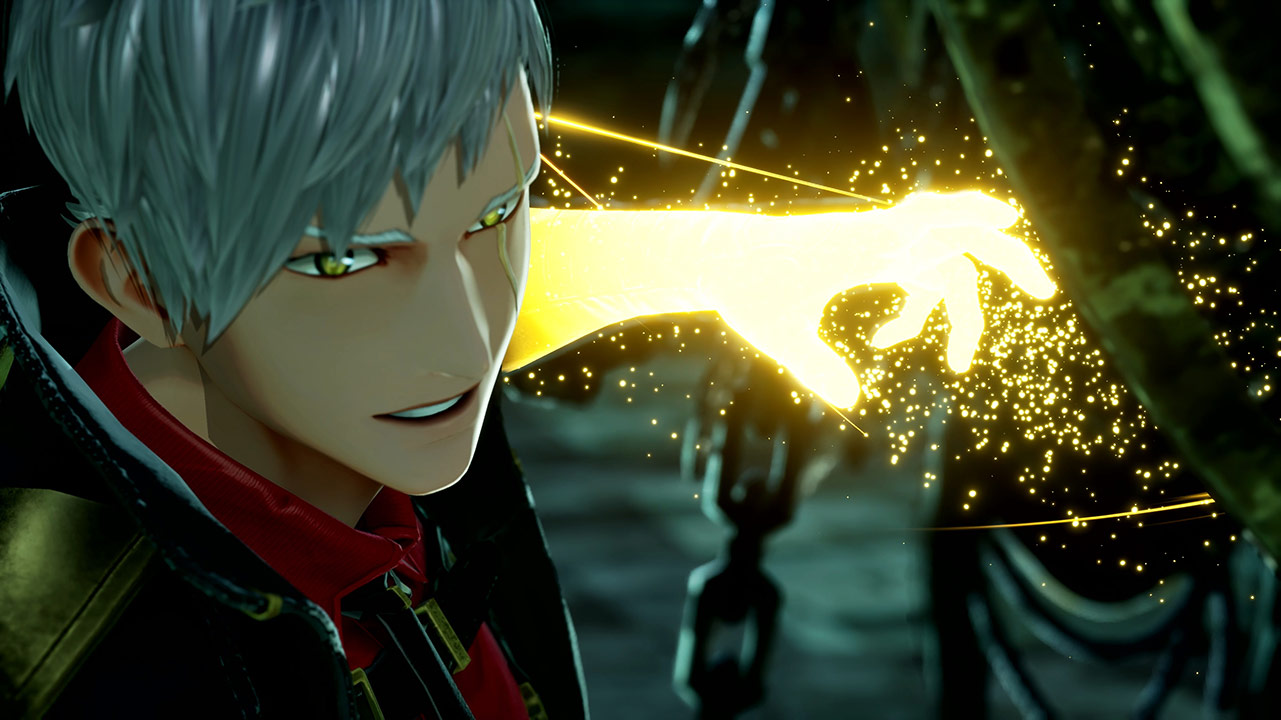
Yoshimura elaborated on the visual language used to convey this difference. “To express the threat of the current timeline, we created the Luna Rapacis, a completely rotten structure,” he explained. The moon holds special significance for Revenants, and its decay in the present timeline symbolizes the chaos consuming everyone. “The moon is significant for the Revenants, and here it is fully decayed. This shows that the world is going to be destroyed, and the feelings within it are in chaos. Both humans and Revenants are facing death,” Yoshimura added.
Why a Fresh Start Made Sense
Despite being a sequel, CODE VEIN II tells an entirely new story rather than continuing directly from the first game. Yoshimura explained that this decision came from a place of respect for players. “I wanted to strengthen the story-drama experience that was highlighted in the previous game to create a proper sequel to Code Vein,” he said. The team wanted to improve the story and drama elements that resonated with fans of the original, and time travel emerged as a compelling way to influence characters and their arcs.
However, they realized that some players might want to change events from the previous game, which created a problem. “Since the previous game and this game are completely related or on the same timeline, some players might want to change the past from the previous series,” Yoshimura noted.
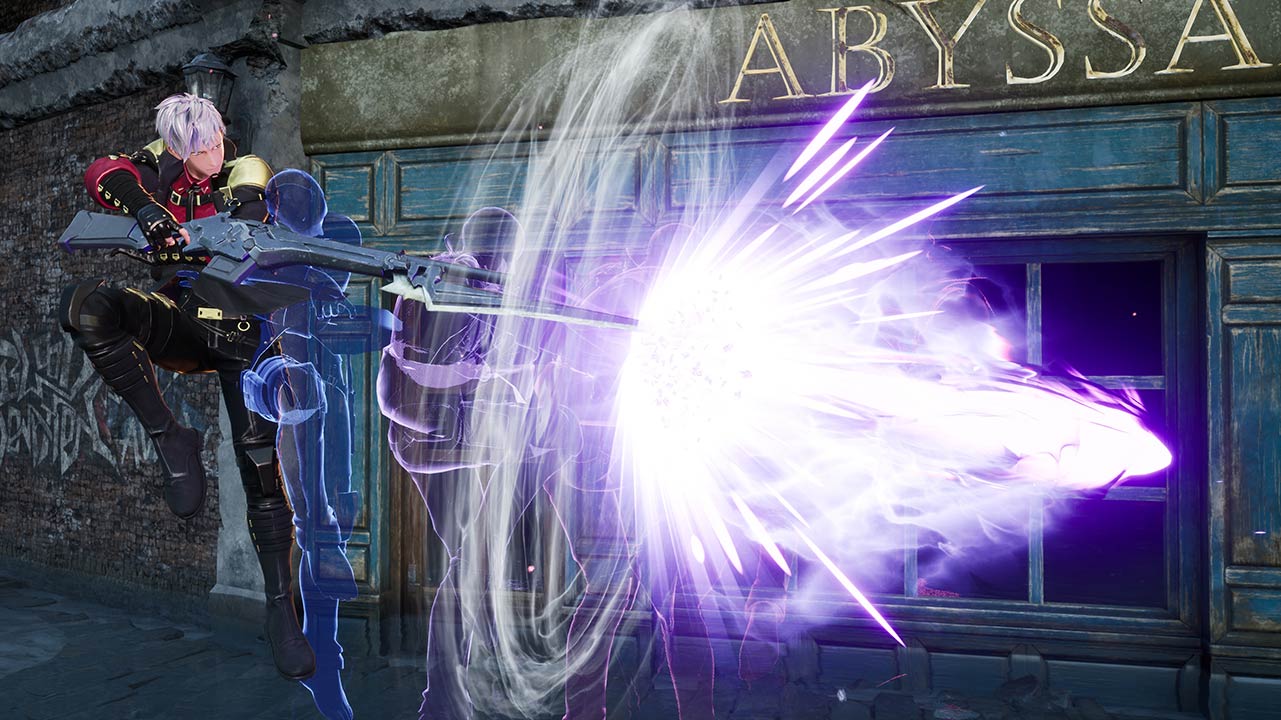
“The memories of the previous story, the experiences, and the characters belong to the player, so we felt we couldn’t alter or overwrite them,” Yoshimura explained. Rather than risk diminishing what players experienced in the first game, the team chose to build an entirely new world with new characters and storylines. “The story, characters, and player experiences from the previous game belong to each individual player, and we didn’t want to change that. This is why we decided on a completely new story,” he concluded.
Partners in Combat and Drama
The partner system returns in CODE VEIN II, and for good reason since it was one of the most praised features of the first game. Iizuka clarified that the system serves a purpose beyond simply making the game easier. “The core attraction of this series is action, which can be quite difficult to play,” he acknowledged. For newcomers, the challenge can be significant, but Iizuka believes breaks and learning opportunities are important parts of the experience.
“The partner system is not simply designed to reduce the difficulty of the game, but to increase its replayability,” Iizuka explained. The system encourages players to try different approaches and strategies through trial and error. “When implementing the partner system, the goal wasn’t only to reduce difficulty. During repeated attempts, players need to develop awareness and realizations. This encourages each player to actively try different approaches and strategies. That’s the strength of the partner system,” he said.
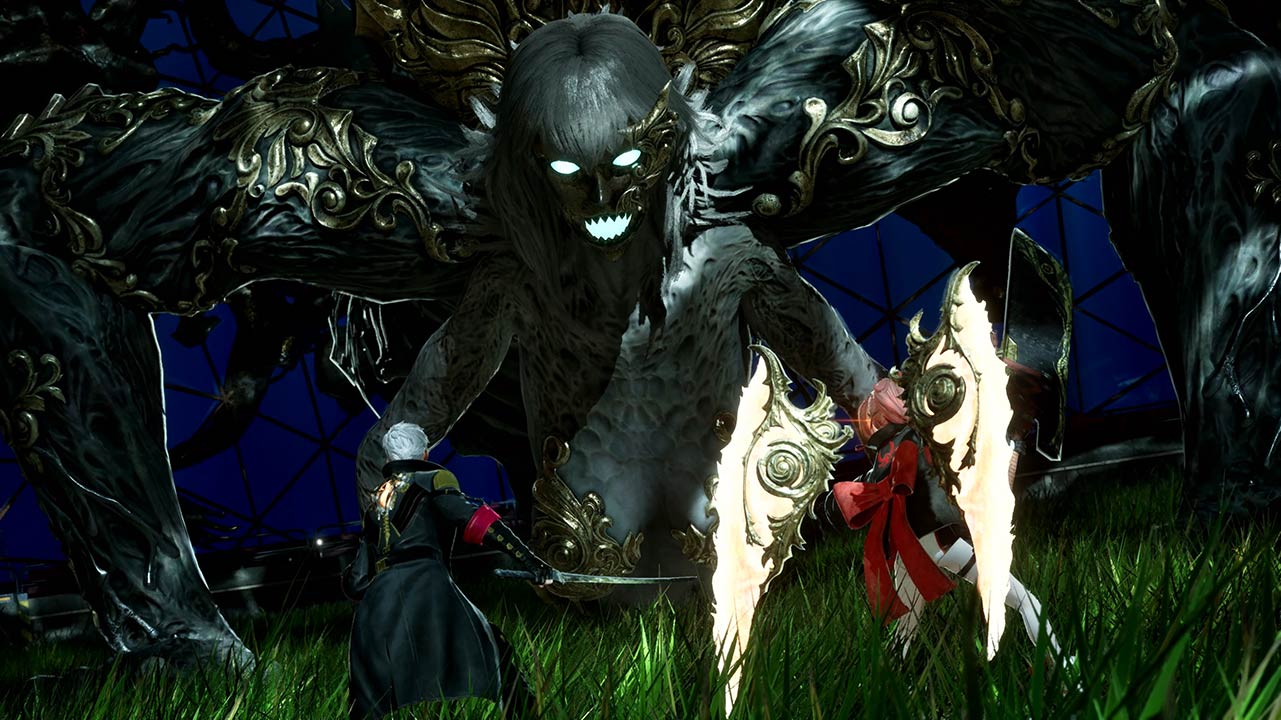
Beyond the tactical benefits, partners also create emotional connections that motivate players to keep going. “Additionally, players may develop sympathy for their buddies and resonate with their characters. This emotional attachment can motivate players to continue playing,” Iizuka noted.
The sequel expands on this foundation by introducing both two-on-two and one-on-one combat scenarios. “The drama between characters is very strong in this game as well. Beyond the two-on-two buddy style, we created a system for one-on-one interactions,” Iizuka revealed. The team invested significant effort into developing these dramatic relationships. “We spent significant time crafting the dramatic side of the characters. With the buddy system, you can play both two-on-two and one-on-one. The protagonists can incorporate the powers of their buddies, allowing them to fight effectively against opponents,” he added.
Freedom in Combat and Exploration
When asked whether players need to switch weapons for different bosses, Yoshimura emphasized the team’s commitment to player freedom. “We value freedom of selection. It’s important for players to structure their favorite playstyle to fight different opponents,” he said. While different weapons can be effective against specific opponents, players aren’t forced to constantly switch. “Depending on the bosses, players can use different weapons or build up their own weapon strategies throughout the game,” Yoshimura explained.
This philosophy extends to exploration as well. Instead of traditional waypoints, CODE VEIN II uses a traceback system that shows where players have already been. Yoshimura explained the design thinking behind this choice: “When designing dungeons, we placed subtle lights as pointers to show the way. Additionally, we included traces or footprints in 3D for players to explore the dungeon.”
“Our goal was for players to find their way naturally through exploration, without obvious waypoints,” Yoshimura said. “Experiencing the environment organically allows players to discover the map themselves. There are large open fields in front of the dungeons, and when players study the geography, they may encounter new findings,” he added.
Redesigning the Revenant Concept
The original CODE VEIN featured a unique vampire concept where parasites transform corpses into Revenants. The sequel reimagines this mythology around the theme of time and blood-sharing. Yoshimura explained the evolution of the concept: “In the previous game, we combined immortality as a vampire with a post-apocalyptic world to build the vampire concept. We wanted a world where there is no death due to Revenants.”
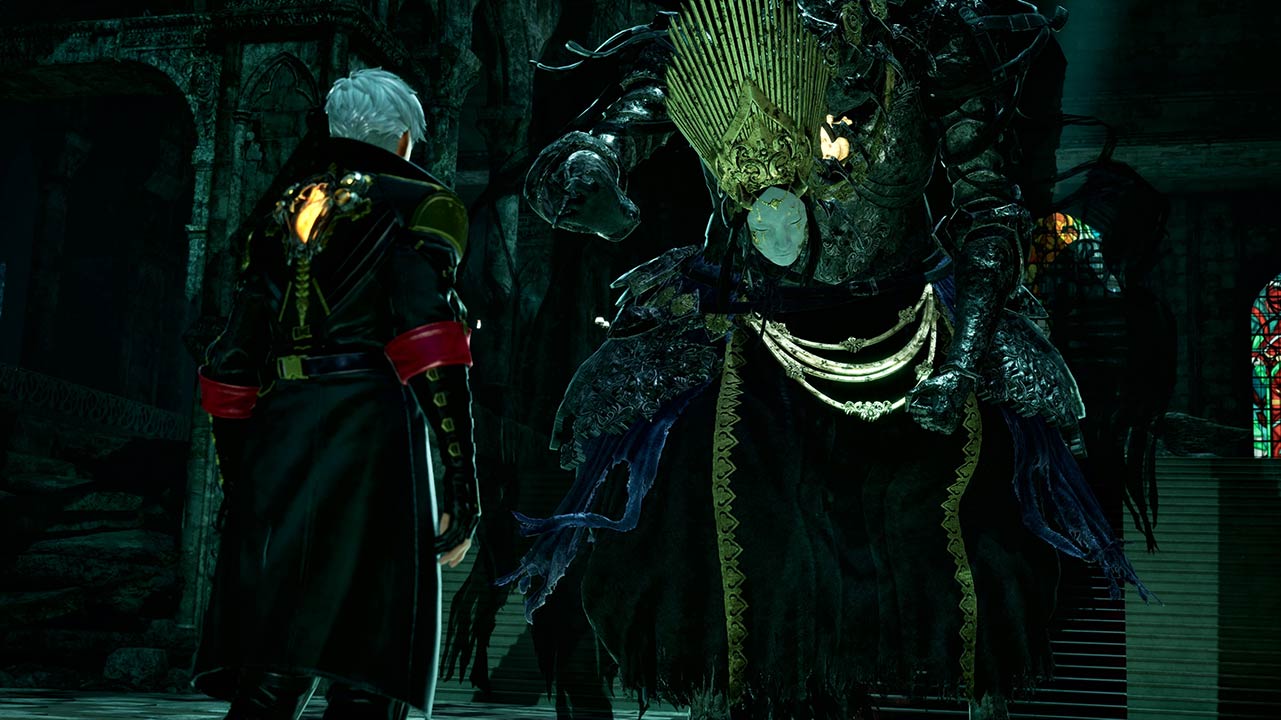
For the sequel, a fresh approach was needed. “For this game, time travel was a crucial element. We redesigned Revenants with the theme of time in mind, creating a new setting where they’ve existed since ancient times and arrived in the desert due to world collapse,” Yoshimura said.
“Revenants have unique capabilities and technology. The symbol of their power is the golden heart and the golden blood in their bodies. Protagonists receive this heart, which is central to the game’s core mechanics,” Yoshimura explained.
Streamlined Combat with New Tension
Players familiar with the first game will notice that CODE VEIN II has removed the focus meter and certain other combat mechanisms. Iizuka explained the reasoning: “The combat system still revolves around using drain attack to gain ichor and then using ichor to use skills in battle. But to free up battle strategy, we refined the combat content.”
In place of the previous focus system, the game introduces the Blood Thirst System. Yoshimura detailed how this new mechanic works: “Instead of the previous Focus system, we introduced the Blood Thirst System. During combat, enemies can enter a Blood Thirst state, becoming more aggressive and making battles more intense and exciting. Players can experience tension while battling alongside their buddy.”
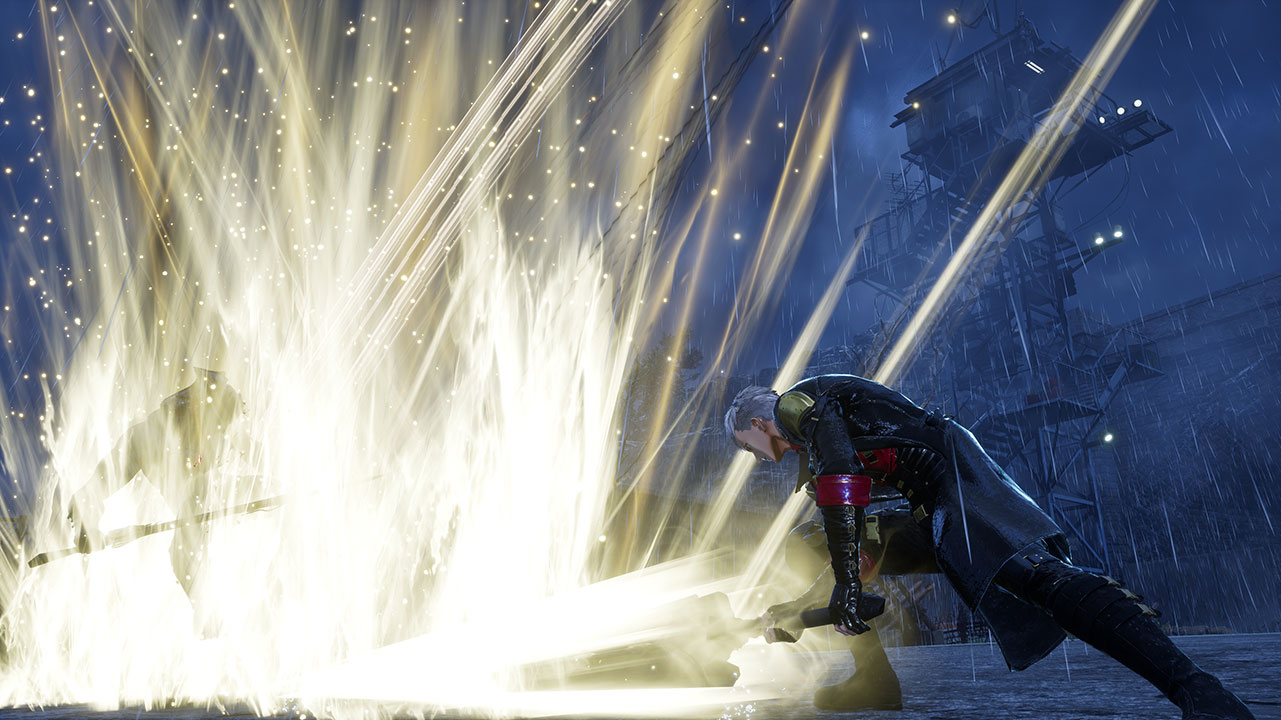
“We aimed to balance two contradictory elements: collaboration with your buddy and a tense battle moment. The Blood Thirst System replaces the focus gauge to achieve this balance,” Yoshimura explained.
Iizuka added that the simplification doesn’t mean less depth. “Although the game simplifies the combat system to some extent, it introduces new combinations in other areas, particularly through weapons and Blood Codes, allowing players to experience different kinds of enjoyment even within the streamlined system,” he said.
Character Depth Across Time
The new cast of Code Vein II doesn’t directly connect to characters from the first game, but Yoshimura noted that the team applied similar principles in developing them. “We didn’t incorporate characters or events directly,” he confirmed.
“All characters, including the protagonist, are alive in the game. Compared to the previous game, there is more variety in characters, appearing in different timelines. This allows a wider range of expressions and deeper character exploration,” Yoshimura said.
“Some characters are heroes from the past. We want players to encounter the heroes in the game the same way we encounter historical heroes in real life—being influenced and inspired by them,” Yoshimura explained. The team continues their approach from the first game: “We continue the approach from the previous work: showing characters’ lives and values, while deepening and expanding the cast.”
Player Choice and Story Structure
While CODE VEIN II has an overarching narrative that progresses through the past, the game gives players meaningful choices about which path to take during major missions. Iizuka explained the balance between structure and freedom: “To properly structure the experience, we believe it’s essential to give players meaningful choices about which path they want to take. While the overarching story does progress through the past, when it comes to major missions, players are given the freedom to decide where to go next.”
“Of course, certain elements of the storyline need to be followed, but for some key missions or major narrative moments, we allow players to make their own decisions. This means that while not everything can be freely chosen, the order in which players begin or engage with certain paths is ultimately up to them,” Iizuka clarified.
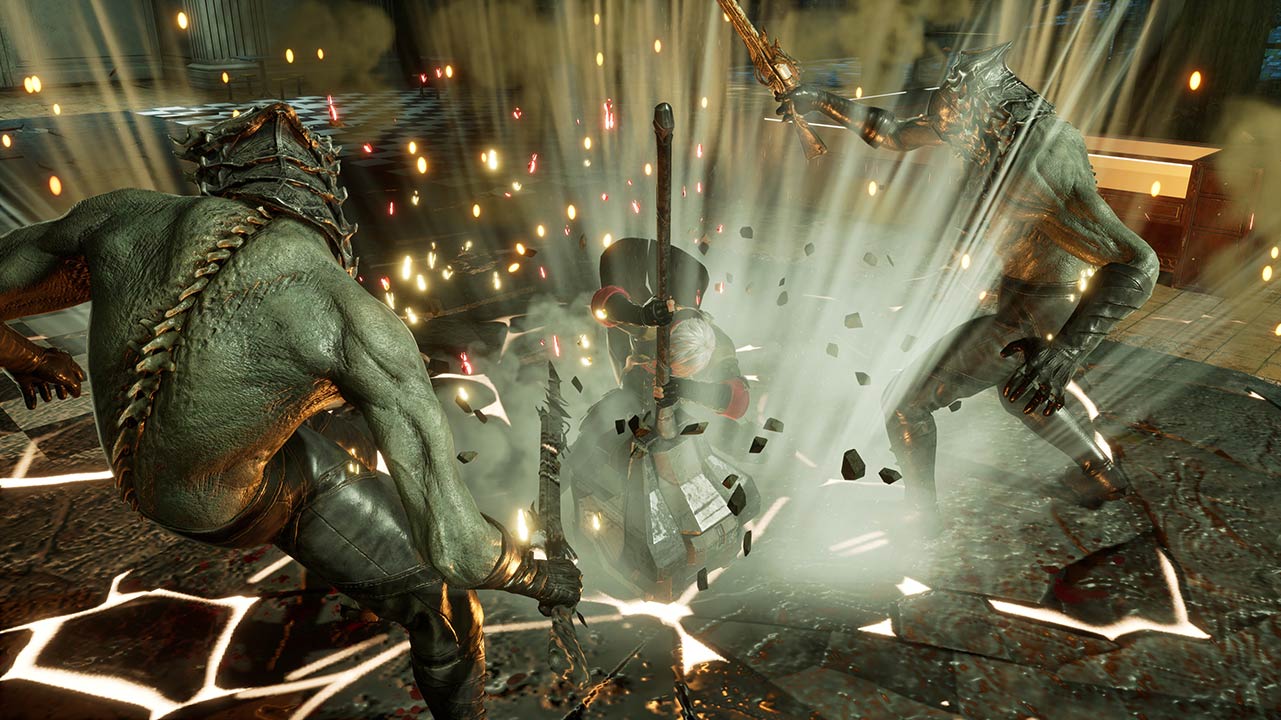
He provided a concrete example: “For example, in one character’s storyline, there is a moment where players can choose to return to that character’s past in order to alter it. At that point, players can decide whether to pause and revisit the past, or continue forward with the main story and move on to the next character.” “Ultimately, these decisions are left to the player. We hope that this sense of choice and agency enhances the overall experience and allows players to enjoy the game on their own terms,” Iizuka said.
For those wondering about length, Iizuka provided estimates based on different playstyles. “If you only follow the main story, it will probably take around 30 to 40 hours to complete. However, players can also explore different paths and see how the story changes, which can extend the playtime,” he said. “As you may have noticed, the game allows you to go back to the past and make small changes, and these won’t affect the current situation. Taking this approach naturally gives you more time to enjoy the game. You may also encounter certain high-level challenges when revisiting the past, which adds an extra layer of difficulty and strategy,” Iizuka explained. “This system lets players experience the same challenges in different ways and explore alternate paths, offering a richer and longer gameplay experience.”
Lessons from Six Years of Development
When asked what lessons from previous projects informed CODE VEIN II, Iizuka reflected on what made the original appealing. “There’s no direct connection to Scarlet Nexus, but through those earlier experiments, we realized what made CODE VEIN appealing: a mix of intense action and exploration, supported by solid story explanations and engaging gameplay sequences. That combination became the core of this game,” he said. “We also noticed that players tend to feel a stronger emotional connection to the characters compared to other action RPGs.”
“In Code Vein, having at least one partner character is crucial. If you make a mistake in a dangerous area or during combat, it can be fatal. While you do have a partner, it’s always a one-to-one relationship—not a group of allies. This buddy system is a defining feature of the series,” Iizuka explained. “You’re facing tough enemies and high-stakes situations, and at the same time, you need to build a meaningful connection with your partner. That tension and reliance is what makes Code Vein feel unique.”
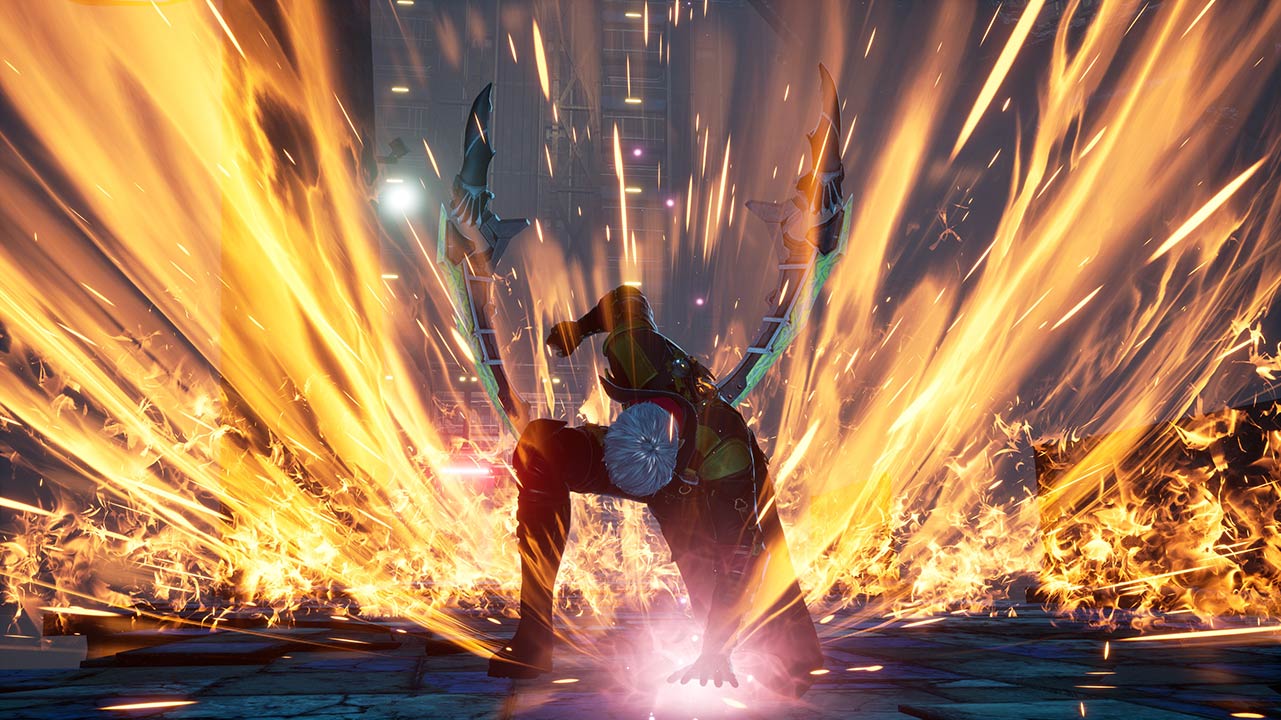
Yoshimura noted the significant time between releases and how the industry has evolved. “It’s been six to seven years since the last Code Vein game, and the development of this new entry spanned the same period. In that time, the action game market has evolved significantly, and player expectations have risen accordingly,” he said. “Meeting these new demands—while staying true to the series’ identity and maintaining strong character-driven storytelling—was the major goal of this project.”
“By combining these lessons with the new requirements of modern action gamers, we were able to shape a game that honors the series’ legacy while delivering fresh, engaging experiences,” Yoshimura concluded.