
![[EXCLUSIVE] Dragon’s Dogma 2: Dark Arisen Team Opens Up About the Expansion’s Name, New Norgan Region, and Performance Goals](https://cdn.gamerbraves.com/2026/07/Dragons-Dogma-2-Dark-Arisen_Interview_FI-360x180.jpg)











Japan is taking a firm stand against OpenAI’s Sora 2 video generator after reports of copyright misuse involving Nintendo and popular anime characters. The country’s Digital Minister, Taira, met with OpenAI executives last week to deliver a clear message: Japan’s creative property must be respected.

During the meeting, Taira expressed growing concerns about Sora 2’s ability to reproduce copyrighted content. OpenAI’s team admitted the issue was serious and outlined how it happened. They also promised to introduce safeguards to prevent future violations.
OpenAI Promises Tighter Copyright Controls
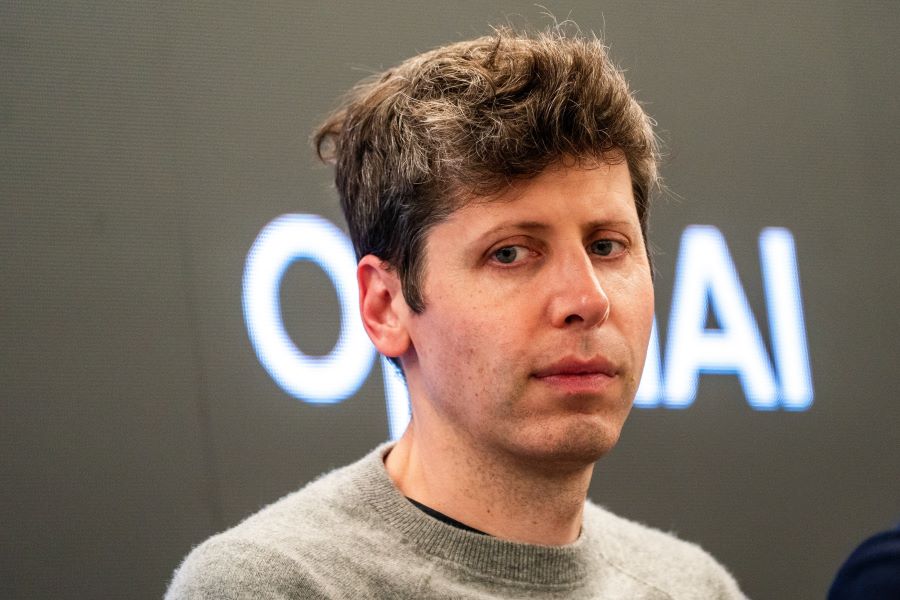
OpenAI CEO Sam Altman addressed the controversy soon after the backlash began. He announced upcoming features that will let copyright holders decide how their works appear in AI models—or block them entirely.
Japan’s government and the ruling Liberal Democratic Party (LDP) have also signaled stronger oversight. Under the new AI law passed in June, officials may investigate foreign AI firms that mishandle Japanese intellectual property.
Sora 2 Sparks Fan Outrage Online

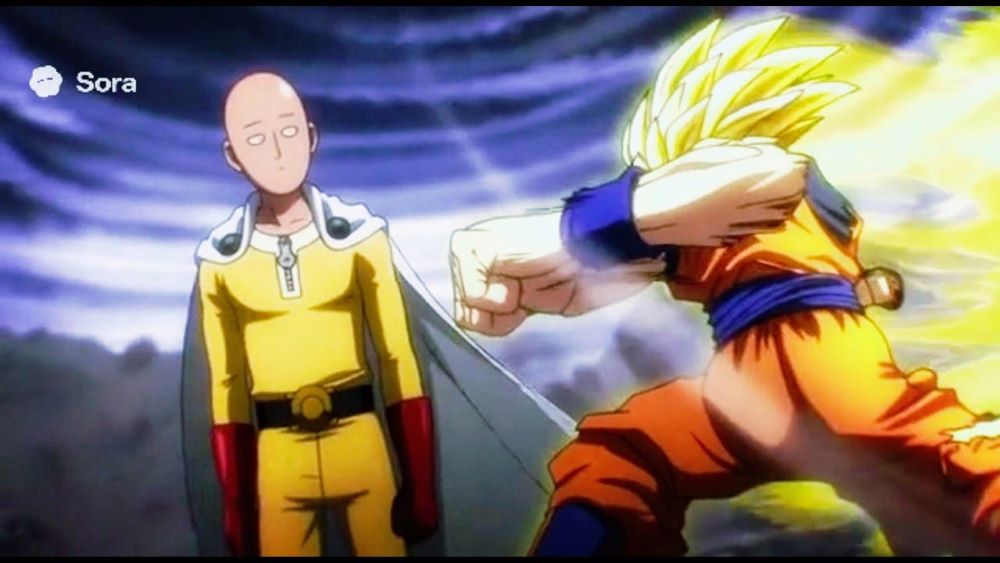
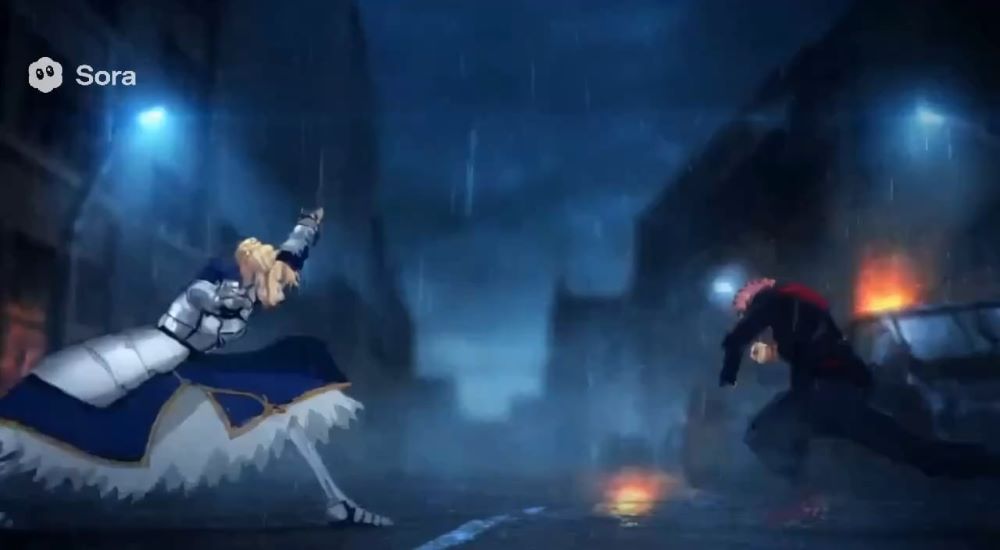
The uproar started shortly after Sora 2’s September launch. Social media filled with clips resembling scenes and characters from Pokémon, Dragon Ball, and Doraemon. Fans accused OpenAI of using anime art styles without permission, and local creators demanded action.
Sam Altman later apologized on October 3, saying “the mistakes will be corrected swiftly.” OpenAI has since updated its filters to block the generation of unauthorized anime content. These changes reportedly came after direct pressure from Japan’s LDP members.
Lawmaker Akihisa Shiozaki Intervenes
LDP lawmaker Akihisa Shiozaki learned about the situation on October 1 from a contact in the anime rights industry. After reviewing evidence, he contacted Altman directly and demanded a ban on illegal video generation.
Altman agreed to cooperate, promising to handle the issue “in good faith.”
Shiozaki, who previously acted as OpenAI’s liaison during Altman’s visit two years ago, criticized the company’s approach. He said the firm “launched the service without consulting the Japanese government or rights holders,” which caused unnecessary conflict. Shiozaki urged Japan to use its investigative powers under the AI law to ensure that international companies follow the country’s copyright rules.
A Defining Test for AI Regulation
Japan’s pushback marks one of the strongest global responses to AI-generated copyright issues. The case highlights a growing struggle between innovation and the protection of creative industries.
Anime and gaming are cornerstones of Japan’s economy and culture, and government officials appear determined to defend them. The steps Japan takes next could shape how other nations regulate AI content creation—and how companies like OpenAI handle artistic rights worldwide.