


![[EXCLUSIVE] Dragon’s Dogma 2: Dark Arisen Team Opens Up About the Expansion’s Name, New Norgan Region, and Performance Goals](https://cdn.gamerbraves.com/2026/07/Dragons-Dogma-2-Dark-Arisen_Interview_FI-360x180.jpg)












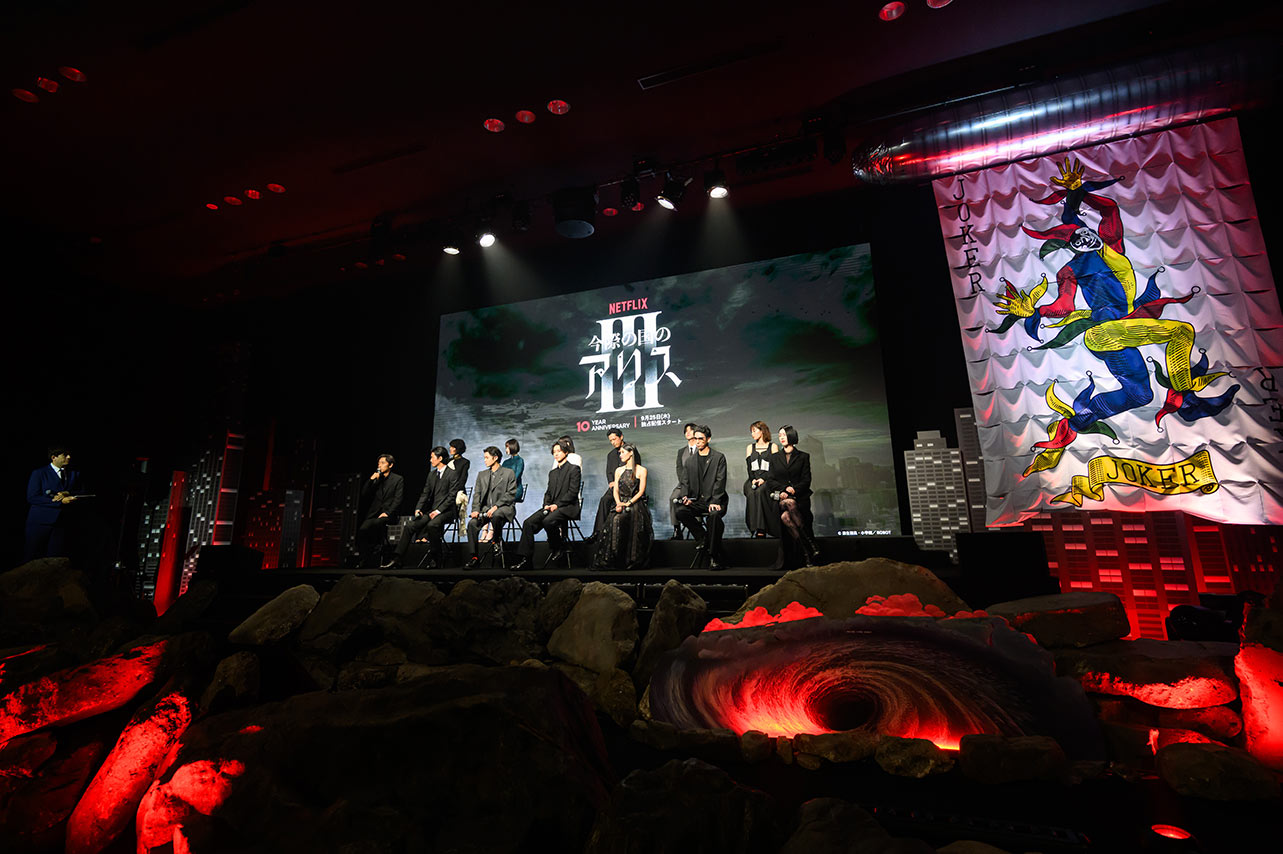
In a recent roundtable interview with Alice in Borderland Season 3’s key figures, we had the opportunity to hear from Director Shinsuke Sato alongside the series’ leads Kento Yamazaki (Arisu) and Tao Tsuchiya (Usagi). The trio shared candid insights about the challenges of developing the third season, from crafting deadly games that serve as both entertainment and character development to the personal growth both the actors and their characters have experienced throughout the series.
What emerged was a deeper look into how Alice in Borderland continues to push creative boundaries while staying true to its core themes about survival, choice, and the meaning of life.
Creating Games That Matter
For Director Shinsuke Sato, each game in Alice in Borderland serves a deeper purpose beyond mere survival. “The storytelling and the gameplay is kind of combined into one,” he explains. “It turns into a process of resolving traumas or any problems or any baggage that each character has within him or her.”
This season features a mix of brutal physical challenges, intellectual mind games, futuristic scenarios, and nostalgic childhood games that unfold in unexpected ways. What makes the series unique, according to Sato, is how viewers become active participants. “With the intellectual games, the viewer is also thinking for him or herself and trying to play along as well.”
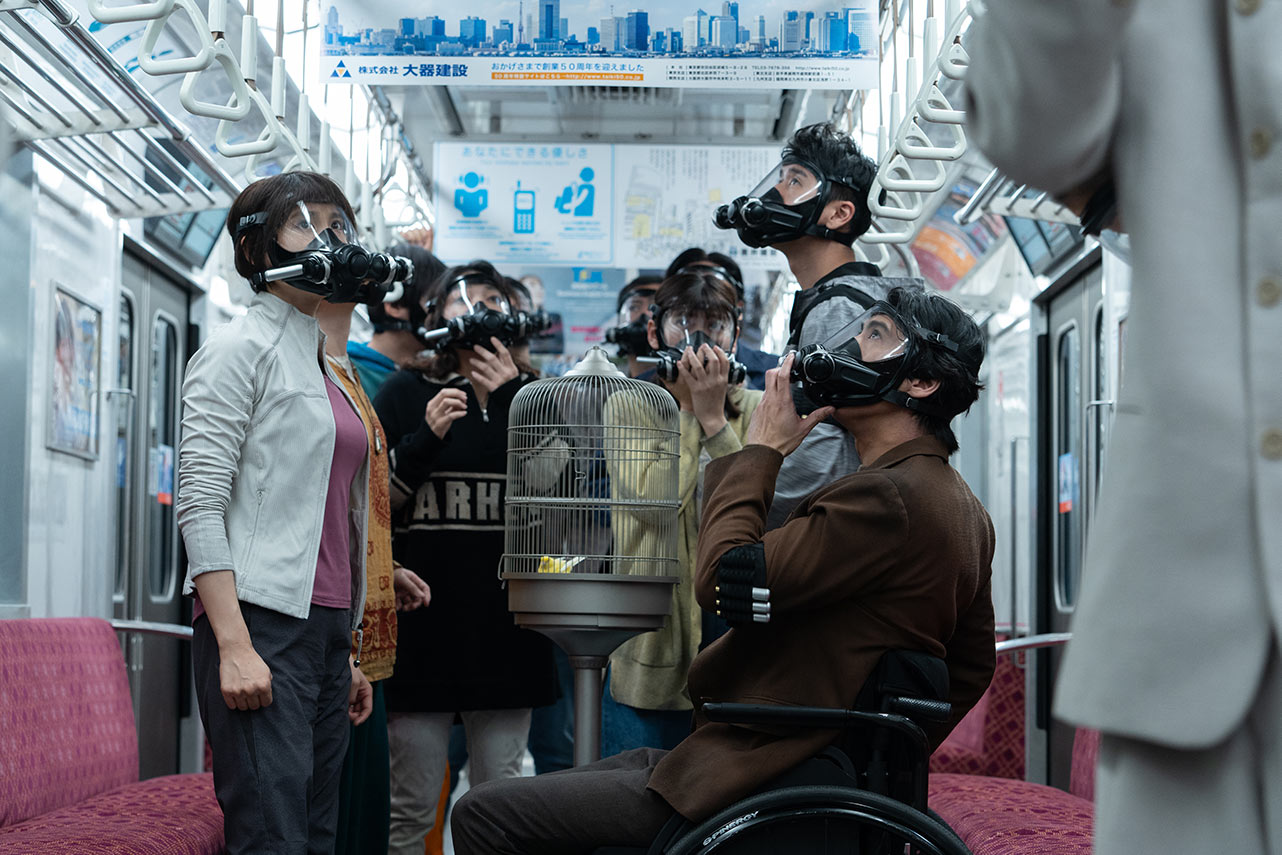
The director faced his biggest challenge when creating original games not found in the source manga. “You have to be a game creator yourself,” he admits. “You set these rules of gameplay, but then there are certain holes that you just can’t figure out how to solve or how to fill up.”
Full Circle: The Final Game
Season 3’s climactic game holds special significance as it brings the story full circle. Set in Shibuya—where the series began—the final challenge was deliberately crafted as a bookend to the journey.
“There was actually no gameplay ever done in Shibuya in this series,” Sato reveals. “So there had to be, it had to end in a game played in that specific part.” The director drew inspiration from the very first game “Dead or Alive” in Season 1, creating another close-quarters challenge where choices determine survival.
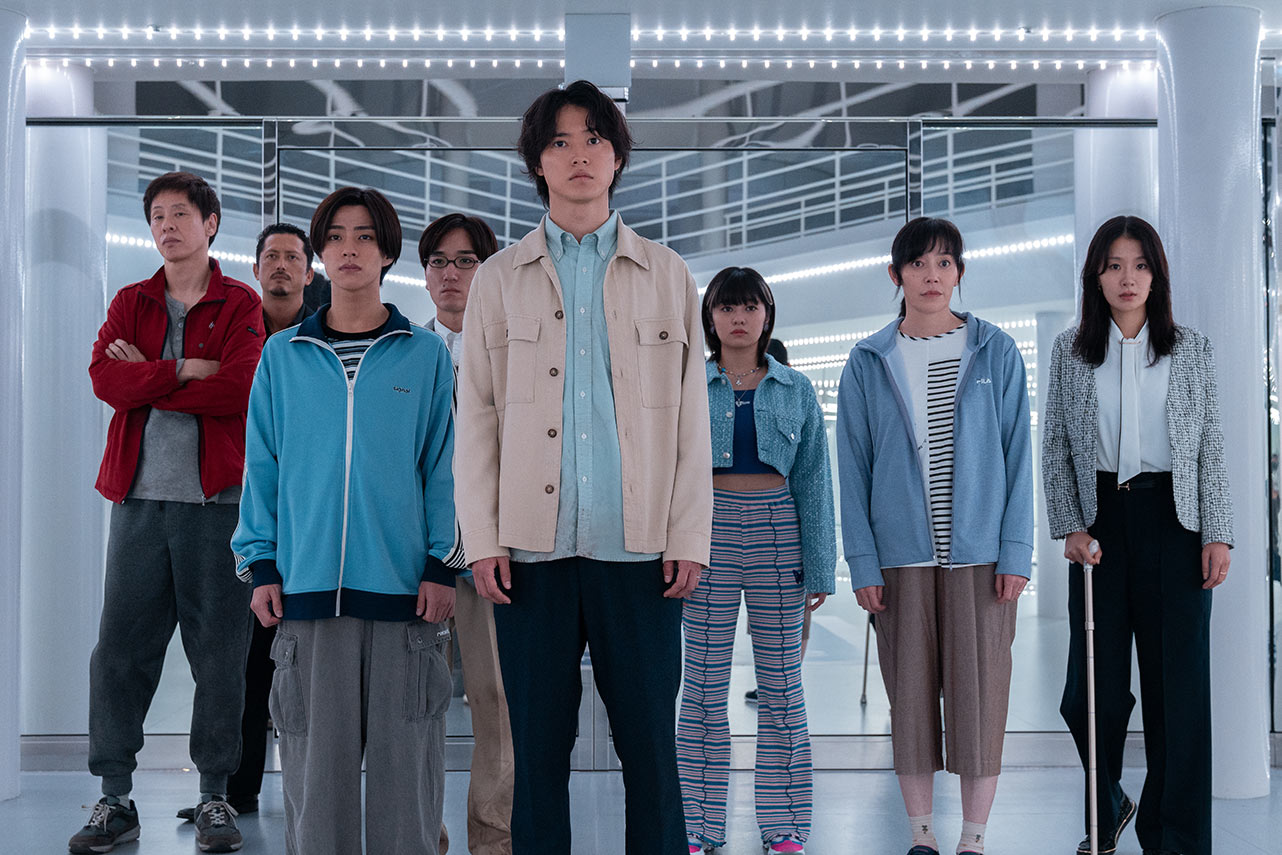
The final game takes the form of Sugoroku, a traditional Japanese dice board game. “I wanted to do a Sugoroku game because it echoes how the choices that you make in life determine your fate or your future,” Sato explains. The game serves as “a microcosm of what we’re trying to set as the core theme of this season, which is life.”
Character Growth and Actor Development
For Kento Yamazaki, returning to play Arisu for the third time brought a sense of confidence earned through previous challenges. “From Season 1 and Season 2, as an actor in real life, I was able to overcome all the challenges, so that led to me having confidence,” he shares. “This time around, his objective is very clear: to take home Usagi.”
The actor emphasizes that Arisu’s conviction never wavers, particularly in a key scene with an elderly character where life’s meaning is questioned. “He was very clear about living,” Yamazaki explains. “Even if there are hard times, it’s worth living. I think that was so clear to him.”
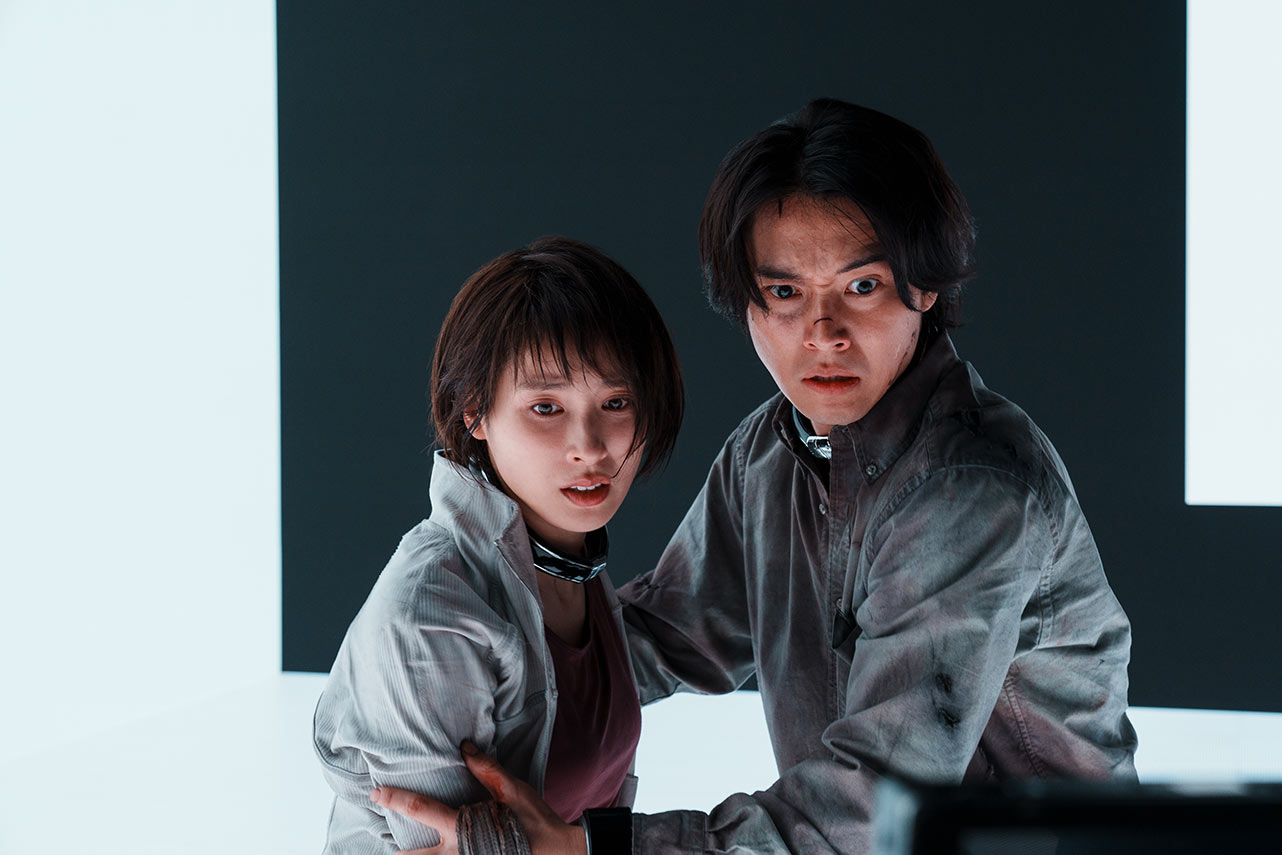
Tao Tsuchiya found her character Usagi facing new vulnerabilities in Season 3, though she interprets this as strength rather than weakness. “She has a resolve to build a family with Arisu, and she feels in order to do that she has to face her weakness and trauma,” Tsuchiya explains. “Only by confronting and overcoming that will she be able to protect this family.”
New Relationships and Dynamics
This season introduces new character Ryuji, who creates complicated dynamics for the main couple. Tsuchiya describes how this encounter actually strengthens Usagi’s feelings: “Through communication, we build bonds. I think because of that encounter with Ryuji, Usagi’s feelings for Arisu are made even clearer.”

The season also explores Arisu and Usagi’s relationship as a married couple facing Borderland’s challenges together. “What’s different is that Arisu and Usagi are married this time around,” Tsuchiya notes, adding that this dynamic strengthened their characters’ bond.
Behind the Cameras
The production faced significant technical challenges, particularly with the underwater finale scenes. “It was the biggest set we had,” Tsuchiya recalls. “From the outside you would think it’s a gymnasium, but there was a pool inside.” The complex setup required multiple specialized teams handling waves, splashes, and water effects, with safety being the top priority.

Both actors praised their crew’s dedication, with Tsuchiya highlighting the laser dodge game sequence: “The location was an incredible underground facility. They only had stairs to bring in all the equipment, so I think they’re the strongest.”
A Fresh Perspective for All Viewers
Despite being the third season, Director Sato maintains his original vision of accessibility. “You don’t necessarily have to really know the original manga in order to enjoy it and really be pulled into this world,” he states. His final message to viewers echoes this sentiment: “I really want the audience, the viewers, to come in with no preconceptions, just as if they are approaching a blank sheet of paper.”

For both returning fans and newcomers, Alice in Borderland Season 3 promises to deliver the series’ signature blend of psychological depth and heart-pounding survival games, while exploring fundamental questions about life, choice, and what makes existence worthwhile.