
![[EXCLUSIVE] Dragon’s Dogma 2: Dark Arisen Team Opens Up About the Expansion’s Name, New Norgan Region, and Performance Goals](https://cdn.gamerbraves.com/2026/07/Dragons-Dogma-2-Dark-Arisen_Interview_FI-360x180.jpg)









Remaking a 20-year-old classic is no small task, especially when that game holds a special place in many players’ hearts. Snake Eater originally launched in 2004, introducing players to Naked Snake’s mission in the Soviet jungle and delivering one of gaming’s most memorable stories. Now, two decades later, the team faces the delicate task of bringing this stealth masterpiece to modern audiences while keeping what made it special in the first place. We recently had the opportunity to hear from the developers behind METAL GEAR SOLID Δ: SNAKE EATER during a media event. Producer Yuji Korekado, Director of Fox Hunt Mode Yu Sahara, and Producer Noriaki Okamura were present to discuss the challenges and decisions behind remaking one of the most beloved entries in the Metal Gear series. Throughout the session, Korekado took the lead in answering most of our questions, providing detailed insights into the team’s approach.
A Perfect Starting Point for New Players
The team sees Delta as more than just a visual upgrade – it’s a gateway into the Metal Gear universe. “We were really drawn to the charm of the series and how various games in the Metal Gear franchise connect,” Korekado explained. “This title is the first chronologically in the story timeline and because of that, we wanted new players to begin with this entry. The series has a complex timeline, so this is the ideal starting point for newcomers.” The developers emphasized their focus on accessibility for newcomers while maintaining the essence that longtime fans appreciate.
One concern with modern graphics is whether enhanced detail might change how iconic characters feel to players. When asked about Snake’s updated appearance, the team addressed these worries directly. “We didn’t necessarily tone down the character expressions, but we made sure that nothing would destroy what Metal Gear fans expect when they see Snake in this new, updated version,” they explained. “We ensured he still looks and feels like the Snake they love.”
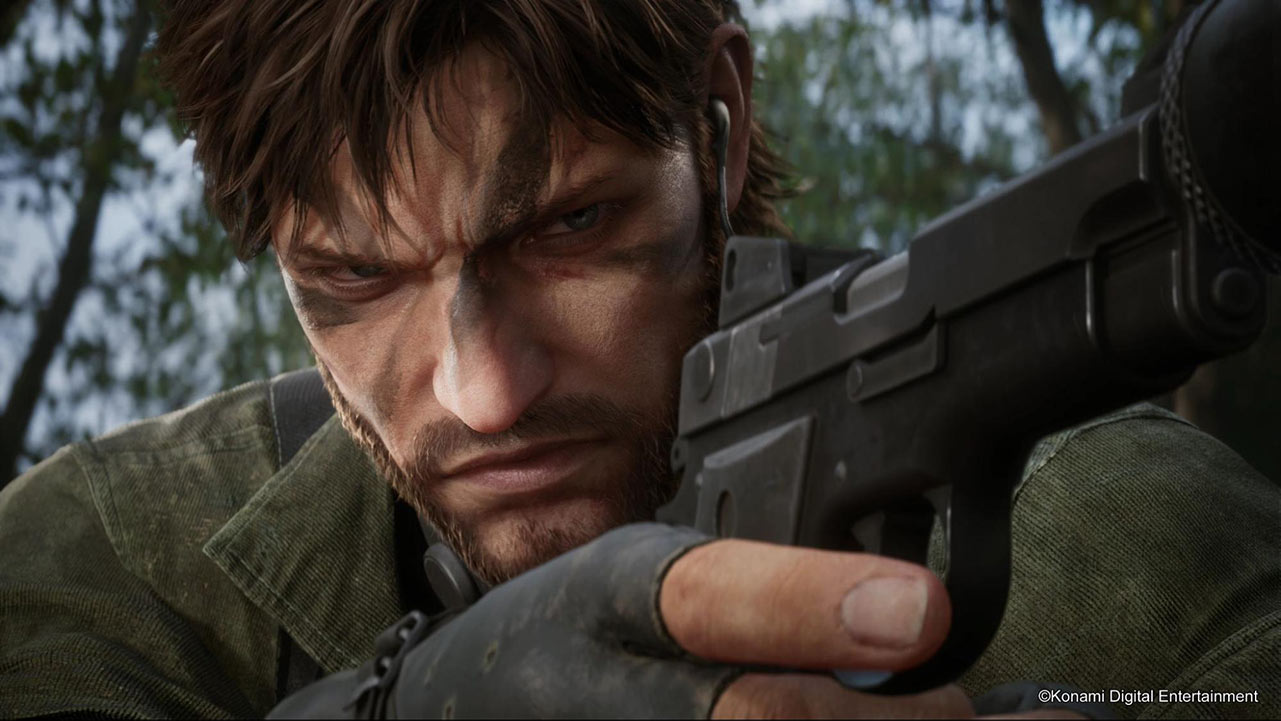
The developers put significant effort into capturing Snake’s personality through improved facial animations. “This Snake has a variety of emotional expressions presented in a rich way. Some scenes are old-fashioned works, so we tried to preserve that impression correctly in the cutscenes. And in order to make it feel lifelike—like he’s actually making those expressions—we did a lot of mocap to make sure we got it just right.”
Modernizing a Classic Without Losing Its Soul
When asked about updating a 20-year-old game for today’s audience, the team revealed their careful approach. “Since the original was already perfect as it was, we initially thought updating the graphics alone would be enough,” Korekado said. “But as we progressed, we realized there were little things that didn’t quite fit just by enhancing the visuals. So we reworked elements like character motion and audio to better align with modern AAA standards.”
The team identified their core challenge early on. “The biggest challenge was that the original game already exists as a foundation. Recreating it without destroying what made it special was tough,” they noted. “We wanted to preserve everything that was fun while making some minor tweaks. But we still wanted to keep the core of the original intact.”
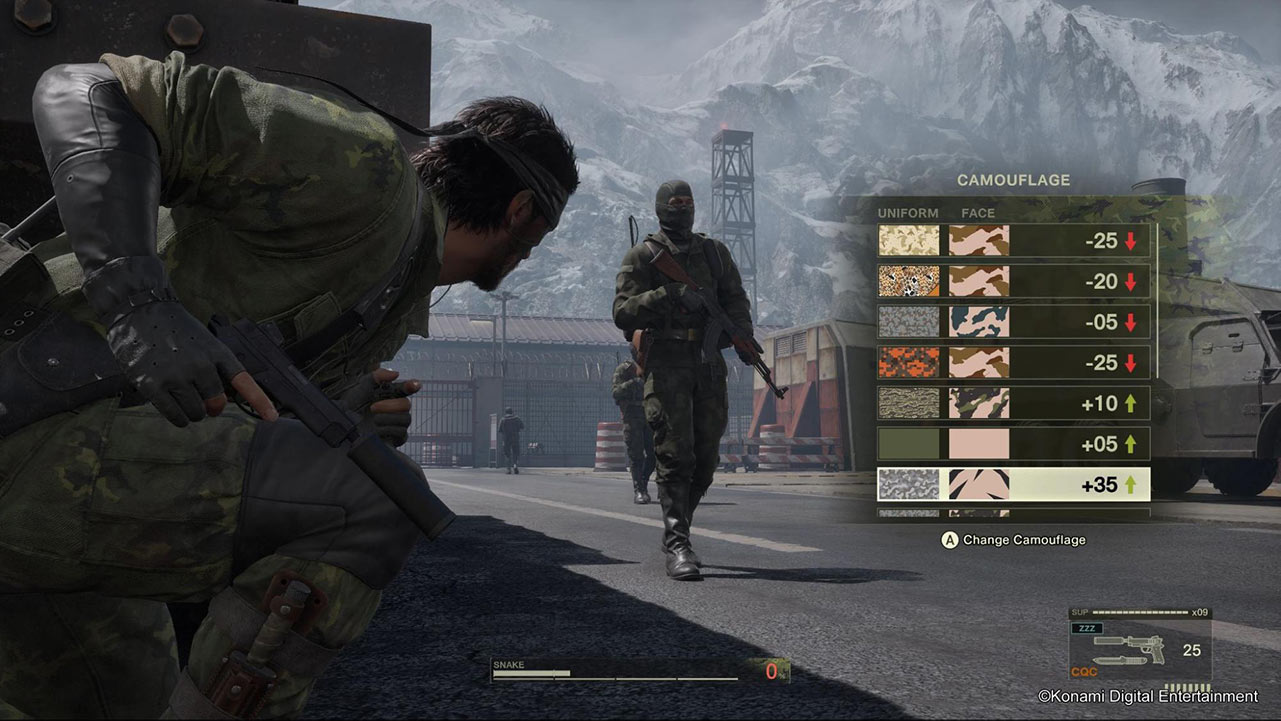
The developers acknowledged the challenge of modernizing without compromising the original experience. The shift from the original’s overhead view to a modern third-person camera presented particular challenges. “Changing from the overhead camera to a third-person view made it easier to see enemies in advance, which reduced tension,” they explained. “So during development, we adjusted things like enemy awareness and item placement to keep the experience thrilling even with the modern camera.”
Even original bugs became a topic of internal debate. “The original had some bugs. Internally, we debated whether to fix them or leave them in. That was another part of the challenge,” the team revealed.
Two Ways to Play
Delta offers two distinct control schemes to accommodate different player preferences. “We offer two play styles. If you want the classic controls and camera, that’s available as Legacy Style. But if you prefer a more modern experience, there’s a New Style with updated controls and camera,” the team explained. “In terms of hardware, we’ve tailored performance features to each platform. We recommend experiencing it hands-on for the full effect.”
For PS5 Pro owners, Korekado shared his personal preference: “Personally, I prefer image quality priority mode. That said, performance is excellent in both modes. Even on regular consoles, the visuals are solid. On PS5 Pro, you’ll notice enhancements to both fidelity and frame rate.”
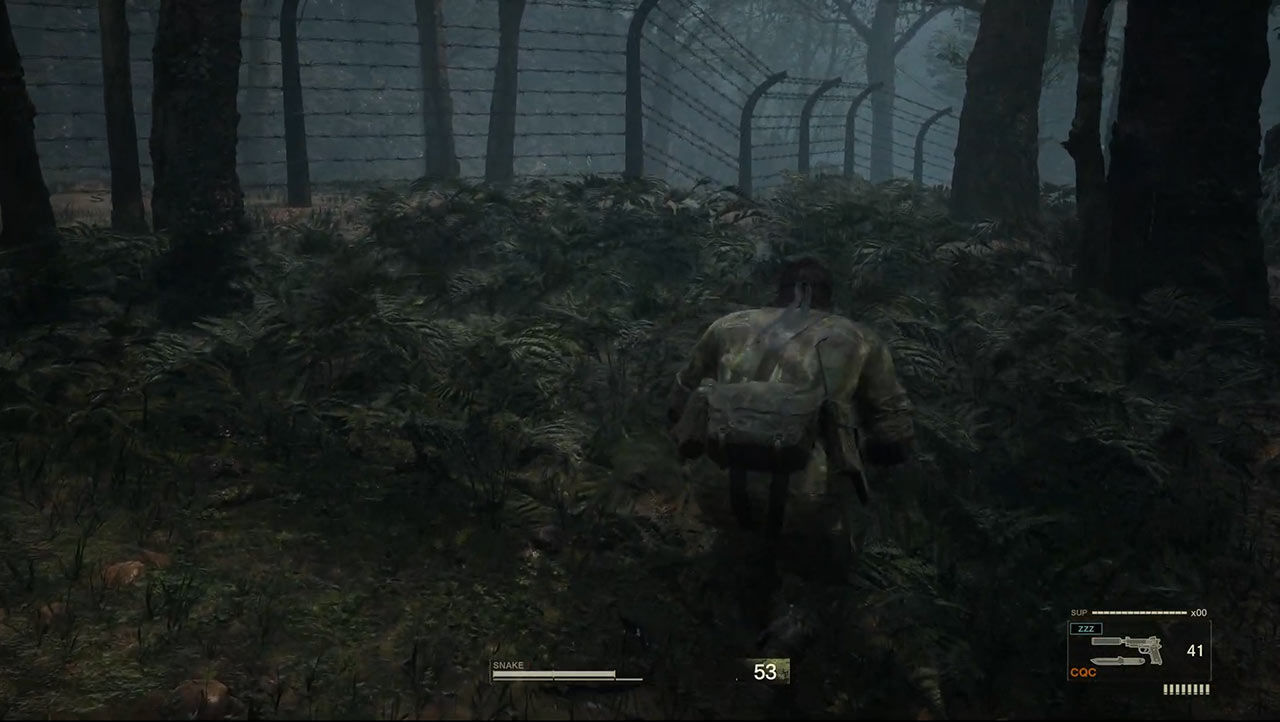
When it comes to weapon mechanics, the team took different approaches for each control style. “We balanced the accuracy and feel of the guns. We approached this differently depending on whether you’re in Legacy Style or New Style,” they explained. “Since the character models have changed, we also adjusted the hitboxes to match. We optimized everything to feel like the original, without making it too hard.”
Preserving Original Design Philosophy and Technical Optimization
With many recent Unreal Engine 5 games facing criticism for poor optimization, the team addressed these concerns directly. “Yes, optimization was a big focus, especially in the latter half of development. We worked hard to ensure performance is solid and optimized the game as much as possible. So a lot of effort went into making sure everything runs smoothly.”
For Xbox players, the team confirmed frame rate targets. “On Xbox, the game can run up to 60 FPS,” they stated. On the more powerful Series X, “you can go up to 60, the FPS still depends on what’s happening on-screen—especially during cutscenes. It might dip slightly in some instances.”
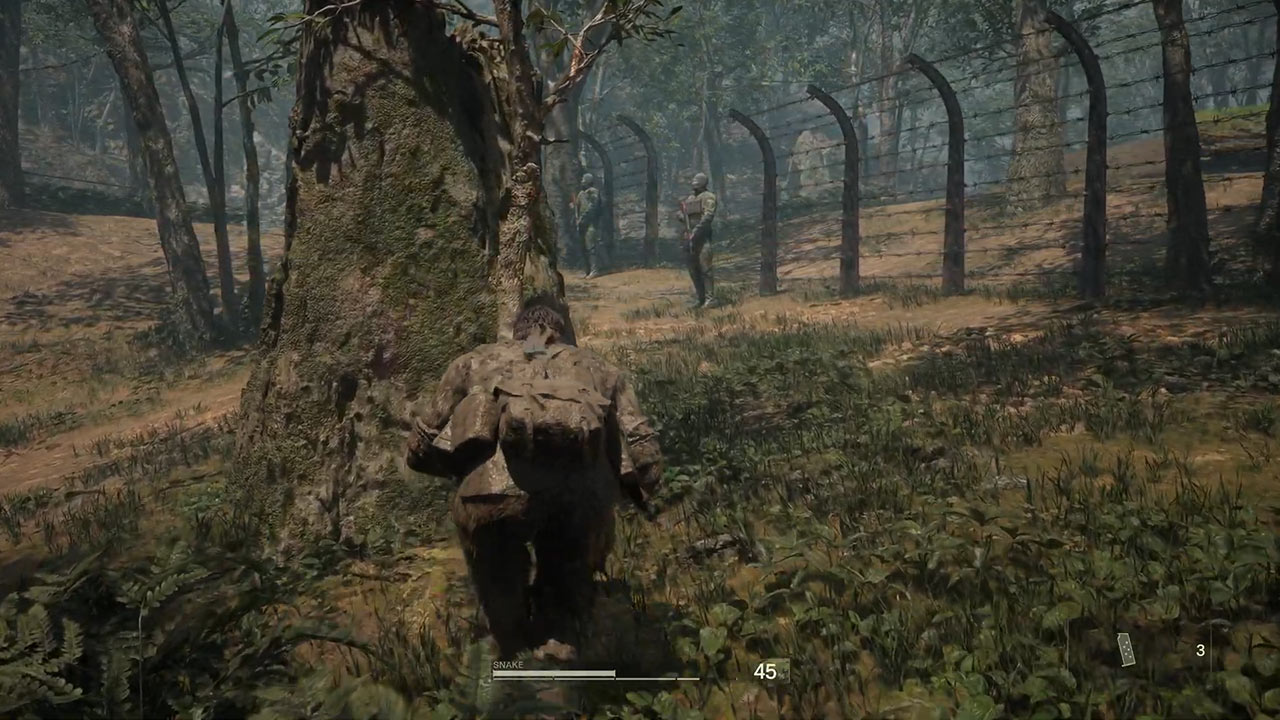
The team made conscious decisions to maintain certain aspects of the original’s structure, even when they might feel dated. When asked about the map system, they explained their reasoning: “Changing how maps are structured would’ve destroyed a lot of the original game mechanics. The original game was designed with separate, individual maps so that players could experience certain aspects in each one. So we wanted to preserve that original concept.”
Easter Eggs and Hidden Details
Fans of the series’ famous Easter eggs will find most of their favorites intact. “Most of the easter eggs should be there, but there may be some that we have to take out due to technicality issues,” the team confirmed. “One example would be the differences you see when playing in New Style versus Legacy Style—like with the posters. Those are some of the new Easter eggs we’ve added.”
Speaking of posters, the team clarified a common misconception about changes to the original’s pin-up imagery. “Actually, we didn’t change the posters. If you play the game in Legacy Mode or in the Legacy version, you’ll get different sets of posters and actually the model in those posters is actually the girls in the original game,” they explained. The team went the extra mile to maintain authenticity: “We have them send us the updated photo of themselves. We reached out again to see if they were willing to collaborate with us to get updated versions of their in-game posters. All of them were very excited and willing to work with us on that.”
Keeping Some Quirks Intact and Helping New Players Navigate
Not every outdated mechanic received an update. The unusual health system from the original remains unchanged. “We debated this, but ultimately wanted to retain the survival aspect of Metal Gear,” the developers stated. “It may not be the most elegant system, but it’s core to the experience. There are healing options, but they might not be obvious at first — that’s part of the game’s identity.”
This decision reflects the team’s commitment to preserving the original’s unique characteristics.
The remake includes several features to help newcomers understand the game’s mechanics. “During bug testing, we found many moments where we’d say, ‘Oh yeah, I forgot that feature existed!'” the team recalled. “Some of the original team is still with us, and it was a nostalgic process. To help new players, we added a ‘Tips’ feature to explain subtle mechanics without losing the original design. You can also adjust how much help you receive.”
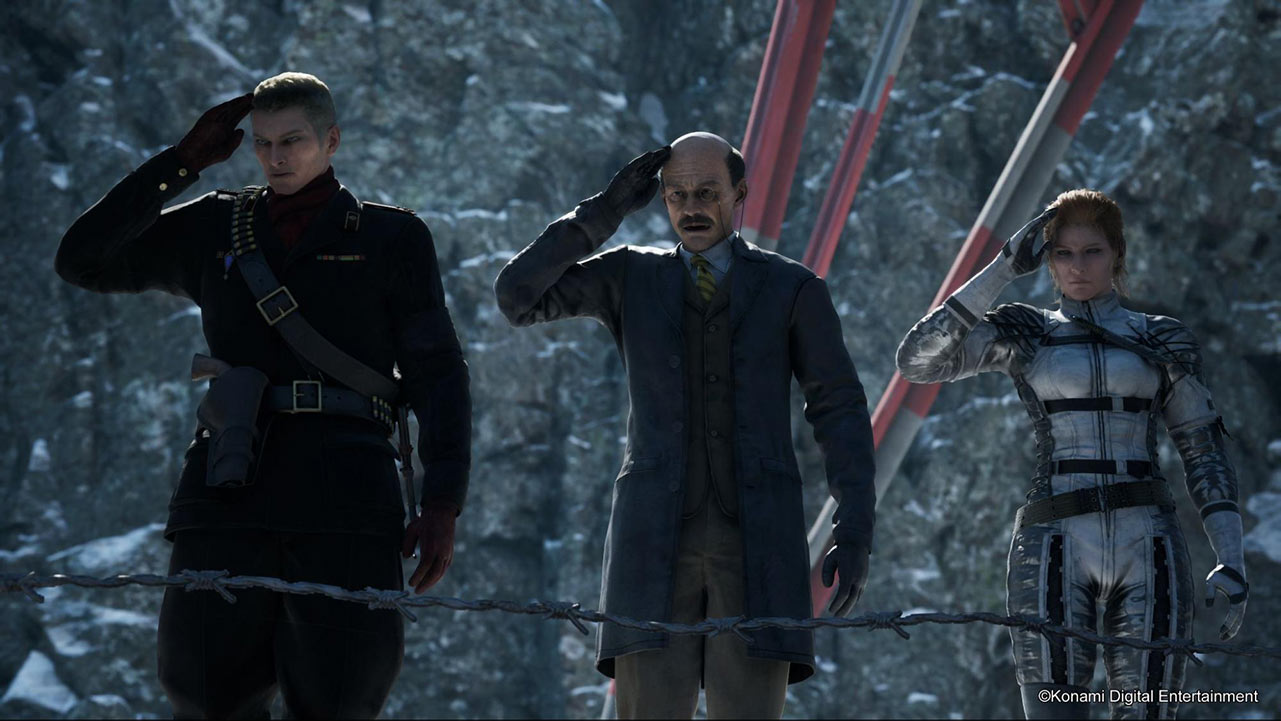
Boss fights now include health bars with optional hints. “The original didn’t include that, but for new players unfamiliar with classic gameplay, we felt it was important to provide some guidance,” they explained. “You can choose how much help you get from tips — from full tutorials to no help at all.”
The team also addressed navigation aids. “We initially included a mini-map to help new players navigate, but it made the game too easy and removed a lot of tension. So we decided to remove it and instead added a compass that points you in the general direction without spoiling exploration.”
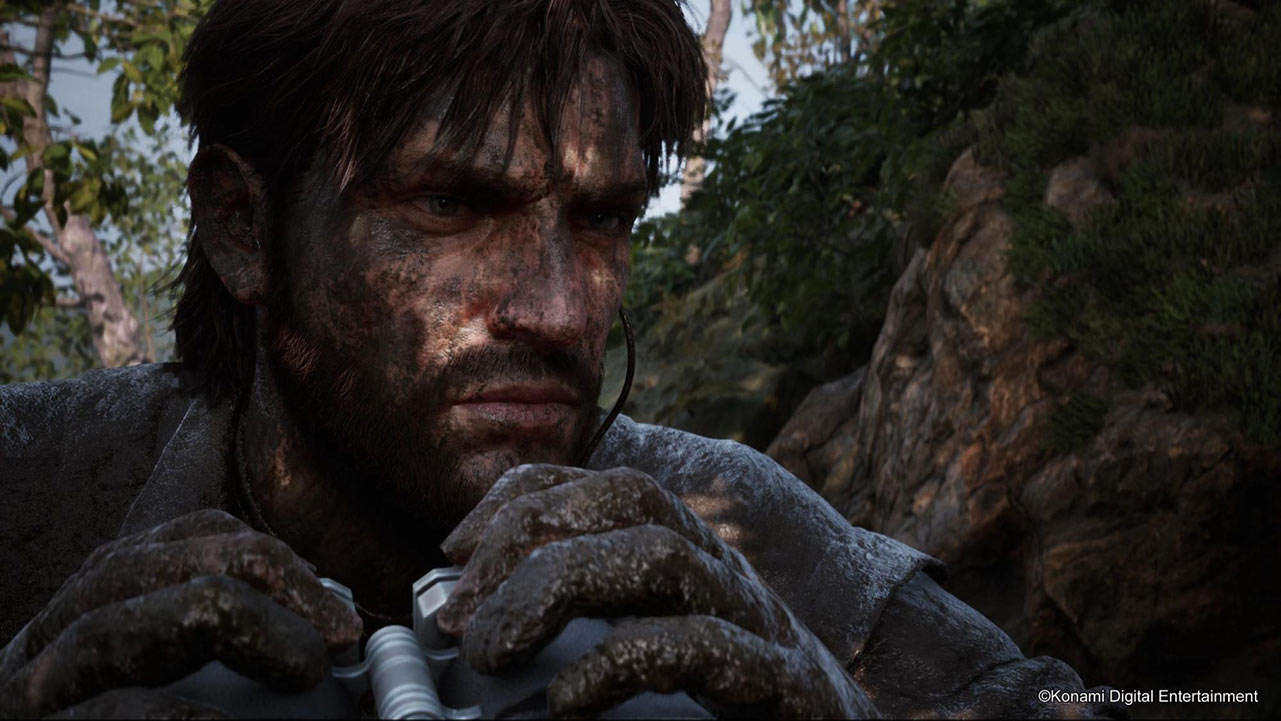
Fans of Metal Gear Online will find familiar elements in Delta. “The ‘Fox’ multiplayer symbol represents the sneaking match rule, a classic feature from MGO,” the team confirmed. “While this isn’t a full MGO, we still wanted to provide an online experience that captures the spirit of it. Fans of the original sneaking match rule should feel right at home.” The team also highlighted a completely new addition: “We do have a Fox Hunt mode that’s part of MGS Delta, and so that is something that’s completely new that we are incorporating into the game and something that hopefully everyone can experience playing sometimes.”
Looking Ahead
Talking about a new mysterious mode, the team remained reserved about details. “We know everyone is eager for more details. While we can’t share specifics now, we will have future announcements. Please stay tuned.”
When asked about pushing boundaries like the original Metal Gear Solid games were known for, the team explained their approach: “Because our core concept was to maintain everything that was already great about the original, we didn’t want to change that too much. However, we did want to make sure that the game still feels like a modern AAA title.”
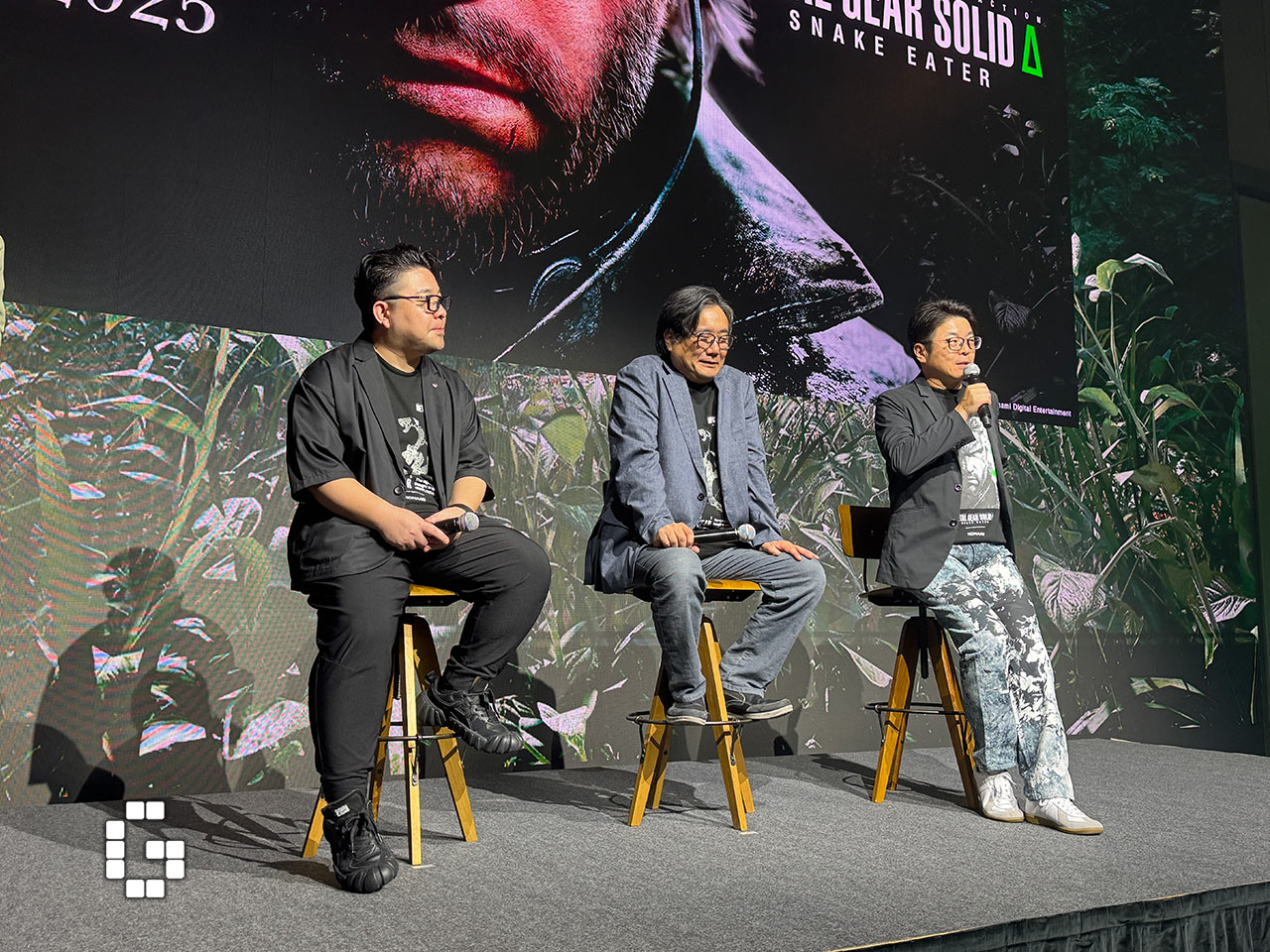
The development process proved meaningful for team members who worked on the original, with some original staff still involved in the remake. METAL GEAR SOLID Δ: SNAKE EATER represents the team’s effort to balance honoring the original while welcoming new players through optional guidance systems and multiple play styles.